Wholesale Panel Range for Sapele Plywood Buyers
Sapele-faced plywood can be quoted against your face grade, core, glue, emission class and destination requirement. The eight lines below are established export products that can support mixed-container sourcing alongside Sapele plywood, melamine plywood and raw MDF orders.
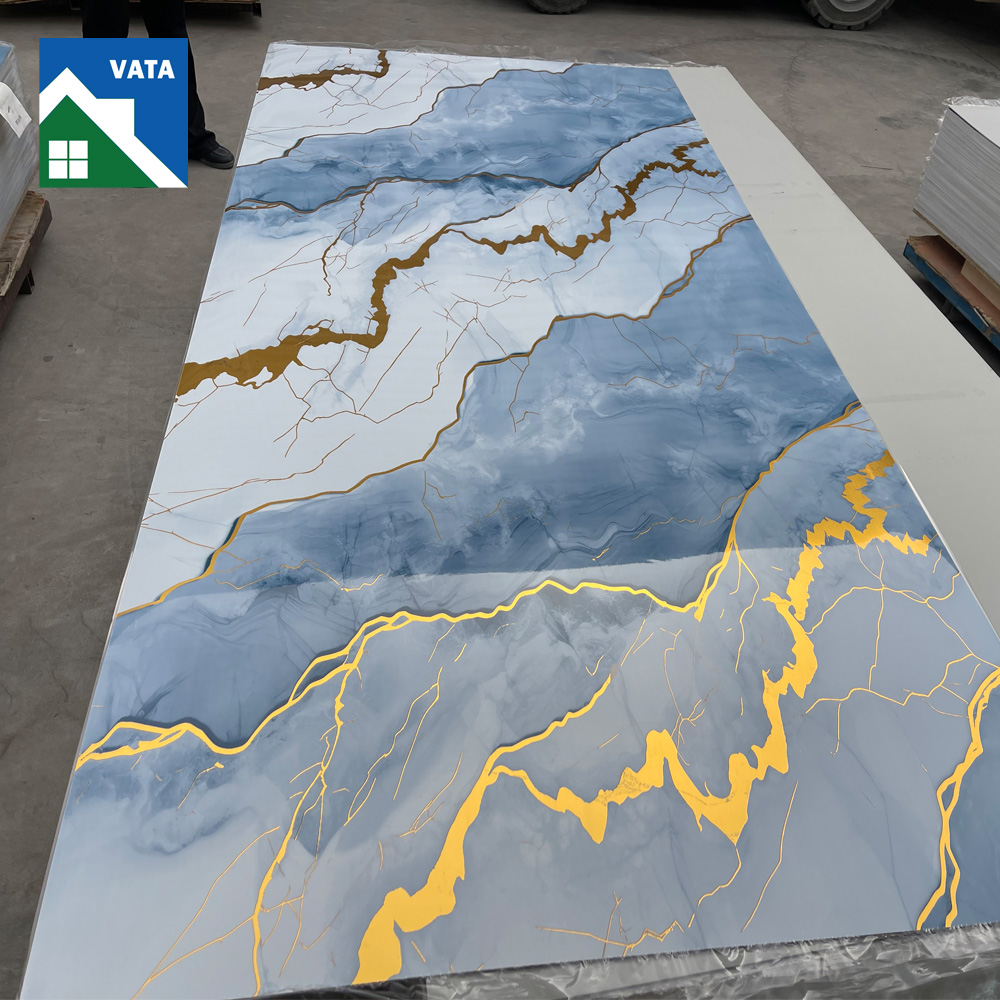
Customized Easy Installation High Glossy PVC Wall Panel Bendable DIY Indoor TV Wall Background Board Glossy UV Marble Sheets
Bendable high-gloss UV marble-look PVC sheet for TV backgrounds, feature walls and fast interior renovation projects.
View product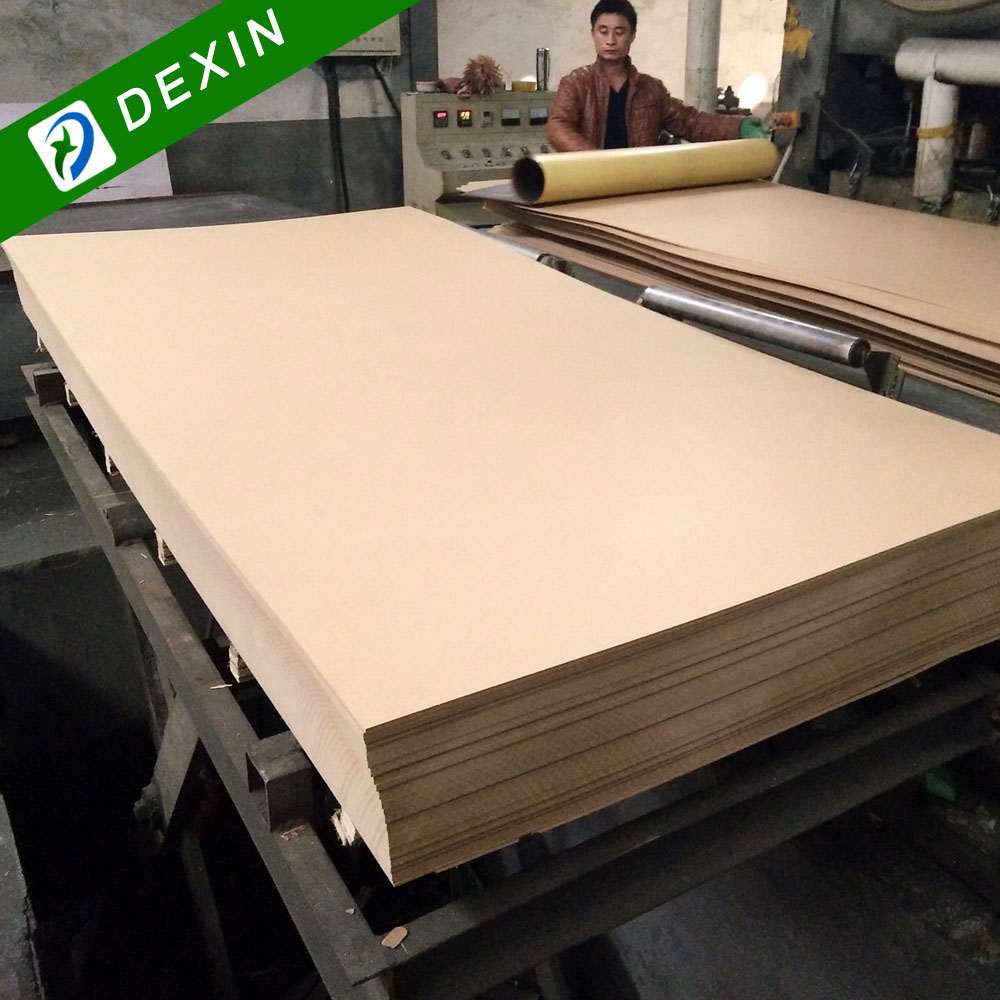
Factory Directly Sale Plain Mdf 12mm 15mm 18mm Raw HDF Board
Raw HDF and MDF in common export thicknesses for routing, painting, laminating and furniture frame production.
View product
16mm 15mm 12mm 18mm Eco-Friendly Modern MDF Board with Blanco Single/Double Sided Melamine Covering for Cabinet
Eco-friendly melamine MDF for cabinets, wardrobes and retail fixtures with single or double-sided decorative covering.
View product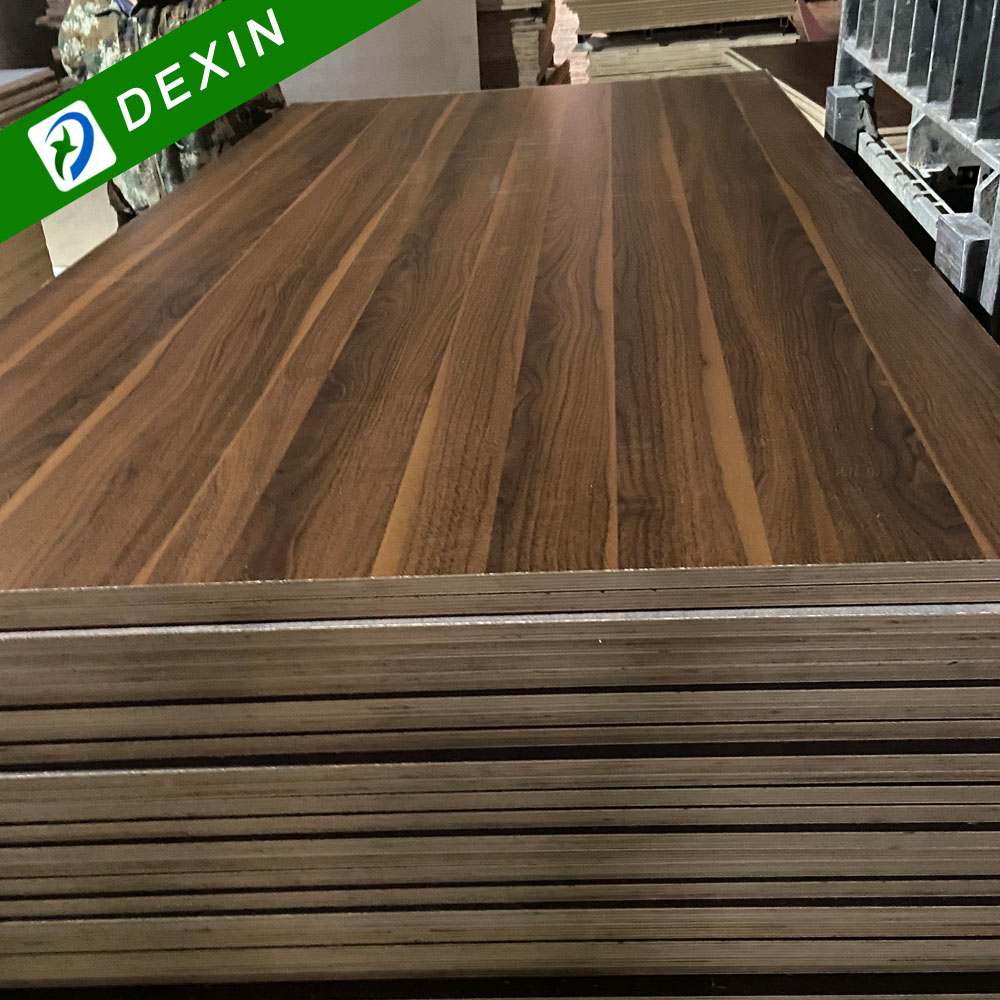
High Quality Waterproof 18mm Melamine Faced Plywood for Furniture
Waterproof melamine-faced plywood for furniture carcasses, wet-area cabinetry and commercial interior fit-outs.
View product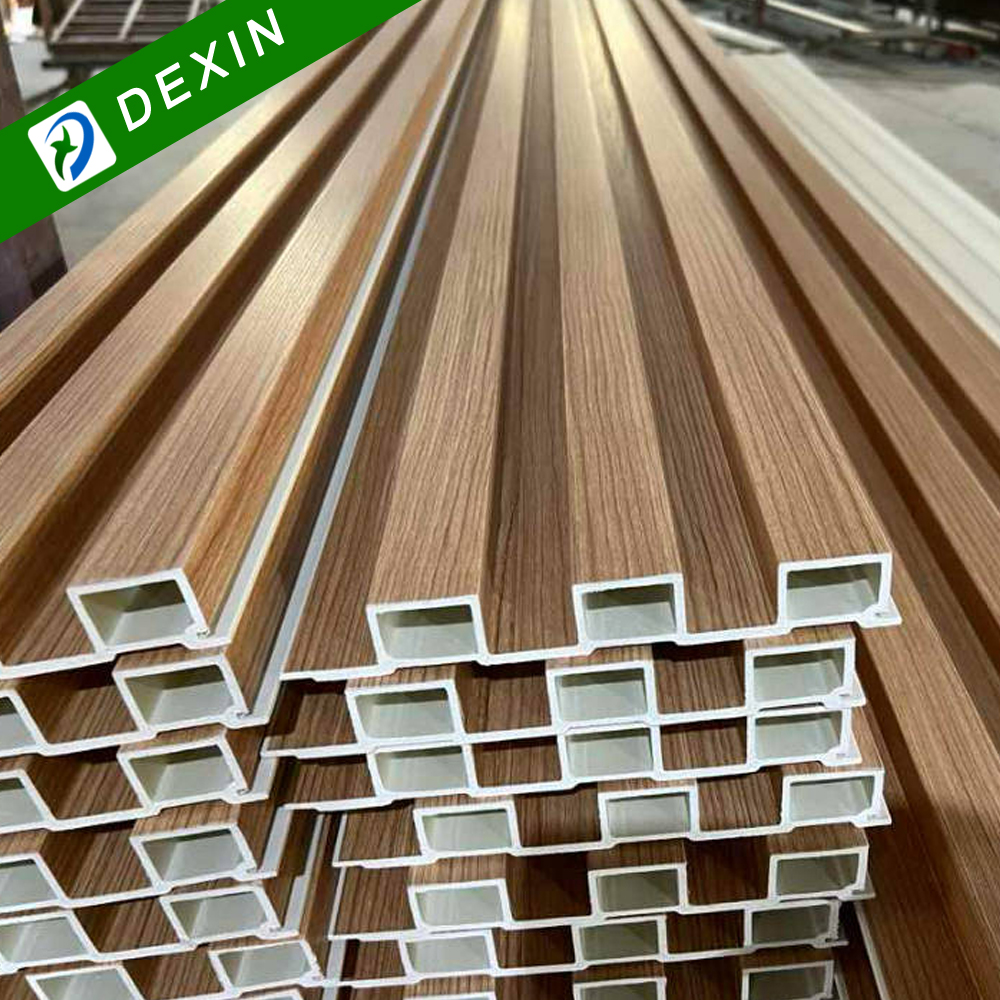
Modern Wall Cladding Home Background PVC WPC Wall Panels Interior Decorative Wall Panel for Hotel
PVC and WPC decorative wall cladding for hotel corridors, residential feature walls and rapid commercial installation.
View product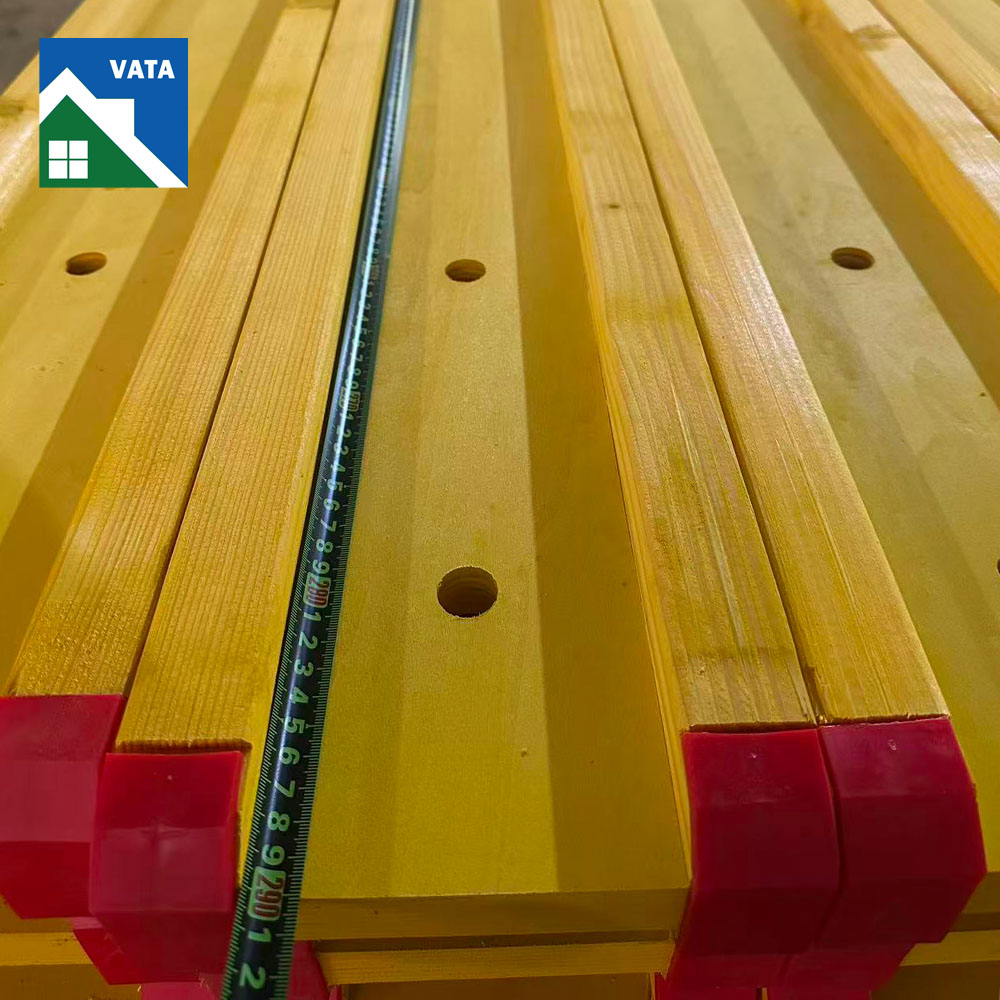
Custom Exterior Use Stable Timber Formwork Beams with WBP Glue Pine or Spruce Flange for Wall Formwork
Formwork beams with WBP glue for exterior wall formwork, repeated handling and construction project supply.
View product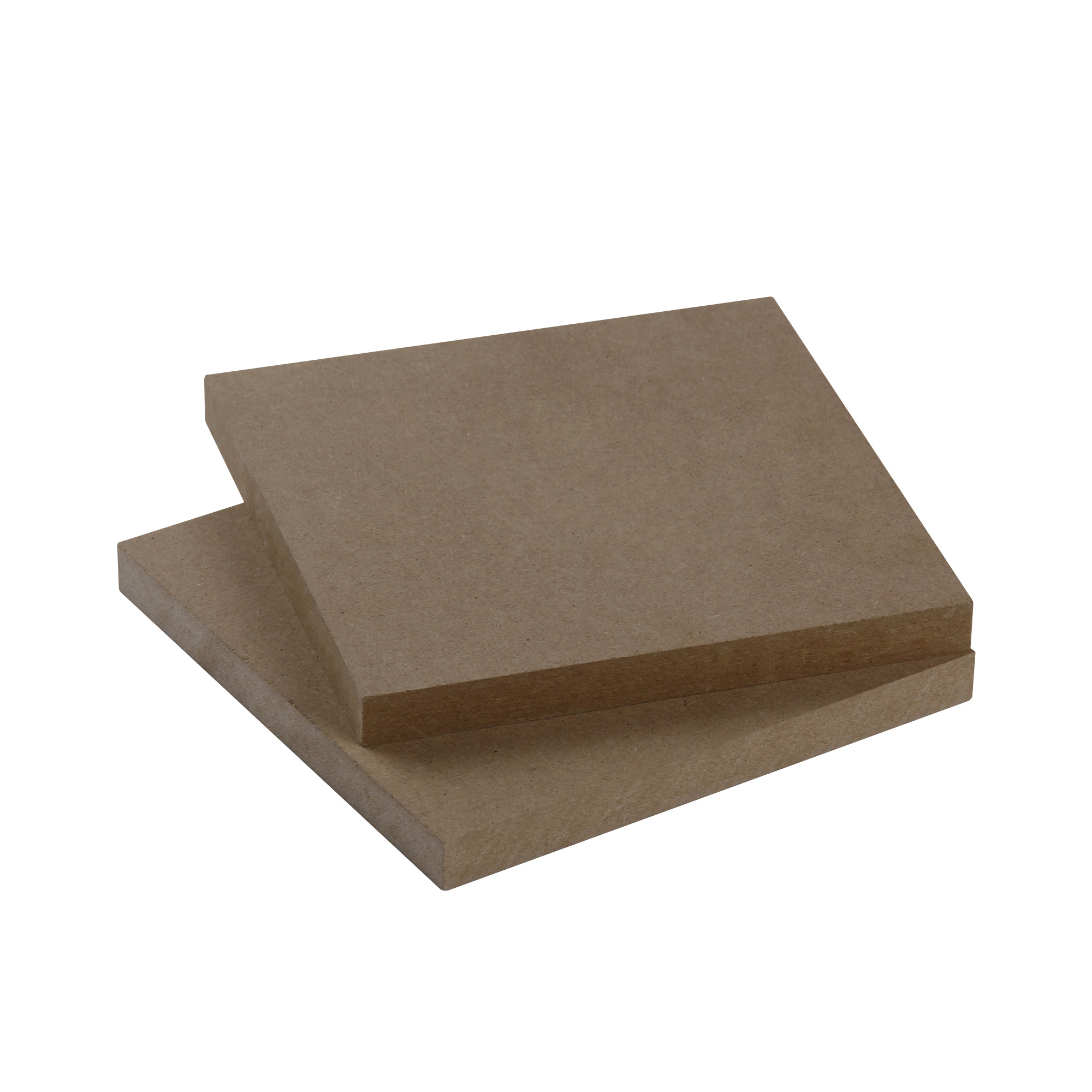
Dexin First-Class Plain Particle Board & MDF Wood Board E2 Emission Moisture-Proof for Bangladesh
Moisture-proof E2 particle board and MDF for price-sensitive furniture production and building-material distribution.
View product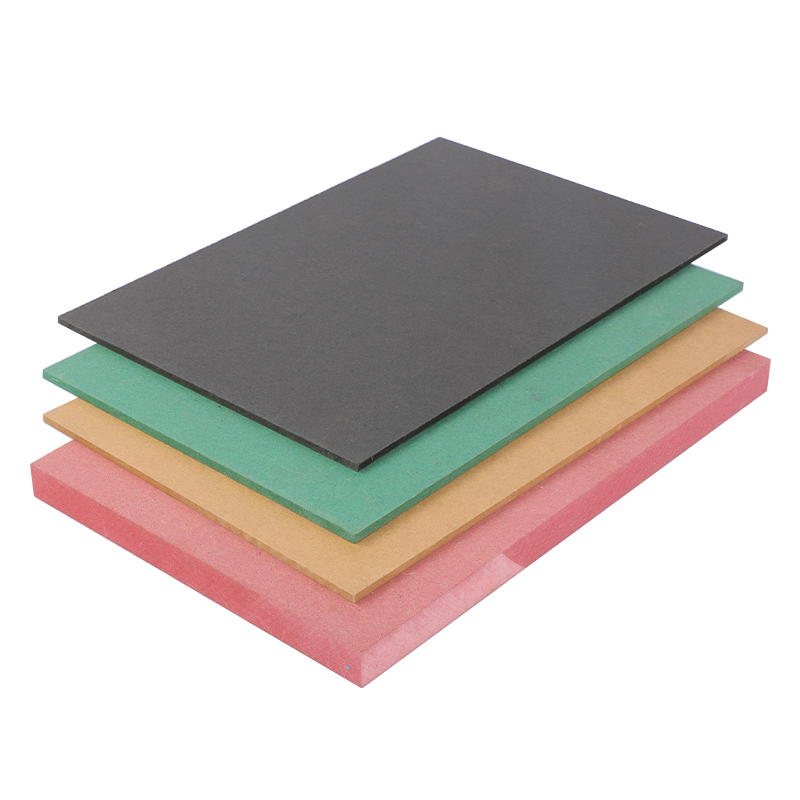
High Quality 3mm~18mm Raw/Plain MDF Sheet with Best Price
Raw and plain MDF in 3mm to 18mm for general manufacturing, laminating, packaging and wholesale distribution.
View productWhy China Remains the Strategic Source for Sapele Plywood Wholesale
China is not a single-price market. Sapele plywood quotations can look identical on paper while differing in face veneer grade, core species, glue line, formaldehyde emission, thickness tolerance and export documentation.
For international buyers, the real advantage of sourcing from China is not only price. It is the concentration of veneer processing, plywood pressing, lamination, sanding, quality inspection and container loading inside a mature supply cluster. Linyi, Shandong, where KUDE is based, is widely recognised as China’s largest wood-based panel production base. That density gives wholesale buyers access to a broad range of core materials, face veneers, adhesives and surface treatments within a short supply chain.
Sapele itself is an African hardwood, so China’s role is primarily processing, laminating and export. This distinction matters for semantic search and serious procurement: a buyer searching for “China Sapele plywood exporters” should confirm whether the offer is solid Sapele, Sapele-faced plywood on a poplar or eucalyptus core, or a Sapele-look decorative panel. Each has a different cost base, mechanical performance and compliance profile.
What “Sapele Plywood” Usually Means in Export Trade
In most wholesale quotations, Sapele plywood refers to a plywood board with a Sapele face veneer over a structural or furniture-grade core. The face determines the visual character: reddish-brown tone, fine interlocked grain and a premium furniture appearance. The core determines strength, screw-holding, flatness, weight and machinability. The adhesive system determines moisture resistance and formaldehyde emission.
Experienced buyers therefore specify the product as a system, not a single word: face species and grade, veneer thickness, core species, glue type, emission class, panel size, thickness tolerance, moisture content, sanding quality and packaging.
Information Gain: What to Verify Before You Compare Prices
- ✓Face grade: defect allowance, colour matching, veneer thickness and whether the reverse face is Sapele, a matching veneer or a cost-effective backing.
- ✓Core build: poplar, eucalyptus, combi or pine; number of plies; core gaps; patch quality; screw-holding expectations.
- ✓Glue and emission: MR or WBP glue; E0, E1 or E2; CARB or FSC documentation where required by the destination market.
- ✓Calibration: thickness tolerance, flatness, moisture content and sanding consistency before laminating or painting.
- ✓Commercial terms: MOQ, mixed-container capability, lead time, FOB/CFR/CIF/EXW terms and pre-shipment inspection evidence.
| Product / Grade | Typical Size | Thickness | Core / Face | Glue & Emission | Typical Use |
|---|---|---|---|---|---|
| Sapele-Faced Plywood | 1220×2440 mm; custom sizes on request | 3–25 mm | Sapele face veneer; poplar, eucalyptus, combi or pine core | MR / WBP; E0 / E1 / E2; CARB or FSC on request | Furniture, wardrobes, doors, wall panels, decorative joinery |
| Melamine Plywood | 1220×2440 mm | 3–25 mm | Single or double-sided melamine paper; poplar or eucalyptus core | E0 / E1 / E2 | Kitchen cabinets, office furniture, wardrobe carcasses |
| Film Faced Plywood | 1220×2440 mm | 9–21 mm | Brown or black phenolic film; poplar or eucalyptus core | WBP phenolic | Concrete formwork, slabs, walls and construction projects |
| UV / PET MDF | 1220×2440 mm | 9–18 mm | MDF base with UV coating or PET film | E0 / E1 | Kitchen doors, wardrobes, retail display and cabinetry |
| Plain MDF / HDF | 1220×2440 mm | 3–25 mm | Raw sanded MDF or HDF; HMR option | E0 / E1 / E2 | Furniture, painting, CNC routing, laminating and packaging |
| WPC Wall Panel | Custom length | Profile dependent | Wood-plastic composite with decorative film | Waterproof composite | Interior walls, ceilings, hotels and fast-fit decoration |
Recommended Sapele Plywood Specifications by Application
The right specification depends on where the board will be cut, edged, laminated, painted or exposed. These recommendation profiles help wholesale buyers and project contractors brief Chinese exporters more precisely.
Furniture & Cabinet Grade
Choose 12–18mm Sapele-faced plywood with a calibrated poplar or combi core, MR glue and E1/E0 emission. Specify face grade, colour matching and reverse face before ordering. Best for wardrobes, cabinets, bed frames and contract furniture.
Door Skin & Architectural Panels
Use 3–6mm Sapele-faced plywood with tight veneer matching, flat pressing and controlled moisture. Request samples under natural light to confirm grain, colour and defect allowance. Suitable for door skins, wall panelling and joinery.
Moisture-Resistant Kitchen & Bath
Specify WBP glue, sealed edges and a moisture-resistant core where humidity is expected. Combine Sapele face with melamine or PET backing for balanced panels. Confirm emission class and edge-sealing method before production.
Wholesale Mixed-Container Sourcing
Distributors can combine Sapele-faced plywood with plain MDF, melamine plywood, film faced plywood and WPC wall panels in one container after specification approval. This reduces stock risk and improves cash-flow planning for importers.
Sapele Plywood Procurement Trends Buyers Should Plan For
Purchasing behaviour in the China Sapele plywood wholesale market is moving from lowest-price buying to risk-managed sourcing. The most successful importers are locking specifications, documentation and inspection routines before they compare quotations.
Compliance-First Buying
FSC, CARB, CE, ISO and emission declarations increasingly influence supplier selection. Buyers want documents that match the destination market, not generic certificates. Request product-specific reports and confirm that the grade on the invoice matches the grade on the test report.
Mixed-Container Flexibility
Small and mid-sized distributors prefer to combine Sapele-faced plywood with MDF, melamine boards and decorative panels. Suppliers that support mixed specifications, clear loading plans and consistent packaging win repeat orders.
Veneer Yield & Price Volatility
Sapele face veneer quality, availability and yield affect final pricing. Buyers who lock face grade and veneer thickness early avoid “same price, lower grade” substitutions. Pre-season planning and approved samples reduce disputes.
Digital Verification & Traceability
Photo and video inspection, live factory checks and container-loading evidence are becoming normal expectations. Exporters that document production stages, packing and loading reduce buyer risk and shorten repeat-order cycles.
Buyer Priority Index
Based on the practical concerns raised by importers, distributors and project buyers when comparing China Sapele plywood exporters and wholesalers.
Product Development Trends in Sapele-Faced Plywood & Panel Systems
The next phase of competition among China Sapele plywood exporters will be defined by consistency, compliance and application engineering, not only raw board price.
Engineered Veneer Consistency
Buyers increasingly request tighter colour matching, calibrated veneer thickness and consistent face quality across repeat orders. Exporters are improving veneer grading, pressing control and batch traceability to reduce variation in furniture production.
Low-Emission Adhesives
E0, E1, CARB-compliant and low-odour board systems are becoming a baseline requirement for developed markets. Buyers should align emission class with local regulation and request product-specific test documentation.
Waterproof & HMR Engineering
Kitchen, bathroom and tropical-climate projects are pushing demand for WBP glue, sealed edges, moisture-resistant MDF and balanced panel construction. The specification conversation is shifting from “waterproof or not” to the actual service environment.
Hybrid Decorative Systems
Sapele visual appeal is being combined with UV, PET, melamine and WPC surfaces to balance cost and performance. For distributors, hybrids allow a premium-looking range at multiple price points while reducing dependence on a single veneer supply chain.

A Linyi-Based Export Platform for Sapele Plywood & Wood Panel Buyers
Linyi KUDE International Trading Co., Ltd. is the export platform of a wood-based panel manufacturing group founded in 1998 in Linyi, Shandong — China’s largest man-made board production base. The group operates more than 30 sets of production machines in 30,000 m² of workshops, with over 300 workers and an annual output of 60,000 m³ of plywood, blockboard, MDF and particle board.
For international buyers, that means direct access to production capacity, stable material sourcing and export experience built over more than 15 years. Our principle is simple: survival by quality, development by prestige. We support sample-based, design-based and full customization for size, thickness, core species, face veneer, decor, glue type, logo printing and export packaging.
Why Importers Source Panels from KUDE
Cluster Location & Experience
Located in Linyi, Shandong, with a manufacturing group founded in 1998. Proximity to veneer, core, glue and surface suppliers supports stable production and responsive sampling.
Verified Quality & Certifications
CE, ISO 9001, ISO 14001, FSC and CARB certifications are available for relevant product lines, with E0, E1 and E2 emission grades matched to destination market requirements. Supplier profile assessed on site by SGS.
Flexible Customization
Sample-based, design-based and full customization of size, thickness, core, face veneer, decor, glue, logo printing and export packaging for distributors, contractors and private-label programmes.
Export-Ready Logistics
FOB, CFR, CIF and EXW terms; T/T and L/C payment in USD, EUR or CNY. Containers are loaded through northern China seaports such as Qingdao with seaworthy pallet packing and export documentation.
Production Scale
30,000 m² of workshops, 30+ machine sets, 300+ workers and 60,000 m³ annual output support repeat orders, mixed specifications and scheduled container programmes.
Quality Control & Inspection
Material selection, gluing, pressing, sanding, inspection and packing are controlled as a sequence. Buyers can request samples, production photos and container-loading evidence before shipment.
Inside Our Linyi Production & Loading Base




From Raw Veneer to Loaded Container
A practical quality workflow helps wholesale buyers compare exporters on more than price. Every batch should move through defined checkpoints before it leaves Linyi.
Material Selection
Veneer grading, core review and moisture checks before gluing.
Gluing & Pressing
Controlled glue spread, cold pressing and hot pressing cycles.
Sanding & Surfacing
Calibrated sanding, lamination, film overlay or decorative coating.
Inspection
Thickness, flatness, bonding, surface and edge checks.
Packing & Loading
Export pallets, steel straps, moisture protection and loading photos.
Questions Buyers Ask China Sapele Plywood Exporters
These are the practical questions that decide whether a quotation becomes a repeat supply programme.
What is Sapele plywood, and is it solid Sapele?
In export trade, Sapele plywood usually means plywood with a Sapele face veneer over a poplar, eucalyptus, combi or pine core. It is not normally solid Sapele all the way through. The visual quality comes from the face veneer, while the core determines strength, flatness, screw-holding and weight. Buyers should specify face grade, veneer thickness, core species and whether the reverse face must also be Sapele.
Which specifications should I put in an inquiry?
Send panel size, thickness and tolerance, face species and grade, core species, glue type, formaldehyde emission class, moisture content, sanding requirement, quantity, destination port and any certification or labelling requirement. If you need samples before ordering, state the application and surface finish so the exporter can recommend a practical specification rather than simply quoting the lowest price.
Which certifications and emission grades matter?
KUDE’s manufacturing group holds CE, ISO 9001, ISO 14001, FSC and CARB certifications, and the supplier profile has passed an on-site assessment by SGS. Formaldehyde grades E0, E1 and E2 are available depending on the product. The correct grade depends on your destination market and end use, so confirm the required documents before production.
What is the minimum order quantity and can I mix products?
MOQ depends on the product line, typically from 50 to 500 sheets. Several products can be combined in one container after confirming specifications with our sales team. Mixed-container sourcing is useful for distributors testing a new Sapele-faced plywood grade alongside established MDF, melamine plywood or WPC wall panel lines.
What payment methods and trade terms do you accept?
We accept T/T and L/C in USD, EUR or CNY, and work on FOB, CFR, CIF and EXW terms. Before ordering, confirm the applicable term, port, packaging method, inspection arrangement and document set so that the commercial agreement matches the technical specification.
Can you customize size, thickness, face, core and packaging?
Yes. We offer sample-based, design-based and full customization, including size, thickness, core species, face veneer or decor, glue type, logo printing and export packaging. For Sapele-faced plywood, the most important customization points are face grade, colour matching, veneer thickness, core build and moisture-resistant glue where required.
Where are you located, and how are goods shipped?
We are based in Linyi, Shandong, China’s largest wood-based panel production cluster. Orders are loaded in containers and shipped through nearby northern China seaports such as Qingdao. This location supports access to veneer, core materials, adhesives, surface treatments and export logistics within a mature panel supply chain.
How can I verify quality before shipment?
Request approved samples, product-specific test reports where applicable, production photos and a pre-shipment inspection plan. Confirm thickness, flatness, face grade, moisture content, glue line, packaging and container-loading details. For repeat orders, keep a signed specification and a retained sample so that each production batch is measured against the same standard.
Planning a Sapele Plywood or Mixed Panel Container?
Send your size, thickness, face grade, core, glue, emission class and destination port. Our export team will reply with a practical specification proposal, packing plan and quotation route.