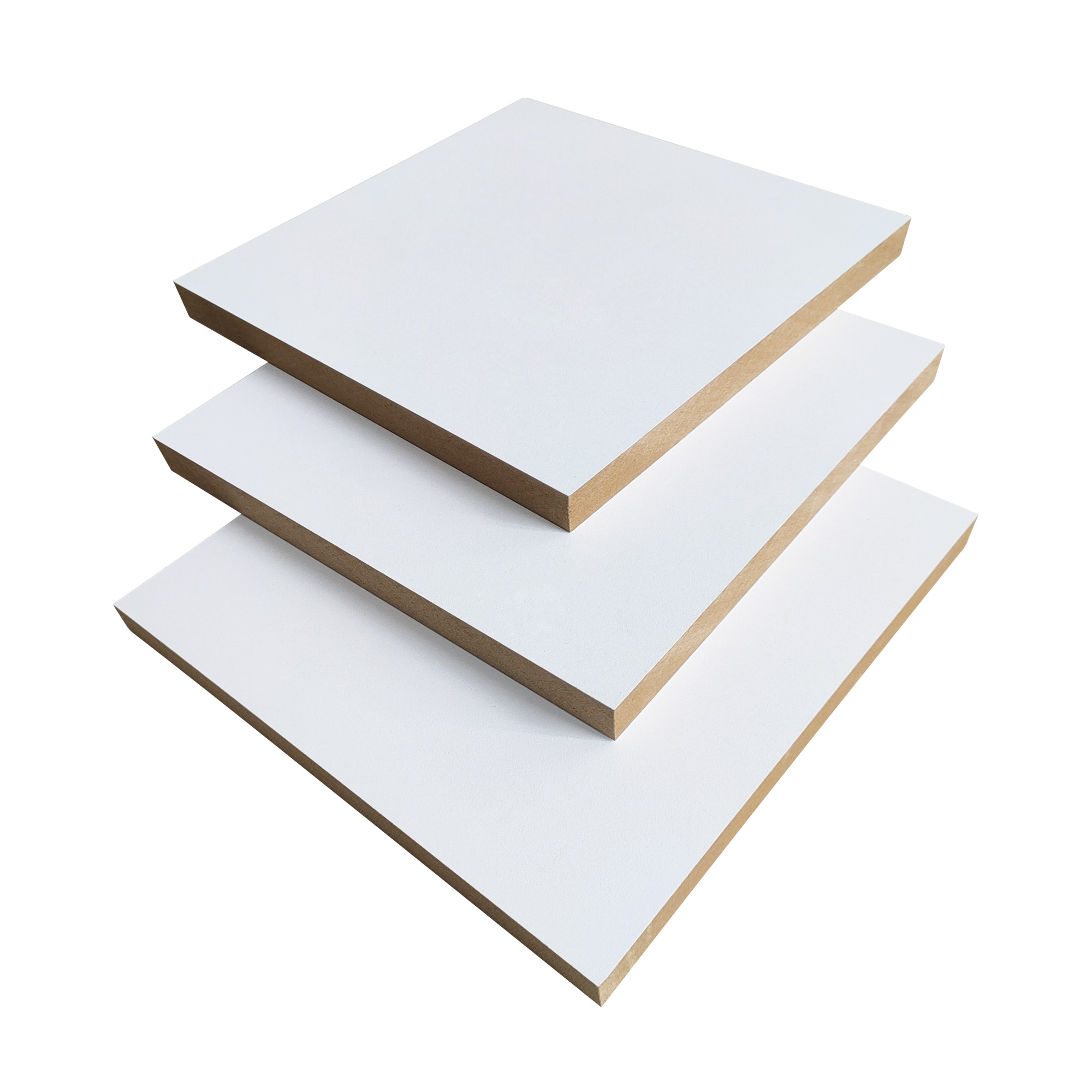
4x8ft White Melamine MDF Board, E1, for Kitchen Use
3 / 6 / 9 / 12 / 16 mm with single or double-sided white melamine paper on a calibrated MDF core, sized for kitchen cabinetry and wardrobe panels.
View specificationsEight panels that cover the majority of container orders we ship each month — furniture-grade plywood, melamine-faced boards, plain MDF/HDF and reusable formwork timber.
3 / 6 / 9 / 12 / 16 mm with single or double-sided white melamine paper on a calibrated MDF core, sized for kitchen cabinetry and wardrobe panels.
View specifications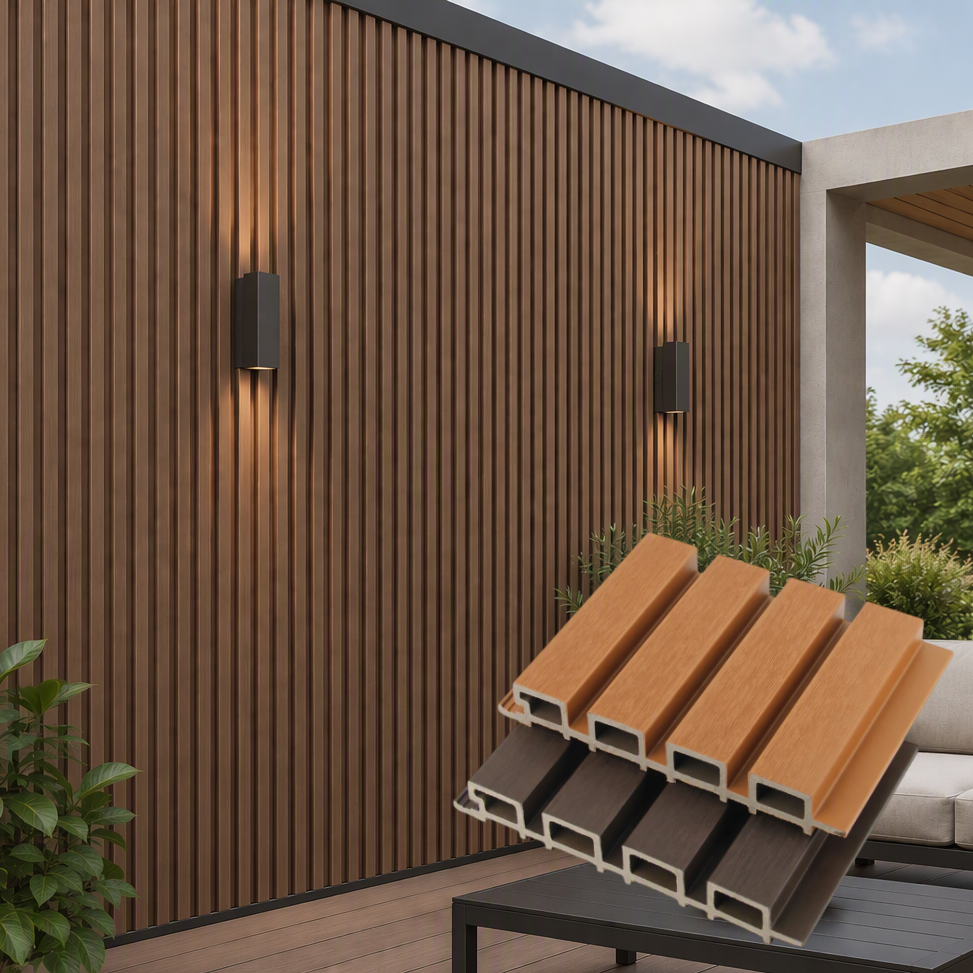
Textured villa facade and interior wall panel with a waterproof co-extruded surface, engineered for humid climates and fast click-in installation.
View specifications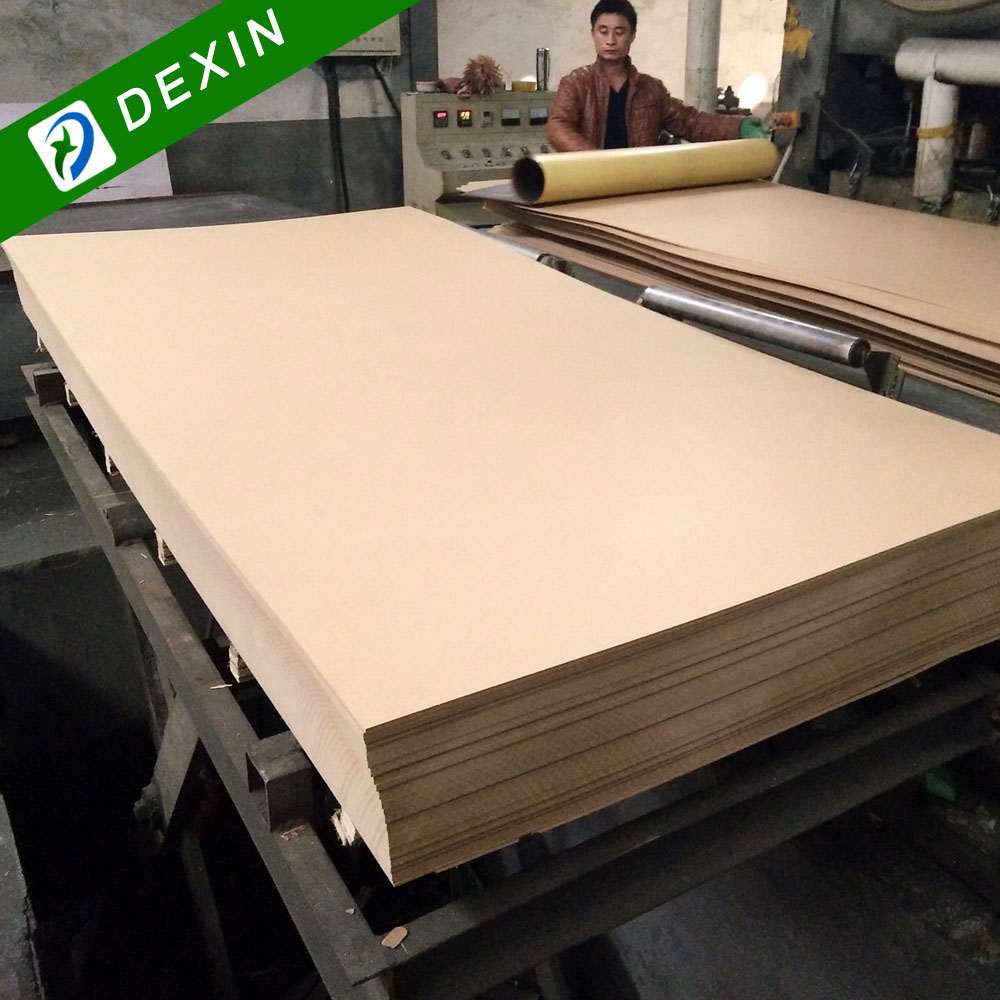
Raw sanded HDF and MDF from factory stock for CNC routing, painting and laminating — the workhorse substrate for furniture factories.
View specifications
Phenolic-bonded marine core with melamine faces for wet-area cabinetry, bathrooms and kitchen carcasses; custom thickness available.
View specifications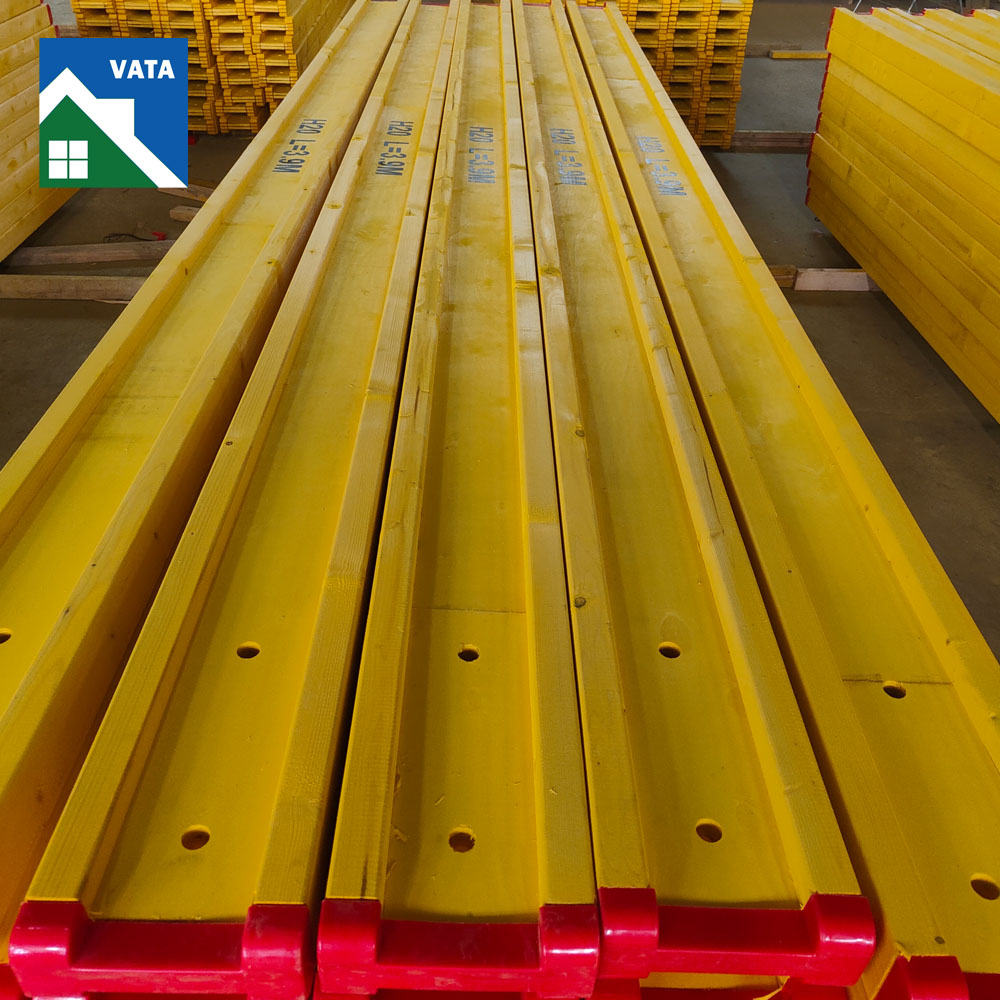
Yellow-painted H20 beam with plastic end caps, designed for repeated concrete pours in slab and wall formwork systems.
View specifications
12 / 15 / 16 / 18 mm with single or double-sided Blanco melamine on a low-emission core for cabinet doors, shelving and retail fittings.
View specifications
Customized-length spruce H20 beam with water-resistant treatment and galvanized steel end caps for concrete formwork systems.
View specifications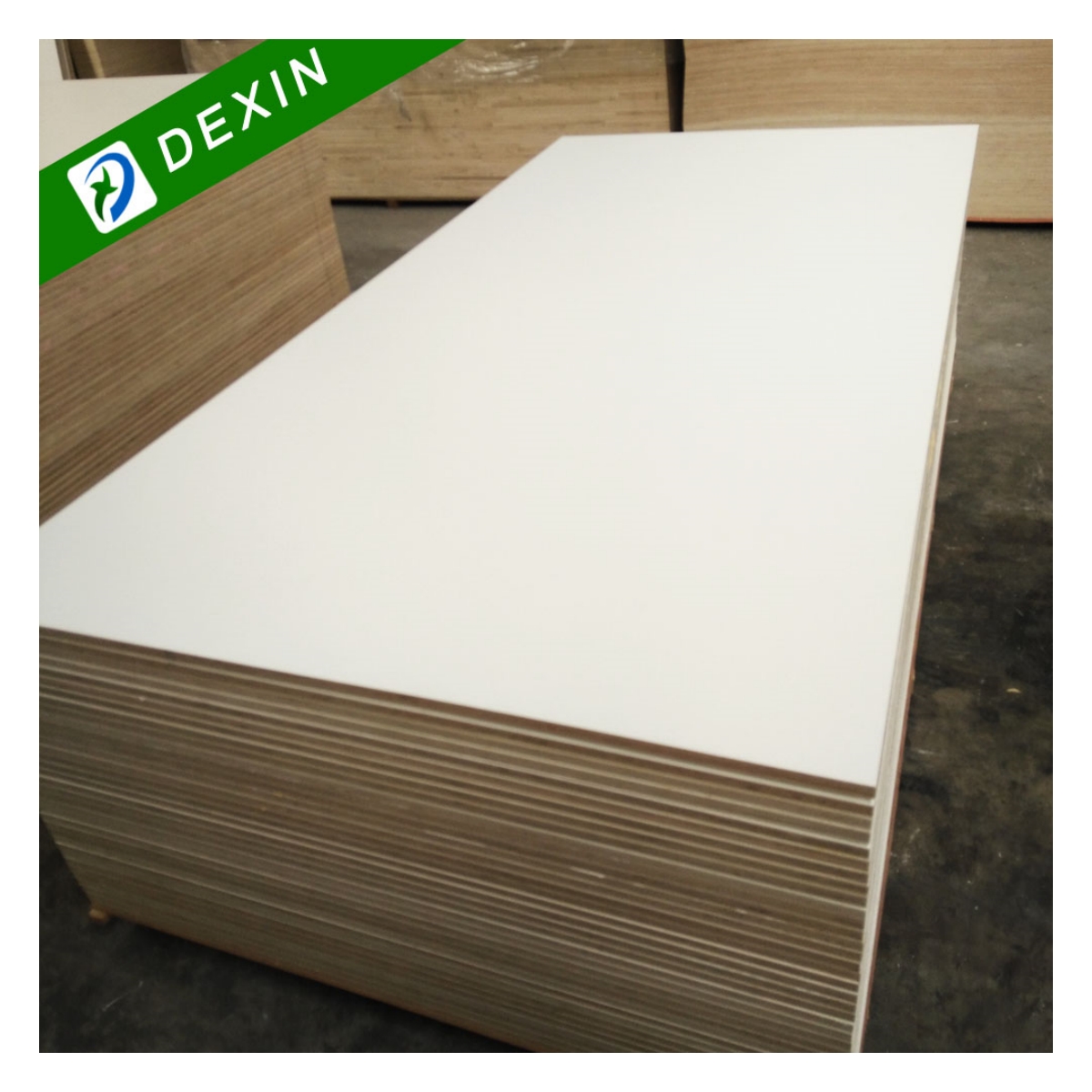
6 / 12 / 18 mm melamine plywood in wood-grain decor for furniture panels — 1/2 in and 3/4 in equivalents available on request.
View specificationsVeneer core plywood is the benchmark against which every other engineered panel is measured — and the panel most often mis-specified in a purchase order.
Veneer core plywood is a wood panel manufactured from an odd number of thin wood veneers — usually three, five, seven or more plies — bonded with resin under heat and pressure. Each ply is laid so that its grain runs at 90 degrees to the ply beneath it. That cross-lamination is what separates plywood from MDF, particle board or blockboard: it distributes load in two directions, restricts shrinkage and swelling, and creates a panel that holds a screw far more reliably than a homogeneous fibreboard of the same thickness.
For a buyer, the phrase “veneer core” describes the interior construction, not the price. An 18 mm veneer core plywood can sit at three very different price points depending on core species, ply count, face veneer grade, resin system and emission class. That is exactly why two suppliers can quote wildly different numbers for what looks like the same 1220 × 2440 mm sheet — and why the specification has to be written down line by line before any price comparison is meaningful.
MDF and particle board dominate painted cabinetry, but veneer core plywood keeps its place wherever mechanical performance matters. Its strength-to-weight ratio allows thinner panels and lighter finished furniture; its cross-laminated structure resists creep under sustained load; it tolerates site handling and re-cutting without crumbling at the edges; and it can be repaired, re-faced or laminated after delivery. For structural sheathing, roofing, marine fit-out and formwork, there is still no economical substitute.
The single most expensive mistake in China sourcing is not price — it is buying from a trader who is re-branding containers from an unknown mill. Six questions separate a genuine producer from a reseller:
Every one of those six points is a normal request at Linyi KUDE — because the production lines, the laboratory checks and the loading bay are all on the same site.
Most sourcing mistakes happen when one board type is used for an application the material was never designed for. This matrix reflects typical production values for export-grade panels.
| Property | Veneer Core Plywood | MDF / HDF | Combi Core Plywood |
|---|---|---|---|
| Construction | Odd-numbered cross-laminated veneers | Fine wood fibre bonded with resin | Veneer faces on a poplar or block core |
| Density | Approx. 500 – 700 kg/m³ | Approx. 700 – 850 kg/m³ | Approx. 550 – 700 kg/m³ |
| Screw holding | Excellent, supports re-fastening | Good, but edges chip easily | Good |
| Bending strength | High — directional load paths | Moderate | Moderate to high |
| Dimensional stability | Good, resists creep under load | Very good in dry interiors | Good |
| Moisture resistance | Moderate, high with WBP glue | Low without HMR treatment | Moderate |
| Surface finish | Depends on face grade and overlay | Excellent for film, paint and routing | Good with melamine overlay |
| Weight | Lighter per panel | Heavier | Medium |
| Best-fit application | Structural sheathing, marine fit-out, formwork, furniture carcasses | Cabinet doors, PVC/PET film, painted joinery | Interior furniture, non-structural panels |
| Relative cost | Medium | Medium to high | Medium to low |
Values are typical production ranges. Final tolerances, grades and third-party test reports are confirmed against each purchase order.
Buyers are no longer comparing only FOB prices. Compliance, traceability, delivery reliability and the ability to customise are now evaluated alongside the quotation.
CARB Phase 2 and EPA TSCA Title VI in North America, and E1 in the EU, are now baseline requirements rather than premium options. E0 is becoming the default expectation for interior furniture panels, and non-compliant cargo is increasingly rejected at destination.
FSC chain of custody, species declarations and due-diligence documentation are now requested routinely by EU and North American buyers. Suppliers who cannot produce them within a day lose the enquiry.
Cut-to-size panels, non-standard thicknesses, matched decor film and private-label packaging are displacing the plain 1220 × 2440 mm commodity board. Flexibility now decides who wins the repeat order.
Live video inspections, on-site third-party assessments and unedited loading footage have made it practical to buy directly from the mill without a traditional intermediary.
Smaller importers increasingly combine plywood, MDF and wall panels in a single container. Suppliers who can mix several product lines under one compliant packing list are favoured over single-product mills.
Buyers want the substrate and the decorative surface from one source — melamine, UV, PET or wood veneer — so a single spec sheet and a single claim path cover the finished component.
Poplar and eucalyptus from managed plantations, together with bamboo-based panels, are taking share from slower-growth hardwoods as buyers formalise their sustainability commitments.
Glue, resin and freight volatility have pushed buyers toward suppliers who publish real production ranges and re-quote quickly, instead of holding a single opaque price for months.
Linyi KUDE International Trading Co., Ltd. is the export platform of a wood-based panel manufacturing group founded in 1998 in Linyi, Shandong — China's largest man-made board production cluster.
30+ machine sets covering peeling, gluing, hot pressing, sanding and laminating across 30,000 m² of workshops, with 300+ workers and 60,000 m³ annual output.
CE, ISO 9001, ISO 14001, FSC and CARB certification, with the supplier profile on-site assessed by SGS. Formaldehyde grades E0, E1 and E2 matched to your destination market.
Sample-based, design-based or full customisation: size, thickness, core species, face veneer or decor, glue type, logo printing and export packaging.
FOB, CFR, CIF and EXW terms; T/T and L/C payment in USD, EUR or CNY; seaworthy pallet packing with complete export documentation.
Being inside China's largest panel cluster gives our buyers short supply chains for veneer, resin and core material, and more stable pricing across seasons.
Minimum order quantities typically from 50 to 500 sheets depending on the product line, and several products can be combined in one container after specification sign-off.
More than 20 years of production experience and 15 years of export experience — the group's principle is survival by quality, development by prestige.
One export team handles the technical specification, production follow-up, inspection report and shipping documents, so there is a single contact from quotation to arrival.
Every batch passes five stages before it leaves Linyi — and every stage produces a record you can request with your shipment.
Veneer grading, species verification and moisture checks before any glue is applied.
Controlled resin spread and cross-grain lay-up according to the specified ply count.
Pressure, temperature and cycle time recorded for each press load.
Calibrated thickness sanding, then melamine, film or veneer overlay as specified.
Thickness, flatness, bonding and surface checks, then export pallets with loading photos.
Practical answers to the questions that come up most often during the first two or three enquiries.
Send your size, thickness, core species, face grade, emission class and destination port. Our export team replies with a full technical proposal, production lead time and a shipping plan within one working day.