FAQ
Questions Buyers Ask About Birch Plywood Sourcing
These answers focus on the practical decisions that affect sample approval, container loading and repeat supply. For project-specific requirements, confirm the final specification with the export team before ordering.
What should I verify in a birch plywood sample before placing an order?+
Check face grade, grain direction, colour consistency, patch and repair standard, core species, void level, thickness at several points, flatness, glue line and edge finish. If the panel will be machined, test routering, drilling and screw-holding on the actual sample rather than assuming the face appearance represents the whole build.
Which certifications can KUDE provide?+
Our manufacturing group holds CE, ISO 9001, ISO 14001, FSC and CARB certifications, and our supplier profile has passed an on-site assessment by SGS. Formaldehyde grades E0, E1 and E2 are available depending on the product and destination market. Buyers should request the applicable certificate scope and test report for the exact product being ordered.
What is the minimum order quantity and can several products share a container?+
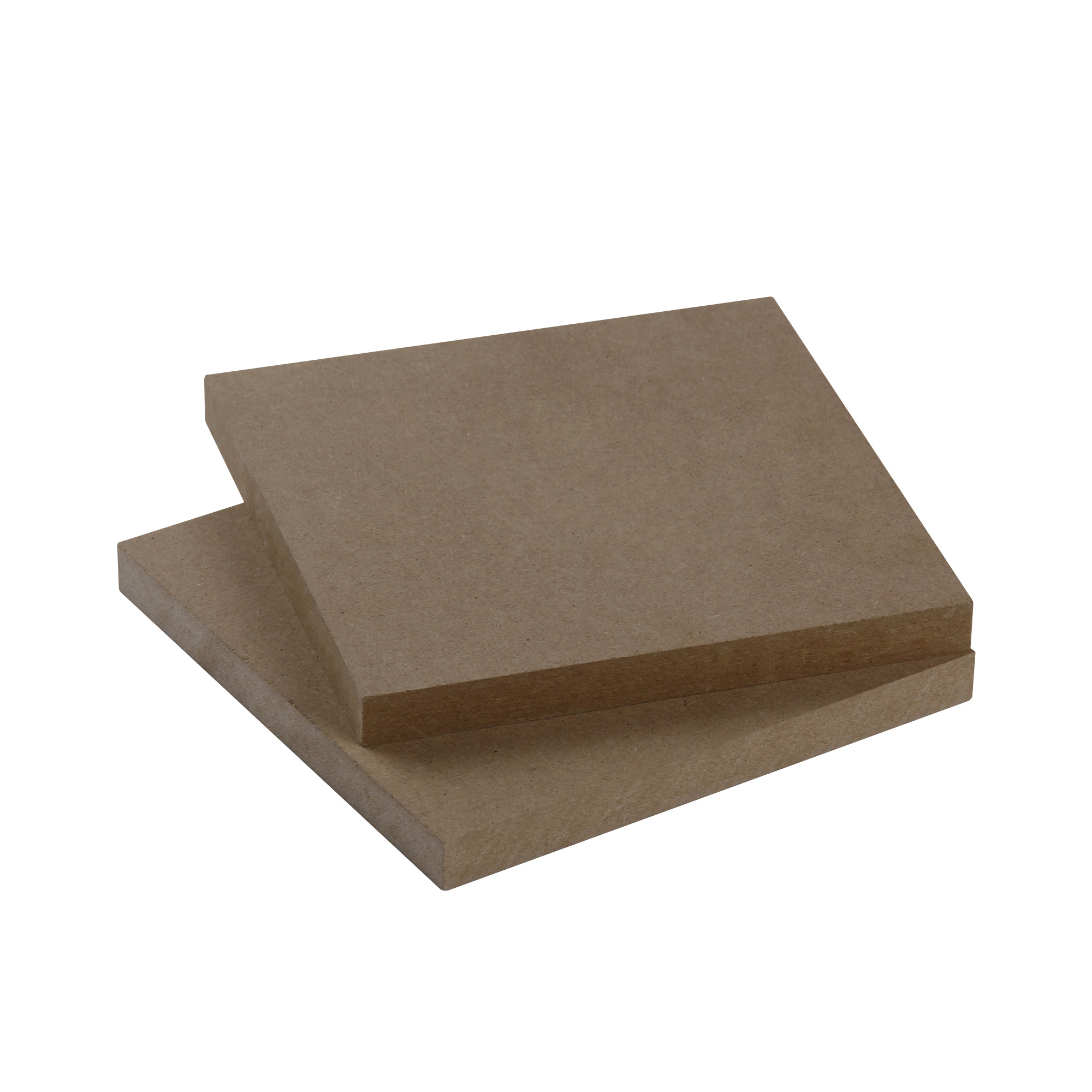
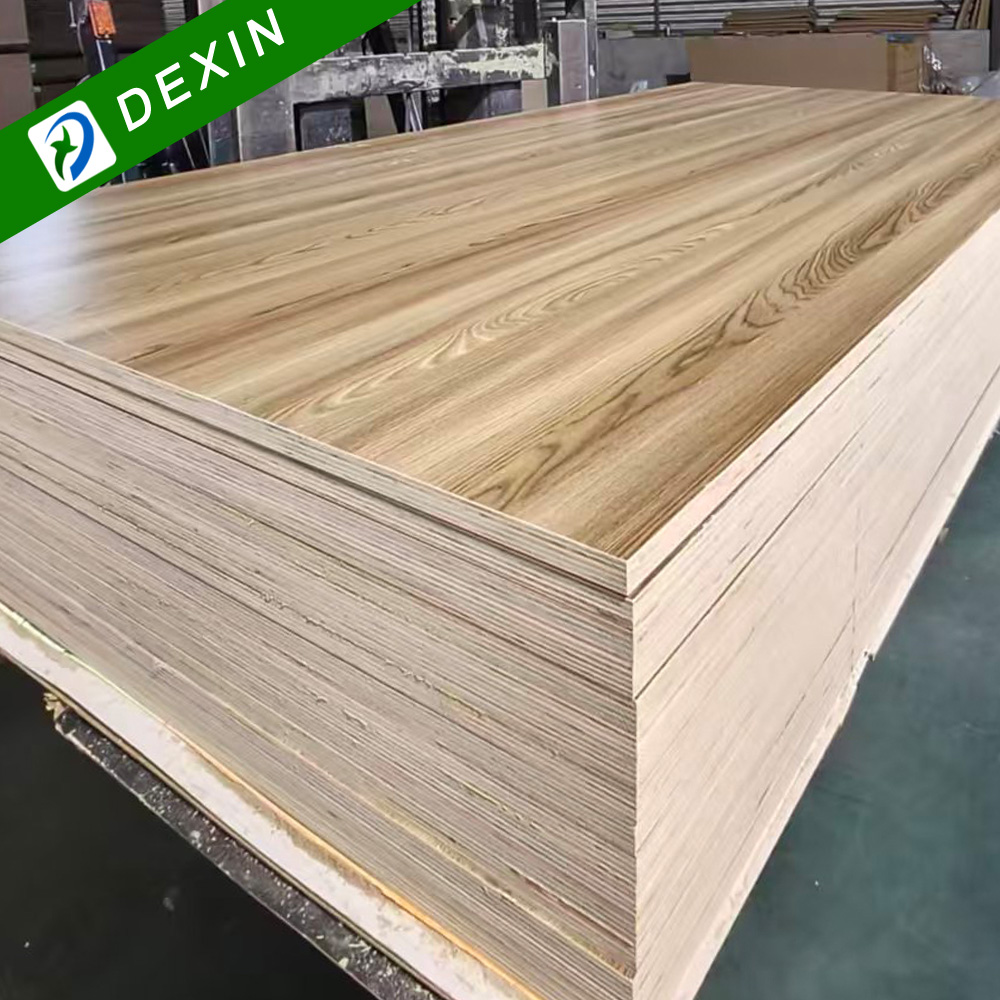
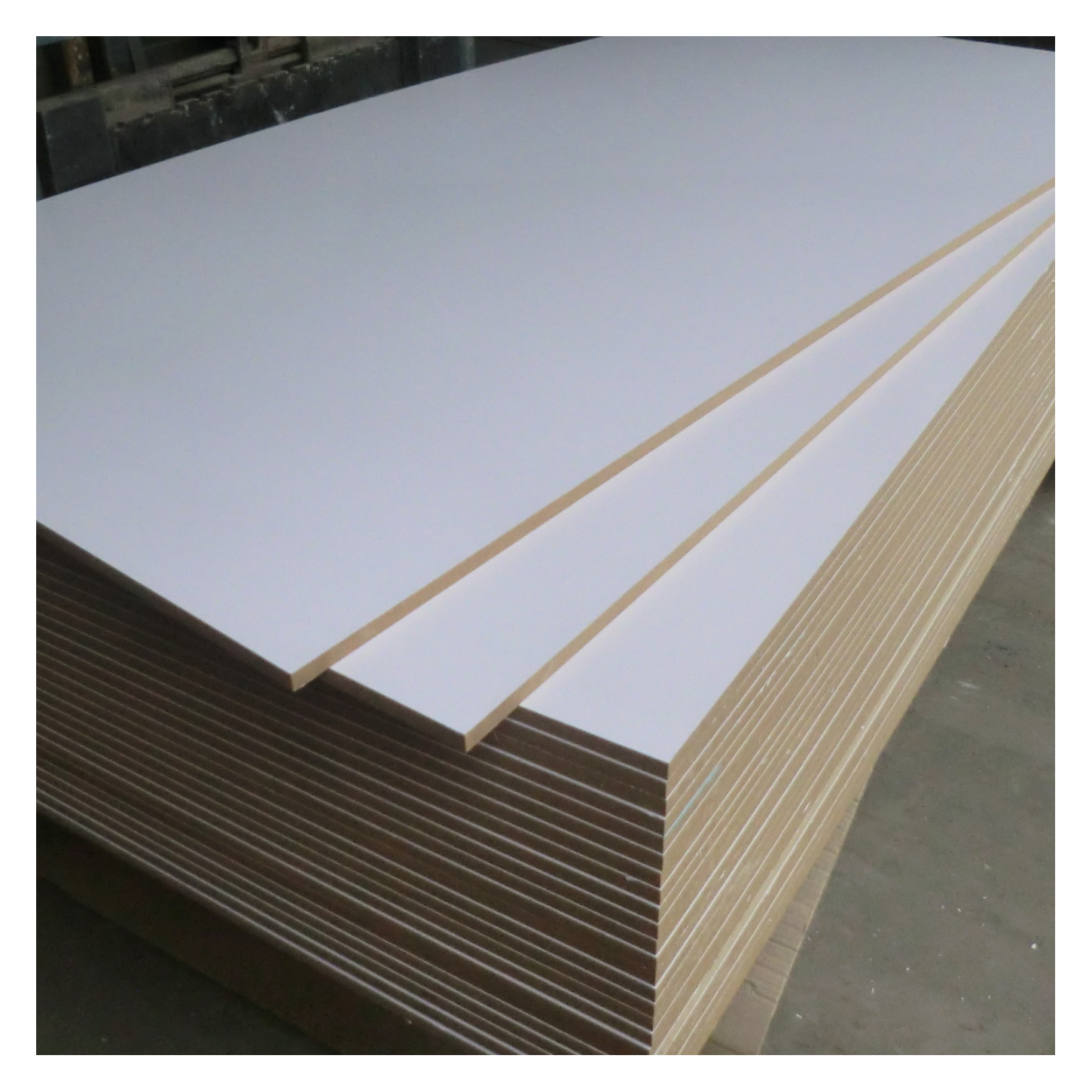
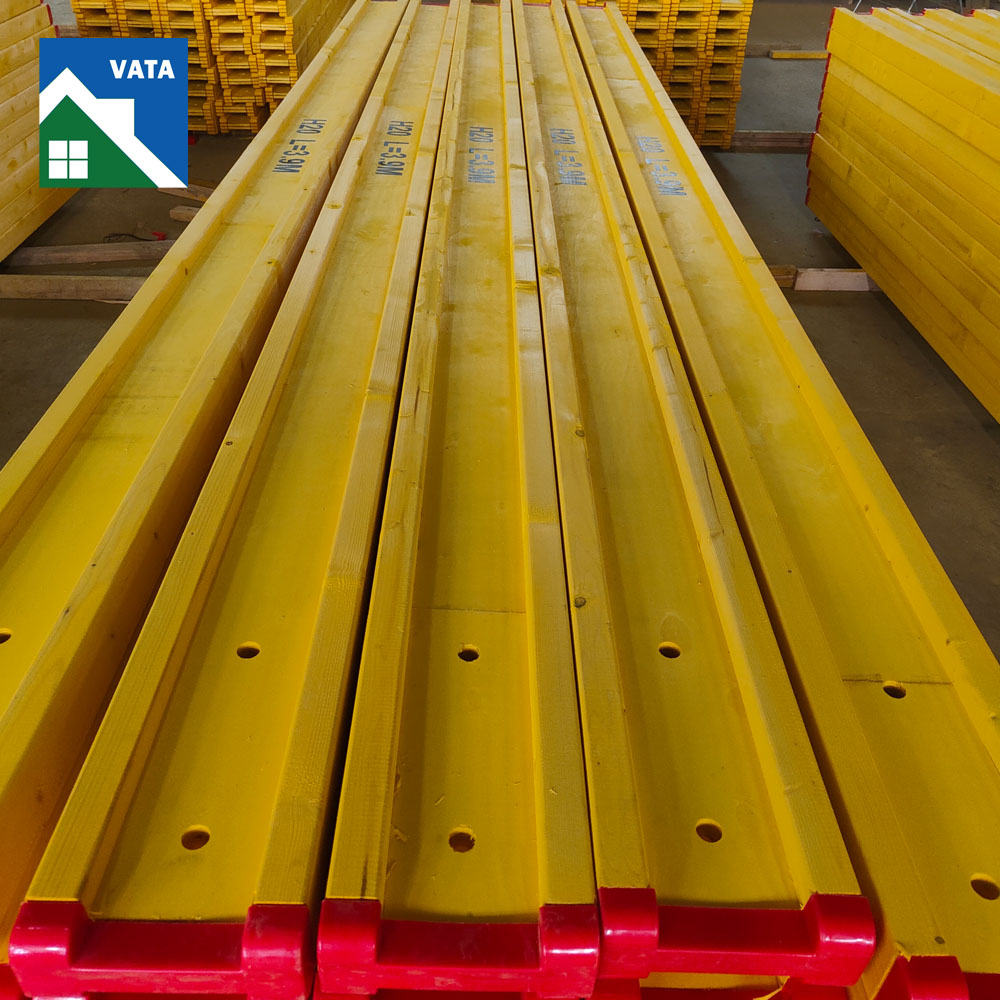
MOQ depends on the product line, typically from 50 to 500 sheets. Several products can be combined in one container after confirming specifications with our sales team. Mixed loading is useful for distributors testing birch plywood, melamine plywood, MDF, H20 beams and decorative panels in one shipment, but packing and weight distribution must be planned carefully.
Which emission grade should I choose for furniture and interiors?+
The correct grade depends on the destination market, customer requirement and end use. E0 and E1 are common considerations for furniture and interior applications, while E2 may be acceptable for some cost-sensitive or non-sensitive uses. Do not select solely by grade label: confirm the test method, certificate scope, glue system and final finishing specification.
What glue system is suitable for humid or marine applications?+
For humid or repeated moisture exposure, buyers commonly specify WBP or marine-grade glue systems and sealed edges. The project condition still matters: splash exposure, steam, exterior rain and occasional humidity are not the same. Explain the service environment to the supplier so the panel build includes the right glue, core and edge protection, and confirm the relevant test evidence.
Can you customize size, thickness, face grade, logo and packaging?+
Yes. Sample-based, design-based and full customization are available, including size, thickness, core species, face veneer or decor, glue type, logo printing and export packaging. Customization should be documented in a specification sheet and, where relevant, approved with a sealed sample before production begins.
What payment methods and trade terms do you accept?+
We accept T/T and L/C in USD, EUR or CNY, and work on FOB, CFR, CIF and EXW terms. The final payment schedule, shipping terms and document list are confirmed in the sales contract. For first-time buyers, clarify inspection access, loading photos and document release conditions before deposit payment.
How can I verify the factory before placing a container order?+
Request a live video walk-through of the production area, warehouse and loading zone. Ask for recent loading photos, certificate copies, a batch-specific inspection plan and the name of the person responsible for the order. A manufacturer based in Linyi, Shandong, benefits from the local supply chain for veneer, glue and cores, but location alone is not proof of quality; the verification should focus on process control and documentation.
Where is KUDE located and how are goods shipped?+
We are based in Linyi, Shandong, China’s largest wood-based panel production cluster. Orders are loaded in containers and shipped through northern China seaports such as Qingdao. Our team coordinates export documentation, seaworthy packing and loading evidence so that the buyer can track the shipment from factory staging to vessel departure.