Eight Engineered Panels for Moisture-Resistant, Formwork and Interior Applications
The product range below is built around the practical decisions buyers make every week: thickness tolerance, formaldehyde grade, surface durability, edge sealing, container loading and the final application. KUDE supplies factory-direct wood-based panels from Linyi, Shandong, China, one of the country’s largest man-made board clusters.

Customized Length Water Resistant Spruce Wooden H20 Timber Beam with 80x200mm for Concrete Formwork System
Spruce H20 beam for formwork systems where consistent straightness, nailed connections and water resistance matter on repeated concrete pours.
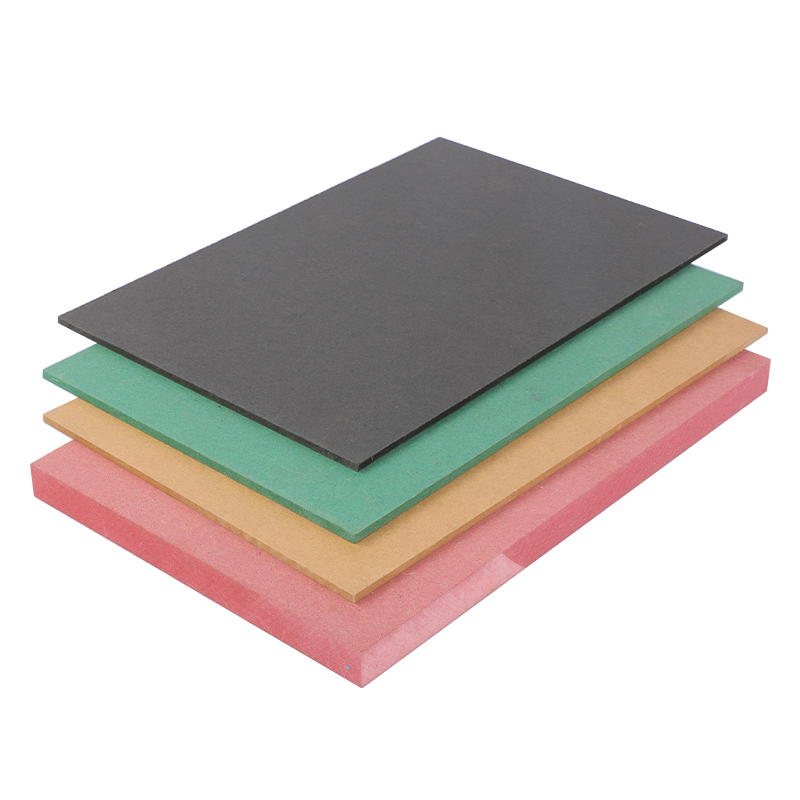
High Quality 3mm~18mm Raw/Plain MDF Sheet with Best Price
Sanded raw MDF for routing, painting, laminating and furniture production, supplied in common export sizes with price-competitive volume options.
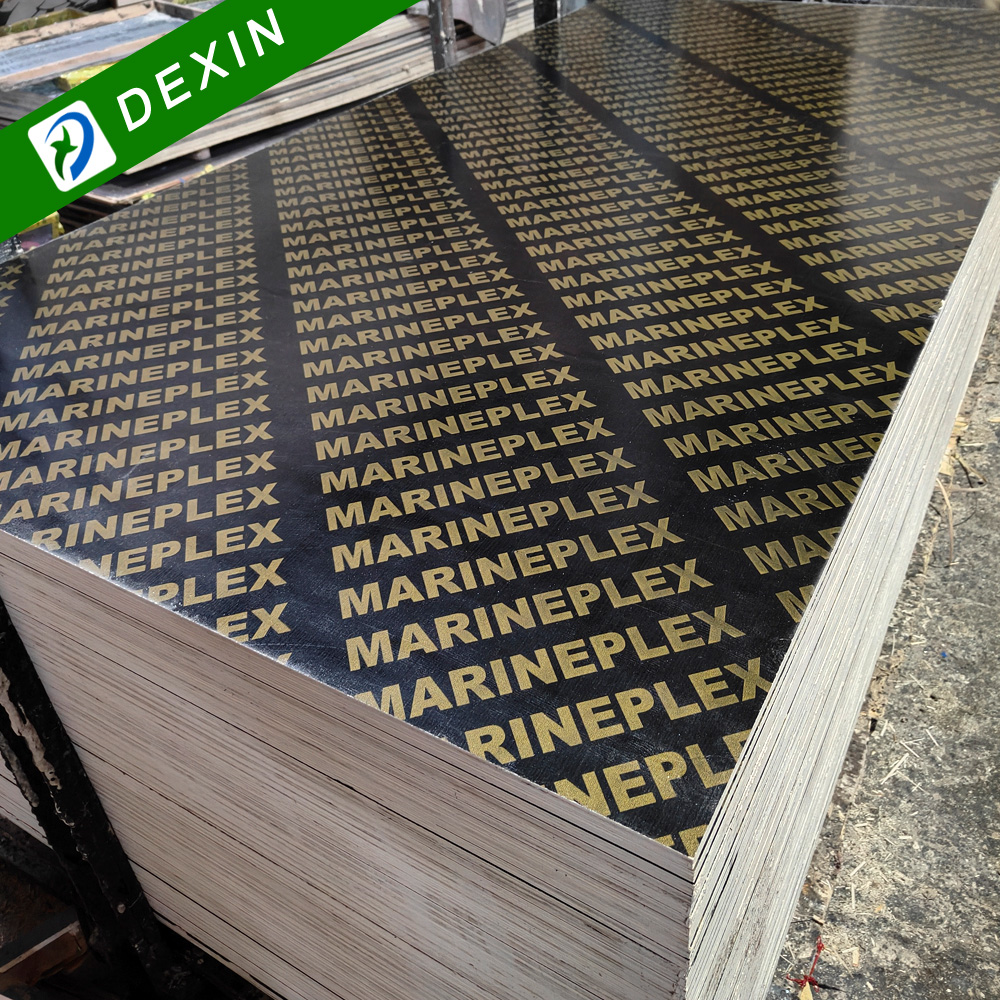
China Manufacturer 4x8ft Concrete Black Film Faced Plywood 9~25mm Marine Contreplaque Board for Construction
Black phenolic film-faced plywood with a dense surface for concrete formwork, slab work and repeated handling on construction sites.
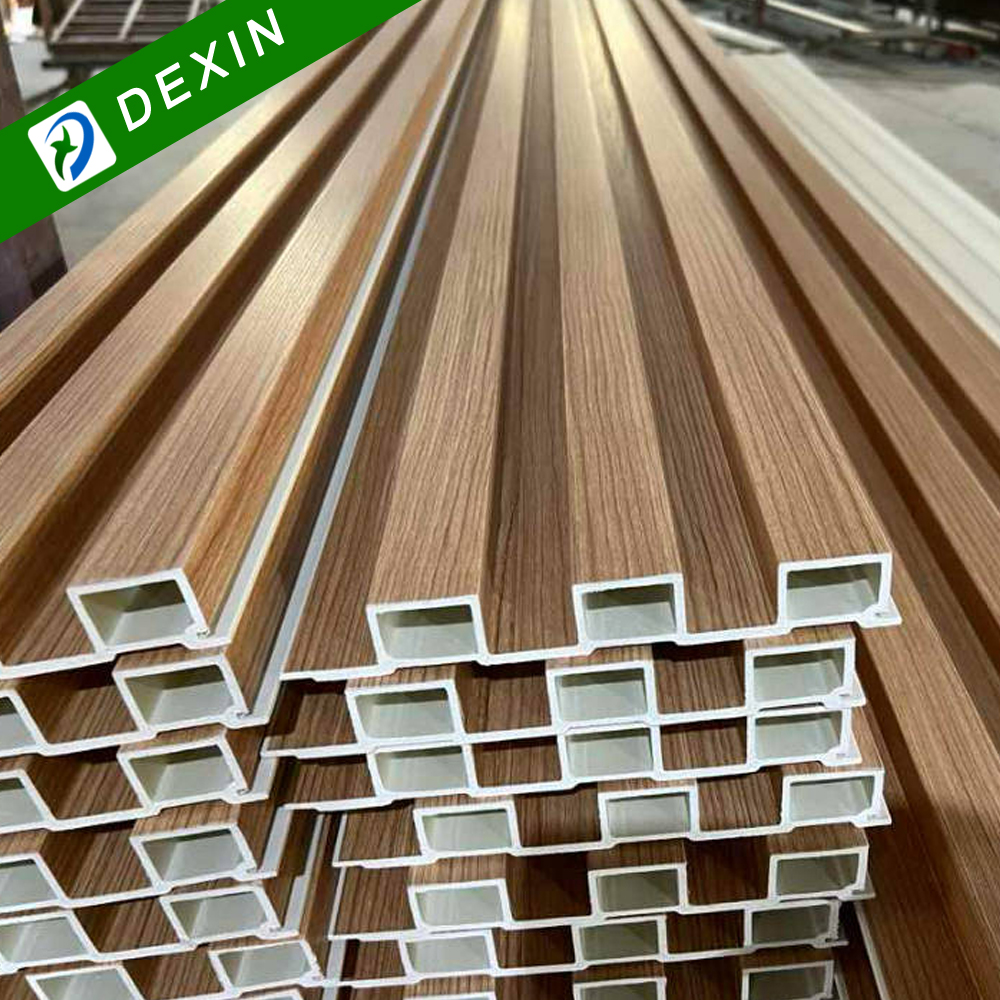
Modern Wall Cladding Home Background PVC WPC Wall Panels Interior Decorative Wall Panel for Hotel
Decorative PVC WPC wall cladding for hotel, retail and residential interiors, offering fast installation and a clean wood-grain or solid finish.
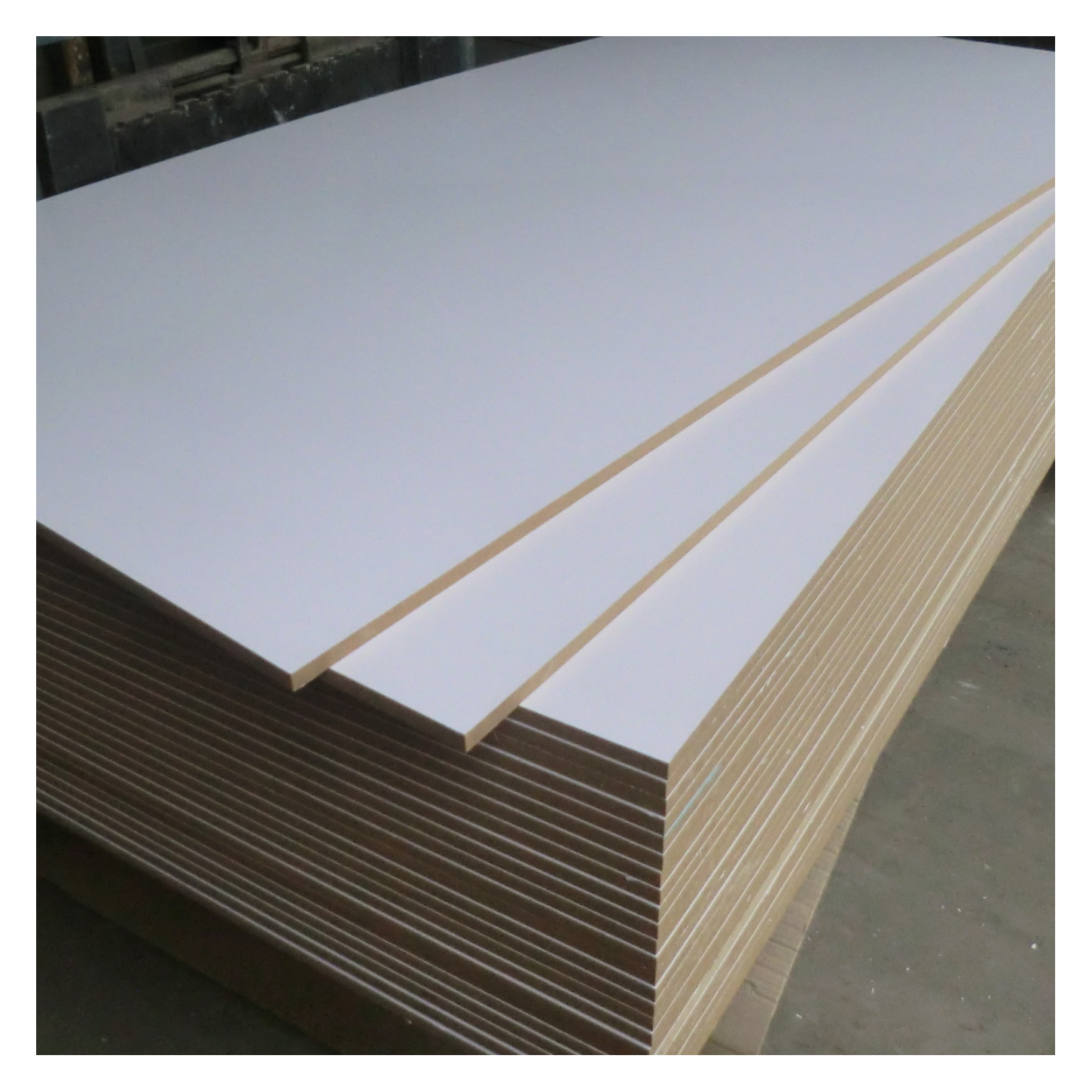
Wholesale E1 Grade Melamine Faced Moisture-Proof MDF Board for Kitchen Furniture Use 18mm Thickness CE Certified
Moisture-proof MDF with melamine face for kitchen cabinets, wardrobe panels and interior furniture requiring a clean, sealed decorative surface.
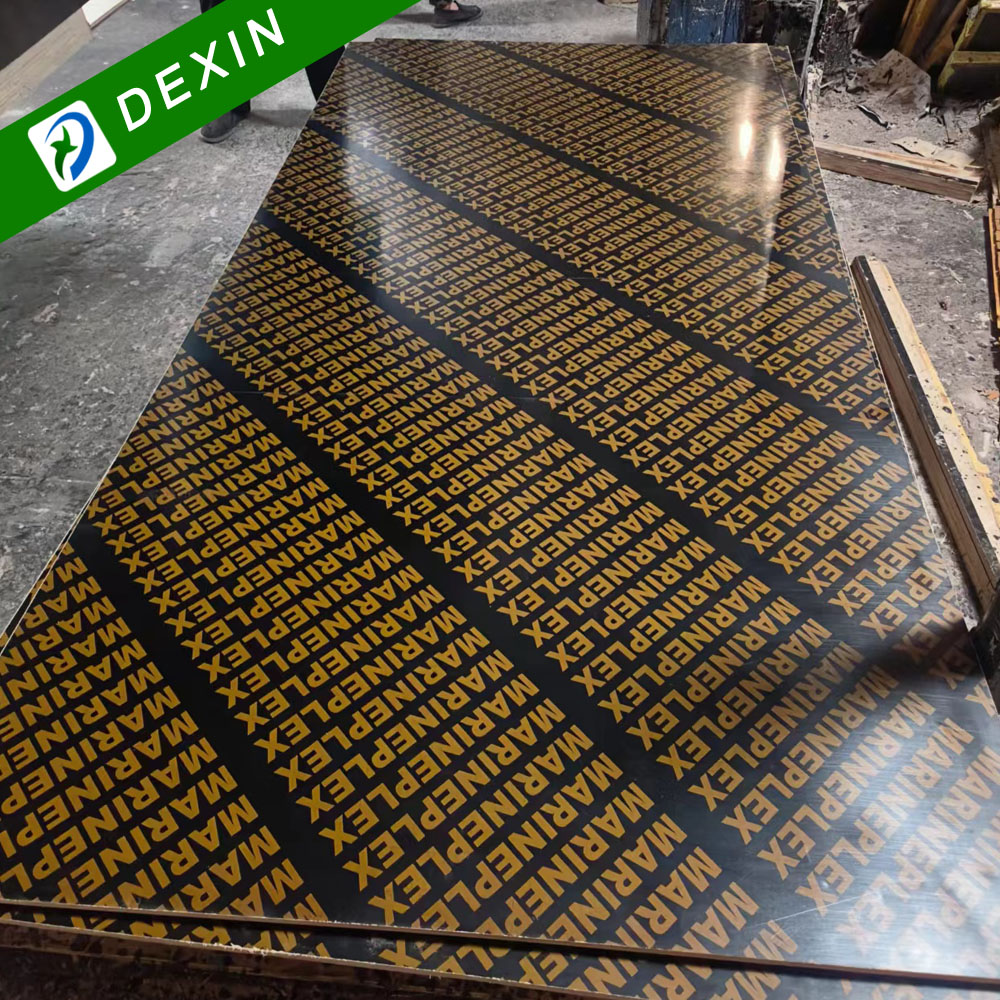
1220*2440* 15mm / 9mm / 12mm / 18mm Film Faced Plywood Marine Construction Formwork Board
Film-faced marine plywood in 9mm, 12mm, 15mm and 18mm for concrete formwork, shuttering and site applications needing a reusable surface.
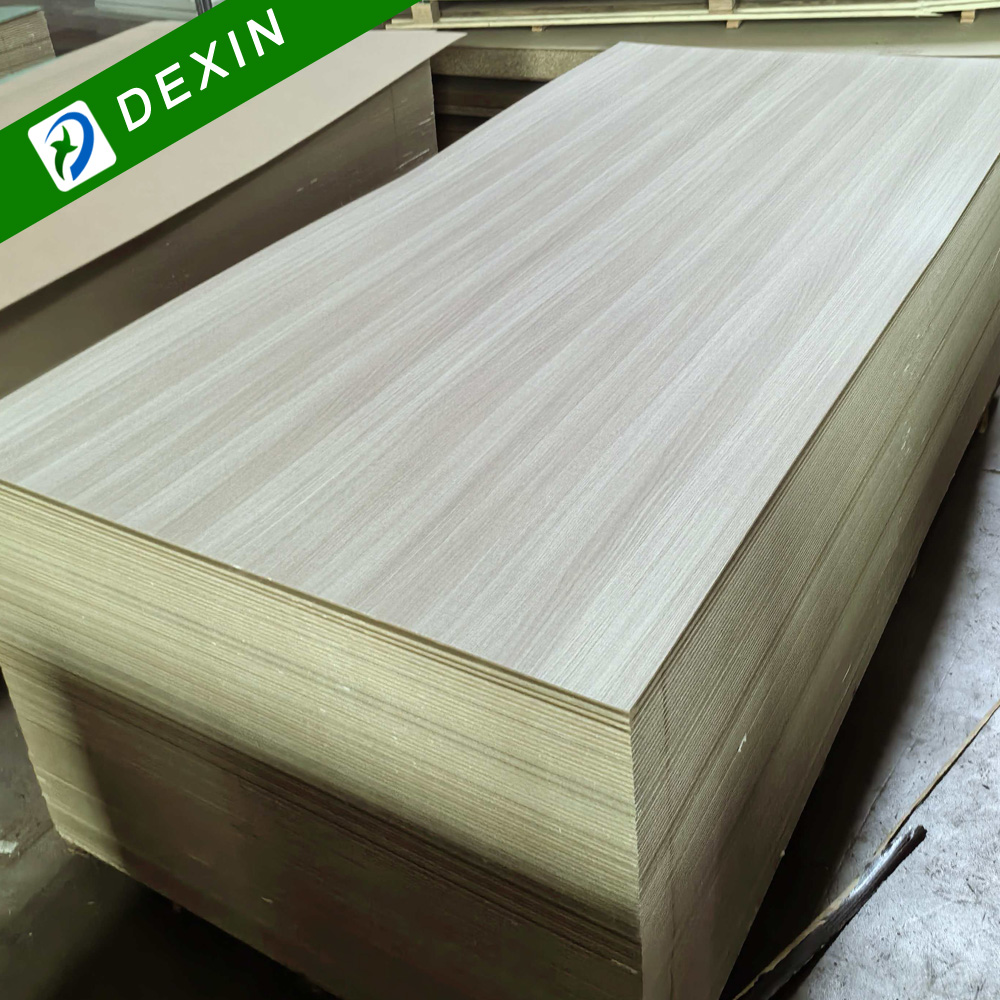
Moisture Resistant 4mm 15mm 17mm 18mm Melamine MDF Wood Panels 1220x2440mm White Textured MDF Melamine
White textured melamine MDF for wardrobe, cabinet and fit-out projects where a moisture-resistant substrate and easy-clean face are both required.
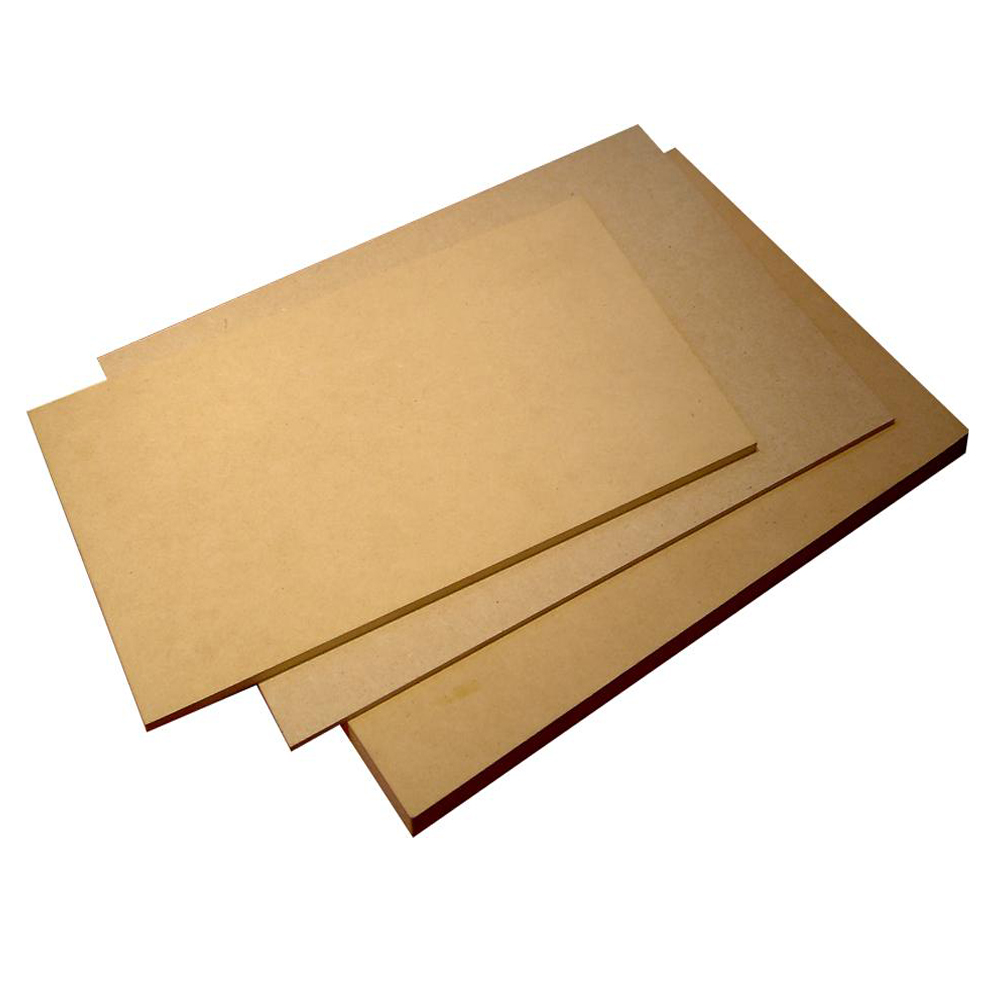
E0 E1 or E2 Glue Raw Thailand MDF Board with Cheap Price on Sale
Raw Thailand MDF with E0, E1 or E2 glue options for furniture factories, distributors and projects balancing emission compliance and cost.
Why Moisture-Resistant MDF Deserves a Procurement Strategy, Not Just a Price Check
Moisture-resistant MDF is often bought as a commodity, yet its real cost is decided by swelling performance, surface durability, formaldehyde compliance and the supplier’s ability to reproduce the same batch next quarter.
MDF is a wood-fibre composite, and that makes it naturally sensitive to humidity. In a kitchen, bathroom, hotel bathroom vanity, laundry cabinet or coastal residential project, ordinary MDF can absorb moisture through cut edges, router grooves, hinge holes and the back of a panel. A moisture-resistant grade — commonly called HMR MDF or moisture-proof MDF — uses a modified resin system and process controls to reduce water absorption and thickness swelling. A melamine, PET or UV face then adds a decorative barrier, but the core and edge detail still determine long-term performance.
For importers, the buying question has therefore changed. It is no longer only “what is the price per sheet?” but “which grade will survive the destination climate, the fabricator’s cutting method and the final project inspection?” That is why KUDE positions moisture-resistant MDF as a specification-led product rather than a single catalogue item. Buyers can define the thickness, core density, glue grade, melamine decor, surface finish, edge sealing, package marking and container mix before production begins.
KUDE operates from Linyi, Shandong, China, a dense wood-based panel cluster that gives buyers short supply chains for veneer, glue, cores and decorative papers. The manufacturing group behind KUDE was founded in 1998, operates more than 30 sets of production machines across 30,000 m² of workshops, employs more than 300 workers and has an annual output of 60,000 m³ of plywood, blockboard, MDF and particle board. That is not merely a scale claim; it affects the buyer’s ability to secure repeatable thickness tolerance, stable decor matching, mixed-container loading and pre-shipment inspection without passing through multiple traders.
From an E-E-A-T perspective, the strongest supplier is not the one that publishes the longest certification list. It is the one that can explain where a certificate applies, how a batch is checked, which emission grade suits the destination market, and what happens when a container needs to be consolidated across product lines. KUDE’s export model is built around that level of practical transparency: production experience since 1998, more than 15 years of export experience, an SGS on-site assessed supplier profile, CE, ISO 9001, ISO 14001, FSC and CARB credentials, and a documented quality process from raw veneer selection to container loading.
More than two decades in wood-based panel production and 15+ years of export handling across the EU, USA, Caribbean, South America, Africa, Southeast Asia, the Middle East and Eastern Europe.
Application-specific specification advice for kitchen cabinets, wardrobes, hotel fit-outs, concrete formwork, furniture routing and decorative wall systems.
CE, ISO 9001, ISO 14001, FSC, CARB, E0/E1/E2 glue options, SGS on-site assessment, export documents, loading photos and sample-based confirmation.
Recommended Specifications by Application
A moisture-resistant board is only “right” when it matches the fabrication method, humidity exposure, fixing system and decorative requirement. These four application routes cover the majority of export inquiries.
Kitchen and bathroom cabinetry
Specify 18mm E1 moisture-proof melamine MDF with sealed edges, tight decor matching and a substrate designed for hinge and cam-lock machining.
Best-fit products: E1 melamine-faced moisture-proof MDF; white textured melamine MDF.
Hotel, retail and feature walls
Use WPC or PVC decorative wall panels where fast installation, wipe-clean surfaces and reduced site labour are more important than structural thickness.
Best-fit products: PVC WPC decorative wall panels; moisture-resistant melamine MDF for backing and joinery.
Concrete formwork and shuttering
For repeated pours, combine black film-faced plywood with H20 timber beams. Check film density, edge sealing, thickness tolerance and the required reuse cycle.
Best-fit products: black film-faced plywood; film-faced marine plywood; water-resistant H20 timber beam.
Furniture, routing and lamination
Raw or plain MDF is the economical substrate for painting, veneering, PET lamination and CNC routing, provided density, sanding quality and glue grade are confirmed.
Best-fit products: 3–18mm raw/plain MDF; E0/E1/E2 raw Thailand MDF.
What Importers Will Specify More Carefully Through 2030
Procurement teams are moving away from single-price comparison and toward a total risk model: moisture performance, formaldehyde compliance, documentation quality, packaging reliability and the flexibility to combine products in one container.
The next sourcing cycle will reward suppliers who can prove, not merely claim, product consistency. Buyers serving the EU and North America increasingly ask for CE, CARB and E1/E0 evidence; buyers in the Middle East and Africa often prioritise formwork durability and loading efficiency; furniture factories in Southeast Asia and Eastern Europe want decor continuity and quick sample turnaround. These are different purchasing intents, but they converge on one requirement: the factory must be able to translate a specification into a repeatable shipment.
Compliance-first sourcing
Emission grade, certification scope and destination-market declarations will be reviewed before price negotiation, especially for interior MDF.
Moisture evidence, not labels
Buyers will ask for thickness-swelling data, edge-sealing details, face adhesion and substrate density appropriate to kitchen and bathroom use.
Mixed-container flexibility
Distributors want to combine melamine MDF, raw MDF, film-faced plywood and wall panels without exceeding MOQ discipline.
Traceability and pre-shipment proof
Batch photos, packing records, container loading images and sample retention are becoming normal expectations in B2B panel buying.
Directional buyer priority index
A practical summary of the specification criteria that repeatedly appear in moisture-resistant MDF and engineered panel inquiries.
Illustrative directional index for content planning, not a statistical market forecast. Final specifications should always be confirmed against the project standard, destination regulation and sample approval.
From HMR Cores to Multi-Functional Surfaces
Moisture-resistant MDF is developing in two directions at once: better core performance for humid environments, and surface systems that reduce finishing labour, improve scratch resistance and support faster interior installation.
Higher-performance HMR cores
Moisture-resistant resin, wax systems and density control are being tuned for thickness swelling, screw-holding strength and machined-edge stability.
Low-emission standards
E0, E1, E2 and CARB requirements are shaping glue selection, factory testing and how suppliers document compliance by batch and market.
Integrated decorative faces
Melamine, PET and UV surfaces reduce painting and lamination steps, while white textured, wood-grain and marble-look decors expand buyer choice.
Project-ready functions
Fire-retardant, anti-bacterial, CNC-optimised and edge-sealed variants are moving from special request to mainstream specification for contract interiors.
For buyers, this means the specification conversation should happen earlier. A moisture-resistant MDF for a wardrobe carcass, a bathroom vanity, a hotel headboard and a wall panel backing may share a family name, but they do not share the same performance priorities. KUDE’s role is to match the board construction, glue system, surface and packaging to the actual use case, then keep that specification stable across repeat orders.
Inside KUDE’s Linyi Manufacturing Base
Linyi KUDE International Trading Co., Ltd. is the export platform of a wood-based panel manufacturing group founded in 1998 in Linyi, Shandong, China. The location matters: Linyi is one of China’s largest wood-based panel production clusters, giving buyers access to mature supply chains for veneer, glue, core materials, decorative paper and export packing.
The group runs more than 30 sets of production machines in 30,000 m² of workshops, with over 300 workers and an annual output of 60,000 m³ of plywood, blockboard, MDF and particle board. KUDE combines more than 20 years of production experience with more than 15 years of export experience, and the supplier profile has passed an on-site assessment by SGS. The operating principle is direct: survival by quality, development by prestige.
- Factory-direct production and export coordination
- CE, ISO 9001, ISO 14001, FSC and CARB credentials
- E0, E1 and E2 formaldehyde grade options
- OEM / ODM and full specification customisation
- T/T and L/C payments in USD, EUR or CNY
- FOB, CFR, CIF and EXW trade terms
- MOQ typically 50–500 sheets by product line
- Shipment through northern China seaports such as Qingdao
Customisation covers size, thickness, core species, face veneer or decorative film, glue type, logo printing and export packaging. Buyers can combine several product lines in one container after confirming specifications with the sales team, which is particularly useful for distributors who need MDF, melamine board, film-faced plywood and wall panels in a single shipment.




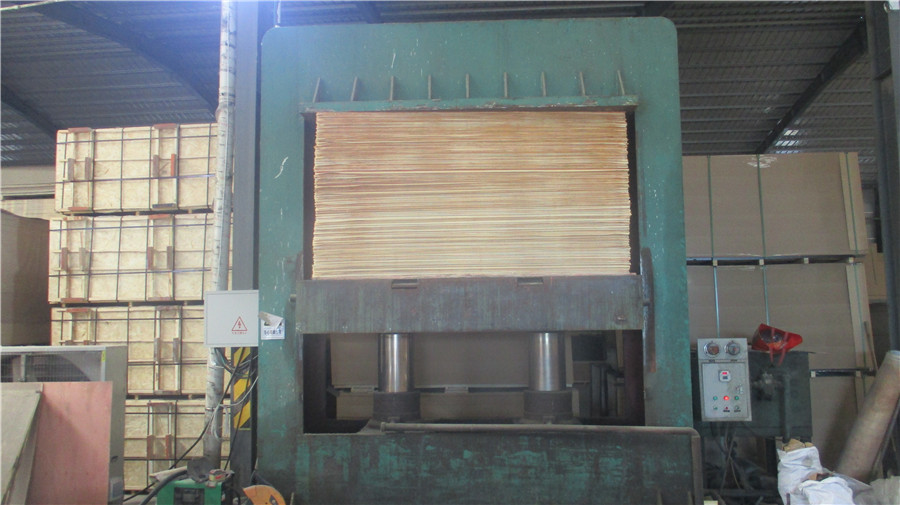
Five Quality Gates Before Your Container Leaves Linyi
A moisture-resistant claim is only credible when the manufacturing process controls the variables that affect swelling, surface bond and thickness consistency.
Material selection
Veneer grading, fibre quality and moisture checks before gluing.
Gluing and pressing
Controlled glue spread, resin grade and hot-pressing cycles.
Sanding and surfacing
Calibrated thickness, sanding quality, lamination or film overlay.
Inspection
Thickness, flatness, bonding, surface and edge checks.
Packing and loading
Export pallets, steel straps, marking and loading photos.
Quick Reference for Moisture-Resistant MDF and Engineered Panels
Use this table to shortlist the right board before requesting a quotation. Final tolerances, grades and test reports are confirmed against each order and destination market.
| Product route | Typical size | Thickness | Core / surface | Performance focus | Typical application |
|---|---|---|---|---|---|
| Moisture-proof melamine MDF | 1220×2440 mm | 4–18 mm | HMR MDF core; melamine face | Moisture resistance, sealed decor, E1/E0 options | Kitchen cabinets, wardrobes, bathroom furniture |
| Raw / plain MDF | 1220×2440 mm | 3–18 mm | Sanded raw MDF | Flatness, density, CNC routing and coating | Furniture, painting, lamination, packaging |
| Thailand raw MDF | 1220×2440 mm | Common export thicknesses | Raw MDF; E0/E1/E2 glue | Cost control with emission grade choice | Furniture factories, distributors, project supply |
| Black film-faced plywood | 1220×2440 mm / 4×8 ft | 9–25 mm | Plywood core; black phenolic film | Reusable concrete formwork surface | Slabs, walls, shuttering and site construction |
| Film-faced marine plywood | 1220×2440 mm | 9 / 12 / 15 / 18 mm | Marine construction core; film face | Water exposure, repeated pours, edge stability | Construction formwork and marine projects |
| Water-resistant H20 timber beam | 80×200 mm; custom length | Profile based | Spruce timber beam | Straightness, nailing, water resistance | Concrete formwork systems |
| PVC / WPC wall panel | Custom length | Profile dependent | Wood-plastic composite; decorative film | Waterproof interior cladding, fast installation | Hotels, homes, retail and office interiors |
Questions Buyers Ask Before Ordering Moisture-Resistant MDF
These are the practical questions that appear most often during specification review, sample approval and container planning.
What makes MDF “moisture resistant” rather than merely water-resistant?
Which thickness and emission grade should I specify for cabinets and bathroom furniture?
How do you verify moisture-resistant MDF before shipment?
What is the minimum order quantity and can several products share one container?
Can you customise size, thickness, melamine decor, logo and packaging?
Which payment terms, Incoterms and shipping arrangements do you accept?
Send Your Moisture-Resistant MDF Specification for Review
Share the size, thickness, emission grade, surface decor, estimated quantity and destination port. Our export team will respond with a technical proposal covering substrate recommendation, packing, lead time and container loading plan.
info@kudeplywood.com