Poplar Core Plywood Sourcing: The Quiet Advantage Behind Reliable Furniture and Formwork
Poplar core plywood sits at the practical center of modern wood-based panel procurement. It is light enough to reduce handling costs, stable enough for high-volume furniture production, and clean enough for direct melamine lamination when the core is graded, dried, glued and pressed with discipline. For importers, distributors and contractors, however, the phrase “poplar core” is not a specification by itself. Density, moisture content, core gap control, glue type, formaldehyde emission, thickness tolerance, face quality and packaging discipline determine whether a container performs well on a cutting line or creates rework at the project site.
Linyi KUDE International Trading Co., Ltd. is the export platform of a wood-based panel manufacturing group founded in 1998 in Linyi, Shandong, China’s largest man-made board cluster. With 30,000 m² of workshops, more than 300 workers, 30+ machine sets and annual output around 60,000 m³, KUDE supplies commercial plywood, film faced plywood, melamine plywood, fancy plywood, MDF, particle board, H20 timber beams and WPC wall panels to 30+ countries. The group holds CE, ISO 9001, ISO 14001, FSC and CARB credentials, and its supplier profile has passed an on-site SGS assessment.
This guide is written for buyers who need more than a price list. It combines product recommendations, specification guidance, procurement trends, product development trends, factory advantages and frequently asked questions. Use it as a decision framework when comparing poplar core plywood manufacturers and exporters, then request a technical review against your own cutting list, destination market and container plan.
- 20+ years of production experience
- 15 years of export experience
- On-site SGS assessed supplier profile
- OEM / ODM and custom specifications

Export-Ready Poplar Core Plywood and Engineered Panel Products
The eight product families below reflect the current export mix for furniture, cabinetry, formwork and interior finishing. Product URLs are preserved for direct technical review, specification confirmation and sample discussion.
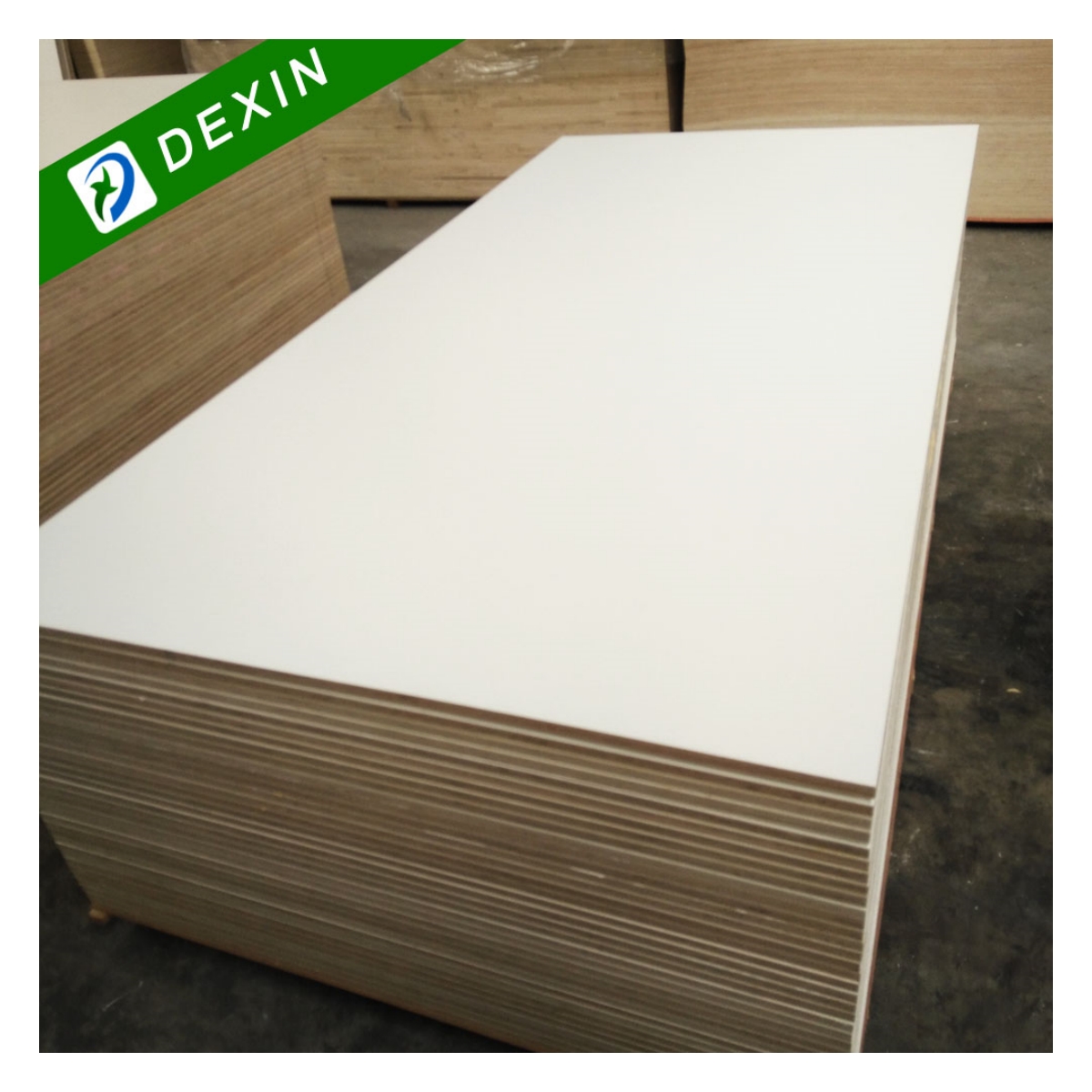
Good Quality 6mm 12mm 18mm Teak/Oak/Maple Melamine Plywood 1/2,3/4 in Flywood Sheet for Furniture
Poplar or combi core with teak, oak or maple melamine face. A practical choice for wardrobes, cabinet doors and contract furniture where color consistency and surface durability matter.
View specification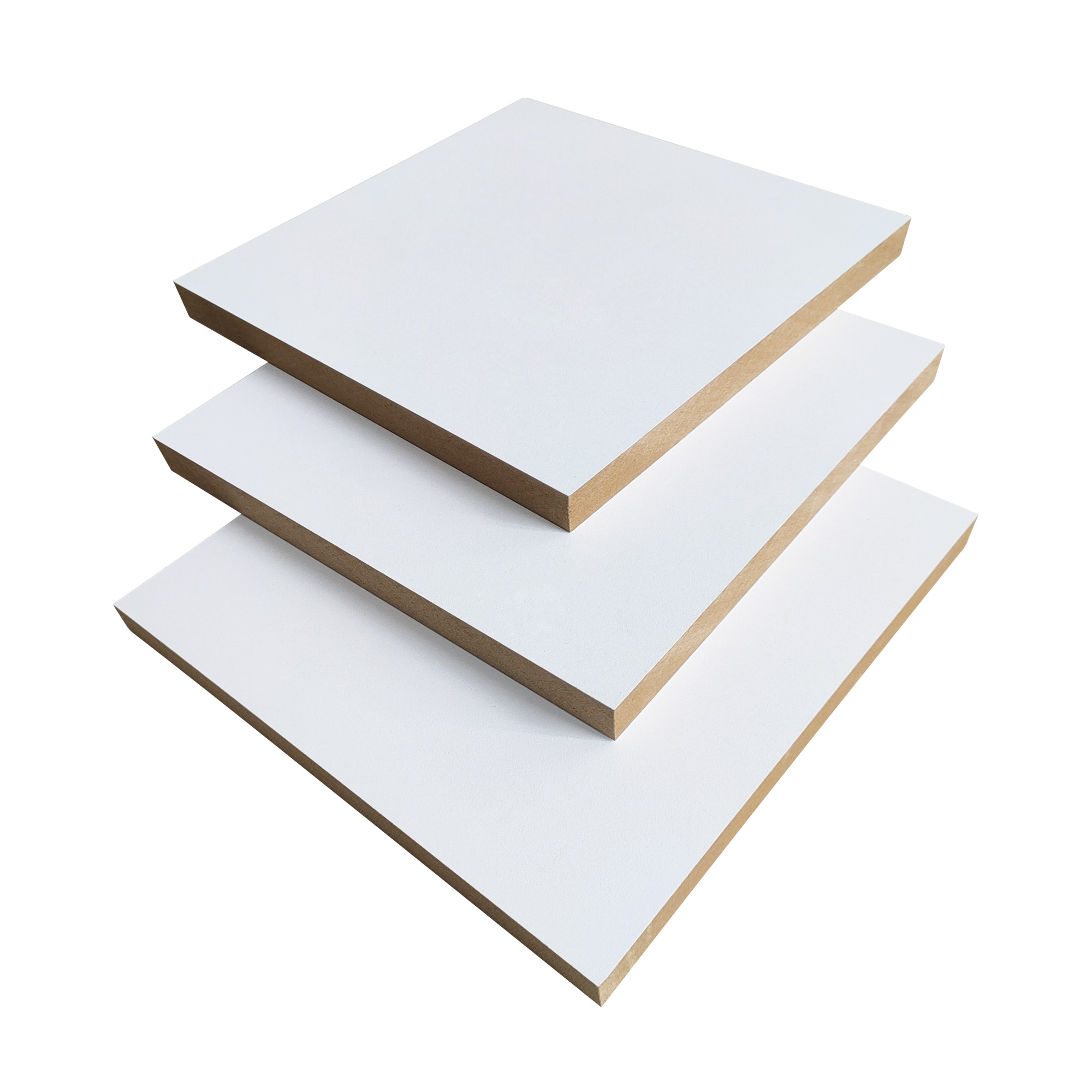
High Quality 4x8ft White Melamine MDF Board China Manufacturer E1 Formaldehyde for Kitchen Use-Sizes 3mm 6mm 9mm 12mm 16mm
White melamine MDF in E1 grade for kitchen cabinets and interior fit-out. Available in 3, 6, 9, 12 and 16 mm with 4x8 ft sheet formats for efficient cutting plans.
View specification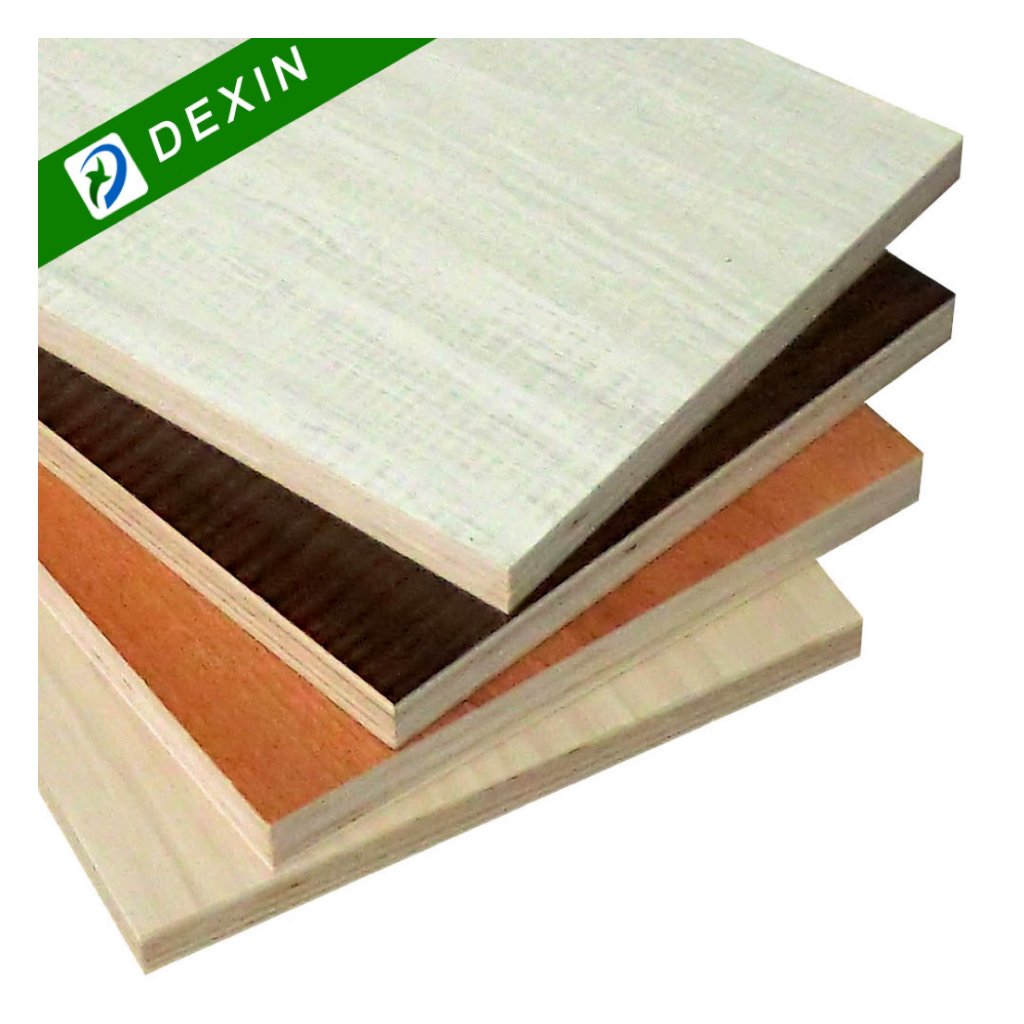
3mm 12mm 18mm E0 First-Class Melamine Contrachapado/Kontrplak 4x8 Paneles Laminas De Melamina Plywood for Furniture Cabinet Use
E0 melamine plywood for furniture and cabinets in markets with strict indoor air quality expectations. Confirm face decor, core, thickness and packing before production.
View specification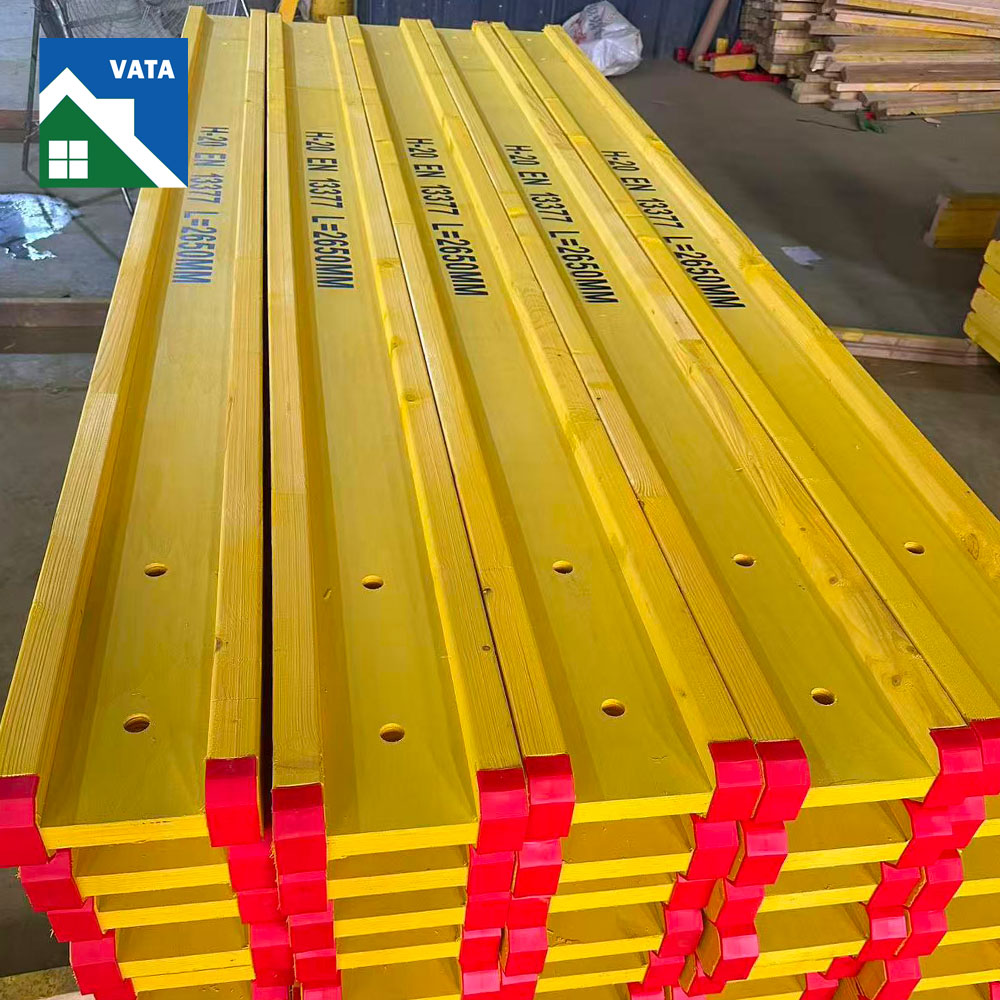
Factory Direct High Strength H20 Timber Beam Waterproof LVL Structural I Beams for Concrete Formwork
Waterproof LVL and H20 timber beam for concrete formwork. High strength-to-weight ratio for slab and wall systems where repeated use and dimensional stability matter.
View specification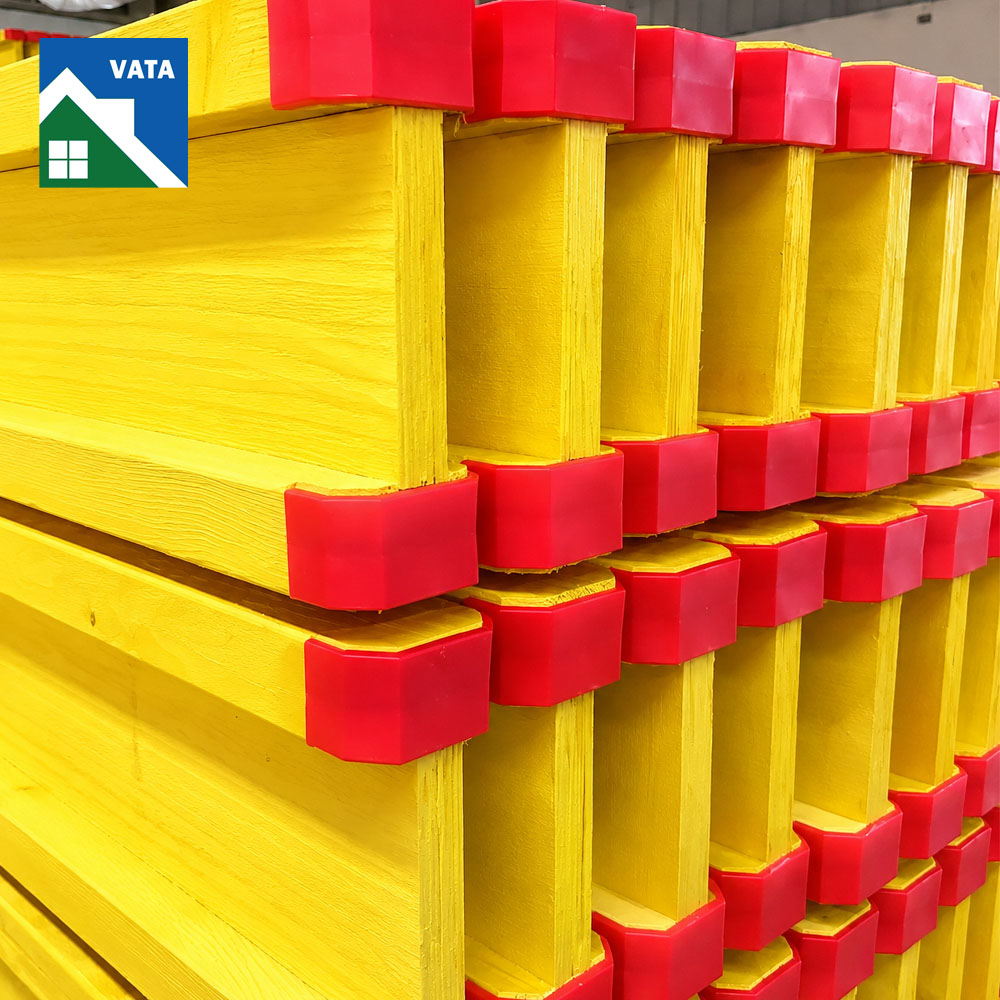
Wholesale Heavy Duty Wooden I-Beams Durable Spruce H20 Formwork Beams for Slab Formwork
Spruce H20 formwork beams for slab formwork, with durable edge protection and consistent dimensions for repetitive concrete pours and project-site handling.
View specification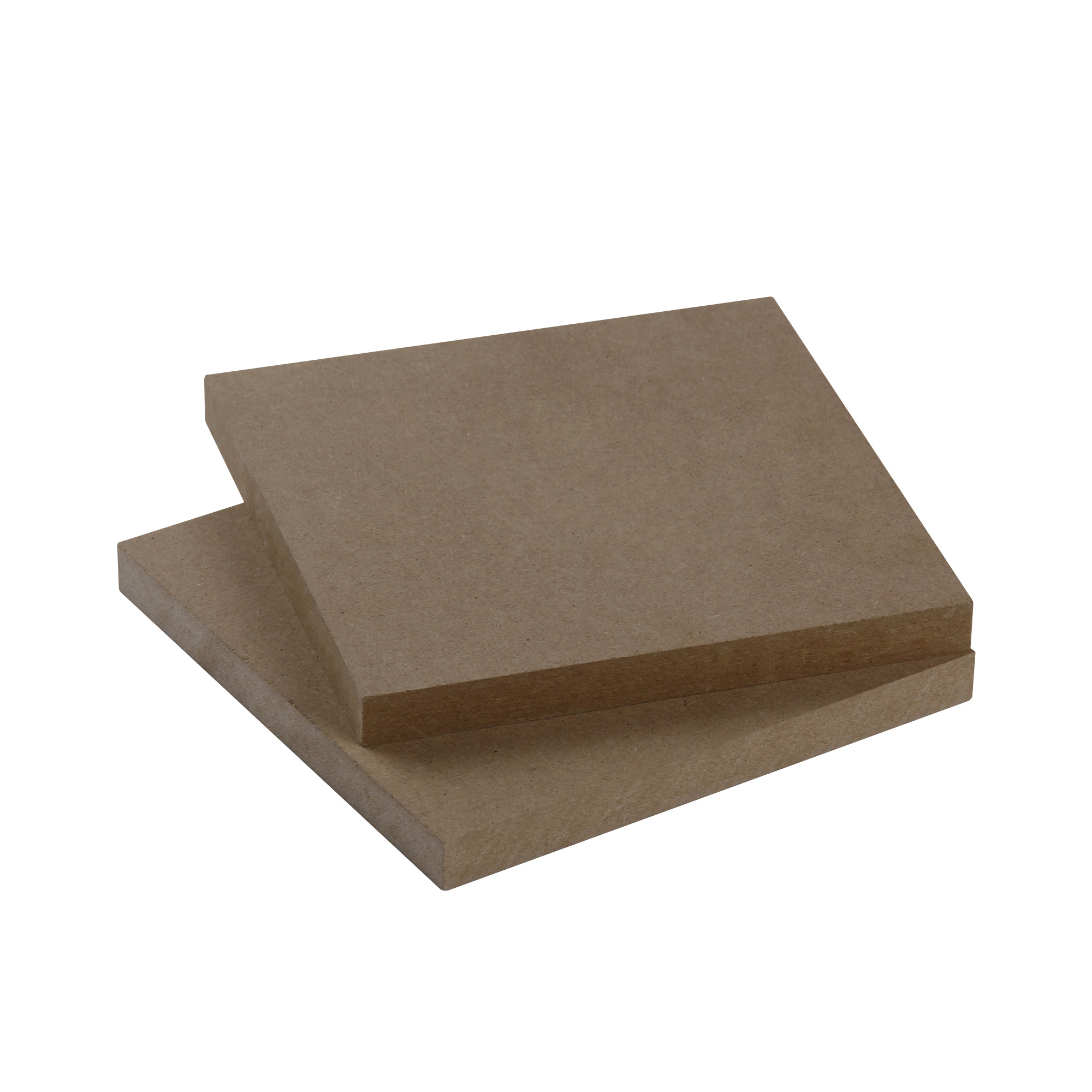
Dexin First-Class Plain Particle Board & MDF Wood Board E2 Emission Moisture-Proof for Bangladesh
Plain particle board and MDF with E2 emission and moisture-proof options for project furniture and general board applications in price-sensitive markets.
View specification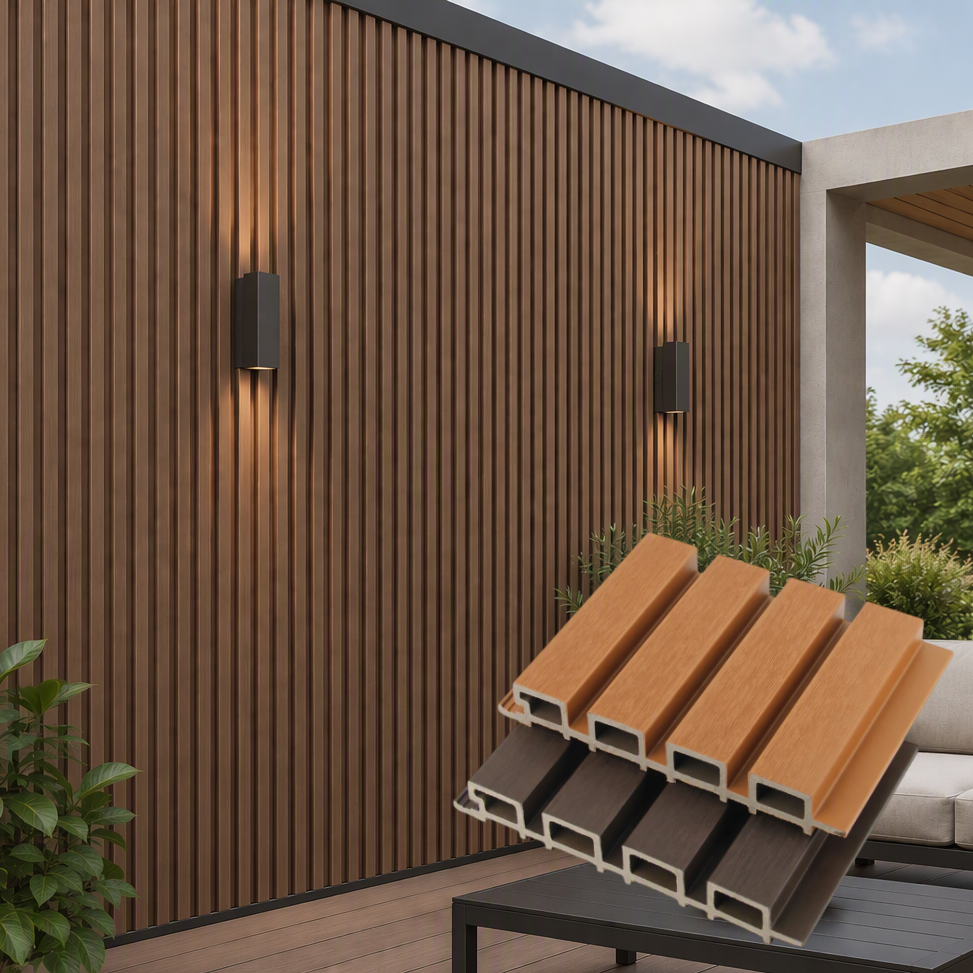
New Style Outdoor WPC Wall Cladding Panels Waterproof Villa Textured Co-Extruded Fluted Facade
Co-extruded fluted WPC wall cladding for villas and exterior facades. Waterproof, textured and designed for fast installation with a wood-look architectural finish.
View specification
Customized Length Water Resistant Spruce Wooden H20 Timber Beam with 80x200mm for Concrete Formwork System
Customized length water-resistant spruce H20 timber beam, 80x200 mm, for concrete formwork systems requiring project-specific lengths and export packing.
View specificationHow to Specify Poplar Core Plywood Without Creating Rework
Poplar core plywood is not a single commodity. The same nominal thickness can behave differently on a CNC line, in a humid warehouse or under concrete formwork pressure. Match the board to the end use before negotiating price.
Furniture and Cabinetry
For wardrobes, kitchen cabinets and office furniture, balance core stability with face quality and emission grade.
- 3–18 mm melamine plywood or MDF
- E0 / E1 emission for indoor use
- Consistent sanding and edge quality
Concrete Formwork
For repeated pours, specify film faced plywood, WBP glue and engineered H20 beams rather than general commercial plywood.
- 9–21 mm film faced plywood
- Waterproof phenolic film
- H20 / LVL beam compatibility
Decorative Interiors
For feature walls, retail fit-out and villa interiors, combine decorative surfaces with moisture-resistant substrates.
- UV / PET MDF and melamine boards
- Co-extruded WPC wall cladding
- Color and texture consistency
Industrial and Packaging
For packaging, crating and general industrial use, control core gaps, thickness tolerance and loading strength.
- Commercial plywood and particle board
- Cost-effective poplar core options
- Seaworthy export packing
Factory acceptance checklist for poplar core plywood buyers
Use these checkpoints in your purchase order and pre-shipment inspection plan. They reduce disputes because they convert “good quality” into measurable requirements.
- Core species and density range
- Moisture content before pressing
- Glue type: MR, WBP or phenolic
- Formaldehyde grade: E0, E1 or E2
- Thickness tolerance and flatness
- Face veneer, decor and edge quality
- Core gap and overlap limits
- Pallet packing and container loading
Procurement Trends Shaping Poplar Core Plywood Orders
Buyers are moving from “lowest price per sheet” toward total landed value: compliance, traceability, mixed-container efficiency and fewer quality claims. The percentages below are directional buyer signals from project conversations, not a statistical forecast.
Compliance-First Purchasing
E0, E1, CARB and FSC documentation is increasingly requested before samples are approved, especially for the EU, North America and premium contract furniture.
Supplier Traceability
Importers ask for factory audit evidence, on-site assessment records and batch-level inspection photos to protect their own brand and retail channel.
Mixed-Container Efficiency
Distributors combine melamine plywood, MDF, H20 beams and WPC panels in one container to reduce inventory risk and improve cash flow.
Surface Integration
Buyers prefer suppliers who can coordinate core boards, melamine paper, PET film, UV coating and WPC profiles for a consistent project palette.
Inventory-Light Replenishment
Smaller, more frequent releases are replacing large seasonal stock orders, putting pressure on manufacturers to shorten changeover and packing cycles.
Weight and Carbon Awareness
Poplar core’s comparatively low density can reduce freight and handling burden. Buyers now ask for packed weight, volume efficiency and documentation.
Practical implication: request a specification sheet, packing plan and compliance file with every quotation, not only a price per sheet.
Product Development Trends Reshaping Poplar Core Plywood
Panel development is moving in two directions at once: better basic performance for industrial processing, and richer decorative surfaces for interior projects. The strongest exporters will be those who can connect both.
E0 and HMR Core Upgrades
Furniture manufacturers are pushing for lower formaldehyde emission and moisture-resistant cores without sacrificing machinability, screw-holding strength or surface flatness.
Engineered H20 and LVL Systems
Formwork buyers want predictable bending strength, waterproof glue lines and reusable beam systems that pair with standard slab formwork accessories.
PET and UV Decorative MDF
Mirror-gloss and matte PET surfaces are gaining ground in kitchen cabinet doors and wardrobes because they are easy to clean and visually consistent.
Co-Extruded WPC Cladding
Outdoor wall cladding is moving toward co-extruded profiles with textured wood or stone looks, better weather resistance and faster click-in installation.
Digital Decor Matching
Importers need melamine paper, PET film, UV coating and WPC profiles to match a single project palette. Digital color control reduces batch-to-batch variation.
Hybrid Panel Solutions
Projects increasingly combine plywood cores with decorative skins, MDF substrates and WPC cladding. Suppliers who coordinate multiple product lines reduce buyer risk.
Why KUDE Is Positioned as a Trusted Poplar Core Plywood Exporter
Trust is built through repeatable production, honest documentation and export discipline. KUDE’s advantage comes from combining a manufacturing-group base in Linyi with an export team that understands buyer specifications, destination compliance and container planning.
Since 1998 Manufacturing Heritage
A manufacturing group founded in 1998, with more than two decades of accumulated process knowledge in plywood, MDF and panel production.
Linyi Wood Panel Cluster
Located in China’s largest wood-based panel cluster, giving buyers shorter supply chains for veneer, glue, core materials and packaging.
Verified Quality System
CE, ISO 9001, ISO 14001, FSC and CARB credentials. E0, E1 and E2 emission grades are matched to the destination market and end use.
Flexible Customization
Size, thickness, core species, face veneer or decor, glue type, logo printing and export packaging can be customized for OEM and project orders.
Mixed-Container Sourcing
Combine melamine plywood, MDF, H20 beams, WPC panels and other products in one container after confirming specifications.
Export-Ready Documentation
FOB, CFR, CIF and EXW terms; T/T and L/C payment; seaworthy packing, loading photos and export documentation prepared for customs clearance.
Specification Support
Our export team reviews thickness, core, emission grade, face and packing against your cutting list before the order is released.
Traceability and Response
Batch inspection records, production photos and loading evidence help buyers protect their brand and resolve questions before shipment.
Quality Is a Process, Not a Certificate
Certificates matter, but they do not replace process control. Every KUDE order is managed through defined checkpoints from raw veneer selection to container loading, so that the board received matches the specification approved.
Material Selection
Veneer grading, core species verification and moisture checks before gluing.
Gluing and Pressing
Controlled glue spread, cold and hot pressing cycles, and core alignment checks.
Sanding and Surfacing
Calibrated sanding, melamine lamination, film overlay or decorative finishing.
Inspection
Thickness, flatness, bonding, emission, surface and packing checks before release.
Packing and Loading
Export pallets, steel straps, moisture protection and container loading photos.
 Production line control
 Hot press workshop
 Panel inspection
 Finished panel stock
From Linyi to 30+ Countries: Applications That Drive Repeat Orders
KUDE products reach the EU, USA, the Caribbean, South America, Africa, Southeast Asia, Eastern Europe and the Middle East. Buyers usually start with one application, then expand into a mixed-container program once specifications are proven.
Furniture Manufacturing
Melamine plywood, MDF and fancy plywood for cabinet carcasses, doors, drawers and contract furniture production.
Kitchen and Wardrobe Projects
White melamine MDF, E0 melamine plywood, PET MDF and UV MDF for clean, durable interior surfaces.
Concrete Formwork
Film faced plywood, H20 timber beams and customized spruce beams for slab, wall and infrastructure formwork.
Interior Wall Finishing
Bamboo charcoal boards, WPC wall panels and decorative panels for hotels, villas, retail and residential projects.
Commercial Fit-Out
Consistent decorative surfaces, E1/E0 board options and export packing for offices, shops and hospitality projects.
Industrial and Packaging
Commercial plywood and particle board for crating, packaging, general manufacturing and cost-controlled applications.
Frequently Asked Questions About Poplar Core Plywood Sourcing
These are the questions importers, distributors and contractors ask most often before placing a container order. Final specifications are confirmed against your destination market and project requirements.
What is poplar core plywood and why is it widely used?+
How can I verify quality before placing a container order?+
Which certifications does KUDE hold?+
What is the minimum order quantity for poplar core plywood?+
Can you customize size, thickness, core, face and packaging?+
Which payment methods and trade terms do you accept?+
Where is KUDE located and how are goods shipped?+
How should I choose between poplar core plywood, MDF and particle board?+
Request a Poplar Core Plywood Quotation with Technical Review
Send your size, thickness, core, face, emission grade, packing requirement and destination port. Our export team will review the specification against production capability and reply with a practical proposal for samples, mixed-container sourcing and shipment.
info@kudeplywood.com