Eight Shuttering & Panel Products Buyers Order Most
Shuttering plywood rarely travels alone. A formwork order almost always pulls in melamine-faced boards for site joinery, MDF for door cores and H20 beams for slab support — which is why buyers shortlisting a shuttering plywood manufacturer usually consolidate the whole container with one factory. These eight SKUs are the panels our Linyi lines ship in mixed loads most often.
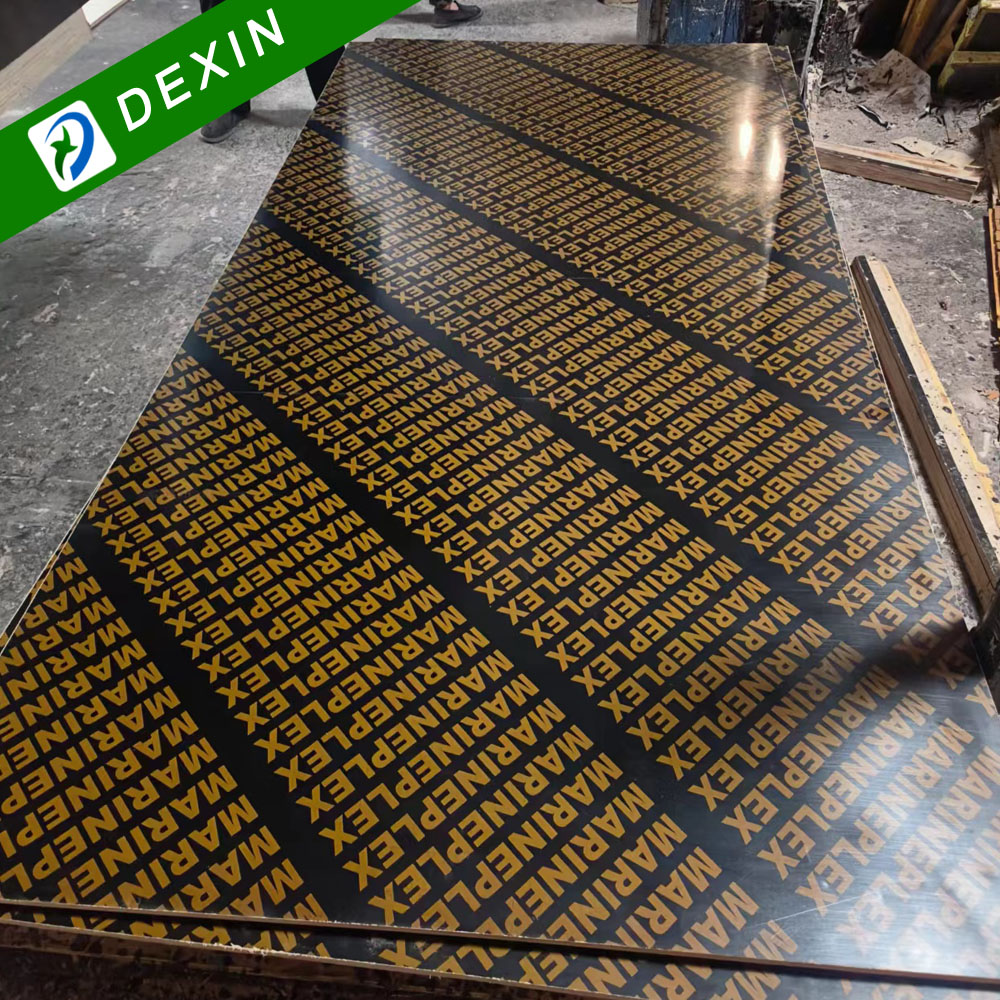
1220*2440* 15mm / 9mm / 12mm / 18mm Film Faced Plywood Marine Construction Formwork Board
Phenolic film both faces, WBP glue, poplar or combi core — the workhorse board for repeated concrete pours.
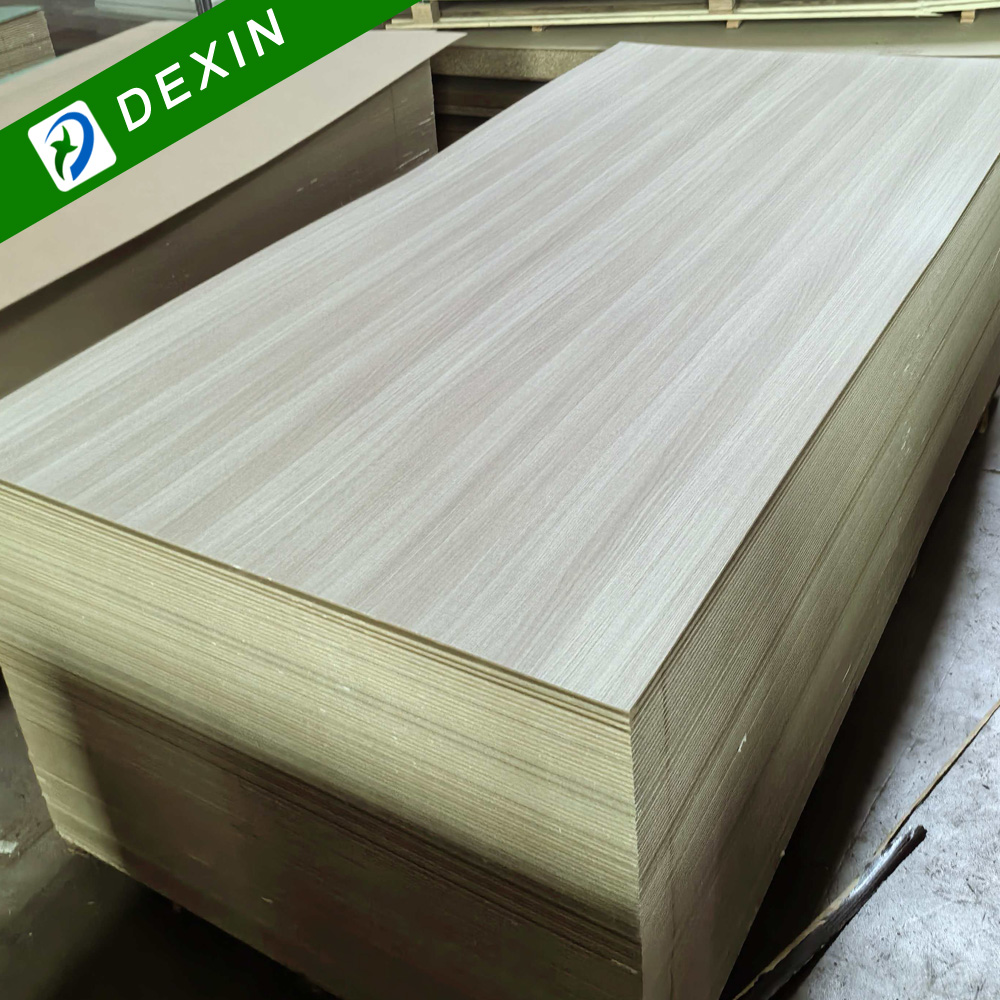
Moisture Resistant 4mm 15mm 17mm 18mm Melamine MDF Wood Panels 1220x2440mm White Textured MDF Melamine
HMR core with white textured melamine face — cabinet carcasses and wet-area joinery in one pass.
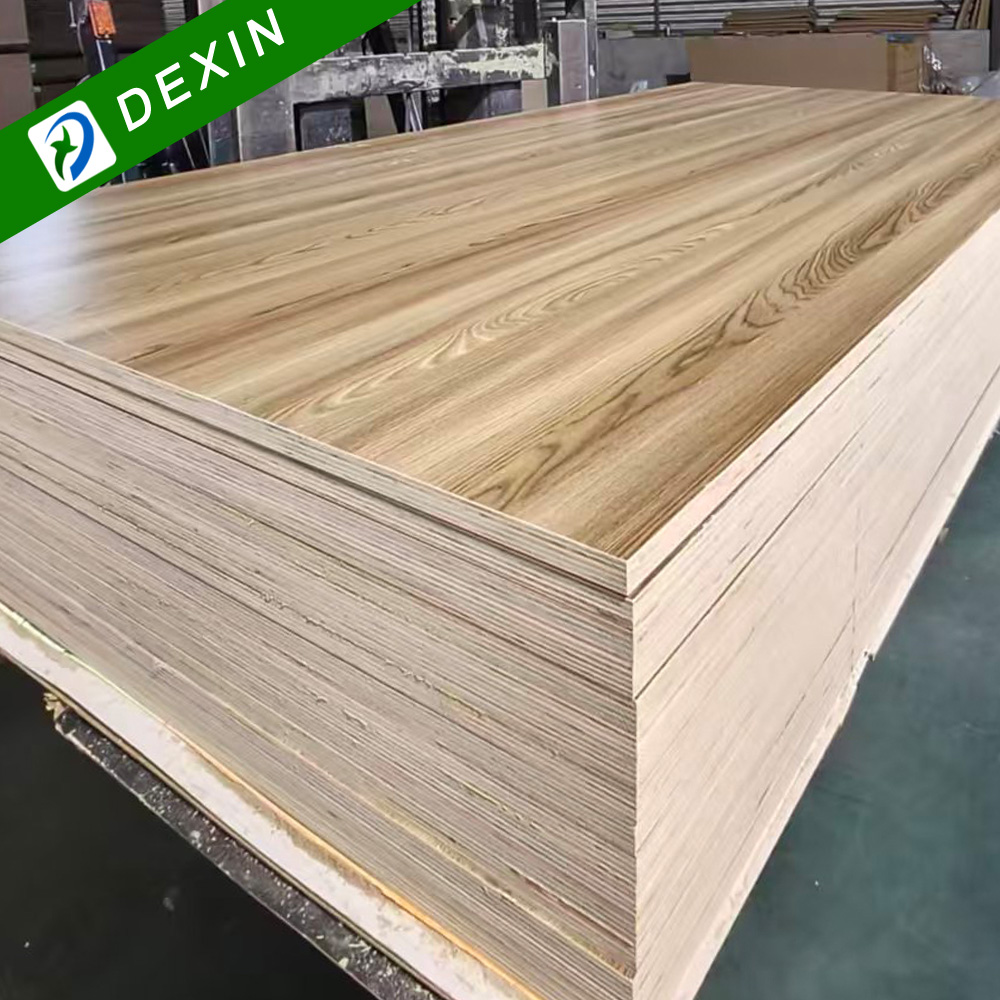
18mm Marine Laminated Contreplaque One or Double Side Colorful Melamine Faced Board Plywood for Furniture Decoration
Single or double-sided decor film over a marine-grade core, for furniture and feature surfaces.
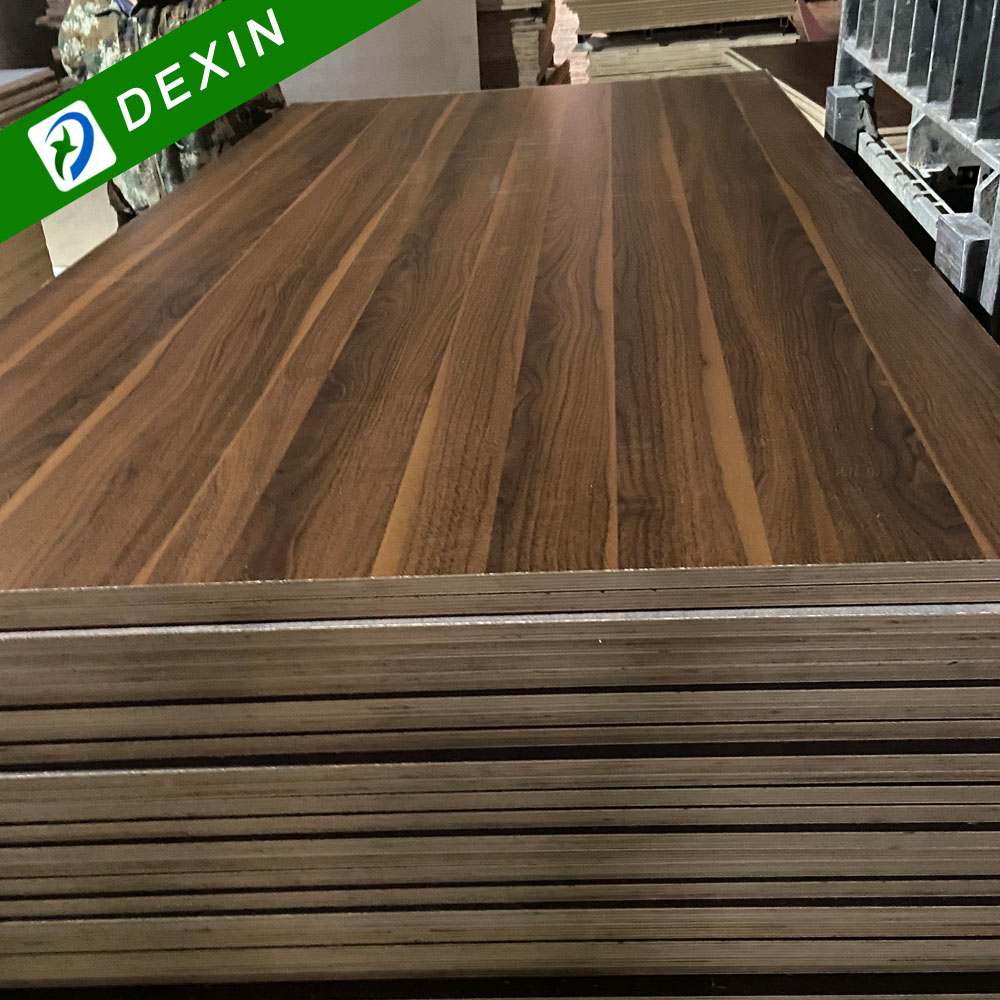
High Quality Waterproof 18mm Melamine Faced Plywood for Furniture
Waterproof bond with a bonded melamine face; E0 and E1 grades for export furniture programmes.
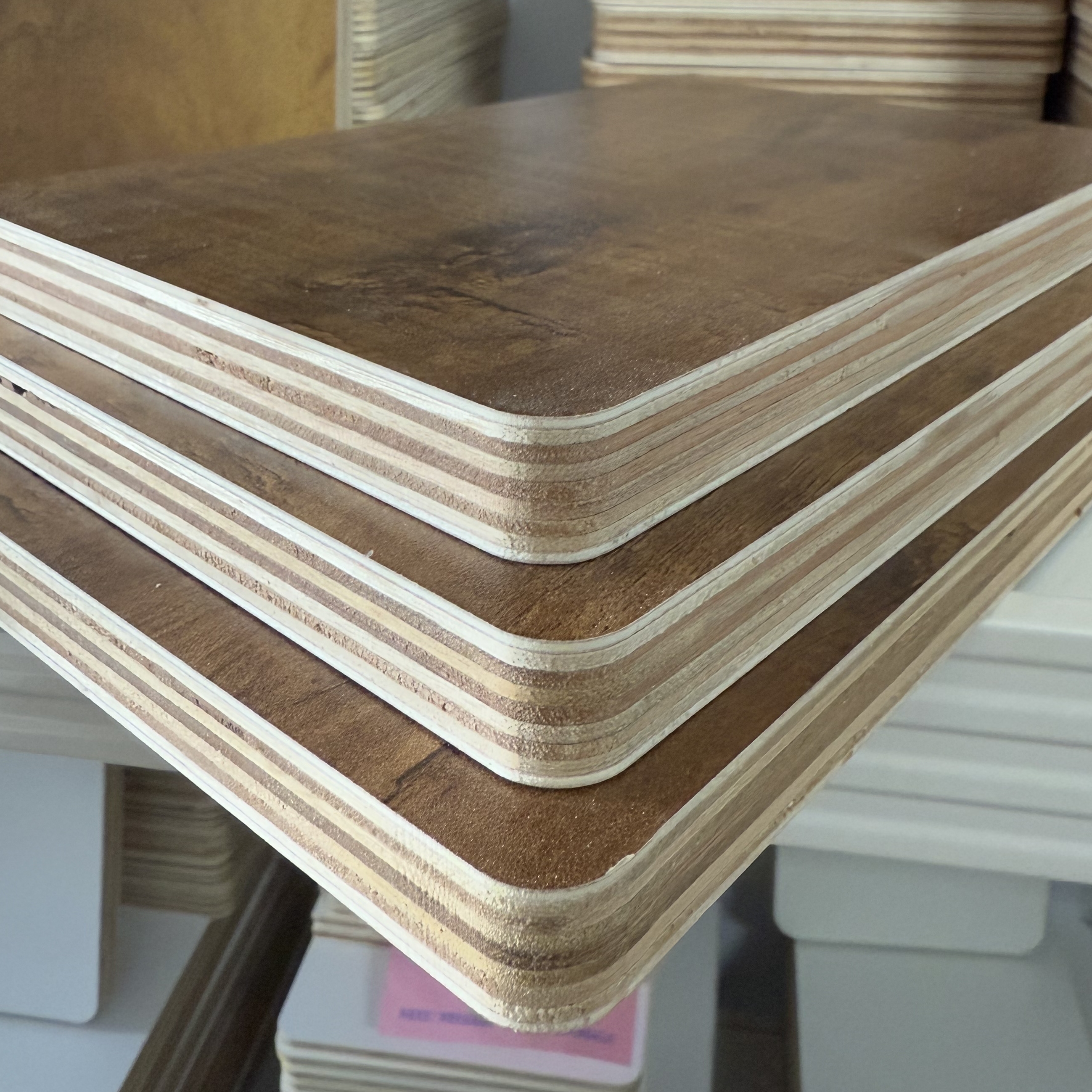
Waterproof White Wood Grain Marble Grain 4x8 18mm Ply Board Melamine Coated Marine Laminated Plywood Sheet for Furniture
White, wood grain and marble decors over a waterproof core; direct-use panel for visible faces.
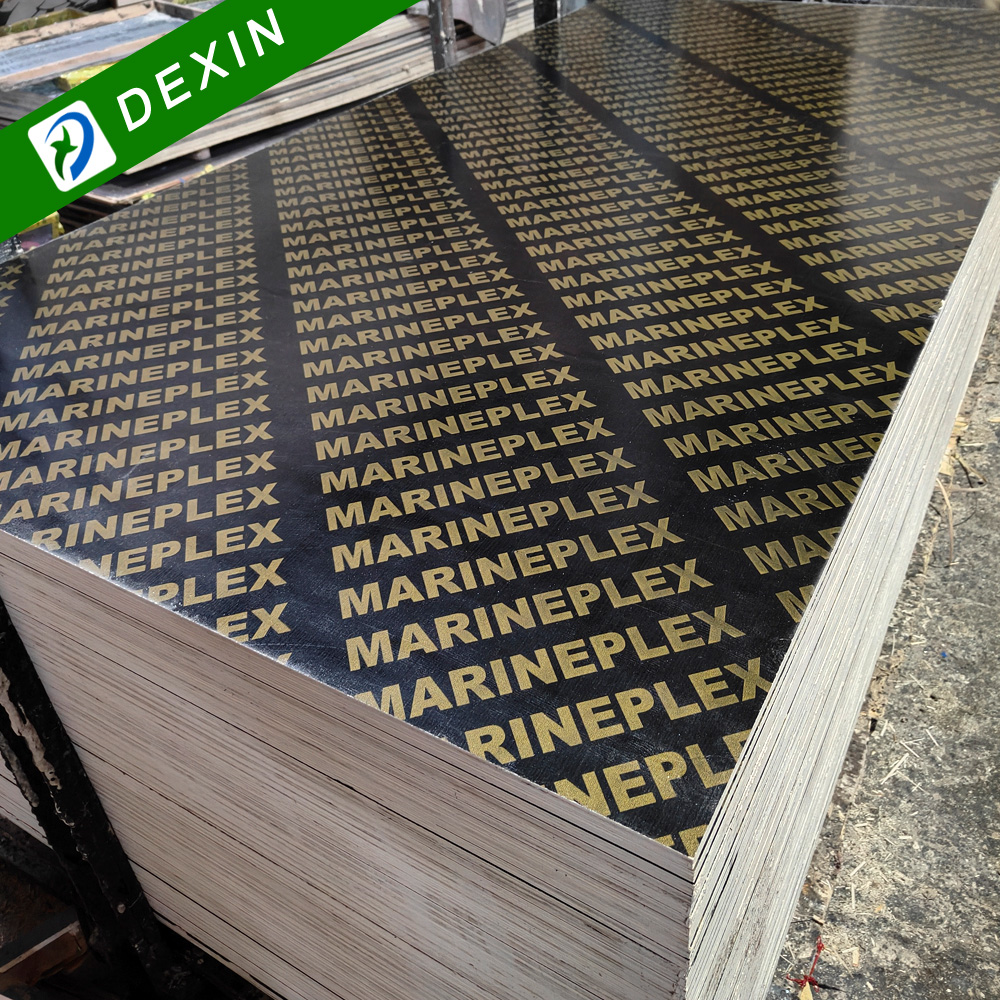
China Manufacturer 4x8ft Concrete Black Film Faced Plywood 9~25mm Marine Contreplaque Board for Construction
Black phenolic film, sealed edges, 9–25mm — the cleaner release face for fair-faced concrete.
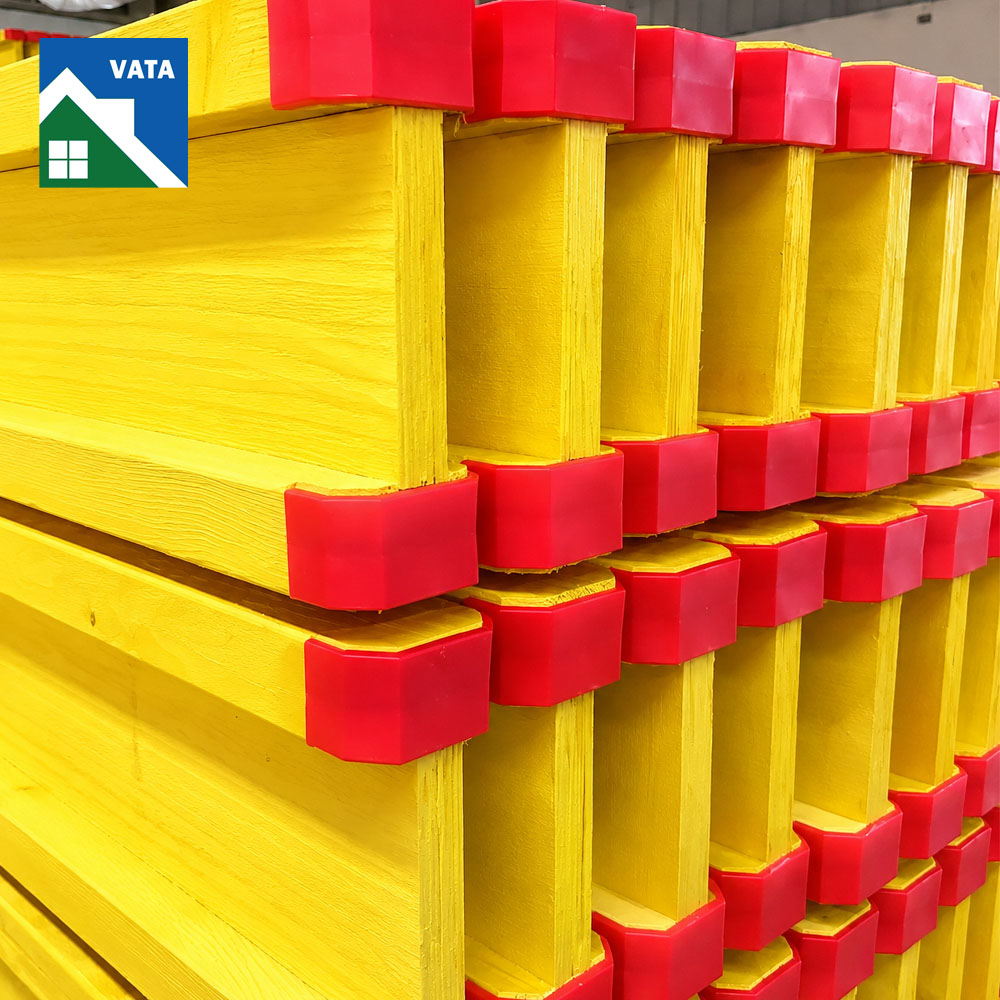
Wholesale Heavy Duty Wooden I-Beams Durable Spruce H20 Formwork Beams for Slab Formwork
Glued spruce I-beams with consistent straightness and predictable deflection under slab loads.
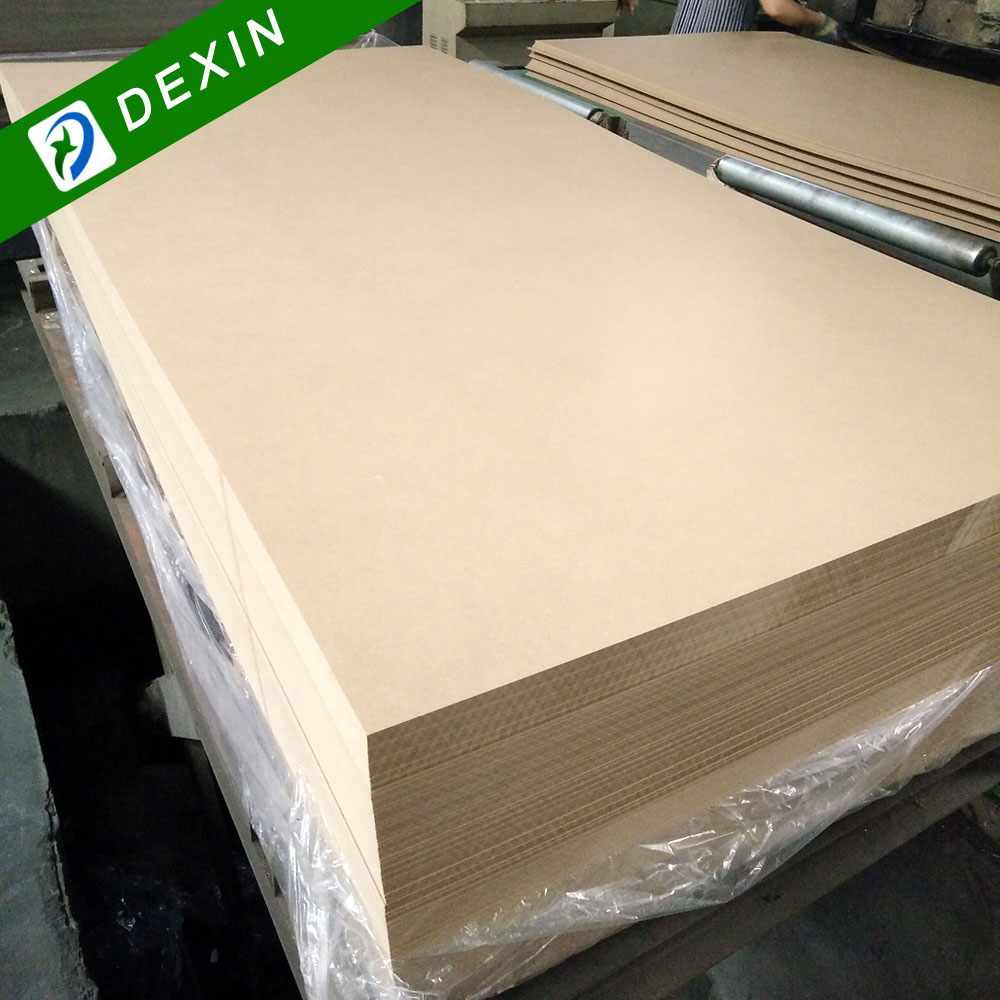
3mm, 12mm, 15mm, 18mm Raw/ Plain MDF Board for Furniture Decoration
Calibrated raw MDF for veneering, painting and CNC routing — the substrate behind every decor panel.
What Shuttering Plywood Actually Is — and Where Buyers Get Burned
Shuttering plywood — traded internationally as film faced plywood, formwork plywood or concrete shuttering board — is a structural panel built from an odd number of veneers laid at right angles, bonded with a waterproof phenolic resin and faced on both sides with a resin-impregnated film. That film is the difference between a board that releases cleanly from concrete after five pours and one that tears its face and leaves a patched, dusty finish on the wall.
Three variables decide whether a board performs on site: the glue line, the film weight and the core. MR (melamine urea) glue survives damp handling but fails a 72-hour boil test, which is why it belongs in interior furniture rather than formwork. WBP — weather and boil proof — phenolic glue is the reference grade for shuttering, because the bond has to survive steam curing, repeated stripping and site rain without delamination. Film weight is quoted in grams per square metre: a 120 g/m² film gives roughly 8–12 pours, 180 g/m² reaches around 20, and a 240 g/m² film over a birch core can push past 30 cycles.
The core is where most price differences hide. Poplar is light, cheap and abundant, but it is soft and dents under repeated striking. Eucalyptus and combi cores are denser and hold their edges better on large formwork tables. Birch is the premium option — heavier, stiffer, and the standard base for high-cycle marine shuttering boards. A factory that quotes a single price for “18mm film faced plywood” without asking which core you need is a factory that intends to ship whichever core is cheapest that week.
For anyone comparing shuttering plywood manufacturers, the practical checklist is short: thickness tolerance within ±0.2 mm, phenol-formaldehyde glue rather than MR, edge sealing on all four sides, film weight stated in writing, and a factory willing to send pre-shipment loading photos. Everything else — catalogue size, sales responsiveness, brand gloss — is a second-order consideration once those five points are verified.
Why Buyers Keep Coming Back to the KUDE Factory in Linyi
Specifications on paper are easy to write. Delivering the same specification on the twelfth repeat order is what separates a factory from a trading desk.
Own Press Lines, No Subcontracting
More than 30 machine sets across 30,000 m² of workshops handle peeling, gluing, hot pressing, sanding and film lamination in-house. No shuttering order is quietly resold to an unknown mill.
Batch-Traceable Phenolic Glue
Resin is mixed on site and logged by batch, so the WBP bond approved on your sample stays the WBP bond in container three, six and twelve.
Calibrated Thickness Tolerance
Sanding lines are re-set per order. Standard 9, 12, 15, 18 and 21 mm boards ship within a documented ±0.2 mm tolerance — the number that keeps formwork joints flush.
Certification and Paperwork
CE, ISO 9001, ISO 14001, FSC and CARB, plus an on-site SGS assessment. E0, E1 and E2 emission grades matched to your destination market.
Photographic Loading Evidence
Every container is photographed during loading — bundle counts, edge protection and steel strapping recorded before the doors close.
Sample, Design or Full Customization
Size, thickness, core species, film colour, film weight, logo printing and export packaging are all adjustable on a single purchase order.
Inside China's Largest Panel Cluster
Veneer, glue and film sit within the Linyi cluster, so lead times stay short and material costs stay stable through seasonal swings.
15 Years of Export Execution
FOB, CFR, CIF and EXW terms; T/T and L/C in USD, EUR or CNY; documentation handled for 30+ destination countries.
Buying Trends Reshaping Shuttering Plywood Procurement, 2025–2028
Price per sheet is no longer the deciding metric. Buyers are now optimising for cost per poured square metre, documentary risk and delivery certainty.
Traceability Clauses Move Into the Purchase Order
EUDR due diligence and FSC chain of custody have shifted from a marketing footnote to a contractual condition. Importers now request species declaration, mill origin and chain-of-custody numbers before releasing a deposit.
Cost Per Poured m² Replaces Cost Per Sheet
A board that costs 20% more but survives twice the pours wins the tender. Procurement teams are asking for film weight, core species and reuse estimates, then building a total-cost model around them.
Mixed Containers Become the Default
Shuttering board, melamine plywood, plain MDF and H20 beams now travel in one load. Consolidating SKUs with a single manufacturer cuts freight per cubic metre and reduces the number of suppliers to audit.
Pre-Shipment Verification Goes Digital
Live video walk-throughs, batch-level test reports and loading photographs are becoming standard tender requirements — especially where third-party inspection cannot reach the site in time.
Emission Grades Tighten Across the Whole Order
Even where the shuttering board itself never enters a habitable space, buyers are pushing E0 and CARB Phase 2 across the container to keep one compliance file for the entire shipment.
Regional Stock and Rolling Replenishment
Instead of one annual container, importers are holding buffer stock in-region and replenishing monthly. Factories with predictable 15–25 day lead times and stable specification control are the ones that win those accounts.
Product Trends: Where Shuttering Plywood Is Heading Next
Formwork systems are getting taller, faster and more heavily instrumented. The board has to keep up.
High-Cycle Boards Built on Birch Cores
A 240 g/m² film over a dense birch core, with sealed edges and re-oiling between uses, now routinely passes 30 pours. Contractors on repetitive high-rise cores are standardising on this grade rather than replacing cheaper boards mid-project.
Fast-Release and Self-Releasing Film Surfaces
Lower surface energy films reduce adhesion to the concrete matrix, cutting stripping time and the risk of face tearing on heavily reinforced walls.
Lightweight, High-Stiffness Cores
Radiata pine, eucalyptus and engineered combi cores are being specified to bring panel weight down without losing stiffness — a direct response to manual handling limits and crane-cycle costs on large formwork tables.
Coated MDF Enters the Formwork and Fit-Out Mix
Film-faced MDF and HPL-surfaced MDF are showing up in table forms for architectural finishes and in site joinery, where perfectly flat faces matter more than raw impact resistance.
Bamboo and Fast-Growth Substrates
Bamboo-based formwork panels offer very high strength-to-weight ratios and a fast regeneration cycle, and they are gaining traction in projects with explicit embodied-carbon targets.
CNC Pre-Processing Before Shipment
Tie-rod holes, chamfers, edge sealing and cut-to-size panels are increasingly finished at the factory, so the board arrives as a component rather than raw stock.
Quick Reference: Shuttering Plywood and Panel Grades
Use this table to shortlist the correct board before you issue an enquiry. Values reflect the typical production ranges we run for export orders.
| Product | Standard Size | Thickness | Core & Face | Glue / Emission | Typical Reuse |
|---|---|---|---|---|---|
| Brown Film Faced Shuttering Plywood | 1220×2440 mm (4×8 ft) | 9–21 mm | Poplar, eucalyptus or combi core; brown film 120–180 g/m² | WBP phenolic | 8–20 pours |
| Black Film Faced Concrete Board | 1220×2440 mm | 12–18 mm | Poplar core; black phenolic film, sealed edges | WBP phenolic | 8–12 pours |
| High-Cycle Marine Shuttering Board | 1220×2440 mm | 18 mm | Birch core; 240 g/m² film | WBP phenolic | 25–30+ pours |
| Melamine Faced Plywood | 1220×2440 mm | 3–25 mm | Poplar or eucalyptus core; single / double melamine face | E0 / E1 / E2 | Interior application |
| Melamine Faced MDF | 1220×2440 mm | 4–18 mm | HMR MDF core; white, wood grain or marble decor | E0 / E1 | Interior application |
| Plain / Raw MDF | 1220×2440 mm | 3–25 mm | Sanded raw or green HMR core | E0 / E1 / E2 | Substrate |
| H20 Formwork Beams | Project-specific lengths | 200×80 mm section | Glued spruce flange and web | Structural adhesive | Slab support |
Ranges are typical production values. Final tolerances, grades and test reports are confirmed order by order.
Factory Performance, Measured Rather Than Claimed
Every figure below is drawn from internal QC records and shipment logs for the current production year, and is refreshed annually.
Where Our Shuttering Plywood Ends Up on Site
High-Rise Cores and Shear Walls
Dense eucalyptus or birch cores hold their edges through repetitive climbing-formwork cycles, keeping wall alignment consistent floor after floor.
Bridges and Infrastructure
Heavy sections and long pours demand boards that resist deflection. Sealed edges stop water ingress during the curing cycle.
Precast Concrete Elements
Reusable mould faces with consistent film weight deliver repeatable surface quality across hundreds of identical precast units.
Basement and Retaining Walls
Moisture exposure before stripping is routine. WBP phenolic bond and edge sealing are what prevent the face lifting at the panel perimeter.
Tunnel Lining and Utility Ducts
Curved and segmental forms rely on uniform thickness and clean release to hit the tolerances specified by the tunnel designer.
Fair-Faced Architectural Concrete
Black film and fine-surface brown film boards give the clean, uniform face that exposed concrete specifications demand.
Shuttering Plywood Buying Questions, Answered Directly
How many times can shuttering plywood be reused?
What is the difference between WBP and MR glue, and does it matter for formwork?
How many sheets fit in a 20ft or 40ft container?
Which film weight should I specify?
Can you customize size, thickness, film colour and logo?
What are your MOQ, payment terms and trade terms?
How do I verify that this is a real factory rather than a trading company?
Which certifications and emission grades are available, and what is the lead time?
Planning a Shuttering Plywood Container Order?
Send your thickness, core species, film weight, quantity and destination port. Our export team replies with a full technical proposal, reuse estimate and loading plan — usually within 12 working hours.
Get a Quote