8 Products Buyers Evaluate Alongside White Melamine MDF
White melamine MDF is rarely bought in isolation. Mid-sized importers and project buyers combine it with raw MDF, melamine-faced plywood, film-faced plywood or wall panels to fill mixed containers, reduce inventory risk and respond to several tenders at once. The eight products below form a practical mixed-container portfolio. Each product URL is preserved from the original catalogue so that buyers can review the full specification before requesting a combined quotation.
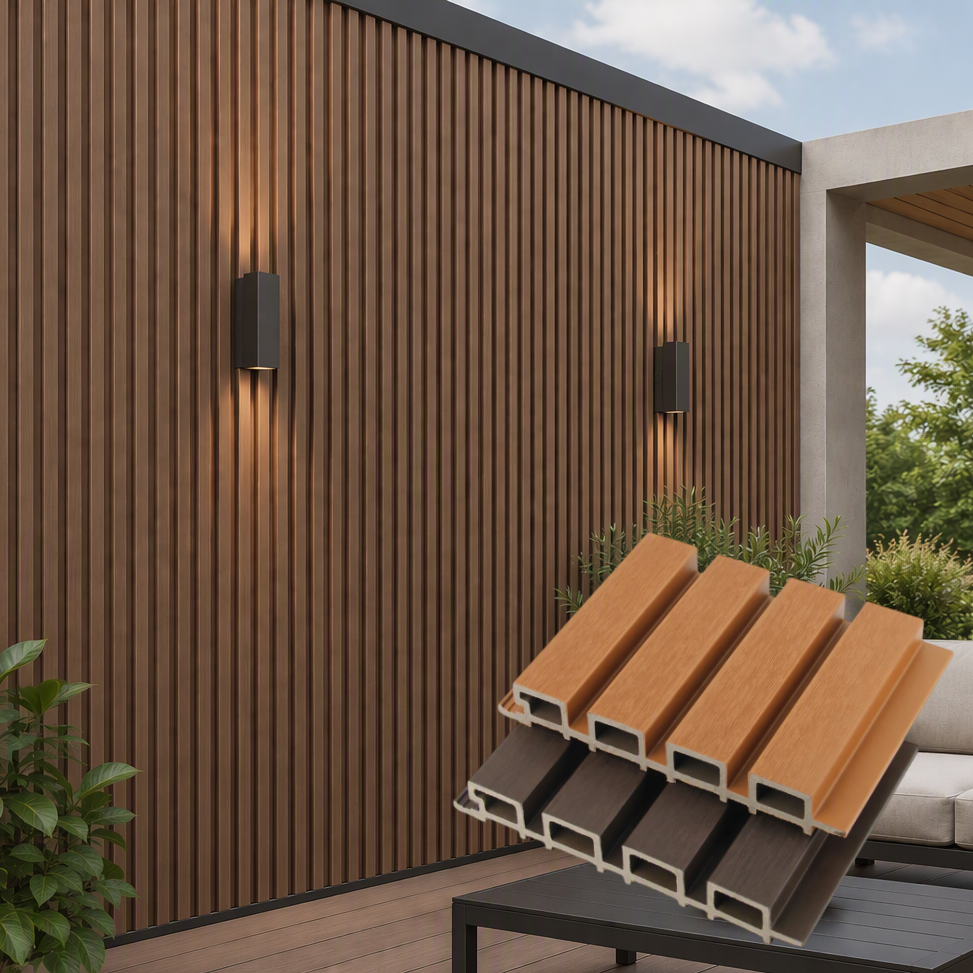
New Style Outdoor WPC Wall Cladding Panels
Waterproof co-extruded WPC fluted facade panels for villa exteriors, feature walls and commercial projects. A natural upsell for buyers already sourcing white melamine MDF for interior fit-out.
View product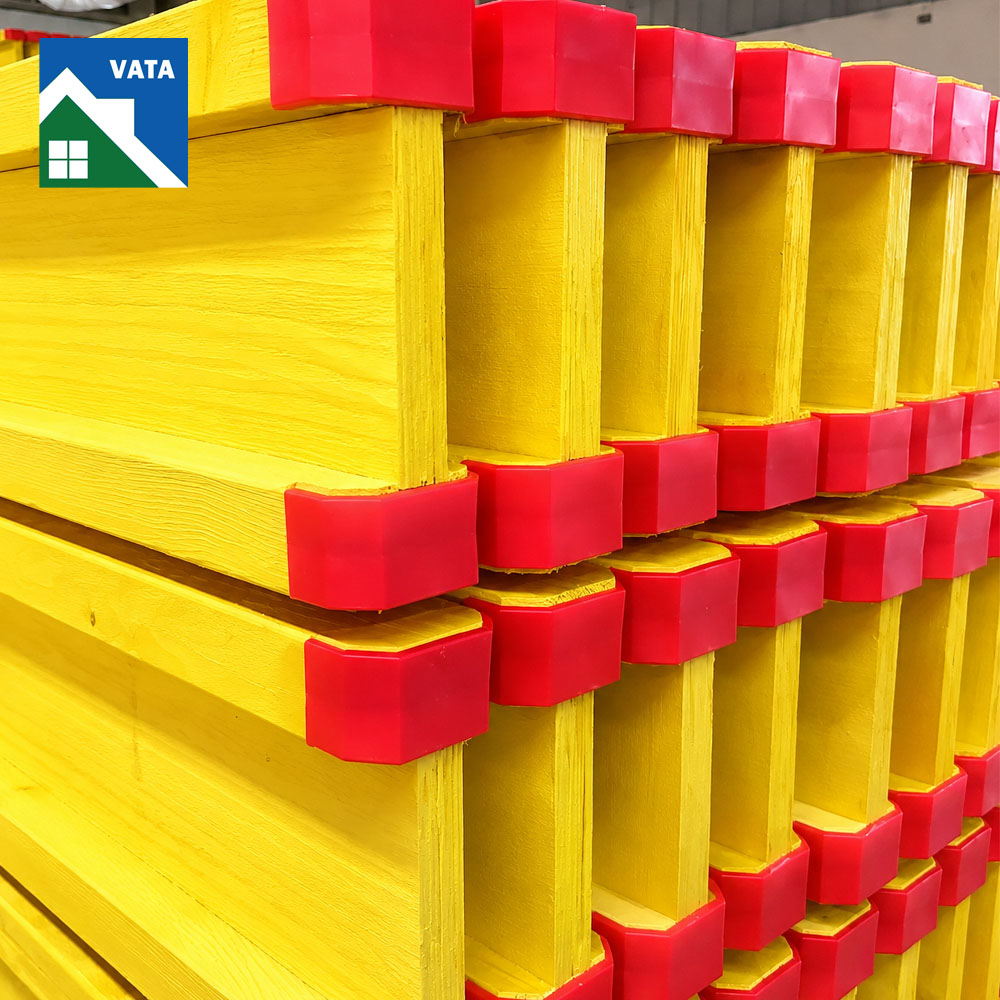
Heavy Duty Wooden I-Beams for Slab Formwork
Durable spruce H20 formwork beams for concrete slab systems. A construction-sector item that pairs logically with film-faced plywood in contractor-focused container programmes.
View product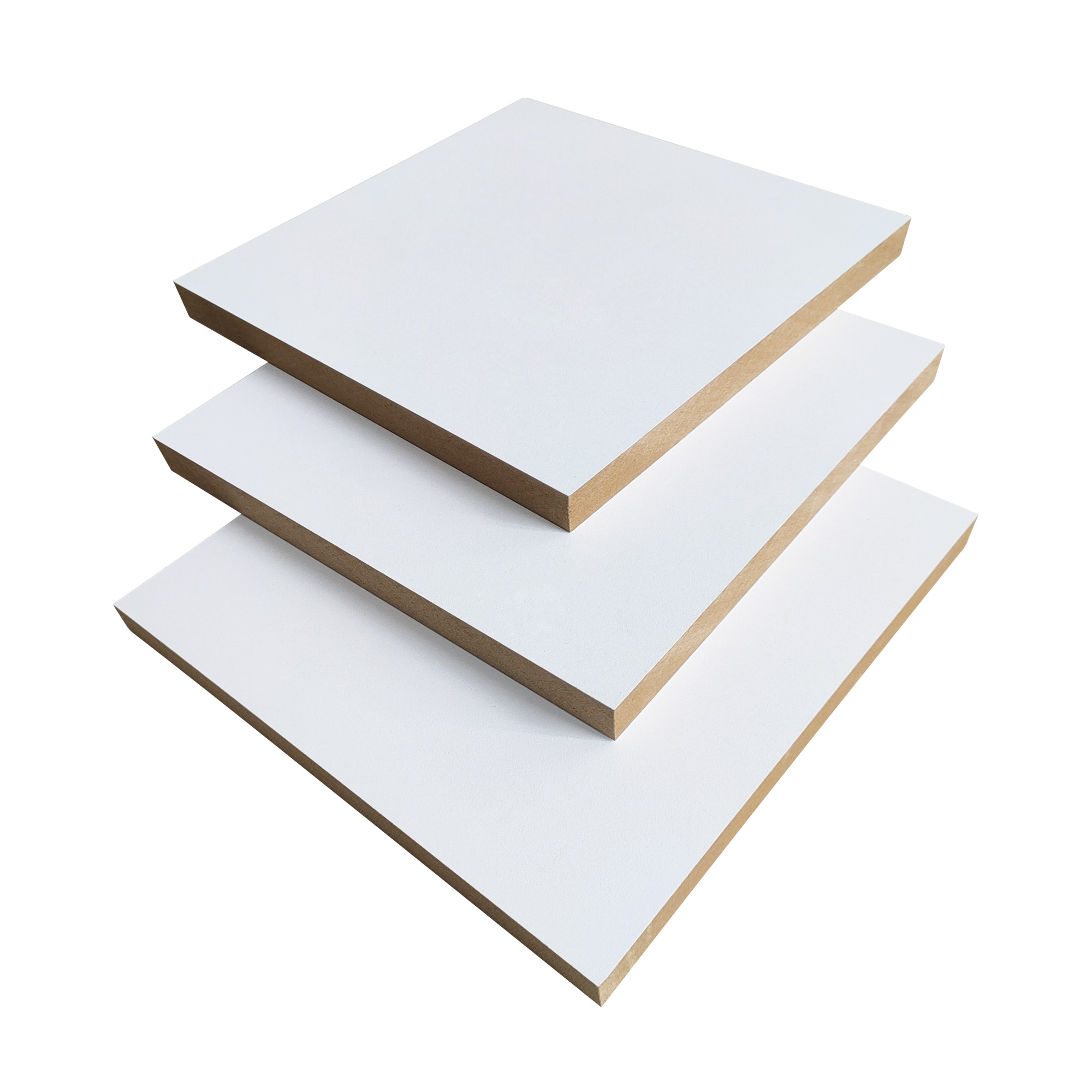
High Quality 4x8ft White Melamine MDF Board
White melamine MDF in 3 mm, 6 mm, 9 mm, 12 mm, 16 mm and related sizes for kitchen cabinets, wardrobes, shop fixtures and flat-pack furniture. E1 formaldehyde grade with matt or gloss options on request.
View product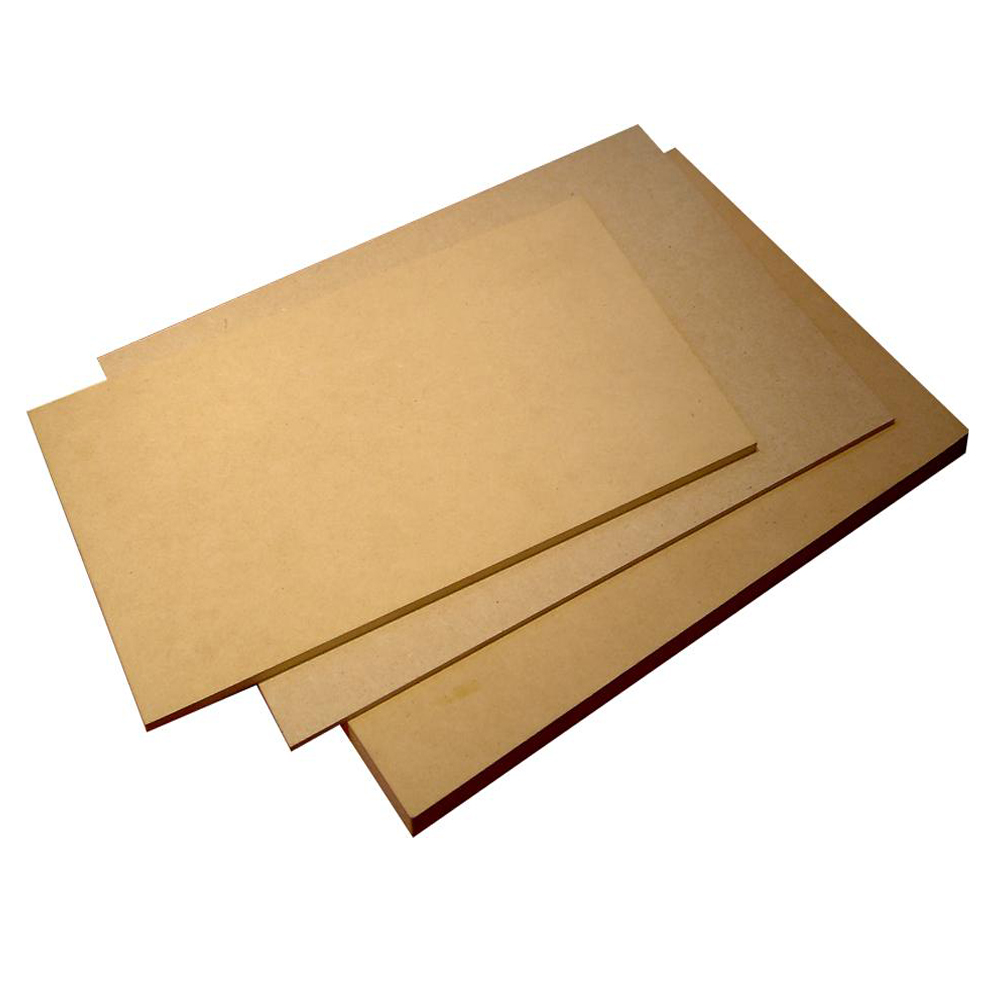
E0, E1 or E2 Raw Thailand MDF Board
Raw MDF substrate in E0, E1 and E2 glue grades for importers who laminate locally or need a cost-controlled base board. Useful for mixed quotations with finished white melamine MDF.
View product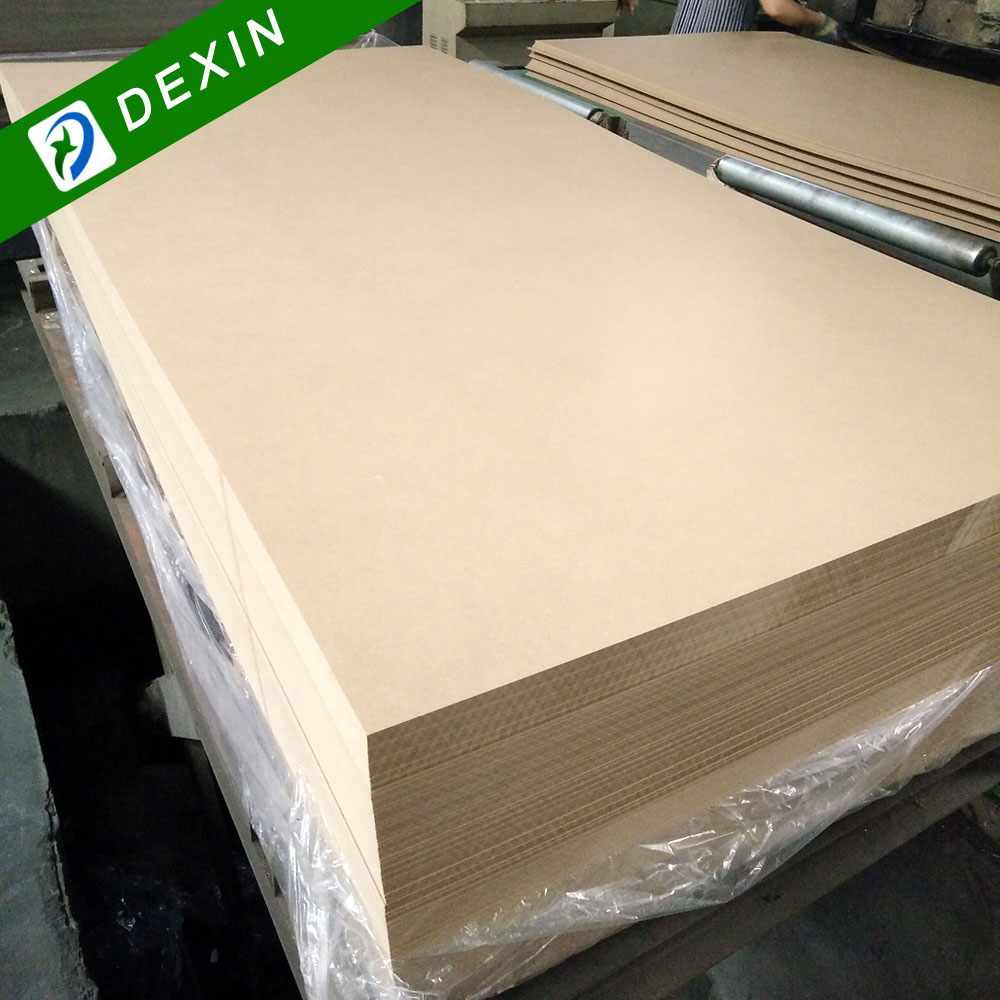
3 mm–18 mm Raw / Plain MDF Board
Sanded raw MDF for furniture, decoration, painting, CNC routing and laminating. A practical companion product for buyers who need both finished melamine faces and unfinished substrates.
View product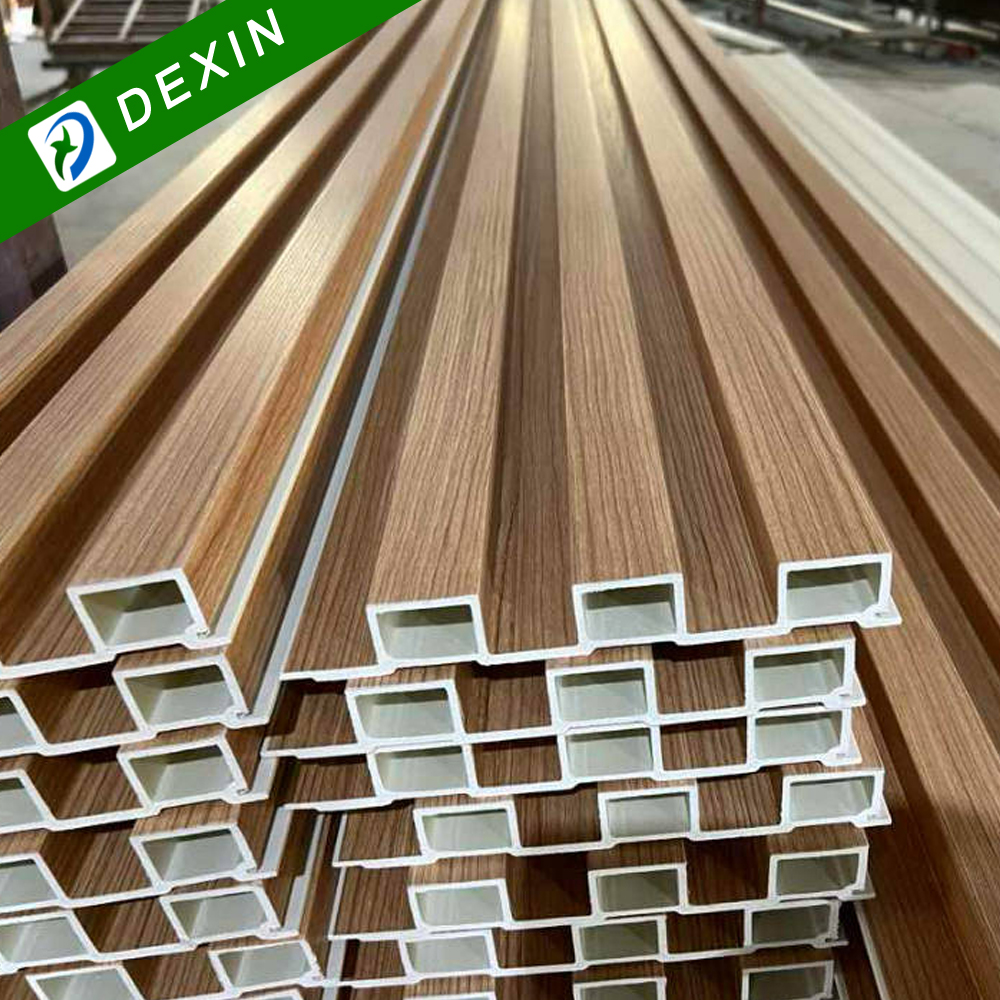
Modern PVC WPC Interior Decorative Wall Panels
Waterproof interior wall panels for hotel rooms, homes and retail spaces. Lightweight, fast to install and suitable for project buyers combining wall finishes with white melamine MDF cabinetry.
View product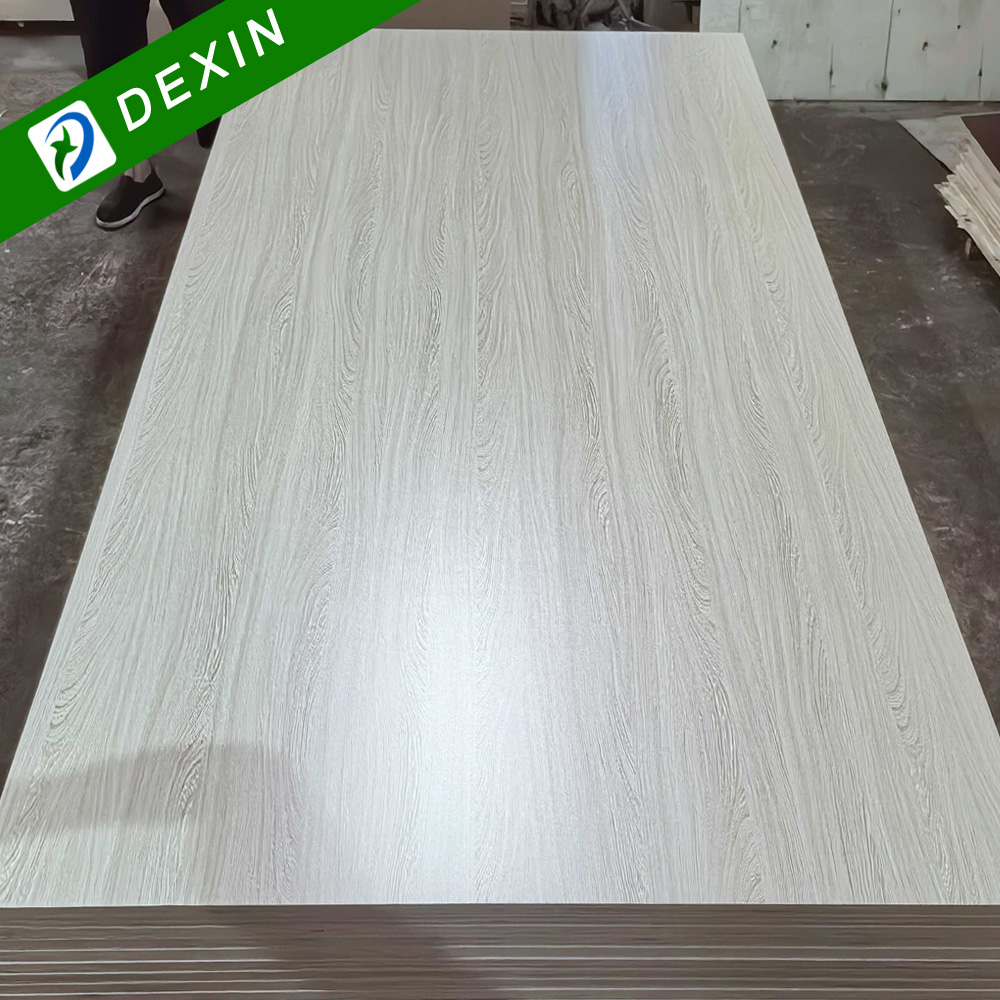
Waterproof Melamine Faced Eucalyptus Core Plywood
5 mm, 6 mm and 18 mm 11-ply eucalyptus-core plywood with glossy or matt white melamine faces. A stronger alternative for applications where screw-holding or moisture exposure is more critical.
View product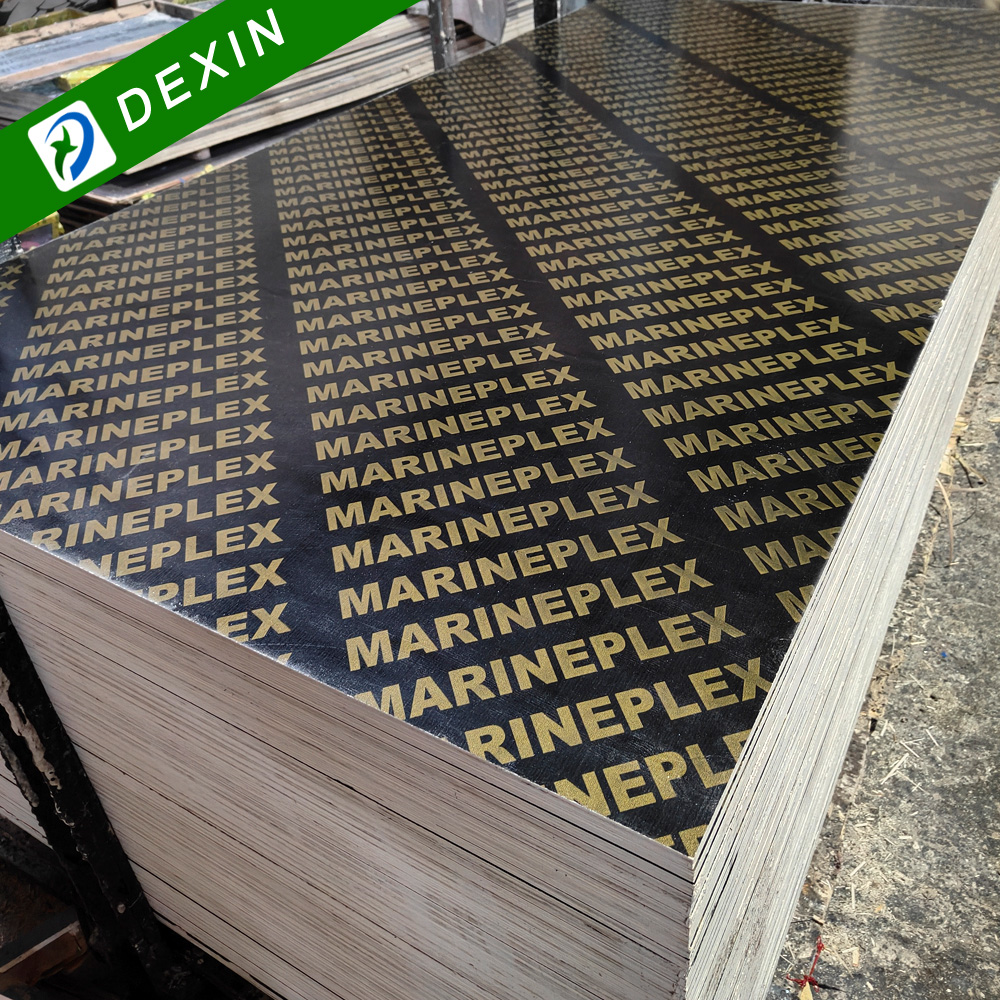
4x8ft Black Film Faced Concrete Plywood
Black film-faced plywood in 9–25 mm for concrete formwork and marine construction. A heavy-duty export product that can share logistics with decorative MDF and plywood orders.
View productWhite Melamine MDF Supply at a Glance
Capability is easier to trust when it can be counted. These figures summarise the manufacturing and export platform behind KUDE's white melamine MDF offer. They also explain why buyers can combine decorative boards, structural plywood and wall panels in one sourcing plan rather than managing unrelated suppliers.
Why White Melamine MDF Deserves a Technical Procurement Strategy
White melamine MDF looks simple on a quotation, yet its real performance is created by substrate density, paper grammage, resin chemistry, press control, sanding tolerance and packing protection. A buyer who understands these variables can compare suppliers on landed cost and risk rather than headline price alone.
White melamine MDF is often purchased as though it were a commodity: a 4x8ft sheet, a white face, an 18 mm calliper and a target price. In practice, it is a multi-layer engineered surface whose performance is decided long before the first container is loaded. The MDF core must be refined, dried, blended with resin, formed and pressed to a density profile that keeps the board flat and machines cleanly. The decorative paper must be saturated with the correct melamine resin, pressed under a controlled temperature and pressure cycle, and cooled so that the surface does not tear, delaminate or change gloss after machining.
For importers, distributors and contract furniture factories, the most expensive problems are rarely visible on the quotation. They appear later as inconsistent white colour across production lots, chipping on CNC edges, screw pull-out in low-density cores, moisture swelling around sink cut-outs or delayed customs clearance because the emission report does not match the destination market. A reliable white melamine MDF exporter should therefore be evaluated as a technical partner: one who controls substrate density, paper grammage, press cycle, batch coding and documentation, not simply a seller of panels.
At KUDE, the purchasing conversation starts with the end use. A wardrobe carcass needs a different balance from a kitchen door, shop fixture or healthcare cabinet. Thickness affects weight, hinge performance and panel yield. Density affects screw-holding, machining quality and freight cost. Surface texture affects cleaning, fingerprint visibility and design perception. Formaldehyde class affects market access. Batch traceability is now part of the price negotiation, because one inconsistent lot can cost more to resolve than the original saving on the board.
Four specification questions that protect margin
Use these questions to separate a genuine export supplier from a price-only trader.
- Density profile: What MDF density and thickness tolerance are guaranteed, and how will the board machine at your CNC line?
- Paper and resin: Which melamine paper grammage, gloss level and resin system are used? What colour standard is retained?
- Emission evidence: Which E0, E1, E2, CARB, CE or FSC documents apply to the exact board and destination market?
- Protection plan: How are faces, edges, corners and pallets protected for sea freight, forklift handling and humid ports?
White Melamine MDF Procurement Trends Buyers Should Plan For
The white melamine MDF market is not only moving toward lower prices. It is moving toward lower risk, faster replenishment and clearer evidence that the board in the container matches the board in the sample. The following six procurement shifts are already visible in enquiries from Europe, North America, the Middle East, Southeast Asia and Africa.
Compliance-led sourcing
Importers increasingly compare certificate scope, test reports and production-lot traceability alongside price. E1 is common in many markets, E0 supports lower-emission positioning, CARB matters for the United States, and CE documentation supports EU buyers. A lower quote that cannot clear documentation is not a lower landed cost.
Mixed-container economics
Mid-sized wholesalers increasingly combine white melamine MDF with raw MDF, melamine plywood, film-faced plywood or WPC wall panels. This improves cash flow and reduces stock-outs across several product lines, but it requires a supplier that can plan loading so heavy structural boards do not damage decorative faces.
Colour batching as a KPI
White is unforgiving. Retail, shopfitting and flat-pack buyers now ask for retained samples, lot codes and pre-shipment photos under agreed lighting. A small colour drift between press runs can create visible mismatches across cabinet fronts, so colour control is becoming a formal purchasing criterion.
Moisture resistance moves mainstream
HMR MDF, sealed edges and better storage guidance are moving from premium specifications into standard kitchen and bathroom programmes. Buyers are asking more detailed questions about sink cabinets, dishwasher zones and humid-climate performance rather than relying on generic “waterproof” claims.
Surface performance and touch
Gloss alone no longer defines a premium finish. Ultra-matte, anti-fingerprint, synchronised texture and easy-clean surfaces are entering buyer specifications. For white melamine MDF, the visual message is clean and neutral, but the technical message is scratch resistance, glare control and repeatable texture.
Supplier partnerships replace spot buying
Annual frame agreements, private-label packaging and joint forecasting are replacing one-off container buying for serious distributors. Suppliers who can hold a specification, reserve capacity and repeat the same colour across shipments become more valuable than sellers who only quote the lowest current price.
Trends Shaping the Next Generation of Melamine MDF
Product development is following the same logic: improve performance where the panel is machined, cleaned and seen by the end user. Buyers who align their catalogue with these trends can differentiate from sellers competing only on a headline sheet price.
Ultra-matte and anti-fingerprint
Low-gloss white surfaces with tactile, easy-clean finishes are gaining ground in kitchens, wardrobes and office furniture. The goal is a calm visual finish that hides handling marks while remaining practical for daily use.
Low-swelling and HMR cores
Moisture-resistant substrates and better edge-sealing guidance are becoming important for sink cabinets, bathroom vanities and humid climates. Buyers should specify the application, not just the board name, so the supplier can recommend the correct core and protection.
Fire-retardant and acoustic MDF
Public projects, hotels, schools and transport interiors are increasing demand for fire-retardant and acoustic panel systems. These are not commodity substitutions: the substrate, treatment, certification and decorative face must be specified as one tested system.
Thin HDF and engineered lightweight boards
Cabinet doors, drawer fronts and furniture backs are moving toward thin HDF and engineered lightweight constructions. The balance is critical: lighter panels can reduce freight and handling costs, but density and surface quality must still support edge banding, drilling and screw-holding.
Why KUDE Is a Trusted White Melamine MDF Exporter & Wholesaler
E-E-A-T in B2B sourcing is earned through production access, documented quality and export execution. KUDE combines all three as the export platform of a wood-based panel manufacturing group based in Linyi, Shandong, China.
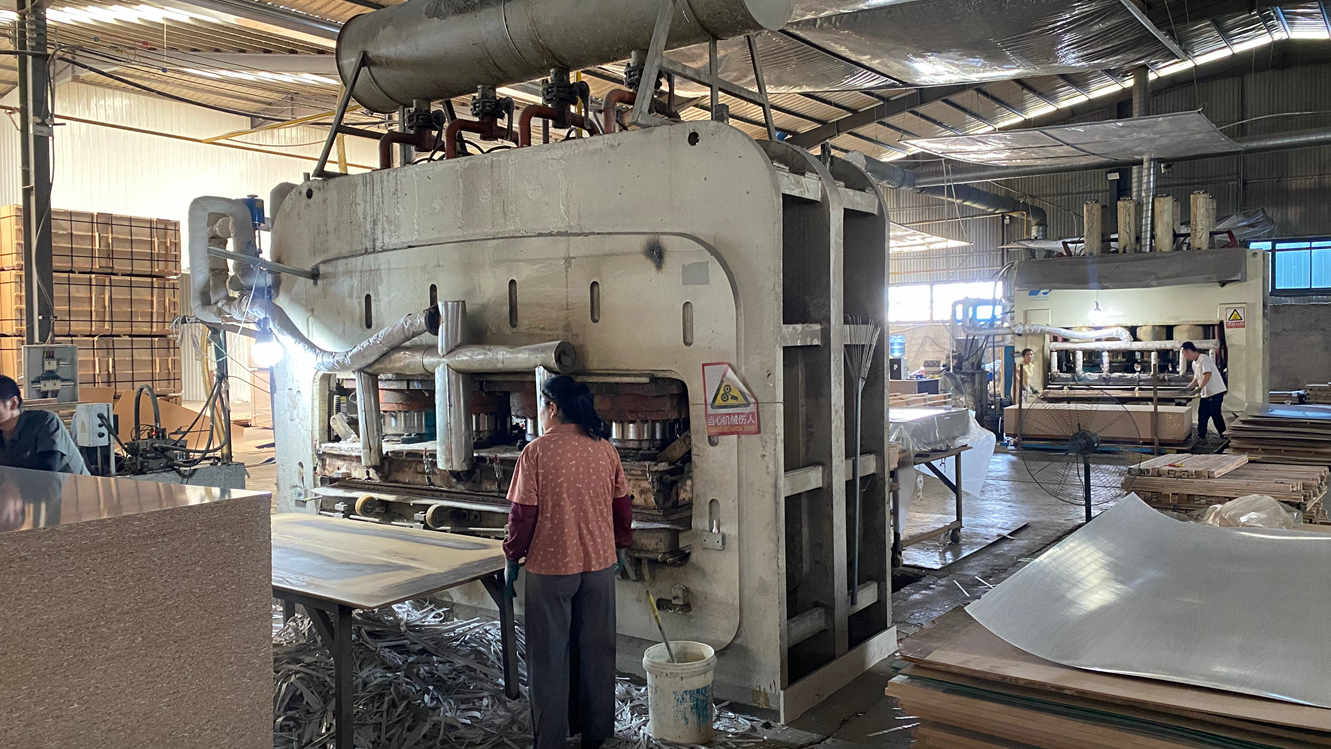
Linyi KUDE International Trading Co., Ltd. is the export platform of a wood-based panel manufacturing group founded in 1998 in Linyi, Shandong — China's largest wood-based panel production cluster. The group operates 30,000 m² of workshops, more than 30 sets of production machines and a workforce of over 300 people. Annual output reaches 60,000 m³ across plywood, blockboard, MDF and particle board, with 20+ years of production experience and 15 years of export experience.
For white melamine MDF buyers, this matters in three ways. First, substrate production, lamination and export packing can be controlled as one production conversation. Second, specifications can be customised from sample-based adjustments to full OEM/ODM programmes, including size, thickness, core species, melamine decor, logo printing and packaging. Third, the group holds ISO 9001, ISO 14001, CE, FSC and CARB certifications, offers E0/E1/E2 formaldehyde grades and has passed an on-site assessment by SGS. The operating principle — survival by quality, development by prestige — is deliberately conservative: the shipment should match the approved sample before it is allowed to leave the factory.
Export execution is handled by a team used to FOB, CFR, CIF and EXW terms; T/T and L/C payment in USD, EUR or CNY; and container loading through northern China seaports such as Qingdao. Buyers can request packing photos, loading records and product documentation before departure. For importers building a private-label white melamine MDF programme, this combination of factory access and export discipline reduces the distance between an enquiry and a repeatable supply agreement.
- Own production lines and 30+ machine sets
- CE, ISO 9001, ISO 14001, FSC and CARB
- E0, E1 and E2 formaldehyde options
- On-site assessed by SGS
- Sample-based, design-based and full OEM/ODM customisation
- FOB, CFR, CIF and EXW trade terms
- T/T and L/C payment in USD, EUR or CNY
- Seaworthy pallet packing and loading records




Quick Specification Reference for White Melamine MDF Sourcing
Use this quick guide to prepare a quotation request. Final tolerance, grade, surface and test report are confirmed against the destination market and application before production.
1220 × 2440 mm
Common 4x8ft export size. Alternative dimensions can be discussed for project orders, subject to tooling and packing review.
3–25 mm
Popular options include 3, 6, 9, 12, 15, 16, 18 and 25 mm. The right calliper depends on the cabinet component and hardware system.
White Melamine Paper
Matt, gloss and textured finishes; single- or double-sided lamination. Approve a retained sample and gloss target before bulk production.
E0 / E1 / E2
CARB documentation on request and CE / FSC support for applicable markets. Match the report to the exact board, glue and thickness supplied.
MDF Core
Typical density reference 720–850 kg/m³ depending on application. HMR and moisture-resistant options should be confirmed against the intended end use.
Seaworthy Protection
Pallets, protective film, corner guards and steel straps. Packing photos and loading records can be prepared for buyer verification before departure.
Common Questions About White Melamine MDF Purchasing
These answers are written for importers, distributors, furniture factories and project buyers who need practical specifications rather than generic marketing claims.
What is white melamine MDF, and how is it different from melamine plywood?
White melamine MDF uses a medium-density fibreboard core with resin-impregnated decorative paper pressed onto one or both faces. It offers a flat, uniform surface and clean machining for cabinet doors, wardrobes and shop fixtures. Melamine plywood has a veneer core, so it may offer different screw-holding and structural behaviour. For wet or load-bearing use, specify moisture-resistant MDF or an appropriate plywood construction.
Which formaldehyde grade should buyers choose: E0, E1, E2 or CARB?
Start with the destination regulation and application, not the letter alone. E1 is widely accepted in many markets; E0 is a lower-emission option; CARB / TSCA Title VI is essential for the United States; CE documentation supports EU compliance. E2 may appear in some price-driven markets but is not a universal substitute for E1. Ask for a test report linked to the production lot and confirm that certificate scope covers the exact board being supplied.
How can I verify white colour consistency and surface quality?
Approve a retained physical sample, agree a ΔE tolerance and gloss level under defined lighting, and specify face and back paper. Before shipment, request lot codes and inspection photos or video from the same production batch. For long programmes, avoid mixing several small press runs if your customer expects identical cabinet fronts. Colour control should be treated as a production requirement, not a final visual check.
Which thickness and density are suitable for kitchen cabinets and wardrobes?
For general cabinet carcasses, 18 mm is common; 16 mm is often used for doors and drawer fronts; 5–9 mm panels may suit backs and drawer bottoms. Density should balance machining, weight and screw-holding; 720–850 kg/m³ is a practical reference range, but final choice depends on CNC routing, hinge systems and finished weight targets. Sink cabinets should use HMR or sealed moisture-resistant construction.
Can several products be combined in one container?
Yes. After specifications are confirmed, several products can be combined in one container — for example, white melamine MDF, raw MDF, melamine-faced plywood, film-faced plywood or WPC wall panels. MOQ varies by product line, typically from 50 to 500 sheets. A loading plan is prepared so heavy construction boards do not damage decorative faces, and mixed orders can be supported with separate packing marks and documentation.
What are the payment terms, trade terms and shipping arrangements?
KUDE supports T/T and L/C in USD, EUR or CNY, and quotes on FOB, CFR, CIF and EXW terms. MOQ, production lead time and vessel schedule are confirmed once the specification, artwork and deposit are approved. Shipments normally load through northern China seaports such as Qingdao. Final timing should always be checked against the current production calendar and the destination port schedule.
Can you customise size, thickness, decor, logo and packaging?
Yes. We offer sample-based, design-based and full customisation: size, thickness, core species, face veneer or melamine decor, glue type, logo printing and export packaging. For a white melamine MDF programme, the most important customisation is usually colour, gloss, paper texture and packing protection. Send a target sample or colour reference, expected volume and destination market so the technical proposal can match the correct substrate and documents.
How should white melamine MDF be stored after arrival?
Store panels flat on dry, level pallets in a covered, ventilated area. Avoid direct contact with concrete floors and keep the pack wrapped until acclimation. In humid climates, seal cut edges with edge banding or a suitable sealer, especially around sink and wet-area cut-outs. Do not expose panels to rain, prolonged sunlight or sudden humidity changes. Correct storage protects flatness, surface appearance and dimensional stability before fabrication.
Request a White Melamine MDF Quotation
Send your target specification, decor reference, thickness, emission grade, destination port and estimated volume. Our export team will return a quotation with substrate recommendation, packing proposal and documentation requirements. If you are comparing mill options, include the performance criteria that matter — colour tolerance, density, edge quality, loading protection and certificate scope — so the comparison is made on landed cost and risk, not only on US$ per sheet.
Email: info@kudeplywood.com