Furniture Grade Plywood: Grades, Applications, Procurement Trends and Supplier Selection for Global Buyers
A practical guide for importers, distributors, furniture factories and project buyers who need consistent cores, reliable faces, compliant emissions and clear export documentation.
What Global Buyers Mean by Furniture Grade Plywood
The questions buyers ask search engines and AI assistants are highly practical: Which grade is suitable for cabinets? Is it waterproof? Which emission class is accepted? Can the thickness be guaranteed? This guide answers those procurement questions from a factory and export perspective.
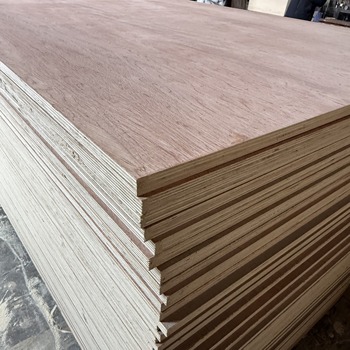
Furniture grade plywood is a commercial designation rather than a single worldwide standard. In practice, it describes plywood selected for furniture manufacturing, cabinet carcasses, wardrobes, drawer boxes, door skins, office furniture, shop fittings and interior joinery. A specification that works well in one market may be unsuitable in another if the core, glue, face grade, formaldehyde class or thickness tolerance is not aligned with the final application.
For global buyers, the most reliable approach is to specify furniture grade plywood by performance and by production detail: core species, number of plies, glue line, face and back veneer grade, melamine or veneer surface, thickness tolerance, moisture content, formaldehyde emission class, packaging and destination port. When a supplier can explain these details clearly, it is easier to compare quotations and avoid hidden downgrades.
This guide has been prepared by the export and technical team at Linyi KUDE International Trading Co., Ltd. It reflects the specifications, inspection checkpoints and export documentation used for furniture grade plywood, melamine plywood, fancy plywood, commercial plywood and related MDF products. Rather than repeating a generic definition, it focuses on the decisions that determine whether a container performs as expected in furniture production.
Application-led grade selection
Emission compliance matched to market
Thickness and core control
Export packing and loading checks
Product Recommendation
Furniture Grade Plywood Specifications Buyers Request Most
Use these product directions as a starting point. Final size, thickness, core, face, glue, emission class and packing are confirmed against your drawing, market requirement and destination.
Cabinet Carcass
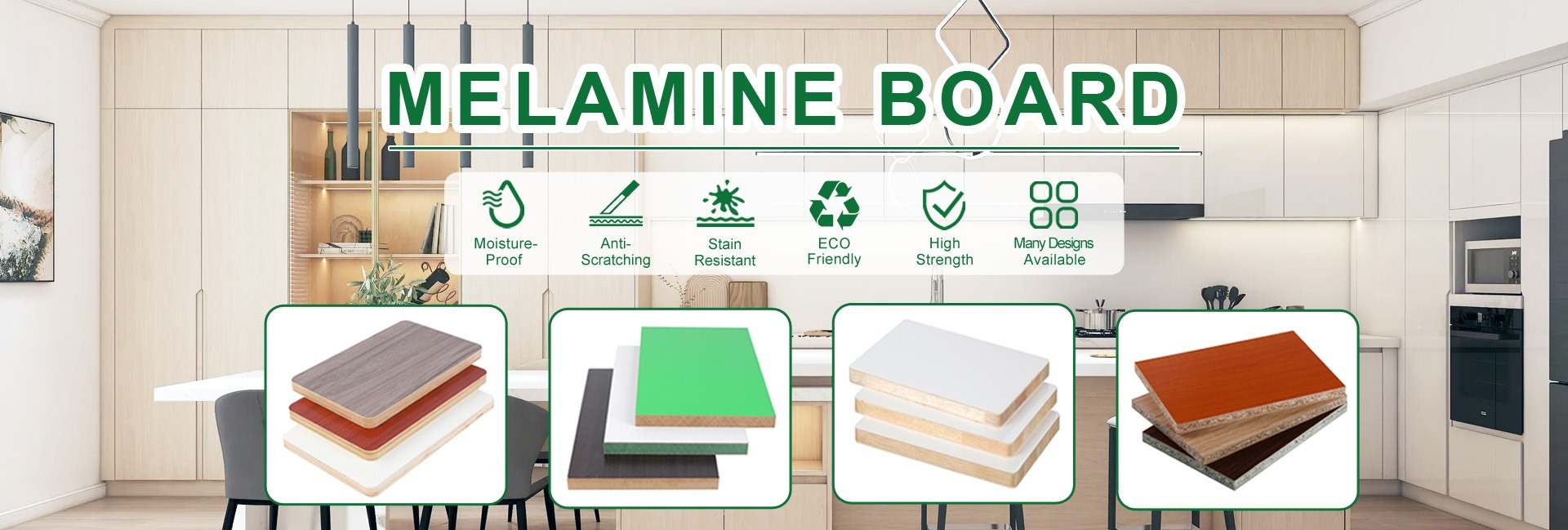
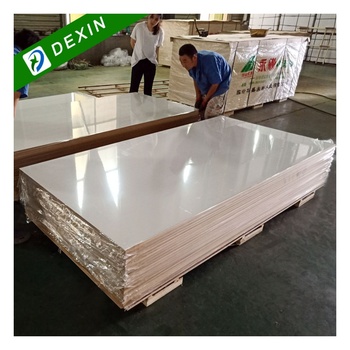
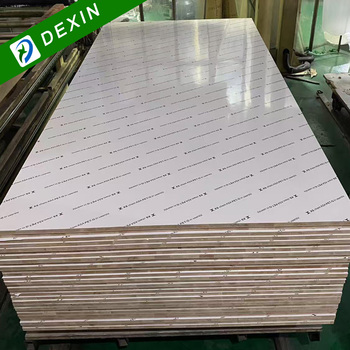
Melamine Faced Plywood
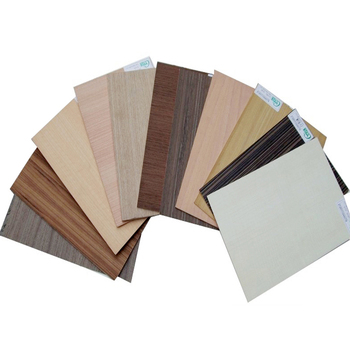
Single or double-sided melamine paper on a poplar or eucalyptus furniture-grade core. Suitable for wardrobe carcasses, cabinets, shelving and office furniture where a clean decorative surface is required.
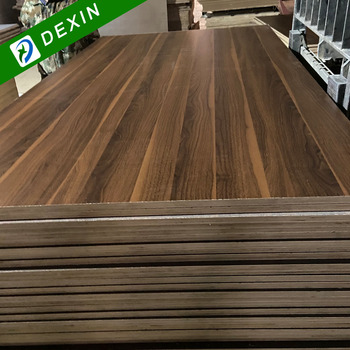
Natural wood veneer faces for doors, cabinet fronts, decorative panels and furniture products where real grain appearance is valued. Face grade and veneer matching can be discussed before production.
A versatile base for furniture factories and distributors. Poplar, eucalyptus, combi or pine cores are available with okoume, bintangor, birch or pine faces, depending on budget and application.
A companion material for furniture projects that combine plywood carcasses with high-gloss door fronts. UV-cured coating provides a bright, wipe-clean surface for kitchens and wardrobes.
PET film laminated boards in solid, wood-grain and marble decors. Useful when a buyer needs matching doors or decorative panels alongside a furniture grade plywood carcass order.
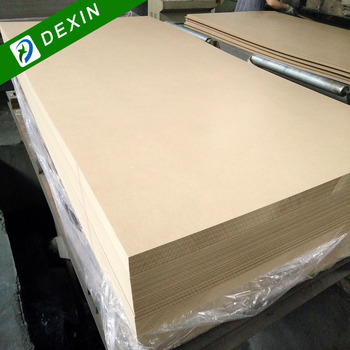
Raw sanded MDF and moisture-resistant HMR options for painted furniture, routed components, shelving and laminated panels. Mixed orders with plywood can be discussed for container planning.
Furniture Grade Plywood Specification Table for Global Buyers
Use this table to shortlist a product before requesting a quotation. The final specification should be stated in the sales contract or order confirmation.
Product Direction
Standard Size
Thickness
Core / Surface
Glue and Emission
Typical Furniture Use
Melamine Furniture Grade Plywood
1220×2440 mm (4×8 ft)
3–25 mm
Poplar or eucalyptus core; single or double melamine face
Values are typical production ranges. Tolerances, grades, glue type, emission class, surface quality and test reports are confirmed for each order and destination market.
Procurement Trends
Furniture Grade Plywood Procurement Trends Global Buyers Should Plan For
Purchasing decisions are moving beyond price per sheet. International buyers now compare compliance, consistency, traceability, packaging and supplier responsiveness using information they find online and in AI-assisted research.
Compliance-First Sourcing
European, North American and project buyers increasingly require the correct emission class and documentation before approving a supplier. E1, E0, CARB, FSC and other requirements should be written into the request for quotation rather than discussed after production.
Mixed Containers and Trial Orders
Many importers start with a trial container that combines furniture grade plywood with MDF, melamine boards or wall panels. This lowers inventory risk and tests supplier coordination. MOQ from 50 to 500 sheets is typical depending on product line, and mixed loading can be arranged after confirmation.
Stable Specifications Across Repeat Orders
Furniture factories do not only buy a board; they buy a repeatable production input. Buyers are asking for approved samples, written specifications, thickness tolerances and loading photos so that the second and third containers match the first.
Remote Supplier Verification
International purchasing teams use video tours, on-site third-party assessments, factory records and pre-shipment inspection evidence to evaluate suppliers. A supplier that can show its production base, certificates and packing process is easier to approve.
Application-Specific Quotations
Quotations for cabinet carcasses, door skins, drawer boxes and office furniture are no longer interchangeable. Buyers expect suppliers to ask about hardware, edge banding, cutting methods, surface finishing and humidity conditions before recommending a core and glue type.
Regional Demand Shifts
Furniture manufacturers in Southeast Asia, the Middle East, Africa, Europe and the Americas continue to source from China’s wood-panel cluster. At the same time, importers are consolidating suppliers to reduce quality variance and communication risk across multiple panel categories.
How the Product Itself Is Developing
Furniture grade plywood is also changing at product level. Lower-emission adhesives and tighter formaldehyde control are becoming normal expectations for interior furniture. Surface development is moving toward durable melamine decor, synchronised wood grain, scratch-resistant coatings and better matching between plywood carcasses and MDF door fronts. Buyers also want closer thickness tolerance and CNC-friendly board quality for automatic cutting, drilling and edge banding.
Moisture resistance remains an important development area for kitchens, bathrooms and tropical markets. WBP glue, well-sealed edges and suitable surface systems help furniture grade plywood perform better in humid conditions, although buyers should still confirm the intended use and not confuse it with marine-grade plywood. For export buyers, the most valuable development is not a single premium feature; it is consistency from order to order.
Enterprise Advantage
Why International Buyers Work with Linyi KUDE International Trading Co., Ltd.
Buying furniture grade plywood requires a supplier that understands production, export documentation and the commercial risk of a specification mismatch.
25+Years in wood panels
Factory and Export Platform
Production Experience and Export Support in One Team
Linyi KUDE International Trading Co., Ltd. is the export platform of a wood-based panel manufacturing group founded in 1998 in Linyi, Shandong, one of China’s largest wood-panel production clusters. Being close to veneer, glue, core material and logistics suppliers helps control lead times and respond to specification changes.
The group operates more than 30 sets of production machines in 30,000 m² of workshops, with over 300 workers and an annual output of 60,000 m³ of plywood, blockboard, MDF and particle board. The operating principle is straightforward: survival by quality, development by prestige. For furniture grade plywood buyers, that means a quotation should be supported by clear specifications, practical production control and export packing that protects the boards in transit.
What a Furniture Grade Plywood Buyer Should Verify
A reliable supplier should be able to explain not only the price per sheet but also how the board is made, inspected, packed and documented for your market.
Own Production Control
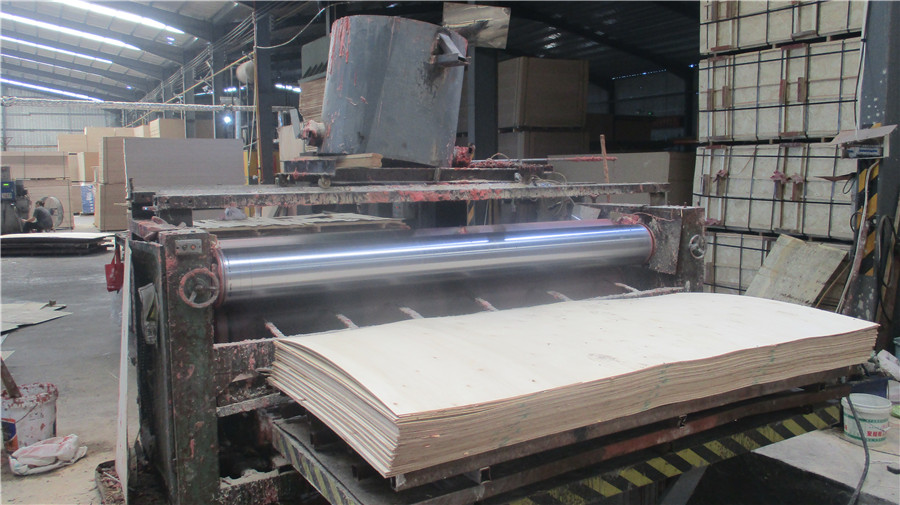
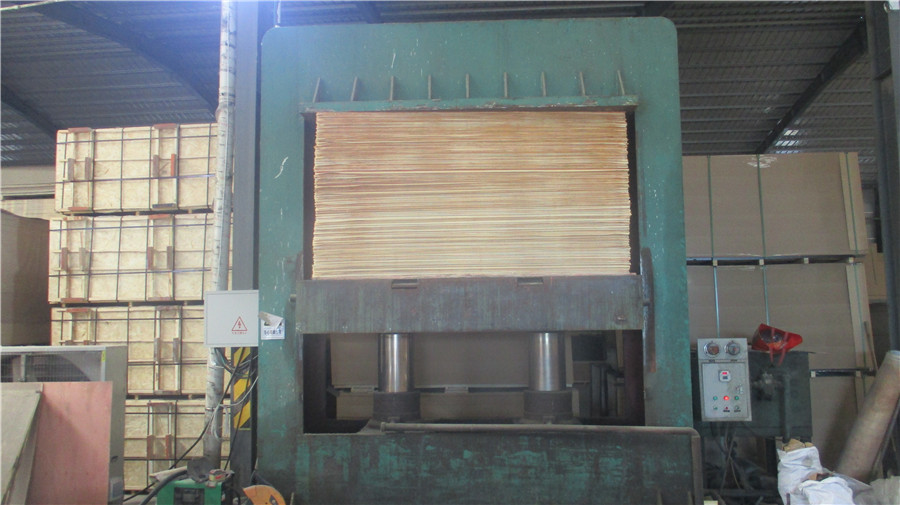
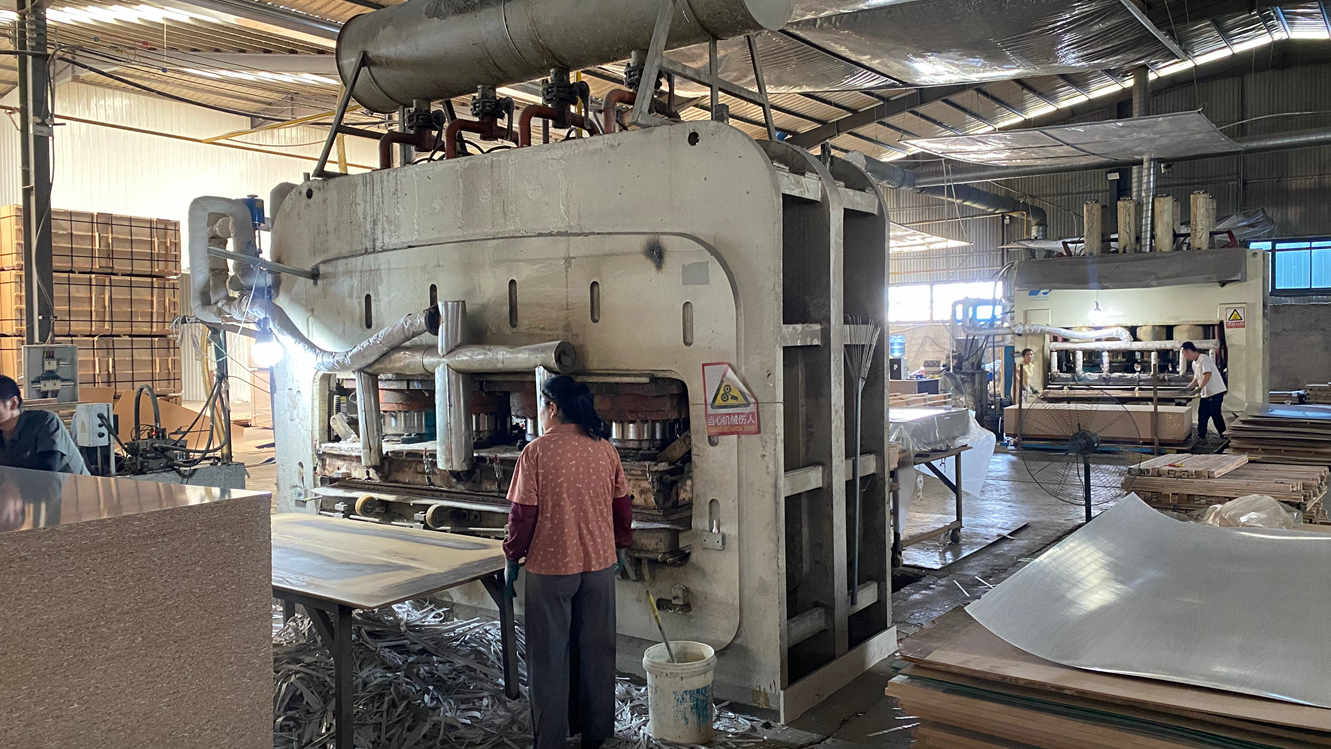
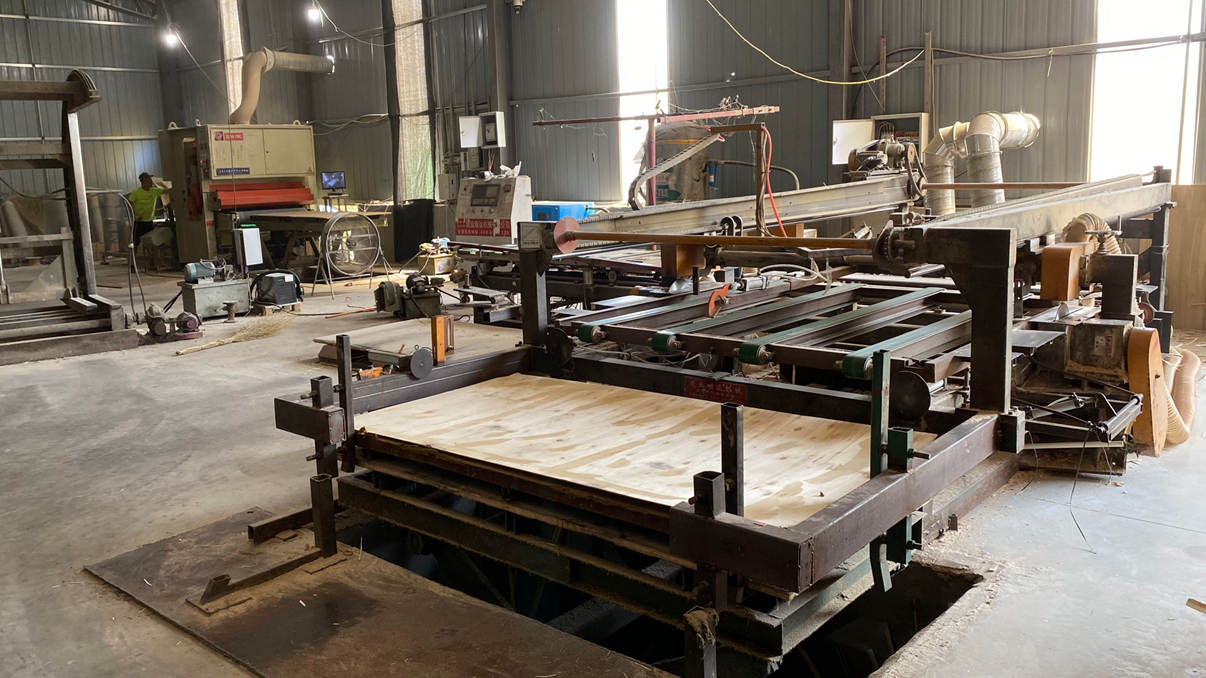
Covering peeling, gluing, hot pressing, sanding and laminating, the group’s production base allows core products to be controlled without unnecessary middle steps.
Certified and Test-Ready
CE, ISO 9001, ISO 14001, FSC and CARB certifications are part of the group’s quality and compliance profile. Emission grades E0, E1 and E2 are available depending on the product and order.
Custom Specifications
Sample-based, design-based and full customization are available for size, thickness, core, face, melamine decor, veneer, glue type, logo printing and export packaging.
Export-Ready Coordination
FOB, CFR, CIF and EXW terms; T/T and L/C payment; seaworthy packing, container loading photos and export documentation for importers and distributors.
Inside the Linyi Production and Export Operation
Quality Control
From Raw Veneer to the Loaded Container
Every batch should pass clear production and inspection checkpoints before shipment. This is especially important for furniture grade plywood because small differences in thickness, surface or bonding can affect downstream cutting and finishing.
Material Selection
Veneer grading, core selection and moisture checks before gluing.
Gluing and Pressing
Controlled glue spread and pressing cycles for the specified glue type.
Sanding and Surfacing
Calibrated sanding followed by melamine lamination, veneer or film overlay.
Inspection
Thickness, flatness, bonding, surface defects and edge condition checks.
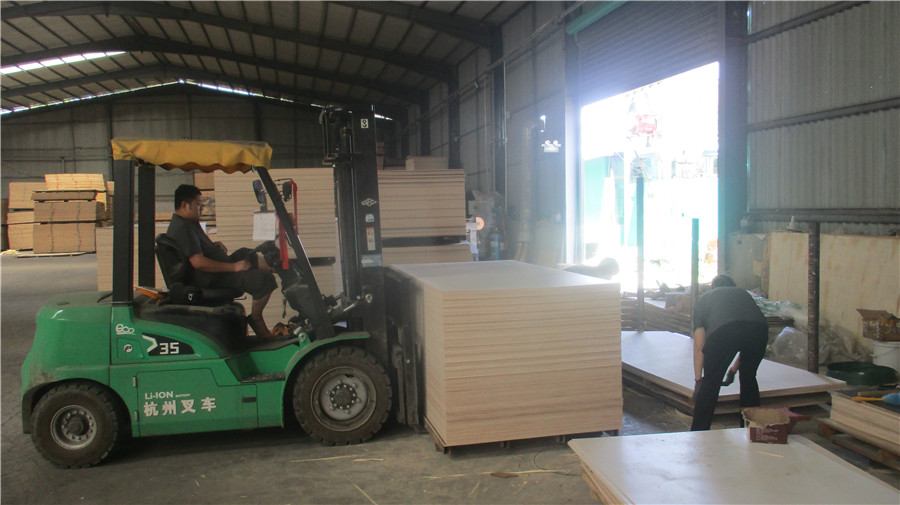
Packing and Loading
Export pallets, steel straps, moisture protection and loading photos.
ISO 9001ISO 14001CEFSCCARBSGS Assessed
Global Markets
Furniture Grade Plywood Supply for 30+ Countries
Different markets require different balances of price, surface, compliance and moisture performance. These are the application patterns buyers commonly discuss when requesting furniture grade plywood.
Middle East and Africa
Distributors and furniture producers source moisture-resistant plywood, melamine boards and mixed panel containers for hot or humid climates and project-based demand.
These answers address the high-intent questions commonly raised by importers, distributors, furniture factories and project buyers before ordering.
What is furniture grade plywood, and is it an official standard?
Furniture grade plywood is a commercial description for plywood selected for furniture and interior joinery. It is not one universal legal grade. Buyers should confirm core species, face grade, thickness tolerance, glue type, emission class, surface condition and the intended end use. A clearly written specification is more useful than the term alone.
Is furniture grade plywood waterproof?
Not automatically. MR glue is normally for interior furniture, while WBP glue offers better resistance to moisture for kitchens, bathrooms and humid climates. Melamine or veneer faces improve the surface, but edges and cut joints should still be sealed. Furniture grade plywood should not be treated as marine-grade plywood unless it is specifically specified and tested for that use.
What thickness should I choose for cabinets, wardrobes and drawers?
Common choices are 18 mm or 15 mm for cabinet carcasses and wardrobes, 12 mm to 15 mm for drawer boxes, and 3 mm to 5.2 mm for back panels or decorative faces. The final thickness depends on the structural design, hardware, edge banding, loading and expected service conditions.
Which core is best for furniture grade plywood: poplar, eucalyptus, combi or pine?
Poplar is light and easy to process; eucalyptus offers strength and availability; combi cores can balance cost and performance; pine is used in some applications. The core should be selected together with face grade, glue line, thickness tolerance and end use. A low price should not be compared with a higher specification without checking these details.
What do E0, E1, E2 and CARB mean for furniture plywood?
These are formaldehyde emission classes for wood-based panels. E1 is a common interior requirement in many markets, E0 is a lower-emission option, and CARB refers to California Air Resources Board requirements used for the United States market. Buyers should request current test reports and confirm the exact requirement for the destination country and product application.
Which certifications and documents can be supplied?
The manufacturing group holds CE, ISO 9001, ISO 14001, FSC and CARB certifications and has passed an on-site assessment by SGS. Available documents depend on the product and order, so the required certificate, emission report and destination requirement should be confirmed before production.
What is the minimum order quantity and can I start with a trial container?
MOQ depends on the product line, typically from 50 to 500 sheets. A trial container can be discussed with the export team, and several products such as furniture grade plywood, melamine plywood, MDF and wall panels may be combined after specification, packing and destination requirements are confirmed.
Can you customize size, thickness, face, glue and packaging?
Yes. Sample-based, design-based and full customization are available for panel size, thickness, core species, face veneer or melamine decor, glue type, logo printing and export packaging. Customization should be documented clearly, and an approved sample can help both sides confirm the expected surface and quality level.
How do you control quality and reduce variation between orders?
Control points include raw veneer grading and moisture checks, controlled glue spread and pressing, calibrated sanding, surface lamination, thickness and flatness inspection, bonding checks, edge condition review and export packing. For repeat orders, written specifications and approved samples help maintain consistency between containers.
What trade terms and payment methods are accepted?
The export team works on FOB, CFR, CIF and EXW terms and accepts T/T and L/C in USD, EUR or CNY. Final payment terms, documents and responsibilities are confirmed in the sales contract.
How are furniture grade plywood orders packed and shipped?
Orders are normally packed on export pallets with protection, steel strapping and clear marks, then loaded into containers. Production is based in Linyi, Shandong, and shipments commonly leave through northern China seaports such as Qingdao. Loading photos and shipping documents can be confirmed for the order.
Can I request samples and technical documents before placing an order?
Yes. Samples, specification sheets and available test reports can be prepared before an order. Buyers should provide the target application, thickness, surface, core, emission class and destination market so the correct sample and documents can be confirmed.
Request Product Information
Ready to Compare Furniture Grade Plywood Specifications?
Send your thickness, core, face, emission class, quantity and destination. The export team at Linyi KUDE International Trading Co., Ltd. will reply with a specification proposal and catalog information.