Blockboard Sheets Exporter & Wholesalers for the Riyadh Market
Solid-core blockboard, melamine boards, MDF, plywood and decorative panels for Riyadh contractors, fit-out companies, furniture factories and wholesale distributors — supported by Linyi manufacturing depth, export documentation and mixed-container sourcing.
Blockboard Sheets for Riyadh: What Serious Buyers Need to Know
Blockboard is a solid-core engineered wood panel made from softwood strips laid side by side and bonded between veneer faces. For a Riyadh buyer, the specification detail matters more than the name on the invoice. A 15 mm panel sold for wardrobe backs, an 18 mm panel specified for door cores and a 25 mm panel intended for heavy shelving are not interchangeable, even when all three are described as “blockboard sheets”. Core species, strip width, glue type, face grade, thickness tolerance and moisture content decide whether a panel performs in a dry, air-conditioned Riyadh interior or fails at a hinge, edge or joint.
KUDE supplies blockboard through the same Linyi-based export platform used for plywood, MDF, melamine boards and decorative wall panels. For Riyadh projects, the most useful specification is a documented one: core species, glue line, faces, emission grade, thickness tolerance, packing method and the destination port. That is how buyers avoid “cheap sheet” surprises after a container reaches the Riyadh dry port or a project site in Olaya, Diriyah, King Abdullah Financial District or a new residential district.
The group behind KUDE has manufactured wood-based panels since 1998 in Linyi, Shandong — China’s largest wood-panel cluster. More than 30 sets of production machines, 300+ workers and annual output of 60,000 m³ support stable supply for wholesale buyers who need consistent board quality across repeat orders. Information gain for Riyadh buyers: ask for core-gap photos, edge-seal confirmation and a thickness check on the same batch, not only a catalogue image.
Riyadh buyer shortlist
- Door cores: specify 18 mm solid-core blockboard with good screw-holding and square edges.
- Wardrobes and cabinets: 15–18 mm MR-grade board with sealed edges and stable faces.
- Emission: E1 as a common baseline; E0 or CARB where the project or buyer requires it.
- Climate: acclimatise panels 48–72 hours before cutting; never store them flat against a hot external wall.
- Wholesale: combine blockboard with MDF, plywood and WPC in one container after confirming the mix.
Eight Product Lines Frequently Consolidated with Blockboard for Riyadh Projects
Blockboard is quoted through the same export desk as these complementary boards. Riyadh wholesalers, joinery workshops and fit-out contractors often mix several lines in one shipment to reduce freight cost and simplify supplier management.
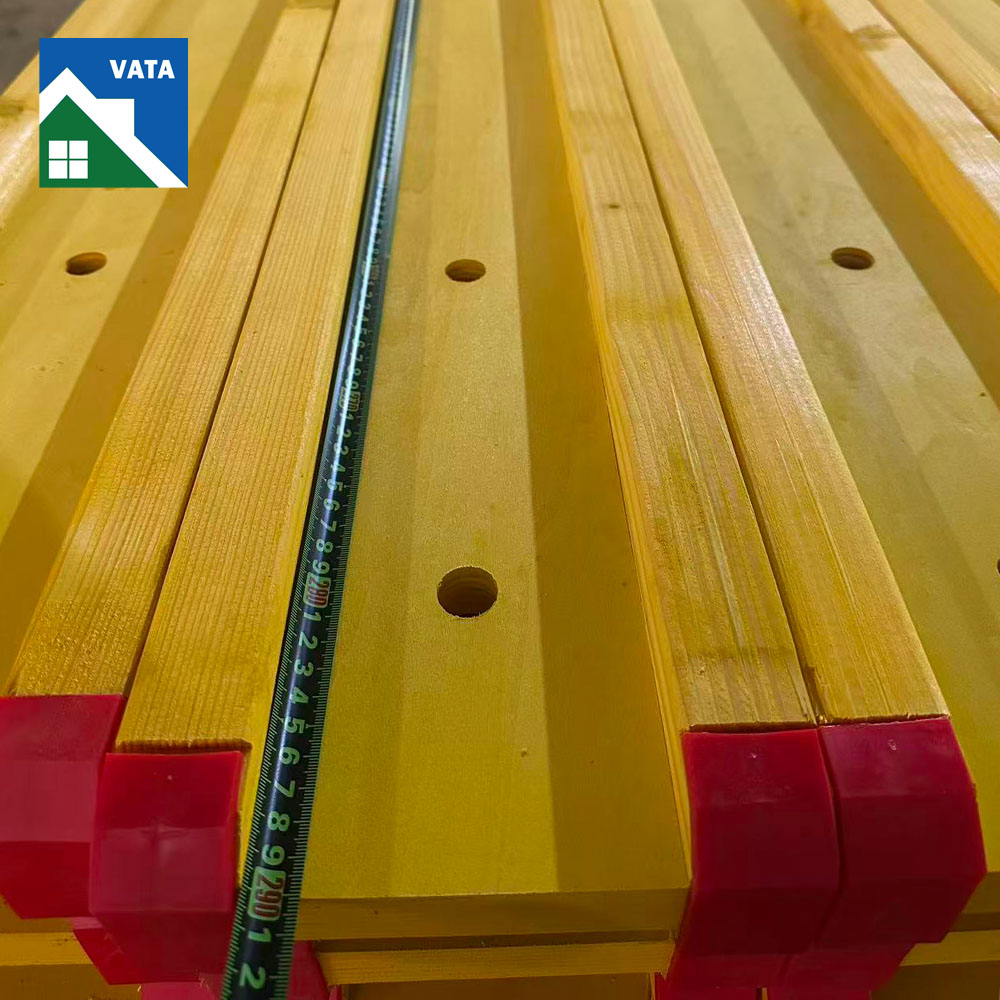
Custom Exterior Use Stable Timber Formwork Beams with WBP Glue Pine or Spruce Flange for Wall Formwork
For concrete formwork and wall support on Riyadh construction sites. Stable timber beams with WBP glue help contractors build repetitive formwork systems; pair with film-faced plywood when a complete formwork package is required.
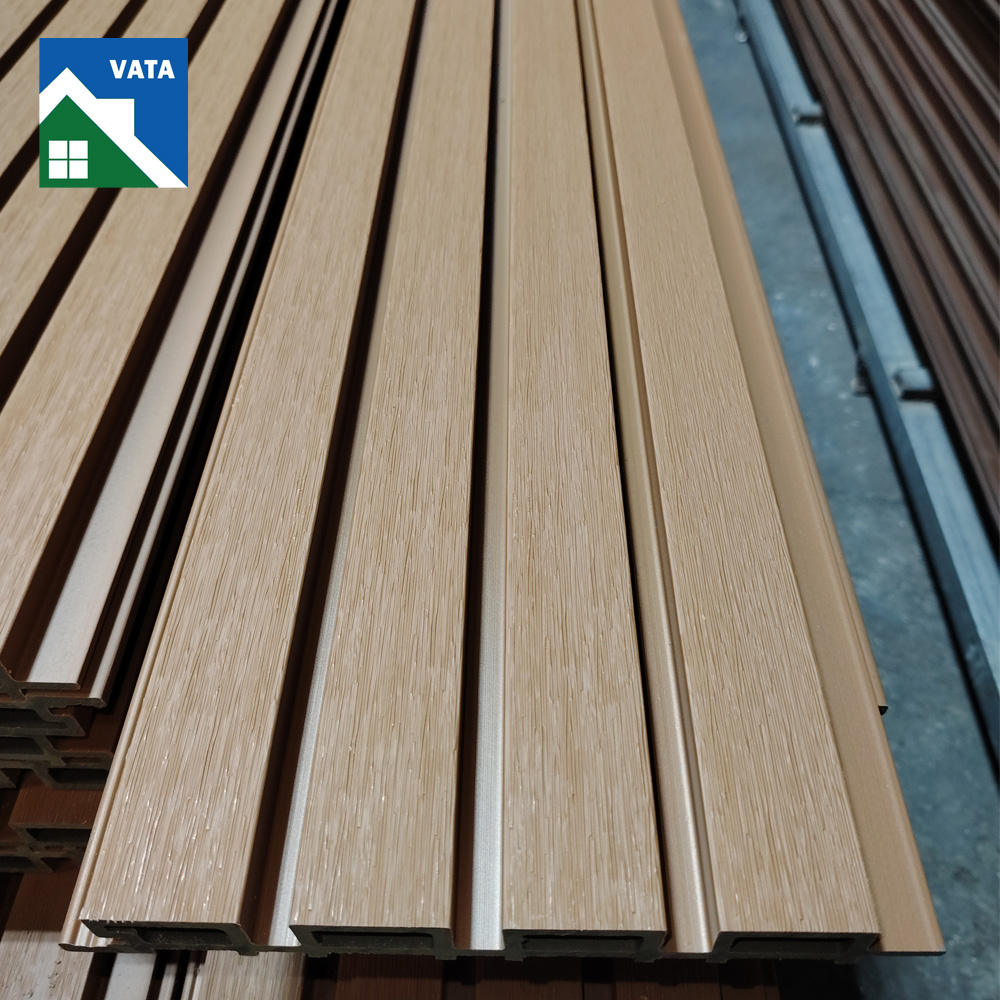
Decorative Outdoor Wood Plastic Composite Partition WPC Fluted Wall Panel Board External Siding Cladding Exterior Wall Cladding
Wood-plastic composite fluted panels for exterior partitions, shaded courtyards and feature walls. In Riyadh, WPC is often selected for low-maintenance cladding; confirm UV stabilisation and installation clearance for local heat.
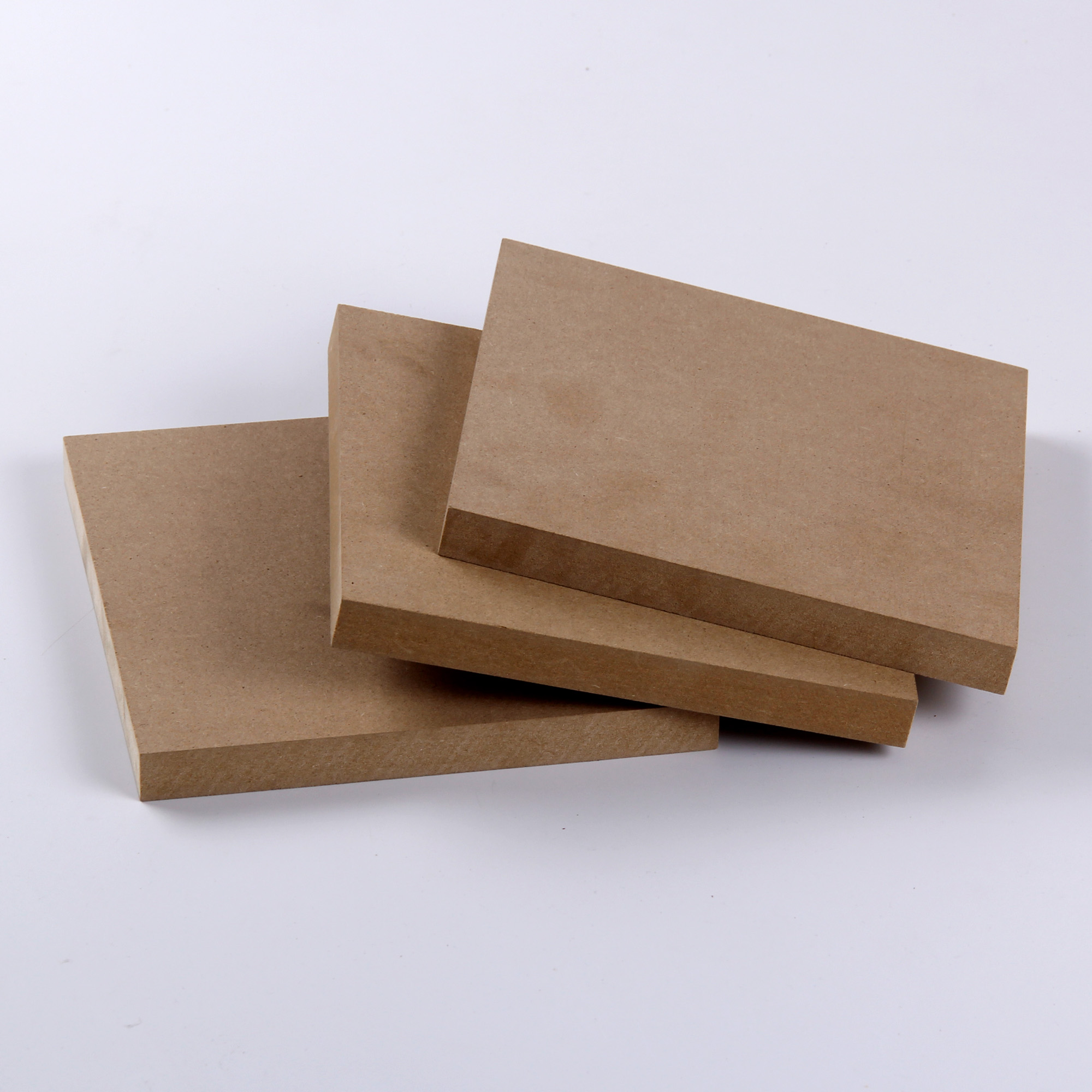
Factory Standard Size with Thickness of 5mm, 6mm, 8mm, 9mm, 18mm Raw MDF/HDF Board
Raw MDF/HDF for CNC routing, painted panels, backing and laminated components. Thickness consistency matters for Riyadh furniture factories running high-volume cutting; confirm the exact grade before mixing with blockboard in one order.
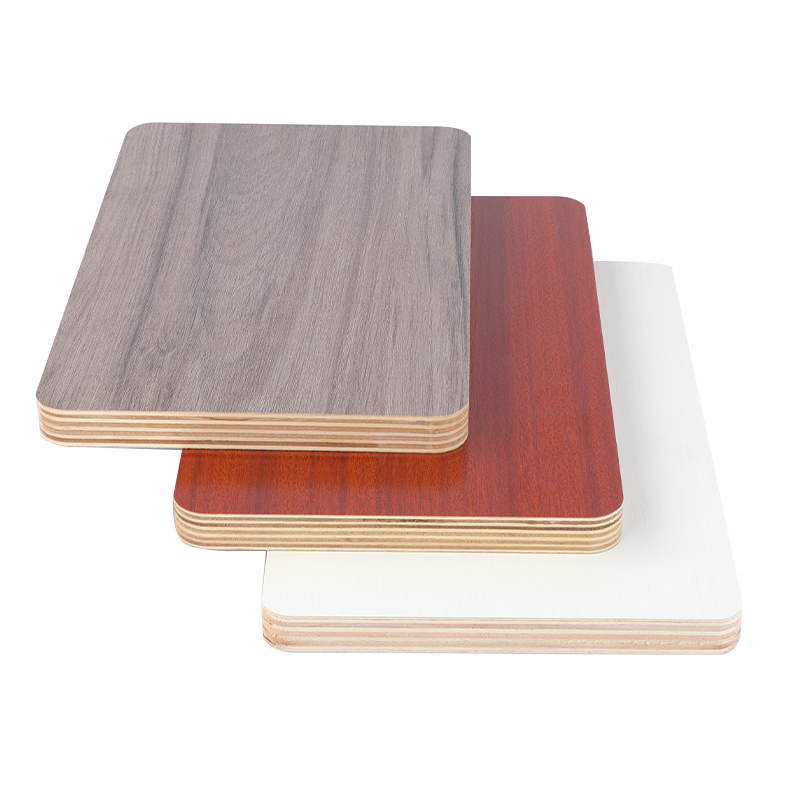
E2/E1/E0 Grade Solid Color and Wood Grain Marine Melamine Plywood Price Philippines From China
Melamine-faced plywood in solid colours and wood grains for shopfitting, furniture and wall panels. For Riyadh, specify E1/E0 where low emission is required and confirm whether “marine” grade is truly needed for the final application.
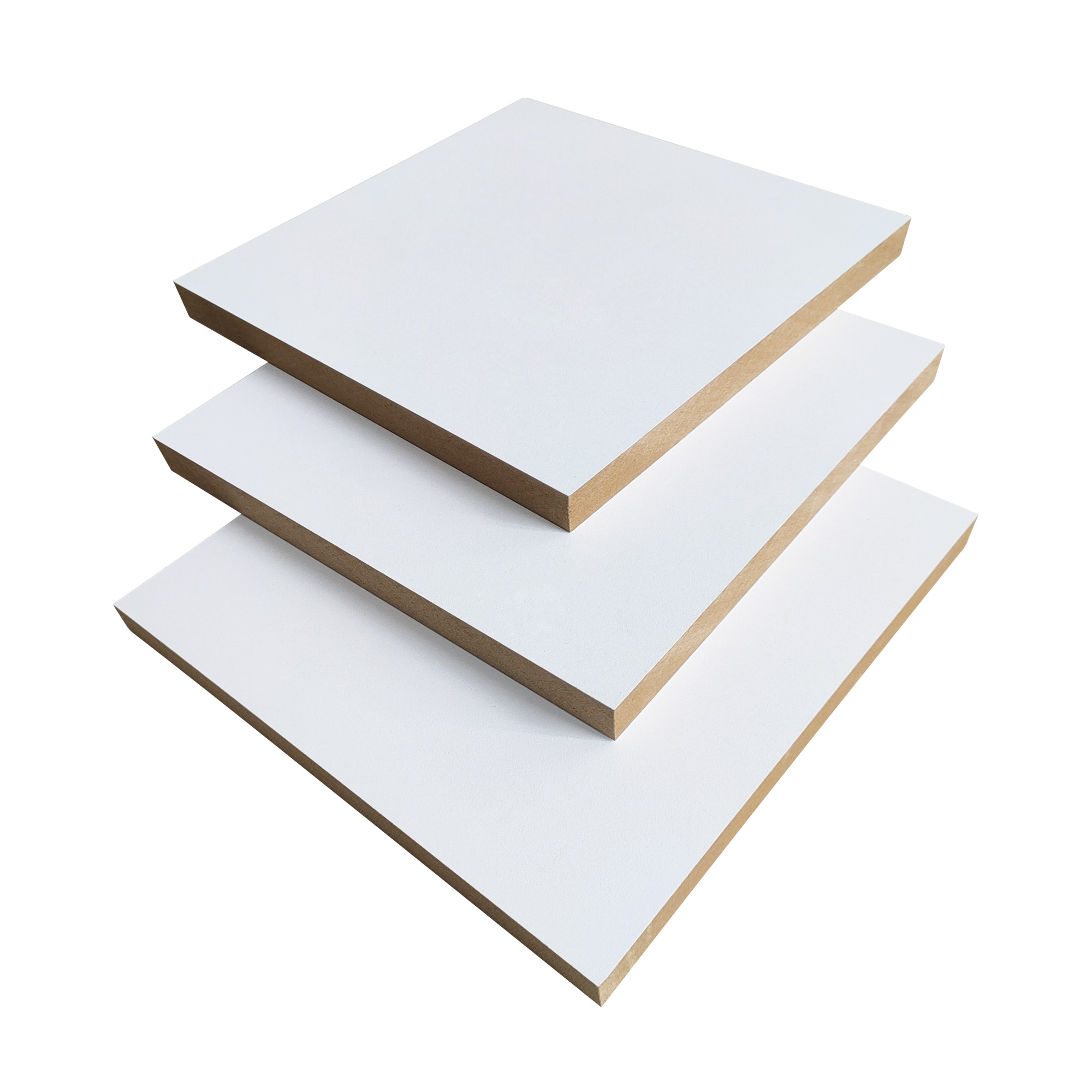
High Quality 4x8ft White Melamine MDF Board China Manufacturer E1 Formaldehyde for Kitchen Use-Sizes 3mm 6mm 9mm 12mm 16mm
White melamine MDF for kitchen cabinets, wardrobes and clean interior surfaces. In dry Riyadh interiors, edge sealing and a moisture-resistant option are still recommended for sink cabinets and utility areas.
High Quality 3mm~18mm Raw/Plain MDF Sheet with Best Price
Plain MDF for painting, veneering, laminating and CNC work. A cost-effective companion to blockboard when a project needs both solid-core structural joinery and smooth decorative surfaces.
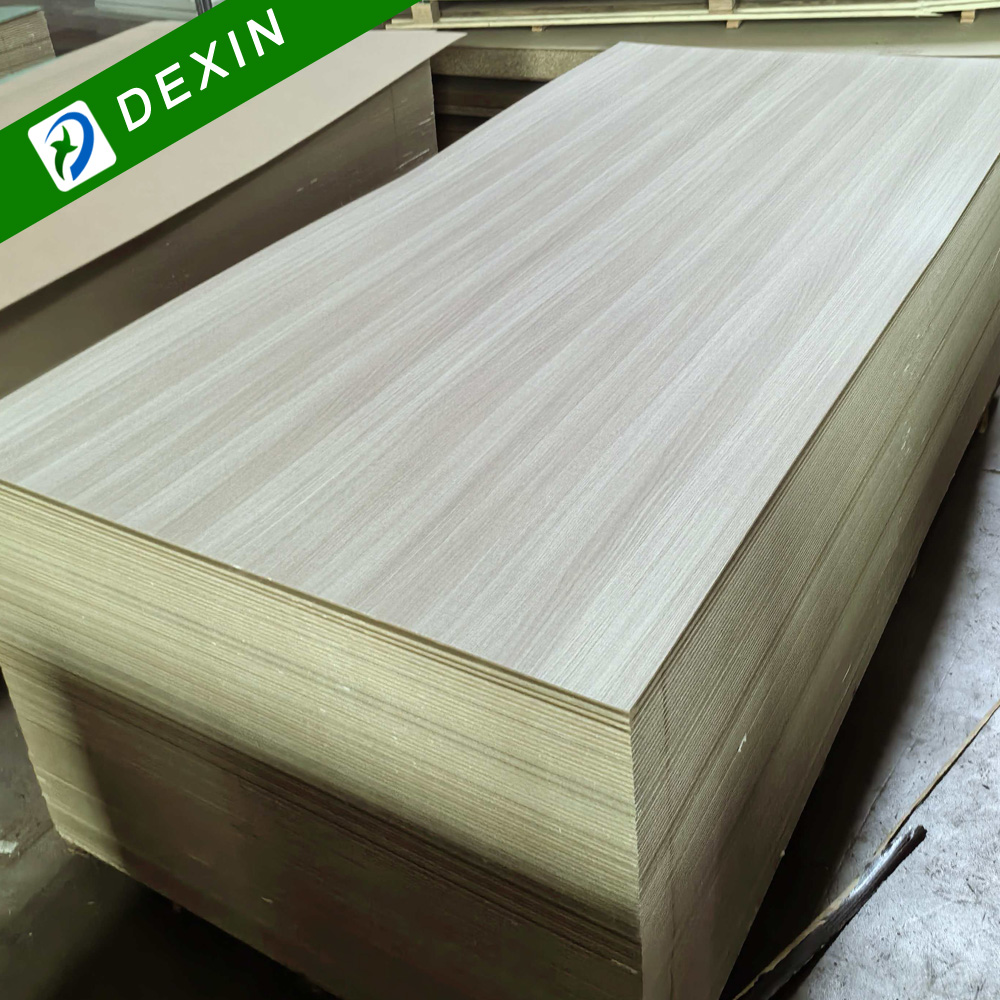
Moisture Resistant 4mm 15mm 17mm 18mm Melamine MDF Wood Panels 1220x2440mm White Textured MDF Melamine
Moisture-resistant melamine MDF for semi-humid interiors, bathroom vanities, utility rooms and kitchen elements. Even in Riyadh, plumbing leaks and HVAC condensation can damage standard boards; specify MR grade where risk is real.

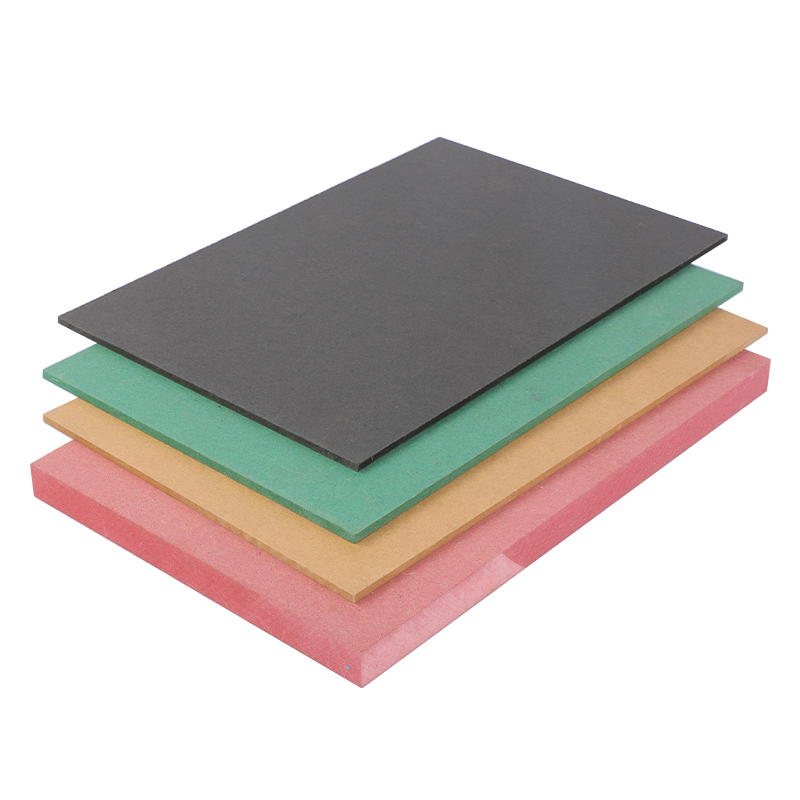
1220x2440mm, 1525x2440mm, 1830x2440mm Green/ Red/ Black Core Wood Fiber Plain MDF/ HDF Board
Plain MDF/HDF with coloured core options for buyers who need differentiated product lines. Core colour alone is not a performance certificate: confirm moisture resistance, fire treatment or other claims in the order specification.
Where Blockboard Sheets Perform Best in Riyadh Interiors
Riyadh’s project mix is dominated by residential compounds, hotels, offices, retail fit-outs, schools and healthcare furniture. Blockboard earns its place where a solid core, screw-holding strength and flat surface matter more than raw panel price.
Door cores and frames
18 mm blockboard is a practical core for apartment entry doors, hotel doors and wardrobe doors. In Riyadh’s dry air, a stable core helps maintain door squareness; hinges and closers need reliable screw-holding, so core gaps and edge density must be checked before shipment.
Wardrobes and built-in cabinetry
15–18 mm blockboard or MR-grade boards are used for carcasses, shelves and backing panels. For Riyadh villas and serviced apartments, specify sealed edges, melamine or veneer faces, and a consistent thickness so CNC cutting and edge-banding lines run smoothly.
Hospitality and residential fit-out
Hotels, hotel apartments and compound housing need repeatable joinery: headboards, minibar units, vanity carcasses and wall backing. A documented blockboard batch helps contractors keep quality consistent across floors and phases.
Retail, office and exhibition joinery
In Riyadh retail and office fit-outs, 18 mm blockboard is often used for counters, display plinths and wall panels. Laminates and HPL can be pressed onto a flat blockboard core; fast installation schedules reward panels with good dimensional stability.
Schools, clinics and public furniture
School cabinets, clinic reception desks and admin furniture need impact resistance and safe edges. Specify E1 grade as a baseline, confirm the surface finish, and request packaging that protects corners during inland delivery from Dammam or Riyadh dry port.
Wall backing and partition support
Blockboard can act as a backing panel behind wall finishes, joinery and equipment. It is not a substitute for a specified fire-rated or structural system. Where Riyadh project specifications call for fire performance, confirm the complete assembly with the consultant.
Riyadh Blockboard Specification Guide by Application
Use this practical matrix to brief a supplier, compare quotations and avoid mixing interior blockboard with exterior or wet-area products.
| Riyadh application | Recommended blockboard direction | Why it matters locally | Check before order |
|---|---|---|---|
| Apartment and hotel doors | 18 mm solid-core blockboard, MR glue, E1, HPL or veneer face | Door hardware needs screw-holding; dry HVAC air can expose poor core stability | Core gaps, thickness tolerance, edge sealing, face quality |
| Kitchen and wardrobe carcasses | 15–18 mm MR blockboard or MR MDF, melamine face, sealed edges | Even dry Riyadh interiors can have sink leaks and condensation | Glue type, emission grade, edge-band quality, flatness |
| Retail counters and display units | 18 mm blockboard with HPL, laminate or veneer | Fast fit-out schedules need flat panels that cut and assemble predictably | Surface flatness, density consistency, packing protection |
| Office and wall backing | 15 mm blockboard, veneer, paint or laminate finish | Backing panels must hold fixings without crushing | Core integrity, straightness, fixing performance |
| School and clinic furniture | 18 mm E1 blockboard with impact-resistant face | Public furniture needs safe edges and stable surfaces | Emission documentation, edge detail, screw-holding |
| Exterior or wet areas | Do not use standard interior blockboard; use WPC, film-faced plywood or a specified marine system | Riyadh has low rainfall, but irrigation, cleaning and leaks still create risk | System design, waterproofing detail, correct board grade |
Specifications above are practical sourcing guidance. Final grades, tolerances, test reports and conformity documents must be confirmed for each Riyadh project order.
Riyadh Market Trends Shaping Blockboard and Panel Demand
The Riyadh market is no longer only price-driven. Large project pipelines, stricter documentation and the need for faster fit-out are changing how wholesalers and contractors buy wood-based panels.
Vision 2030 fit-out pipeline
Saudi Vision 2030 continues to support residential, hospitality, retail, healthcare and office development. Riyadh contractors need repeatable joinery materials, and blockboard remains relevant for door cores, cabinets and wall backing.
Riyadh Expo 2030 and mixed-use districts
Event, hospitality and mixed-use projects create short fit-out windows. Buyers increasingly ask for consolidated shipments: blockboard plus melamine MDF, plywood, WPC and formwork items in one container.
Documentation and low-emission focus
E1, E0 and CARB-related requirements appear more often in buyer questions. Saudi importers may also request SASO/SABER-related documentation; confirm the exact product scope, HS code and conformity route with a customs broker before production.
Prefabrication and quality consistency
Riyadh furniture factories and fit-out contractors prefer CNC-ready panels with stable thickness. Wholesalers that can document core quality, moisture content and packing standards reduce rework on site.

Manufacturing Depth in Linyi, Export Focus for Riyadh
Linyi KUDE International Trading Co., Ltd. is the export platform of a wood-based panel manufacturing group founded in 1998 in Linyi, Shandong. The group operates more than 30 sets of production machines in 30,000 m² of workshops, employs 300+ workers and produces about 60,000 m³ of panels annually. Products reach more than 30 countries and regions, with more than 15 years of export experience.
For Riyadh wholesale buyers, the advantage is not only the factory. It is the ability to combine blockboard with plywood, MDF, melamine boards, WPC cladding and formwork products under one export desk; then support the order with CE, ISO 9001, ISO 14001, FSC and CARB credentials, an SGS on-site assessment, OEM/ODM customization and seaworthy export packing.
- 20+ years production experience
- 15 years of export practice
- CE, ISO, FSC and CARB credentials
- SGS on-site assessed supplier profile
- OEM / ODM and full customization
- Mixed-container wholesale supply
Factory-direct supply
Own production resources and long-term panel partners in Linyi reduce middle-man markup and support stable wholesale pricing.
Quality documentation
CE, ISO 9001, ISO 14001, FSC and CARB credentials, plus SGS assessment, help buyers answer technical and compliance questions.
Customization that matters
Size, thickness, core, face, melamine decor, glue type, logo printing and export packing can be customized for repeat wholesale programs.
Export-ready logistics
FOB, CFR, CIF and EXW terms; T/T and L/C payment; seaworthy pallets and loading photos for Riyadh-bound containers.
Common Questions from Riyadh Blockboard Buyers
Practical answers for importers, distributors, contractors and furniture factories comparing blockboard sheet suppliers for Saudi Arabia.
What blockboard thickness is most suitable for Riyadh doors and cabinets?
For standard interior door cores, 18 mm is the usual starting point because it offers better screw-holding for hinges and closers. For wardrobe carcasses and general cabinetry, 15–18 mm is common, while heavy shelving may require a thicker specification or a different panel design. The final choice should match the door weight, hardware, frame system and consultant’s specification.
How do we prevent blockboard from warping in Riyadh’s dry climate?
Acclimatise panels in the final interior environment for at least 48–72 hours before cutting, store them flat on clean spacers, avoid direct contact with hot external walls, seal exposed edges, and keep the boards away from direct HVAC outlets. Riyadh is dry, but newly built concrete and plumbing leaks can still introduce moisture; specify MR-grade glue where risk exists.
Do you supply wholesale quantities and mixed containers?
Yes. Blockboard can be discussed alongside plywood, MDF, melamine boards, WPC panels and formwork products. Mixed containers are possible after confirming specifications, quantities and stacking limits. MOQ varies by product line, typically from 50 to 500 sheets depending on the item and customization.
Which certifications and documents can support a Riyadh import order?
The manufacturing group holds CE, ISO 9001, ISO 14001, FSC and CARB credentials, and the supplier profile has passed an SGS on-site assessment. Emission grades E0, E1 and E2 may be available depending on the product. For Saudi import requirements, confirm the exact SASO/SABER or other conformity documents with your customs broker before order confirmation.
What are the payment terms and trade terms?
Common terms are T/T and L/C in USD, EUR or CNY, with FOB, CFR, CIF and EXW available. The final terms depend on product mix, order volume, destination port and whether the shipment is a trial order or a repeat wholesale program.
Can you customize size, thickness, face and packaging?
Yes. We support sample-based, design-based and full customization, including panel size, thickness, core species, face veneer or melamine decor, glue type, logo printing and export packaging. For Riyadh, packing should protect edges and corners during sea freight and inland trucking to the final site.
How are goods shipped to Riyadh?
Orders normally load in containers at northern China ports such as Qingdao. Saudi importers commonly route through Dammam or another Gulf port, then move cargo inland to Riyadh by truck or via the Riyadh dry port. Your freight forwarder should confirm the best routing, delivery terms and unloading requirements.
Are the eight products on this page suitable for outdoor use?
Not all of them. WPC exterior cladding and timber formwork beams are intended for exterior or construction applications subject to correct installation. Standard MDF, melamine MDF and interior blockboard should not be treated as exterior panels. For wet or exposed Riyadh applications, specify an appropriate exterior system and confirm detailing with the project engineer.
What information should we send for a fast Riyadh quotation?
Send the blockboard size, thickness, core preference, face type, melamine or veneer decor, emission grade, estimated quantity, delivery city, required documentation and target shipment date. If the order includes MDF, plywood or WPC, list those items separately so the export team can prepare a mixed-container proposal.
Send Your Blockboard Specification for a Riyadh Project Quote
Share your required size, thickness, core, face, emission grade, quantity, destination and target shipment date. Our export team will review the specification, suggest suitable blockboard and complementary panel options, and prepare a wholesale quotation for the Riyadh market.