8 Sheet Products Sydney Buyers Commonly Source With Blockboard
From melamine plywood to MDF, particle board and WPC wall cladding, these linked production lines help Sydney importers build mixed-container programs from one qualified wood-panel manufacturer. Each product URL is preserved exactly.
-
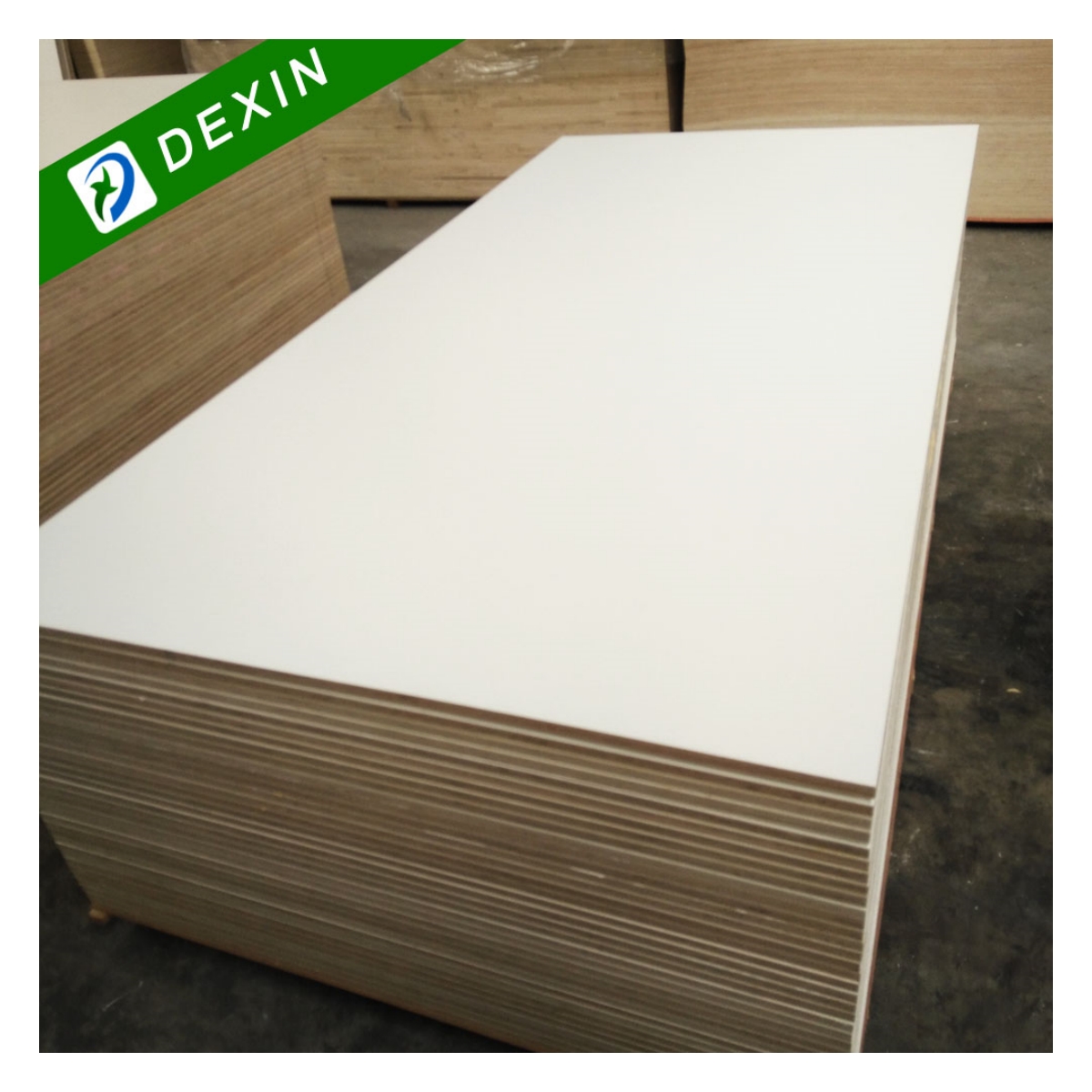
6mm–18mm Teak/Oak/Maple Melamine Plywood for Furniture
Decorative melamine plywood for wardrobe carcasses, shopfitting and cabinet components where a consistent grain direction and clean face are required.
View specifications -
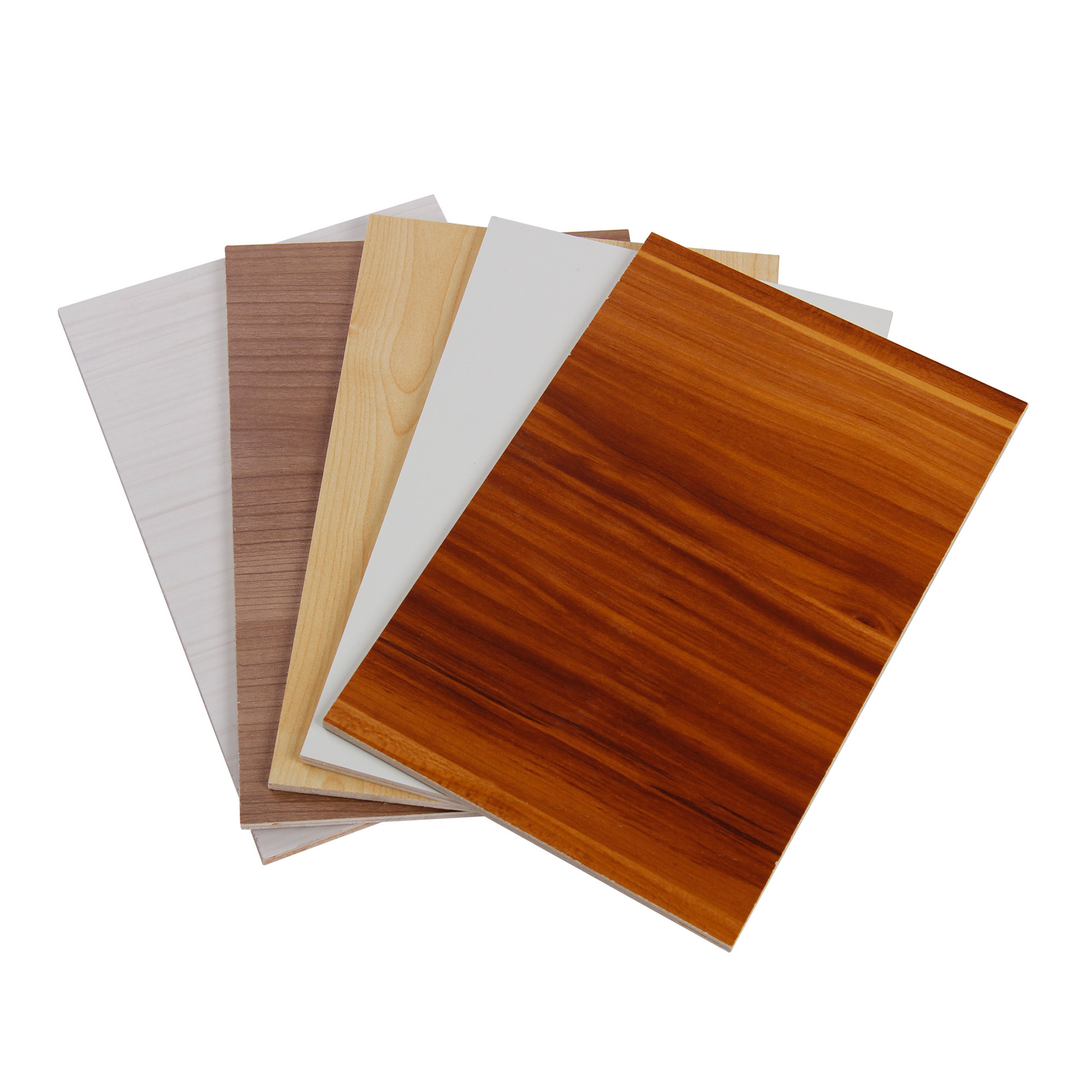
12mm–18mm Melamine Wood Board Plywood for Furniture Making
A practical board for Sydney joinery factories producing residential and commercial cabinetry with single- or double-sided melamine finishes.
View specifications -
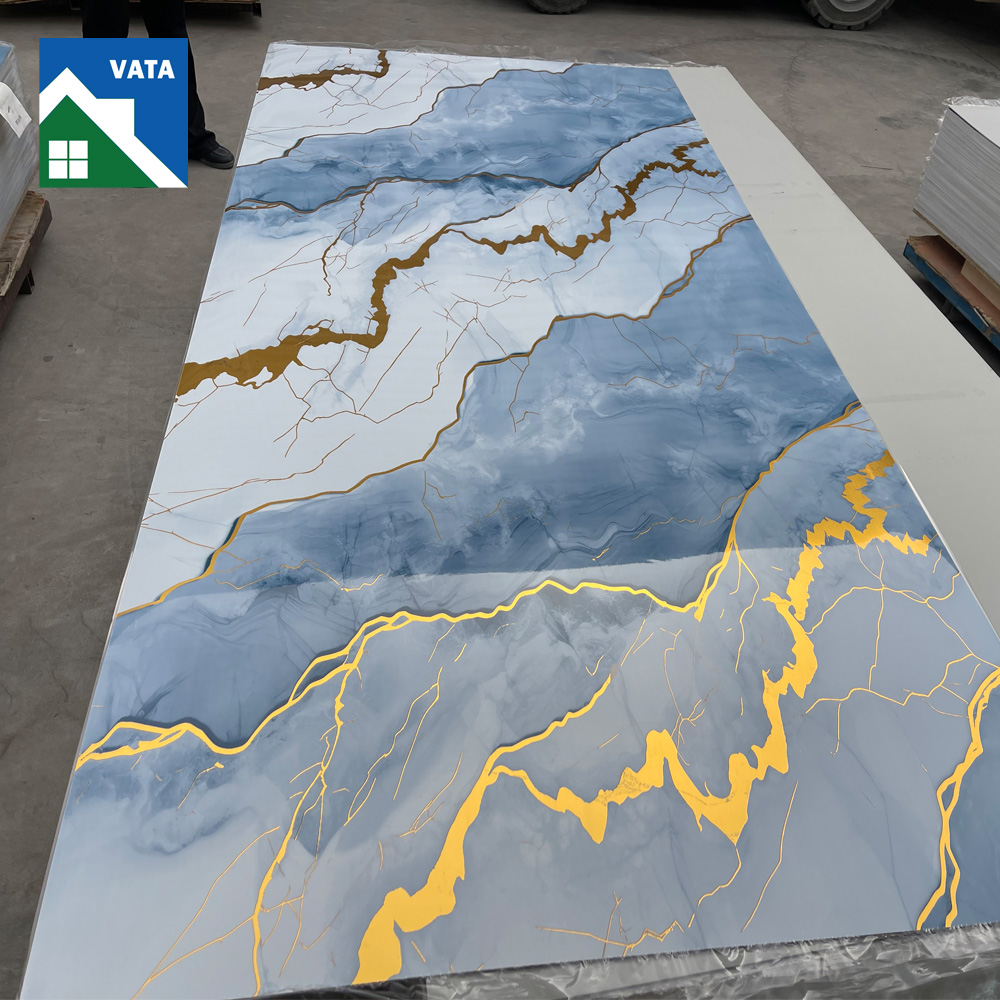
Custom Bendable High-Gloss PVC/UV Wall Panel for Interiors
High-gloss decorative wall panels for TV features, retail displays and fast interior upgrades where low weight and easy installation matter.
View specifications -
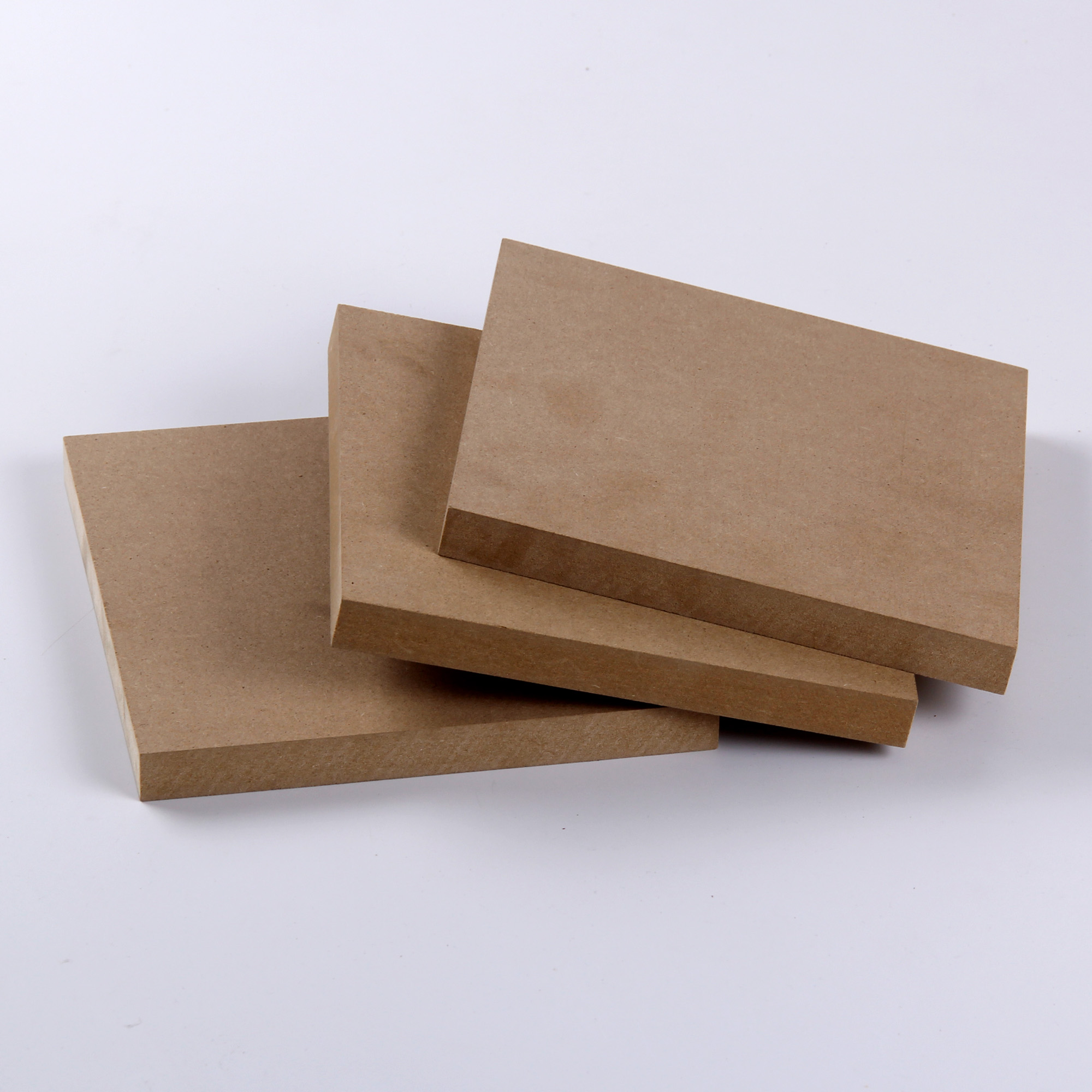
Raw MDF/HDF Board — 5mm, 6mm, 8mm, 9mm, 18mm
Sanded raw MDF and HDF for CNC routing, painted joinery, laminating and internal door skins, with thickness options for Sydney fabricators.
View specifications -
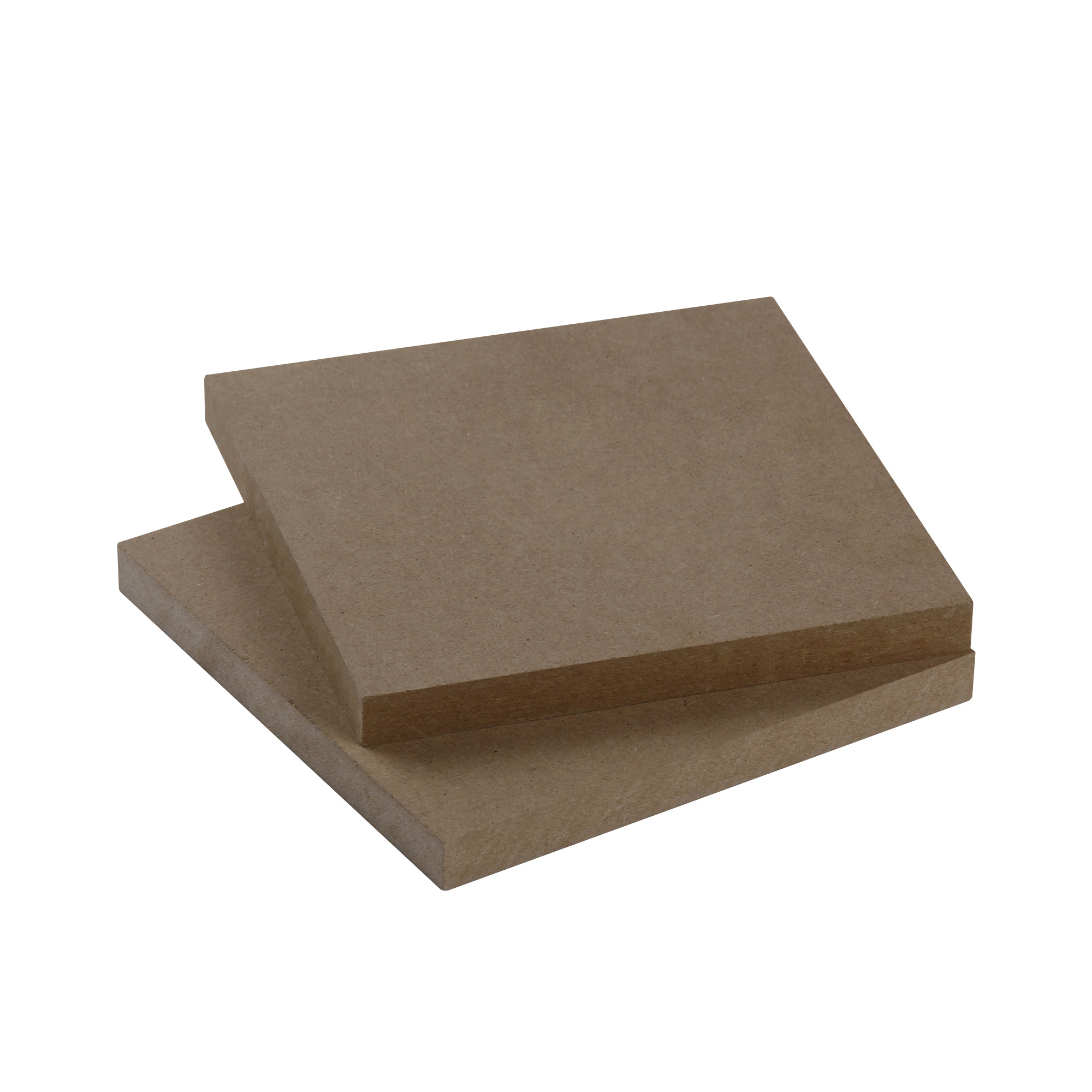
Dexin Moisture-Proof E2 Particle Board & MDF
Plain particle board and MDF for dry-area cabinet backs, packaging and utility joinery; confirm emission class and moisture exposure before ordering.
View specifications -

Eco-Friendly Melamine MDF for Cabinets — 12mm to 18mm
Melamine-faced MDF for clean cabinet interiors, wardrobe shelving and office furniture where a smooth, uniform substrate is preferred.
View specifications -
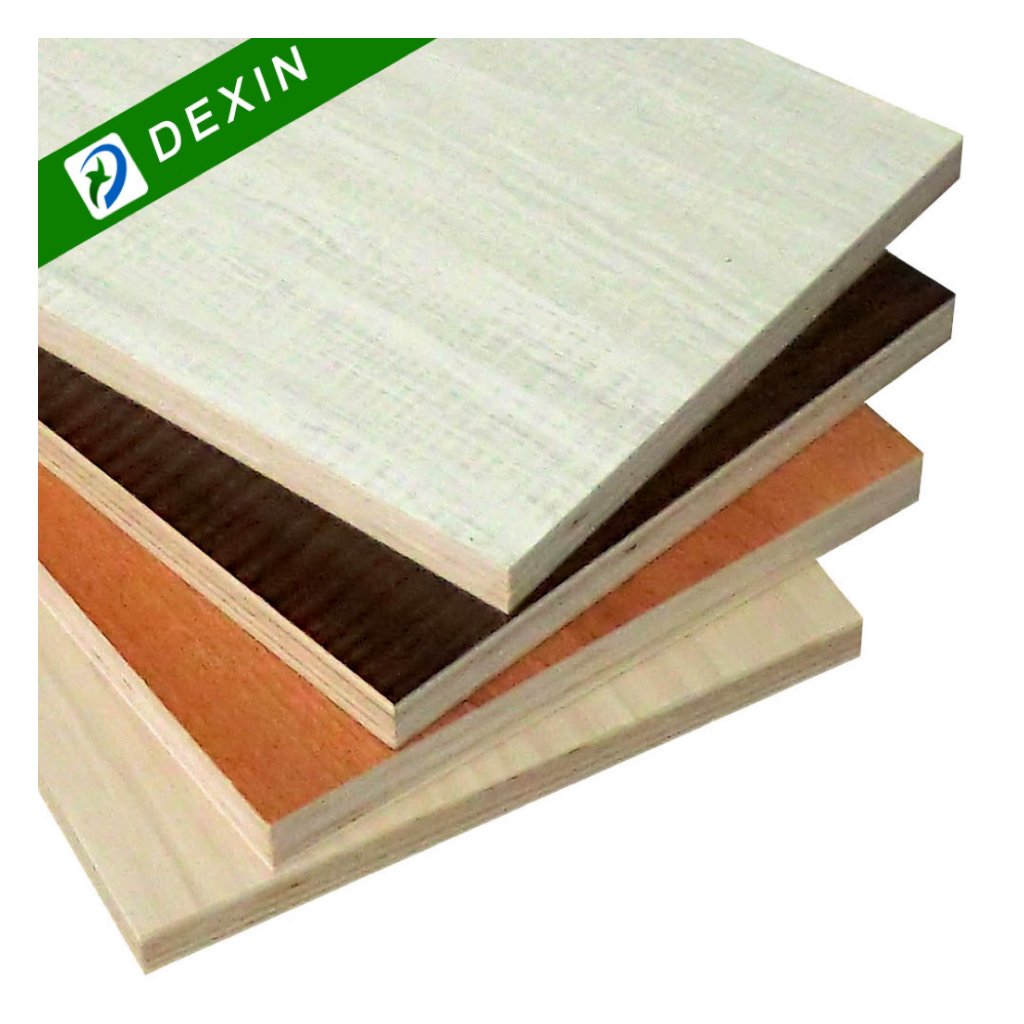
E0 Melamine Plywood for Furniture Cabinets — 3mm to 18mm
E0 melamine plywood option for low-emission interior projects; request current test reports for the exact batch and destination specification.
View specifications -
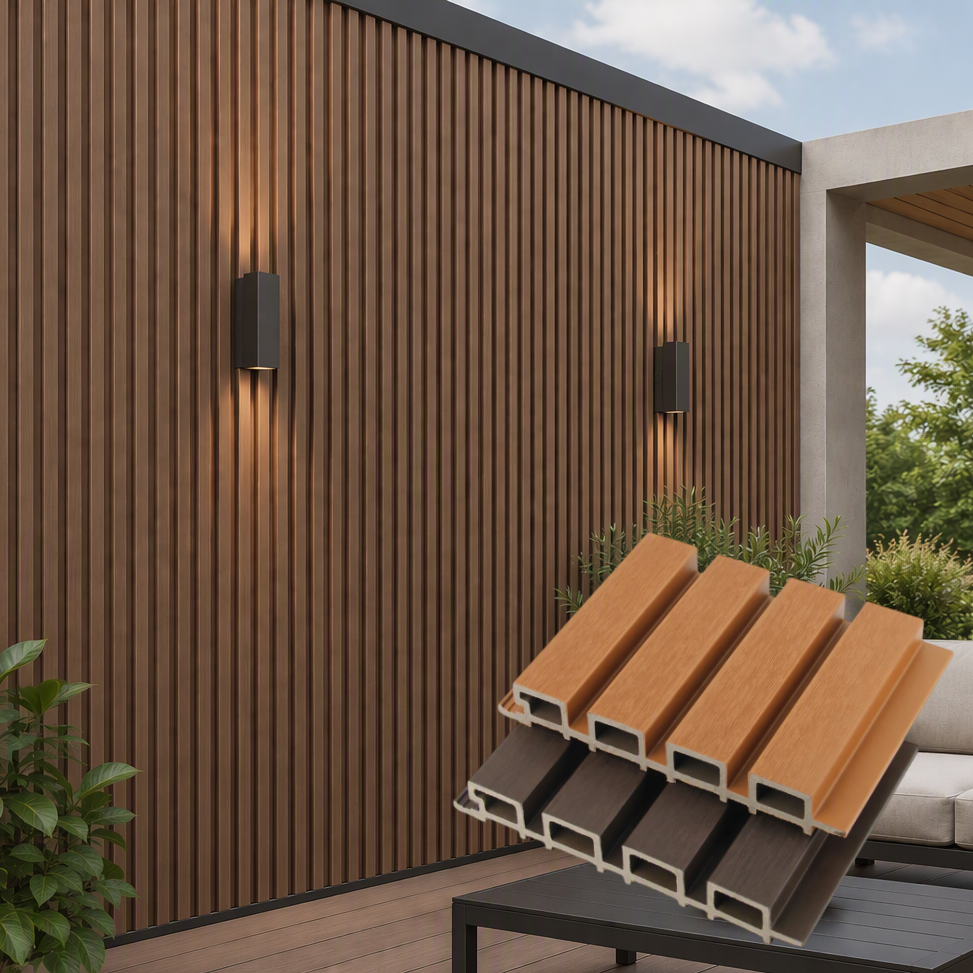
Waterproof Co-Extruded WPC Fluted Wall Cladding
WPC wall cladding for façades, alfresco zones and feature walls where water resistance and a textured fluted profile are required.
View specifications
Blockboard Sheets for Sydney: An Application-Led Buying Guide
Blockboard is a strip-core engineered wood panel, normally made by bonding wood strips edge-to-edge between veneer faces. For Sydney importers and fabricators, its value is not simply “cheaper plywood” — it is a stable, machinable interior joinery panel with excellent screw-holding and flatness for wardrobe carcasses, kitchen cabinets, office furniture and shopfitting.
The Sydney market is demanding in ways that are easy to underestimate: coastal humidity, project-specific low-emission requirements, tight fit-out programmes and import timelines through Port Botany. A blockboard sheet that suits a dry inland warehouse may still need careful specification for a waterfront apartment, a basement retail store or a hospital-grade joinery package.
KUDE has manufactured and exported wood-based panels from Linyi, Shandong — China’s largest man-made board cluster — since 1998. This guide is written for Sydney buyers who need to compare blockboard with plywood and MDF, prepare a request for quotation, reduce acclimatisation complaints and verify documentation before the container leaves Qingdao.
Specification Snapshot for Sydney Buyers
- Common size
- 1220 × 2440 mm; custom cutting discussed per order
- Typical thickness
- 15 mm, 17 mm, 18 mm, 20 mm and 25 mm — confirm availability
- Core options
- Poplar, pine/fir or other agreed strip core
- Face options
- Melamine paper, natural veneer or painted-ready face
- Emission target
- E0 / E1 / E2 stated in the quotation and test reports
- Best use
- Interior cabinets, wardrobes, partitions, furniture and shopfits
Where Blockboard Sheets Fit Sydney Interiors
Application-led purchasing is stronger than buying by price per sheet alone. These are the Sydney use cases where blockboard is most often evaluated against plywood, MDF and particle board.
Apartment and build-to-rent joinery
Projects around Parramatta, Olympic Park and Sydney’s inner ring need repeatable wardrobe carcasses, bedheads and utility joinery. Blockboard offers good flatness and screw-holding for high-volume cabinet production when edged and sealed correctly.
Kitchen and pantry manufacturing
Sydney kitchen manufacturers frequently compare 18 mm blockboard, plywood and MDF for carcasses. Blockboard can reduce weight and improve screw retention, while melamine faces deliver a clean interior for pantry and cabinet modules.
Retail and hospitality fit-outs
Shopfitters working in the Sydney CBD, Surry Hills and Barangaroo value boards that machine cleanly for counters, display plinths and back-of-house joinery. A veneered or melamine blockboard can reduce finishing time on fast programmes.
Office partitions and reception joinery
North Sydney and Macquarie Park office upgrades often require stable substrates behind decorative surfaces. Blockboard can support laminate, veneer or paint systems when the specification includes proper edge sealing and humidity control.
Hotel and serviced-apartment refurbishment
Darling Harbour and airport-precinct refurbishments need consistent batches for wardrobes, minibar units and bed bases. Early specification of thickness tolerance, face quality and emission class helps avoid rework during staged handovers.
Education and healthcare joinery
For clinics, schools and childcare interiors, buyers increasingly request low-emission boards, documented batch testing and cleanable surfaces. Specify E0/E1 where required and verify the final finish system with the project consultant.
What Is Changing in Sydney’s Panel Procurement?
Smart suppliers respond to local signals, not only global catalogue demand. These trends influence how Sydney importers specify, ship and store blockboard sheets.
Low-emission documentation
Architects and developers increasingly ask for emission class, batch traceability and current test reports. A supplier that can state E0, E1 or E2 clearly — and then prove it — reduces approval friction.
Prefabrication and DfMA
Sydney fit-out contractors are moving more cutting, edging and module assembly off-site. That puts more emphasis on thickness consistency, flatness and stable face quality across repeat orders.
Coastal humidity and edge sealing
Sydney’s climate is mild but not always dry. Movement joints, edge sealing, elevated storage and acclimatisation matter in waterfront apartments, basement fit-outs and recently completed concrete buildings.
Port Botany lead-time planning
Importers are building more realistic buffers around shipping, port availability and final-mile delivery to Western Sydney warehouses. Early specification is especially important for staged project handovers.
Mixed-container sourcing
Instead of buying one board type from several suppliers, Sydney importers now consolidate blockboard, melamine plywood, MDF and WPC wall panels into one container programme when specifications allow.
Responsible sourcing pressure
FSC, ISO 9001, ISO 14001, CE and CARB evidence is increasingly part of commercial tenders. Confirm the exact certificate scope, product coverage and document validity before you make a compliance claim.
Blockboard vs Plywood vs MDF for Sydney Fit-Outs
A practical comparison for buyers who need to justify the substrate before placing a container order.
| Panel type | What it is | Best Sydney use | Watch-outs | Specify this |
|---|---|---|---|---|
| Blockboard | Wood strips bonded between veneer faces | Wardrobes, cabinets, shopfitting, furniture, partitions | Interior use unless specifically engineered; edge sealing is essential | 18 mm melamine blockboard, E0/E1 target, moisture content, core species, flatness |
| Plywood | Cross-layered veneers bonded with adhesive | Higher-shear joinery, wet-area carcasses when specified, structural sheathing if certified | Grade and glue type vary widely; face quality affects finishing | MR or WBP glue, AS/NZS compliance if required, face grade, thickness tolerance |
| MDF / HDF | Fine wood fibres pressed into panels | Painted doors, CNC profiles, melamine cabinets, wardrobe internals | Can swell if moisture reaches the core; screw-holding differs by density | HMR option for damp risk, density, E0/E1, face and back matching |
| Particle board | Wood chips bonded with adhesive | Cost-controlled cabinet boxes, dry-area utility joinery | Lower moisture tolerance; not suitable for exposed wet areas | E2/E1 grade, density, edge banding quality, dry-area use only |

Why KUDE Is a Credible Blockboard Supplier for Sydney Importers
Linyi KUDE International Trading Co., Ltd. is the export platform of a wood-based panel manufacturing group founded in 1998 in Linyi, Shandong. Being inside China’s largest wood-panel cluster supports shorter supply chains for veneer, glue and core materials, as well as more stable production planning across seasons.
The group operates more than 30 sets of production equipment in 30,000 m² of workshops, with over 300 workers and annual output of 60,000 m³ of plywood, blockboard, MDF and particle board. Our stated principle is simple: survival by quality, development by prestige.
- 20+ years production experience
- 15 years of export experience
- On-site assessed by SGS
- OEM / ODM and custom specifications
- CE, ISO 9001, ISO 14001, FSC and CARB
- FOB, CFR, CIF and EXW trade terms


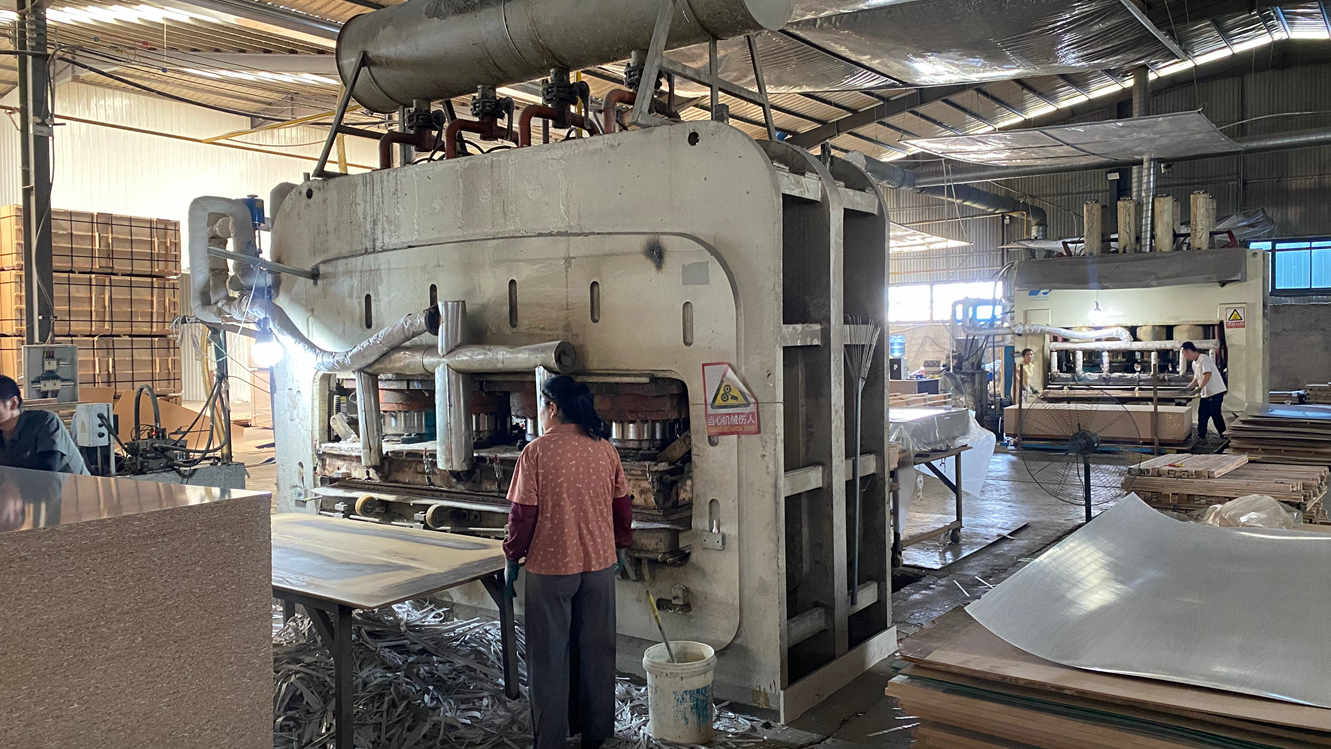
From Board Specification to a Sydney-Ready Container
A controlled process is more valuable than a glossy catalogue. These are the checkpoints that protect thickness, flatness, bonding and delivery confidence.
Specification review
Confirm size, thickness, core, face, emission target, quantity and destination requirement before quotation.
Material selection
Grade veneer or face material, check moisture and prepare the core and adhesive system.
Pressing & calibration
Control glue spread, pressing cycle, sanding and thickness calibration for a stable panel.
Inspection & packing
Check thickness, flatness, bonding, surface and edge quality before seaworthy export packing.
Loading & documents
Photograph container loading, prepare export documents and coordinate shipment via Qingdao and on to Sydney.
Questions Sydney Buyers Ask Before Ordering Blockboard
Are blockboard sheets suitable for Sydney’s coastal humidity?
For interior joinery, blockboard can perform well when the specification matches the exposure. Use sealed edges, appropriate adhesives and good site storage. Avoid direct weather exposure and do not treat standard blockboard as an external panel. For waterfront apartments or basement fit-outs, state the humidity risk clearly so the supplier can recommend melamine face, edge sealing and acclimatisation measures.
Can you supply E0 or E1 blockboard and melamine boards for Sydney projects?
E0, E1 and E2 formaldehyde grades are available depending on the product line and order specification. Sydney project requirements should be stated in the inquiry, including the emission class, testing method and document format required. Final test reports must match the exact board, batch and destination requirement.
What sizes and thicknesses are available?
Common export sizes include 1220 × 2440 mm. Typical blockboard thickness discussions include 15 mm, 17 mm, 18 mm, 20 mm and 25 mm, subject to order confirmation. Custom sizes, face options and packaging can be discussed as sample-based, design-based or full customization.
Can blockboard be supplied with melamine or natural veneer faces?
Yes. Melamine paper, natural veneer and painted-ready faces can be discussed according to the application. For cabinetry, specify the face colour, finish, back matching, balanced construction and edge treatment. For visible natural veneer, agree on the face grade and grain pattern before production.
How do I decide between blockboard, plywood and MDF?
Start with the use case. Choose blockboard for stable interior cabinet and furniture components where screw-holding and flatness matter. Choose plywood where cross-layered construction, wet-area tolerance or specified structural performance is needed. Choose MDF where a smooth, uniform substrate is preferred for painting, routing or melamine faces. Always match the choice to the project specification.
What documents should be requested for importing into New South Wales?
Request commercial invoice, packing list, bill of lading, certificate of origin where applicable, fumigation or wood-packaging compliance for packaging, and the relevant product test reports or certificates. Check current Australian biosecurity requirements with your customs broker before shipment. Product certification scope should also be verified.
What is the minimum order quantity for a Sydney order?
MOQ depends on the product line, typically from 50 to 500 sheets. Several products can often be combined in one container after specifications are confirmed. For a mixed blockboard, melamine plywood and MDF programme, send a full line list so the export team can check loading and production feasibility.
Which payment methods and trade terms do you accept?
We accept T/T and L/C in USD, EUR or CNY, and work on FOB, CFR, CIF and EXW terms. Sydney shipments are commonly discussed on FOB Qingdao or CFR/CIF Sydney, subject to the final quotation and shipping schedule.
How should blockboard be stored after arrival in Sydney?
Keep panels flat and supported on dry bearers, away from concrete floors and direct moisture. Allow the material to acclimatise to the project environment before machining and assembly, especially in new buildings with high construction moisture. Do not install boards that have absorbed moisture, and seal cut edges where required.
Can I request samples and a live production check before shipment?
Yes. Sample requests and pre-shipment inspection discussions are welcome. Provide the target size, thickness, face, core, emission requirement and application so the sample reflects production reality rather than a generic offcut. Our team can also discuss loading photos and batch inspection documentation.
Where is KUDE located and how are goods shipped?
We are based in Linyi, Shandong, China’s largest wood-based panel production cluster. Orders are loaded in containers and shipped through northern China seaports such as Qingdao before arrival at Sydney’s port infrastructure. Destination delivery, unloading and final-mile transport are coordinated with the buyer’s nominated forwarder or logistics partner.
Planning a Blockboard or Mixed-Container Order for Sydney?
Send your sizes, thickness, core preference, melamine or veneer face, emission target, quantity and destination port. KUDE’s export team will reply with a practical specification, packing proposal and quotation route.