Cabinet Back Panels Wholesaler & Wholesalers in Germany
Factory-direct 3–5 mm HDF, MDF and plywood back panels, 18 mm melamine MDF for kitchen carcasses, and decorative panels for German furniture manufacturers, kitchen studios, importers and wholesalers. E1/E0 options, FSC/CE documentation and export packing from Linyi, China.
8 Panel Products for Cabinet Backs, Carcasses and German Fit-Out Projects
The commercial intent behind this page is clear: German wholesalers and furniture producers are comparing panel suppliers on thickness range, emission grade, moisture resistance, decor matching, packing quality and export documentation. The eight products below cover thin back-panel materials, carcass boards and decorative panels that support kitchen, bathroom, wardrobes, shopfitting and contract joinery.
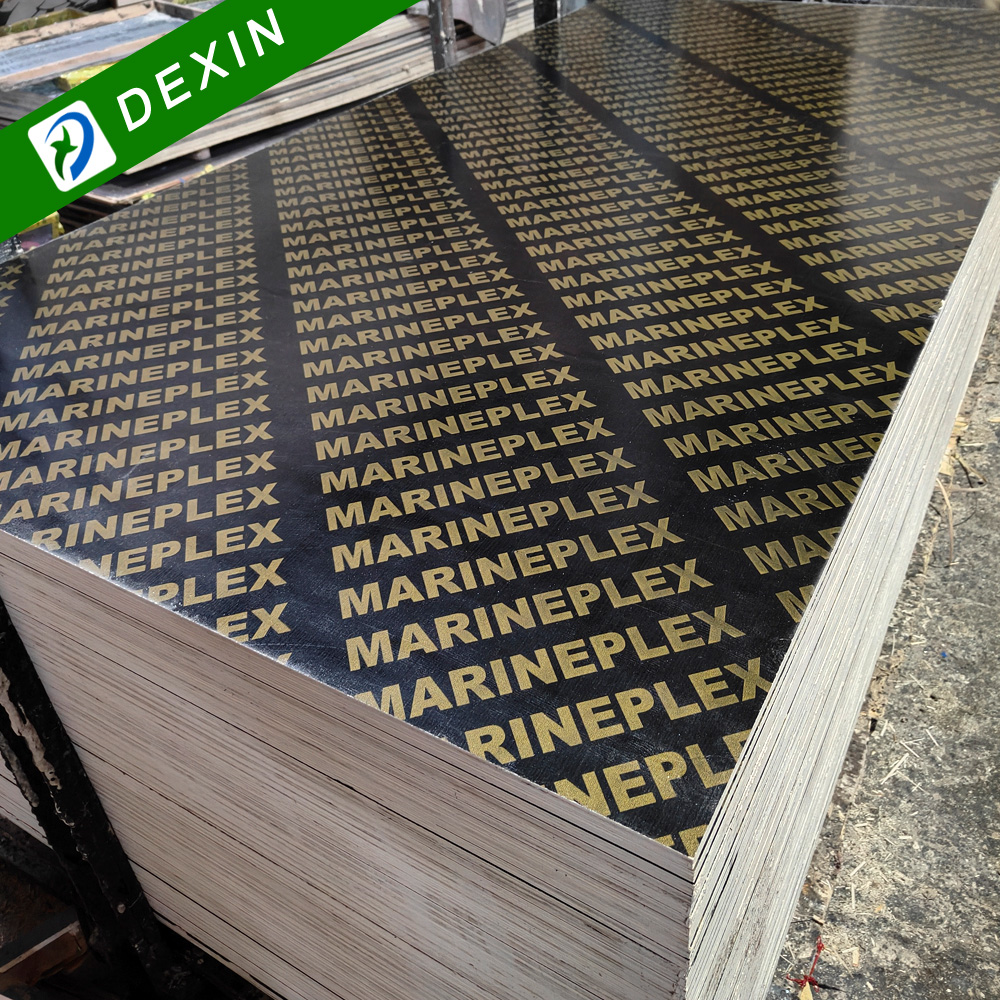
4x8ft Black Film Faced Concrete Plywood
Protein or phenolic film-faced plywood with a dense, waterproof bond for repeated project use. Position it as a technical support panel for cabinet installation jigs, wet-area service counters, contract joinery fixtures and formwork — not as a standard thin cabinet rear panel.
View product specification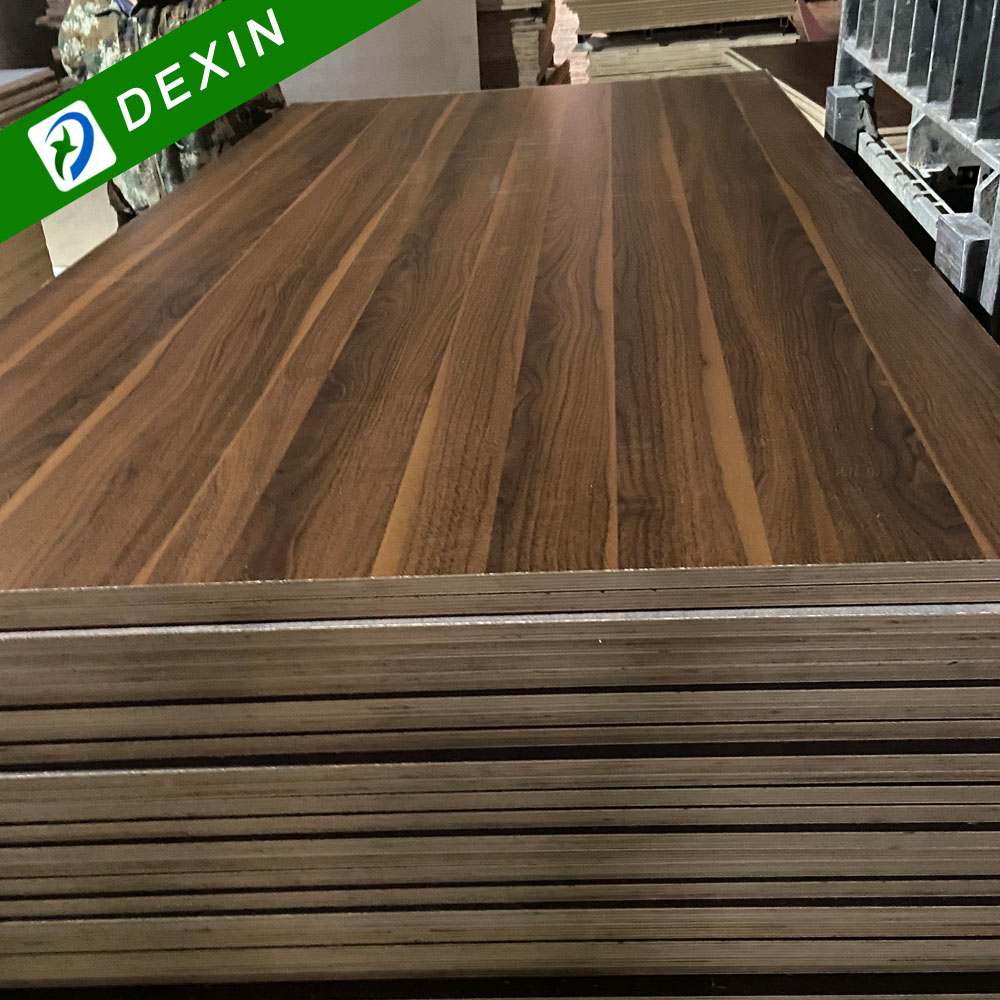
18mm Waterproof Melamine Faced Plywood
A thicker furniture-grade option for cabinet carcasses, visible back panels, sink units and contract furniture. The waterproof bond is relevant for kitchen and utility applications where a 3–5 mm rear panel would be too light for the structural or moisture profile.
View product specification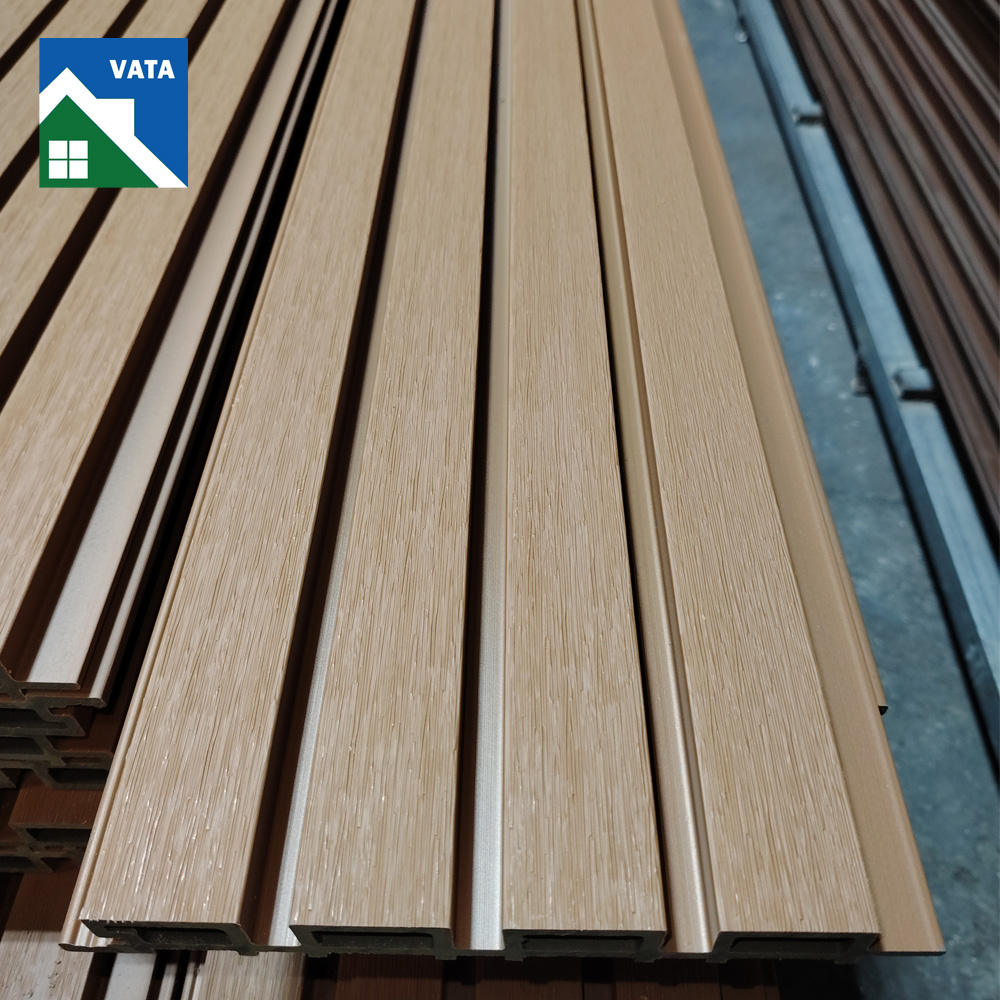
WPC Fluted Outdoor Wall Cladding Panel
Fluted wood-plastic composite cladding for showroom walls, retail display backs, hospitality joinery and exterior cabinet surrounds. It is a decorative layer rather than a load-bearing cabinet back, so specify it alongside HDF, MDF or plywood substrates.
View product specification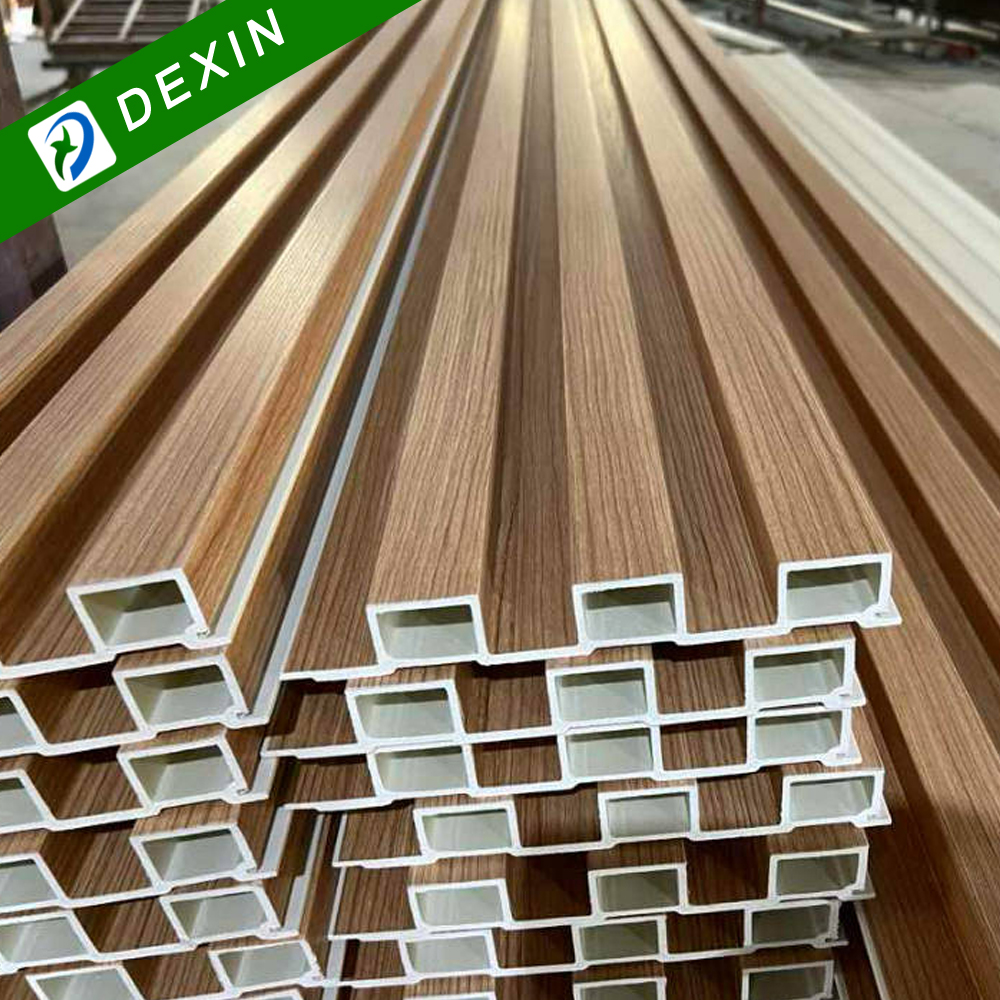
Interior PVC WPC Decorative Wall Panels
Moisture-tolerant interior panels for kitchen and bathroom display walls, cabinet-back feature zones and hotel joinery. A practical choice when German buyers need a clean decorative finish behind cabinet runs without introducing a heavy stone or tile substrate.
View product specification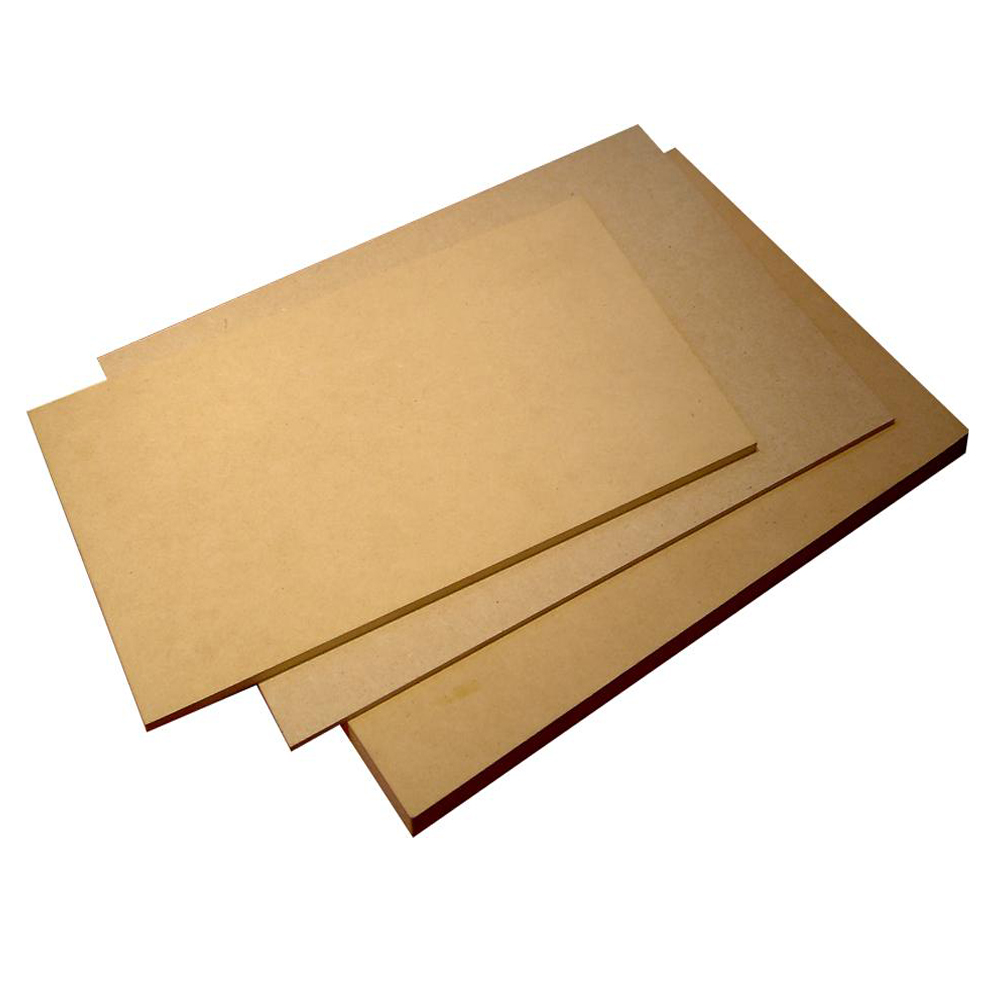
E0/E1/E2 Raw Thailand MDF Board
Raw MDF for laminating, painting, routing and back-panel production. For Germany, request an E1 line with test reports; E0 is available on selected products. Do not assume an E2 board is suitable for interior furniture without project verification and clear documentation.
View product specification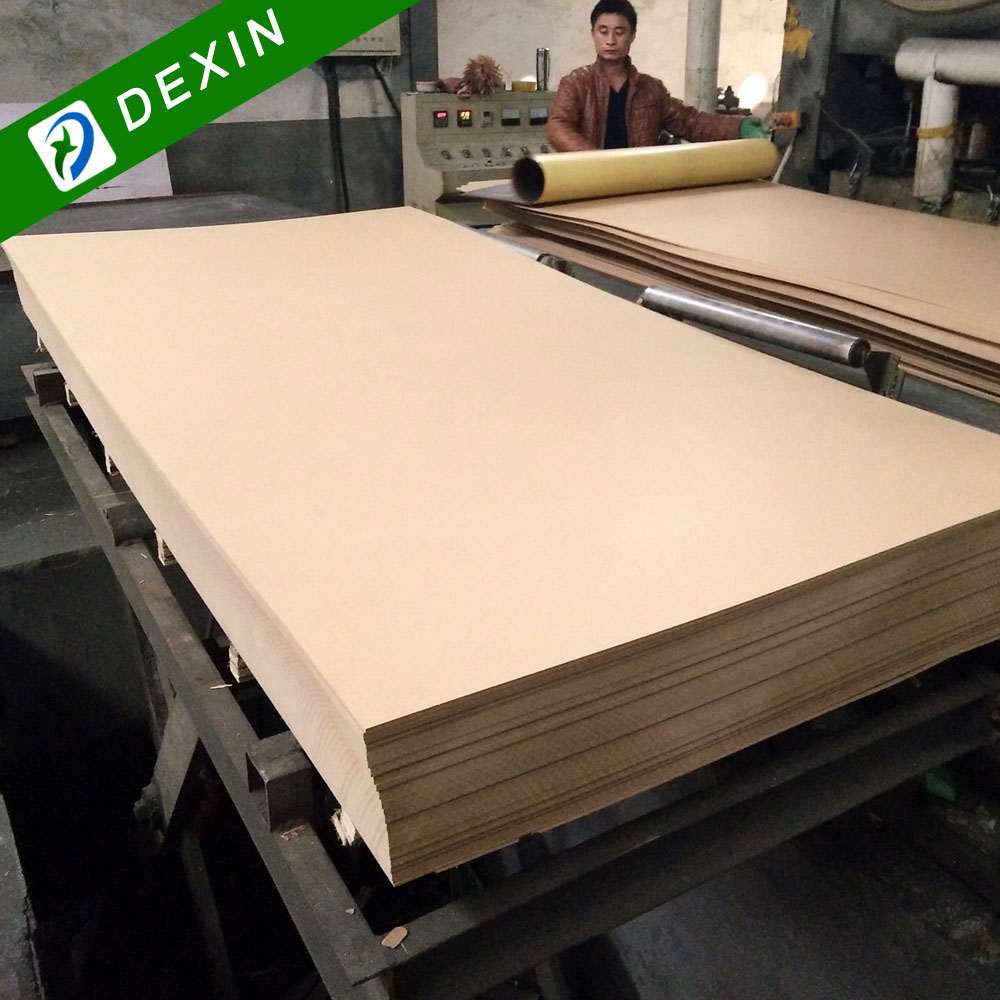
Plain MDF/HDF Board 12mm 15mm 18mm
Sanded MDF and HDF boards for cabinet components, backing frames, drawer bases, display fixtures and CNC-machined furniture. Thickness consistency matters most when panels are grooved, edged or packed as flat-pack kits for German distributors.
View product specification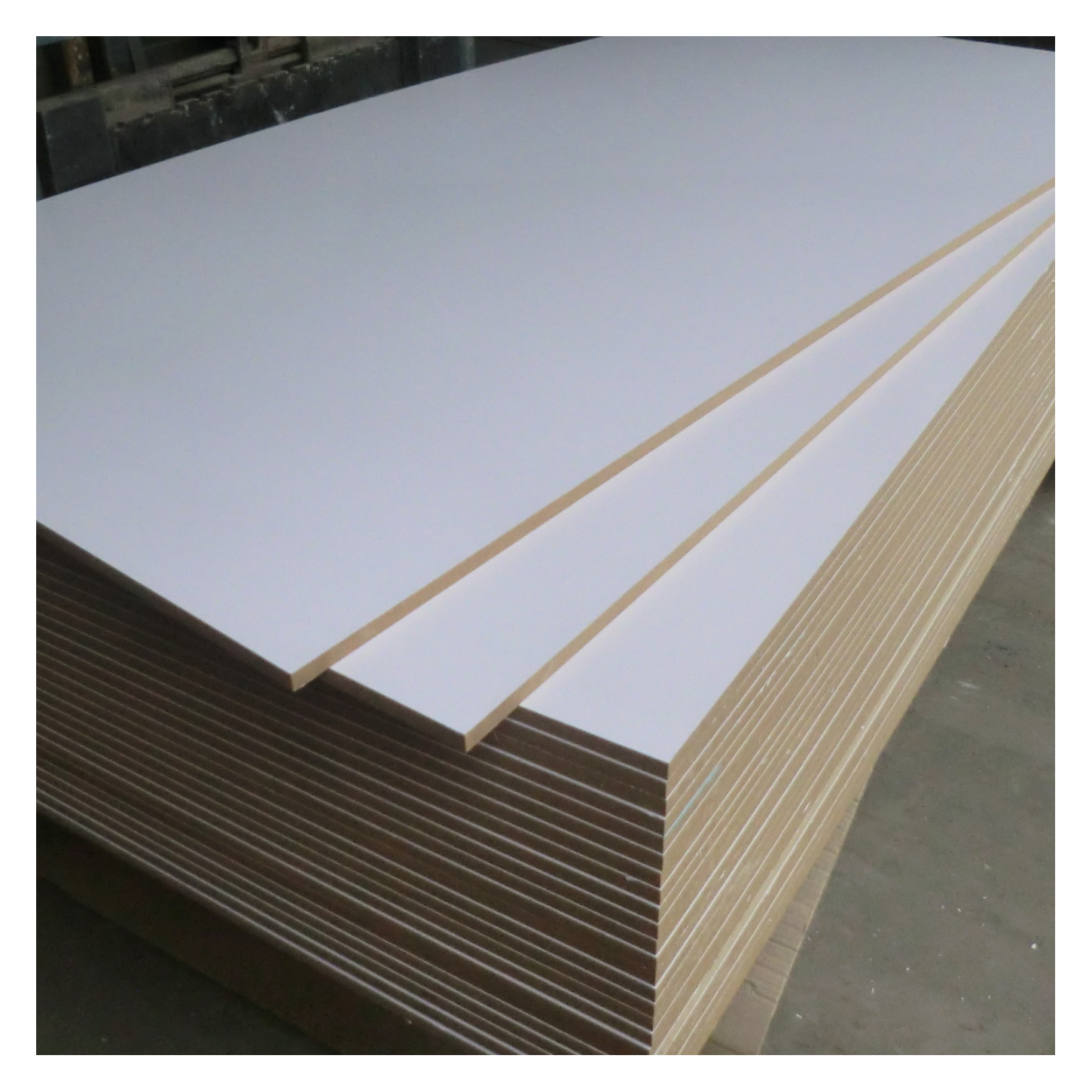
E1 Moisture-Proof Melamine MDF 18mm
18 mm E1 melamine-faced moisture-proof MDF for kitchen cabinets, bathroom vanities, laundry units and visible back panels. CE and E1 documentation can be discussed per order; confirm decor, core, density and edge-sealing requirements before container release.
View product specification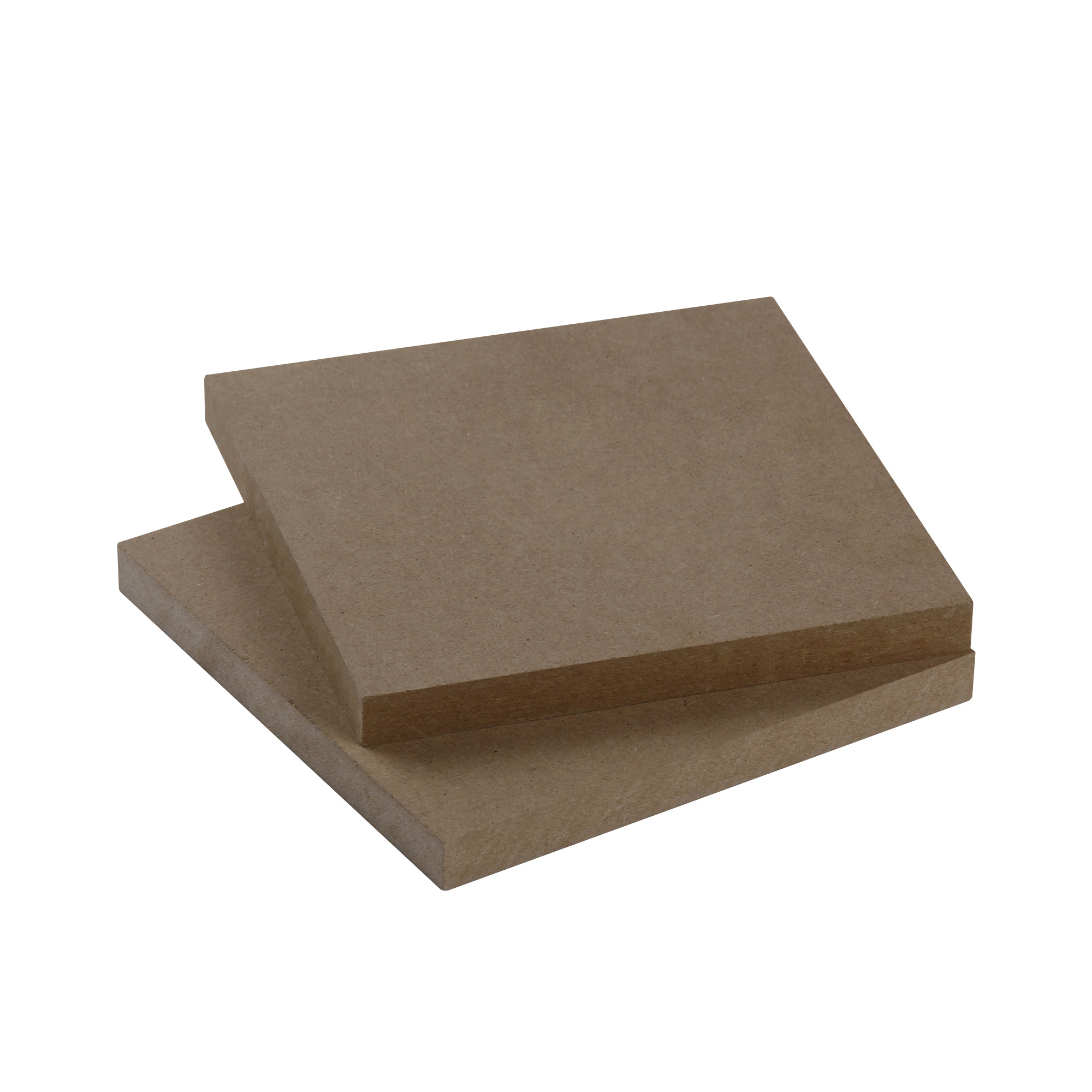
Dexin Plain Particle Board & MDF
Particle board and MDF for cost-controlled carcasses and shelving. This line is listed with E2 emission in the source product; German interior buyers should request E1/E0 or a verified low-emission equivalent before approval, especially for kitchens, bedrooms and enclosed living spaces.
View product specificationNeed a Germany-ready cabinet back panel specification?
Send thickness, decor, emission grade, order volume and destination port. The export team can confirm the suitable line, sample route and mixed-container packing.
What German Wholesalers Should Verify Before Ordering Cabinet Back Panels
The practical gap in many supplier pages is not a longer product list but a usable decision framework. Cabinet back panels are usually thin 3–5 mm HDF, MDF or plywood panels used to close the rear of a cabinet, while thicker 8–18 mm boards are used for visible backs, island backs, floating vanities and load-bearing carcass elements. German buyers need to separate these roles before comparing quotations.
18 mm E1 melamine MDF plus 4–5 mm HDF rear panels
Use moisture-resistant melamine MDF for sink cabinets, dishwasher housings and visible back panels. Use thin HDF or MDF where the cabinet design requires a grooved rear panel. Confirm edge sealing around wet zones.
3 mm HDF, 4 mm MDF or 5 mm plywood
For flat-pack wardrobes, bedroom storage and e-commerce furniture, thickness consistency and packaging protection matter as much as panel price. A stable, cleanly sanded back panel reduces returns and assembly complaints.
8–18 mm melamine MDF, plywood or decorative WPC/PVC
When the rear of a cabinet is visible from a living area, a thicker decor-matched panel or decorative facing gives a more furniture-grade finish. Specify the substrate and decorative layer separately.
Thickness Tolerance and Flatness
Back panels are often grooved or stapled at speed. A 0.2–0.5 mm thickness swing can affect fit, edge quality and packing density. Ask for the production tolerance range, not only the nominal 3 mm, 4 mm or 5 mm figure.
Emission Grade and Test Reports
E1 is the common benchmark for interior wood-based panels in Germany. E0 is a tighter commercial grade available on selected lines. Always match the exact declaration, test method and product reference to the shipment before approval.
Moisture Resistance and Edge Sealing
Kitchen, bathroom and laundry environments punish unsealed MDF edges. For German projects, request moisture-resistant cores where appropriate, sealed cut edges, and a clear statement on suitable service conditions.
Machining and Screw Holding
Thin back panels mainly need clean sanding, consistent density and low warping. Thicker MDF, HDF, plywood and particle board need predictable screw holding and clean routing. Ask for samples from the actual production line, not only showroom stock.
Export Packing and Mixed Containers
German wholesalers may combine back panels, melamine MDF, WPC panels and plywood in one container. Request pallet dimensions, corner protection, moisture barrier, steel strapping and loading photos before shipment.
Compliance and Due Diligence
Prepare a document checklist for FSC claims where applicable, CE documentation for relevant construction panel lines, ISO management certificates and timber due-diligence information. The exact package should be confirmed for each product and shipment.
Illustrative German buyer sourcing priorities
This qualitative index reflects common wholesale enquiry patterns for cabinet back panels and carcass boards. It is a procurement planning aid, not a statistical market survey.
Cabinet Back Panels in German Furniture and Fit-Out Projects
German kitchen studios, furniture manufacturers, shopfitters and wholesalers do not buy cabinet back panels as a generic commodity. They buy predictable assembly behaviour, clean surfaces, reliable decor continuity and documentation that supports their own customer promises.
Kitchen Studios and Kitchen Furniture
Rear panels protect the cabinet interior from dust and moisture while helping maintain a clean back edge. German kitchen projects often combine 18 mm moisture-resistant melamine MDF carcasses with 4–5 mm HDF backs and matching decorative panels.
Bathroom Vanities and Utility Cabinetry
Bathroom and laundry cabinets need better moisture control than dry bedroom storage. Specify moisture-proof MDF, sealed edges and suitable hardware. Thin MDF/HDF back panels should be protected from direct water contact.
Wardrobes and Bedroom Systems
For wardrobes and fitted bedroom furniture, 3 mm HDF or 4 mm MDF backs are common when the rear is not visible. Where the back panel is visible from the room, a thicker decor-matched panel gives a better furniture finish.
RTA and E-Commerce Furniture
Flat-pack furniture places a premium on stable thickness, clean edges and packaging that survives parcel networks. Low warping and consistent sanding reduce assembly complaints and returns in German online furniture channels.
Shopfitting, Hotels and Retail Displays
Decorative WPC and PVC panels work well as cabinet display backdrops, feature walls and hospitality joinery finishes. Use them with a proper substrate and trim system where the reverse side or cut edges may be visible.
Contract Joinery and Installer Supply
Joinery contractors and installer networks need repeatable panel batches. A wholesaler who can hold a consistent specification across multiple containers reduces on-site surprises and rework in large German fit-out projects.
2025–2026 Germany Trends Affecting Cabinet Panel Wholesale
Germany remains a demanding market for wood-based panels because buyers expect furniture-grade surfaces, transparent emissions information and reliable delivery from importers who understand their own downstream obligations.
Low-Emission Documentation Comes First
German buyers increasingly screen suppliers by documentation quality before discussing price. E1 declarations, test reports and consistent product references are basic expectations for interior furniture and kitchen cabinets.
Moisture-Resistant Cabinet Backs
Kitchen and bathroom specifications continue to move toward moisture-resistant MDF and better edge sealing. Wholesalers who stock a clearly labelled HMR option can serve kitchen studios and bathroom furniture makers more competitively.
Thin HDF and 4 mm MDF Back Panels
Flat-pack and fitted furniture still rely heavily on thin back panels. The growth area is not simply lower thickness; it is tighter thickness control, cleaner sanding and better protection during container transport.
Decor Coordination with Kitchen Studios
German kitchen studios expect melamine decors, decorative panels and carcass boards to work together visually. A supplier who can discuss decor matching, surface texture and batch continuity adds more value than a price list alone.
Decorative Cabinet-Back Integration
WPC, PVC and feature panels are increasingly used behind open shelving, retail displays and kitchen islands. The opportunity for wholesalers is to bundle structural back panels with decorative finishes rather than selling single categories.
Mixed-Container and Supply Resilience
German importers increasingly combine MDF, melamine boards, plywood and wall panels to make freight economics work. Mixed-container capability, clear loading photos and stable lead-time communication are practical buying criteria.
Cabinet Back Panel Selection Matrix for German Buyers
Use this matrix to align the panel type with the furniture role, then request a sample and a written specification. For any German interior project, confirm emission grade and documentation before price negotiation is finalised.
| Panel Option | Typical Thickness | Best Use | German Buyer Check |
|---|---|---|---|
| HDF back panel | 3 mm | Wardrobes, RTA furniture, light cabinet backs | Thickness tolerance, surface sanding, flatness, packing protection |
| MDF back panel | 4–5 mm | Kitchen cabinet backs, bathroom furniture, painted backs | Moisture resistance, edge sealing, E1 documentation, density |
| Plywood back panel | 5–9 mm | Utility cabinets, contract joinery, moisture-prone structures | Core gaps, face grade, glue type, dimensional stability |
| Melamine MDF or particle board | 8–18 mm | Visible cabinet backs, islands, sink units, carcass components | Decor match, core grade, screw holding, E1/E0 confirmation |
| Melamine plywood | 18 mm | Waterproof furniture, kitchen carcases, service counters | Phenolic bond, face quality, edge quality, moisture exposure |
| WPC/PVC decorative panel | Profile dependent | Showroom backdrops, feature walls, retail display backs | Substrate compatibility, trims, cleaning, fire documentation if required |
Typical ranges only. Final thickness, grade, decor, tolerance and documentation must be confirmed per order and per destination requirement.

Why KUDE Can Support German Wholesalers
Linyi KUDE International Trading Co., Ltd. is the export platform of a wood-based panel manufacturing group founded in 1998 in Linyi, Shandong, China’s largest man-made board production cluster. Being inside this cluster gives buyers shorter supply chains for veneer, glue and core materials, plus more stable communication across raw boards and finished decorative panels.
The group operates more than 30 sets of production machines in 30,000 m² of workshops, with over 300 workers and an annual output of 60,000 m³ of plywood, blockboard, MDF and particle board. The operating principle is simple: survival by quality, development by prestige. That matters when German buyers need repeatable specifications rather than one-off spot lots.
- 20+ years production experience
- 15 years of export experience
- SGS on-site assessed supplier
- OEM/ODM and custom specifications
- CE, ISO 9001, ISO 14001, FSC, CARB credentials
- E0, E1 and E2 options by product line
Panel Supply Advantages and Quality Control
For cabinet back panel wholesale, the value of a factory relationship is visible in the boring details: consistent thickness, honest emission grades, clean packing and documents that match the container. KUDE supports importers, distributors and contractors with a controlled production and export workflow.
Own Production Lines
More than 30 machine sets cover peeling, gluing, hot pressing, sanding and laminating. Owning the main process steps reduces middle-man mark-up and gives better visibility on thickness and surface quality.
Verified Quality Credentials
CE, ISO 9001, ISO 14001, FSC and CARB credentials are part of the supplier profile. Final product-specific certificates and reports must be confirmed for the exact board, thickness and shipment.
Flexible Customization
Sample-based, design-based or full customization covers size, thickness, core species, face veneer or decor, glue type, logo printing and export packaging. This is useful for wholesalers building their own private-label panel programme.
Export-Ready Logistics
FOB, CFR, CIF and EXW terms are available, with T/T and L/C payment in USD, EUR or CNY. Orders can be shipped through northern China seaports such as Qingdao for onward delivery to Hamburg, Bremerhaven or other EU gateways.
Linyi Cluster Advantage
Linyi is a deep wood-based panel cluster. For German wholesale programmes, that means access to a wide range of cores, melamine decors, plywood and decorative panel lines in one sourcing region.
Transaction Flexibility
Typical MOQ ranges from 50 to 500 sheets depending on the line, and several products can be combined in one container after specification confirmation. This helps German wholesalers test decor and thickness options before scaling.
From Raw Veneer to Loaded Container
Five checkpoints every batch passes before it leaves Linyi.
Material Selection
Veneer grading and moisture checks before gluing.
Gluing and Pressing
Controlled glue spread, cold and hot pressing cycles.
Sanding and Surfacing
Calibrated sanding, lamination or film overlay.
Inspection
Thickness, flatness, bonding and surface checks.
Packing and Loading
Export pallets, steel straps and loading photos.



Cabinet Back Panel Wholesale FAQs for German Buyers
These are the questions that repeat most often in cabinet panel and carcass board sourcing conversations with German importers, distributors, kitchen studios and contract joinery suppliers.
What thickness is usual for cabinet back panels in Germany?
Which emission grade should we request for the German market?
Are your panels suitable for kitchen and bathroom cabinets?
What is the minimum order quantity for a mixed container to Germany?
Can you match melamine decors used by German kitchen studios?
What documents can be provided for German customs and compliance?
How are panels packed for shipment to Hamburg or Bremerhaven?
Do you support OEM/private label and custom sizes?
What Incoterms and payment terms do you accept?
How should a wholesaler compare cabinet back panel suppliers?
Request a Cabinet Back Panel Wholesale Quote for Germany
Send your required panel type, thickness, decor, emission grade, order volume and destination port. Include whether the panel is a 3–5 mm rear panel, an 8–18 mm visible back, or a decorative facing for a kitchen, bathroom, wardrobe or contract project. The team will respond with a suitable product direction, sample route and export packing proposal.