Cabinet Door Core Materials Factory & Suppliers Serving the Italy Market
Engineered MDF/HDF, melamine-faced plywood and moisture-resistant panels for Italian kitchen, wardrobe and contract furniture makers — with E1/E0 options, FSC/CARB/CE documentation and export logistics via Genoa, La Spezia, Trieste and Ravenna.
Eight Cabinet Door Core and Panel Products for the Italy Market
The product set below reflects the enquiries we receive from Italian cabinet makers, importers and contractors. Core panels are shown alongside complementary construction panels because many buyers consolidate mixed containers for furniture production, contract fit-out and formwork projects.

Plain MDF / HDF Board, 12–18 mm
Raw, sanded MDF/HDF for cabinet door cores, CNC routing, painting and lamination. Specify E1/E0, density profile and HMR options for Italian kitchen and bathroom furniture.
- 1220×2440 mm
- 12/15/18 mm
- E1/E0
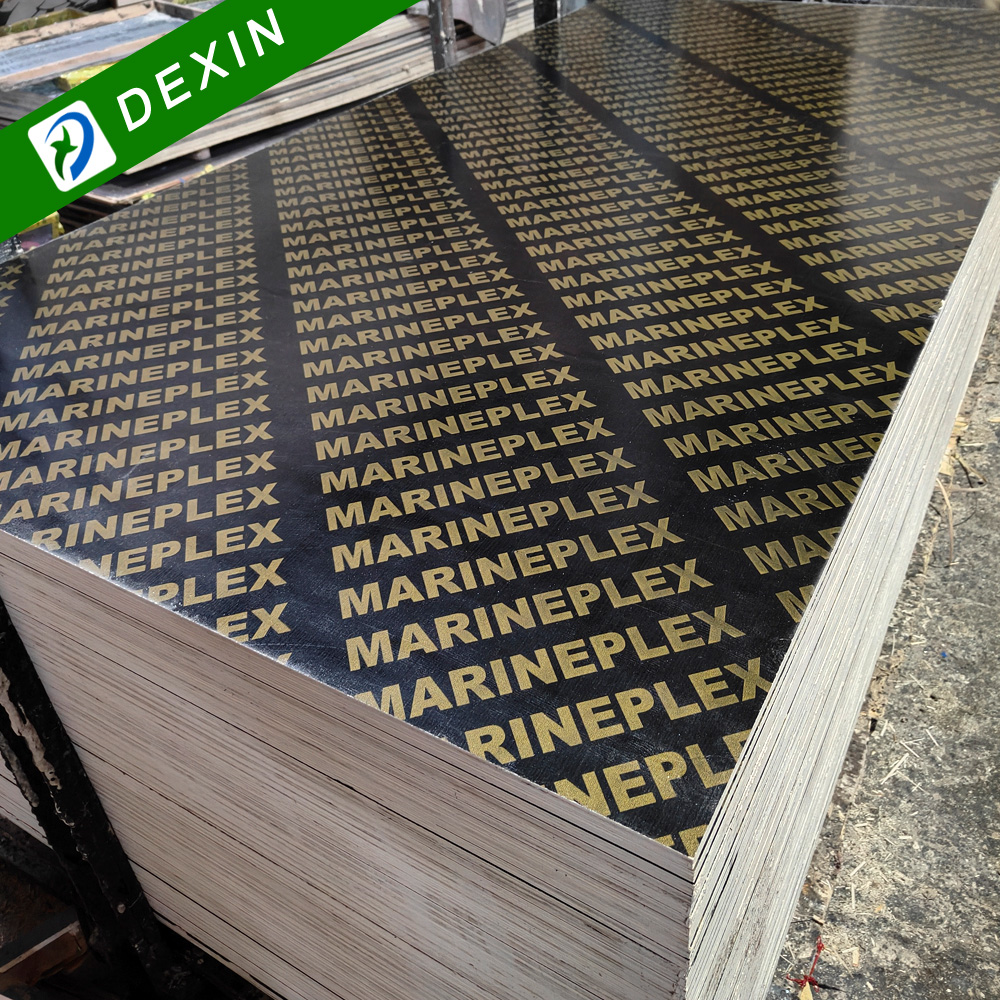
Black Film Faced Concrete Plywood, 9–25 mm
WBP film faced plywood for concrete formwork and site protection. A complementary panel for Italian contractors sourcing furniture-grade boards and construction panels in one programme.
- 4×8 ft
- WBP
- Black film
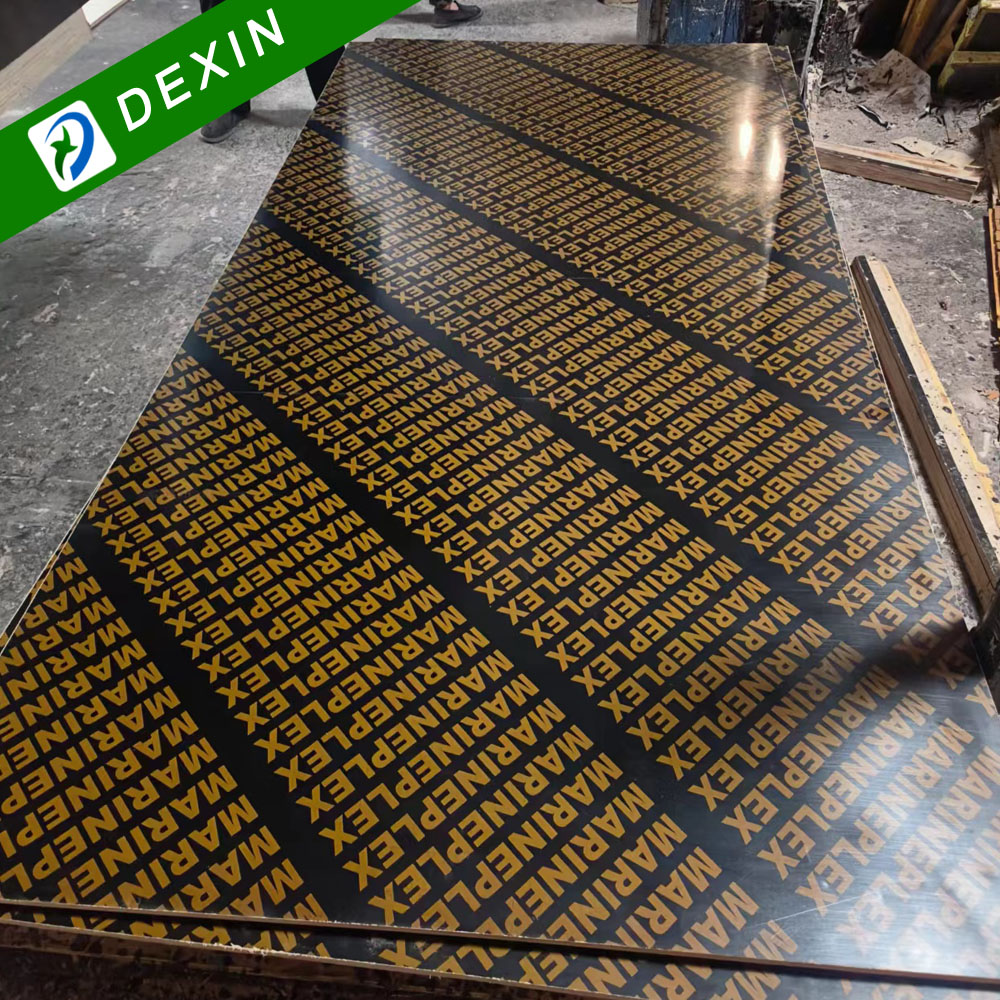
Film Faced Marine Plywood, 9–18 mm
Construction formwork and wet-area project panel with dense poplar or eucalyptus core. Suitable where moisture exposure is higher than a standard interior cabinet core.
- 1220×2440
- 9/12/15/18
- WBP

Spruce H20 Timber Beam, 80×200 mm
Water-resistant H20 beam for concrete formwork systems. Not a cabinet door core, but useful for Italian contractors combining interior panel and site formwork procurement.
- 80×200 mm
- Custom length
- Spruce

Melamine Coated Plywood, 1200×2400×18 mm
Melamine-faced marine plywood for furniture, wet kitchens and cabinet carcasses. Custom thickness and decor options support Italian furniture factories and importers.
- 1200×2400
- 18 mm
- Custom
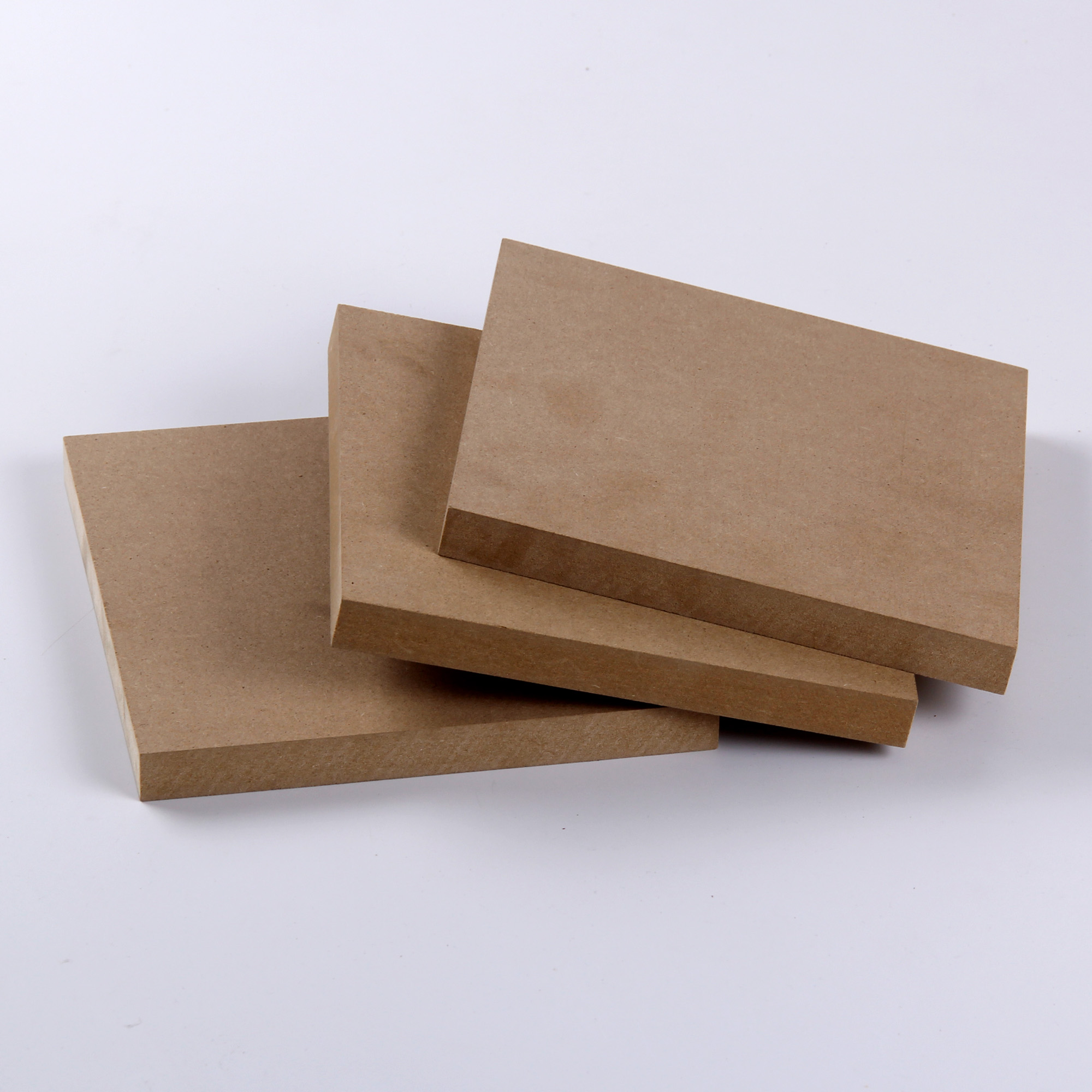
Raw MDF/HDF Board, 5–18 mm
Factory-standard raw panels for door cores, profile wrapping, laminate substrates and painted components. Thickness and sanding quality are confirmed per order.
- 5/6/8/9/18
- Raw
- Sanded
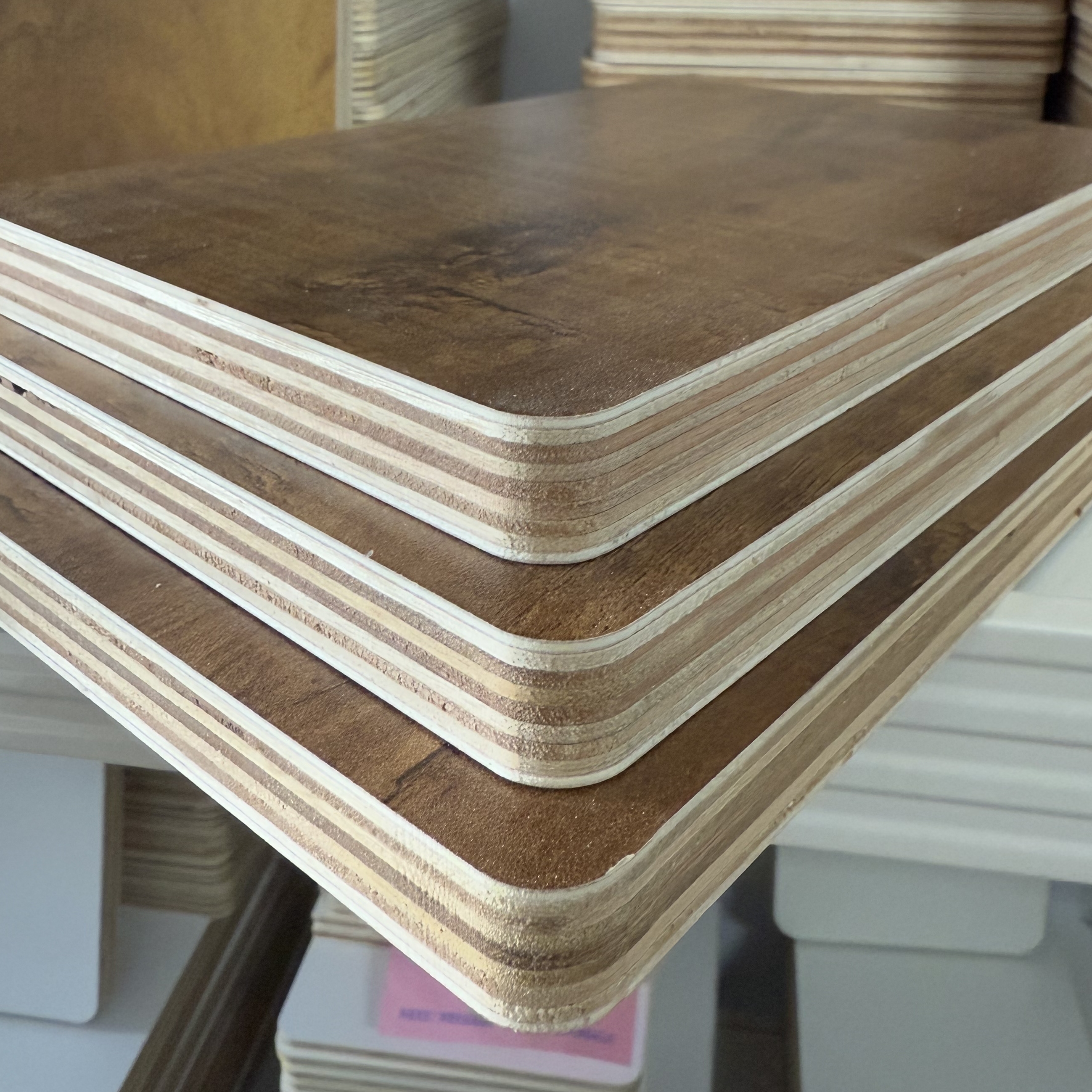
Waterproof Melamine Laminated Plywood, 18 mm
White wood-grain and marble-grain melamine plywood for bathroom, kitchen and contract furniture where a wipe-clean face and moisture tolerance are required.
- 4×8
- 18 mm
- Waterproof
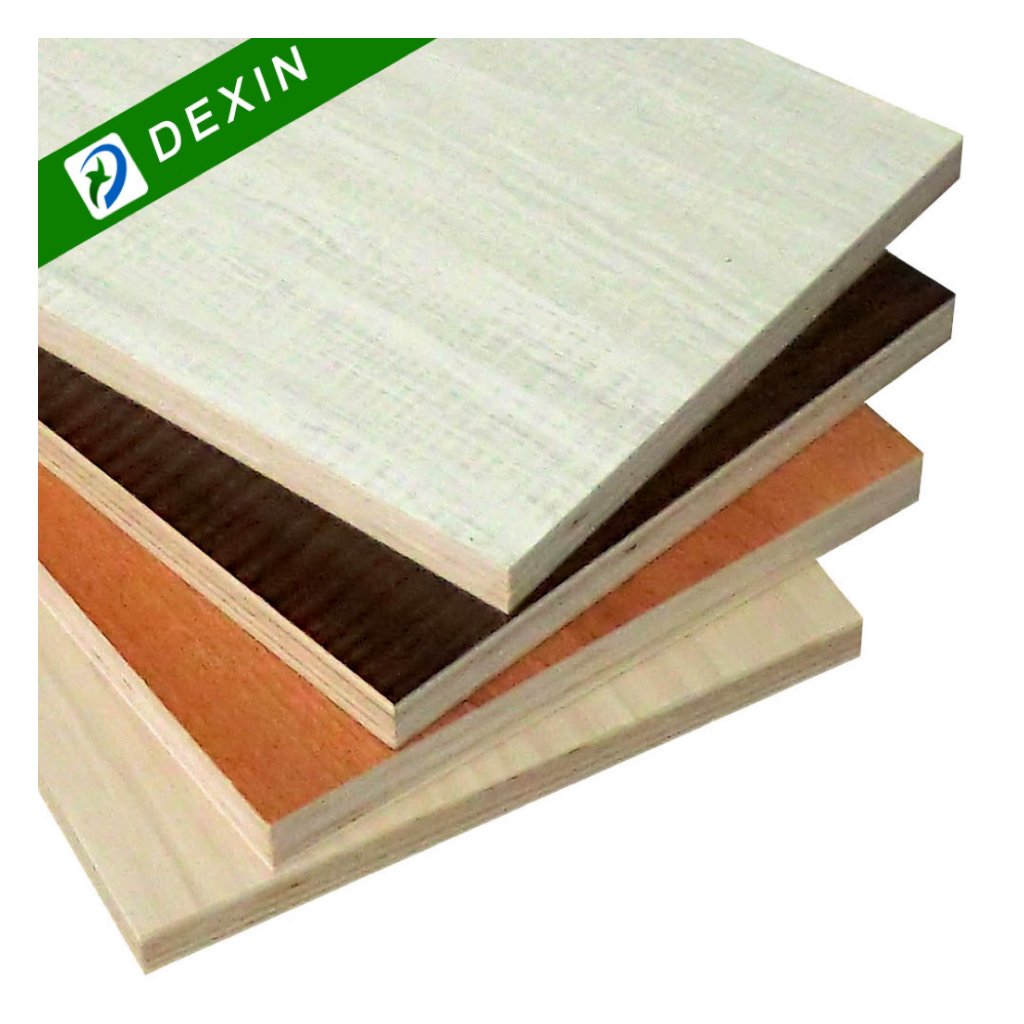
E0 Melamine Plywood for Furniture Cabinets
First-class melamine plywood in 3/12/18 mm for cabinet doors, cupboards and contract furniture. Suitable where a specified low-emission grade and decorative face are required.
- 3/12/18
- E0
- 4×8
All product URLs above are preserved. Final size, thickness, core, surface, emission grade and packing are confirmed against the purchase order and approved sample.
Why the Core Decides the Performance of an Italian Cabinet Door
Italian cabinet making is design-led, but the door is also an engineered assembly. The core affects flatness, hinge performance, edgebanding, coating and long-term stability in different Italian climates.
In Italy, cabinet door core material is not a commodity line item. The core influences flatness after CNC machining, hinge screw retention, edgebanding adhesion, paint absorption and how a door behaves in a kitchen in Milan, a bathroom in Liguria or a contract apartment near the Adriatic coast. For importers and distributors, the buying question is not simply “What is the cheapest 18 mm MDF?” but “Which core can my customer machine, finish, assemble and deliver without returns?”
Italy’s furniture industry is export-oriented and highly customised. Factories in Lombardy, Veneto, Friuli, Tuscany and Marche often work with thin margins and demanding delivery schedules. They need repeatable density, thickness tolerance, surface quality and batch-to-batch decor consistency. A sample that looks correct is not enough; production lots must machine the same way and accept the same edgeband, hinge pattern and coating system.
KUDE has supplied wood-based panels since the group was founded in 1998 in Linyi, Shandong, China’s largest wood-based panel cluster. Our workshops cover more than 30,000 m², with over 300 workers, 30-plus machine sets and an annual output of 60,000 m³. We export to more than 30 countries. That production base matters to Italian buyers because veneer, glue, core material and pressing capacity sit close together, which supports consistent batches and faster reaction to specification changes.
At the same time, a factory-direct offer is only useful if it reduces risk. The Italian buyer needs a supplier who can confirm sheet format against nesting software, match surface decor across production runs, provide E1/E0 documentation, protect edges during sea freight and load containers as agreed. Our approach is to treat every order as a small technical project: material, surface, packing, documents and delivery are fixed before production begins.
This page is therefore a working reference for cabinet door core materials in Italy. It combines product recommendations, local application scenarios, procurement trends and the questions Italian buyers ask most often. Final grades, tolerances and compliance documents are confirmed per order.
Before you compare quotations, lock these four inputs
- ✓Use environment: dry kitchen, humid bathroom, coastal contract project or marine interior.
- ✓Machining and finish: paint, PET, UV, melamine, veneer, edgebanding and hinge pattern.
- ✓Sheet format: 1220×2440 mm, 2800×2070 mm optimisation or cut-to-size nesting.
- ✓Compliance: E1 baseline, E0 requests, FSC, CE, CARB and EUTR/EUDR due-diligence documents.
Cabinet Door Core Selection Matrix for Italian Fabricators
The matrix below is a practical starting point. It is not a substitute for sample approval, hardware testing or a full technical data sheet.
Cabinet Door Core Materials in Italian Application Scenarios
Italy is not one market. A kitchen factory in Lombardy, a contract joiner in Rome and a marine interior workshop on the coast need different balances of flatness, moisture resistance, surface quality and documentation.
Kitchen cabinet doors in Lombardy and Veneto
Lombardy and Veneto contain dense networks of kitchen and furniture manufacturers, many serving export markets. These plants often run high-speed CNC centres and edgebanders, so the core must machine cleanly and maintain thickness. 18 mm MDF/HDF with a stable density profile is widely used for painted, PET and UV doors, while melamine-faced plywood suits carcasses and exposed interior panels. The buying priority is not just price per sheet; it is flatness after machining, consistent colour and reliable delivery into a production schedule.
Wardrobe and sliding-door systems
Large wardrobe fronts amplify any warp, surface defect or edgebanding weakness. Italian wardrobe makers often prefer MDF/HDF where a smooth, uniform face is required, or plywood where screw holding and moisture tolerance matter. For melamine and PET surfaces, decor consistency between batches is critical. We recommend approving a production sample, confirming the edgeband supplier and checking the panel flatness after acclimatisation in the factory, not only at the port or warehouse.
Bathroom furniture in humid and coastal regions
Italian bathroom furniture often combines design detail with daily moisture exposure. Standard interior MDF may perform well in a dry wardrobe but is not the first choice for a shower-adjacent cabinet. HMR MDF, WBP marine plywood or a sealed moisture-resistant core should be specified, with edge sealing and back-panel protection. For coastal projects in Liguria or along the Adriatic, buyers should request the glue type, water-resistance test reference and recommended hardware protection before confirming the order.
Contract and hospitality projects in Milan and Rome
Hotel, student housing and serviced-apartment projects require repeatable quality across hundreds of doors and cabinets. The core specification must be locked early, and colour matching must be controlled across production lots. Italian contractors increasingly ask for FSC, E1/E0 and test documentation as part of tender packages. For KUDE, this means agreeing on a batch code, keeping samples, preparing packing marks by floor or apartment zone and supplying loading photos before departure.
Marine and yacht interiors along the coast
Italy’s marine and yacht interior sector uses plywood where structural confidence and moisture tolerance are essential. Cabinet doors and joinery panels may need a marine-grade core, balanced construction and sealed edges. Film faced and melamine-faced marine plywood can support wet areas, galley furniture and crew areas. The specification should identify glue type, core species, face quality and any class or flag-state documentation required by the yard. Standard interior MDF should not be substituted without written approval.
Retail and exhibition fit-out
Retail and exhibition projects in Italy often demand fast machining, clean painting and short delivery windows. MDF/HDF is popular for painted counters and display units, while melamine-faced boards reduce finishing time. Because these projects may be temporary, buyers balance cost with surface quality and screw holding. Protective packaging and batch labels help reduce site damage. For repeat roll-outs, a single approved core specification across shops is more valuable than a small price difference on a single container.
Italy Market Trends: What Buyers Are Changing in 2025–2026
The Italian procurement conversation is moving from “board price” to “predictable system cost”. These are the trends our export team sees in technical enquiries and order specifications.
Compliance-first procurement
E1 remains the practical baseline for wood-based panels in the EU, but Italian buyers increasingly ask suppliers to prove batch consistency and provide voluntary low-emission grades where specified. FSC, CARB and CE-related documents are requested more often in tender packages. Because the EU Timber Regulation and the EU Deforestation Regulation affect wood supply chains, importers want documentation early, not after the container is booked. KUDE prepares certification and material statements per order and confirms what can be issued before shipment.
Sheet-format optimisation
Many Italian factories optimise cutting around 2800×2070 mm or other European formats, while international trade still defaults to 1220×2440 mm. The wrong format can increase waste or require extra cutting. We ask buyers to share their nesting pattern, annual volume and edgebanding direction so that sheet size and thickness can be aligned. For mixed orders, 4×8 ft remains convenient, but custom sizes can be quoted when volume supports it.
Surface fashion and tactile finishes
Matt, soft-touch, PET, UV high gloss and marble-effect surfaces continue to appear in Italian kitchen and living furniture. These finishes place more emphasis on substrate flatness, surface cleanliness and batch colour control. A premium PET or UV face cannot compensate for an unstable core. Italian buyers increasingly approve the complete build-up — core, adhesive, face and edgeband — rather than selecting the decor from a sample book alone.
Supplier consolidation and mixed containers
Distributors want fewer suppliers without reducing range. A single container may combine raw MDF/HDF, melamine plywood, film faced plywood and H20 beams for different customer groups. Mixed loading reduces inventory risk but requires disciplined packing marks and specification control. KUDE can combine several product lines in one container after specifications and sheet counts are confirmed, which is useful for Italian importers serving both furniture factories and construction contractors.
Port and inland logistics planning
Italian buyers commonly route containers through Genoa, La Spezia, Trieste or Ravenna, then arrange inland transport to furniture districts. Port choice affects transit time, customs handling and inland trucking cost. Seaworthy export pallets, steel straps, corner protection and clear batch labels help reduce damage and claims. During peak seasons, booking discipline matters as much as production speed. Our export team confirms the shipping plan, documents and loading sequence before the container leaves Linyi.
Digital evidence of quality
Italian importers increasingly expect digital proof before shipment: loading photos, batch labels, packing lists, test reports and, for repeat customers, live video inspection. This does not replace independent inspection, but it reduces surprises. For custom cabinet door cores, we recommend approving a retained sample and referencing it in the purchase order. When the production batch is ready, the sample, batch record and loading photos create a traceable chain from Linyi to the Italian factory.
What Is Checked Before a Cabinet Door Core Container Leaves Linyi
Quality is not a certificate on a wall. It is a set of checks performed on raw material, glue line, press cycle, sanding line and final surface.
Our production group works to ISO 9001 and ISO 14001 systems, holds CE, FSC and CARB certifications, and has passed an on-site assessment by SGS. Formaldehyde grades E0, E1 and E2 are available depending on product and market. These credentials are useful, but they must be connected to the actual order: product, thickness, glue type, surface, batch and destination.
One practical point for Italian buyers: E1 is the regulatory baseline in the EU for wood-based panels; E0 is often used commercially in some supply chains to signal a lower-emission specification. The correct approach is to state the required test method, limit and documentation in the purchase order, then verify the test report. We recommend that buyers do not accept “E0” as a marketing word without a report and a batch reference.
For custom cabinet door cores, quality also means consistency after machining. A panel may pass a visual inspection but still create problems if density varies across the sheet, if thickness caliper drifts, or if the melamine face changes colour between lots. That is why our checks include raw material, glue spread, pressing, sanding, lamination, flatness and packing — not only the final surface.
Raw material and density
Veneer grading, moisture checks, fibre quality and density verification before gluing or lamination.
Glue and pressing
Controlled glue spread, press cycle and glue selection for MR, WBP or project-specific requirements.
Sanding and surfacing
Calibrated thickness, flatness control and melamine, UV, PET or film-faced surface application.
Inspection and packing
Bonding, surface, caliper and flatness checks; export pallets, steel straps and loading photos.
Inside KUDE: Factory Advantages That Reduce Buyer Risk
KUDE is the export platform of a manufacturing group founded in 1998 in Linyi, Shandong. Our advantage is not a single machine; it is the combination of production depth, export experience and willingness to customize.

A manufacturing group in China’s largest wood panel cluster
Being located in Linyi gives our buyers short supply chains for veneer, glue and core materials, and stable pricing across seasons. The group runs more than 30 sets of production machines in 30,000 m² of workshops, with over 300 workers and an annual output of 60,000 m³ of plywood, blockboard, MDF and particle board.
Our principle is simple: survival by quality, development by prestige. For Italian buyers, this translates into practical support: confirming a producible specification, keeping an approved sample, preparing export documentation and communicating before a problem becomes a claim.
We support sample-based, design-based and full customization, including size, thickness, core species, face veneer or decor, glue type, logo printing and export packaging. Payment terms include T/T and L/C in USD, EUR or CNY, with FOB, CFR, CIF and EXW options.
Own production lines
30-plus machine sets covering peeling, gluing, hot pressing, sanding and laminating — direct factory control over core products.
Verified quality
CE, ISO 9001, ISO 14001, FSC and CARB. Emission grades E0, E1 and E2 matched to destination-market requirements.
Flexible customization
Size, thickness, core, face, glue, logo printing and packaging can be customised after sample and specification approval.
Export-ready logistics
FOB, CFR, CIF and EXW; T/T and L/C; seaworthy pallet packing, batch labels and complete export documentation.




FAQ for Italian Importers, Distributors and Cabinet Makers
These are the questions our export team receives most often from the Italian market. They are written for buyers comparing factory-direct suppliers of cabinet door core materials.
Which core is better for Italian kitchen cabinet doors: MDF, HDF or plywood?
For painted, UV or PET doors, 18 mm MDF/HDF usually gives the flattest and most uniform surface for CNC and coating. HDF offers higher density and better screw pull-out for hinges or fittings. Plywood is chosen where moisture tolerance, screw holding or a structural function matters, such as bathroom cabinets, marine interiors or contract joinery. The final choice depends on door size, hardware, finish and room humidity. We recommend testing the exact core, edgeband and hinge combination before mass production.
Can you supply E1 or E0 MDF/HDF and melamine plywood?
Yes. We can supply E1, E0 and E2 grades depending on product, thickness and order volume. E1 is the relevant baseline for the EU market; E0 is a commercial low-emission specification requested by some buyers. Please include the required test method and limit in the purchase order. We provide available test reports and batch references. FSC, CARB, CE and ISO documents are also available where applicable to the product and order.
What is the MOQ, and can I mix products in one container?
MOQ depends on the product line, typically from 50 to 500 sheets. Italian importers often combine MDF/HDF, melamine plywood, raw MDF and complementary construction panels in one container. Mixed loading is possible after specifications, sheet counts and packing plan are confirmed. It reduces inventory risk for distributors and lets furniture factories test more than one core grade before scaling up.
Do you provide FSC, CE, CARB and EUTR/EUDR documents for Italy?
Our manufacturing group holds CE, ISO 9001, ISO 14001, FSC and CARB certifications and has passed an on-site assessment by SGS. We prepare the documents available for each product and order, including material statements, certificates and packing lists. For EU Timber Regulation and EU Deforestation Regulation requirements, we discuss the due-diligence information the importer needs before shipment. The importer remains responsible for final compliance, so documents should be reviewed before the order is confirmed.
How do you ship to Italy, and what Incoterms do you accept?
We quote FOB, CFR, CIF and EXW terms. Typical Italian discharge ports include Genoa, La Spezia, Trieste and Ravenna, with inland delivery quoted on request. Production lead time is confirmed after specification and deposit; sea transit varies by port and schedule. We use seaworthy export pallets, steel straps, corner protection and batch labels. Loading photos and packing lists are provided so the importer can plan customs clearance and inland transport.
Can you customize sheet size, thickness, surface and packaging?
Yes. We support sample-based, design-based and full customization: size, thickness, core species, face veneer or decor, melamine/UV/PET/film surface, glue type, logo printing and export packaging. For Italian buyers, common requests include 18 mm cabinet door cores, white or wood-grain melamine faces, waterproof glue for humid rooms, and sheet formats matched to CNC optimisation. Send drawings, samples or target specifications, and our team will propose the closest producible specification.
Build a More Predictable Cabinet Door Supply Chain
Send your door type, core thickness, surface, sheet format, emission requirement and destination port in Italy. KUDE will reply with a technical proposal, available documentation and a factory-direct quotation for the Italian market.