8 Cabinet Door Core & Surface Products for Turin Buyers
These eight product lines can be quoted individually or combined for a mixed-container order. Product images are displayed in full proportion and every original product URL is retained for direct specification review.
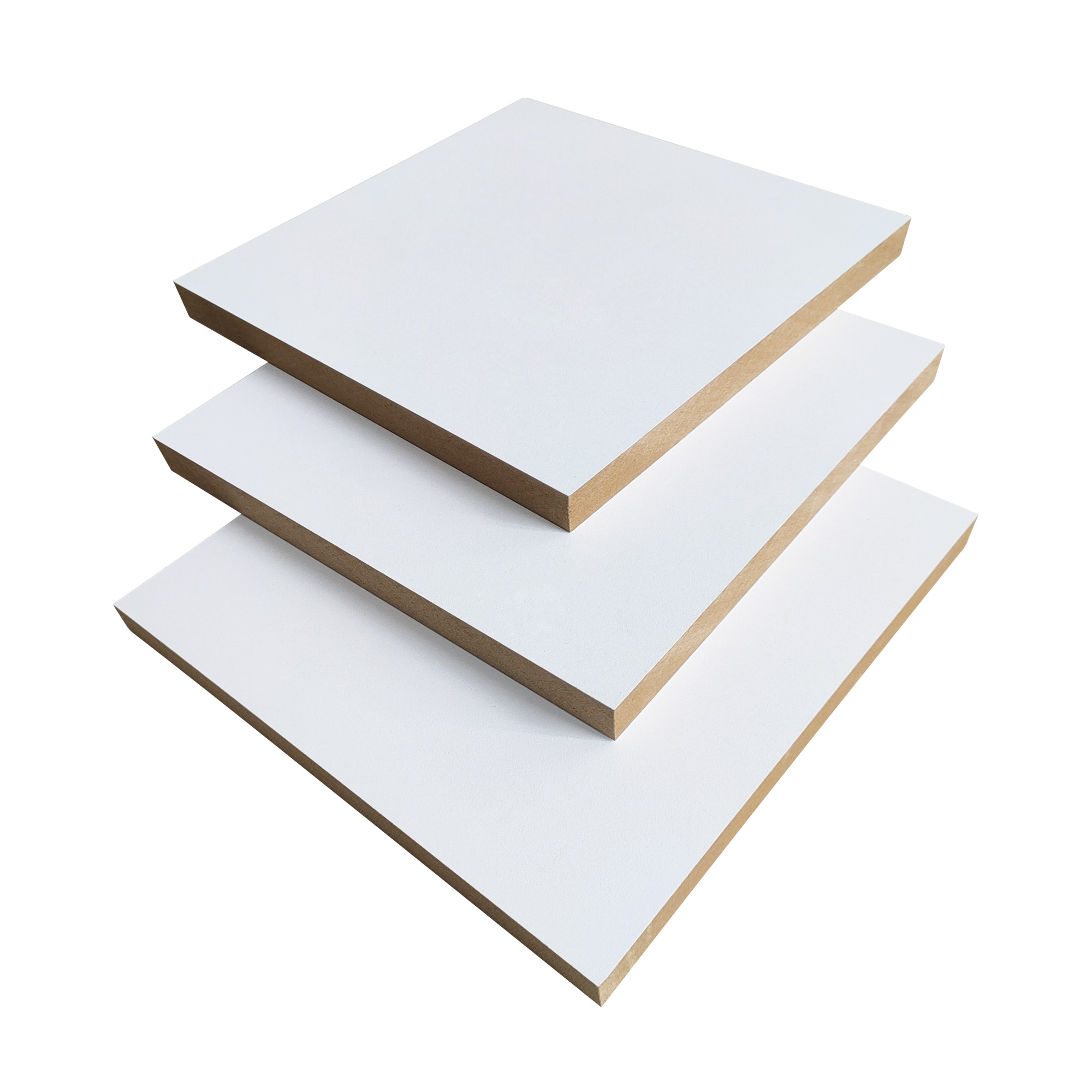
White Melamine MDF for Kitchen Doors
4x8ft E1 melamine-faced MDF in 3, 6, 9, 12 and 16mm for clean white kitchen door fronts, pantry panels and wardrobe internals. A practical choice for Turin projects needing a consistent, wipe-clean decorative face.
View product →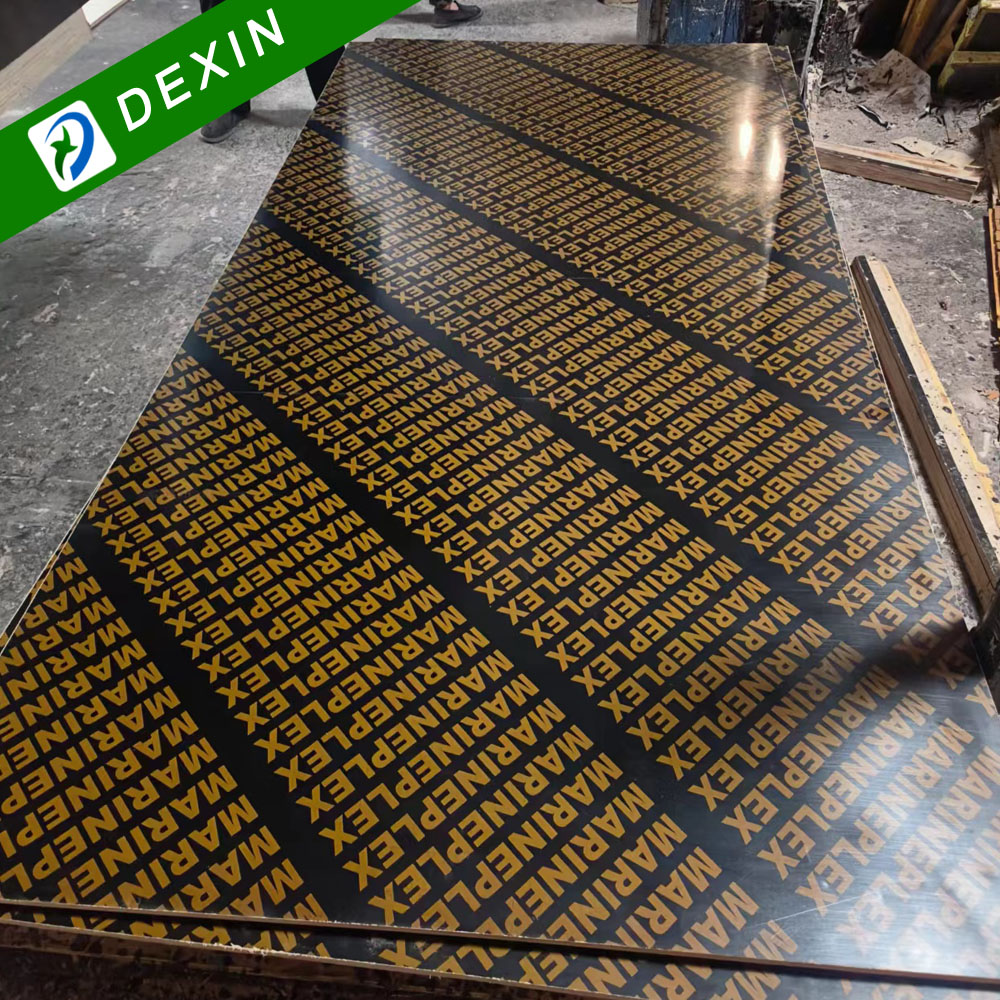
Film Faced Plywood 9–18mm
1220×2440mm film-faced plywood in 9, 12, 15 and 18mm for workshop jigs, heavy-duty utility cabinets and project furniture. The resin film surface resists moisture and abrasion, making it useful alongside decorative cabinet door cores.
View product →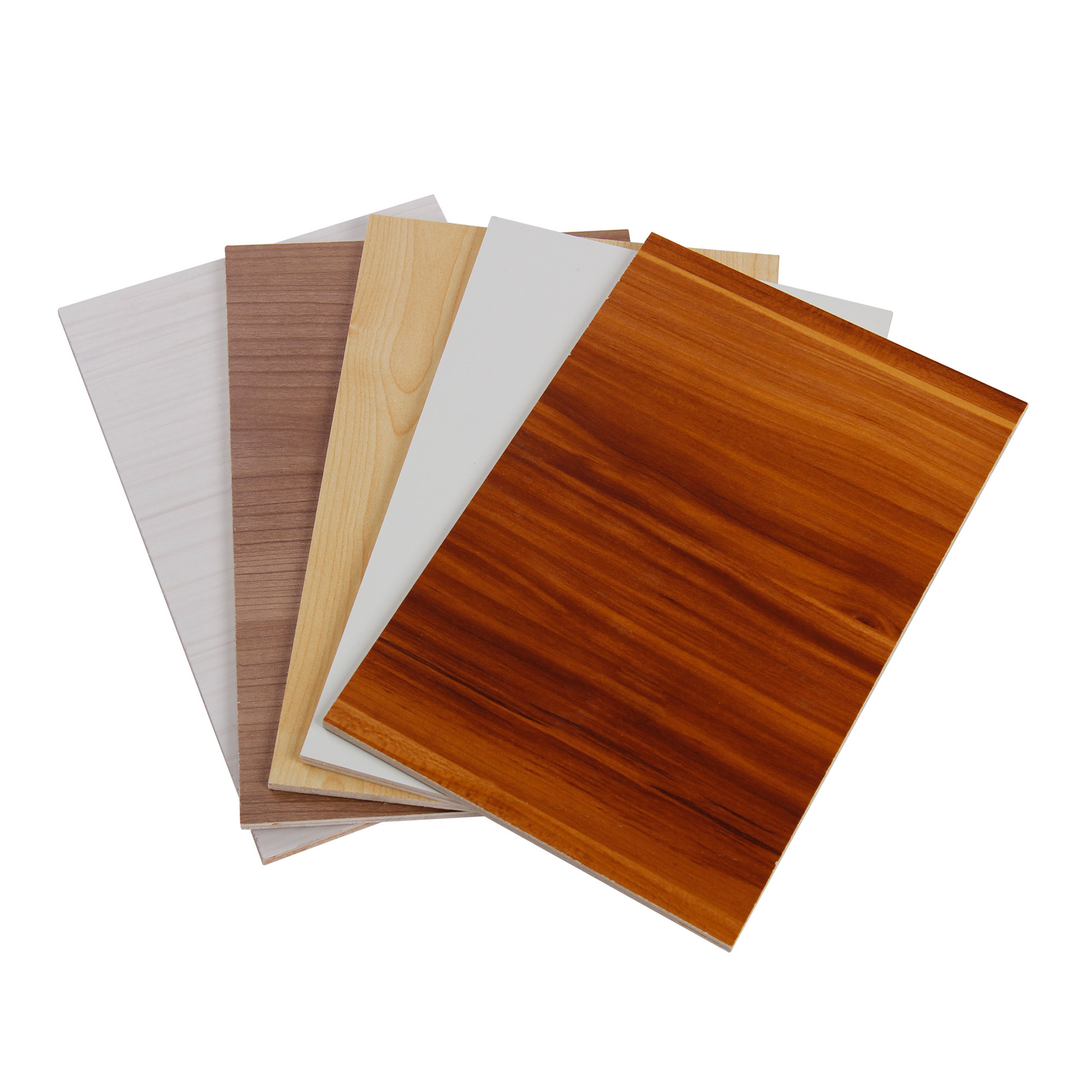
Melamine Plywood for Furniture
12, 15, 16 and 18mm melamine plywood for furniture making, wardrobe doors and contract cabinetry. The plywood core improves screw-holding and moisture tolerance where Turin buyers need stronger door construction than a standard particleboard core.
View product →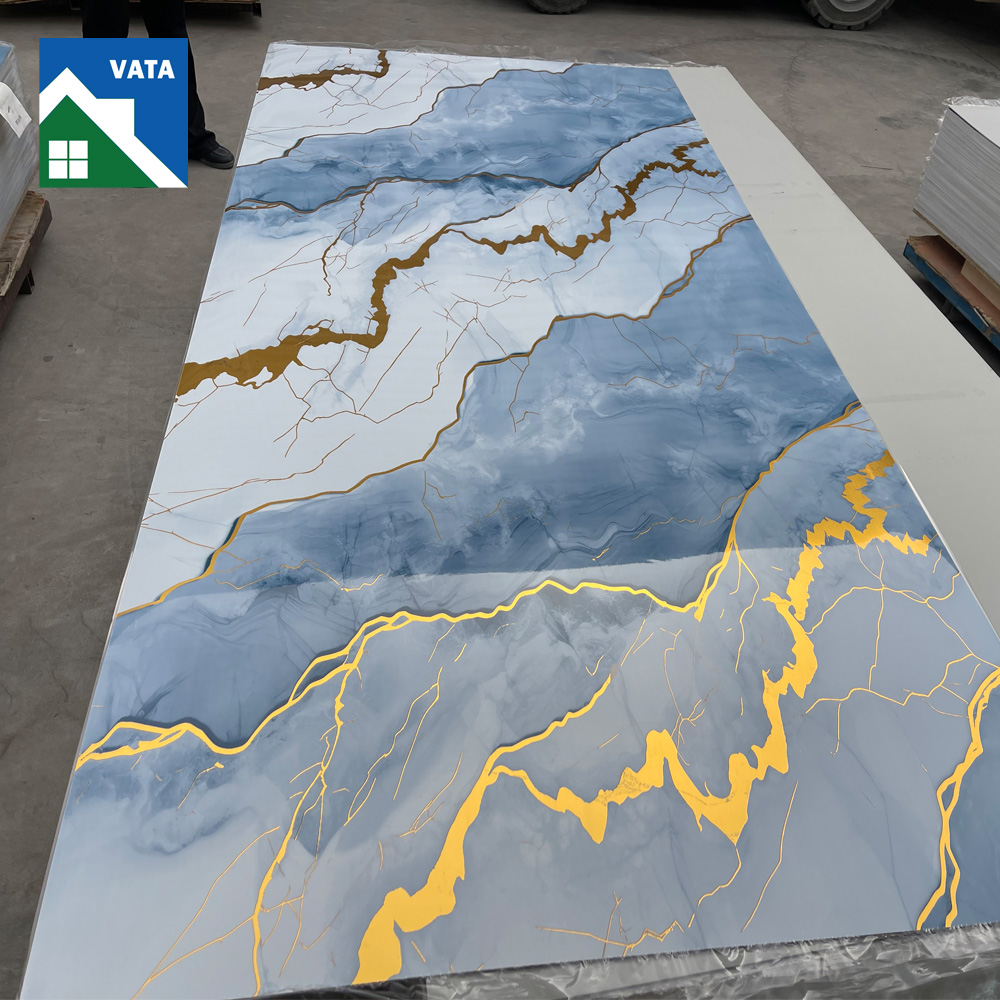
High-Gloss Bendable PVC/UV Panel
A customizable, bendable high-gloss PVC/UV sheet for curved kitchen cabinet doors, display fixtures and feature panels. Lightweight and fast to install, it suits Turin design studios experimenting with radiused fronts and seamless surfaces.
View product →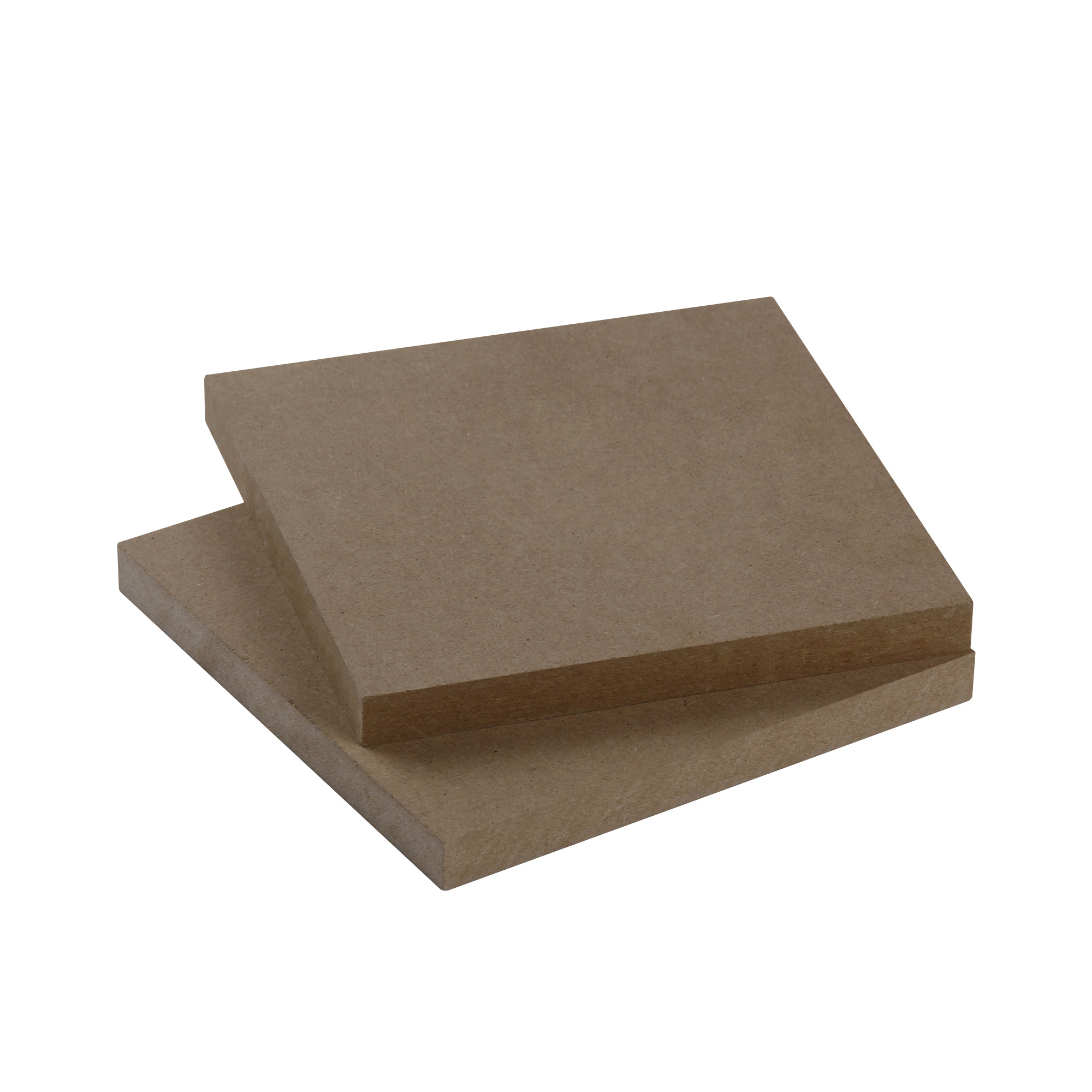
Moisture-Proof Particle Board & MDF
Dexin first-class plain particle board and MDF with moisture-proof options for painted or laminated cabinet door cores. Cost-effective for volume apartment fit-outs; for Turin residential orders, confirm E1/E0 upgrade before production.
View product →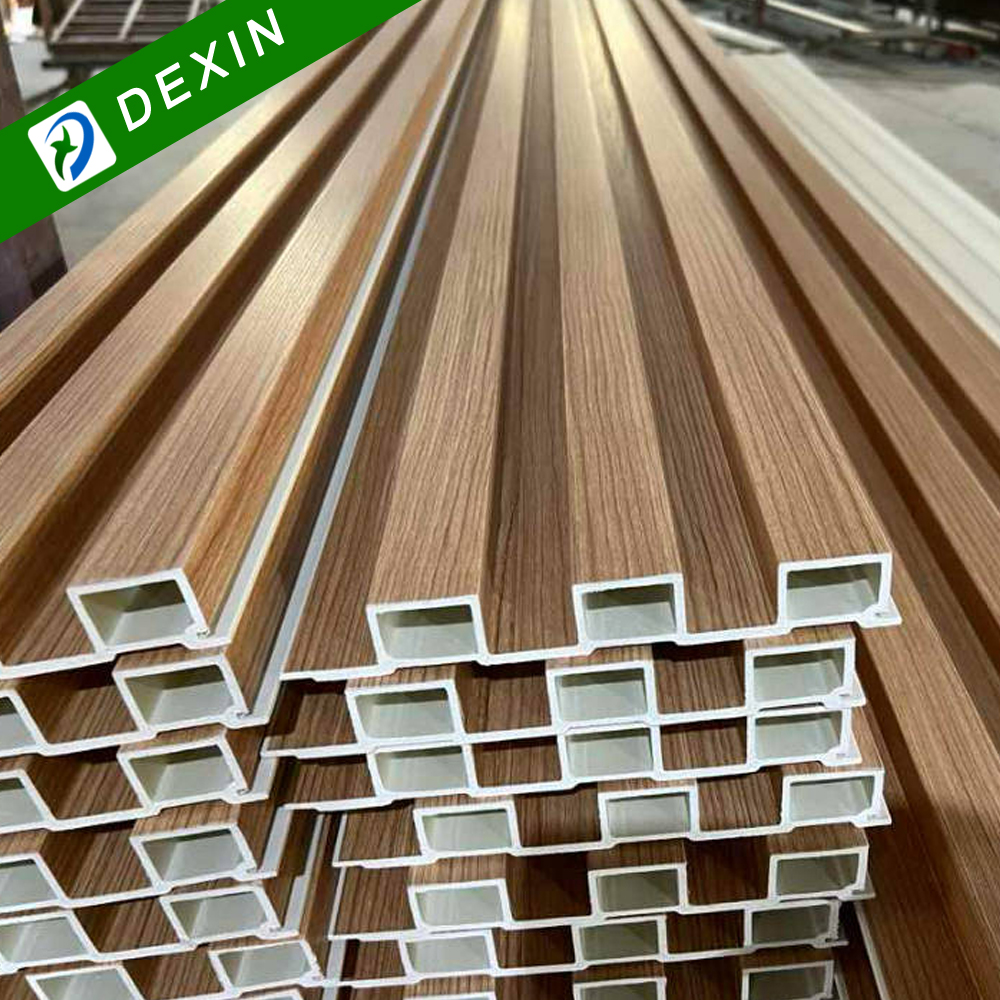
Interior PVC/WPC Decorative Panels
Modern interior PVC/WPC wall panels for hotel interiors, kitchen showrooms and cabinet feature walls. Use them to create design continuity around white melamine or raw MDF door fronts without changing the structural door core.
View product →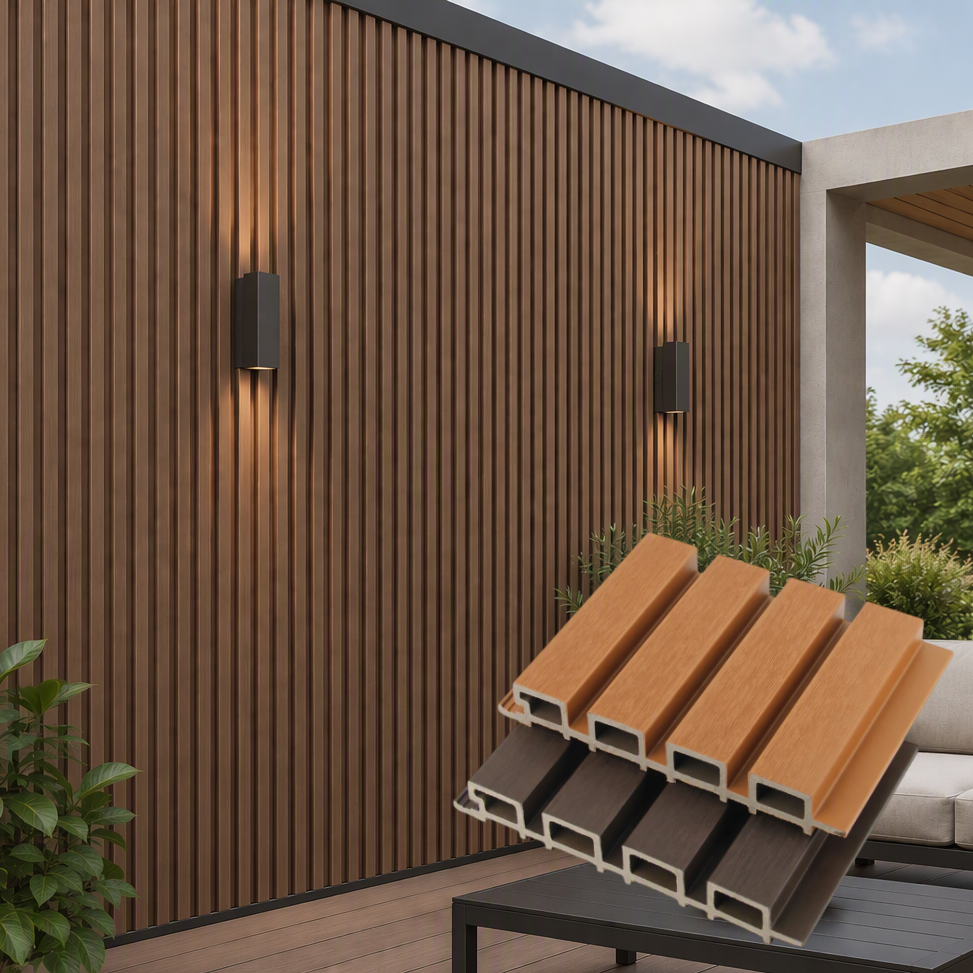
Co-Extruded Fluted WPC Cladding
New-style outdoor WPC wall cladding with a waterproof co-extruded fluted facade for villas and textured architectural features. It can also frame kitchen islands and tall cabinet surrounds where a wood-grain rhythm is required.
View product →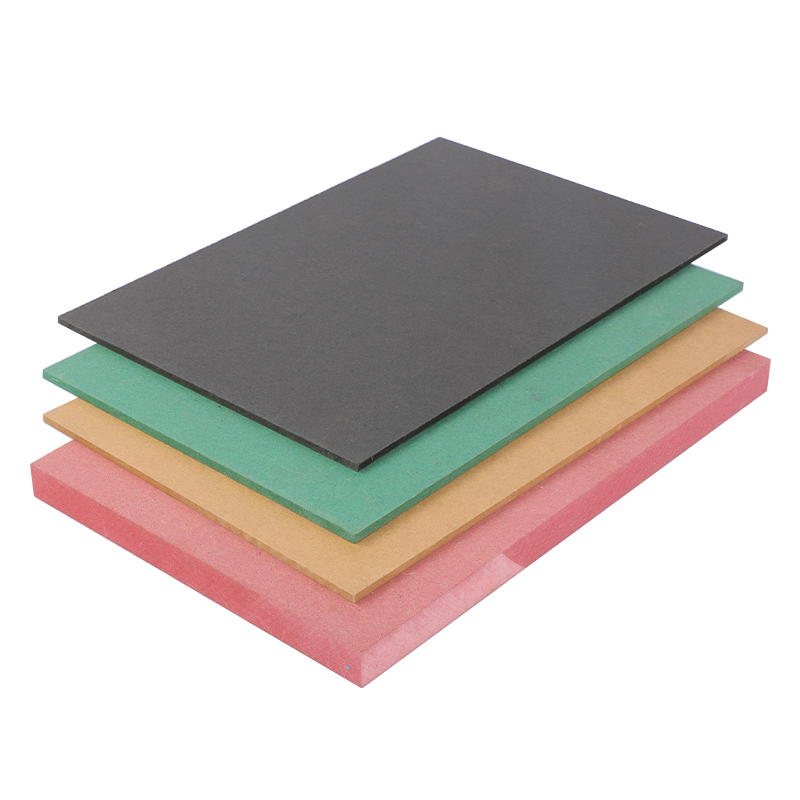
Raw / Plain MDF Sheet
3–18mm raw and plain MDF sheets for painted, laminated or routered cabinet doors. A stable sanded surface supports sharp edge profiles and smooth paint; specify an HMR option for laundry, bathroom and lower kitchen cabinets.
View product →Turin Market Context: What “Cabinet Door Core Materials Supplier & Suppliers” Really Means
A search for cabinet door core materials supplier & suppliers in the Turin market usually comes from a professional with a live project: a kitchen studio specifying white melamine doors, a joinery workshop comparing raw MDF and particleboard, or a contractor who needs repeatable panels for apartments and offices across Turin (Torino) and Piedmont. The intent is not simply to find the lowest price per sheet. The buyer needs a supplier that can match a core to the door construction, protect the surface through transport, provide documents for the project, and keep thickness and colour consistent across repeat orders.
Turin's building stock creates a split demand. Renovation work in the historic center and older residential districts often involves non-standard openings, tight tolerances and small batches of made-to-measure doors. Newer contract projects, hotel refurbishments, student housing, offices and retail fit-outs move toward repeatable 16mm or 18mm carcass and door modules with decorative faces. In both cases, a local “supplier near me” search may find stock, but the specification range can be narrow. A factory-direct partner with multiple core materials—raw MDF, melamine MDF, plywood, particleboard and decorative PVC/WPC surfaces—can reduce the number of suppliers without reducing design choice.
For Turin buyers, the most useful supplier is not the one with the longest catalogue. It is the one that can link core, surface, emission class, thickness tolerance and loading plan in a single quotation. That is the information gain this guide provides: practical selection logic, local application scenarios and a clear RFQ checklist.
RFQ Details That Prevent Later Disputes
- Door type: flat slab, routered, framed, curved or display front
- Core: raw MDF, HMR MDF, particleboard, plywood or moisture-resistant board
- Surface: melamine, raw, UV, PET, PVC film, veneer or painted finish
- Thickness: 16mm, 18mm, 22mm and the accepted tolerance
- Emission and documents: E1/E0, FSC, CARB, CE, batch test report
- Destination: Turin postcode, port of entry, unloading access and packing marks
Door gaps and hinge fitting depend on stable thickness and flatness.
Italian project buyers increasingly ask for report-backed E1/E0 claims.
Colour, gloss level, grain direction and paper weight must match.
A Turin order often combines cores, surfaces and wall panels.
Material Fit Matrix for Cabinet Doors in Turin
Use this matrix as an initial filter, not as a substitute for a physical sample and a written order specification. The right core depends on the door construction, finish, humidity zone and contract budget.
| Material Option | Best Use in Turin | Why It Works | Specification Check |
|---|---|---|---|
| Raw / Plain MDF | Painted, laminated or routered kitchen and wardrobe doors | Dense, sanded surface for sharp edges and smooth paint | Thickness tolerance, HMR option, density and formaldehyde class |
| White Melamine MDF | White kitchen doors, pantry fronts and wardrobe internals | Clean decorative face, fast production and easy cleaning | Paper weight, colour batch, edge chipping and face/back match |
| Melamine Plywood | Contract furniture, utility cabinets and wardrobe doors | Plywood core improves screw-holding and moisture tolerance | Core gaps, face/back veneer, E1 grade and edge quality |
| Moisture-Proof Particleboard / MDF | Volume apartment kitchens, office storage and lower cabinets | Economical core with moisture-resistant options for humid zones | Emission class, swelling test, edge sealing and screw pull-out |
| Film Faced Plywood | Workshop jigs, utility furniture and heavy-duty project panels | Resin film resists moisture and abrasion on site | Film thickness, edge seal, core quality and glue type |
| High-Gloss PVC / UV Sheet | Curved doors, display cabinets and feature fronts | Bendable, high-gloss surface for design-led interiors | UV stability, substrate bonding, radius limit and cleaning method |
| PVC / WPC Decorative Panels | Showroom backdrops, cabinet surrounds and hospitality walls | Waterproof, fast to install and visually coordinates with doors | Profile, colour match and project fire documentation where required |
Where Turin Buyers Use These Cabinet Door Cores
Turin is a design-conscious but practical market. The same supplier may need to serve a small historic-center renovation, a hotel refurbishment and a multi-apartment contract schedule in the same year.
Historic-Center Apartment Kitchens
Limited space and visible door gaps put a premium on thickness consistency. White melamine MDF is efficient for clean fronts, while raw MDF suits painted doors with routed profiles. Approve a cut-to-size sample before production.
Contract Furniture for Hotels & Offices
Repeatable colours, abrasion-resistant surfaces and documented emission grades matter more than novelty. Melamine plywood or moisture-proof particleboard can support heavy-use cabinetry when the edge treatment is specified correctly.
Wardrobes, Laundry & Bathroom Cabinets
Turin's seasonal humidity makes moisture-resistant cores and sealed edges important. Use HMR MDF or moisture-proof particleboard for lower cabinets; use PVC/WPC panels for wet-zone feature surfaces that coordinate with door fronts.
Retail, Showroom & Hospitality Walls
High-gloss UV/PVC panels and fluted WPC cladding can surround cabinet doors and island units. These panels are not structural door cores, but they provide visual continuity in kitchen studios, hotel lounges and retail displays.
Turin Market Trends That Affect Core Specification
Price per sheet remains important, but the specification conversation in Turin increasingly starts with documentation, surface tactility, humidity control and mixed-order flexibility.
Low-Emission & Documented Materials
Italian buyers are accustomed to asking for E1-class boards and supporting test reports. For premium projects, E0 options, FSC chain of custody and clear batch documentation strengthen the offer. A vague “green board” claim is not enough for a professional specification.
Matte, Tactile & Anti-Fingerprint Surfaces
Turin's design culture rewards restrained textures as well as high gloss. Matt melamine, UV and PET-style surfaces are useful for handleless kitchens and wardrobes, while high-gloss PVC/UV remains relevant for compact apartments and display fixtures.
Moisture Resilience in a Po Valley Climate
Seasonal humidity swings make balanced construction, edge sealing and moisture-resistant cores worth discussing early. This is especially relevant for laundry, bathroom, lower kitchen cabinets and site storage before installation.
Mixed-Container Sourcing & Shorter Decisions
A Turin buyer may need white melamine MDF, raw MDF, plywood and decorative wall panels in one commercial plan. Mixed-container flexibility reduces supplier coordination, but each line still needs its own MOQ, packing mark, inspection and loading photo.
How to Compare Cabinet Door Core Material Suppliers for Turin
The strongest supplier is not automatically the closest warehouse. For a repeatable Turin order, compare factories on specification control, document quality, packaging discipline and landed-cost transparency.
Separate Core from Decoration
Ask what the door core actually is: raw MDF, HMR MDF, particleboard or plywood. Then ask what the decorative face is: melamine paper, UV coating, PVC film or veneer. Mixing up these layers causes avoidable disputes over swelling, screw-holding and surface wear.
Audit Certificate Scope & Reports
Check that the certificate applies to the product, factory and grade being quoted. Request an emission test report, FSC documentation if required, and the inspection standard. For Turin buyers, the document set should travel with the commercial invoice and packing list.
Demand Loading Evidence
Ask for packing photos, steel-strap details, pallet corners, moisture protection and container loading pictures. A beautiful surface sample is useless if edges are crushed in transit. The loading plan should list each line separately for a mixed container.
Model Landed Cost to Turin
Compare FOB, CFR and CIF together with port charges, inland trucking to Turin, unloading, inspection and potential rework. The cheapest unit price can lose its advantage when thickness variance, colour mismatch or delayed documents disrupt installation.

Why KUDE Is a Practical Cabinet Door Core Partner for Turin Importers
Linyi KUDE International Trading Co., Ltd. is the export platform of a wood-based panel manufacturing group founded in 1998 in Linyi, Shandong—China's largest wood-based panel production cluster. The group operates more than 30 machine sets in 30,000 m² of workshops with 300+ workers and annual output of 60,000 m³ of plywood, blockboard, MDF and particle board. For a Turin buyer, this means one supply base can cover raw MDF, melamine-faced boards, plywood, particleboard and decorative panel lines.
KUDE holds CE, ISO 9001, ISO 14001, FSC and CARB certifications, and the supplier profile has passed an on-site assessment by SGS. The group reports 20+ years of production experience and 15 years of export experience, with products shipped to more than 30 countries and regions. Customization is available at sample-based, design-based and full-custom levels, including size, thickness, core species, face veneer or decor, glue type, logo printing and export packaging.
- Factory-direct production covering peeling, gluing, hot pressing, sanding and laminating
- CE, ISO 9001, ISO 14001, FSC and CARB certification support, with E0/E1/E2 options by product
- SGS on-site assessed supplier profile and export documentation support
- OEM/ODM, custom size, thickness, core, decor, logo and packaging
- MOQ typically 50–500 sheets by line; multiple products can be combined in one container
- T/T and L/C in USD, EUR or CNY; FOB, CFR, CIF and EXW terms
- Seaworthy pallet packing, steel straps, loading photos and inspection records
The commercial advantage for Turin is not simply factory pricing. It is the ability to keep a single specification conversation across core boards and decorative surfaces, then ship with documents and packing discipline that support the project schedule.
Turin Buyer FAQ: Cabinet Door Core Materials
Common procurement questions from Turin furniture makers, kitchen studios and importers comparing cabinet door core materials suppliers.
What is the best core material for cabinet doors sold in the Turin market?
There is no single best core. For painted, routered doors, raw MDF or HMR MDF gives a smooth edge and stable surface. For fast white kitchen doors, E1 white melamine MDF is efficient. For contract furniture requiring higher screw-holding, melamine plywood may be preferred. For budget-conscious apartment projects, moisture-proof particleboard or MDF can work when edges and backs are sealed. In Turin's older buildings, door thickness and tolerance often matter more than brand, so confirm 16mm or 18mm, hinge drilling, edge banding and samples before ordering.
Can I combine cabinet door cores and decorative wall panels from one supplier?
Yes. Products on this page can be discussed as a mixed-container order, subject to MOQ by line. A realistic Turin mixed request might include white melamine MDF for kitchen doors, raw MDF for painted fronts, moisture-proof particleboard for carcasses, and PVC/WPC panels for showroom or feature walls. Mixing lines reduces supplier coordination, but the container plan, packing marks and inspection sheet must list each item separately.
Which certificates should a Turin buyer request?
At minimum, request the certificate that applies to the product and destination: CE where relevant, E1/E0 formaldehyde test reports, FSC if the project requires chain of custody, CARB for US-bound orders, and ISO 9001/ISO 14001 for management systems. Also request the certificate scope and a batch-level inspection report. A certificate logo on a website is not enough; the product name, thickness, glue and factory should align with the order.
How do you reduce moisture risk for MDF and particleboard in Turin?
Turin and the wider Po Valley have seasonal humidity swings. For doors in kitchens, bathrooms, laundries and lower cabinets, specify moisture-resistant MDF or particleboard where appropriate, seal all edges and backs, avoid long site storage, and balance decorative faces on both sides when construction allows. For sample approval, test edge-band adhesion and ask for packing that protects edges and faces from transit moisture.
What is the MOQ and can I get samples?
MOQ depends on the product line and is typically from 50 to 500 sheets; mixed-container discussions can help a Turin buyer reach an efficient load. Samples can be arranged for surface, colour, thickness and core approval. Send the exact application, target thickness, emission class and destination so the sample matches the production route, not just the showroom decoration.
What shipping route and lead time should I plan for Turin?
Most northern Italian importers plan sea freight through a Mediterranean port such as Genoa or La Spezia, then inland trucking to Turin. The exact route, transit time and free time should be confirmed with the forwarder. Factory lead time depends on product line, surface customization and container mix. Add time for sample approval, production, inspection, packing and trucking. Avoid approving a container plan without checking final loading photos and documents.
Can thickness, size, decor and packaging be customized?
Yes. The group offers sample-based, design-based and full customization: size, thickness, core species, face veneer or decor, glue type, logo printing and export packaging can be specified. For cabinet doors, be precise about nominal thickness, tolerance, edge-band compatibility and face/back matching. Customization is only valuable if it is written into the order confirmation and inspection checklist.
What payment terms and Incoterms are accepted?
T/T and L/C are accepted in USD, EUR or CNY, with FOB, CFR, CIF and EXW terms. For a first order, align the Incoterm with who controls freight, insurance and the inland leg to Turin. Keep the product specification, inspection standard and document list attached to the commercial invoice so the forwarder and customs broker see the same details.
Request a Turin-Ready Quotation for Cabinet Door Core Materials
Send your door type, core material, thickness, surface, emission class, target quantity and Turin delivery plan. Our export team can reply with a practical specification, mixed-container proposal and document checklist.
Email: info@kudeplywood.com