Are KUDE MDF boards CE certified and can the documents be used in Saudi Arabia?
CE documentation is available for qualified product specifications, and the manufacturing group holds CE alongside ISO 9001, ISO 14001, FSC and CARB capability. CE can support the technical file, but it is not a substitute for Saudi import requirements. For Saudi Arabia, the importer should confirm whether SASO technical regulations, SABER certificates or additional test reports are required for the specific product and end use.
What is the difference between CE, SASO and SABER for MDF cabinetry boards?
CE is a European conformity marking used where the relevant product regulation and harmonised standards apply. SASO refers to Saudi technical regulations and standards, while SABER is the online platform commonly used for certificate of conformity and shipment clearance. A CE file may help the technical review, but Saudi market access must be checked against the current SASO requirements and the importer’s scope of use.
Which MDF thickness should be used for kitchen cabinets in Saudi Arabia?
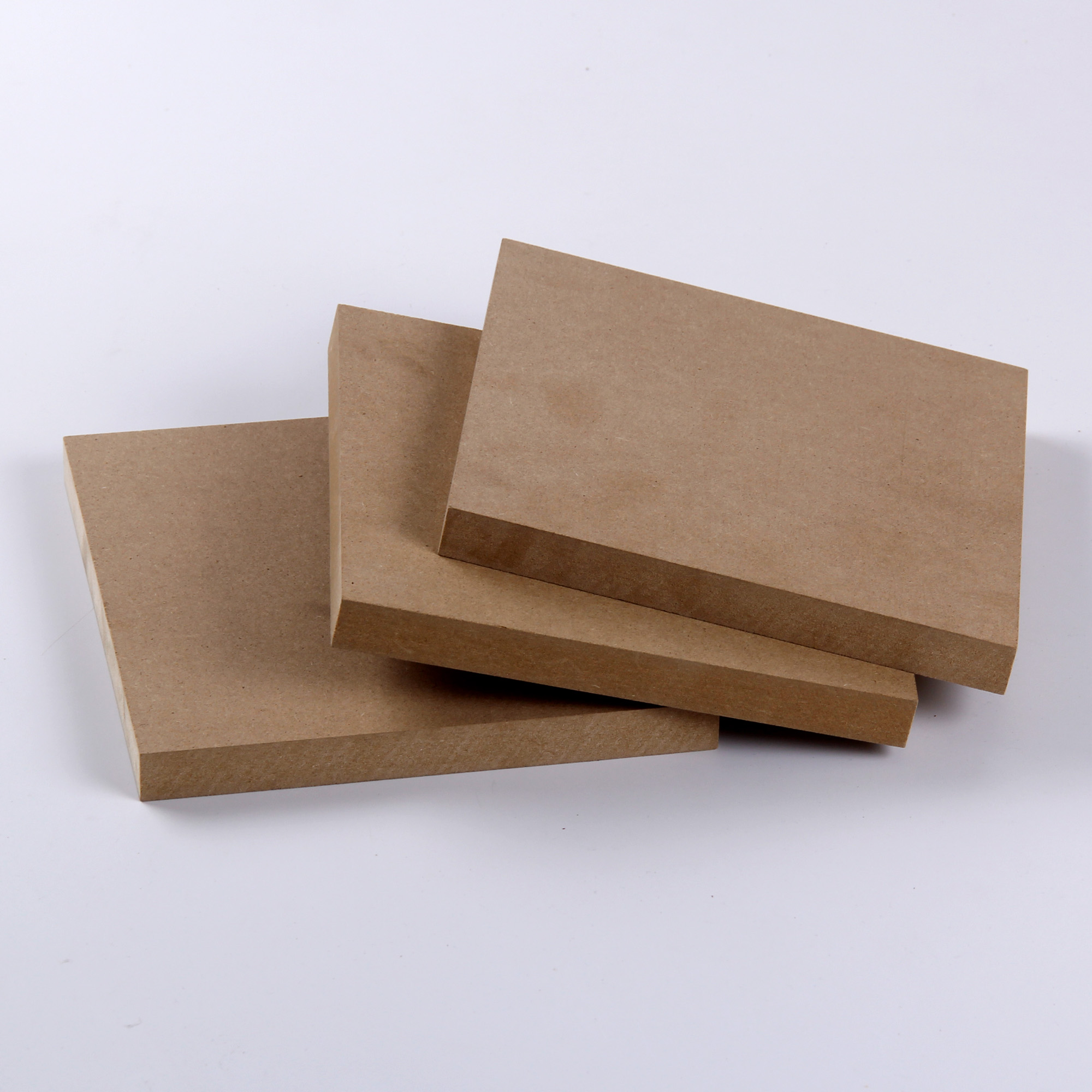
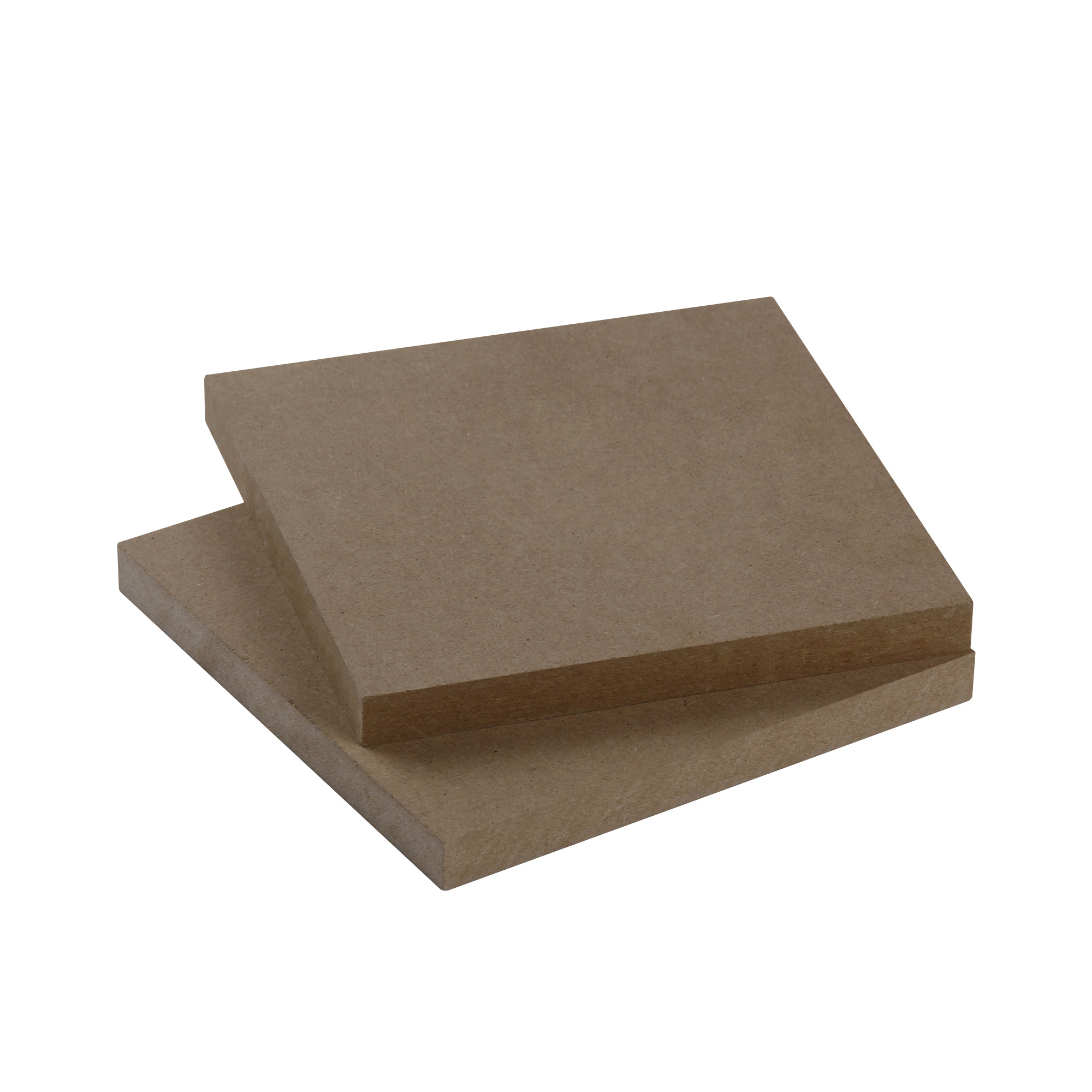
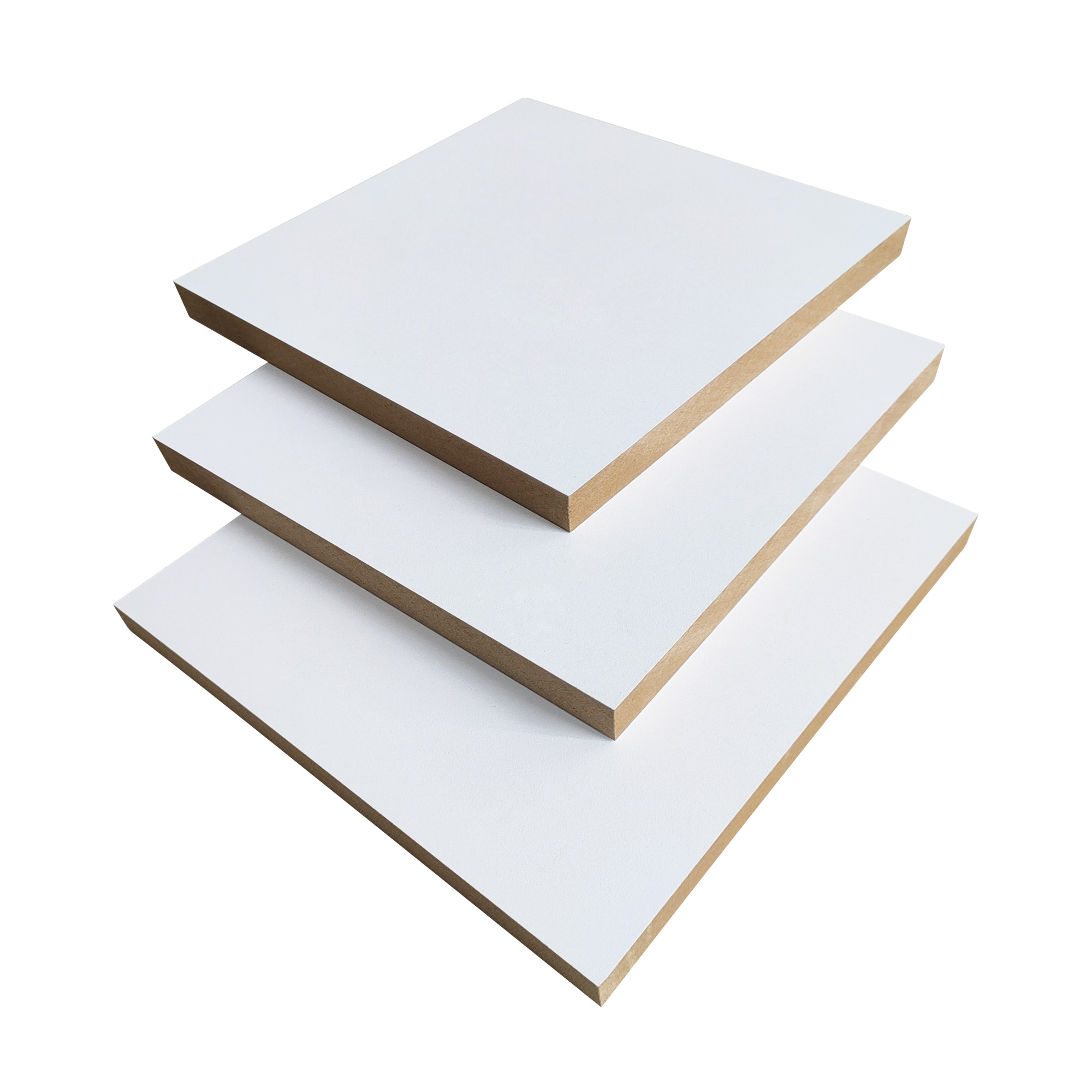
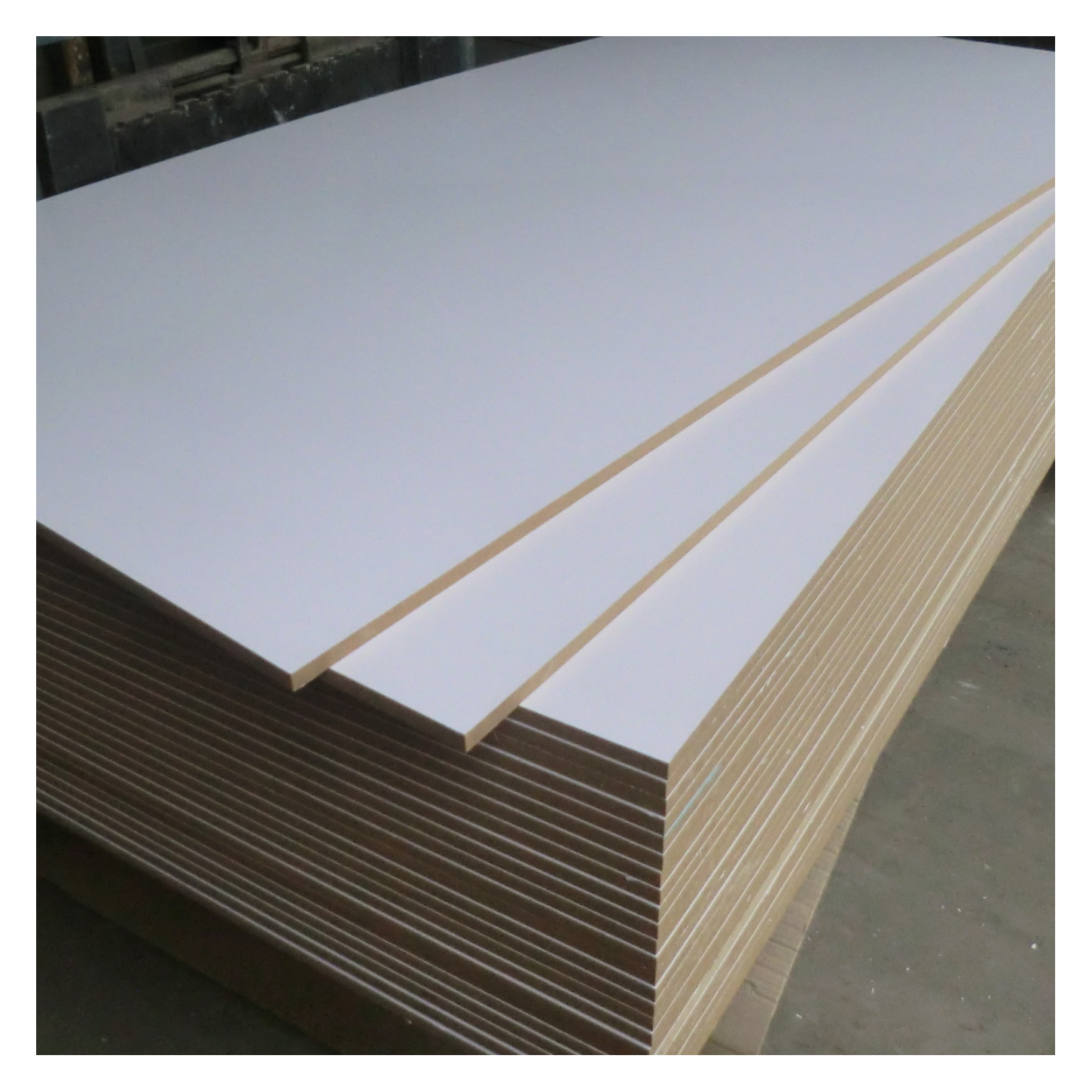
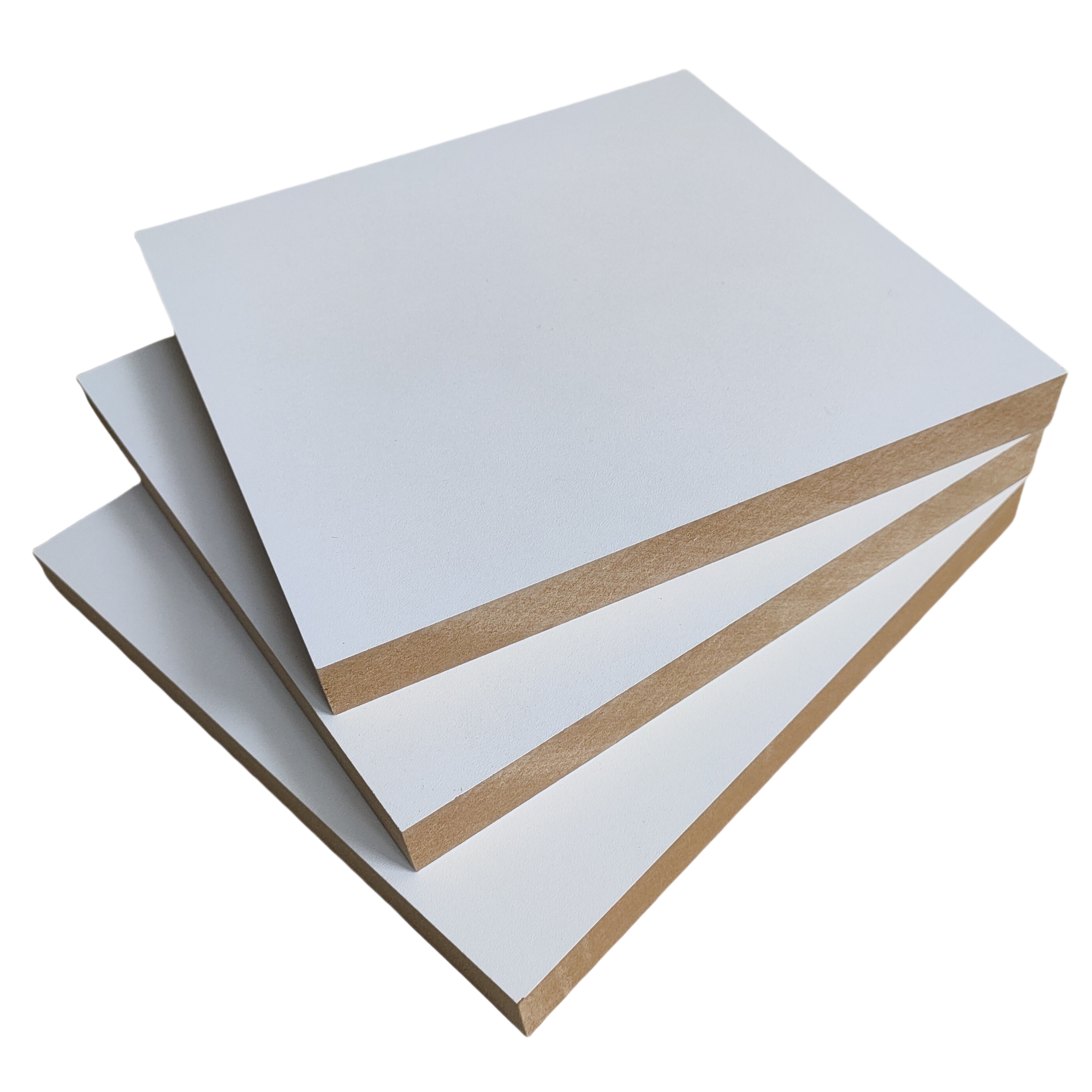
18mm is the common specification for kitchen cabinet carcasses, shelves and wardrobe panels because it offers good rigidity, machining and screw-holding. 12mm or 15mm melamine MDF is often used for drawer boxes and lighter internal components, while 5mm or 6mm HDF is used for back panels. The final choice should follow the joinery drawing, hardware requirements and expected load.
Is moisture-resistant MDF suitable for Jeddah and other coastal areas?
Moisture-resistant MDF is a sensible choice for kitchen and bathroom furniture in coastal zones, but it is not waterproof. Cut edges, sink cut-outs, service holes and floor contact areas must be sealed with suitable edge banding or sealant. Good ventilation, correct installation and prompt repair of plumbing leaks remain essential in high-humidity environments.
Which formaldehyde grade should a Saudi cabinetry project specify?
E1 is widely requested for interior furniture, while E0 may be specified for stricter low-emission requirements. The correct grade depends on the project specification, importer requirement and any testing or certification requested by the developer. Confirm the exact emission class in the quotation and request the relevant test report or document package before production.
What is the minimum order quantity and can different boards be mixed in one container?
MOQ depends on the product line and normally ranges from 50 to 500 sheets. Mixed containers are possible after specifications are confirmed, such as 18mm white melamine MDF, 5mm HDF back panels and 12mm melamine MDF for drawers. Mixing products is useful for distributors serving several workshop or project customers from one shipment.
What payment methods and trade terms are available for Saudi orders?
KUDE accepts T/T and L/C in USD, EUR or CNY, and works on FOB, CFR, CIF and EXW terms. The most suitable term depends on whether the Saudi buyer has a preferred freight forwarder or wants the supplier to arrange carriage and insurance to the destination port.
Which Saudi ports can receive MDF panel shipments?
Common routing options include Jeddah Islamic Port, King Abdullah Port and King Abdulaziz Port in Dammam. The final port choice depends on the consignee location, inland transport cost and shipping schedule. KUDE’s export team can coordinate container loading and documentation with the buyer’s nominated forwarder.
Can you customise size, thickness, white melamine decor, logo and packaging?
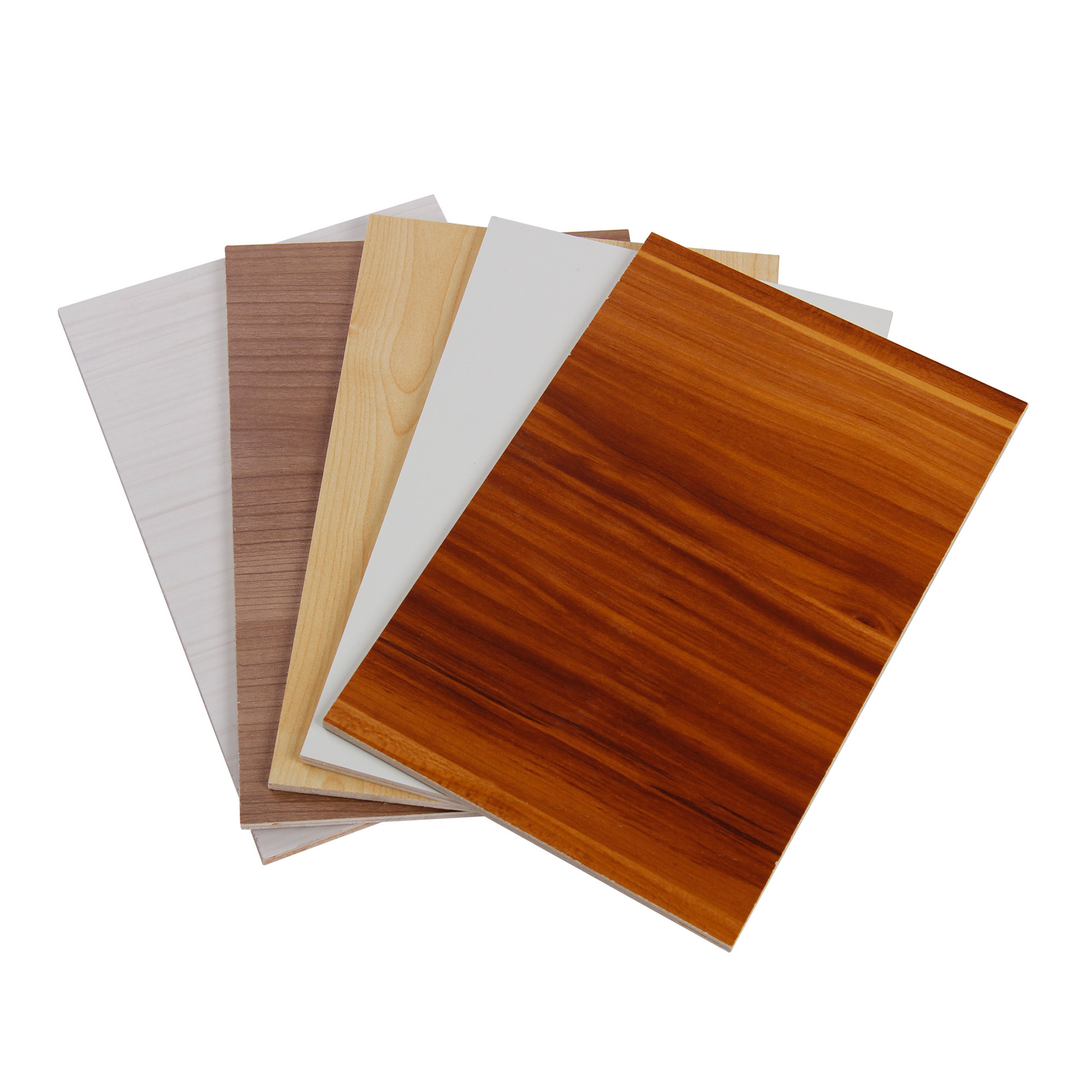
Yes. KUDE offers sample-based, design-based and full customization, including panel size, thickness, core type, melamine or PET decor, glue system, logo printing and export packaging. For multi-container projects, a master sample should be approved before bulk production to manage colour and surface expectations.
Can I request samples and inspection before shipment?
Samples can be arranged for specification approval, and shipment inspection can be discussed according to the order value, product and destination. Loading photos and packing details help buyers verify that the container matches the approved list. For Saudi projects, keep the approved sample, thickness record and certificate package together with the purchase order.