Eight Panel Products for Teak Veneered MDF and Lviv Interior Projects
Use this range to build a practical supply package: raw MDF and HDF substrates for veneer lines, decorative wall systems for fast renovation, structural support for reconstruction work, and melamine-faced boards for furniture carcasses. Each product can be combined in a mixed container after specification approval.
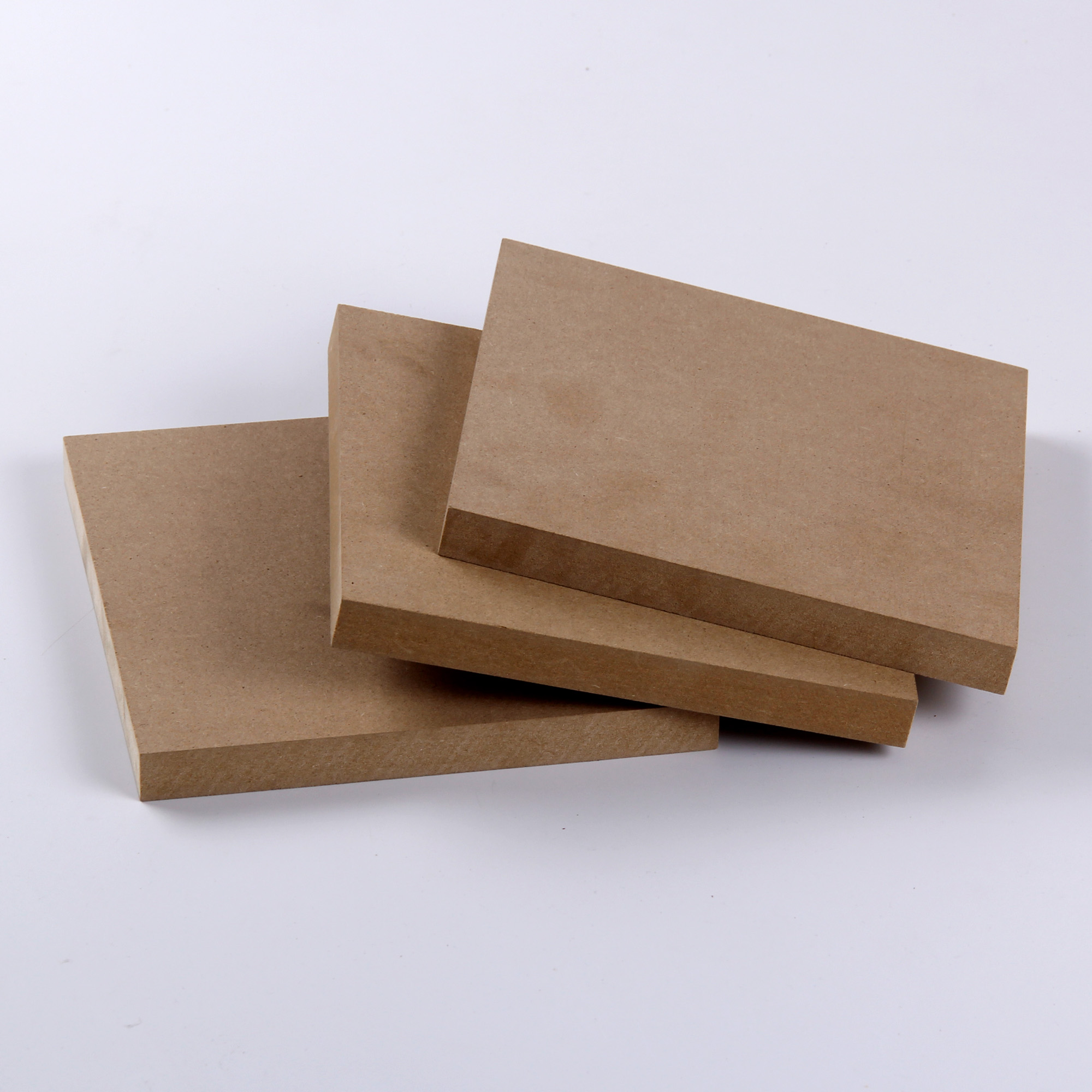
Factory Standard Size Raw MDF/HDF Board
5 mm, 6 mm, 8 mm, 9 mm and 18 mm raw boards for teak veneer, CNC routing, lacquering and laminate lines. A stable core choice for repeatable Lviv joinery production.
View product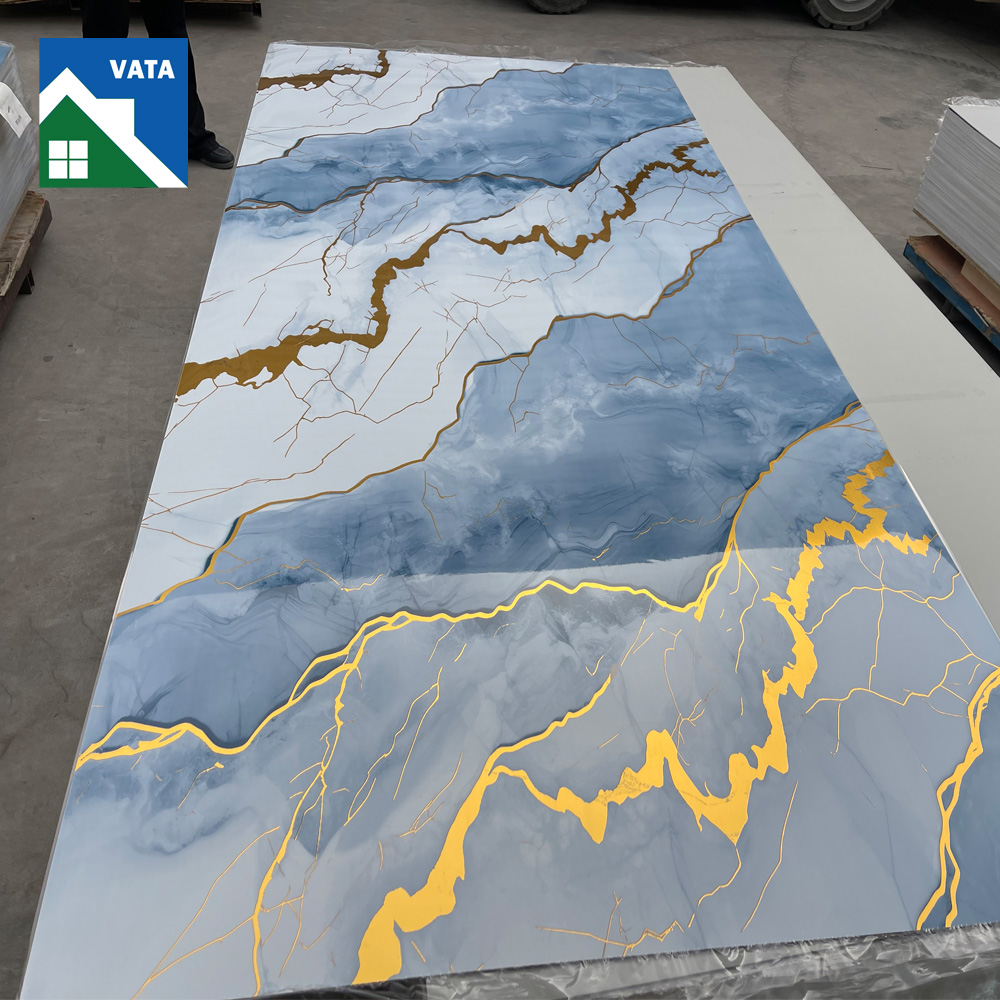
Customizable High-Gloss PVC UV Wall Panel
Bendable, easy-install decorative sheets for feature walls, TV backgrounds and retail interiors. Useful where teak veneer warmth is paired with clean, reflective surfaces.
View product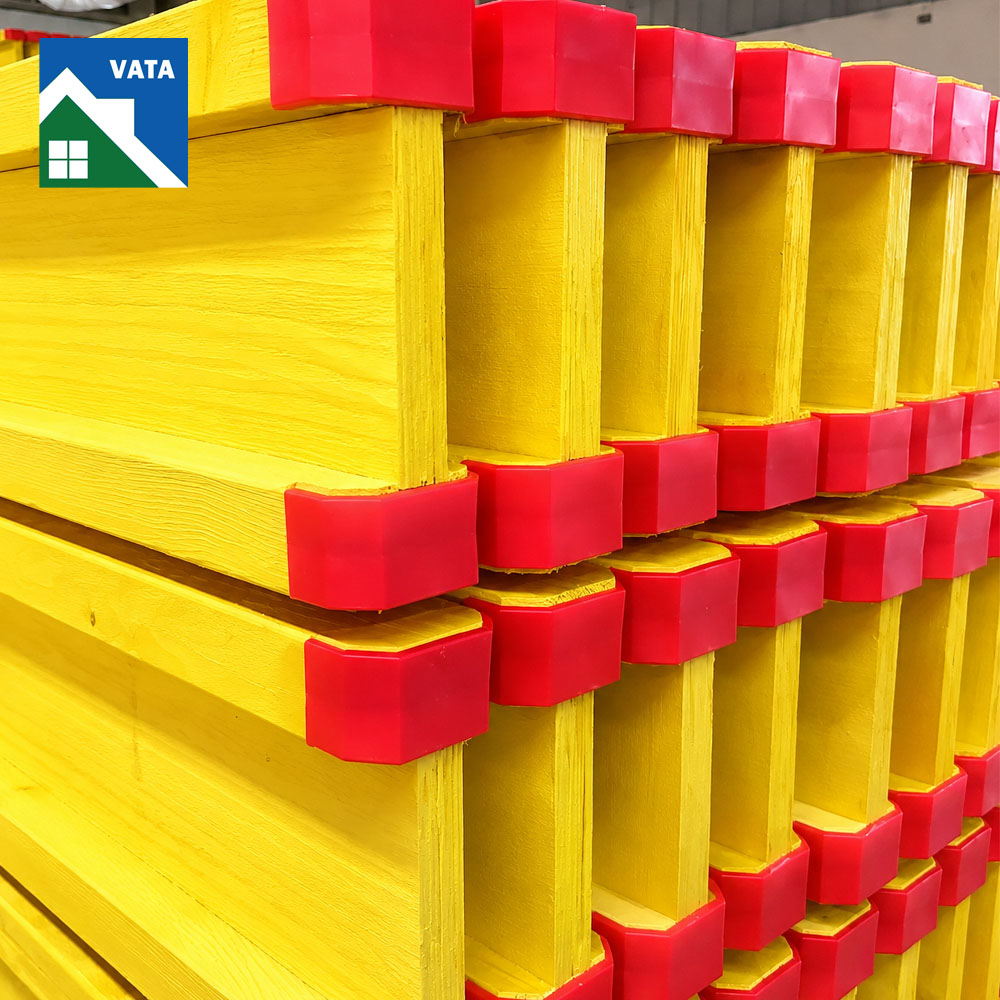
Heavy-Duty Spruce H20 Formwork Beams
Durable wooden I-beams for slab formwork and concrete works. A practical companion product for contractors handling reconstruction and fit-out projects across Western Ukraine.
View product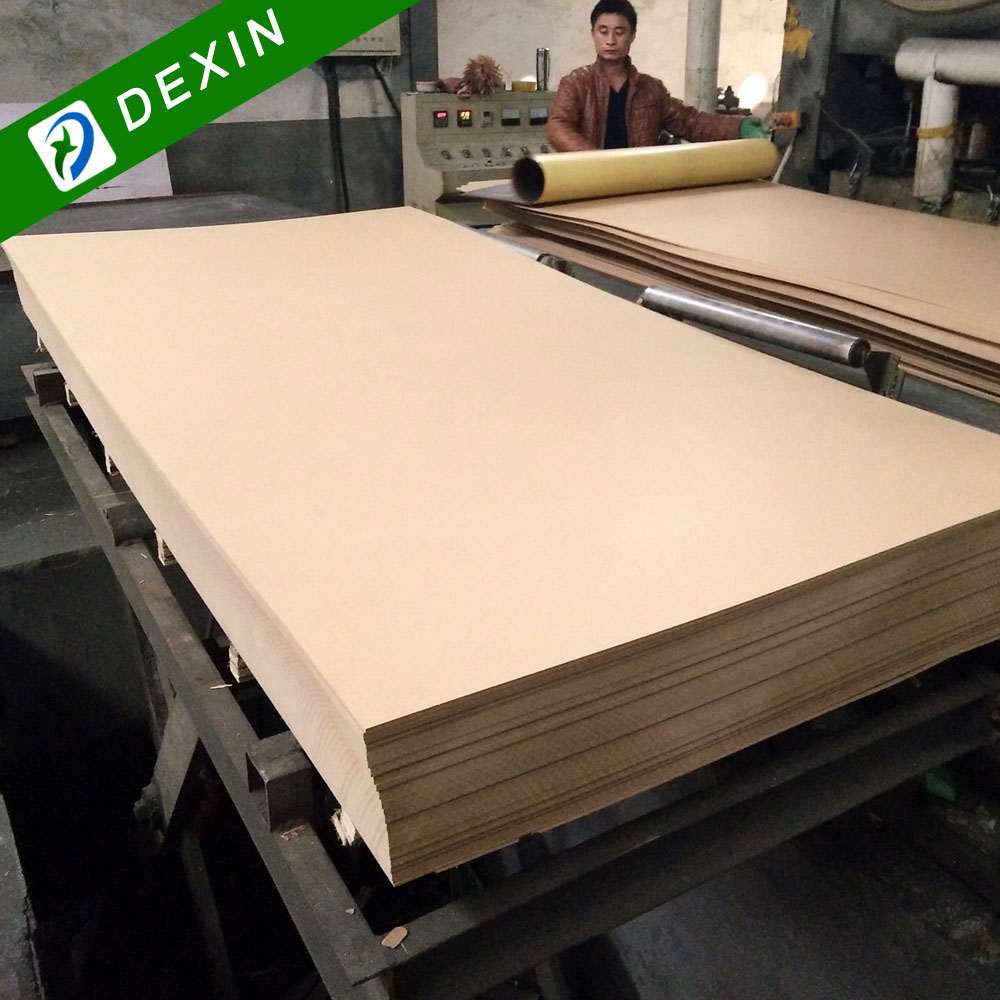
Factory Direct Plain MDF 12/15/18 mm
Clean, sanded MDF and HDF for painted furniture, wardrobe components, shop fixtures and veneered panels. Available in thicknesses suited to structural and decorative joinery.
View product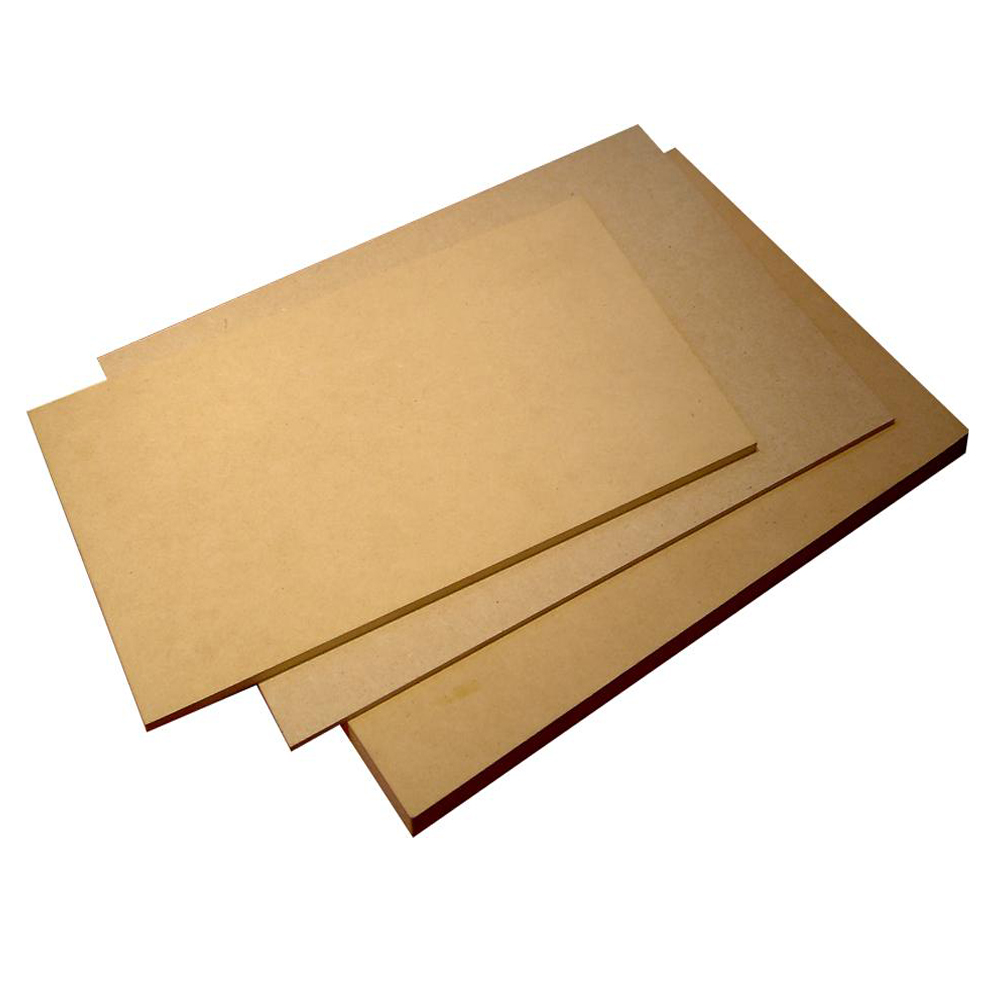
Raw Thailand MDF Board with E0/E1/E2 Glue
Formaldehyde-grade options for projects that need documented emission control. A relevant substrate for hotels, schools, offices and residential interiors in Lviv.
View product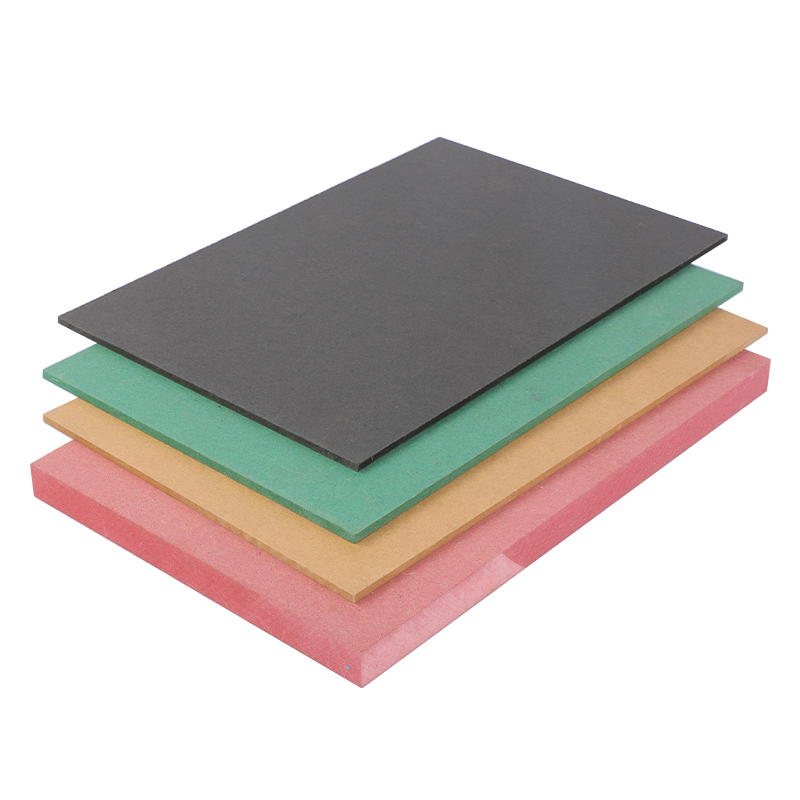
High-Quality 3–18 mm Raw/Plain MDF Sheet
Thin and standard MDF sheets for wall panels, door skins, display units and veneered surfaces. Useful for balancing panel weight against rigidity in interior fit-outs.
View product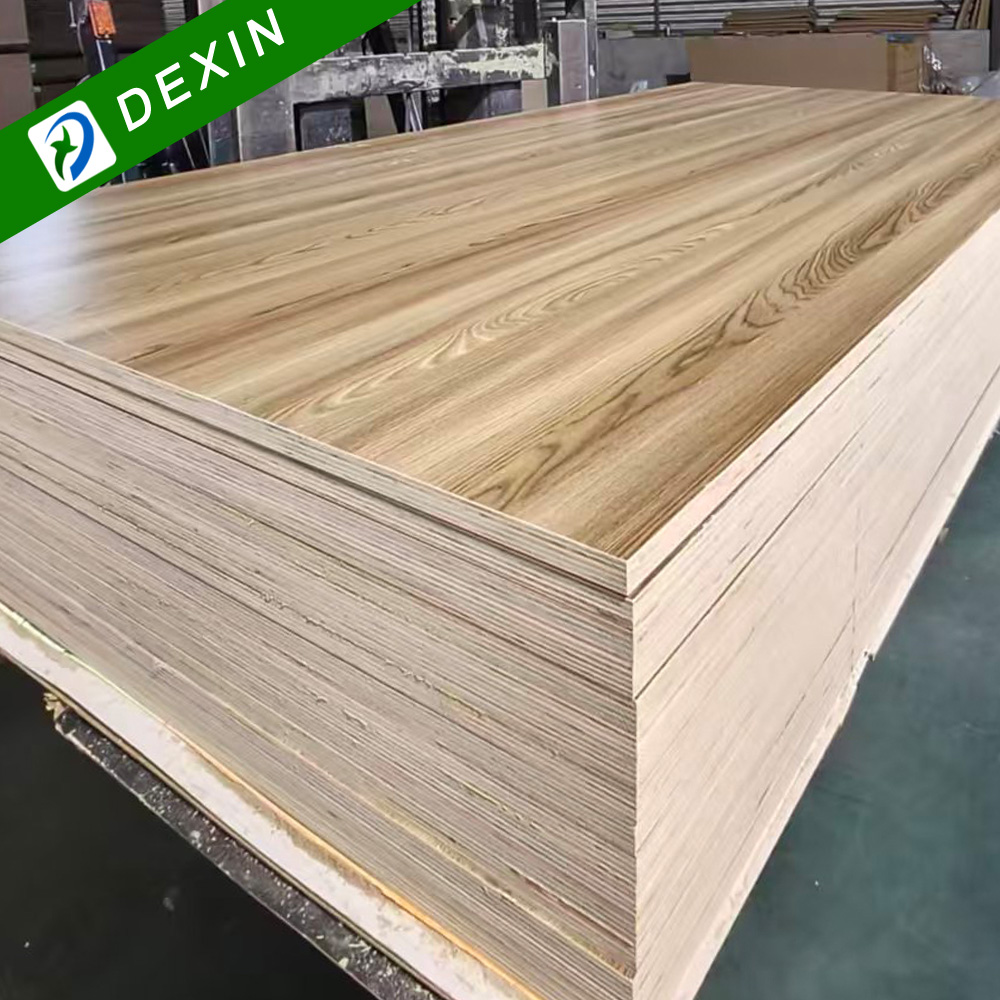
18mm Marine Laminated Melamine Faced Plywood
Colorful melamine-faced plywood for furniture, utility joinery and interior decoration. A practical board where a plywood core and easy-clean surface are required.
View product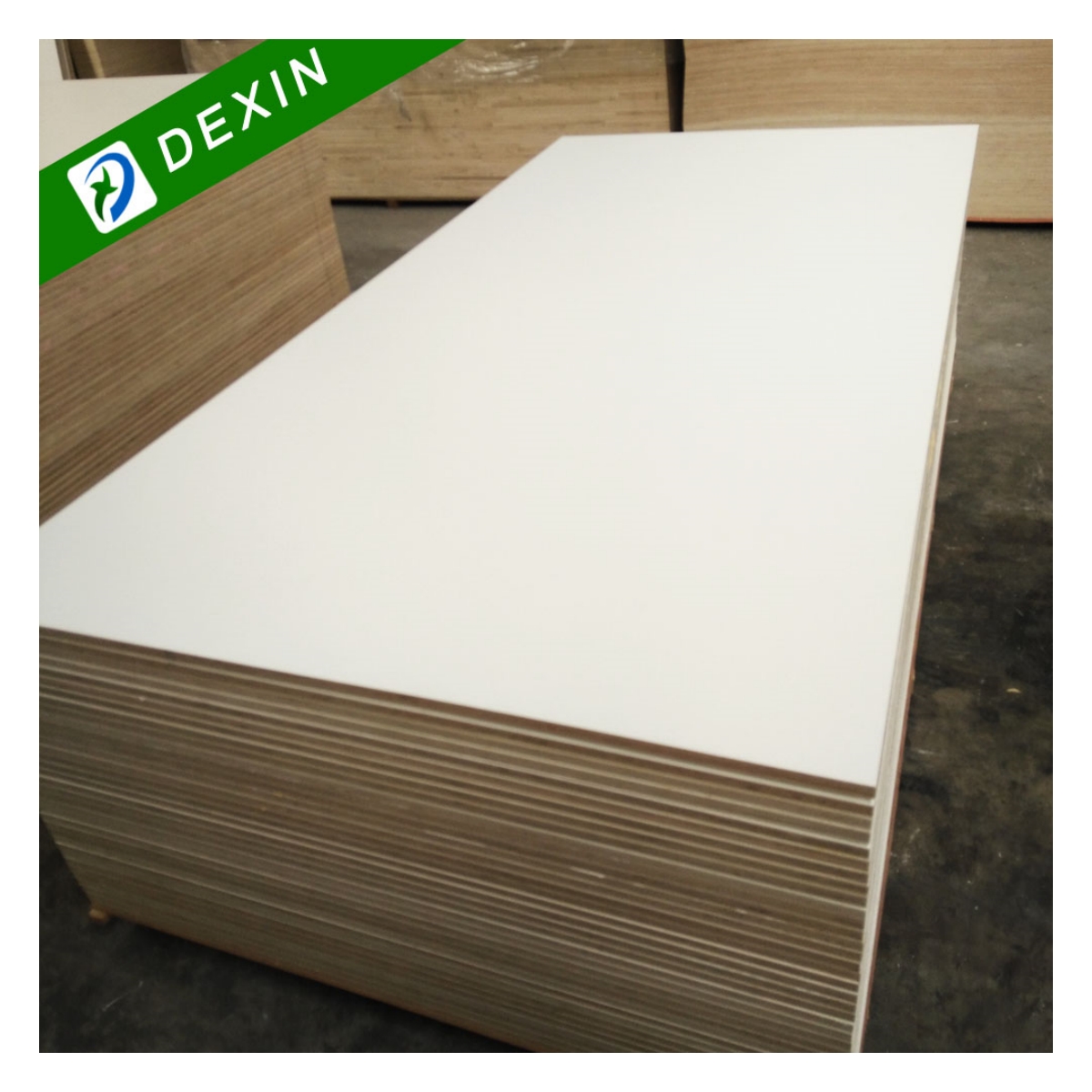
Teak / Oak / Maple Melamine Plywood, 6/12/18 mm
Wood-grain melamine plywood for furniture carcasses, shelving and interior panelling. A cost-controlled option alongside real teak veneered MDF for visible feature surfaces.
View productWhy Teak Veneered MDF Deserves a CE-Led Specification in Lviv
CE Certified Teak Veneered MDF Manufacturers & Exporter in Lviv should mean more than a catalogue phrase. For a Lviv buyer, it should describe a verified chain: a CE-marked MDF substrate, a controlled teak veneer lamination process, a declared formaldehyde class, and export packing that protects the face during winter transit. Teak veneer adds visible value through its warm golden-brown colour, straight grain and tactile natural finish. The MDF core adds engineering value through uniform density, flatness, clean CNC edges and stable screw holding for cabinet doors, hotel joinery and retail fixtures.
CE marking is a declaration, not a decoration. Under EN 13986, a credible panel supply should be traceable to the product type, intended use, declared performance and factory production control. A professional Lviv enquiry therefore asks for the Declaration of Performance, CE label information, formaldehyde test results, density and moisture data, and the manufacturing unit behind the batch. KUDE’s manufacturing group holds CE, ISO 9001, ISO 14001, FSC and CARB credentials, with E0, E1 and E2 formaldehyde grades available depending on the product. That range gives specifiers flexibility, but the final choice should match the project’s ventilation, fire strategy and procurement rules.
Lviv’s building stock is a mix of restored townhouses, Soviet-era apartments and new commercial interiors. Interior joinery may face dry central heating from October to April and humid summer air, so panels should be conditioned before cutting. For teak veneer, approve a physical sample under the proposed finish; confirm whether the face is book-matched, slip-matched or random; and seal edges, backs and cut-outs. These steps protect the investment and reduce call-backs after installation.

Recommended Teak Veneered MDF Build-Ups for Lviv Projects
Specify by application rather than by “best price” alone. The right build-up balances veneer appearance, substrate moisture resistance, edge treatment, finish durability and documentation.
18 mm MR MDF + sliced teak veneer
For door fronts, drawer faces and wardrobe panels, use a moisture-resistant MDF core, a balanced back and sealed edges. Specify a hard-wearing PU or water-based lacquer and approve the veneer layout before drilling.
12–18 mm veneered MDF for joinery
Reception desks, bar fronts, wall panels and table surrounds benefit from a flat MDF core and consistent teak grain. For horizontal surfaces, confirm a protective topcoat and avoid prolonged standing water.
5–9 mm veneered MDF skins
Light veneered skins can be applied to plywood, battens or display frames for feature walls and fixtures. This reduces weight while keeping the visual continuity of natural teak veneer.
12–18 mm matched veneer panels
For restored apartments and boutique hotels in central Lviv, match the veneer to the architect’s sample and reserve a batch for the whole room. Seal cut edges and consider solid-teak lippings on exposed edges.
Where Teak Veneered MDF Performs in Lviv
Lviv projects rarely need one board for everything. They need a panel strategy that separates visible surfaces, structural carcasses, wet-area risks and installation speed.
Heritage-apartment interiors
Lviv’s central historic fabric limits many external changes, so investment moves inside. Teak veneered MDF suits custom wardrobes, kitchen joinery, wall panelling and reception desks that need a warm, natural look without solid-teak weight.
Hotel and restaurant fit-outs
Hospitality interiors need repeatable colour, fast installation and cleanable surfaces. Specify low-emission MDF, consistent veneer batches and protective finishes for check-in desks, bar fronts, room furniture and corridor panelling.
Retail and office feature walls
Teak veneer brings warmth to reception areas, meeting rooms and premium retail displays. Thin veneered MDF skins over plywood or battens create flat, lightweight panels that install quickly and accept concealed fixings.
Heated apartments and winter delivery
Dry indoor heating can expose poor edge sealing and unbalanced panel construction. Acclimatise boards, seal backs and cut-outs, and use moisture-resistant MDF where kitchens, bathrooms or laundry areas create humidity risk.
Procurement Signals Shaping Lviv’s Panel Demand
Demand in Lviv is moving toward documented performance, natural surfaces and resilient supply. These trends influence how importers, joineries and specifiers choose a teak veneered MDF supplier.
EU-aligned documentation
CE declarations, formaldehyde classes and chain-of-custody evidence are becoming buying filters, not afterthoughts. Lviv importers serving EU-linked projects increasingly request batch-level paperwork before confirming a container.
Warm natural wood tones
Cold minimalism is giving way to warmer interiors in hospitality, retail and residential work. Teak veneer offers visual depth and a natural grain story that melamine alone cannot fully replicate on premium feature surfaces.
Moisture resilience and edge sealing
Specifiers now ask about MR MDF, balancing veneers and sealed edges because winter heating and summer humidity can stress cheaply built joinery. Good panel specification is shifting from surface appearance to long-term stability.
Mixed containers and faster replenishment
Lviv’s position near the Polish border supports road delivery after sea freight into Europe. Buyers increasingly combine MDF cores, melamine plywood, wall panels and accessories to reduce stock risk and improve cash flow.

Why Lviv Buyers Work With KUDE
Linyi KUDE International Trading Co., Ltd. is the export platform of a wood-based panel manufacturing group founded in 1998 in Linyi, Shandong, China’s largest wood-based panel cluster. The group operates 30,000 m² of workshops, more than 30 machine sets, a workforce of over 300 and annual output of 60,000 m³. Its principle, “survival by quality, development by prestige,” is reflected in the documents and inspections that accompany export orders.
For a Lviv importer, this matters because panel quality is only useful when it is repeatable and documented. A factory-direct source can align teak veneer batches, MDF cores, packaging and loading photos before the container leaves China. The supplier profile has also passed an on-site assessment by SGS, which supports buyers who need third-party reassurance before placing a first order.
Own production lines
Peeling, gluing, hot pressing, sanding and laminating are controlled inside the group’s production base.
Verified quality
CE, ISO 9001, ISO 14001, FSC and CARB credentials; E0, E1 and E2 grades matched to destination markets.
Custom dimensions
Size, thickness, core, face, glue, logo printing and export packaging can be customised by project.
Export-ready logistics
FOB, CFR, CIF and EXW terms; T/T and L/C payment; seaworthy packing and loading documentation.
Five Checkpoints Before a Lviv Container Is Loaded
From raw veneer and MDF substrate to the final pallet, each order is checked against the agreed specification rather than a generic catalogue description.
Material selection
Veneer grading, MDF density and moisture checks before processing.
Gluing & pressing
Controlled adhesive spread, cold and hot pressing cycles for flat panels.
Sanding & facing
Calibrated sanding, veneer lay-up and surface preparation.
Inspection
Thickness, flatness, bonding, colour and surface checks against the sample.
Packing & loading
Export pallets, edge protection, steel straps and loading photos.
Procurement and Specification Matrix for Lviv Projects
Use this table to shortlist the right panel route before requesting a quotation. Final grades, tolerances and test reports should be confirmed for each order.
| Panel Route | Typical Build | Best Use in Lviv | Documentation Focus | Buying Note |
|---|---|---|---|---|
| Teak veneered MDF | E0/E1 MR MDF core with sliced teak veneer; 3–18 mm | Wardrobe doors, hotel joinery, retail walls, bespoke furniture | CE DoP, formaldehyde class, veneer sample approval | Reserve batch; seal edges and approve finish |
| Raw MDF/HDF substrate | 5, 6, 8, 9, 12, 15 and 18 mm plain boards | Veneer lines, CNC components, lacquered cabinets | Density, moisture, thickness tolerance, E1/E0 | Confirm sanding quality and panel flatness |
| Melamine plywood | 6, 12 and 18 mm plywood with teak/oak/maple decor | Furniture carcasses, shelving, utility joinery | Emission class, face quality, plywood core | Pair with real veneer on visible fronts |
| Marine laminated plywood | 18 mm colorful melamine-faced plywood | Utility rooms, shopfitting, furniture decoration | Glue type, face durability, edge condition | Confirm wet-area expectations before use |
| Decorative wall panel | PVC/UV high-gloss or bendable wall sheet | Fast renovation, TV walls, retail displays | Surface finish, fire and VOC statements if required | Use with teak veneer as a contrast surface |
| H20 formwork beams | Heavy-duty spruce I-beams for slab formwork | Reconstruction and concrete works in Western Ukraine | Dimensions, strength grade, loading plan | Mix with panel products to optimise container value |
Values above are typical planning ranges. Final specification, packaging and compliance documents are confirmed per product and per order.
Questions Lviv Buyers Ask Before Ordering Teak Veneered MDF
Practical answers for importers, furniture factories and project buyers comparing CE-certified panel suppliers.
Is CE certification enough for a Lviv interior project?
Can you supply teak veneered MDF if the standard catalogue shows raw MDF?
How do you protect veneer during winter transport to Lviv?
What is the minimum order and can products be mixed?
Which documents can be provided for customs and project approval?
How long does delivery to Lviv usually take?
Can you match a sample from an architect or designer?
How do you control formaldehyde and moisture?
Specify Teak Veneered MDF for Your Next Lviv Project
Send the panel type, substrate thickness, veneer grade, surface finish, emission class, target quantity and delivery city. The export team can prepare a factory-direct proposal with product links, packing details and the documents required for your project.