CE Certified Veneer Core Plywood Factories & Suppliers serving Munich
Factory-direct veneer core plywood, melamine boards, MDF, WPC cladding and formwork beams for Munich joiners, fit-out contractors, architects and importers. CE documentation, E1/E0 options, mixed-container loading and seaworthy export packing from Linyi, China.
Inquire NowEight Panel Products Frequently Specified by Munich Buyers
This is a practical factory-direct starting point for Munich joinery, kitchen, furniture, interior fit-out and construction buyers. The range combines veneer core plywood with complementary MDF, melamine, WPC and formwork products so that a single supplier can support a complete project specification—while each item remains individually quotable, sampleable and documentable.
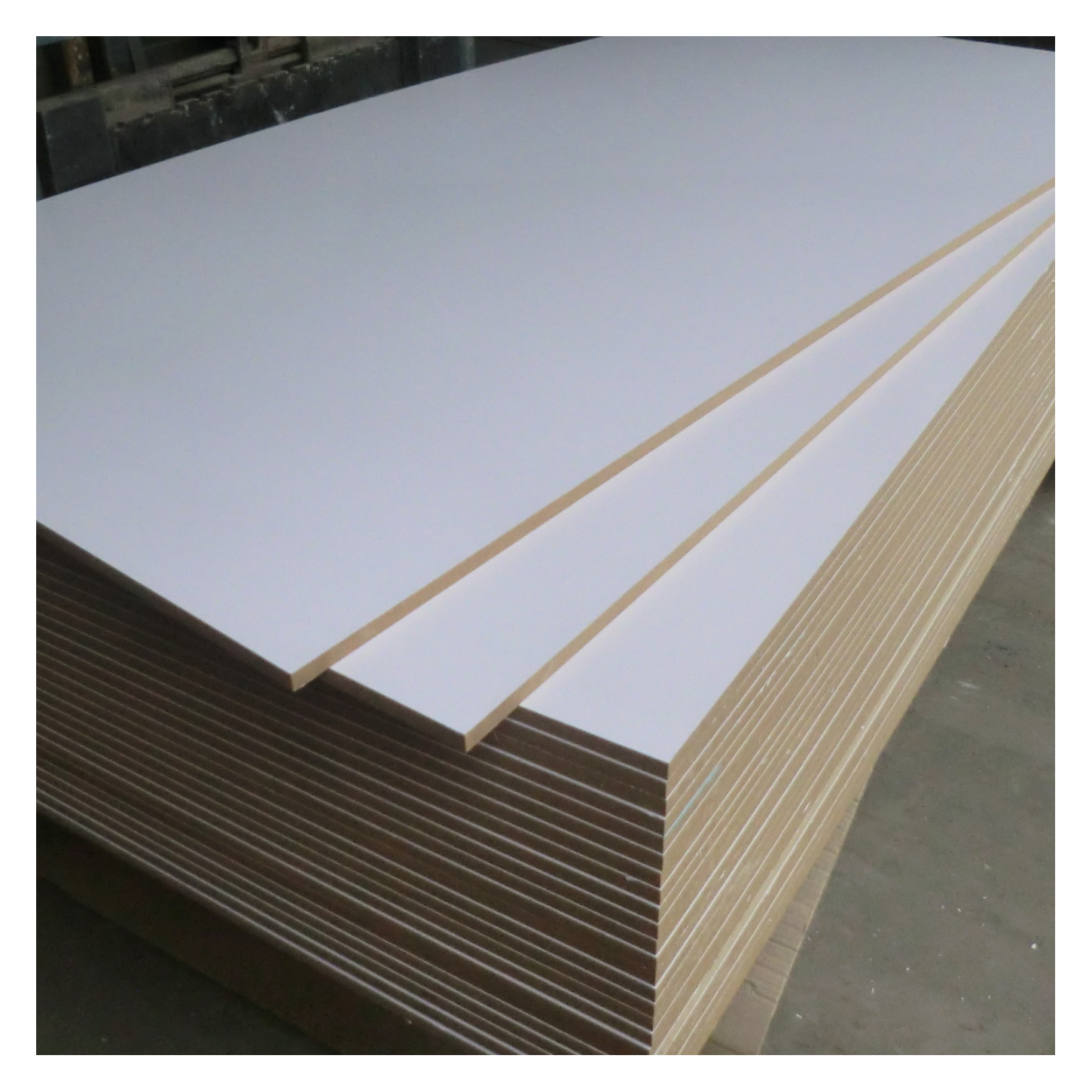
Wholesale E1 Grade Melamine Faced Moisture-Proof MDF Board 18mm
A recommended option for Munich kitchen carcasses, bathroom vanity panels and fitted furniture where intermittent humidity control matters. The melamine face is easy to clean; the moisture-resistant MDF core supports stable machining and screw fixing.
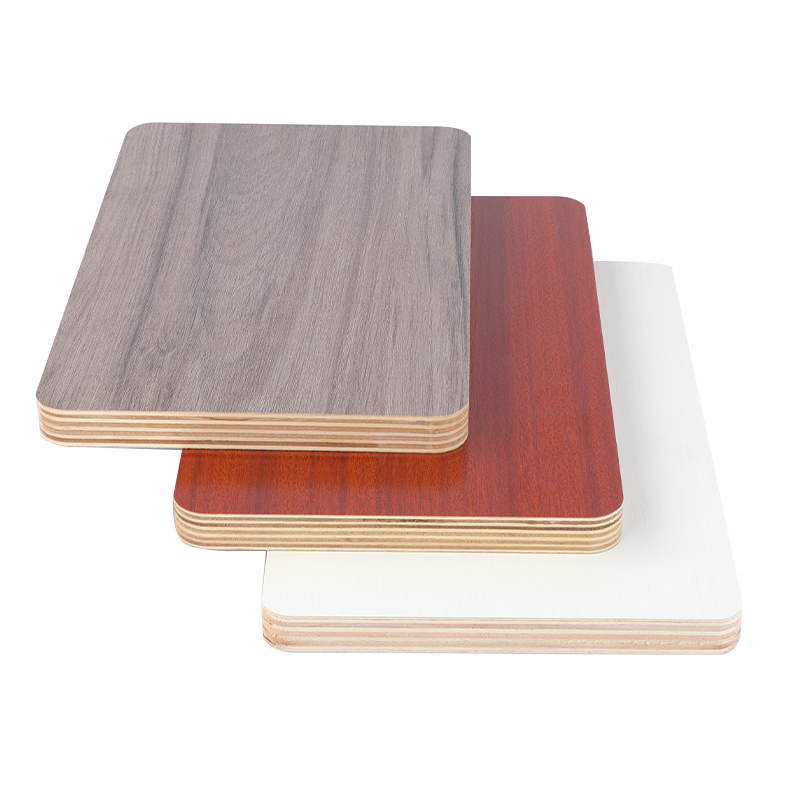
E2/E1/E0 Grade Solid Color and Wood Grain Marine Melamine Plywood
Designed for humid interior joinery, utility rooms, bathroom furniture and service areas. Marine-type glue systems and decorative melamine faces offer a balance between moisture tolerance, clean surfaces and efficient factory finishing.
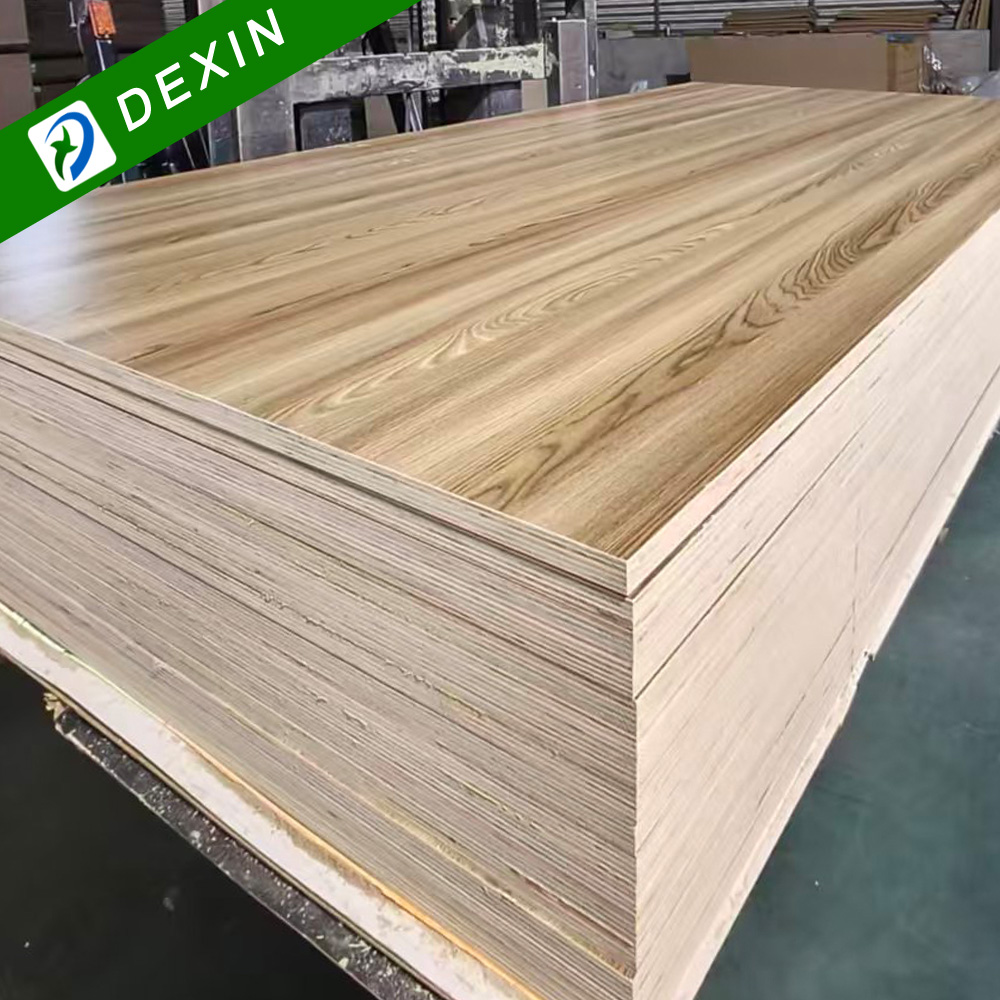
18mm Marine Laminated Contreplaque Melamine Faced Plywood
A strong fit for Munich shopfitting, hotel casework, wall linings and furniture decoration where a veneer-core plywood substrate is preferred for screw-holding and dimensional stability. Single- or double-side melamine finishing supports fast assembly.
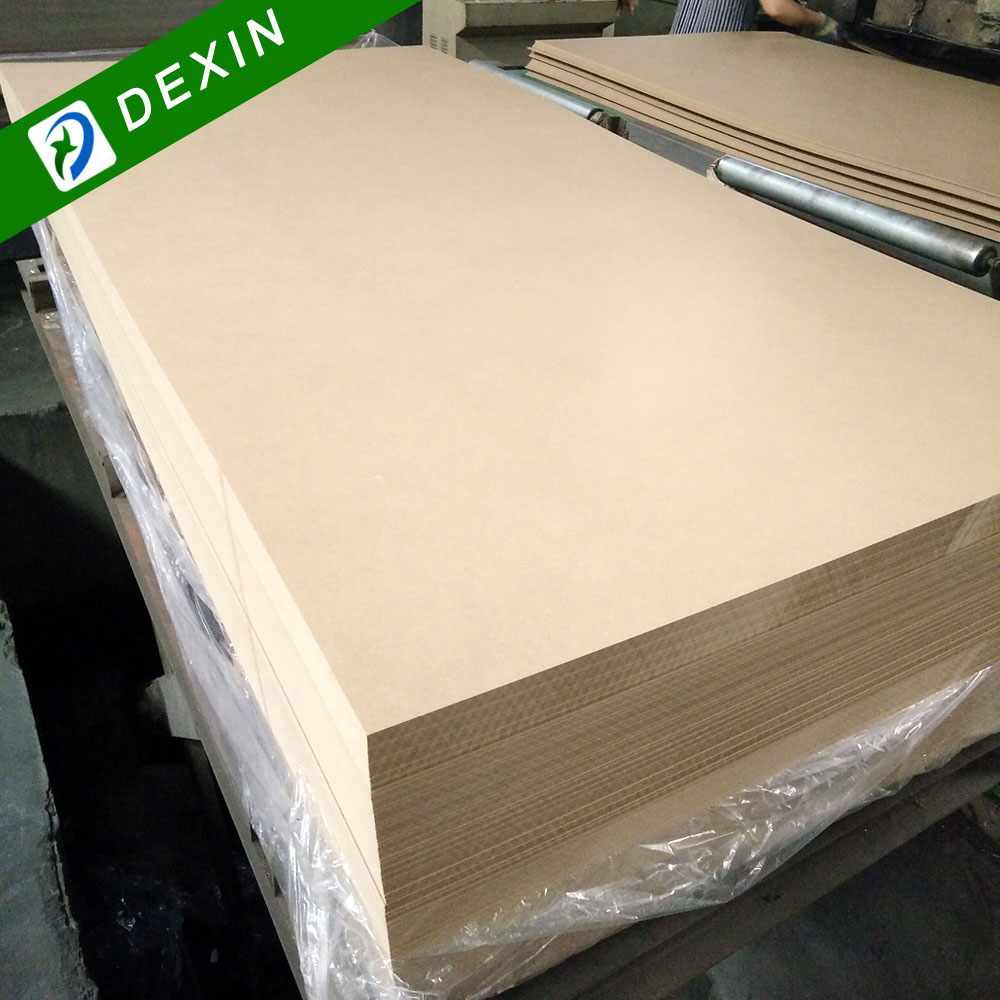
3mm, 12mm, 15mm, 18mm Raw / Plain MDF Board for Furniture Decoration
Raw MDF for CNC routing, painted fronts, wall panelling, display fixtures and prototype work in Munich workshops. Calibrated surfaces support lacquer, foil and laminate processes when a uniform, grain-free substrate is required.
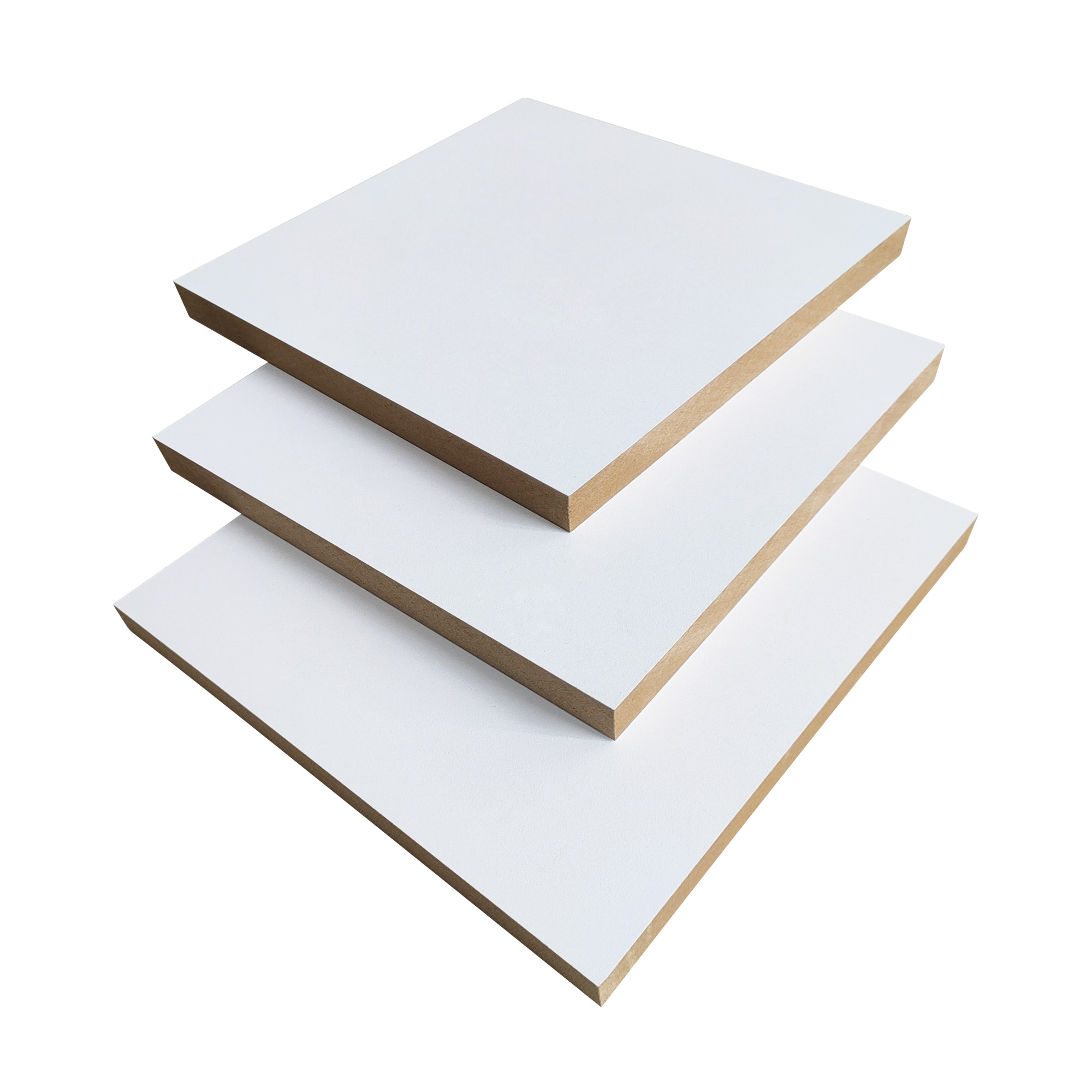
4x8ft White Melamine MDF Board E1 for Kitchen Use
A clean, neutral board for Munich kitchen units, office storage, clinic furniture and retail counters. White melamine supports high-volume production and quick site assembly; E1 formaldehyde options align with common German project documentation requests.
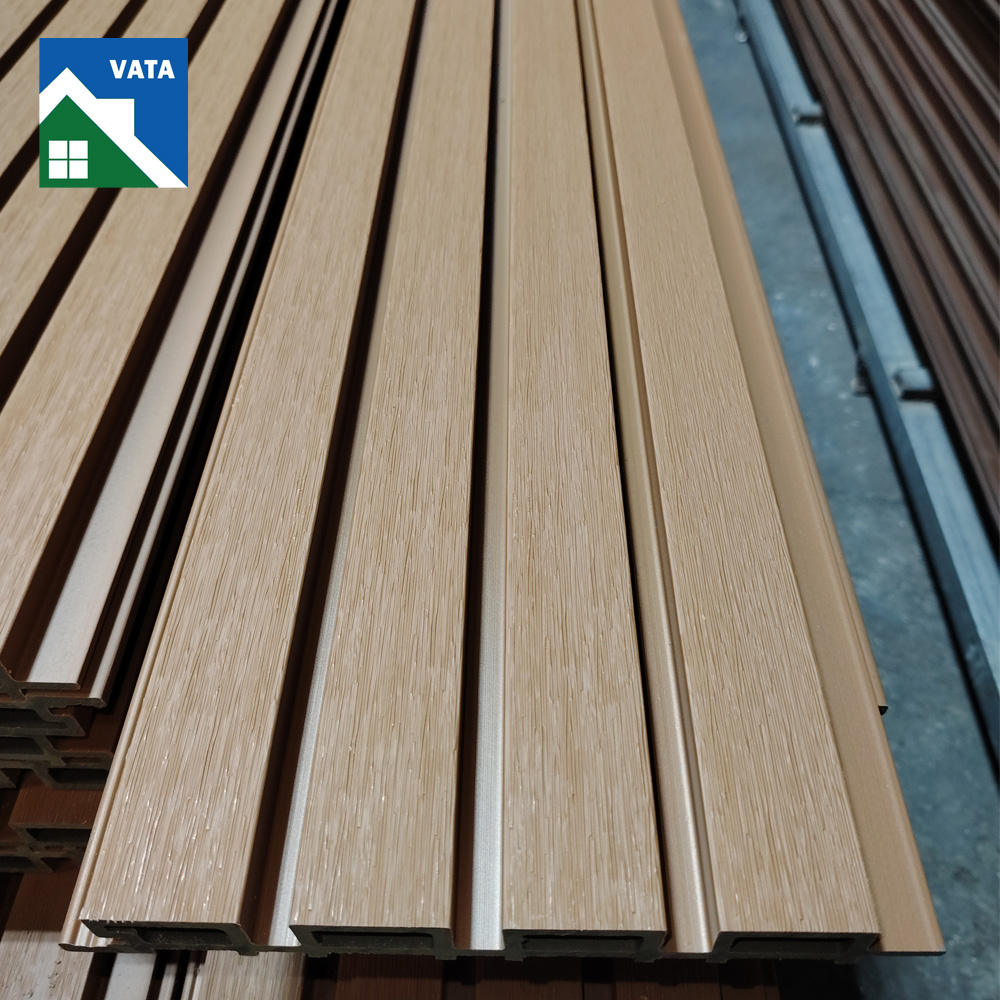
Decorative WPC Fluted Outdoor Wall Cladding Panel
Wood-plastic composite fluted panels for protected exterior features, balcony details, courtyard screens and hospitality accents. WPC offers a wood-grain appearance with lower maintenance than natural timber in exposed Munich weather.
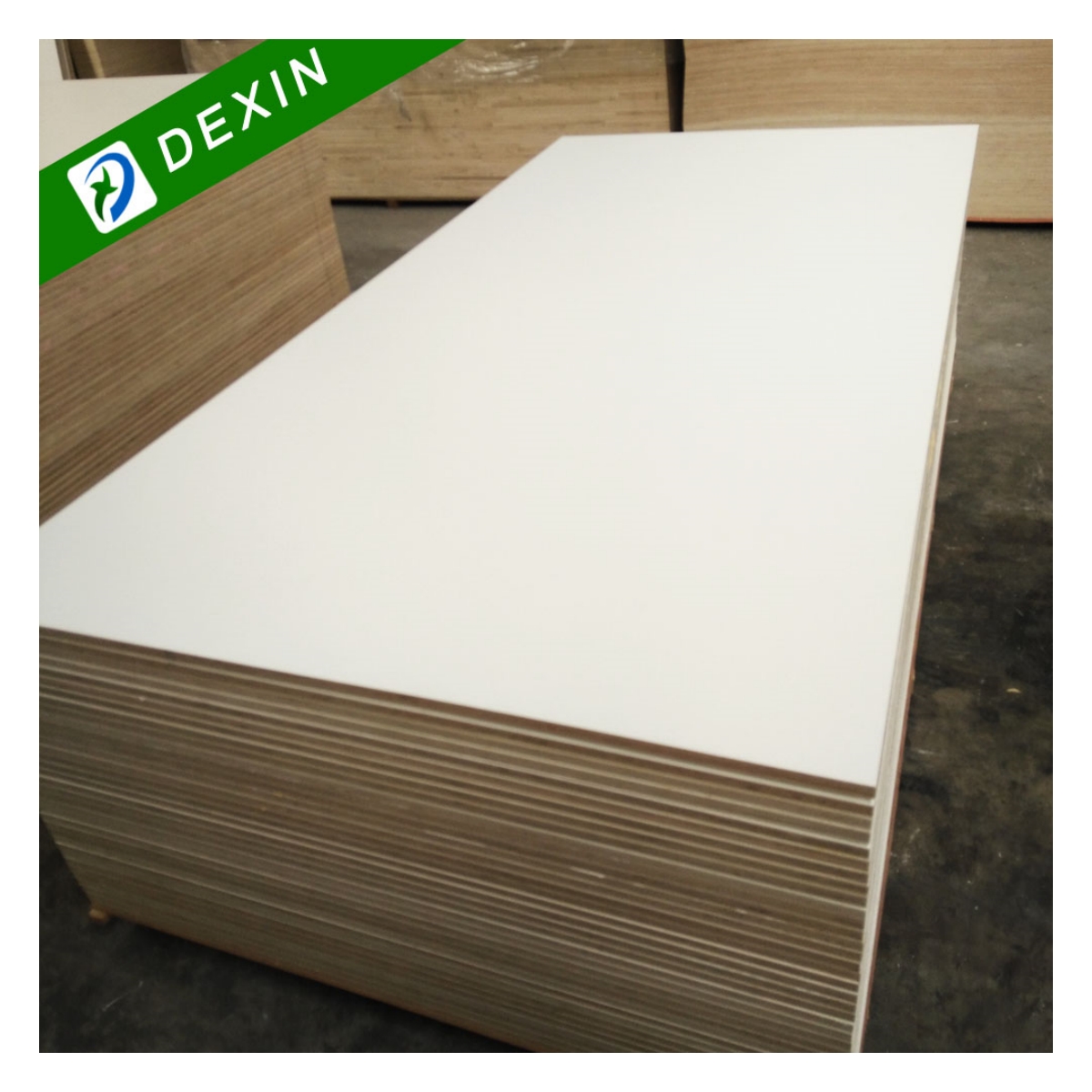
6mm, 12mm, 18mm Teak / Oak / Maple Melamine Plywood
Wood-grain melamine plywood for wardrobes, shelving, hotel furniture and reception units where veneer-core strength and a warm decorative surface are both required. Popular for Munich residential refurbishment and contract furniture programmes.
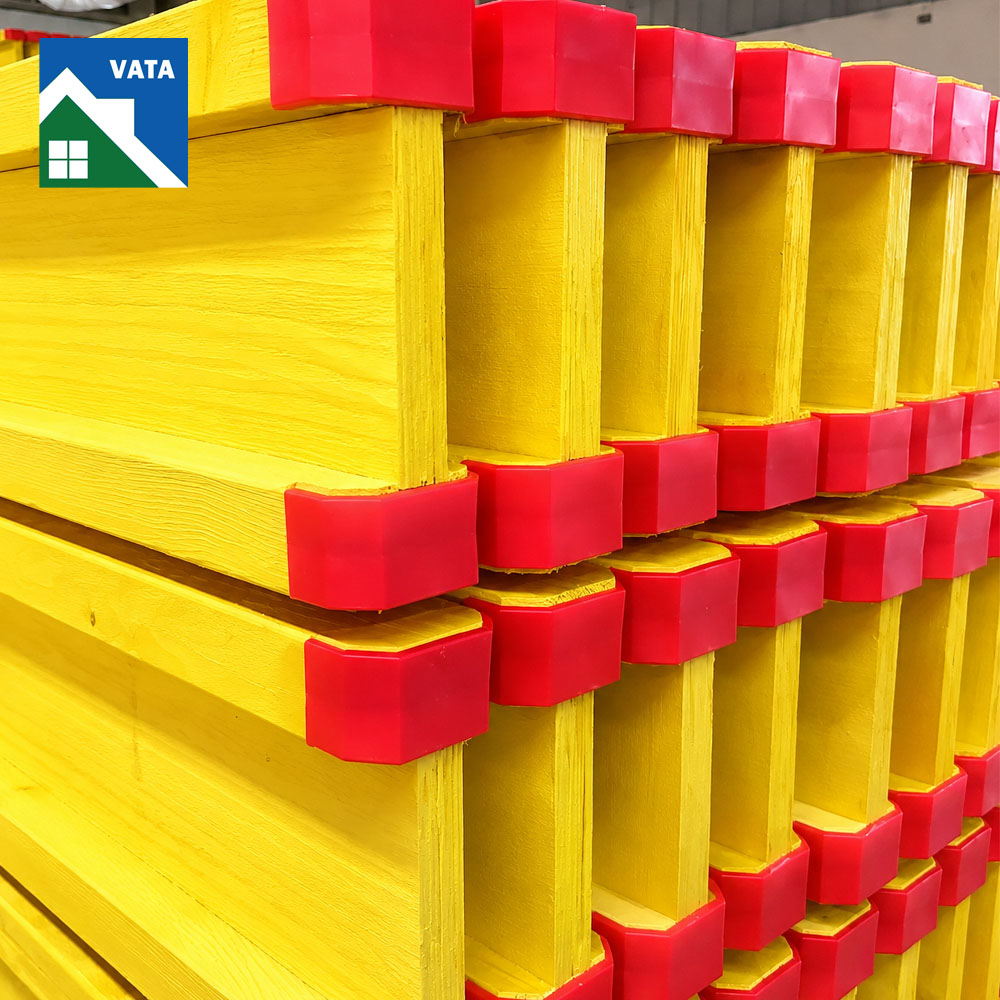
Heavy-Duty Spruce H20 Slab Formwork Beams
Spruce H20 formwork beams for concrete slab and wall systems, supporting Munich contractors, civils teams and formwork distributors. Combining these beams with plywood and MDF shipments can reduce container fragmentation for project buyers.
A Factory Platform Built for Repeatable Munich Deliveries
Linyi KUDE International Trading Co., Ltd. is the export platform of a wood-based panel manufacturing group founded in 1998 in Linyi, Shandong—China’s largest wood-based panel production cluster. That location matters to Munich buyers because veneer, glue, core material and laminating capacity are close together, which supports more stable specifications and faster reaction to repeat orders.
CE Certified Veneer Core Plywood: What Munich Procurement Teams Should Verify
For a Munich architect, joiner or importer, the phrase “CE certified” is only useful when it is tied to a product standard, intended use, emission class and batch-level documentation. The strongest suppliers make those details easy to check before the purchase order is issued.
Veneer core plywood is built from layers of wood veneer bonded with adhesive. Compared with particleboard or MDF, a veneer-core substrate can offer excellent screw-holding, good machinability and a favourable strength-to-weight balance for furniture carcasses, wall linings, door blanks, shopfitting and structural or semi-structural applications where the correct grade is specified. The key is not simply the word “plywood”; it is the combination of core quality, glue type, thickness tolerance, face treatment, edge condition and the declared end use.
CE marking is a manufacturer’s declaration of performance—not a decorative badge. For wood-based panels placed on the EU construction market under the relevant harmonised standard, buyers should ask for the Declaration of Performance, the applicable standard route such as EN 13986, and where relevant the EN 636 plywood class for the intended service condition. A supplier who cannot name the standard, the declaration and the test route is giving Munich buyers marketing language rather than procurement evidence.
Formaldehyde and indoor air quality are equally important in German projects. E1 is commonly used as the baseline emission class requested for wood-based panels in interior applications, while E0 is frequently added by clients seeking a lower-emission specification. E0 is not a substitute for the correct CE/DoP route; it is an additional requirement that must be confirmed product by product. CARB documentation may also be available for buyers who serve North American customers, but it does not replace the European CE and German project documentation expected in Munich.
Declaration of Performance
Request the DoP, the harmonised standard reference and the declared performance values for the exact product, thickness and intended use—not a generic certificate from another SKU.
EN 636 class & service condition
For plywood used in construction or protected interior structures, confirm the EN 636 class appropriate to the moisture exposure and load case. Do not rely on “waterproof” as a generic claim.
E1 / E0 emission evidence
Match the emission class to the project specification and obtain supporting test reports. For Munich kitchens, schools, clinics, hotels and offices, documentation may be reviewed long after the panels are installed.
Batch traceability
Ask for packing marks, batch references, loading photos and inspection records. A reliable supplier should be able to connect the delivered pallet to the production batch and specification.
Where Veneer Core Plywood and Companion Panels Are Used in Munich
Munich’s project mix is unusually broad: heritage-sensitive Altbau renovation, precision residential joinery, demanding hotel and office fit-outs, trade-fair construction and major infrastructure work. Each application asks for a different balance of substrate, surface, moisture resistance and documentation.
Altbau kitchen and bathroom refurbishment
Older Munich apartments often have irregular walls, tight stair access and bespoke fitted furniture. Veneer core plywood and moisture-resistant MDF allow carpenters to build precise carcasses that are strong, stable and easy to assemble on site. E1 or E0 grades can be matched to the client’s indoor air quality requirements.
Architect-led joinery and residential interiors
In Schwabing, Bogenhausen, Maxvorstadt and new residential districts, designers frequently request sample-approved wood grains, matte white melamine and book-matched decorative panels. Veneer-core plywood supports premium cabinetry, wall panelling, wardrobes and built-in seating with reliable screw fixing and clean edge detailing.
Office, hospitality and Messe München fit-outs
Commercial fit-out teams working on hotels, offices, clinics, retail spaces and trade-fair stands need fast, repeatable surfaces. White melamine MDF, decorative WPC and melamine plywood help fabricators deliver uniform counters, wall linings, display units and temporary structures within tight event or handover deadlines.
Construction, formwork and workshop preparation
Munich contractors and formwork distributors can consolidate spruce H20 beams, film-faced plywood and related panel products. Local joinery workshops also use raw MDF and plywood for CNC prototypes, jigs, shop furniture and paint-ready components before final installation.
Munich Demand Signals Shaping Panel Procurement
Procurement conversations in Munich increasingly combine design intent with documentary proof, delivery reliability and indoor-air-quality evidence. A supplier that only quotes a low price per sheet without supporting these expectations creates risk for the importer, fabricator and project owner.
Low-emission specification and building certification
Munich projects linked to DGNB, BNB or client-specific sustainability targets often request E1 or lower-emission boards, material declarations and clear product traceability. For hotels, schools, clinics and offices, the fit-out contractor may need to prove that the specified panel matches the approved emission class. Suppliers should therefore treat E1, E0 and test reports as part of the quotation, not as an after-sales request.
Prefabrication, CNC precision and rising labour costs
High labour costs in Bavaria make factory-prepared components more attractive. Joineries want thickness-consistent panels, stable melamine surfaces and reliable edges so that CNC nesting, edge-banding and assembly run without rework. This is especially relevant for repeated kitchen, wardrobe, hotel-casework and retail-fixture programmes where a small thickness deviation becomes a large installation problem.
Supply resilience and documentation-led buying
Munich importers are reducing single-source risk by qualifying suppliers on documents, packing quality and communication as well as price. Mixed containers combining veneer core plywood, melamine MDF, WPC and formwork beams can improve freight efficiency, but they only work when the supplier can separate SKUs, label pallets clearly and supply coherent customs and certification documents.
Why Munich Buyers Shortlist KUDE as a Factory-Direct Supplier
KUDE combines a manufacturing-group background with an export team accustomed to international documentation. The group operates more than 30 sets of production machines, employs over 300 workers and produces plywood, blockboard, MDF and particle board from its Linyi base. The export team has more than 15 years of export experience and serves buyers in over 30 countries and regions.
Own production lines
Peeling, gluing, hot pressing, sanding, laminating and packing are controlled within the group’s production platform. This reduces middle-man markup and allows the export team to answer technical questions about core, glue, face and thickness tolerance directly.
Verified quality system
CE, ISO 9001, ISO 14001, FSC and CARB are available within the group’s certification profile, and the supplier profile has passed an on-site assessment by SGS. Product-specific declarations, tests and emission classes are confirmed against the order.
Flexible customization
Sample-based, design-based and full customization are available for size, thickness, core species, face veneer or melamine decor, glue type, logo printing and export packaging. This helps Munich importers build a product range rather than buy a single generic sheet.
Export-ready logistics
FOB, CFR, CIF and EXW terms are supported, with T/T and L/C payment in USD, EUR or CNY. Orders usually load through northern China seaports such as Qingdao, with seaworthy pallet packing, steel strapping and loading photos for the buyer’s records.




Address: 3007, Building A, Zhongde Huaerzi Community, Yimeng Road & Binhe Road, Lanshan District, Linyi, Shandong, China. The group’s stated principle—survival by quality, development by prestige—is the practical basis for its export approach: confirm the specification, prove the documentation, pack for the sea journey and communicate before the container leaves.
A Practical Purchase Order Checklist for Munich Projects
Before converting a quotation into a container order, align the technical, commercial and logistics teams on the same specification. The checklist below is designed for Munich joiners, importers, distributors and project buyers who need fewer surprises after the vessel departs.
Questions Munich Joiners, Importers and Contractors Ask
These are the practical questions that arise when a Munich buyer moves from an initial specification to samples, a proforma invoice and a container delivery.
Can you supply CE-marked veneer core plywood to Munich with a Declaration of Performance?
Which formaldehyde class should a Munich buyer specify—E1 or E0?
What is the minimum order, and can I mix veneer core plywood with MDF, WPC and formwork beams?
How long does delivery from Linyi to Munich usually take?
What documents do you provide for German importers?
Can you customize panel size, thickness, melamine decor and packaging for a Munich joinery?
Are samples available before we commit to a container order?
What payment terms and Incoterms do you accept?
Request a Munich-Specific Quotation and Document Pack
Send the target panel type, size, thickness, core, face, quantity, emission grade, destination and required certification. KUDE’s export team can then prepare a product recommendation, packing proposal and documentation checklist for your Munich project.