Melamine-Faced Plywood, MDF and Interior Panels Shortlisted for Berlin Buyers
These eight products match the way Berlin fabricators actually buy: a stable substrate for CNC work, a decorative board for visible cabinet surfaces, a moisture-tolerant panel for wet-area joinery, and dry-install wall systems for fast refurbishment.
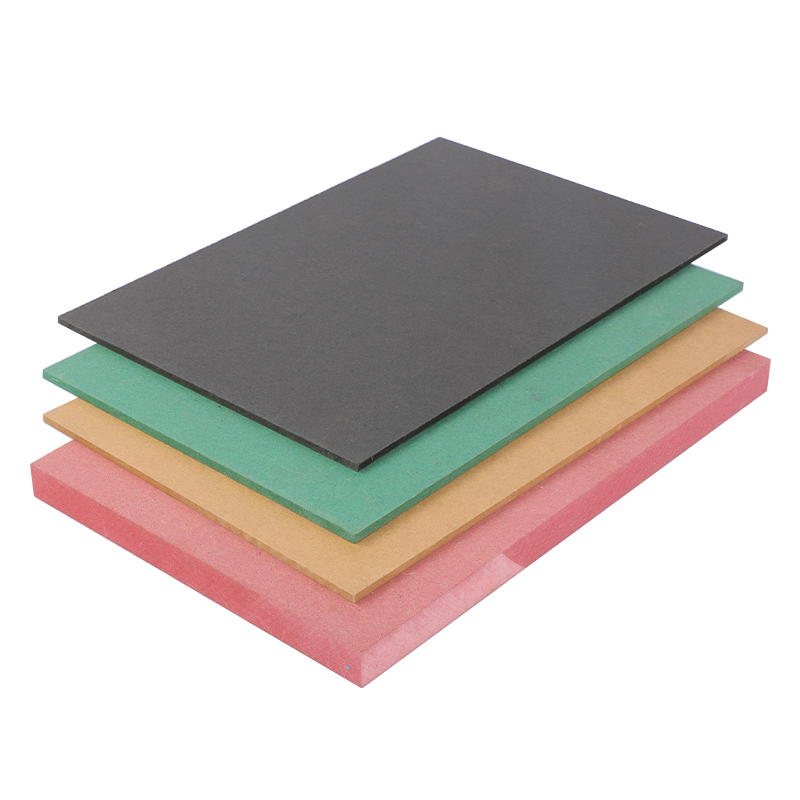
High Quality 3mm–18mm Raw/Plain MDF Sheet
A sanded, dimensionally uniform substrate for Berlin CNC shops that need predictable density, clean edges and a reliable surface for painting, veneering or lamination. Specify thickness, emission grade and moisture-resistant option before ordering.
- 3–18 mm
- Raw MDF
- CNC / paint
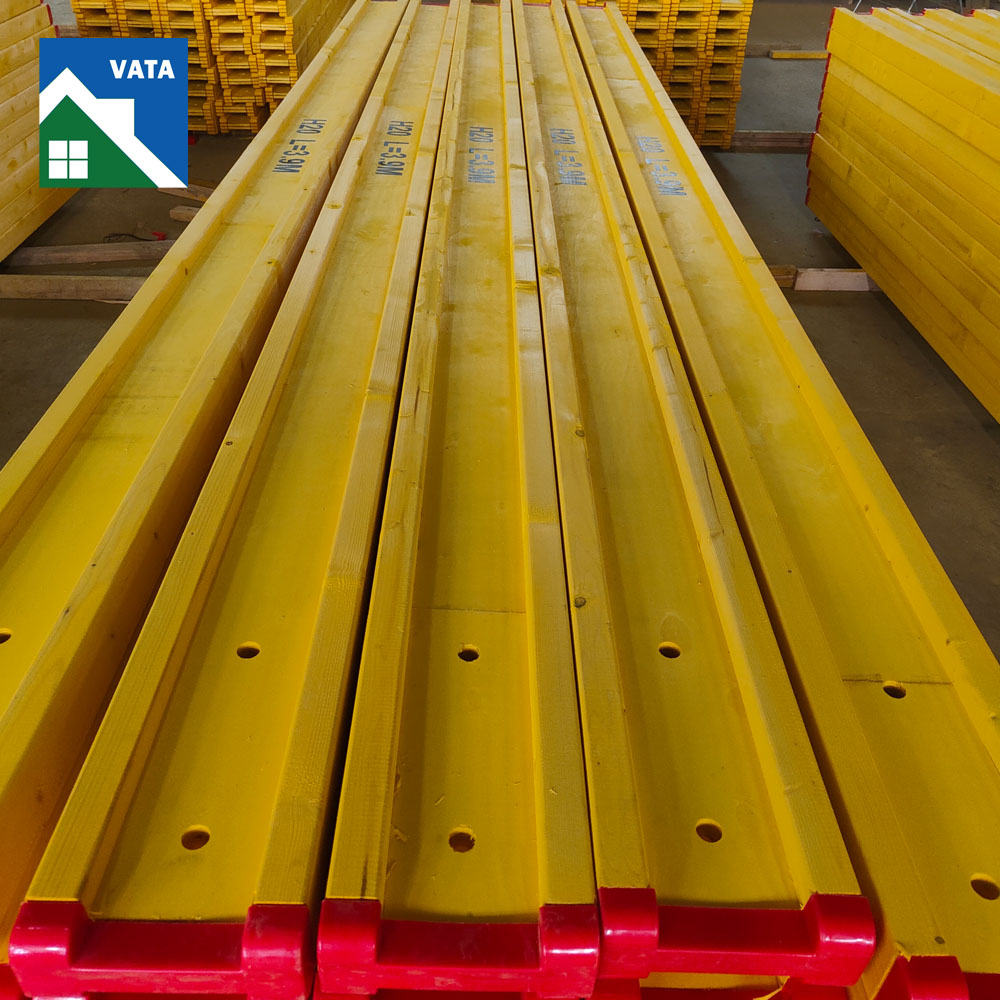
Reusable Yellow H20 Wooden Formwork Beam
For Berlin contractors and civil works teams that need repeatable concrete formwork support with protected ends and consistent dimensions. The H20 profile is familiar to European site teams, making specification and replacement straightforward.
- H20 beam
- Plastic caps
- Reusable
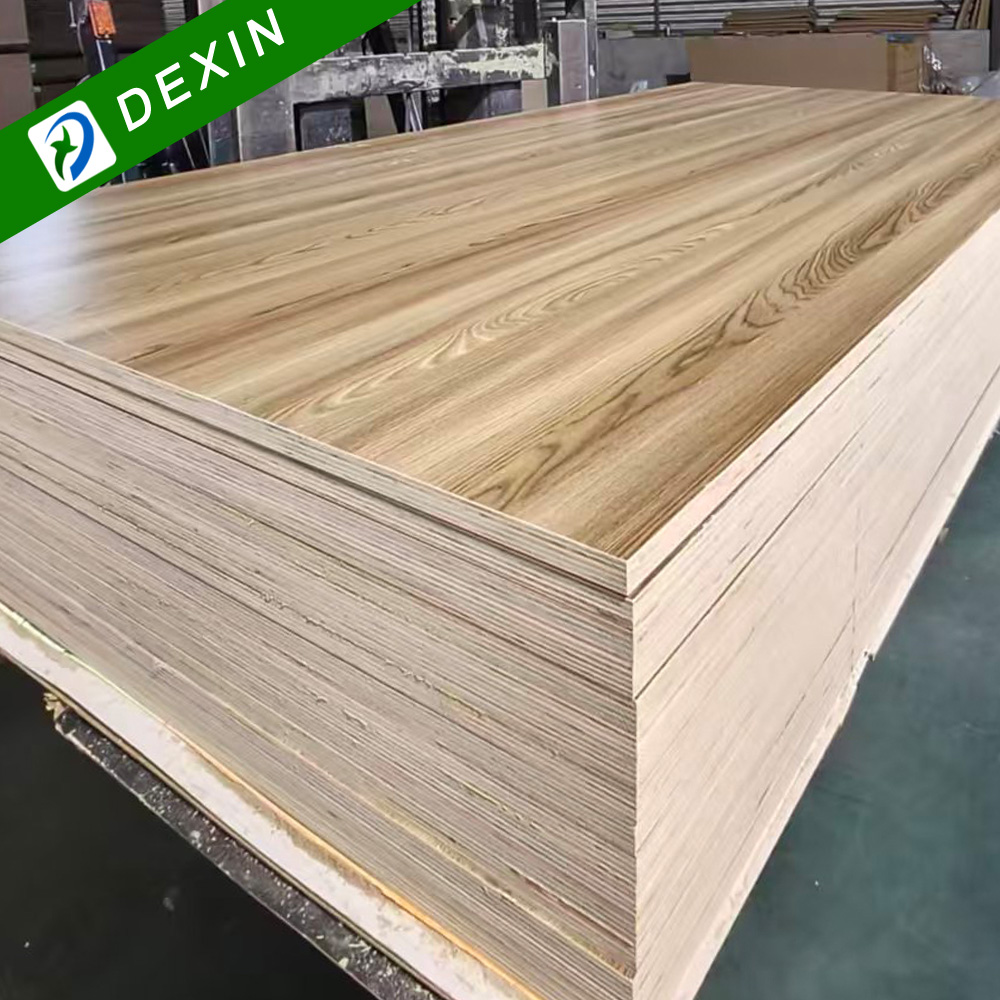
18mm Marine Laminated Melamine Plywood
A decorative melamine face on a marine-type plywood core for Berlin furniture and wet-area cabinetry where a standard interior board is not enough. Use sealed edges and confirm the exact glue class and finish before approval.
- 18 mm
- Marine core
- Double-sided
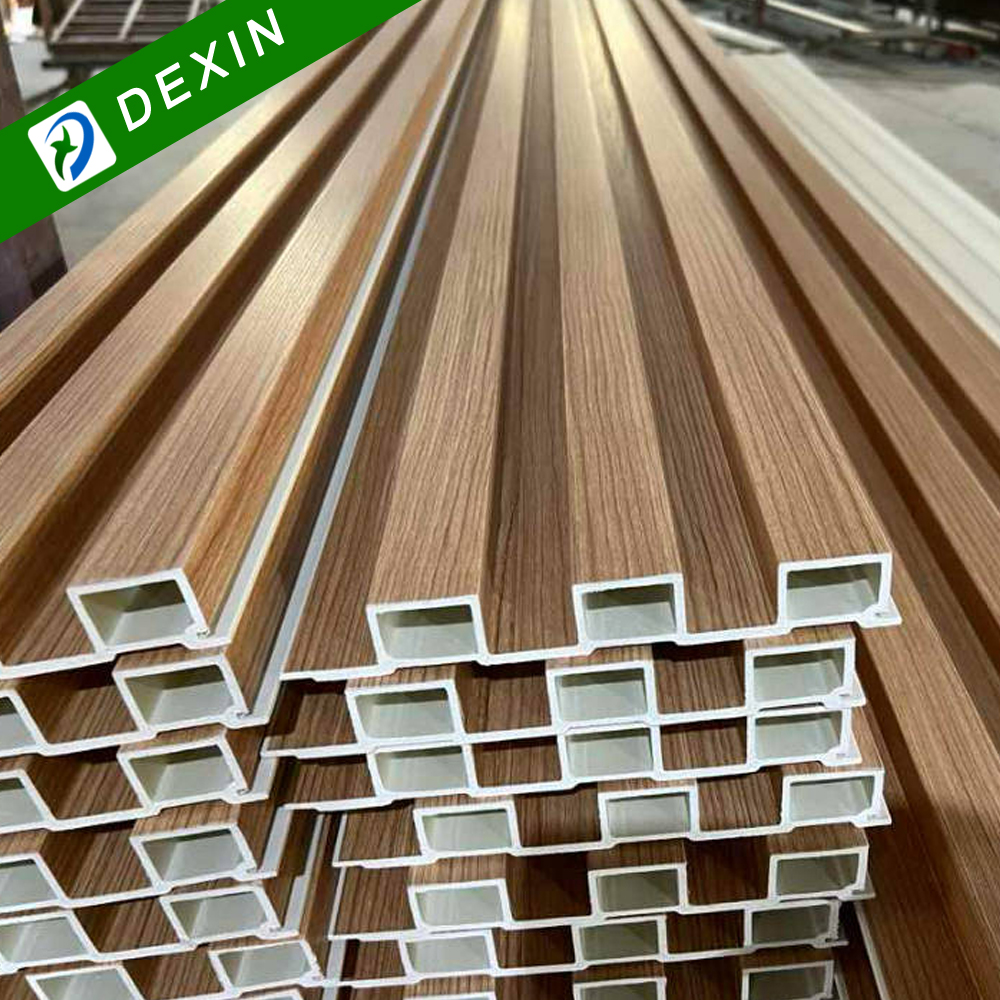
PVC WPC Decorative Wall Panels
A dry-install wall cladding option for Berlin hotel rooms, short-let apartments, offices and retail interiors. WPC panels reduce wet trades and help fast refurbishment programmes, but fire classification and substrate preparation must be checked for public projects.
- WPC
- Interior cladding
- Fast install
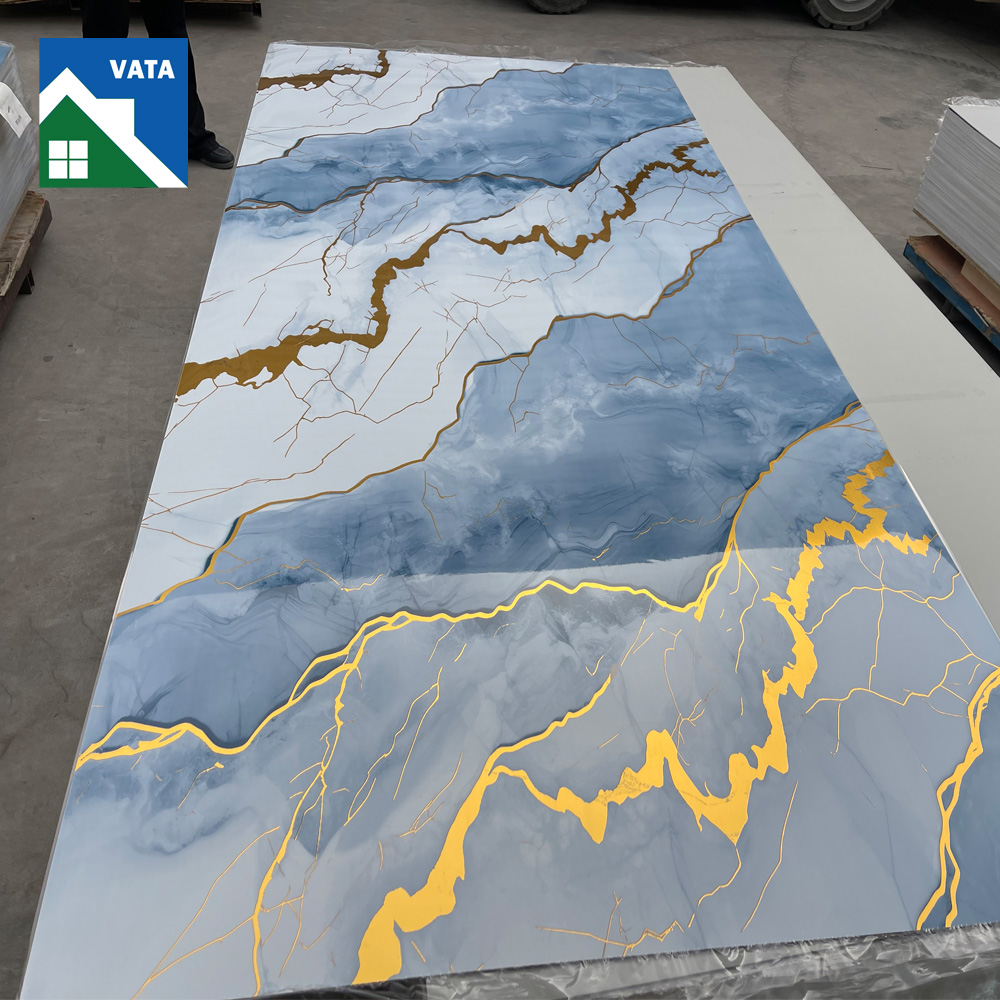
High-Gloss PVC/UV Wall Panel
For feature walls, TV backgrounds and design-led retail interiors where a bright, wipe-clean surface is required. Curved and bendable formats can reduce visible joints, but the project specification should confirm colour consistency, UV resistance and reaction-to-fire class.
- UV gloss
- Bendable
- Feature wall
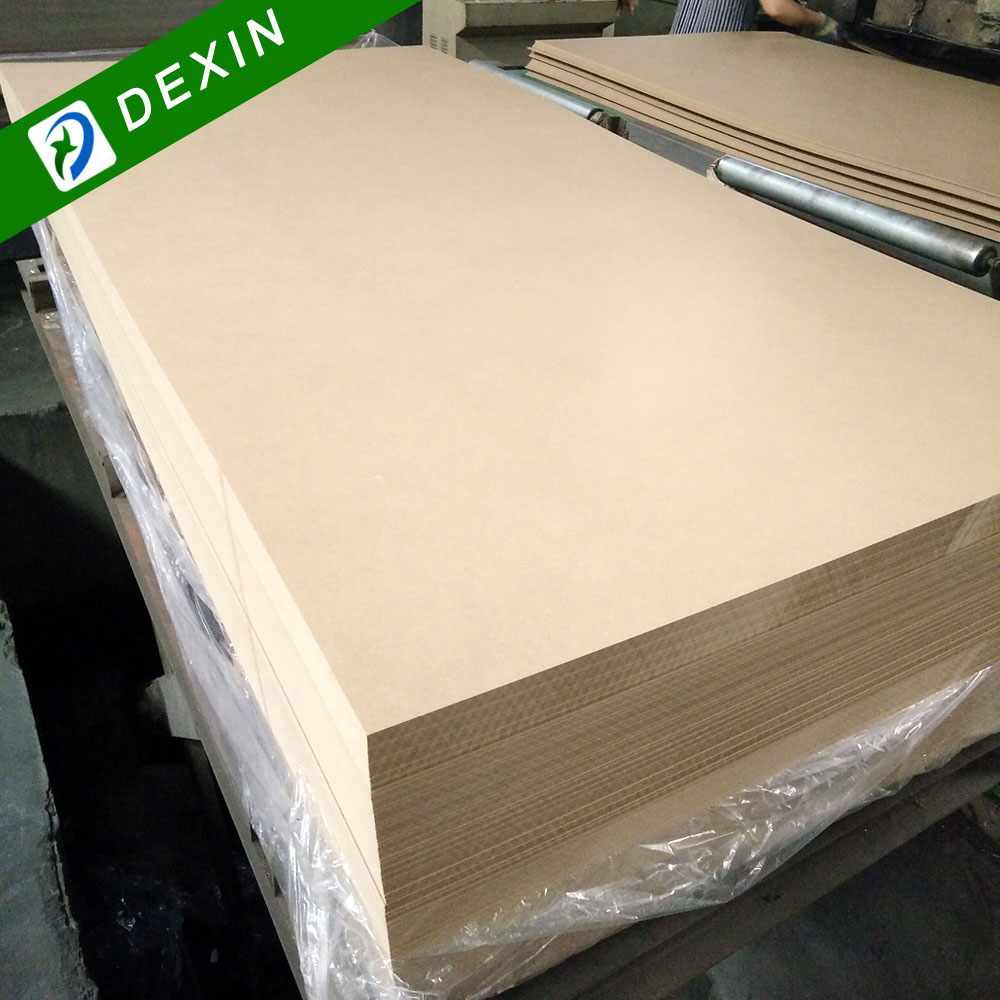
Raw/Plain MDF Board, 3/12/15/18 mm
A practical board for Berlin furniture workshops that need several thicknesses in one mixed container. It is suitable for cabinet internals, exhibition fixtures, painted panels and laminate substrates, provided the correct grade and moisture protection are specified.
- 3–18 mm
- Furniture
- Mixed sizes
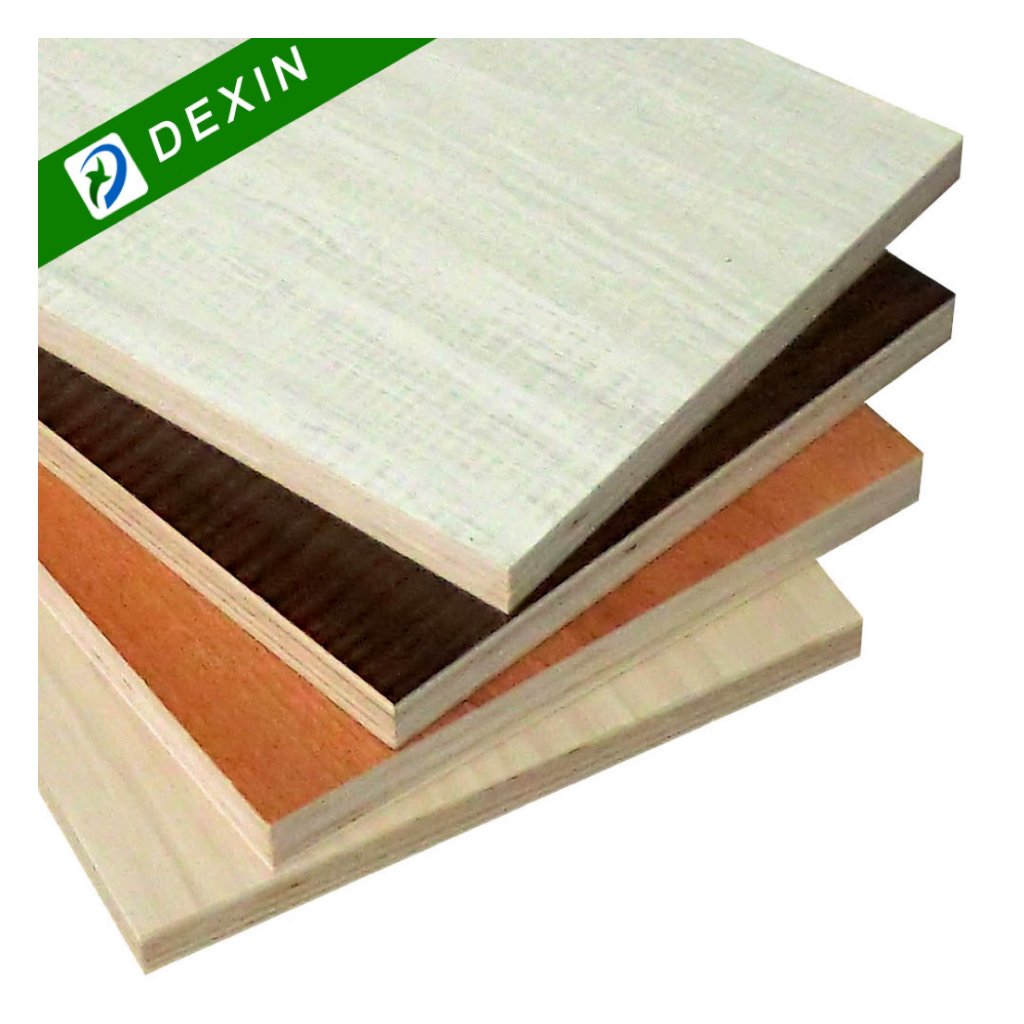
E0 Melamine Plywood for Cabinets
A double-sided decorative plywood option for Berlin kitchen carcasses, wardrobes and contract furniture. E0 is a supplier-declared low-emission grade, so ask for the supporting formaldehyde test report and confirm whether your project requires E1 documentation under the applicable European specification.
- E0 offered
- Cabinets
- Melamine face
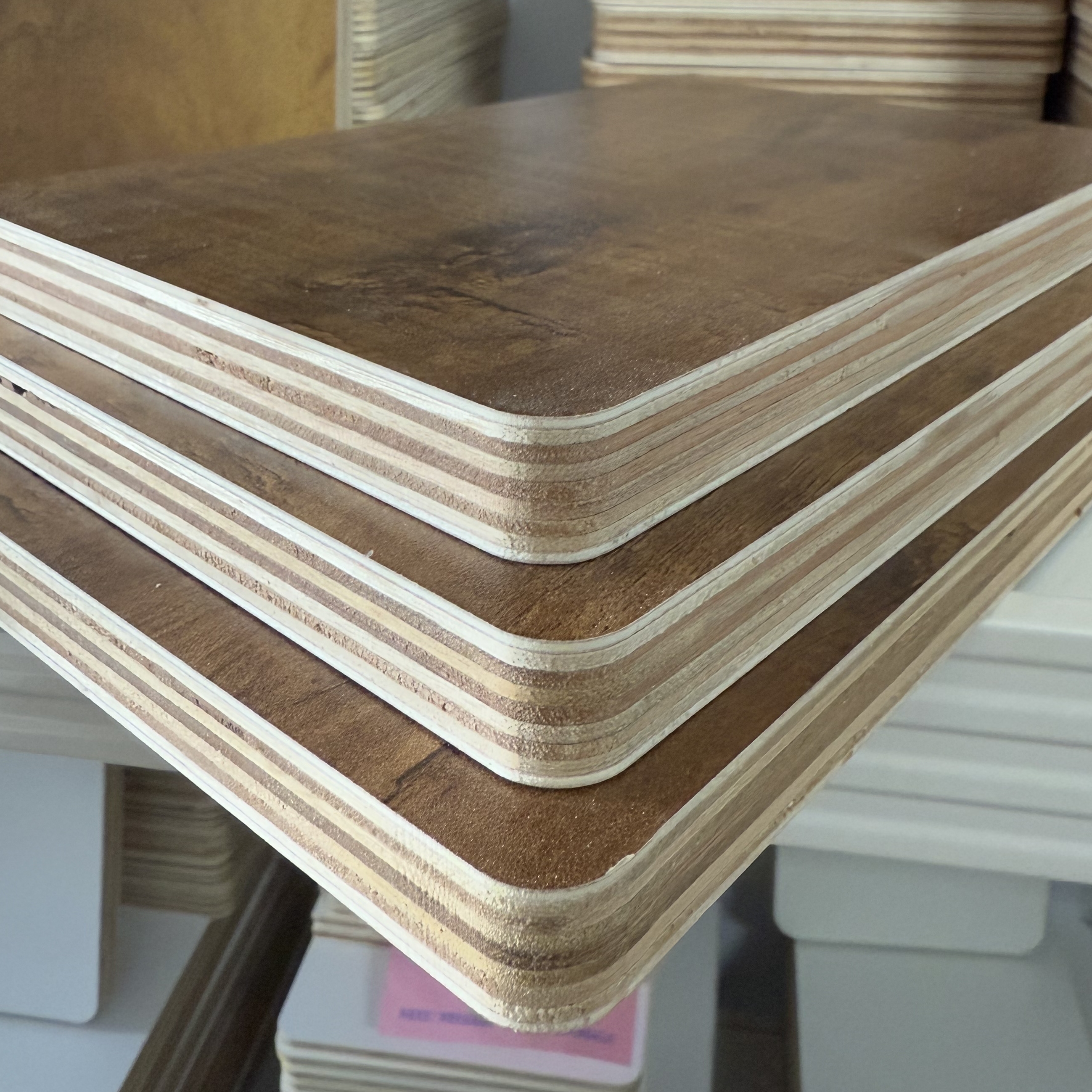
Waterproof Melamine Laminated Marine Plywood
Designed for Berlin kitchens, utility rooms and commercial washroom joinery where intermittent moisture exposure is expected. It is not a substitute for tanking or a waterproof membrane; edge sealing, fixings and joint details determine real-world performance.
- Marine ply
- Waterproof glue
- Wood/marble grain
A China melamine plywood factory is only useful to Berlin if it can prove the specification
Berlin is not a market where a generic board description is enough. Joinery studios, kitchen manufacturers, shopfitters and project contractors work with drawings, tolerances, finish approvals and documentation. A melamine faced plywood supplier from China therefore has to behave less like a catalogue and more like a technical partner: the panel must match the furniture system, the edge-banding process, the humidity exposure and the approval route for the building.
KUDE’s role is to remove ambiguity before production. As the export platform of a wood-based panel manufacturing group founded in 1998 in Linyi, Shandong — China’s largest wood-based panel cluster — we can discuss core species, glue type, melamine decor, thickness tolerance, packing and container loading in one technical conversation. For a Berlin buyer, that means fewer assumptions between the first sample and the final container.
Information gain matters more than a low headline price. A board that machines well, accepts edge banding, arrives flat and clears the required emission and documentation checks is cheaper than a lower-priced panel that causes rework on a Berlin fit-out programme.
Berlin specification checkpoint
Before ordering melamine faced plywood for Germany, confirm these six items in writing:
- Panel size, nominal thickness and tolerance
- Core species, glue class and intended humidity zone
- Melamine face colour, texture and single/double-sided finish
- Formaldehyde grade plus supporting test report
- CE / FSC documentation route and batch traceability
- Cut-to-size, edge sealing and export packing requirements
Where Melamine Faced Plywood Fits in Berlin’s Interior Economy
Berlin’s mix of Altbau renovation, new residential infill, hospitality conversion and compact retail means one panel type rarely serves every job. These are the practical use cases buyers bring to us most often.
Kitchen and wardrobe carcasses
Melamine faced plywood with a stable core is used for cabinet boxes, shelves and visible internals. Berlin kitchen studios should specify the decor direction, edge-banding compatibility and whether a moisture-tolerant core is required near sinks and appliances.
Altbau fitted furniture
Older Berlin apartments often have uneven walls and bespoke alcove joinery. Raw MDF and melamine plywood allow scribing, CNC cutting and on-site adjustment. Acclimatising panels before machining helps reduce dimensional surprises in heated interiors.
Hotel and short-let refurbishment
Hospitality projects need repeatable room modules, scratch-resistant decorative surfaces and fast installation. WPC wall panels and high-gloss wall boards can reduce wet trades, while melamine plywood supports wardrobe and vanity construction.
Retail and office joinery
Display fixtures, reception desks and meeting-room furniture require boards that hold fixings and present a clean face. For public interiors, fire performance and finish durability should be specified at the design stage, not after fabrication.
Six Trends Shaping Panel Procurement in Berlin
These trends are practical buying signals, not abstract macro commentary. They influence what Berlin buyers ask for in a sample request, a cut-to-size list and a container plan.
E1 and E0 are treated as evidence, not labels
German buyers increasingly want formaldehyde performance supported by test reports and batch consistency. E0 can be a useful supplier specification, but it should be explained precisely and matched to the applicable project requirement.
FSC and chain of custody enter the conversation earlier
Architects and developers in Berlin are asking suppliers to connect material choice with responsible sourcing. FSC availability, legal timber documentation and traceable packing marks help procurement teams answer those questions.
Cut-to-size orders reduce site waste
Berlin joinery firms prefer receiving panels cut to a nesting plan rather than full sheets. This reduces offcuts, lowers transport volume in some cases and shortens installation programmes, but requires precise drawings and agreed tolerances.
Matt, super-matt and natural woodgrain dominate
Reflective high-gloss surfaces still work in hospitality and retail, but residential interiors increasingly favour lower-sheen finishes, soft textures and woodgrain effects that hide daily marks and feel warmer in compact apartments.
Dry installation systems shorten refurbishment cycles
For hotel rooms, offices and rental apartments, WPC and PVC wall panels can reduce drying time and site labour. The trade-off is that fire class, substrate flatness and long-term repairability must be checked before approval.
Repairable surfaces and efficient cutting gain value
Berlin's design community is interested in materials that can be disassembled, repaired or refinished. A supplier that offers consistent batch colours, replacement panels and clear cutting plans helps furniture makers extend product life.
Which Panel Should a Berlin Buyer Choose for Each Application?
Use this matrix to shortlist products before sending a specification. Final selection still depends on structural requirements, humidity, fire strategy and the finish approval process.
| Berlin use case | Recommended KUDE product | Why it fits | Specification note |
|---|---|---|---|
| Kitchen cabinet carcasses | E0 melamine plywood or 18mm marine laminated melamine plywood | Decorative faces on both sides and a core that can hold fixings for adjustable shelves and hinges. | Confirm E1/E0 documentation, edge-banding compatibility and moisture exposure near the sink. |
| Visible wardrobe internals | E0 melamine plywood / 18mm melamine faced board | Clean interior surfaces reduce extra finishing and improve perceived furniture quality. | Decide single or double-sided melamine and agree colour matching between batches. |
| CNC-routed display fixtures | Raw/plain MDF 3–18mm | Uniform surface for painting, veneering or lamination and predictable machining behaviour. | Specify density, thickness tolerance, moisture-resistant grade if needed, and packing protection. |
| Commercial washroom joinery | Waterproof melamine laminated marine plywood | Marine-type glue line and melamine face support intermittent moisture exposure better than standard interior board. | Seal cut edges, avoid standing water and use appropriate fixings; this is not a waterproof structural membrane. |
| Hotel room feature walls | PVC WPC decorative wall panels | Fast dry installation and low maintenance in repetitive room modules. | Check reaction-to-fire class, substrate flatness and whether the profile can be repaired locally. |
| TV and reception backgrounds | High-gloss PVC/UV wall panel | Bright finish and bendable formats for design-led interiors with fewer visible joints. | Confirm UV stability, colour consistency, cleaning method and fire documentation for public use. |
| Concrete formwork projects | Reusable H20 wooden formwork beam | Familiar H20 format for Berlin site teams and protected ends for repeated handling. | Agree beam length, end-cap type, load assumptions and replacement cycle with the contractor. |
| Mixed container for joinery studio | Raw MDF + melamine plywood + marine plywood | One shipment can cover substrate, decorative panels and wet-area joinery without multiple suppliers. | Confirm MOQ per line, container loading plan and combined packing list before deposit. |
Technical values, emission grades and finish availability are confirmed for each order. For public buildings and structural uses, always verify the applicable CE marking, declaration and fire performance.

A Linyi manufacturing base with export discipline built in
Linyi KUDE International Trading Co., Ltd. is the export platform of a wood-based panel manufacturing group founded in 1998 in Linyi, Shandong. Operating inside China’s largest wood-based panel cluster gives buyers access to veneer, glue, core materials and laminating capacity without unnecessary layers between the factory and the export order.
The group runs more than 30 production machine sets in 30,000 m² of workshops, with over 300 workers and annual output of 60,000 m³ of plywood, blockboard, MDF and particle board. For Berlin buyers, the important point is not the size of the numbers alone; it is the ability to keep panel quality stable across repeat orders, from a sample panel to a full container programme.
- Founded in 1998
- 15 years export experience
- SGS on-site assessed
- OEM / ODM and custom specs
- Mixed product containers
- FOB, CFR, CIF and EXW terms
Six Factory Advantages that Matter in a Berlin Purchase Order
A good factory relationship is judged after the container arrives: thickness consistency, surface protection, correct packing and documents that match the order.
Own production infrastructure
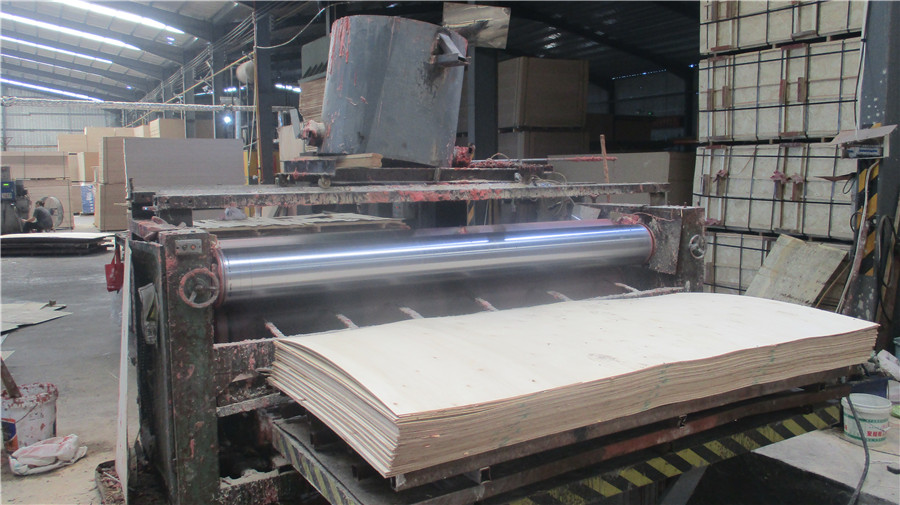
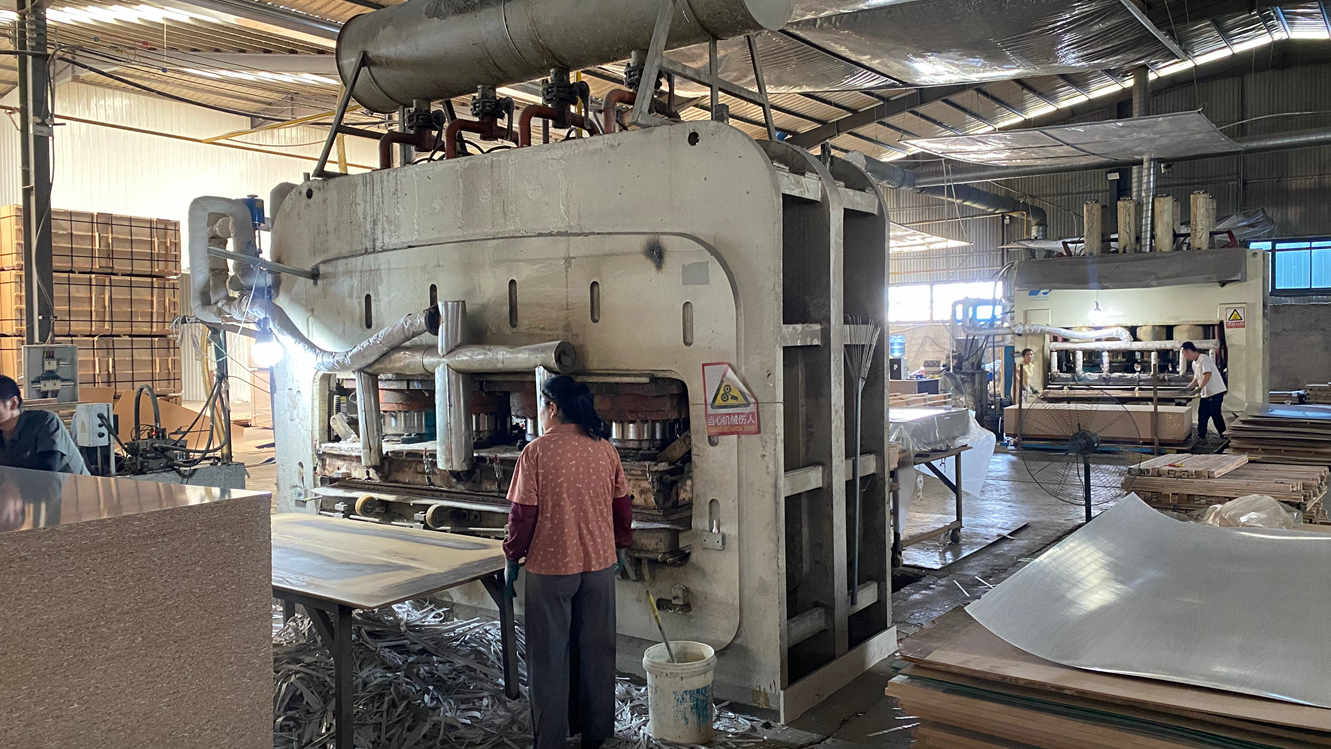
More than 30 machine sets cover peeling, gluing, hot pressing, sanding and laminating. This reduces dependence on middlemen for core product categories.
Certification and quality checks
CE, ISO 9001, ISO 14001, FSC and CARB are part of the group’s credential set, with E0, E1 and E2 grades available depending on the product and destination requirement.
Customisation before production
Sample-based, design-based and full customisation are available, including size, thickness, core, face, glue, decor, logo printing and export packaging.
Export-ready logistics
T/T and L/C payment in USD, EUR or CNY, with FOB, CFR, CIF and EXW terms. Seaworthy pallet packing and loading photos are supported for export orders.
Documents that match the order
Specifications are confirmed before production, and inspection photos can be shared before shipment. This helps Berlin buyers compare the packing list with what was actually approved.
Export experience across 30+ markets
Products have been shipped to Europe, the Americas, the Middle East, Africa, Southeast Asia and Eastern Europe. That experience helps anticipate port, document and packing questions.
From Raw Veneer to a Documented Container for Berlin
Five checkpoints help keep melamine plywood and MDF consistent when the order moves from sample approval to container loading.
Material selection
Veneer grading, core inspection and moisture checks before gluing.
Gluing and pressing
Controlled glue spread and pressing cycles for the agreed glue class.
Sanding and surfacing
Calibrated sanding, melamine lamination or film overlay according to order.
Inspection
Thickness, flatness, bonding, surface defects and decor matching are checked.
Packing and loading
Export pallets, protective corners, strapping and loading photos before departure.




Questions Berlin Importers, Joiners and Contractors Ask
These answers reflect the practical questions that come up when a Berlin buyer moves from an initial catalogue request to a confirmed mixed container.
Can KUDE supply melamine faced plywood and MDF directly to the Berlin market?
Which formaldehyde grade should a Berlin buyer specify: E1, E0 or CARB?
Is melamine faced plywood suitable for Berlin kitchens and bathrooms?
What sizes, thicknesses and decors can be produced for a Berlin order?
Can I combine MDF, melamine plywood and wall panels in one container?
How are payment, packing and quality inspection handled?
Do you provide samples and technical documents before a Berlin order?
Send your Berlin specification, cutting list or container plan
Tell us the panel type, size, thickness, core, emission grade, melamine decor, quantity and destination. We will reply with a factory-direct proposal covering product selection, packing and export terms. For buyers comparing China melamine faced plywood factories, ask for the specification sheet behind the price — that is where the real difference appears.
Product availability, certification scope, emission grades, fire performance and delivery terms are confirmed for each order. For structural, fire-rated or public-building applications, verify the applicable CE marking, declaration of performance and project approval requirements with the responsible engineer or specifier.