Eight Export-Ready Panel Lines for Liverpool Buyers
Liverpool buyers rarely order one board in isolation. A typical container can combine raw MDF, moisture-resistant MDF, melamine-faced panels, decorative plywood and H20 formwork beams. The eight products below are supplied by the Linyi KUDE manufacturing group and keep their original product URLs for specification review.
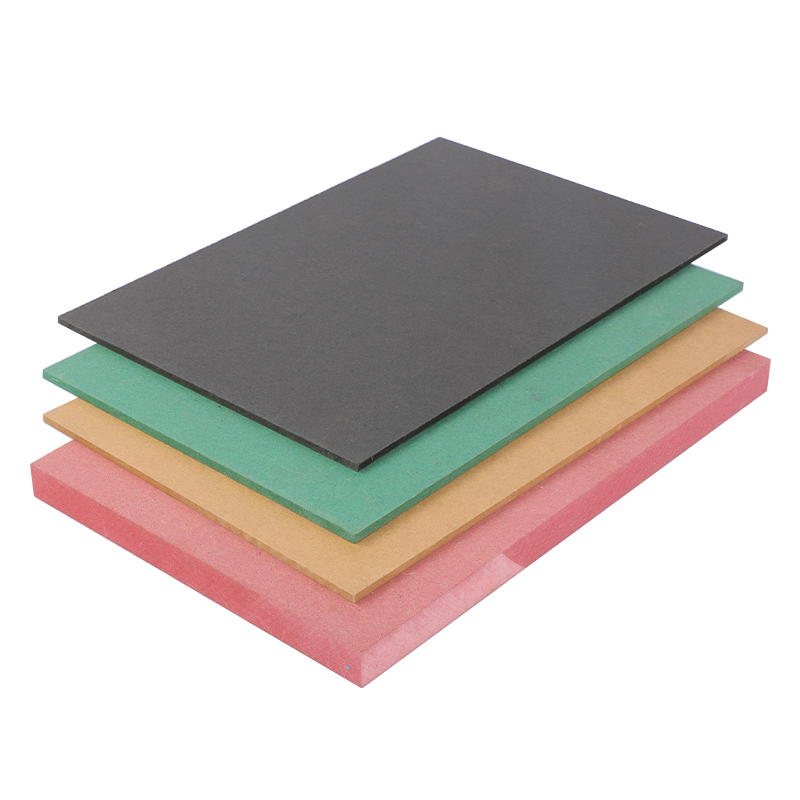
High Quality 3mm~18mm Raw/Plain MDF Sheet with Best Price
A reference raw MDF line for Liverpool workshops that paint, wrap, veneer or CNC-route cabinet components. Specify caliper, density, sanding and edge quality before comparing prices.
- 3–18 mm
- E0/E1
- Joinery grade
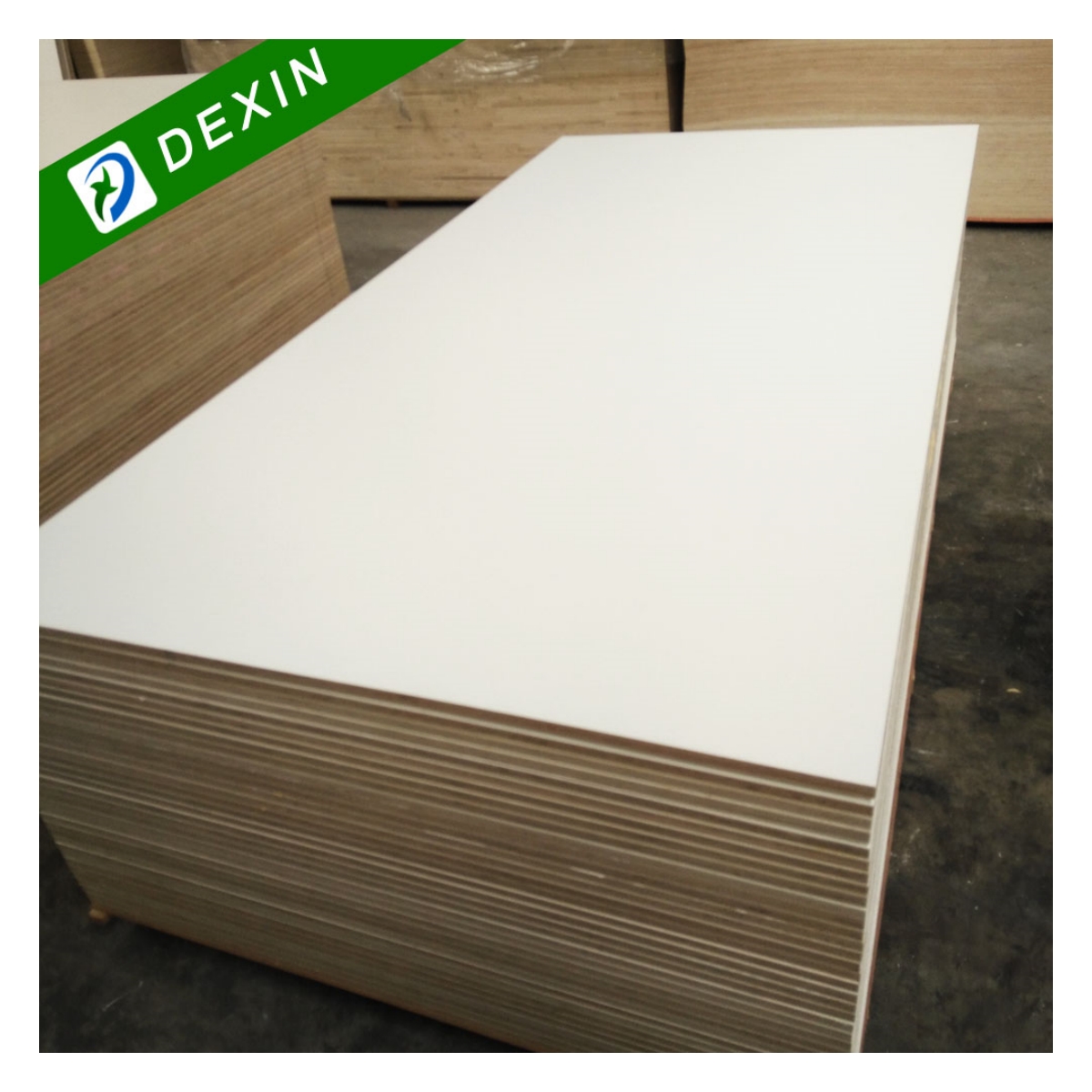
Moisture Resistant 4mm 15mm 17mm 18mm Melamine MDF Wood Panels 1220x2440mm White Textured MDF Melamine
White textured melamine MDF for kitchens, bathrooms, student rooms and contract furniture. Confirm face balance, edge sealing and core grade for the intended wet-risk area.
- 4–18 mm
- 1220×2440 mm
- MR core option
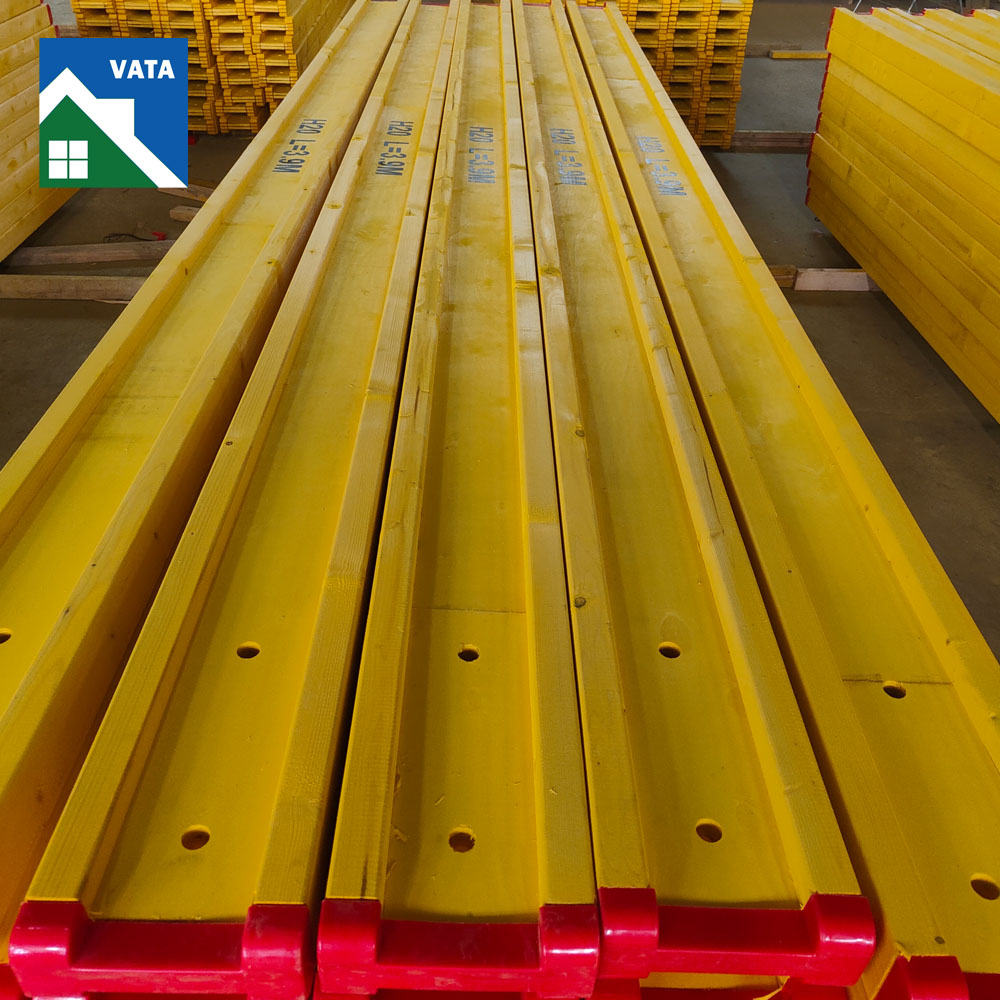
Manufacturer Reusable Yellow Painted H20 Wooden Formwork Beam with Plastic End Caps for Construction Building Projects
A reusable H20 formwork beam for construction suppliers and groundwork contractors serving Liverpool projects. Request load, reuse and end-cap data for the project.
- H20 beam
- Plastic end caps
- Reusable
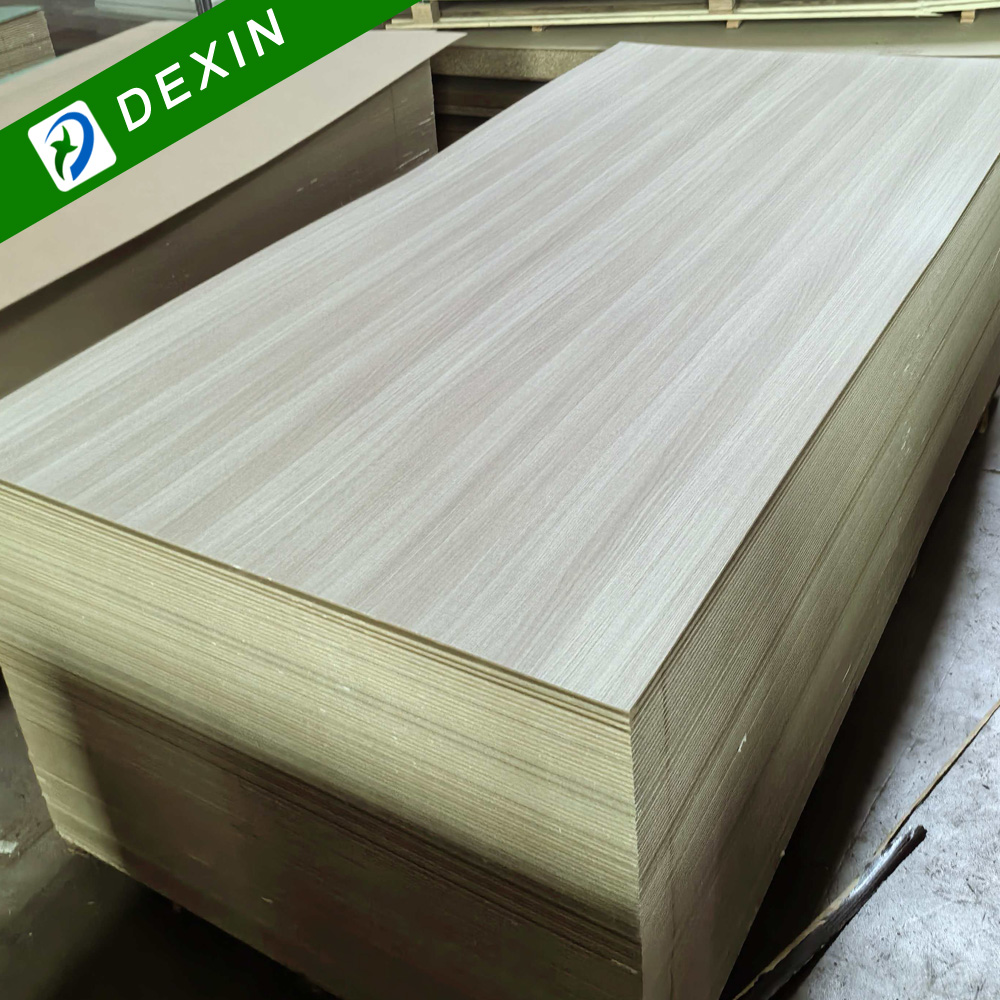
Good Quality 6mm 12mm 18mm Teak/Oak/Maple Melamine Plywood 1/2,3/4 in Flywood Sheet for Furniture
Decorative melamine plywood in teak, oak and maple looks for shopfitting, hospitality and furniture. Useful when a Liverpool order mixes raw MDF with faced panels.
- 6/12/18 mm
- Wood-grain decor
- Furniture use

Customized Length Water Resistant Spruce Wooden H20 Timber Beam with 80x200mm for Concrete Formwork System
Water-resistant spruce H20 timber beam, 80×200 mm, custom length for concrete formwork systems. A practical line for contractors sourcing formwork components alongside film-faced plywood.
- 80×200 mm
- Custom length
- Spruce timber
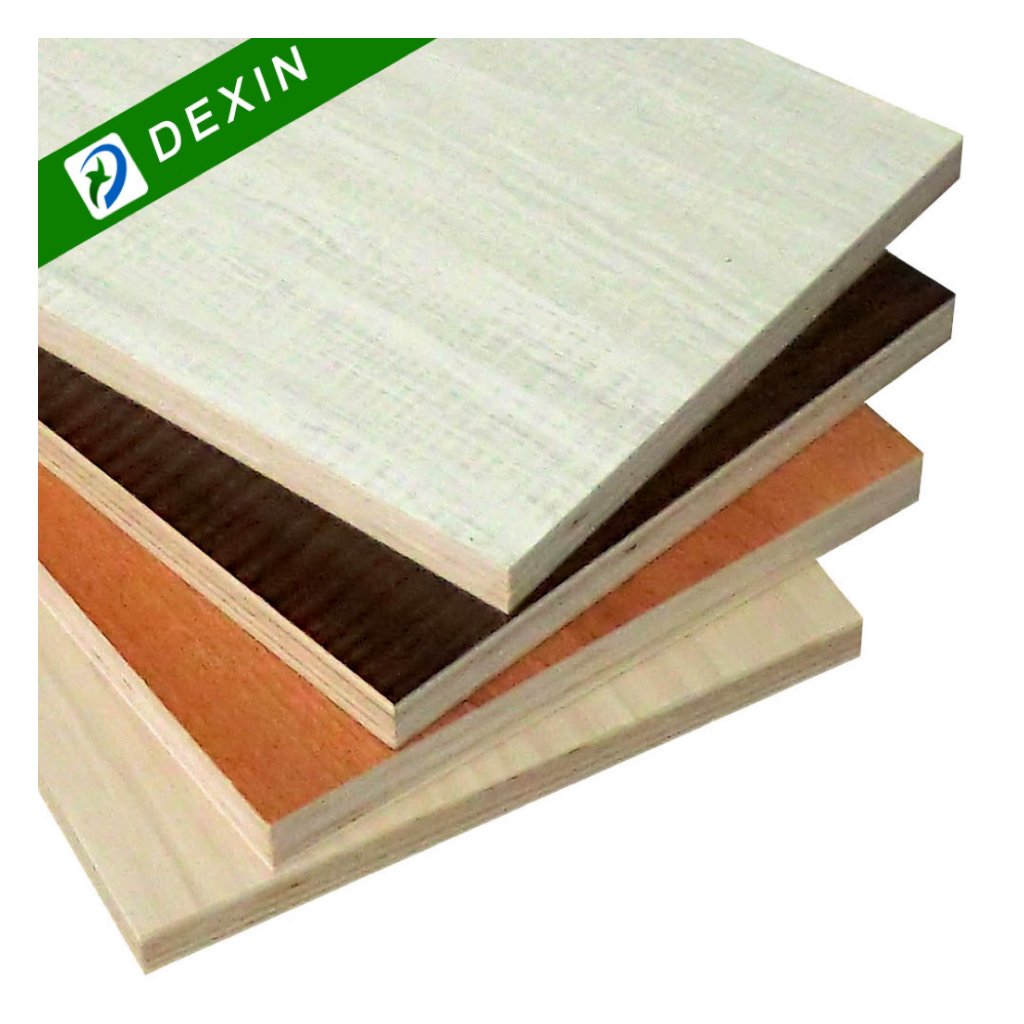
3mm 12mm 18mm E0 First-Class Melamine Contrachapado/Kontrplak 4x8 Paneles Laminas De Melamina Plywood for Furniture Cabinet Use
E0-class melamine plywood for furniture cabinets, retail fit-outs and contract furniture. Request order-linked formaldehyde documents and face samples before confirmation.
- E0
- 3–18 mm
- Cabinet use
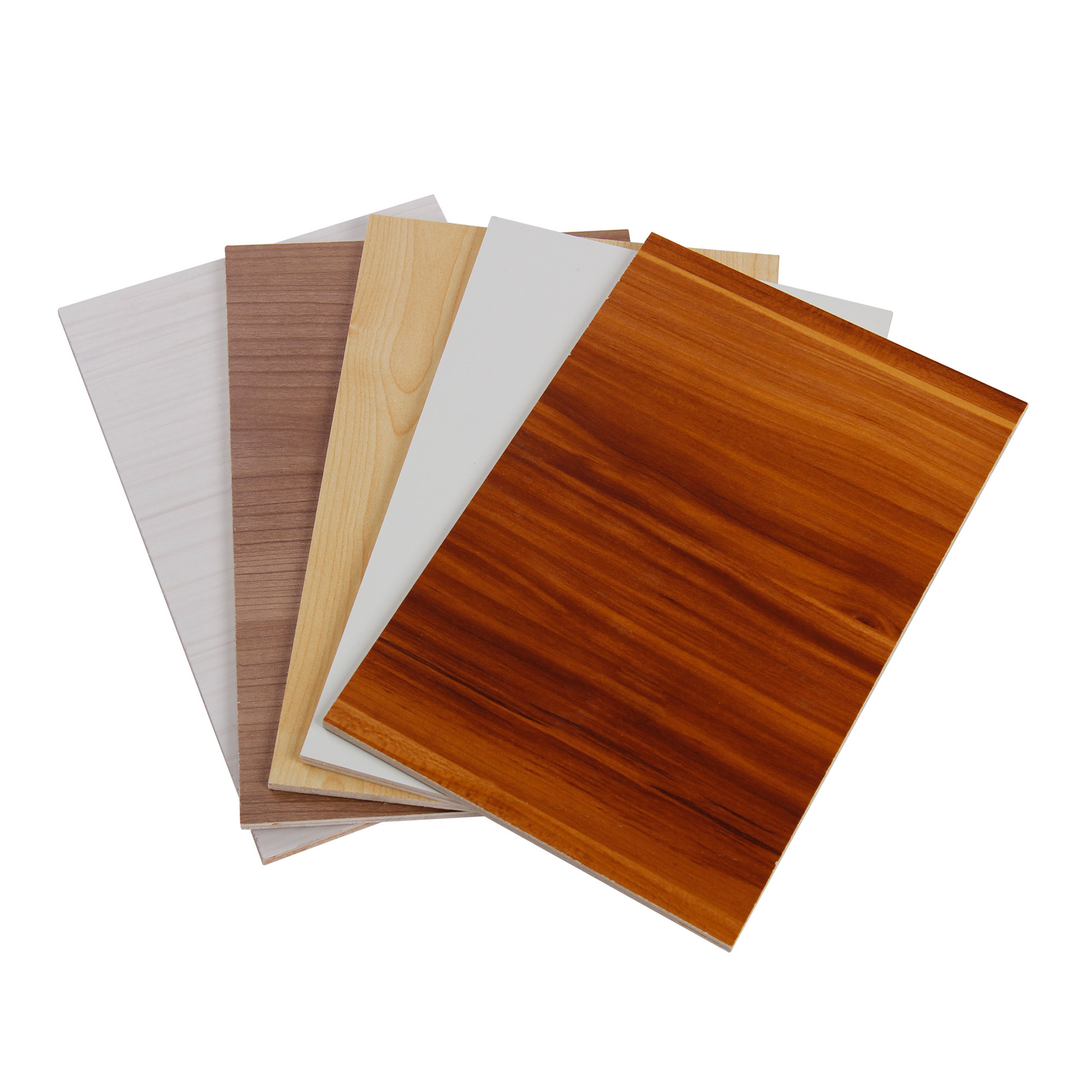
12mm 15mm 16mm 18mm Melamine Wood Board Plywood for Furniture Making
Melamine-faced wood board plywood in 12–18 mm for furniture making, shelving and interior fit-out. A practical line for distributors serving Merseyside joinery shops.
- 12–18 mm
- Melamine face
- Furniture making
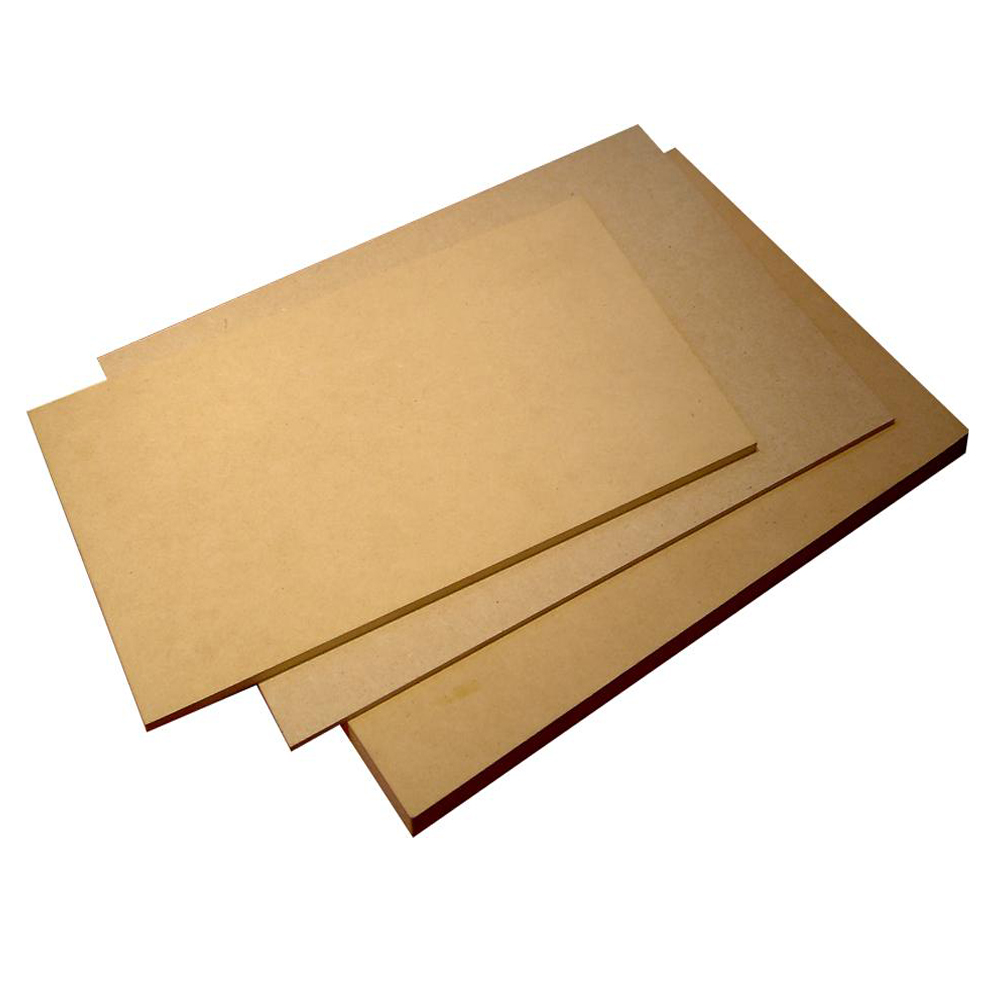
E0 E1 or E2 Glue Raw Thailand MDF Board with Cheap Price on Sale
Raw Thailand MDF in E0, E1 or E2 glue grades for price-sensitive volume buyers. Verify density, sanding, thickness tolerance and documentation against the quoted grade.
- E0/E1/E2
- Volume supply
- Raw MDF
Why Raw MDF Buyers in Liverpool Are Rebalancing Their Supplier Mix
Liverpool’s fit-out economy is not a single market. It includes kitchen and wardrobe installers, shopfitters, student-accommodation contractors, joinery workshops, commercial refurbishment teams and event-set builders. Each buyer cuts, routes, paints, wraps or laminates raw MDF differently.
From commodity sheet to specification-led procurement
For a Liverpool importer, the competitive question is not simply “who has the lowest FOB price in China?” It is “which factory can deliver a repeatable board, the right emission class and export packing that survives arrival through the Port of Liverpool?” Two sheets with the same nominal thickness can behave very differently on a CNC router, beneath a high-gloss finish or after a few weeks in a Merseyside storage unit.
KUDE’s manufacturing group has operated since 1998 inside Linyi, Shandong, one of China’s largest wood-based panel clusters. The group runs 30,000 m² of workshops, 60,000 m³ of annual panel output and more than 30 machine sets, with 300+ workers and 15 years of export experience to 30+ countries. That scale matters when Liverpool buyers need a stable specification, documented batches and a supplier that can combine raw MDF with melamine-faced panels, plywood and H20 formwork beams.
The Port of Liverpool, including the Liverpool2 deepwater container terminal, gives the North West a direct route for containerised imports and onward distribution to Merseyside, Greater Manchester, North Wales and Ireland. A CFR Liverpool quote can look attractive, but experienced buyers compare the total landed cost: sea freight, port handling, customs, UK Timber Regulation due diligence, inland haulage, moisture protection, breakage allowance and rework. A factory that controls caliper, density and packing often outranks a cheaper quote on the final cost sheet.
Liverpool raw MDF buying checklist
- Specify thickness, tolerance, density range and sanding quality before asking for a price.
- Confirm E1, E0 or E2 formaldehyde class and request order-linked test documents.
- Check UKTR timber due diligence, FSC evidence where claimed, and CE/UKCA documentation where applicable.
- Decide whether the core is standard MDF, HMR MDF or melamine-faced MDF.
- Ask for pallet packing, moisture barrier, edge protection and loading photos.
- Compare FOB Qingdao with CFR Liverpool and CIF Liverpool on a true landed-cost basis.
Where Raw MDF Fits the Liverpool City Region Fit-Out Economy
Local application matters because MDF specification changes with the fixing method, finish, humidity risk and fire strategy. The scenarios below are the most common enquiry patterns for Liverpool and the wider North West.
Kitchen and wardrobe workshops
Liverpool installers need 18 mm raw MDF and HMR MDF for door panels, fillers, plinths and wardrobe internals. Consistent density supports clean edge-banding, hinge insertion and paint finishes. Specify whether boards will be nested on a CNC or cut on a panel saw.
Student accommodation and PBSA
Purpose-built student accommodation around Liverpool’s Knowledge Quarter and city centre requires repeated batches of moisture-resistant MDF, melamine-faced MDF and CNC-cut components. Batch-to-batch colour and caliper consistency reduces site snagging during phased handovers.
Hospitality, retail and leisure fit-outs
Operators around Liverpool ONE, the Ropewalks and the Baltic Triangle fit out bars, cafés, hotels and stores with MDF counters, wall panelling, display plinths and booth backs. Fast replenishment and a surface-ready board are often more valuable than the cheapest sheet price.
Commercial office refurbishment
Reception desks, wall linings, acoustic backing, tea points and joinery packages for Liverpool Commercial District projects need low-emission E1/E0 boards with clear documentation. Landlord fit-outs often require traceable materials and predictable delivery windows.
Film, TV and event set building
Liverpool’s production and events sector uses raw MDF for CNC-cut scenery, painted sets and exhibition stands. Thin MDF, clean routing and quick replenishment matter when build schedules are short and design changes arrive late.
Housing retrofit and home renovation
Older housing across the Wirral, Sefton and St Helens frequently needs fitted wardrobes, alcove shelving, stair panels and kitchen upgrades. HMR MDF is useful in kitchens and bathrooms, but it is not an exterior board: design, sealing and storage conditions still determine performance.
What Liverpool Buyers Are Specifying More Carefully
Local demand is moving away from blind commodity buying. The strongest signals are compliance documentation, moisture-risk planning, mixed-container flexibility and surface-ready machining quality.
Compliance-first tenders
UKTR due diligence, FSC evidence and low-emission E1/E0 boards are increasingly requested before a supplier is added to a tender list. Liverpool buyers want documents linked to the actual order, not a generic catalogue claim.
HMR MDF as a wet-risk default
Kitchens, bathrooms and student accommodation are pushing moisture-resistant MDF into more specifications. HMR improves incidental moisture resistance, but correct edge sealing, ventilation and installation remain essential.
Port-led stock planning
Liverpool importers are combining raw MDF, melamine MDF, plywood and H20 beams into mixed containers, then holding buffer stock in Merseyside or Greater Manchester rather than relying on just-in-time arrivals.
Surface-ready and CNC-first
Paint, wrap and laminate lines need tight caliper, stable density and consistent sanding. Buyers are asking for machining trials and batch photos before committing to repeat orders.
Indicative Liverpool-area buyer priorities
Directional priorities from export enquiries and fit-out specifications; not a statistical market survey.
Why KUDE Supports Liverpool Importers and Distributors
KUDE is the export platform of a wood-based panel manufacturing group based in Linyi, Shandong. The principle behind the business is simple: survival by quality, development by prestige. For Liverpool buyers, that translates into specification control, export documentation and loading discipline.
Manufacturing scale in Linyi
Founded in 1998, the group operates 30,000 m² of workshops, 60,000 m³ annual panel output, 30+ machine sets and 300+ workers inside China’s largest wood-based panel cluster. That gives buyers short supply chains for veneer, glue and core materials.
Certification and evidence
The manufacturing group holds CE, ISO 9001, ISO 14001, FSC and CARB certifications, and the supplier profile has passed an on-site assessment by SGS. E0, E1 and E2 grades are available depending on the product and destination requirement.
OEM, ODM and custom specs
Sample-based, design-based and full customization can cover size, thickness, core species, face veneer or decor, glue type, logo printing and export packaging. Liverpool buyers can align the board to machining method, finish and documentation needs.
Export-ready logistics
KUDE works on FOB Qingdao, CFR Liverpool, CIF Liverpool and EXW terms, with T/T and L/C payment in USD, EUR or CNY. Seaworthy pallets, steel strapping, moisture barrier and loading photos support container planning.
Five quality checkpoints
Material selection, gluing and pressing, sanding and surfacing, inspection, and packing and loading are treated as separate control points. For Liverpool buyers, that means thickness, flatness, bonding and surface condition can be checked before shipment.
Flexible MOQ and mixed loads
MOQ depends on the product line, typically 50–500 sheets. Several products can be combined in one container after specifications are confirmed, making the supplier practical for Liverpool distributors that sell across multiple panel categories.

Production line: 30+ machine sets inside the Linyi manufacturing group.

Hot-press workshop: controlled gluing and pressing cycles for stable panels.

Quality inspection: thickness, flatness, bonding and surface checks.

Finished stock and export packing support for container loading.
Raw MDF Sourcing Matrix for Liverpool Projects
Use this matrix to shortlist the panel before requesting a quotation. Final density, tolerance, glue type and documents must be confirmed for each purchase order.
| Liverpool application | Recommended panel | Typical thickness | Specification focus | Local buying note |
|---|---|---|---|---|
| Painted kitchen doors and wardrobe fronts | Raw MDF or HMR MDF | 18 mm | Density consistency, caliper, sanding, E1/E0 grade | Acclimatise before machining; confirm primer compatibility and edge sealing. |
| Bathroom and kitchen carcass panels | HMR MDF or MR melamine MDF | 15–18 mm | Moisture-resistant core, face balance, edge sealing | HMR is for incidental moisture, not exterior exposure or prolonged wetting. |
| Shopfitting and exhibition units | Raw MDF plus melamine MDF | 6/9/12/18 mm | Flatness, CNC routing quality, batch colour consistency | Repeat fit-out rolls need stable face colour and thickness across batches. |
| Student accommodation and contract furniture | E0/E1 melamine-faced MDF or plywood | 18 mm | Low-emission documentation, durable face, FSC where requested | Plan phased deliveries and protect edges during site storage. |
| Decorative joinery and veneered panels | Raw MDF, fancy plywood or veneered MDF | 3–18 mm | Surface stability, sanding quality, face selection | Protect from humidity swings before veneering, painting or laminating. |
| Formwork and construction support | H20 beams and film-faced plywood | Product-specific | Reusability, end caps, load data, film and glue type | Keep formwork panels separate from interior MDF specifications and documents. |
Values are typical production ranges and application guidance. Final tolerances, grades, test reports and claims are confirmed for each order and destination requirement.
Questions Liverpool Buyers Ask Before Ordering Raw MDF from China
01Can KUDE export raw MDF to Liverpool under CFR or CIF terms?
Yes. KUDE works on FOB Qingdao, CFR Liverpool and CIF Liverpool terms, as well as EXW where the buyer has a forwarder in China. T/T and L/C are accepted in USD, EUR or CNY. Because ocean schedules, port charges and UK customs treatment change, the quotation should be dated and checked against the final Incoterm before purchase order.
02What MOQ applies to a Liverpool order?
MOQ depends on the product line, typically 50–500 sheets. Several lines can be combined in one container after specifications are confirmed. For Liverpool distributors, a mixed container of raw MDF, melamine MDF, plywood and H20 beams can be more practical than a single-SKU order, but the packing plan must be agreed early.
03How do I verify E0/E1/E2 and CARB, CE or FSC claims?
Ask for order-linked documents, not only a catalogue claim. KUDE’s manufacturing group holds CE, ISO 9001, ISO 14001, FSC and CARB certifications, and the supplier profile has passed an on-site SGS assessment. E0, E1 and E2 grades are available depending on product. Because UK market requirements depend on the final application, confirm test reports and claims before placing the order.
04How should raw MDF be packed for Liverpool’s humid climate?
Export packing should protect edges, faces and moisture. Standard practice includes seaworthy pallets, moisture barrier, corner protection, steel strapping and a container loading plan. On arrival in Liverpool, keep MDF flat, off the floor and dry; allow the board to acclimatise before machining or laminating. MDF is not an exterior product, and HMR MDF only improves incidental moisture resistance.
05Can I customise thickness, sheet size, density and glue type?
Yes. Sample-based, design-based and full customization can cover size, thickness, core species, face veneer or decor, glue type, logo printing and export packaging. For Liverpool buyers, send the final application, machining method, finish and required documents so that density, caliper and face quality are specified correctly.
06Can I mix raw MDF with melamine MDF, plywood and H20 beams?
Yes, subject to specification and loading limits. A mixed container can include raw MDF, melamine-faced MDF, fancy plywood and H20 timber beams. The advantage is fewer suppliers and a consolidated arrival in Liverpool; the trade-off is a more complex packing and loading plan. Confirm weights, pallet heights and unloading method before booking.
07How do I compare FOB Qingdao with CFR Liverpool?
Compare total landed cost, not FOB alone. Add ocean freight, port charges, customs clearance, UKTR/FSC due diligence, inland haulage, VAT or duty treatment, financing and rework risk. A slightly higher CFR Liverpool price with stable caliper, better packing and complete documents can be cheaper than a low FOB quote that creates moisture damage, delamination or machining rejects.
08Can I inspect production or receive loading photos before shipment?
Yes. Production photos, loading photos and live video inspection can be arranged. The company profile includes a verified factory tour showing press lines, warehouse and loading area as assessed on site. Buyers should also confirm the container number, seal number, packing list and batch identification before release.
Build a raw MDF specification pack for your next Liverpool order
Send thickness, grade, face, core, quantity and destination port. Our export team will respond with a technical proposal, packing plan and commercial terms. Confirm current lead time and documents before placing a purchase order.
Email: info@kudeplywood.com · Linyi KUDE International Trading Co., Ltd., Linyi, Shandong, China.