China Wholesale cabinet door core materials Factories & Exporters serving the Brisbane market
A Brisbane-focused sourcing whitepaper for cabinetmakers, joiners, importers and commercial fit-out teams comparing MDF, HDF, plywood, melamine-faced board, particleboard and supporting panel products.
8 Product Lines for Cabinet Door Cores, Joinery & Brisbane Fit-Out
Start with the service condition, not only the container price. Each line below is available for export from KUDE’s Linyi manufacturing base; confirm final thickness, surface, emission class, edge treatment and packing before production.
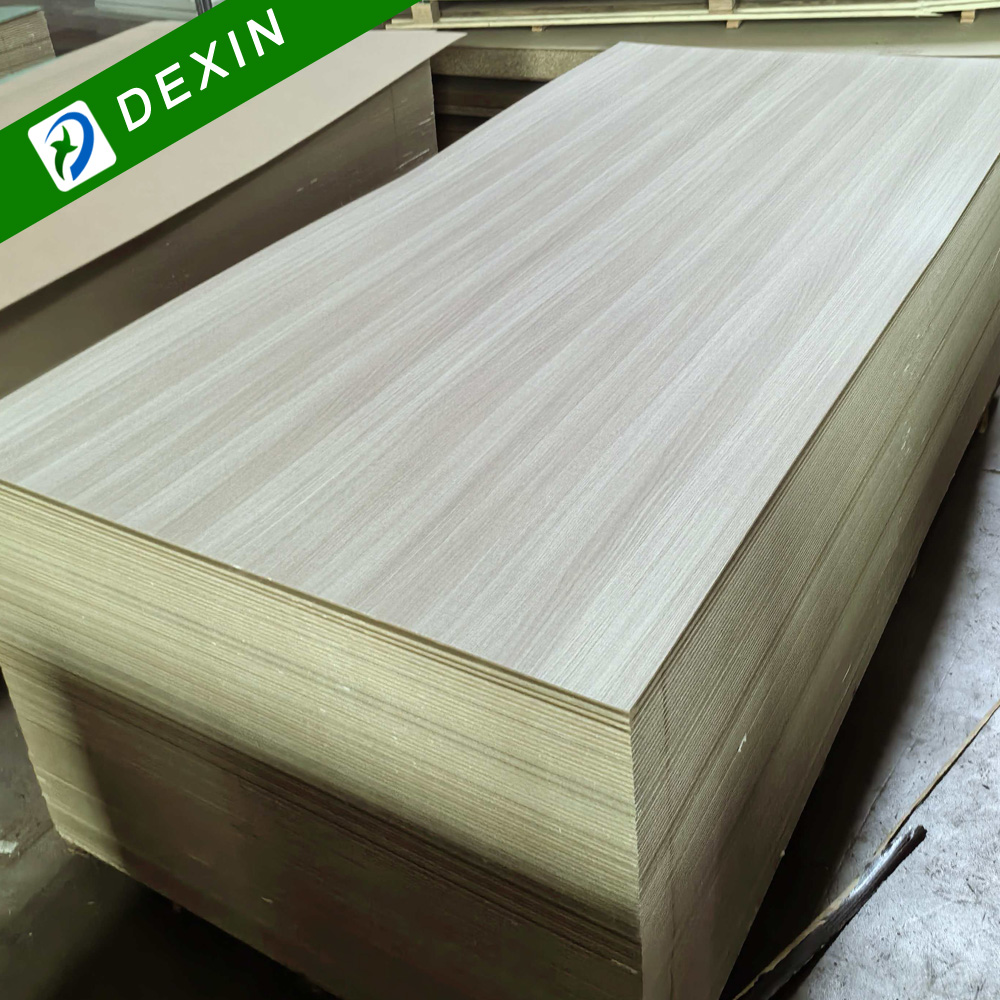
Moisture Resistant 4mm 15mm 17mm 18mm Melamine MDF Wood Panels 1220x2440mm White Textured MDF Melamine
White textured melamine MDF for door skins, wardrobe internals and humid interior joinery. For Brisbane kitchens and laundries, specify MR core, sealed edges and balanced faces to reduce bowing risk.
View product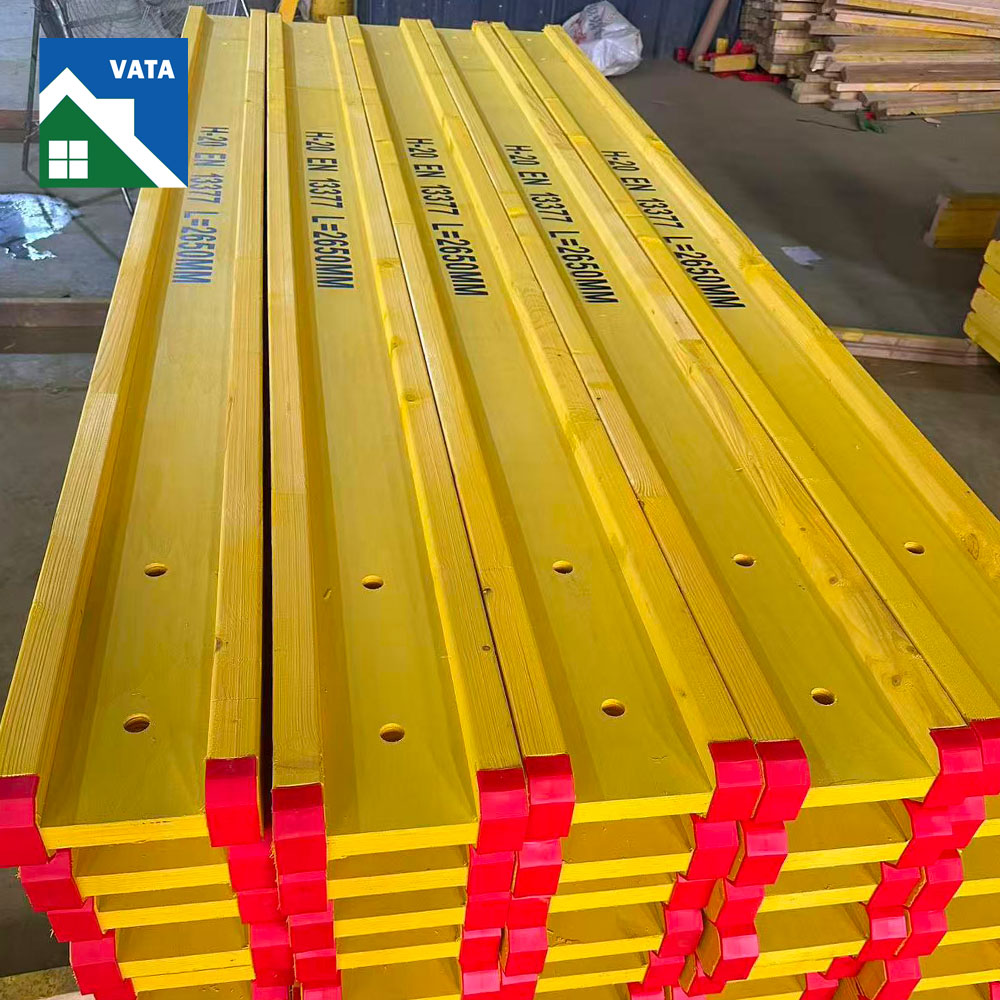
Factory Direct High Strength H20 Timber Beam Waterproof LVL Structural I Beams for Concrete Formwork
H20 timber beam and waterproof LVL for concrete formwork, staging and structural support. A practical companion item for Brisbane builders and shopfitters consolidating panel and formwork materials in one export programme.
View product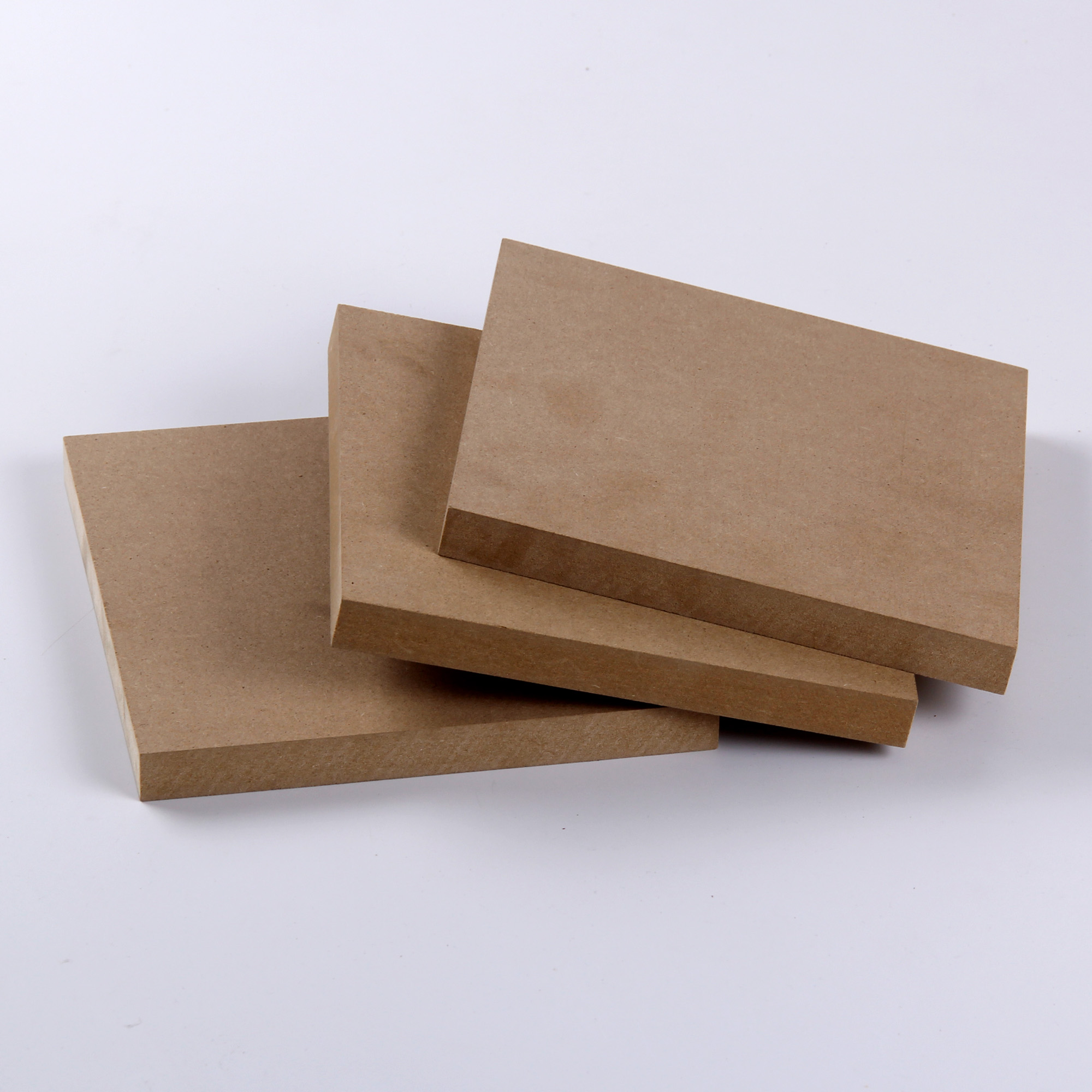
Factory Standard Size with Thickness of 5mm, 6mm, 8mm, 9mm, 18mm Raw MDF/HDF Board
Raw MDF and HDF in common factory thicknesses for routed door profiles, painted doors, drawer fronts and shopfitting components. HDF gives denser edges for hinge preparation and CNC work.
View product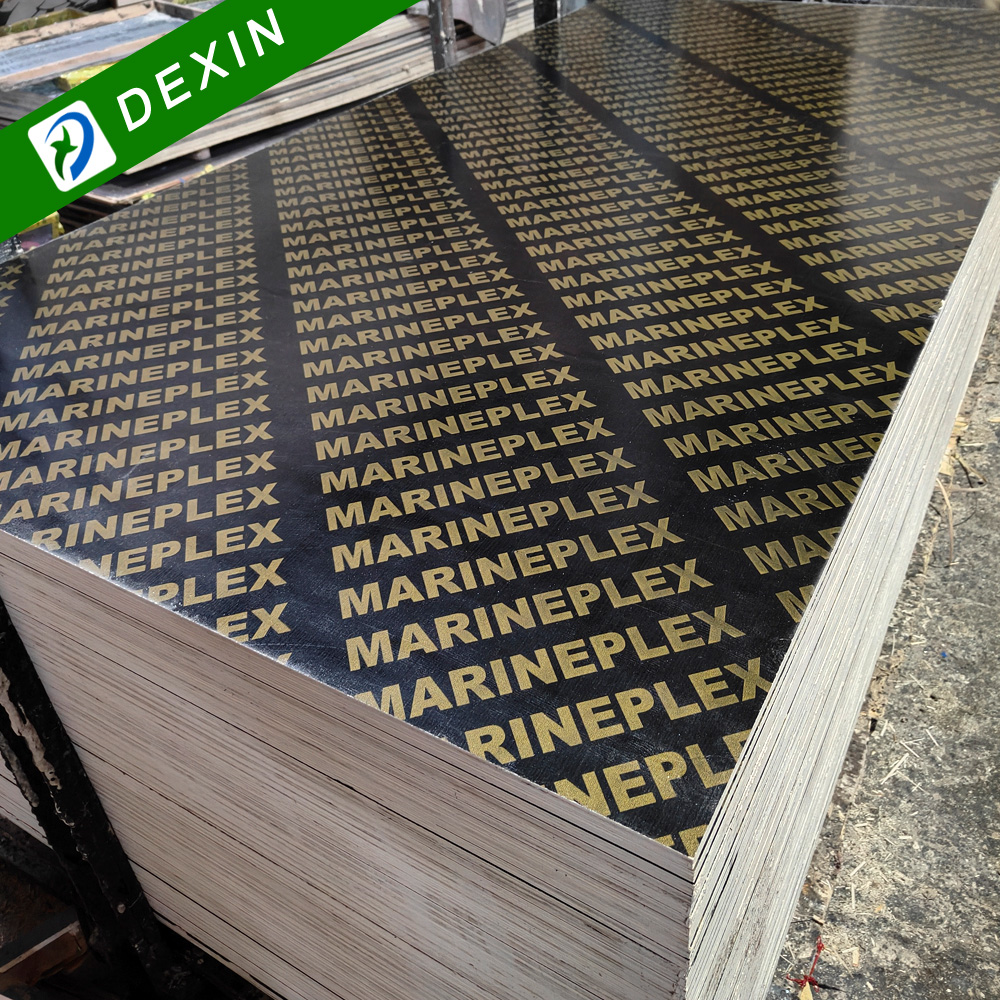
China Manufacturer 4x8ft Concrete Black Film Faced Plywood 9~25mm Marine Contreplaque Board for Construction
Black film faced concrete plywood for formwork, hoardings and construction applications. Not a decorative cabinet door core, but useful for Brisbane contractors that prefer one supplier for interior panels and site consumables.
View product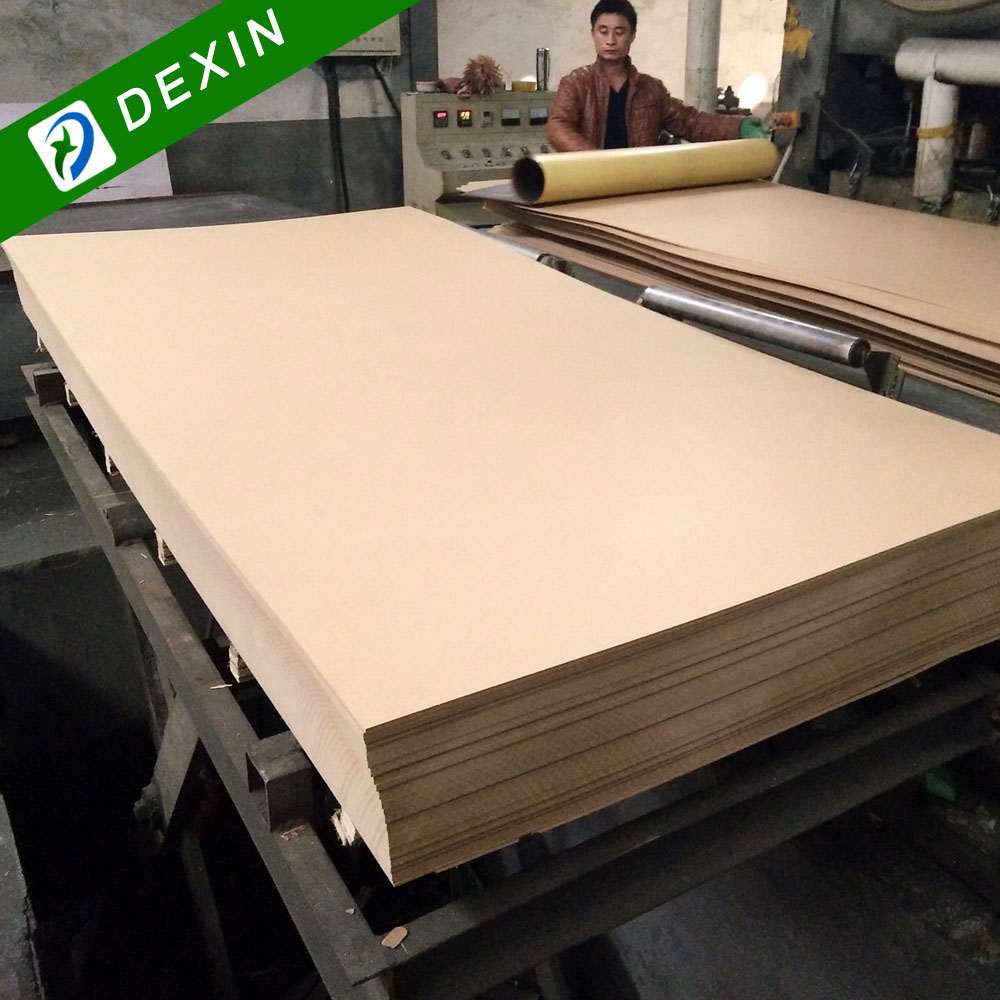
Factory Directly Sale Plain Mdf 12mm 15mm 18mm Raw HDF Board
Factory-direct plain MDF and HDF for laminating, veneering, painting and machining. Brisbane cabinetmakers can use it for dry-area door blanks and carcasses; for wet areas, step up to MR/HMR and seal edges.
View product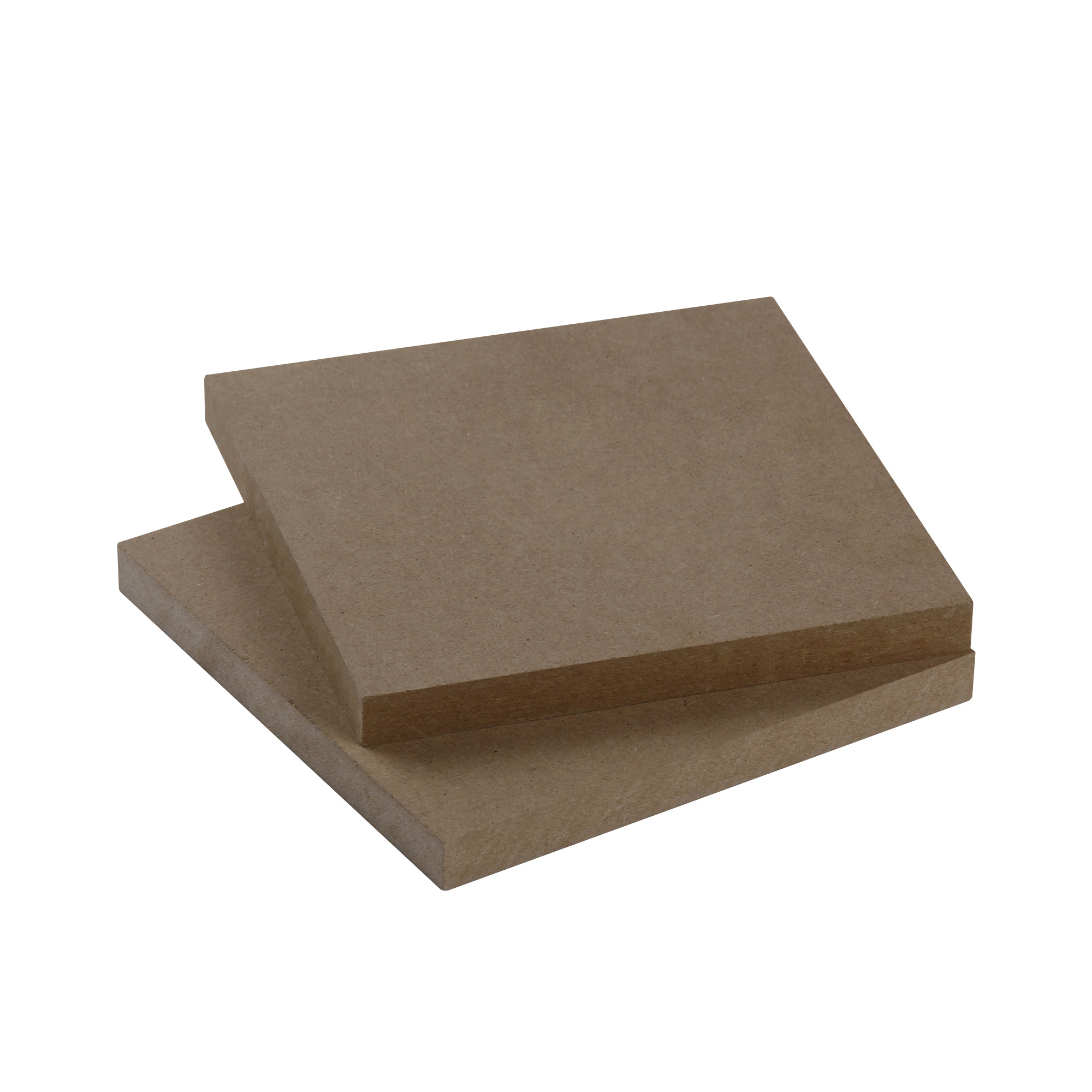
Dexin First-Class Plain Particle Board & MDF Wood Board E2 Emission Moisture-Proof for Bangladesh
Plain particle board and MDF series for buyers comparing cost-controlled board options. For Queensland projects, confirm the required emission grade with your certifier and request E0/E1 alternatives where project specifications require them.
View product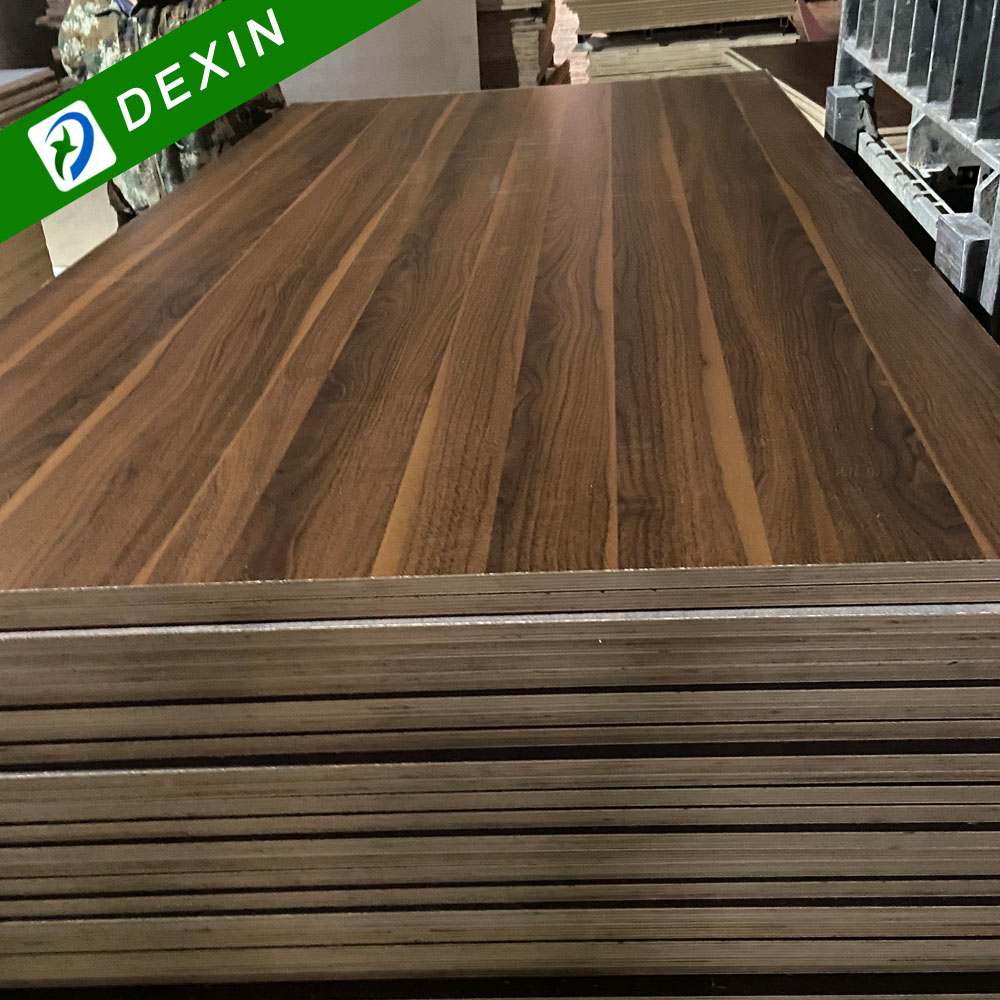
High Quality Waterproof 18mm Melamine Faced Plywood for Furniture
18 mm waterproof melamine-faced plywood for furniture, wet-area carcasses, bench supports and commercial joinery. Plywood’s cross-laminated structure is useful in Brisbane laundries, vanities and areas where screw holding matters.
View product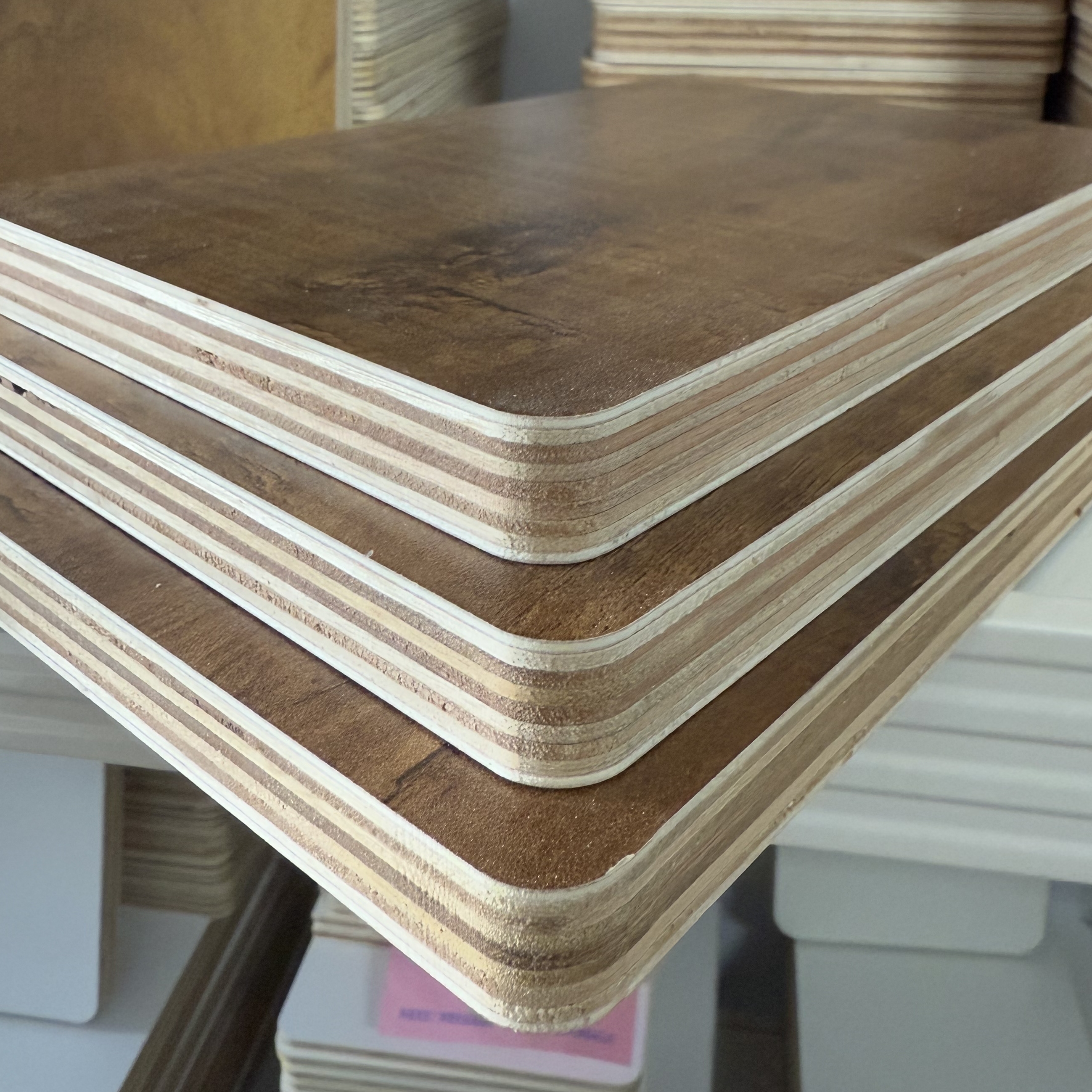
Waterproof White Wood Grain Marble Grain 4x8 18mm Ply Board Melamine Coated Marine Laminated Plywood Sheet for Furniture
Melamine-coated marine and laminated plywood in white, wood-grain or marble-grain finishes for furniture and feature joinery. The decorative face reduces finishing time; specify substrate, glue line and edge treatment for humidity.
View productWhy Factory Depth Matters to Brisbane Importers
For professional buyers, the supplier’s capacity is part of product quality: it affects consistency, order recovery and the ability to hold the same surface and thickness across repeat shipments.
How to Specify Cabinet Door Core Materials for Brisbane’s Climate and Project Mix
Search demand for China wholesale cabinet door core materials serving Brisbane is rarely a simple price query. Buyers are solving three linked problems: finding a factory that can hold surface, thickness and CNC tolerance across repeat orders; choosing a core that behaves predictably in South East Queensland humidity; and importing through the Port of Brisbane without documentary, packing or lead-time surprises.
KUDE’s view is that the core material is a system: substrate, glue line, surface, edge treatment, packing and installation all interact. Standard MDF can be right for dry display doors; MR MDF/HMR, HDF or plywood may be better for kitchens, laundries, bathrooms and commercial wet zones. Plywood can offer screw-holding and structural capacity; particleboard can be cost-effective in dry carcasses; melamine, PET and UV surfaces determine cleaning, reflectivity and design. Value is measured after installation, not at the supplier invoice.
This guide draws on KUDE’s manufacturing group founded in 1998, 20+ years of production experience, 15 years of export experience, 30,000 m² of workshops, 30+ machine sets and exports to 30+ countries. Every specification should still be checked against project drawings, Australian compliance requirements and your installer’s recommendations.
Before You Request a Quote
- Define the service zone: dry, humid, splash-exposed or wet-area joinery.
- Confirm door construction: solid core, hollow core, framed door, skin or slab.
- Choose the surface route: melamine, PET, UV, veneer, paint or film-faced.
- State emission, FSC and test-report requirements in writing.
- Plan MOQ, mixed-container loading, port of discharge and ISPM 15 packing checks.
Where Core Choice Changes Door Performance
Brisbane’s humid subtropical climate, storm season and mix of renovation, apartment and detached-home work make moisture detailing especially important. Exposure still depends on ventilation, orientation, roof design and installation—not simply the suburb—but riverfront, bayside and poorly ventilated interiors deserve more conservative specifications.
Kitchen & Pantry Doors
Kitchens combine heat, steam, cleaning chemicals and daily impact. For painted or routed faces, HDF skins and MR/HMR cores with sealed edges are often specified; for laminate finishes, melamine-faced MDF or plywood gives a stable face. Ask for balanced construction on double-sided doors.
Bathroom & Laundry Vanities
Splash zones and poor ventilation create more risk than a single spill. Use moisture-resistant cores, waterproof glue lines, sealed cut-outs and surfaces compatible with bathroom cleaners. Board choice cannot replace drainage, sealing and ventilation detailing.
Apartments & Fit-Outs
Apartment, townhouse and commercial fit-outs reward consistency: batch colour, CNC accuracy, stable thickness and packaging that protects edges. Mixed containers with melamine MDF, PET MDF, plain MDF and plywood can reduce stock risk for Brisbane joiners.
Renovation & Replacement
Renovations often require matching older profiles and replacing water-damaged doors. A sample-based approach is practical: verify grain, gloss level, core density and edge finish, then order a trial batch before full production.
Five Buying Signals Shaping Brisbane Cabinet Door Orders
These trends do not replace engineering judgment. They explain why Brisbane buyers increasingly ask for moisture data, documentation and mixed-container flexibility before they compare unit prices.
Moisture-First Specification
Brisbane buyers are moving away from “standard MDF everywhere” and asking for MR/HMR cores, sealed edges and balanced panel construction in humid interiors.
Documented Emission Grades
E0, E1 and E2 grades, FSC chain of custody and test reports are requested earlier in the sales process, especially for retail, education and commercial projects.
Surface-Led Differentiation
PET, UV, super-matt, wood-grain and marble-look finishes help cabinetmakers sell design value, but buyers still check substrate, adhesion and edge quality.
CNC-Ready Flat-Pack
Accurate thickness, consistent density and clean edges matter more when doors and carcasses are cut on CNC lines and assembled off site.
Mixed Containers
Smaller importers prefer combining MDF, plywood, melamine board and decorative panels in one container after confirming specifications and MOQ.
Core Material Selection Matrix for Brisbane Cabinet Doors
Use this matrix to shortlist the right board before requesting samples and test reports. Final selection must match the project specification, door design and installation details.
| Core / Product | Best Brisbane Use | Watch-Outs | Typical Specification |
|---|---|---|---|
| MR / HMR MDF | Kitchens, laundries, vanities, humid interiors | Seal edges and cut-outs; confirm grade and test report | 15–18 mm, E0/E1, 1220×2440 mm |
| HDF | Routed door skins, impact-resistant faces, painted profiles | Dense edges require suitable tooling and fixings | 3–9 mm, MR option |
| Plywood | Wet-area carcasses, structural joinery, marine or splash zones | Check face grade, glue line and void content | WBP/MR, 18 mm, 1220×2440 mm |
| Particleboard | Dry wardrobe internals and cost-controlled carcasses | Keep away from leak risk; specify low-emission grade where required | E0/E1 preferred for sensitive projects |
| Melamine-faced MDF / Plywood | Flat-pack doors, cupboards, commercial joinery | Balance both faces; seal and band edges | MR core where humidity is expected |
| Film-faced Plywood | Formwork and construction, not decorative door cores | Separate structural specification from cabinet work | WBP phenolic, 9–21 mm |
Relative Application Fit
Planning indicators for early-stage sourcing discussions, not laboratory performance data. Confirm exact products, grades and reports with KUDE’s export team and your certifier.
Values are comparative planning guidance only. They do not represent certified test results and should not replace project-specific engineering or compliance review.

Why Brisbane Buyers Shortlist KUDE
Linyi KUDE International Trading Co., Ltd. is the export platform of a wood-based panel manufacturing group founded in 1998 in Linyi, Shandong—China’s largest wood-based panel production cluster. Being inside the cluster supports stable access to veneer, glue, core materials and surface papers, which helps keep specifications consistent across repeat orders.
The group operates more than 30 sets of production machines in 30,000 m² of workshops, with over 300 workers and annual output of 60,000 m³ of plywood, blockboard, MDF and particleboard. The operating principle is direct: survival by quality, development by prestige. That matters to Brisbane importers who need predictable repeat supply more than a one-off low price.
Factory-Direct Manufacturing
30+ machine sets covering peeling, gluing, hot pressing, sanding and laminating. Products can be specified by size, thickness, core, face, glue, logo and export packaging.
Verified Quality System
CE, ISO 9001, ISO 14001, FSC and CARB certifications, with an SGS-assessed supplier profile. Formaldehyde grades E0, E1 and E2 are available depending on product line.
OEM / ODM & Sample Customization
Sample-based, design-based or full customization is available, including panel size, core species, face veneer or decor, glue type and packing.
Export-Ready Commercial Terms
FOB, CFR, CIF and EXW terms; T/T and L/C payment. MOQ typically ranges from 50 to 500 sheets, and several products can be combined in one container after confirmation.



From Raw Veneer to Loaded Container
Five checkpoints help Brisbane buyers evaluate whether a supplier can repeat the approved sample, not just produce the first container.
Material Selection
Veneer grading and moisture checks before gluing.
Gluing & Pressing
Controlled glue spread, cold and hot pressing cycles.
Sanding & Surfacing
Calibrated sanding, lamination or film overlay.
Inspection
Thickness, flatness, bonding and surface checks.
Packing & Loading
Export pallets, steel straps, loading photos and documents.
Questions Local Buyers Ask Before Ordering
Direct answers for cabinetmakers, joiners, importers and project buyers comparing China wholesale cabinet door core materials for Brisbane delivery.
Can KUDE supply cabinet door core materials to Brisbane?
Which core is best for Brisbane’s humidity?
What formaldehyde grade should buyers request for Australian projects?
What is the minimum order quantity?
Can I order samples before a full container?
Which trade terms and payment methods are accepted?
How are panels packed for sea freight to Brisbane?
What should Brisbane importers know about Australian biosecurity and wood packaging?
Can KUDE match a melamine, PET, UV or wood-grain finish?
How long does production and shipping take?
Request the Cabinet Door Core Catalogue for Brisbane Projects
Send door construction, target thickness, surface finish, emission grade, estimated quantity and preferred Incoterm. KUDE’s export team will match the specification, confirm MOQ and propose a packing plan for Port of Brisbane.
info@kudeplywood.com