Linyi KUDE · Factory & Export Team · Serving London

China Wholesale Waterproof Wall Panels for Home: Factories & Exporters Serving London

Factory-direct moisture-resistant boards, decorative panel cores and formwork systems for London bathrooms, basements, kitchens and extensions — supported by batch-level QC, export documentation and specification guidance.

Inquire Now Send drawings, moisture exposure, fire-evidence requirements and target London postcode for a faster response.
Recommended product range

Eight Factory-Direct Products for Waterproof Wall Panel Build-Ups and London Interiors

The search phrase “waterproof wall panels for home” covers several purchase intents: a decorative WPC or PVC wall panel, a moisture-resistant substrate, a CNC-routed panel core, or the structural formwork used to create a basement or extension. London buyers often consolidate these items into one container. The eight products below are the factory-direct boards and structural supports most often requested alongside decorative wall-panel orders, with their original product pages retained.

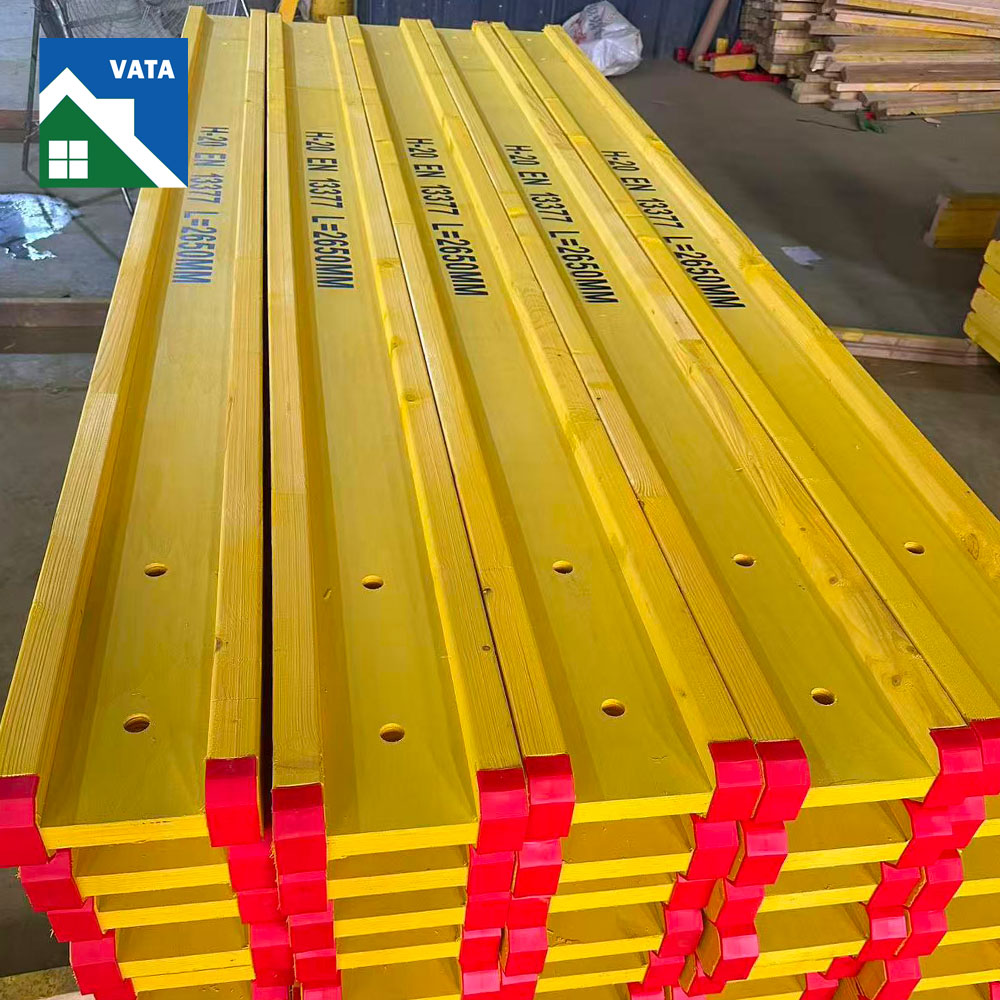
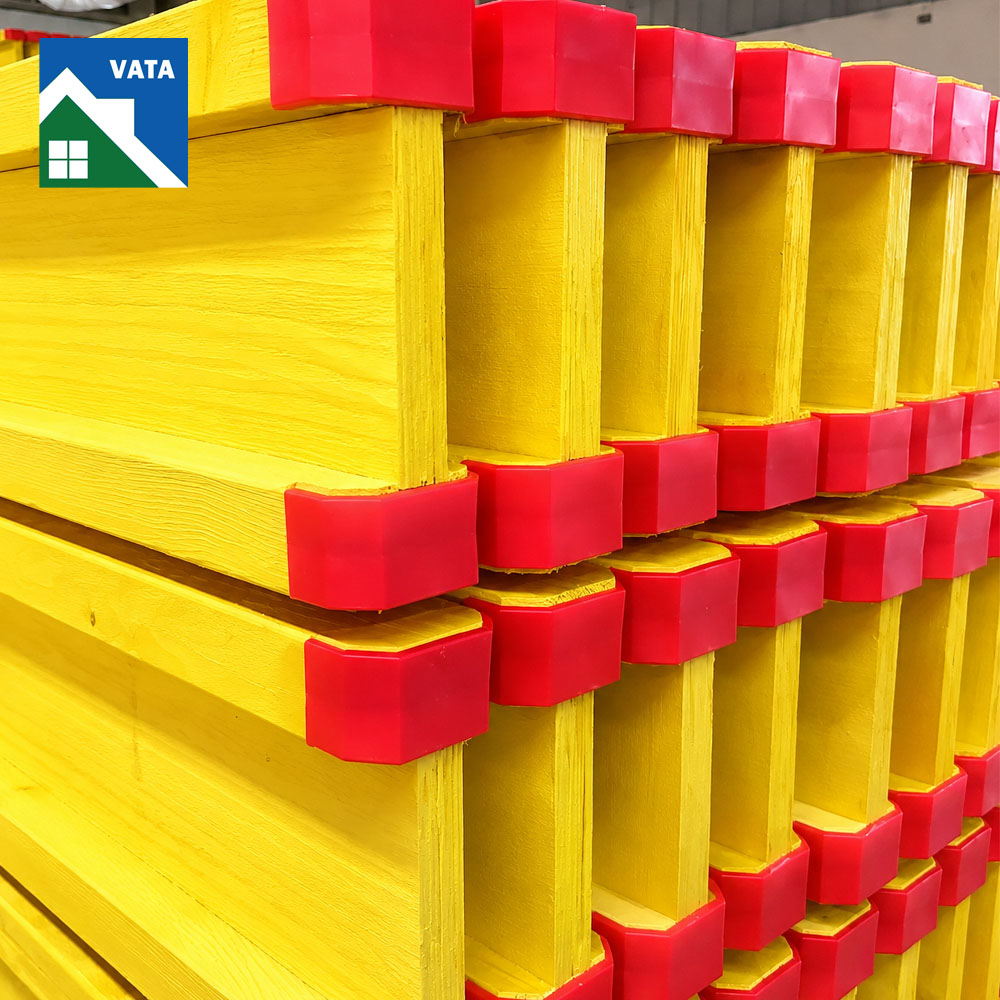
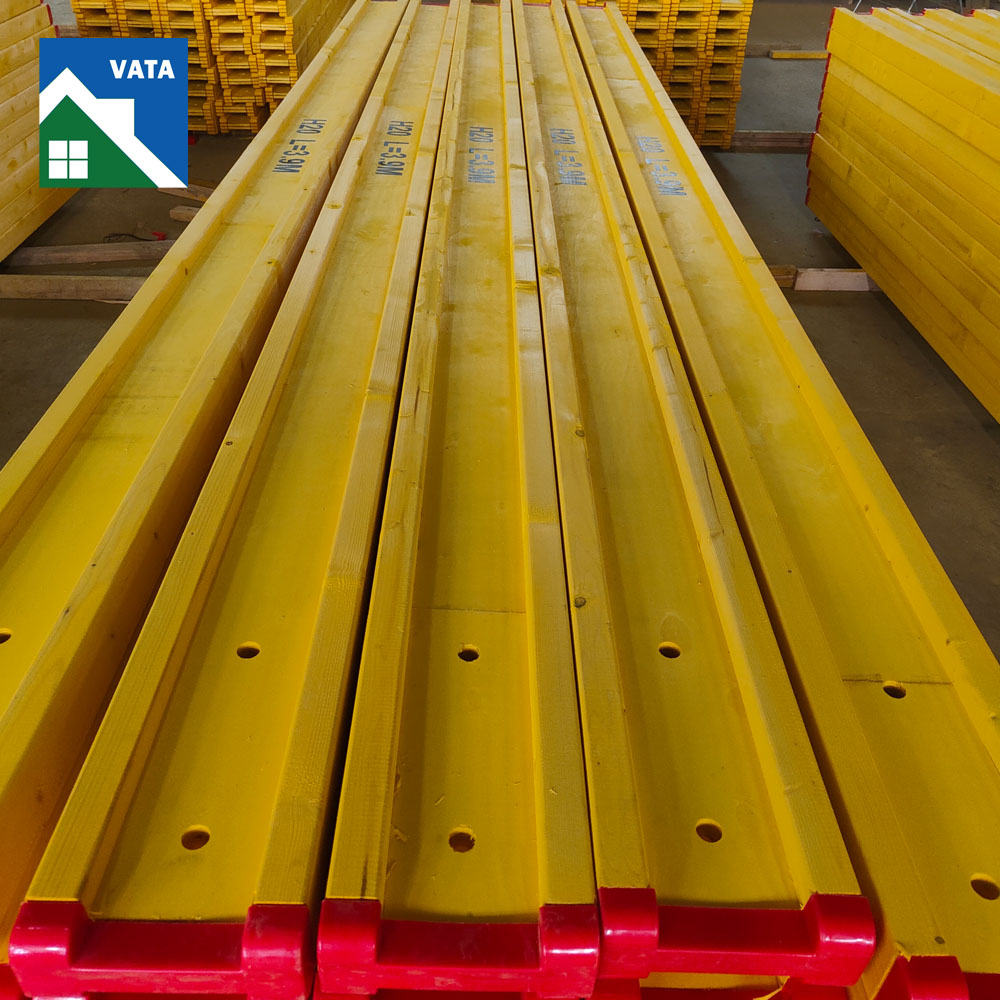
Factory direct high strength waterproof H20 timber LVL structural I beam for concrete formwork
Basement & extension

Waterproof H20 Timber LVL Structural I-Beam

Waterproof LVL structural I-beam used in concrete formwork for basement slabs, retaining walls and rear extensions. The waterproof glue line supports repeat site use; final structural design remains with the project engineer.

  • H20 profile
  • LVL core
  • Formwork
View export specification
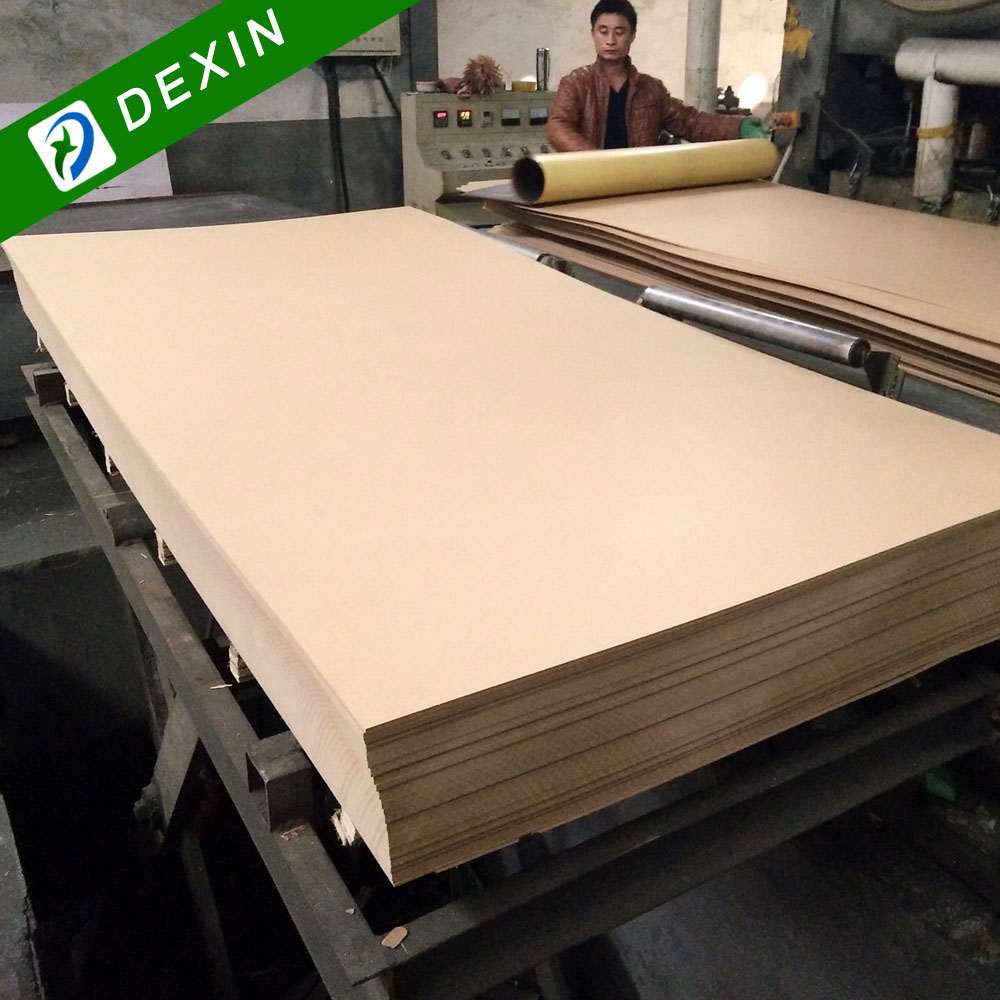
Factory directly sale plain MDF HDF board 12mm 15mm 18mm raw board for panel cores
CNC panel core

Plain MDF / HDF Board, 12–18 mm

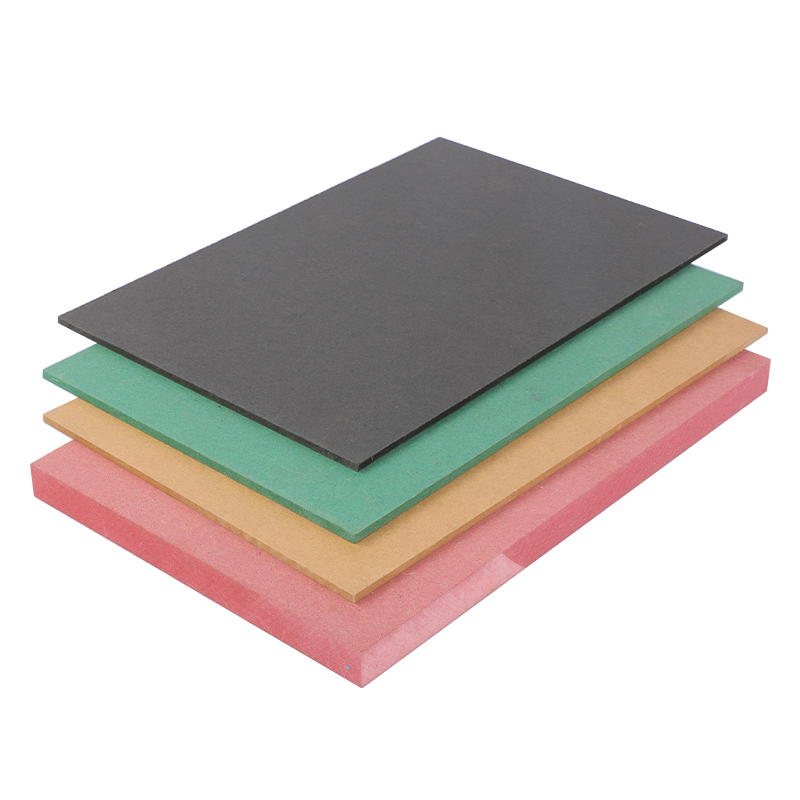
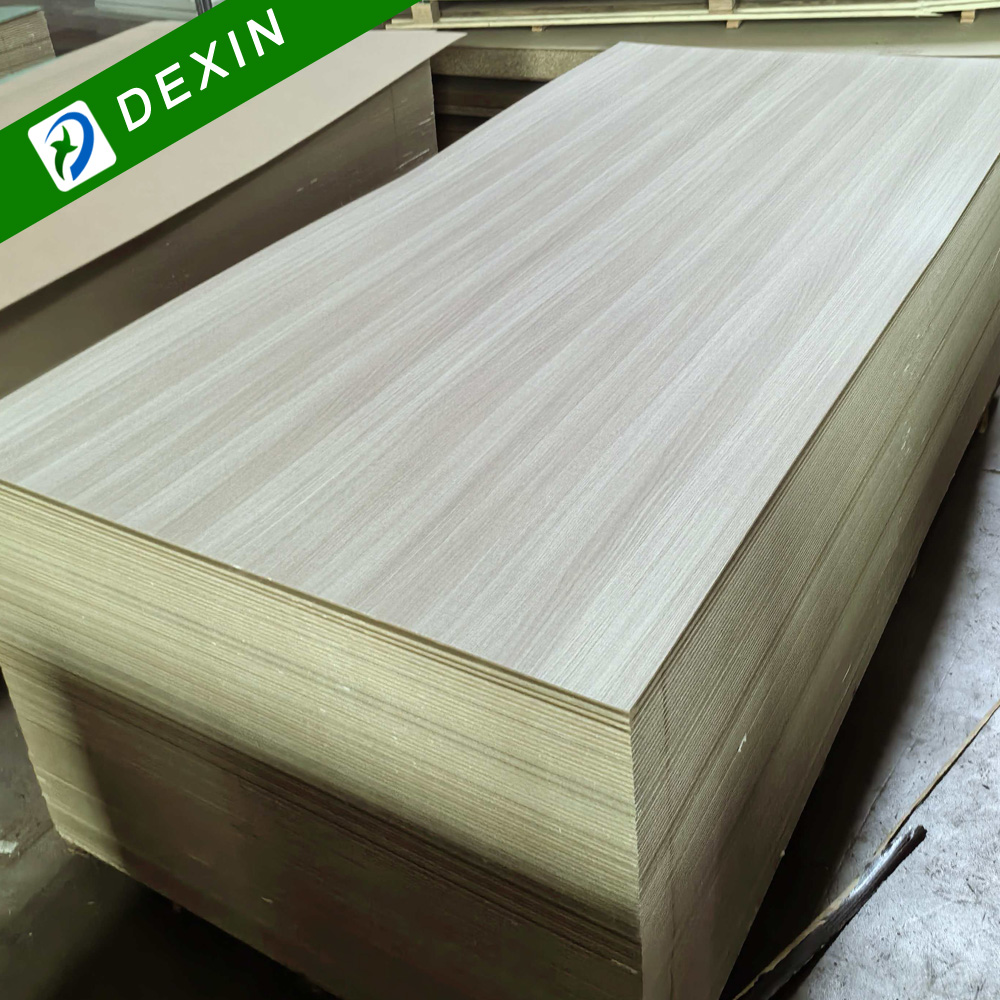
Raw plain MDF/HDF in 12–18 mm for CNC-routed panel cores, painted samples and vacuum-formed decorative faces. For wet rooms, specify MR/HMR and factory-sealed edges rather than standard MDF.

  • 12–18 mm
  • Raw HDF
  • CNC routing
View export specification

Need a mixed container for a London bathroom pod, basement conversion or joinery package?

Inquire Now
1998Manufacturing group founded
30,000 m²Production workshops
60,000 m³Annual panel output
30+Export countries & regions
Search intent intelligence

What London Buyers Actually Mean by “Waterproof Wall Panels for Home”

The phrase is high-intent but technically imprecise. A search may come from a homeowner comparing bathroom cladding, a builder detailing a basement, a joinery shop buying MR MDF, or an importer looking for a China factory. The correct product depends on the moisture path, not the label.

The first information gain for London buyers is this: waterproof panel does not automatically mean waterproof wall. A decorative WPC or PVC wall panel may be wipe-clean, but the wall behind it can still contain vapour, condensation, service penetrations and cold-bridging risk. In a Victorian solid-brick terrace, a lower-ground flat or a bathroom formed inside the original footprint, performance depends on the whole assembly: substrate, membrane, adhesive, fixings, sealant, ventilation and edge protection.

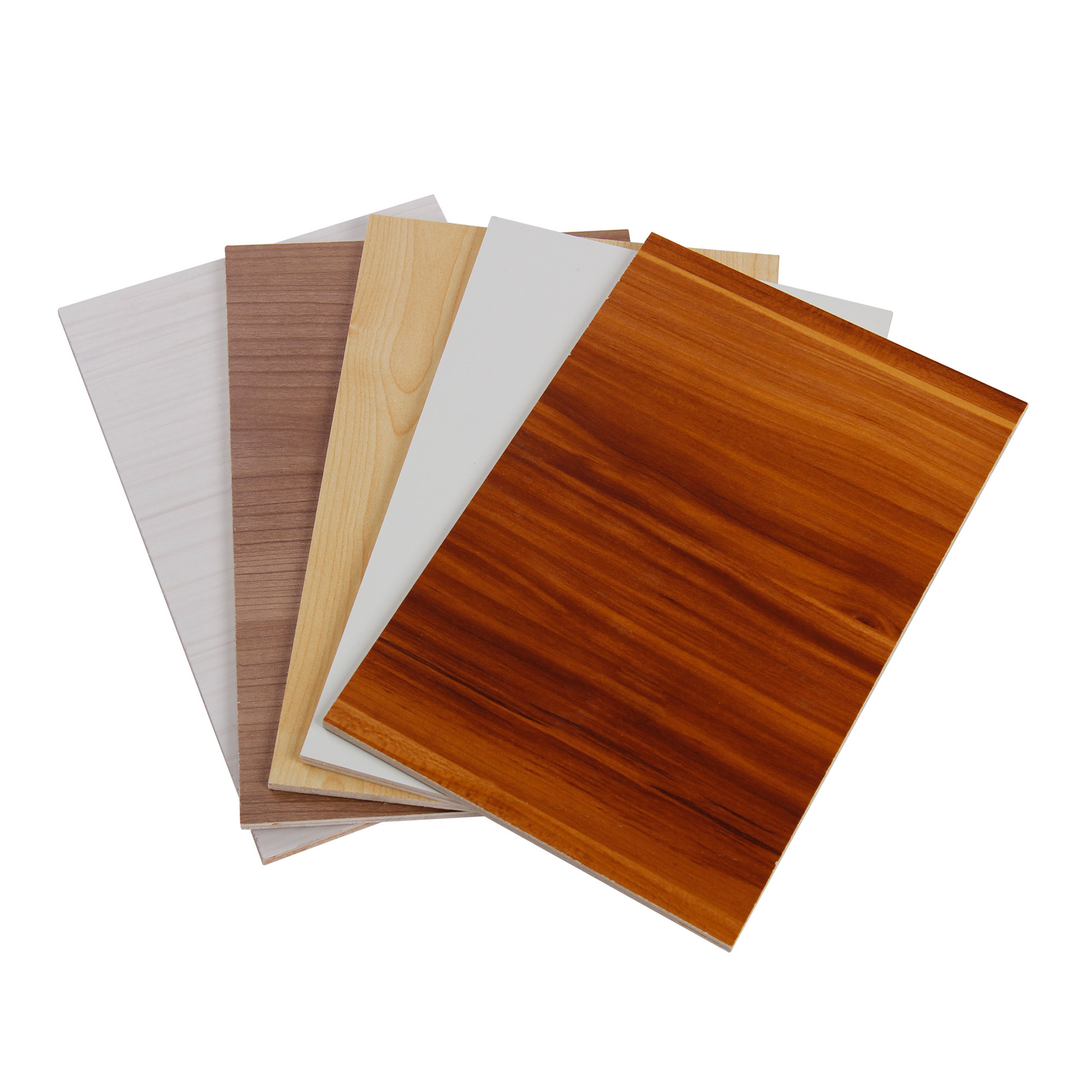
Wood-based panels in the KUDE range are best specified by role. Marine plywood and moisture-resistant MDF can act as the substrate or carcass in intermittently wet areas. Melamine faces add a cleanable surface for vanities and wardrobes. Raw MDF and HDF are useful where a factory-applied decorative skin or CNC routing is required. H20 and LVL beams are not interior wall finishes; they are structural formwork supports for the concrete works that create basements and extensions. Mixing these categories in one enquiry creates delay, so separate “visible panel”, “substrate”, “joinery board” and “site formwork” in your brief.

London’s housing stock increases the stakes. Internal bathrooms, basement conversions, loft extensions, HMO refurbishments and conservation-area properties can combine heritage fabric with modern airtightness. Building control teams may ask for fire evidence, moisture strategy and product traceability. Therefore, request batch-level documents that match the final assembly, not just a generic “waterproof” statement.

Buyer intent map

Three enquiries can use the same keyword and require different specifications.

  • Homeowner: wants a wipe-clean bathroom or kitchen wall look, low mess and colour options.
  • Contractor: needs moisture-safe build-ups, fire evidence, durable edges, repeatable sizes and delivery dates.
  • Distributor: needs MOQ clarity, mixed-container flexibility, FSC/CE documents, packaging and reorder consistency.

Home renovation specification

Look at room use, splash exposure, cleaning chemicals, trim profiles and whether the panel must be removable for pipe access. Ask for samples under London lighting.

Contractor build-up design

Separate wet-zone tanking from decorative cladding. Specify board type by location, seal cut edges, plan ventilation and confirm fire evidence for the complete wall.

Importer and trade supply

Compare total landed cost, MOQ, mixed-container options, packaging quality, loading photos and document packs. Confirm the specification in writing before deposit.

Localised applications

London Application Playbook for Moisture-Safe Wall Panels

Use these application notes to brief a China factory, London fitter or building-control consultant with fewer assumptions.

Victorian terrace bathrooms & ensuites

Solid-brick walls and internal bathrooms create moisture load. Specify MR MDF or marine plywood as the substrate, seal cut edges, keep a ventilated service void where appropriate, and use a removable decorative panel for inspection. Do not trap damp plaster behind a non-breathable finish.

Basement and lower-ground flats

Start with structural waterproofing and drainage, then choose linings after the structure is dry. H20 and LVL formwork beams support concrete works; moisture-resistant linings, closed-cell insulation and sealed edges follow later. A decorative panel is not a substitute for tanking.

Loft conversions and rear extensions

Lightweight panel systems reduce loading. Use structural LVL or H20 support during concrete works, then specify dimensionally stable boards for soffits and feature walls. Confirm fire performance for the final assembly with building control.

Kitchen splashbacks and utility walls

Wipe-clean melamine or WPC surfaces work behind counters and around utility sinks when the substrate is moisture-resistant. Seal sink cut-outs and fixing points. Select low-gloss or textured finishes where harsh cleaning chemicals are used.

HMOs and rental refurbishment

Durable surfaces and repeatable panel sizes speed up turnaround. Mixed containers of melamine plywood, MR MDF and replacement trims reduce stock-outs. Keep fire and tenant-safety evidence aligned with the building’s use and risk profile.

Conservation areas and leasehold walls

Keep build-ups reversible. Thin panels and dry-fixed trims reduce damage to historic plaster. Check lease conditions, Listed Building Consent and management-company requirements before altering internal walls or adding external ventilation terminals.

Local market trends

London Trends Shaping Waterproof Wall Panel Orders

These are directional demand signals from typical project briefs and buyer enquiries, useful for planning a mixed container or product sample set.

Enquiry signal 86

Off-site bathroom pods and prefabricated linings

Developers and fit-out contractors want repeatable board sizes, sealed edges and colour consistency before modules leave the workshop. Factory-cut kits and labelled pallets reduce site waste in central London.

Enquiry signal 78

Wipe-clean WPC and PVC decorative panels over plaster

Homeowners and landlords increasingly ask for fast-fit wall panels that can be cleaned without retiling. The successful specification still includes moisture-resistant backing, trims, sealant and ventilation.

Enquiry signal 73

Basement and retrofit moisture management

Lower-ground rooms and rear extensions require formwork, tanking and dry-lining decisions to work together. Buyers increasingly ask for document packs and loading photos before releasing final payment.

Bars are directional indicators for presentation, not a statistical forecast. Validate against your own pipeline and London building-control advice.

Specification intelligence

How to Brief a China Factory for a London Waterproof Wall Panel Project

A short, technically accurate brief prevents the two most common failures: buying a decorative panel for a structural moisture problem, or buying a substrate that cannot accept the specified finish.

Decision area What to specify to the exporter Why London projects care
Exposure zone Direct splash, intermittent steam, dry lining, external wall or structural formwork; include room use and whether tanking is installed. A bathroom panel, a basement lining and a formwork beam solve different problems. Mismatched scope can cause condensation, mould or structural risk.
Substrate and core WBP marine plywood, MR/HMR MDF, raw HDF, melamine plywood or H20/LVL formwork; state thickness tolerance and fixing method. London joins often include uneven walls, service voids and insulation. A fixed, repeatable thickness simplifies site work.
Face and finish Melamine colour, texture, gloss level, scrub resistance, woodgrain direction and matching trims. Colour consistency matters for rental refurbishment and interior designers; low-gloss finishes are more forgiving in utility zones.
Edges and trims Factory-sealed edges, end caps, internal and external corner trims, skirting and movement gaps. Cut edges are a weak point in humid bathrooms and kitchens. Unsealed MDF edges can swell even when the face is moisture-resistant.
Emission and safety E0/E1/E2, CARB where relevant, FSC chain of custody, and fire test evidence for the final assembly. UK building control may require fire evidence under Approved Document B; confirm UKCA or CE documentation where applicable.
Packing and logistics Seaworthy pallets, edge protection, steel straps, desiccant if agreed, loading photos, commercial invoice, packing list and FSC documents. Moisture ingress or handling damage in transit can ruin boards before installation. London deliveries may use London Gateway, Felixstowe or Southampton.
Linyi KUDE International Trading Co., Ltd. wood panel production base in Shandong, China
Factory advantage

Why a London Buyer Would Choose KUDE

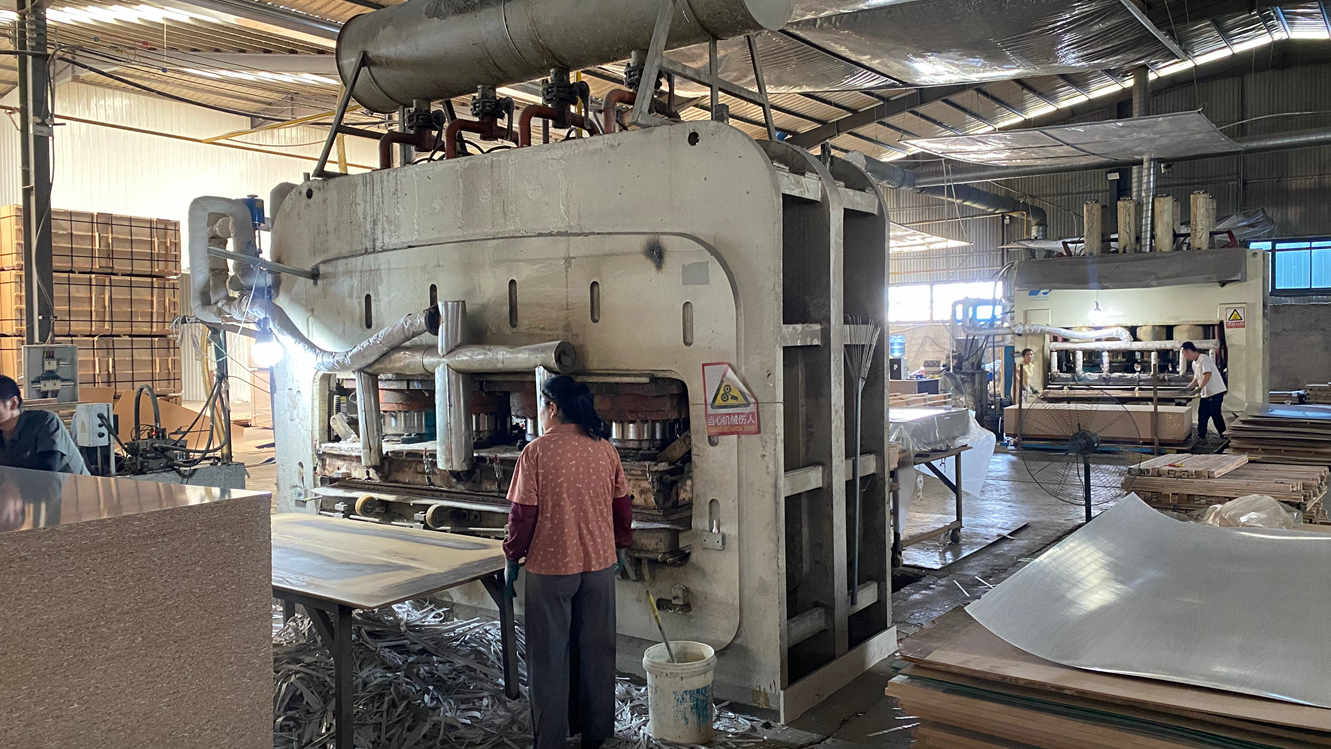
Linyi KUDE International Trading Co., Ltd. is the export platform of a wood-based panel manufacturing group founded in 1998 in Linyi, Shandong — China’s largest wood-based panel production cluster. The group runs more than 30 production machine sets in 30,000 m² of workshops, with 300+ employees and 60,000 m³ of annual output across plywood, blockboard, MDF and particle board.

The company reports 20+ years of production experience, 15 years of export experience and an SGS on-site assessment. Its stated certifications include CE, ISO 9001, ISO 14001, FSC and CARB, with formaldehyde grades E0, E1 and E2 available depending on the product. The operating principle is “survival by quality, development by prestige” — a useful filter when comparing low-price panel suppliers.

For London orders, the practical advantage is consolidation. Decorative boards, moisture-resistant MDF, marine plywood and H20/LVL formwork can be specified together, packed for sea freight and documented before shipment. The export team works on FOB, CFR, CIF and EXW terms, with T/T or L/C in USD, EUR or CNY. MOQ varies by product, typically 50–500 sheets, and mixed containers can be reviewed after specifications are confirmed.

  • 20+ years production experience
  • 15 years of export experience
  • SGS on-site assessed supplier profile
  • OEM / ODM and full customization
  • CE, ISO 9001, ISO 14001, FSC and CARB
  • Linyi cluster access and Qingdao port shipping

Own production lines

30+ machine sets covering peeling, gluing, hot pressing, sanding and laminating. Direct factory control supports consistent thickness and surface quality.

Batch-level quality control

Thickness, flatness, bonding, moisture content and surface checks can be agreed before production. Emission grades E0, E1 and E2 are matched to the destination market.

Customization for London specs

Size, thickness, core species, face veneer or decor, glue type, logo printing and export packaging can be customized from samples, drawings or full design files.

Export-ready logistics

Seaworthy pallet packing, steel straps, loading photos and export documentation. FOB, CFR, CIF and EXW terms are available for London importers.

From enquiry to London delivery

A Cleaner Export Process for Panel and Wall System Buyers

Four production checkpoints reduce surprises between the sample and the delivered container.

01

Brief and specification review

Send drawings, room use, wet-zone details, board schedule, target port/postcode, quantity and required documents.

02

Material and glue matching

Confirm core, face, MR/WBP glue, emission grade, fire evidence needs and whether mixed-container loading is suitable.

03

Production and inspection

Check thickness tolerance, sanding, lamination, edge condition, moisture content and packing before the batch is released.

04

Packing and London logistics

Agree pallet protection, strapping, loading photos, document pack and freight route to London Gateway, Felixstowe or Southampton.

London buyer FAQ

Common Questions About Waterproof Wall Panels, Moisture and China Supply

Are these panels fully waterproof for London bathrooms? +
No wood-based panel should be treated as “fully waterproof” unless the complete wall assembly, sealant, fixings and test evidence support that claim. Marine plywood and MR MDF resist moisture better than standard boards, and WPC decorative panels are wipe-clean, but performance depends on tanking, ventilation, sealed cut edges and maintenance. For shower zones, use a proprietary tanking system behind the finish and follow the system manufacturer’s instructions.
What is the difference between WPC wall panels and melamine plywood? +
WPC wall panels are wood-plastic composite decorative claddings designed for quick interior wall coverage and wipe-clean maintenance. Melamine plywood is a plywood core with a melamine decorative face, usually used for furniture, wardrobes, vanity units and panelised joinery. They can be used in the same bathroom, but they perform different jobs: one is the visible cladding, the other is often the substrate or cabinet material.
Do London projects need fire certificates for wall panels? +
Fire evidence is often requested for flats, HMOs, escape routes, higher-risk buildings and project-specific specifications. Approved Document B and Building Safety Act duties can apply, and the relevant test evidence usually concerns the final assembly, not just a raw board sample. Ask the factory for the documents tied to the exact product and installation method, then confirm acceptance with your building-control consultant.
Which board should I specify for a London basement conversion? +
Start with the structural waterproofing and drainage design, then choose linings after the structure is dry. H20 or LVL formwork may be used during the concrete works; afterwards, specify moisture-resistant linings with sealed edges and a ventilated service void where the design allows. Do not rely on a decorative wall panel to correct an unresolved damp or water-ingress problem.
How should I handle Victorian solid-brick walls? +
Avoid trapping moisture behind impermeable finishes. A reversible, ventilated dry-lining approach is often safer, with inspection points for concealed services and careful detailing around windows and external walls. Breathability, ventilation and a clear moisture path matter more than a “waterproof” label. Check the proposed build-up with a suitably experienced surveyor or building-control team.
What are the MOQ, payment terms and shipping routes to London? +
MOQ depends on the product and specification, typically from 50 to 500 sheets, and several products may be combined in one container after confirmation. Payment can be T/T or L/C in USD, EUR or CNY, on FOB, CFR, CIF or EXW terms. Goods ship from the Linyi production base through northern China ports; London importers commonly use London Gateway, Felixstowe or Southampton. Confirm the current schedule at inquiry.
Can you customize size, colour, core and packaging? +
Yes. The factory offers sample-based, design-based and full customization covering size, thickness, core species, face veneer or decor, glue type, logo printing and export packaging. Provide a drawing or sample reference, intended cleaning chemicals, moisture exposure and target emission or fire standard so the specification can be reviewed before production.
How do we prevent moisture damage during shipping and storage? +
Specify seaworthy pallets, edge protection, steel straps, dry packaging and loading photos. On arrival, store panels flat, dry and supported, acclimatise them before installation, cut and seal edges, and avoid installing boards that have absorbed moisture. Keep service voids ventilated and complete wet-zone tanking before fitting decorative panels.

Have a London drawing, moisture detail or board schedule ready? The export team can review the specification and advise on the most suitable product route.

Inquire Now

Send Your London Waterproof Wall Panel Brief

For a faster quote, include panel type, dimensions, quantity, wet or dry zone, core and face requirements, emission grade, fire-evidence needs, delivery postcode and target port. Mixed containers, samples and document verification can be discussed at the inquiry stage.

Factory: Linyi, Shandong, China · Export support: info@kudeplywood.com
Inquire Now