8 Factory-Direct Board Lines for Mosul Wholesalers and Project Buyers
The products below are the exact catalogue lines available for specification review. Chipboard sheets, melamine-faced chipboard and mixed-container quantities can be quoted alongside these boards. For Mosul buyers, the commercial advantage is practical: one container can combine visible furniture surfaces, workshop substrates and construction panels.
Good Quality 6mm 12mm 18mm Teak/Oak/Maple Melamine Plywood 1/2,3/4 in Flywood Sheet for Furniture
Melamine-faced plywood for wardrobes, shop fit-outs and furniture where a wood-grain surface is required.
View full specification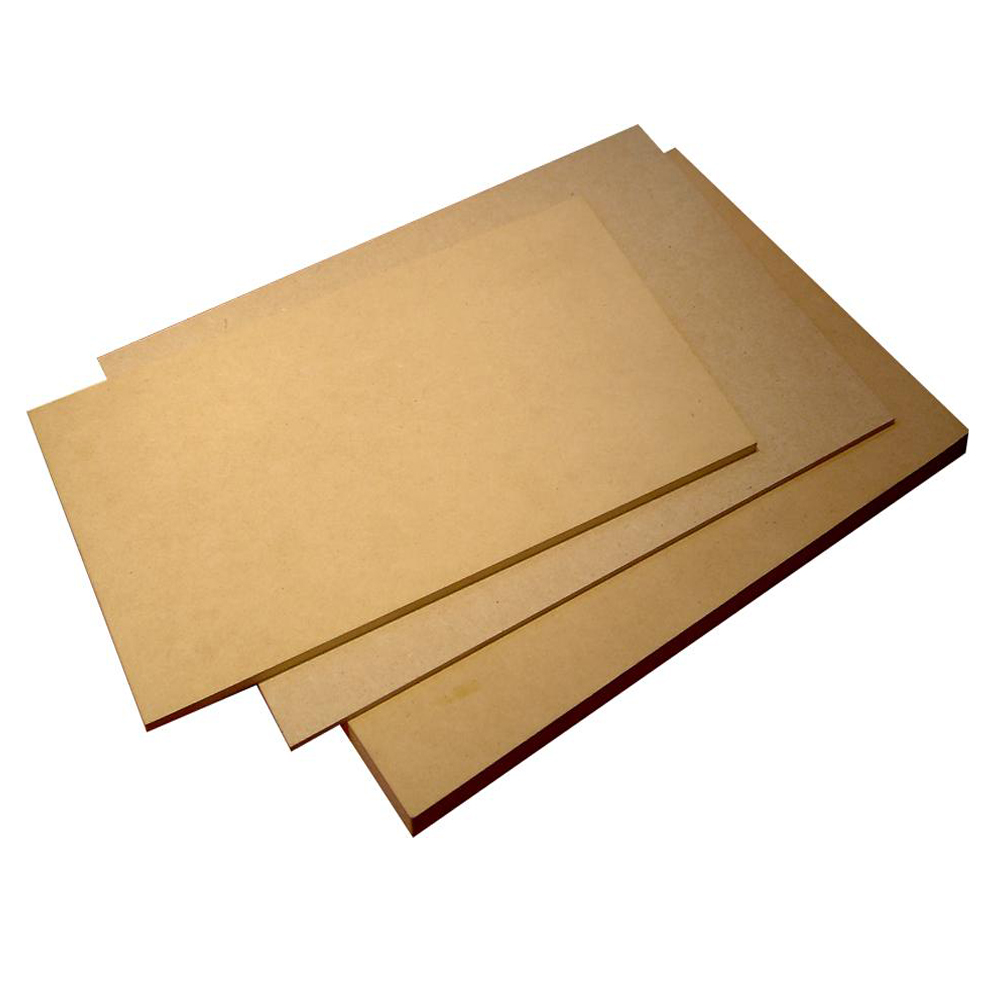
E0 E1 or E2 Glue Raw Thailand MDF Board with Cheap Price on Sale
A volume-friendly raw MDF substrate for Mosul workshops, distributors and buyers who need flexible emission grades.
View full specification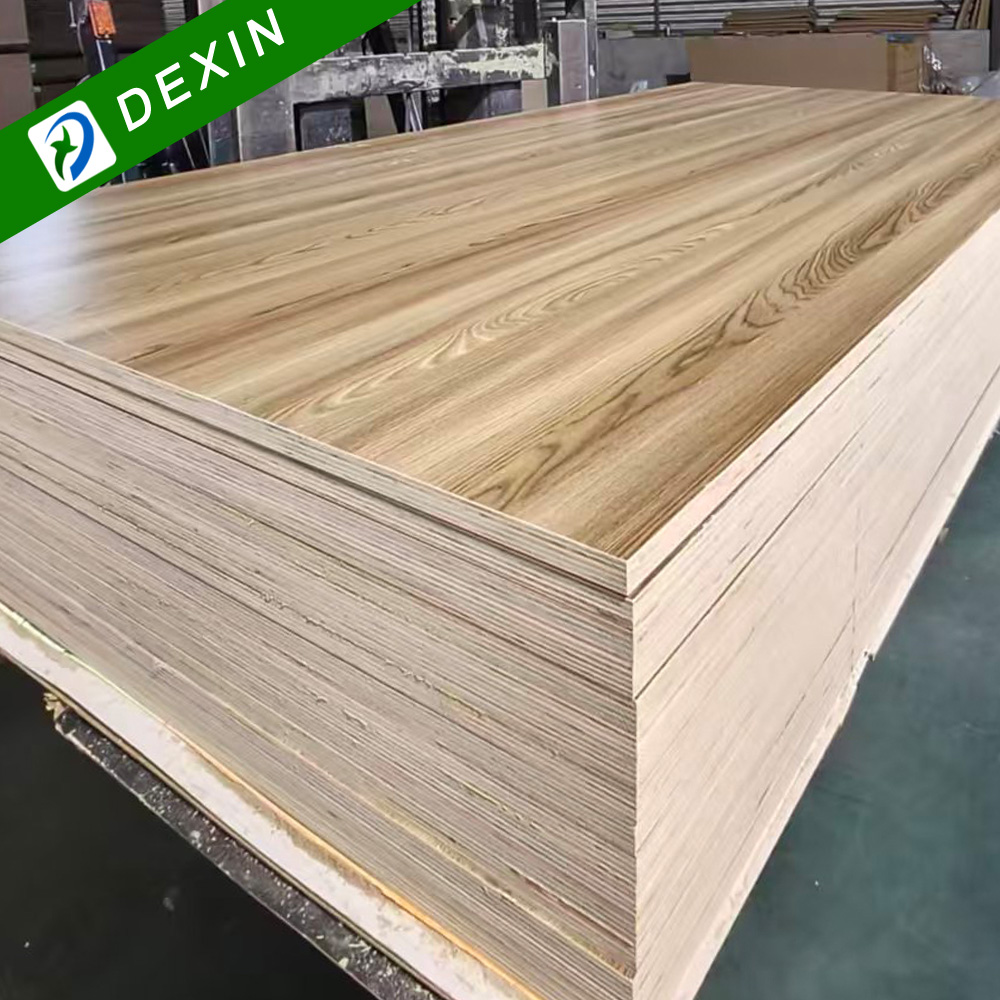
18mm Marine Laminated Contreplaque One or Double Side Colorful Melamine Faced Board Plywood for Furniture Decoration
18mm marine laminated plywood with single- or double-side melamine for decorative furniture in moisture-aware interiors.
View full specification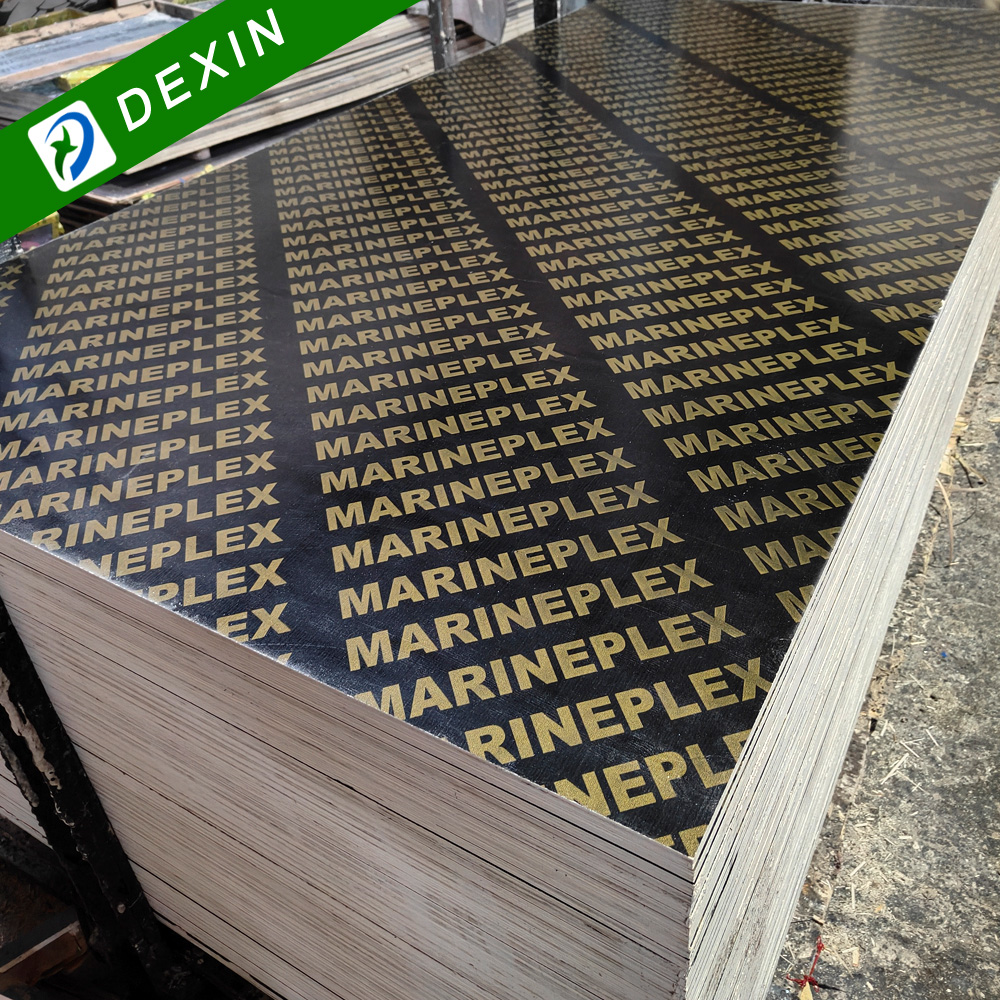
China Manufacturer 4x8ft Concrete Black Film Faced Plywood 9~25mm Marine Contreplaque Board for Construction
Black film faced plywood for concrete formwork, slabs and wall pours in reconstruction and infrastructure work.
View full specification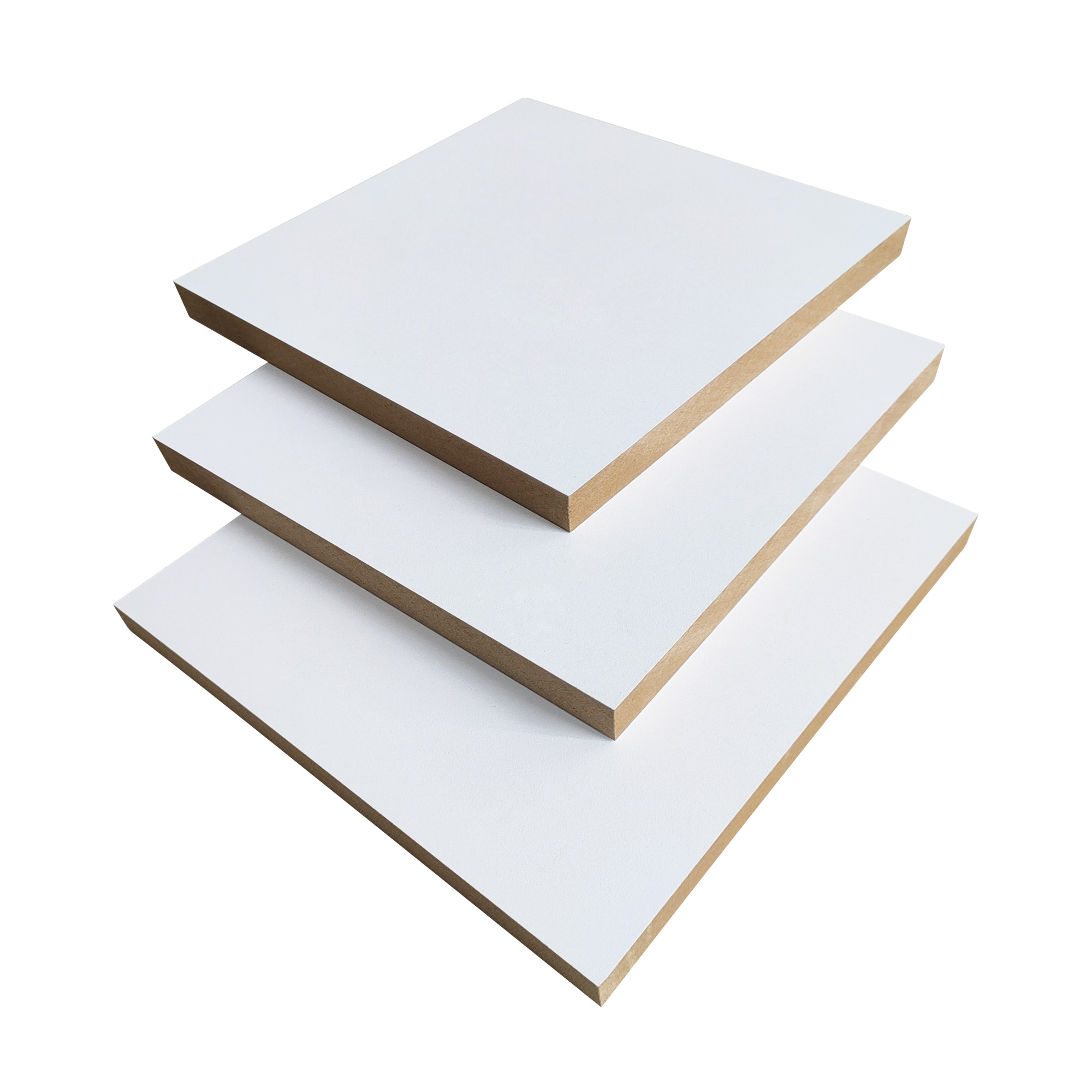
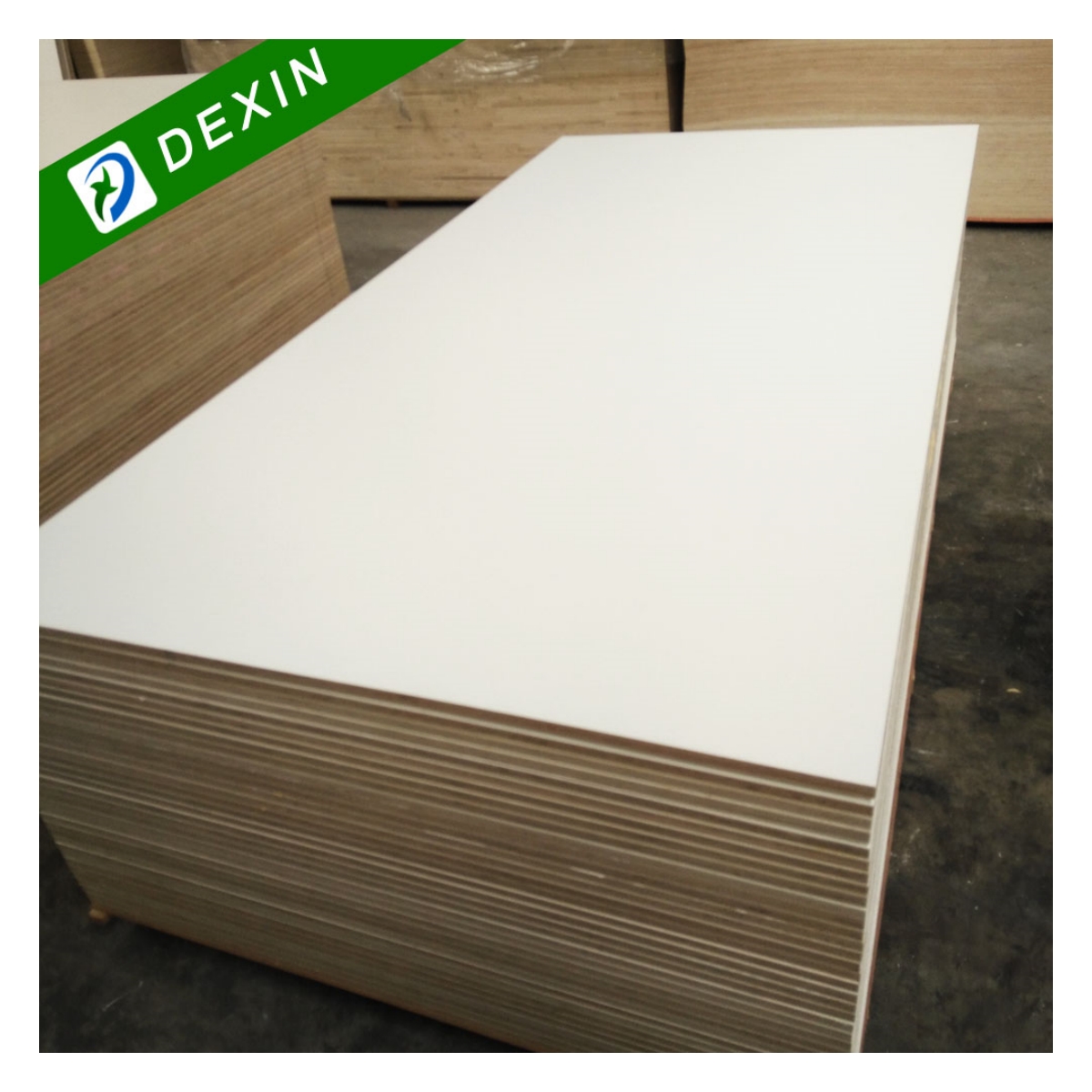
High Quality 4x8ft White Melamine MDF Board China Manufacturer E1 Formaldehyde for Kitchen Use-Sizes 3mm 6mm 9mm 12mm 16mm
White melamine MDF for kitchen cabinets, wardrobe internals and clean interior surfaces; E1 formaldehyde option.
View full specification
16mm 15mm 12mm 18mm Eco-Friendly Modern MDF Board with Blanco Single/Double Sided Melamine Covering for Cabinet
Eco-friendly melamine MDF in 12, 15, 16 and 18mm for cabinet doors, carcasses and fit-out joinery.
View full specification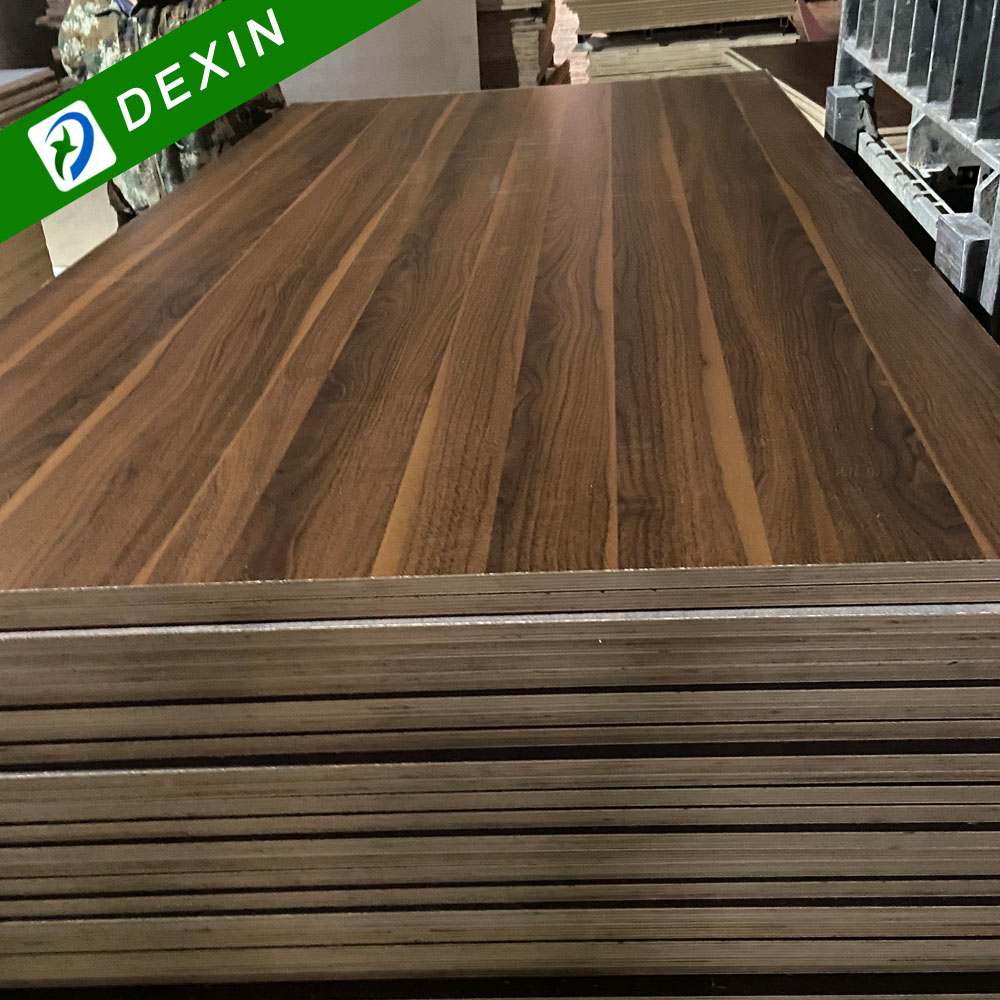
High Quality Waterproof 18mm Melamine Faced Plywood for Furniture
18mm waterproof melamine-faced plywood for kitchen, utility and bathroom furniture where moisture risk is higher.
View full specification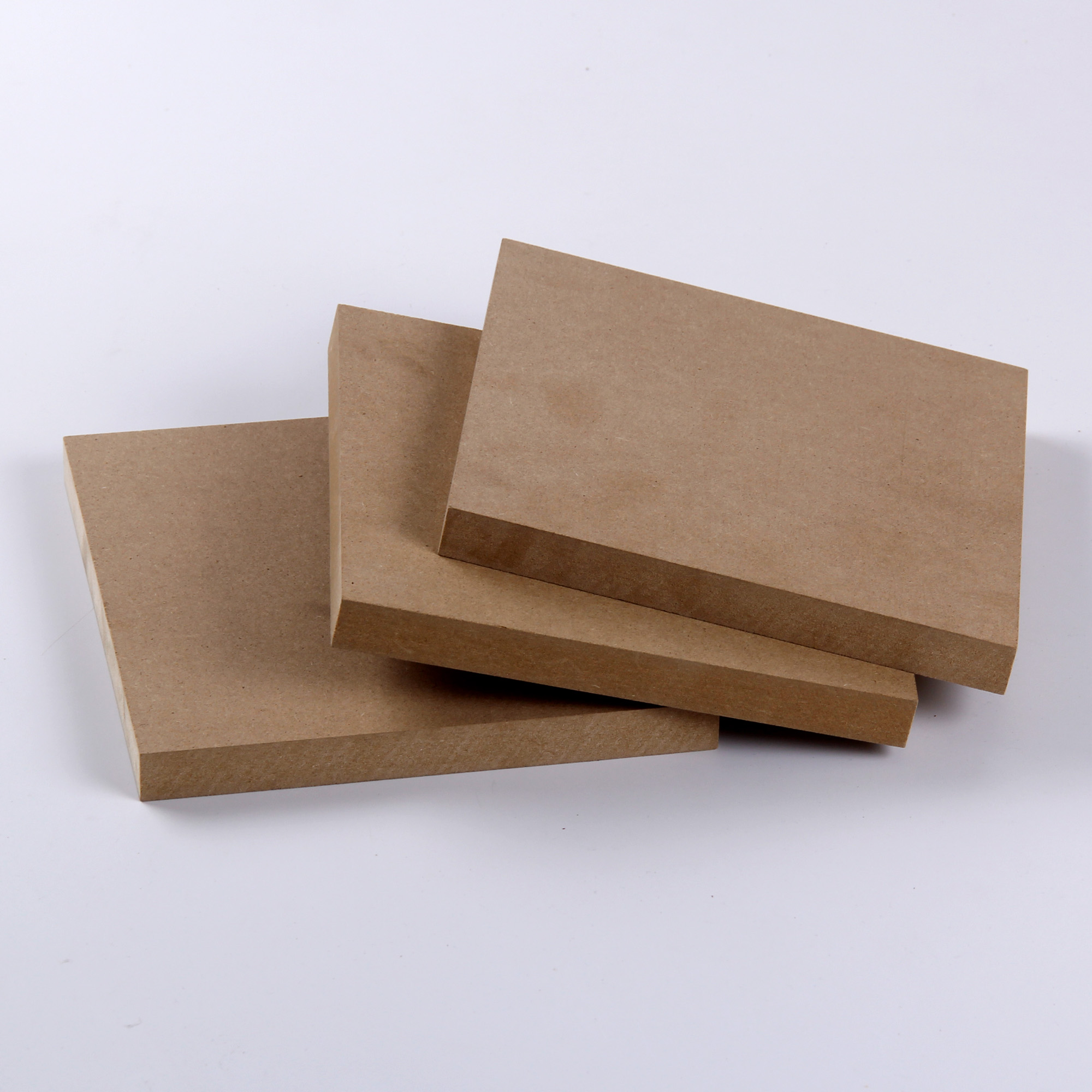
Factory Standard Size with Thickness of 5mm, 6mm, 8mm, 9mm, 18mm Raw MDF/HDF Board
Raw MDF/HDF for CNC routing, painting, laminating and workshop stock in 5, 6, 8, 9 and 18mm.
View full specificationProduct URLs are preserved for specification review. For chipboard sheets, melamine chipboard and mixed panel orders, send the required size, thickness, face, emission grade and quantity through the quote button.
Why Mosul Buyers Need More Than a Cheap Chipboard Sheet
Mosul’s reconstruction and interior fit-out market consumes large volumes of 4x8 panels, but the specification is rarely uniform. The board that suits a wardrobe carcass is not automatically the board for a kitchen unit, a retail counter or concrete formwork.
Mosul’s rebuilding cycle spans new housing, retail refurbishment, school and clinic fit-outs, hotel works and thousands of small furniture workshops. In this environment, chipboard sheets are a cost-effective choice for dry interior carcasses, shelving, shop fixtures and packaging, provided the grade, density and surface are matched to the job. A price-per-sheet comparison can be misleading if it ignores thickness tolerance, edge quality, formaldehyde grade, moisture protection and the cost of replacing failed boards.
The first technical distinction is product category. Chipboard is a particleboard, not plywood. It offers stable, economical panels for dry interiors, but it should not be treated as structural exterior material or as a substitute for waterproof plywood in sustained wet areas. MDF gives a tighter, router-friendly surface for painted and profiled doors. Plywood brings cross-laminated strength and moisture tolerance for formwork, wet-area furniture and load-bearing applications. For Mosul projects, the most reliable approach is value engineering by application: use chipboard or MDF where they perform, and specify plywood where strength or moisture resistance is genuinely required.
Mosul’s climate also demands a storage and installation plan. Hot, dry summers are not the main threat to a well-installed interior board; winter rain, plumbing leaks, ground-floor damp and careless site storage are. A board that performs in a dry showroom may fail if a pallet sits on a wet floor or if cut edges in a kitchen are left raw. Specify MR or HMR grades where moisture risk exists, seal cut edges, raise cartons off the ground and keep stock covered. Confirm emission grade and test documentation before the container leaves China, and keep the final acceptance criteria in the purchase order.
Chipboard Sheets and Engineered Panels in Mosul Projects
The same container can serve several customer types in Mosul. Matching board lines to the end application improves sell-through for wholesalers and reduces waste for contractors.
Residential Reconstruction and Apartment Fit-Out
Wardrobes, kitchen carcasses, shelving, door cores and built-in furniture are the core uses. Melamine-faced chipboard or MDF gives a clean interior finish; plywood is preferable near wet walls or utility areas.
Retail and Shop Fit-Outs
Shop counters, display units, cash desks, back-room shelving and removable partitions need fast machining and consistent colour. Use 18mm melamine chipboard or MDF with proper structural fixing and scratch-resistant surfaces.
Furniture Workshops and Joinery
Mosul furniture workshops need reliable thickness, stable density and clean surfaces for edge banding, drilling and laminating. Raw MDF/HDF is useful for painted and routed work; white melamine MDF is practical for kitchen and wardrobe units.
Schools, Clinics, Hotels and Institutional Fit-Out
Desks, reception counters, wall linings and storage units need low-emission boards and documented material quality. E1 or E0 options, consistent decors and proper edge sealing are important for tendered projects.
Choosing the Right Sheet for Mosul’s Climate and Building Types
Use this matrix to move from a generic request for “chipboard sheets” to a specification that can be quoted, inspected and delivered with fewer surprises.
| Mosul Application | Recommended Board | Typical Thickness | Grade / Finish Note | Practical Caution |
|---|---|---|---|---|
| Dry wardrobe carcass and interior shelving | Melamine-faced chipboard, melamine MDF or melamine plywood | 15–18mm carcass; 5–9mm backs | E1 or E0; matt or wood-grain decor; sealed cut edges | Use proper hinges and shelf supports; avoid unsealed boards in damp rooms. |
| Kitchen and bathroom cabinets | HMR chipboard, waterproof melamine plywood or PET/UV MDF doors | 16–18mm carcass; 9–18mm doors | MR grade; E1/E0 where required; sealed edges | Do not place standard chipboard directly under sinks or against wet walls. |
| Retail counters, display fixtures and shop shelving | 18mm melamine chipboard, melamine MDF or plywood for heavy spans | 15–18mm | E1; hard-wearing melamine face; consistent batch colour | Design supports for point loads; avoid thin boards in unsupported counters. |
| Concrete formwork and reconstruction pours | Film faced plywood with WBP phenolic glue | 18–21mm common; 9–25mm range available | Black or brown film; sealed edges; release-agent plan | Chipboard and standard MDF are not formwork substitutes. |
| Wall lining, door skins and decorative surfaces | Raw MDF/HDF, melamine MDF, UV or PET decorative board | 3–12mm | E1; sanded or laminated face; stable backing | Control moisture behind panels and avoid raw board in wet zones. |
| Packaging, temporary furniture and low-cost workshop stock | Raw chipboard or raw MDF, subject to load and exposure | 12–18mm | E1/E2 as approved by buyer; dry-use assumption | Not for wet areas, exterior use or heavy structural loads. |
This is a specification reference, not a substitute for project drawings or a structural engineer’s advice. Final grade, test report and packaging must be confirmed on the quotation and purchase order.
What Is Changing in Local Panel Procurement
Mosul buyers are moving toward more precise specifications, mixed containers and documented material quality. These trends are shaping how wholesalers and contractors compare factory-direct suppliers.
Reconstruction-Linked Demand for Standard 4x8 Sheets
Standard 1220×2440mm panels remain the practical unit for distributors, workshops and site deliveries. Buyers want predictable loading quantities, clear thickness ranges and packaging that survives repeated handling.
Mixed-Container Sourcing
Rather than ordering one product line, Mosul wholesalers increasingly combine melamine boards, raw MDF, film faced plywood and waterproof panels in one container. This spreads inventory risk across furniture, retail and construction customers.
Stronger Demand for Melamine and Decorative Faces
White, wood-grain and neutral decors are practical for wardrobes, kitchens and shop counters. Contractors also ask for consistent batch colours so that cabinets and wall units installed in the same project do not show visible shade differences.
Documentation and Low-Emission Compliance
Project buyers and importers are asking for E1 or E0 options, certificate copies and clear product descriptions. CE, ISO 9001, ISO 14001, FSC and CARB credentials help shorten technical discussions, but final acceptance still depends on the agreed purchase specification.
Value Engineering by Application
Successful buyers do not use one board everywhere. They place chipboard or MDF in dry interior furniture, melamine plywood in moisture-aware furniture and film faced plywood in concrete work. This application-based mix improves margin and reduces complaints.
Faster Fit-Out Cycles and Stock Planning
Retail, hospitality and residential fit-outs are moving quickly when funding is available. Wholesalers that hold fast-moving decors and thicknesses in Mosul, while replenishing through planned containers, are better placed to serve contractors without project delays.

A Manufacturing Group in China’s Largest Wood Panel Cluster
Linyi KUDE International Trading Co., Ltd. is the export platform of a wood-based panel manufacturing group founded in 1998 in Linyi, Shandong — China’s largest man-made board production base. For Mosul importers, this location supports short supply chains for veneer, glue and core materials, stable production planning and access to nearby seaports such as Qingdao.
The group operates more than 30 sets of production machines in 30,000m² of workshops, with over 300 workers and annual output of 60,000m³ across plywood, blockboard, MDF and particle board. The operating principle is simple: survival by quality, development by prestige.
Manufacturing Depth
30+ machine sets, 30,000m² workshops, 300+ workers and 60,000m³ annual output. This supports volume orders, custom dimensions and mixed board containers for Mosul distributors.
Verified Quality
CE, ISO 9001, ISO 14001, FSC and CARB credentials. E0, E1 and E2 formaldehyde grades are available depending on product line and destination requirement. The supplier profile has passed an on-site SGS assessment.
Flexible Customization
Sample-based, design-based and full customization of size, thickness, core species, face veneer or decor, glue type, logo printing and export packaging. This helps Mosul wholesalers build their own stock programme.
Export-Ready Execution
15 years of export experience and shipments to 30+ countries. T/T and L/C in USD, EUR or CNY; FOB, CFR, CIF and EXW terms; export pallets, steel straps, edge protection and loading photos.
KUDE is a factory-direct export supplier based in Linyi, China, not a Mosul retail warehouse. Mosul wholesalers, contractors and furniture producers can use KUDE as a factory source and combine local distribution with planned container imports.
From Linyi Factory to Mosul Warehouse
A reliable Mosul order is built before production starts. The sequence below reflects how factory-direct panel orders are usually controlled from China to Iraq.
Specification and Sample Approval
Confirm board type, size, thickness, face decor, glue, emission grade, quantity, packing and destination. Where needed, review samples or test reports before the PI is issued.
Production and In-Process QC
Check veneer or fibre quality, glue spread, pressing, thickness tolerance, surface condition and bonding. Production photos and inspection records can be shared before shipment.
Export Packing and Container Loading
Use seaworthy pallets, corner protection, moisture barrier, steel straps and clear marks. A loading plan should show how chipboard, MDF and plywood are distributed in the container.
Shipping and Inland Movement to Mosul
Iraq shipments commonly move through Umm Qasr and overland to Baghdad and Mosul, while some buyers compare Turkey routes through Mersin. Confirm the Incoterm, customs broker and inland transport before booking.
Mosul Buyer Demand Index and Selection Matrix
The bars below are an indicative planning view based on typical interior fit-out, furniture workshop and reconstruction demand patterns. They are not a statistical forecast; use them to plan container mix and stock depth.
Indicative Demand Pattern for Mosul-Channel Buyers
Use this view to avoid over-weighting one product line in a mixed container.
Quick Selection Matrix for Mosul Projects
Match the board to exposure, loading and finish — not only to the lowest unit price.
Before You Place a Chipboard Sheet Order for Mosul
Clear specifications are the cheapest quality-control tool. Use this checklist with your purchasing team, technical consultant and customs broker.
Write the Performance Brief
Do not order only “chipboard”. State the application, load, moisture exposure, surface finish, thickness and required emission grade.
Match Grade to Exposure
Use standard dry-interior board only where appropriate. Specify MR/HMR or waterproof plywood for kitchens, bathrooms and ground-floor storage.
Request Test Reports and Certificate Copies
Ask for the emission grade, certificate references and batch-related inspection documents. Keep these with the purchase order and shipping file.
Verify Decor and Edge-Banding Compatibility
Confirm the melamine decor code, surface sheen and batch consistency. Check that your local edge banding and adhesive system will bond correctly.
Plan Mixed Loading and Protection
Agree pallet size, corner protection, moisture barrier, steel strapping and loading photos. Mixed containers need a clear layout to avoid damage.
Confirm Commercial and Import Terms
Lock Incoterm, payment method, inspection arrangement, shipping documents and the local customs broker before production is completed.
Chipboard Sheets Factory and Wholesaler Questions
These are the practical questions Mosul distributors, contractors and furniture producers ask before requesting a factory-direct quotation.
Where can I buy chipboard sheets wholesale for the Mosul market?
Is chipboard suitable for Mosul’s hot, dry climate and occasional winter rain?
What thickness should I use for kitchen cabinets and wardrobes in Mosul?
Do you deliver to Mosul, and which ports or trade terms can be used?
Which certifications and formaldehyde grades are available?
What is the minimum order quantity, and can several products be mixed in one container?
Can you customize size, thickness, melamine colour, glue and packaging?
How is quality controlled before shipment to Mosul?
Send Your Chipboard Sheet Specification for the Mosul Market
Include the board type, size, thickness, face finish, emission grade, quantity, destination city and target arrival date. Our export team will reply with a technical proposal, mixed-container options and the next steps for inspection and loading.
Get a Quote Email: info@kudeplywood.com · Factory base: Linyi, Shandong, China · Export experience: 15 years