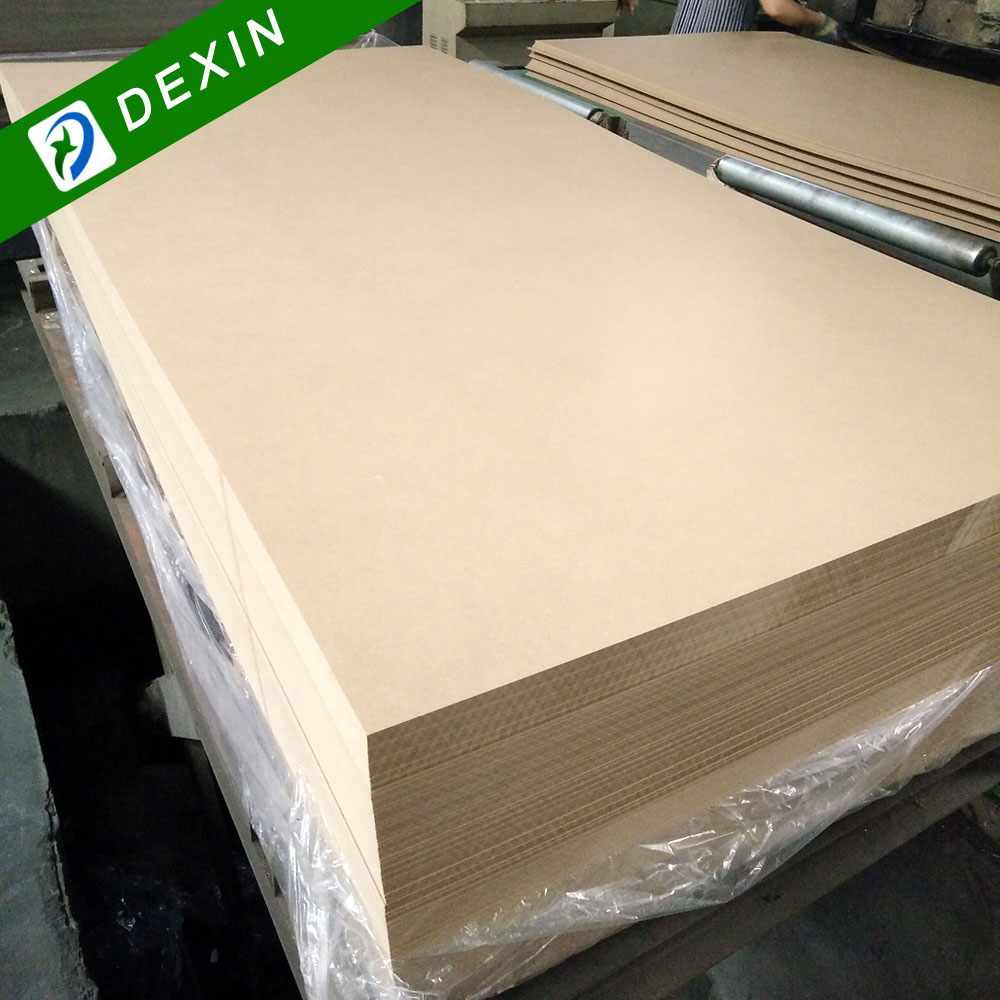
3mm, 12mm, 15mm, 18mm Raw / Plain MDF Board for Furniture Decoration
Calibrated, sanded raw MDF for painting, laminating and CNC routing — the workhorse substrate behind wardrobe doors, drawer fronts and shop fittings.
View productEight product families that our export team prepares most often for Middle East joinery workshops, fit-out contractors and panel distributors. Every board below can be re-specified by size, thickness, core, face and emission grade — that is the entire point of sourcing through an OEM programme rather than a catalogue.
Calibrated, sanded raw MDF for painting, laminating and CNC routing — the workhorse substrate behind wardrobe doors, drawer fronts and shop fittings.
View product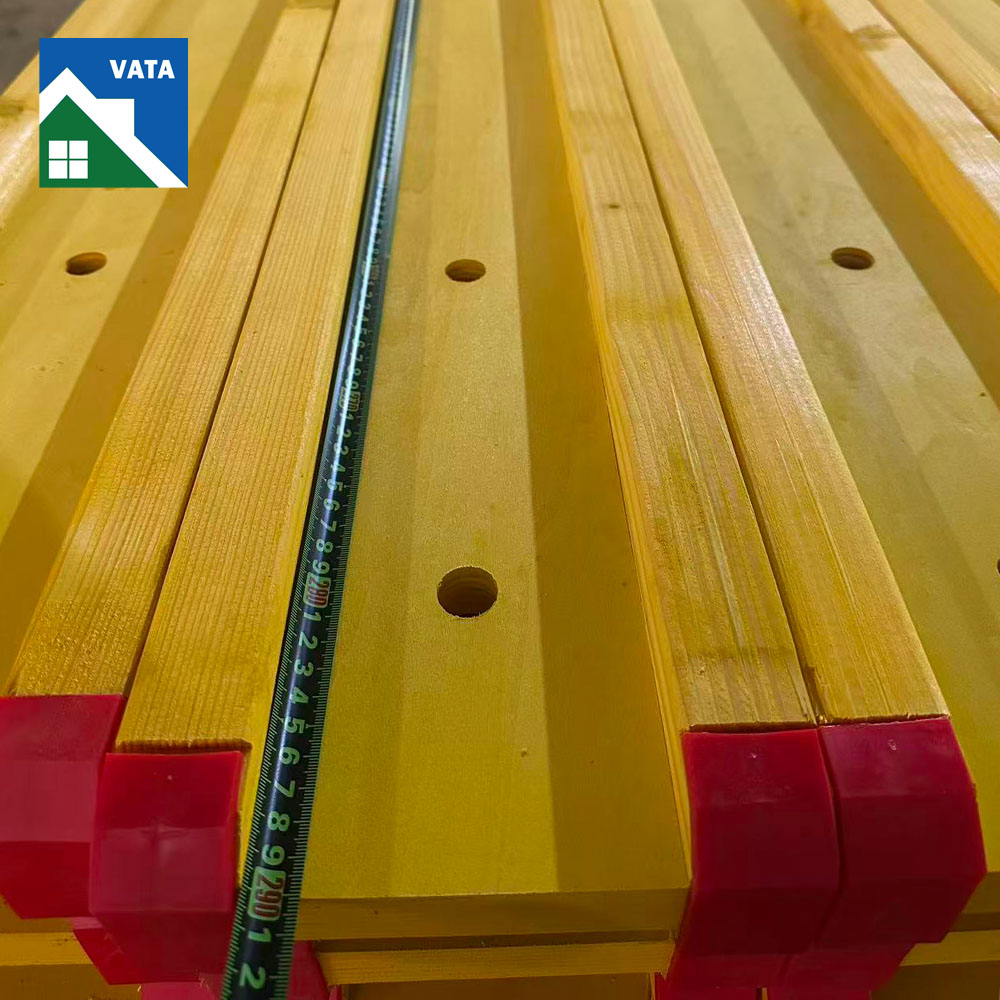
WBP-bonded formwork beams with pine or spruce flanges for wall formwork and slab support, supplied alongside our panel lines for site teams that want one reliable structural timber source.
View product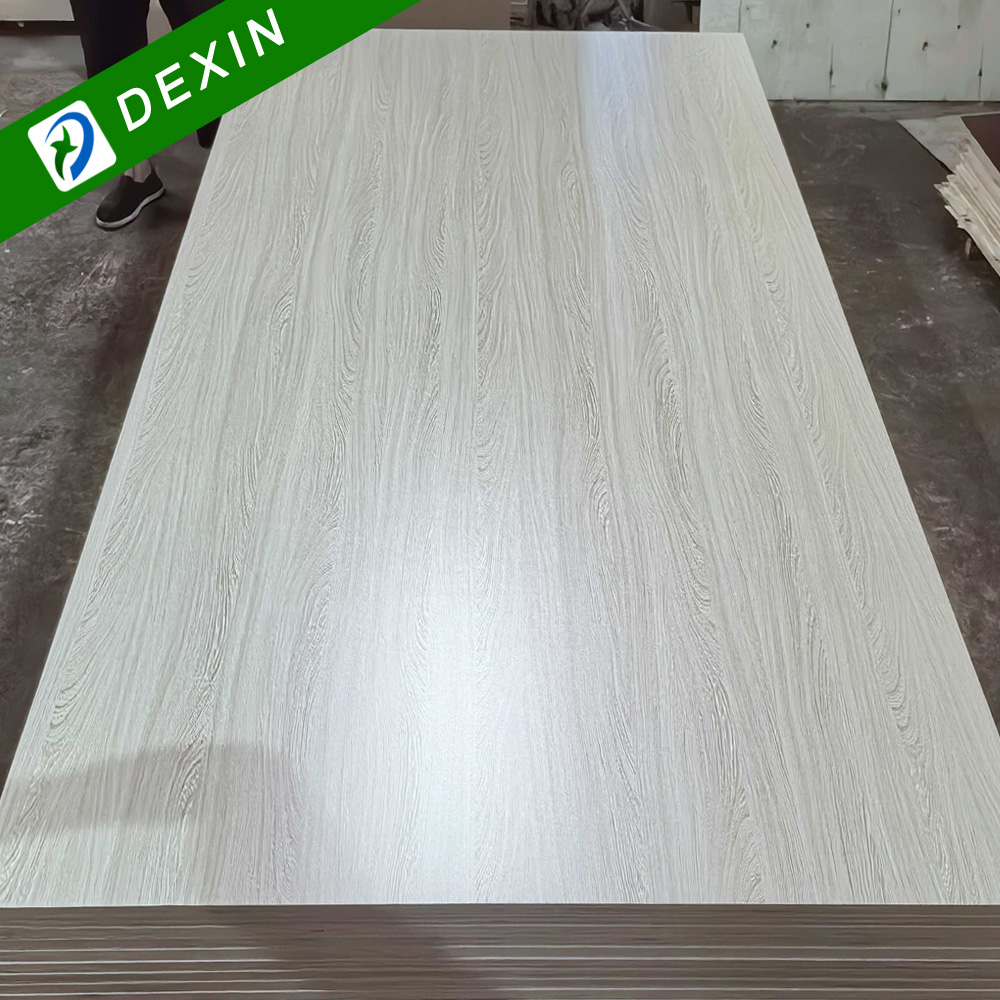
Eucalyptus-core, 11-ply melamine-faced plywood in glossy or matt white — the specification we recommend most often for kitchen carcasses and wet-area vanities.
View product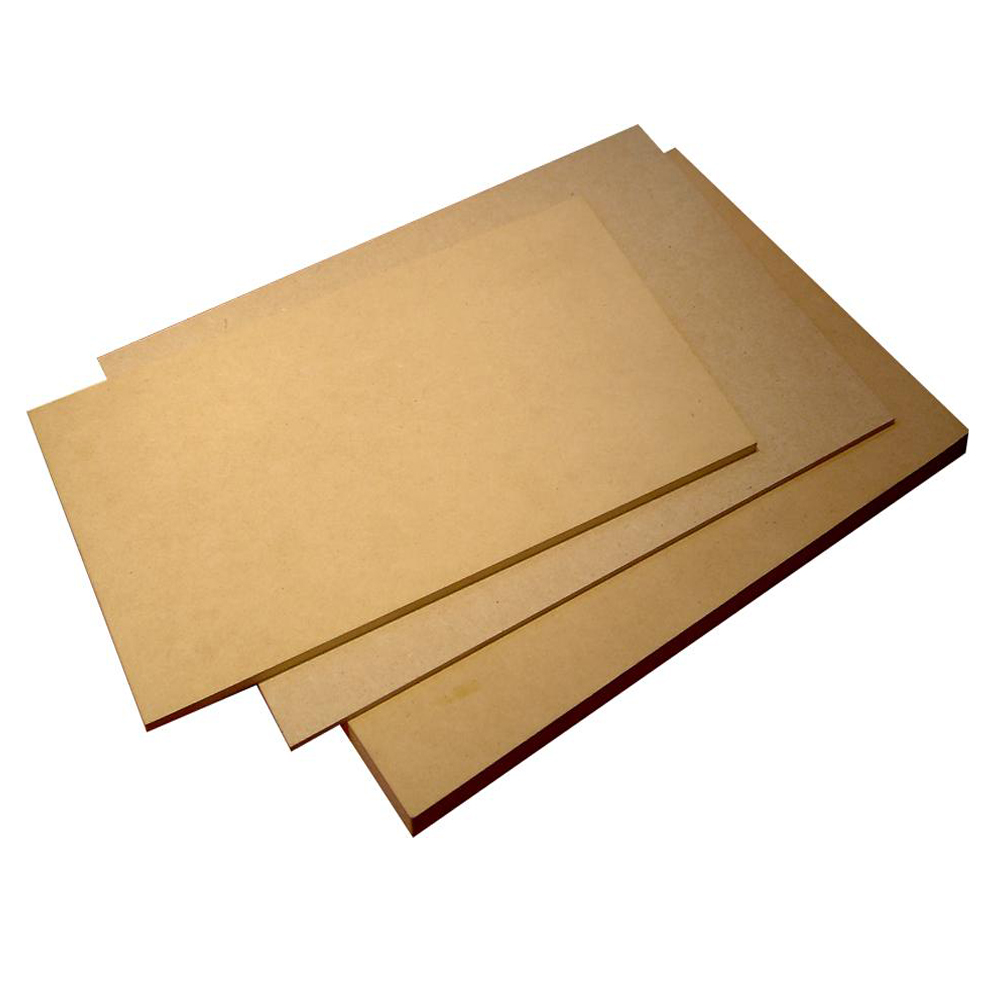
Cost-controlled raw MDF available in three emission classes, for projects where the specification sets the grade but the budget still sets the tone.
View product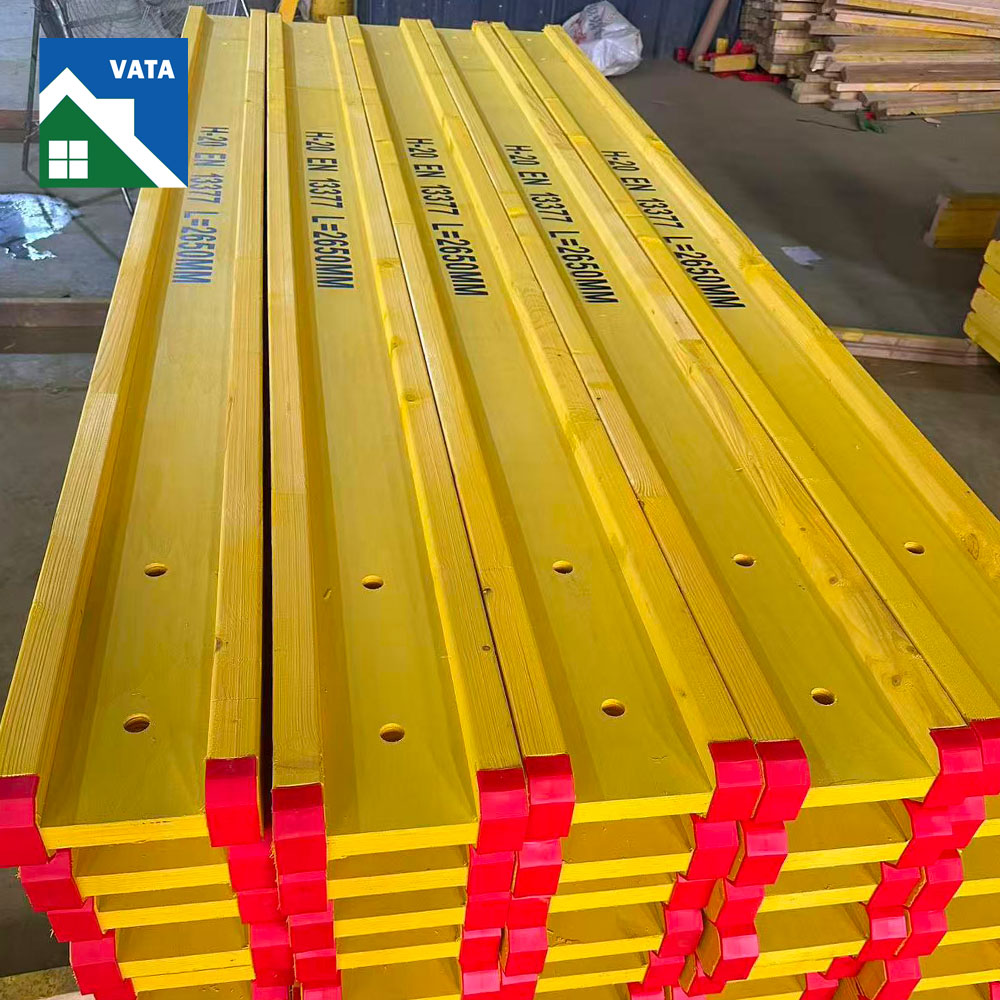
Waterproof LVL H20 beams built for repeated concrete pours, holding their line where mixed timber starts to deflect after the second or third cycle.
View product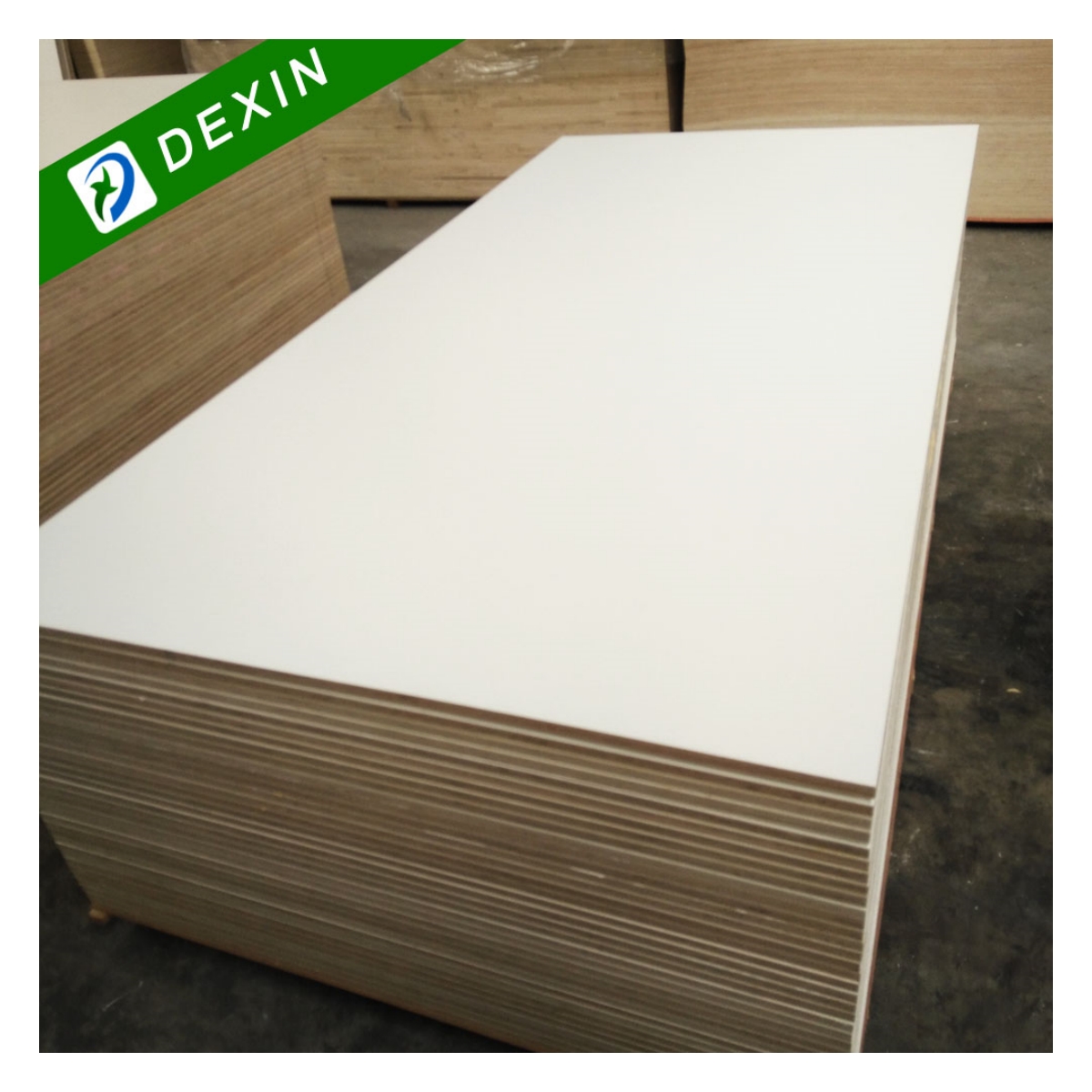
Teak, oak and maple melamine decor on a stable plywood core in 6 mm, 12 mm and 18 mm — warm, natural-looking cabinetry that still works at volume retail prices.
View product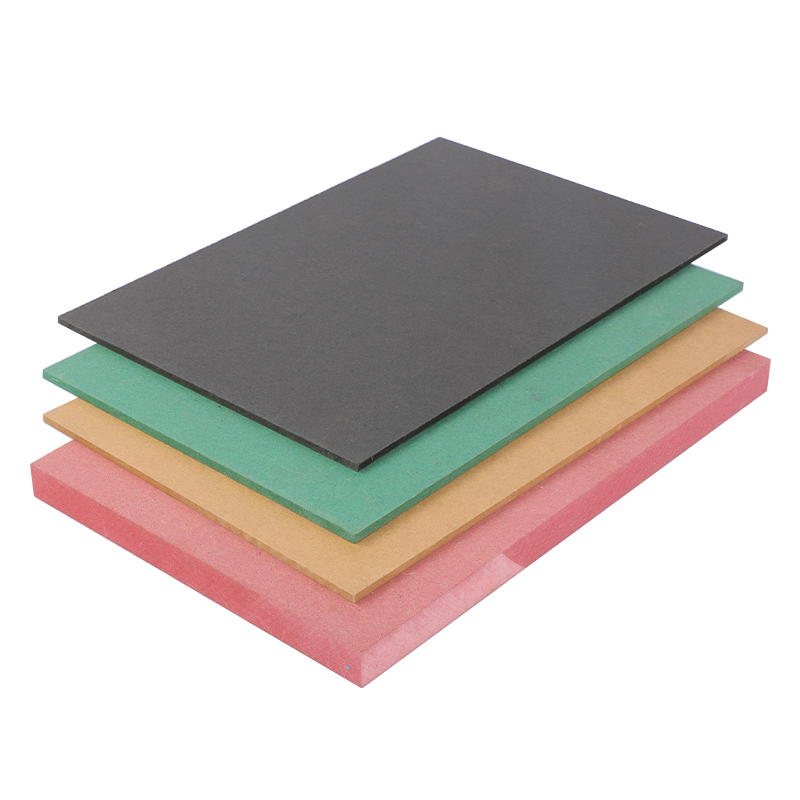
A full thickness ladder from 3 mm to 18 mm in plain MDF — the flexible base stock for drawer bottoms, back panels and painted frames.
View product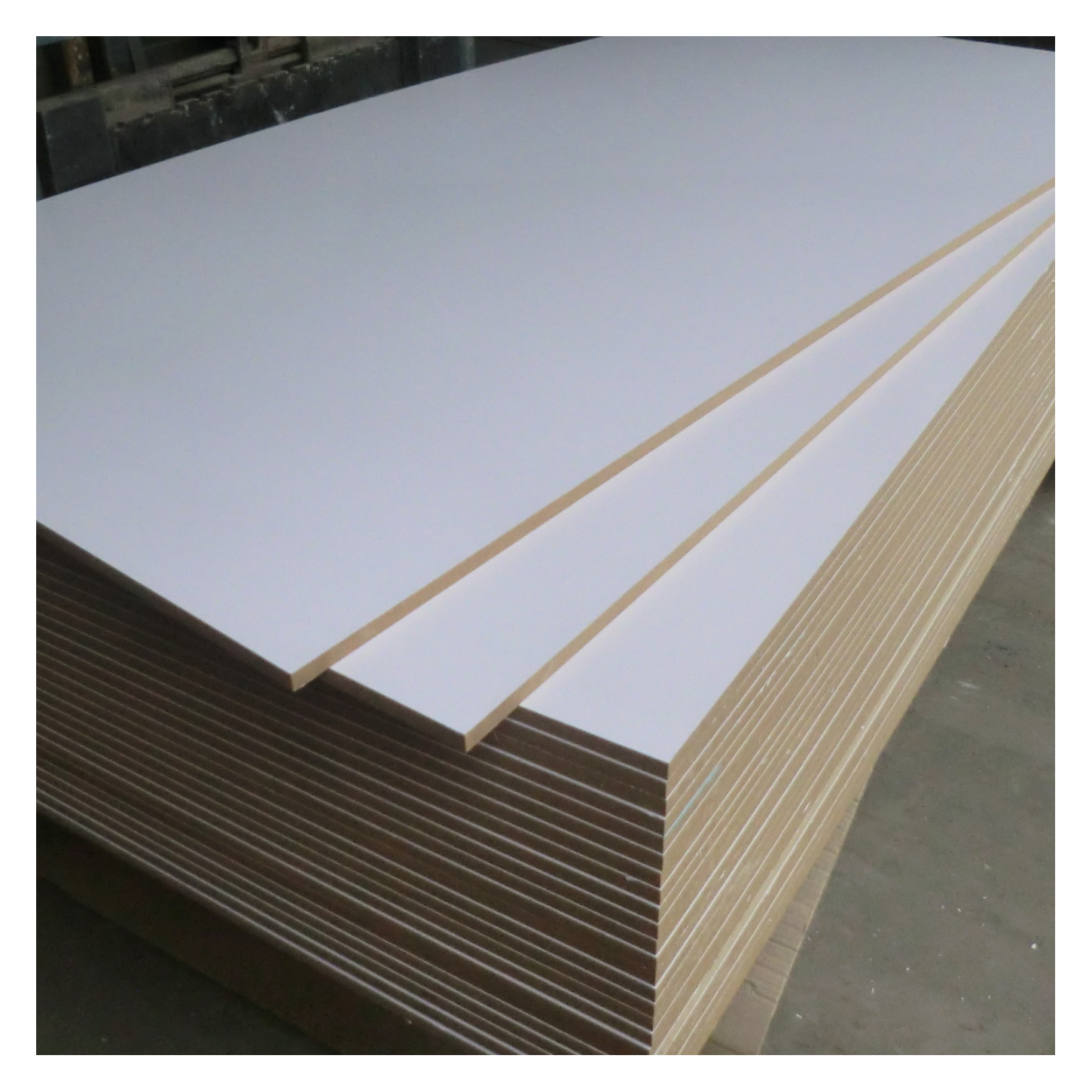
E1, CE-certified moisture-resistant melamine MDF in 18 mm, built for kitchen and bathroom furniture in hot, humid service conditions.
View productNeed a thickness, core or decor that is not listed? OEM specification starts from your drawing, not from our stock list.
Get a Quote“Cabinet grade” is not one published standard. It is a bundle of tolerances agreed between the buyer and the mill, and six of those tolerances decide whether a board machines cleanly on the shop floor or fails after its first season in service.
Ply count, per-ply thickness and whether the core is poplar, eucalyptus or a mixed build all change screw-holding and edge stability. A carcass usually fails first at a heavily loaded hinge plate or shelf pin — which means core quality near the fixing points matters more than the face veneer anyone sees.
MR glue is adequate for dry interior furniture; WBP phenolic is what you want under kitchen sinks, in bathroom vanities and on any board that will spend weeks in transit and port storage. If your container may wait at Aden before the truck run to Taiz, do not economise on the glue line.
E1 is the realistic baseline for most residential and commercial fit-outs. E0 and CARB Phase 2 are what hotel, clinic and government furniture programmes ask for. Put the class in the purchase order in writing — a verbal “E1, inshallah” is not a specification.
Nominal 18 mm does not mean every sheet reads 18.0 mm on a calliper. If you are running CNC grooves, T-moulding or shelf rebates, write the calibrated tolerance into the spec — typically ±0.3 mm — otherwise your edge banding will either jam or rattle.
Melamine paper grammage, pressing quality and colour consistency decide whether a cabinet door still looks convincing after it is unpacked in a showroom. UV and PET high-gloss surfaces are worth the extra cost for retail displays and premium residential work.
The gap between a reliable exporter and a hopeful one shows up in three things: physical thickness readings photographed before loading, test reports that match the batch, and a packing list that reconciles with what the customs broker sees at Aden.
Most importers do not sell a generic board. They sell their own brand plus a fixed set of specifications that fits one specific customer base. That is why OEM customization goes far beyond a printed logo — it decides whether the carcass closes square, whether the edge band holds and whether the container is worth the freight.
Our default is 1220 × 2440 mm, but cut-to-size panels, 1830 × 2440 mm and project-specific dimensions are routine. Thickness can be built on the 3, 5, 6, 9, 12, 15, 18 and 25 mm ladder, with intermediate gauges quoted on request.
Poplar, eucalyptus, combi or pine core; multi-ply or reduced-ply construction; lighter or denser builds to hit a target weight or a target screw-holding figure. The core is chosen against the structural requirement, not against whatever happens to be on the yard that week.
Solid white, beige and grey; oak, walnut, teak and maple woodgrains; matt, soft-touch, textured or mirror-gloss. Single-sided and double-sided lamination are both available, and the reverse face can be a plain balancing board to control cost.
MR or WBP; E1, E0 or E2; CARB Phase 2 for buyers who re-export into North American channels. Whichever combination you choose is locked into the order confirmation, the test report and the shipping documents, so the paperwork never contradicts the board.
Panels can be supplied square-cut, edge-banded with matching PVC, grooved, tongued or rebated so that they arrive ready for assembly. If your workshop prefers raw edges and does its own banding, say so and the sheets ship unprocessed.
Logo printing on the board face or the packaging, branded pallet caps, corner protectors, desiccant, shrink wrap and neutral cartons for distributors who resell under their own identity. Loading photographs are supplied for every shipment by default.
Taiz sits inland on the highlands, so the boards that reach a workshop there have already travelled by sea to Aden or Hodeidah and then overland. Add wide day-to-night temperature swings and long dry spells, and it becomes clear why moisture content and glue type matter as much as the face decor — a board that leaves the mill at the right balance arrives flat, and a board that leaves wet arrives warped no matter how good the packaging was.
In Taiz the majlis is usually the largest and most visible piece of joinery in a home: a full wall of base units, display niches, a concealed screen recess and bench seating. Eighteen-millimetre cabinet-grade plywood with 18 or 25 mm shelves, finished in a warm melamine decor, gives a unit that survives daily use while staying easy to clean and repair.
The kitchen is the hardest-working room in the house: heat near the hob, spills under the sink, steam from the kettle and constant opening and closing of doors. Eighteen-millimetre moisture-resistant melamine MDF or WBP-bonded melamine plywood for the carcass, with PVC edge banding on every exposed edge, keeps a kitchen square for years instead of months.
Wardrobe carcasses take 18 mm sides and shelves with 6 mm back panels, and the specification is unforgiving: a shelf that sags is a warranty claim, not a cosmetic issue. A dense, well-calibrated core carries the load; a cheap lightweight board bows under a stack of blankets within one season.
Retail shelving has to survive the busiest week of the year and still look presentable on the first day. White and light-grey melamine over an 18 mm core, with high-gloss PET or UV fronts on feature bays, gives a clean, bright result that photographs well and wipes down easily — a practical advantage for pharmacies and cosmetics counters in particular.
Door skins, flush door blanks and architraves are commonly built on 3, 4 or 5 mm plywood over a timber or honeycomb core, with a natural veneer or a woodgrain melamine face. The lighter the skin, the more the flatness of the substrate matters, because any telegraphing from the core shows up directly under the finish.
Institutional furniture is bought once and used for a decade, so it is the wrong place to save on emission class or core density. E1-rated plywood and MDF for desk tops, classroom cupboards, clinic cabinetry and office screens keeps indoor air quality defensible while still meeting a public-sector budget.
None of these shifts happened in a single season, but taken together they explain why written specifications are becoming normal in a market that used to buy almost entirely on price and relationship.
Solid hardwood is increasingly expensive and difficult to source consistently, so local joinery shops have migrated towards plywood and MDF carcasses with a melamine or veneer face. The result is a faster build, more predictable dimensions and a finish that does not need a skilled polisher to look acceptable.
Rather than placing three separate orders with three suppliers, importers increasingly combine 18 mm carcass board, 6 mm backing, plain MDF and decorative faces in a single container. One supplier, one set of documents, one freight bill — and far less working capital tied up in duplicate safety stock.
E1 has become the expected baseline rather than a premium upgrade. Hotel refurbishments, private clinics and donor-funded public buildings are the segments driving E0 and CARB Phase 2 requests, because those projects carry an air-quality obligation written into the contract.
Boards spend weeks in transit and additional days in port before they reach a Taiz workshop. Buyers now ask for the ex-works moisture content, the glue line and the calibrated thickness tolerance rather than simply the price per sheet, because the cost of a warped container is far higher than the saving on the invoice.
Distributors who resell under their own name want the identity to carry through to the pallet: printed board faces, branded pallet caps, retail-friendly labels and consistent edge protection. It signals origin and quality to the end customer, and it costs very little to arrange at the mill.
Payment terms, trade terms and export paperwork now carry the same weight as the unit price. A low quotation paired with inconsistent certificates, unclear certificate-of-origin handling or slow loading photographs usually costs more in port friction than it ever saved on the board.
Linyi KUDE International Trading Co., Ltd. is the export platform of a wood-based panel manufacturing group founded in 1998 in Linyi, Shandong — China’s largest man-made board production cluster. Being physically inside that cluster shortens the supply chain for veneer, glue and core material, and keeps pricing stable across the seasons instead of swinging with every raw-material shortage.
More than 30 sets of production machinery across 30,000 m² of workshops, with over 300 workers and an annual output of 60,000 m³ of plywood, blockboard, MDF and particle board. No middle-man markup on core product lines.
CE, ISO 9001, ISO 14001, FSC and CARB certification, with an on-site assessment completed by SGS. Formaldehyde grades E0, E1 and E2 are produced according to the destination market rather than to a single default.
Sample-based, design-based or fully custom orders covering size, thickness, core species, face veneer or melamine decor, glue type, grooving, logo printing and export packaging — supported by more than twenty years of production experience and fifteen years of export experience.
FOB, CFR, CIF and EXW terms; T/T and L/C settlement in USD, EUR or CNY; MOQ typically between 50 and 500 sheets depending on the line, with several products combinable in one container. Loading through northern China ports such as Qingdao.
Our group principle is simple and it has not changed since 1998: survival by quality, development by prestige. In practice that means every batch is verified at six stages before it is allowed onto a vessel bound for the Middle East.
Incoming veneer is graded for thickness, moisture and defects before it is allowed into the gluing line.
Veneer is dried to a controlled moisture range so the finished panel stays dimensionally stable after shipment.
Glue spread, press temperature and press cycle are recorded for each batch to hold the declared bond class.
Panels are calibrated to the agreed thickness tolerance before lamination, film application or packing.
Thickness, flatness, bond quality and face appearance are checked against the approved specification.
Seaworthy pallets, steel strapping, corner protection and loading photographs archived for every container.
Use this table to shortlist the correct board before you send a specification. The ranges below reflect typical export production; final tolerances, grades and test reports are confirmed on the order confirmation.
| Product line | Standard size | Thickness | Core & face | Glue & emission | Typical Taiz use |
|---|---|---|---|---|---|
| Cabinet-grade plywood (OEM) | 1220 × 2440 mm, cut to size on request | 3–25 mm | Poplar / eucalyptus / combi core; melamine or natural veneer face | MR or WBP phenolic; E1 / E0 | Carcasses, shelves, wardrobe bodies |
| Melamine-faced plywood | 1220 × 2440 mm | 5 / 6 / 18 mm | 11-ply eucalyptus core; matt or glossy white and woodgrains | WBP; E1 | Kitchen units, vanities, laundry cabinets |
| Moisture-resistant melamine MDF | 1220 × 2440 mm | 18 mm | HMR MDF core with melamine face | E1; CE certified | Wet-area and kitchen cabinetry |
| Plain / raw MDF | 1220 × 2440 mm | 3–18 mm | Sanded raw MDF, uniform density | E0 / E1 / E2 depending on line | Painted fronts, drawer boxes, back panels |
| Decorative melamine plywood | 1220 × 2440 mm | 6 / 12 / 18 mm | Stable plywood core with teak, oak or maple melamine decor | E1 / E2 | Feature walls, display units, bedroom furniture |
| H20 LVL and formwork beams | Project-specific lengths | Profile dependent | LVL web with pine or spruce flange | WBP bonded, exterior use | Concrete formwork and slab support |
Values are typical production ranges. Final tolerances, grades and third-party test reports are confirmed per order.
These are the questions our export team answers most often from joinery workshops, fit-out contractors and panel distributors across the Taiz region.
Send us the size, thickness, core species, face decor, emission grade and destination port. Our export team replies with a full technical proposal — specification sheet, loading plan, documentation list and a quotation built around your container rather than around a catalogue page.
Linyi KUDE International Trading Co., Ltd. · Linyi, Shandong, China · info@kudeplywood.com