8 OEM Interior Panel Products for Paris Wholesale Programmes
These eight product families cover the most common Paris buyer briefs: low-emission furniture boards, moisture-resistant MDF, decorative wall surfaces and formwork-adjacent panels for renovation contractors. Every product keeps its original specification URL. Use the links to compare exact product details, then request samples, certificates and a mixed-container proposal before finalising your bill of quantities.
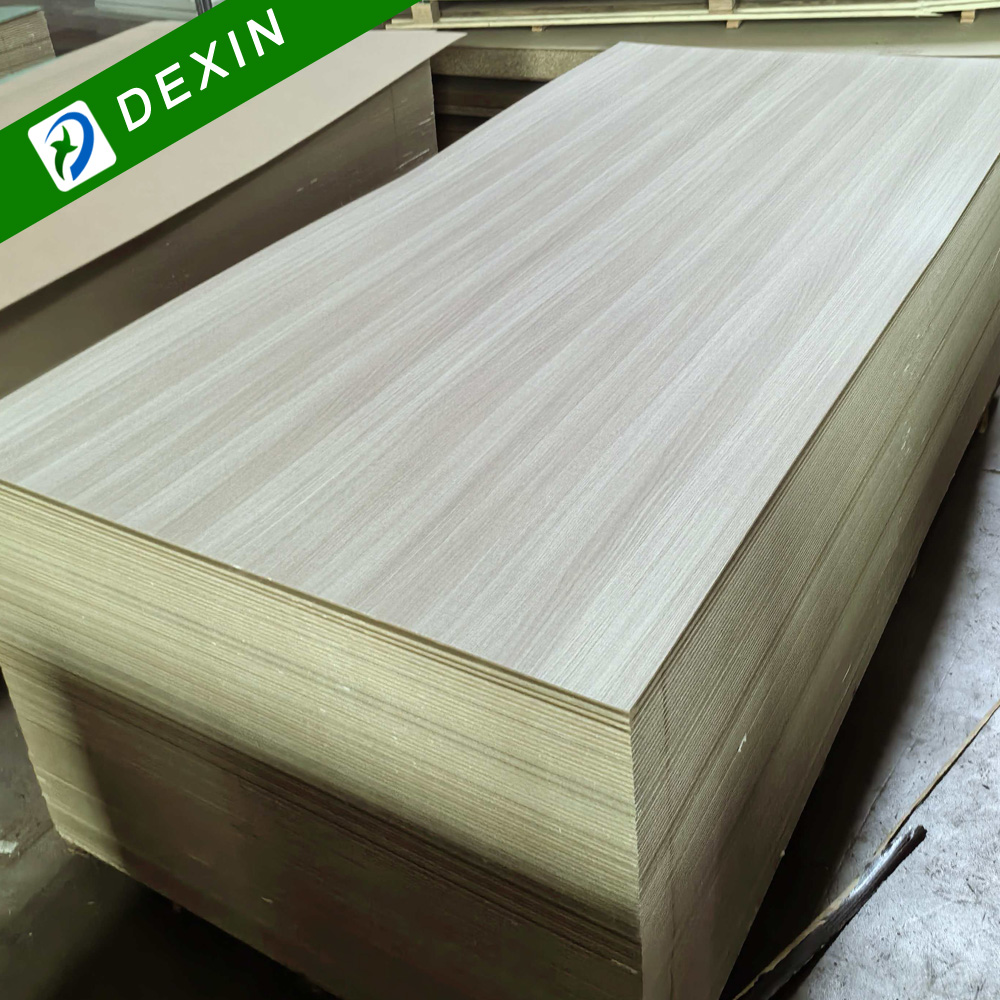
Moisture Resistant 4mm 15mm 17mm 18mm Melamine MDF Wood Panels 1220x2440mm White Textured MDF Melamine
White textured melamine MDF for Paris kitchen, bathroom and wardrobe carcasses where moisture resistance and a low-emission grade are specified. OEM thickness and edge sealing are available.
View product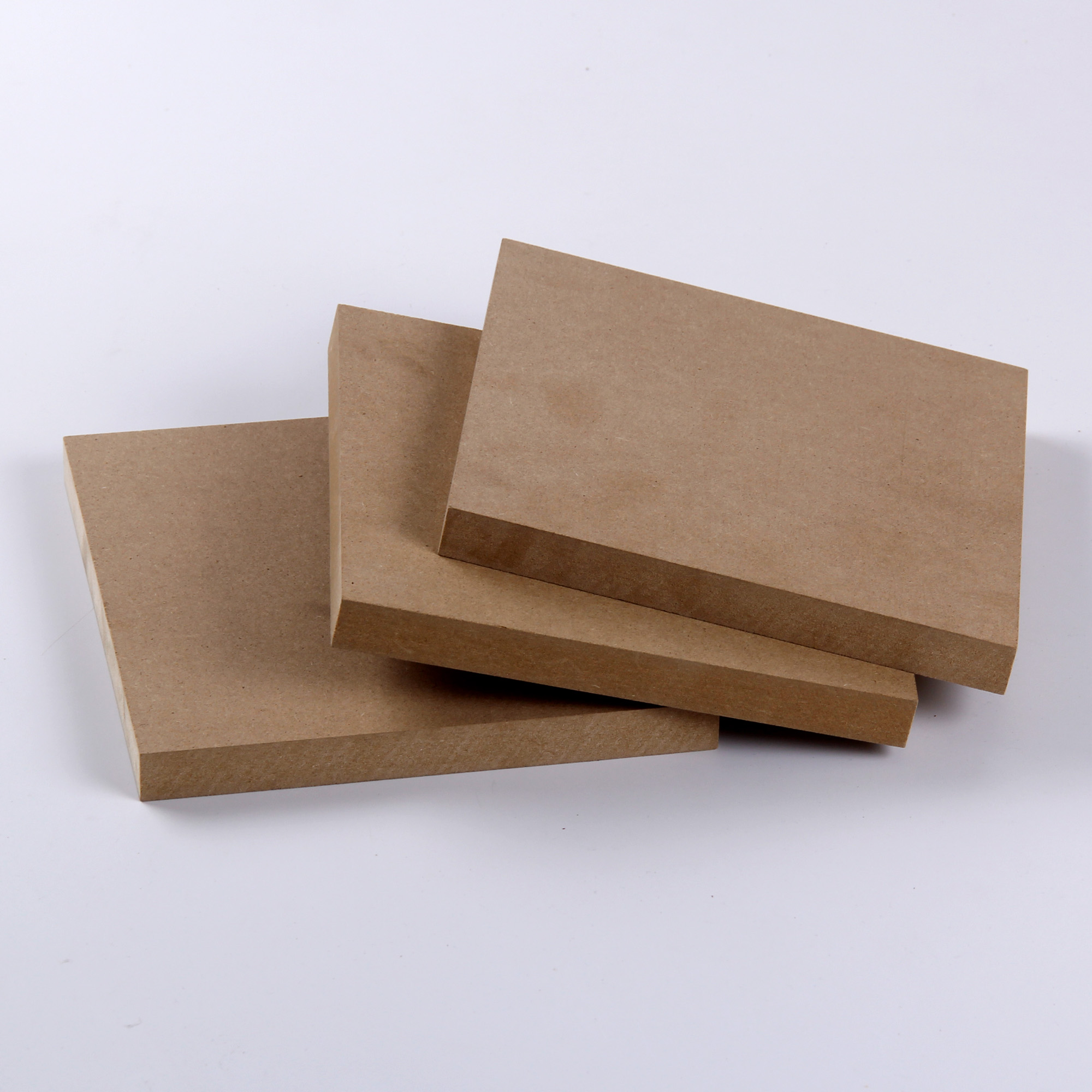
Factory Standard Size with Thickness of 5mm, 6mm, 8mm, 9mm, 18mm Raw MDF/HDF Board
Raw MDF/HDF in standard factory thicknesses for CNC routing, painting, veneering and shopfitting. Density, surface quality and emission grade can be confirmed against your approved sample.
View product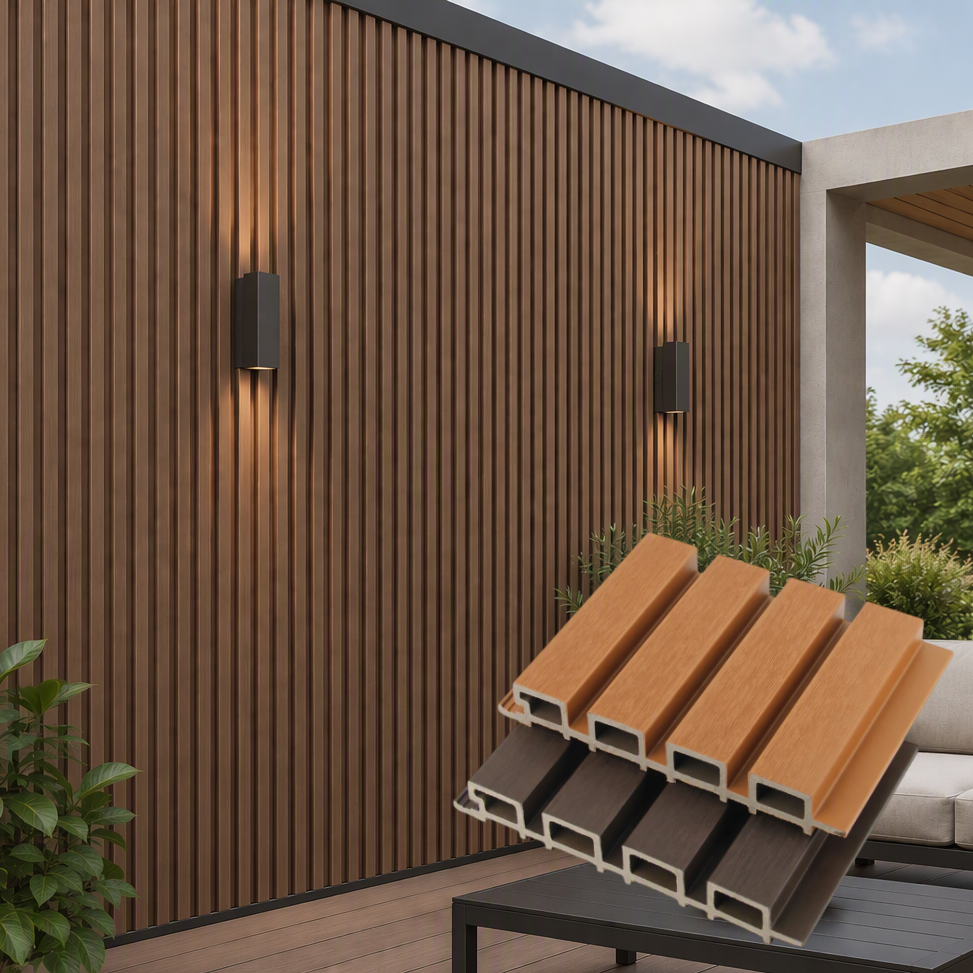
New Style Outdoor WPC Wall Cladding Panels Waterproof Villa Textured Co-Extruded Fluted Facade
Co-extruded WPC cladding for covered terraces, courtyards and hospitality facade accents. Waterproof profile, wood-grain texture and project-specific colour direction.
View product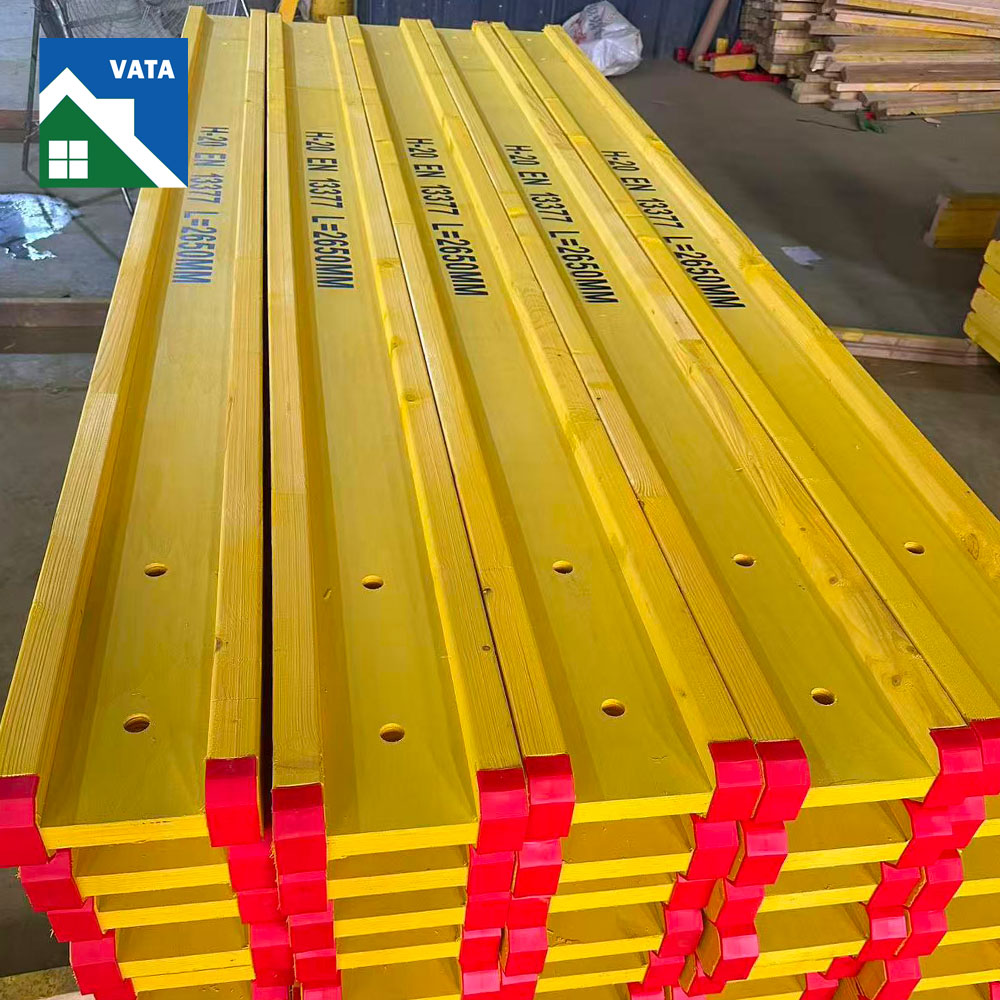
Factory Direct High Strength H20 Timber Beam Waterproof LVL Structural I Beams for Concrete Formwork
H20 timber beams for concrete formwork in renovation and new-build projects. High-strength LVL with waterproof glue for repeatable formwork sets.
View product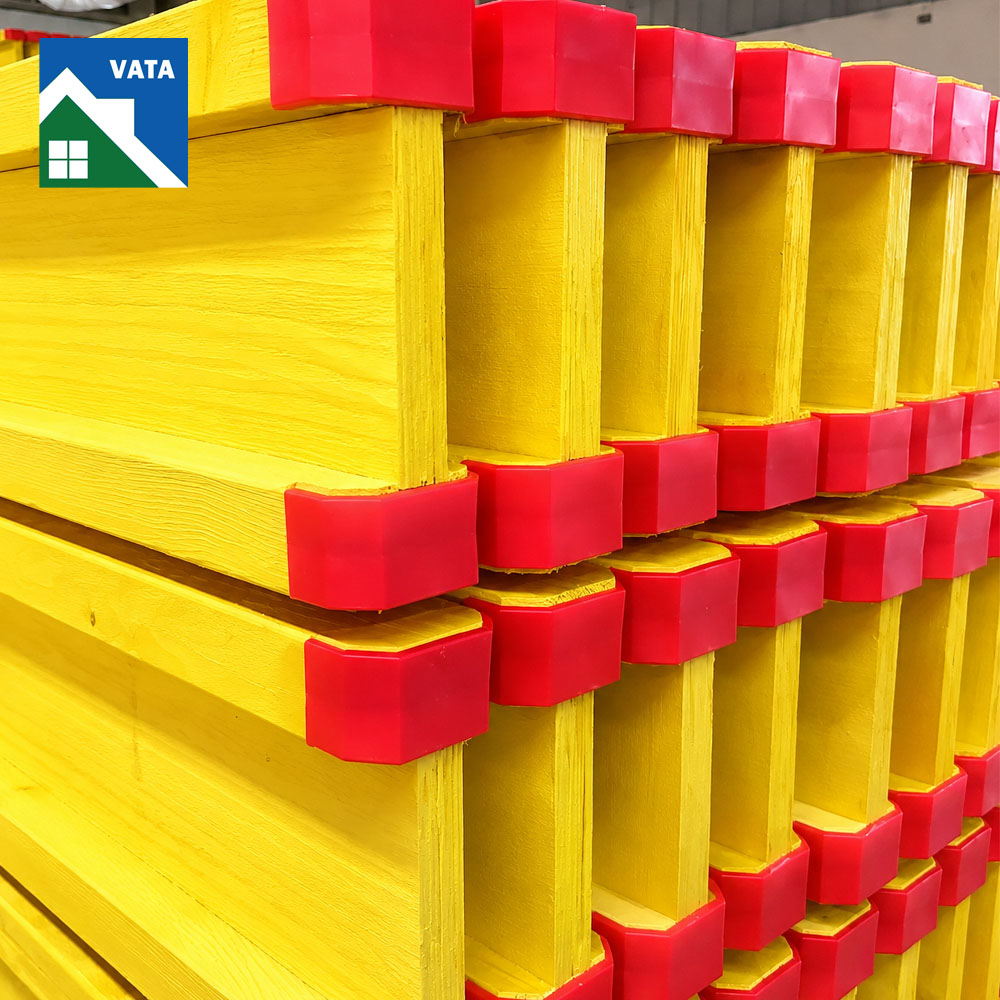
Wholesale Heavy Duty Wooden I-Beams Durable Spruce H20 Formwork Beams for Slab Formwork
Heavy-duty spruce H20 slab formwork beams for contractors that need stable I-beam geometry and reliable load performance on site.
View product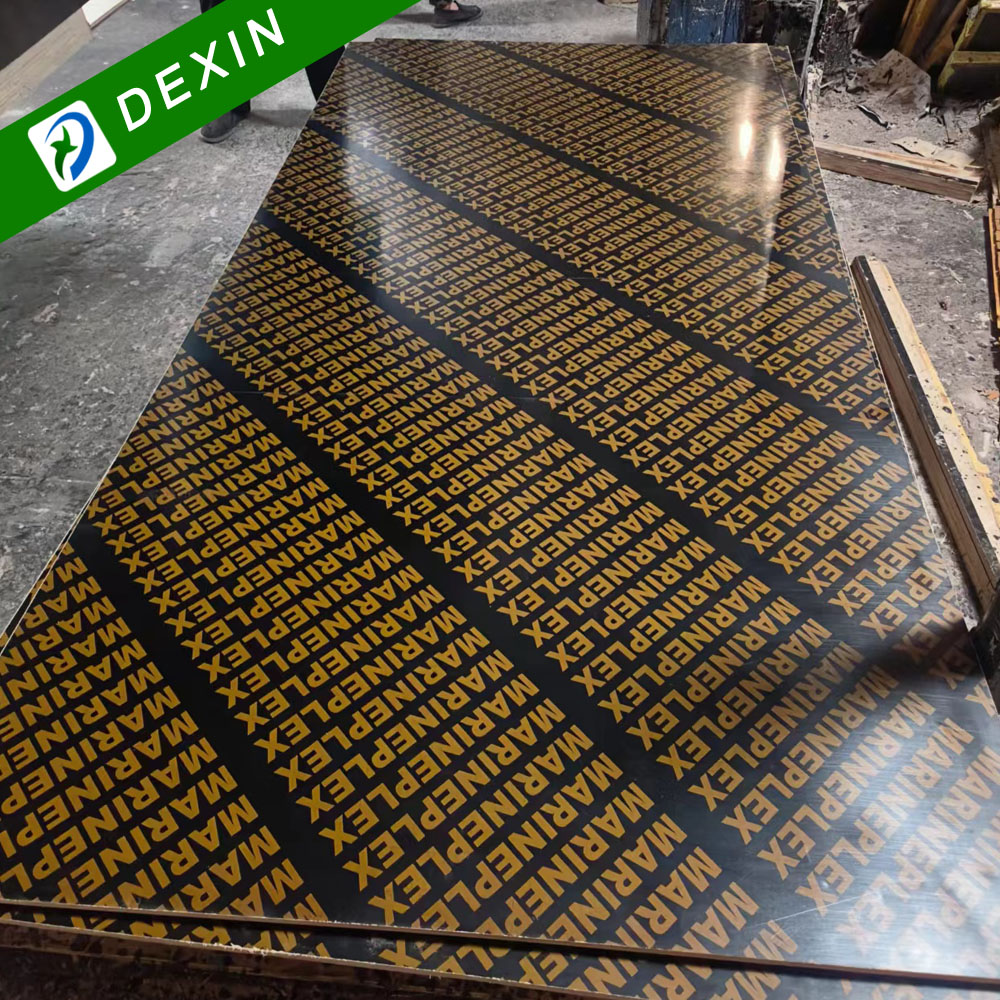
1220*2440* 15mm / 9mm / 12mm / 18mm Film Faced Plywood Marine Construction Formwork Board
Film-faced plywood for concrete formwork and site protection. Keep this product for construction use rather than decorative interior surfaces; specify film type and re-use target clearly.
View product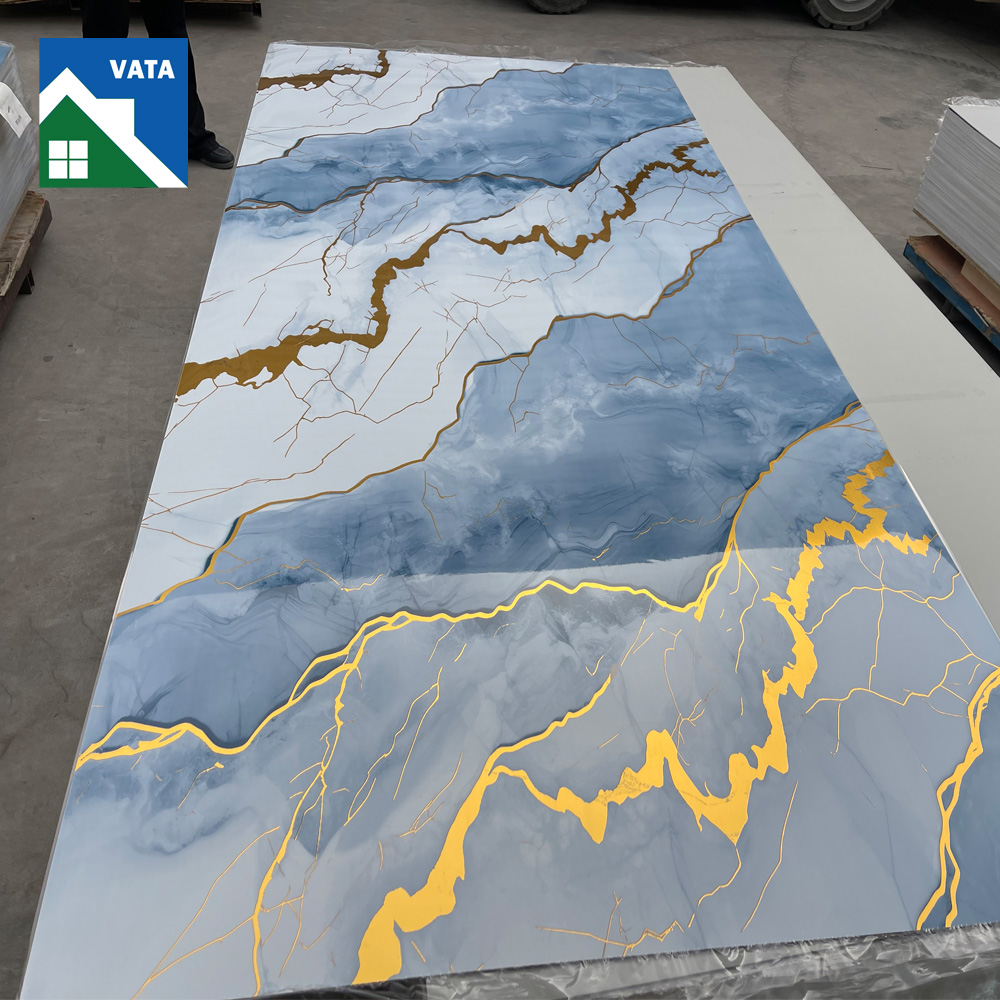
Customized Easy Installation High Glossy PVC Wall Panel Bendable DIY Indoor TV Wall Background Board Glossy UV Marble Sheets
Bendable high-gloss PVC/UV marble sheets for TV walls, bathroom features and retail displays. Fast installation and custom decors for Paris fit-out briefs.
View product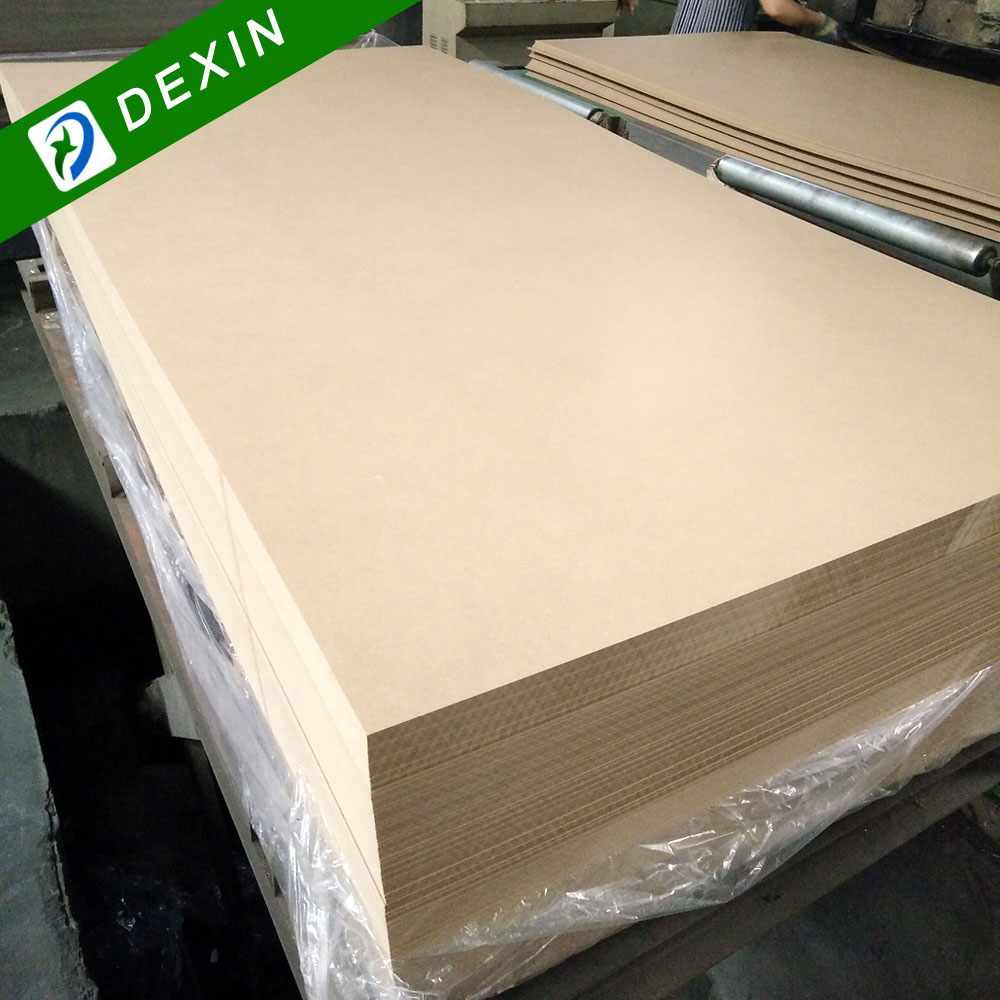
3mm, 12mm, 15mm, 18mm Raw/ Plain MDF Board for Furniture Decoration
Plain MDF for furniture, decoration, laminate and paint. Available in multiple thicknesses with E0/E1/E2 options confirmed per order and destination market.
View productFactory-Direct Capacity Behind the Product Range
KUDE is an export platform for a wood-based panel manufacturing group founded in 1998 in Linyi, Shandong — China’s largest wood-based panel production cluster. The figures below are the practical base for OEM supply, mixed containers and repeat programmes.
Paris Interior Plywood Demand: What Wholesalers and Fit-Out Teams Are Actually Buying
Paris is an unusually specification-led market for interior panels. A wholesaler may supply a menuisier in the 11th arrondissement, a hotel refurbishment near the Opéra, a retail rollout on the Champs-Élysées and a housing renovation in the banlieue in the same quarter. Each buyer asks a different question. The architect asks for low-emission board and a declared finish. The joiner asks for flatness, clean edges and consistent thickness. The contractor asks for a delivery that fits the site lift. The distributor asks for repeatable colour, private label and a mixed container. That is why a generic “plywood supplier” search rarely produces the right result. The buyer needs an OEM partner that can hold a specification across batches and communicate the limits honestly.
At product level, interior plywood is not one material. Melamine-faced plywood and MDF serve dry furniture and wall lining; raw MDF/HDF serves CNC, paint and lamination; moisture-resistant MDF and WBP-bonded plywood reduce risk in kitchens and bathrooms; natural veneer plywood supports high-end joinery; WPC, PVC and UV decorative panels provide fast-install feature walls. Film-faced plywood and H20 beams belong to concrete formwork and site works, not to a decorative interior schedule. The eight-product grid above reflects this reality: one factory relationship can cover furniture, feature walls and adjacent construction needs, but each product must be specified for its actual job.
KUDE’s role is not to replace the Paris architect or the local distributor. It is to be the factory-direct supply layer behind them. We manufacture and export from Linyi, Shandong, and support OEM buyers with size, thickness, core, facing, glue, emission grade, logo and packaging decisions. Where a project needs a French reaction-to-fire report, a specific FSC claim or an EUDR due-diligence data set, the requirement should be raised before the proforma invoice — not after the container has sailed.
Where Custom Interior Plywood Wins in Paris
Paris projects are not only about appearance. They are about access, installation sequence, acoustic separation, moisture control and the ability to replace a damaged panel without reordering a full container. These four application scenarios show where a specified OEM panel saves time and rework.
Haussmann apartment renovation
Built-in wardrobes, library walls, kitchen dressers and wall linings need panels that stay stable and cut cleanly on site. Because many Paris buildings have small lifts and narrow courtyards, discuss cut-to-size panels, half-sheets, lighter pallet splits and floor-by-floor labels. A 1220 × 2440 mm board is not always the most practical delivery format, even when it is the standard production size.
Boutique retail, hotels and showrooms
Feature walls, reception desks, display plinths and pop-up shop fittings put colour consistency and surface durability under pressure. Melamine, PET/UV, PVC marble and WPC boards allow fast installation and repeatable decors, provided the approved sample is retained and protected from batch drift.
Kitchen and bathroom furniture
Paris kitchens combine compact footprints with high expectations for moisture resistance, easy cleaning and low emissions. Specify HMR MDF or a WBP-bonded panel for vulnerable areas, seal all edges, and confirm the emission grade and test report for the exact board. “Waterproof” should not be used as a generic claim.
Architect studios and joinery workshops
Model making, prototyping and custom joinery often need small quantities, consistent sanding quality and quick sample response. Plain MDF, veneer plywood and decorative panels can be sampled before the full container is released, so the workshop can test cutting, edge-banding and finish adhesion.
A practical Paris delivery note: ask for the site lift dimensions and delivery window before finalising the pallet plan. Paris delivery is not only a freight rate; it is an access problem. Clear labels in English and French, piece counts and pallet weights reduce site friction and protect the finishes. Where a project has multiple floors, pack by apartment or floor rather than by raw sheet count.
Paris Market Trends Shaping 2026 Interior Panel Specifications
The strongest trend is not a single decor. It is the move from “buying boards” to “buying a documented, repeatable panel system” that can survive tender review, site handling and post-installation inspection.
Low-emission and traceable material files
E1 and E0 requests are now routine; FSC, legal-timber evidence and due-diligence data are increasingly requested by importers. Under the EU Deforestation Regulation (EUDR), operators must be able to trace relevant commodities and provide due-diligence information where required. A supplier that can supply species, origin, invoice, packing list, FSC claim and product test reports is easier to onboard. Confirm current obligations with your importer or compliance adviser.
Renovation prefabrication and digital cutting
Paris projects are moving toward off-site cutting, CNC routing and kit-based installation. This rewards suppliers who can hold thickness tolerance, keep core gaps to a minimum, protect edges and pack by kit rather than by raw sheet count. The panel must arrive as an installation component, not just as a commodity.
Surface performance with a design-led look
Matte, anti-fingerprint, soft-touch, marble, stone and wood-grain surfaces are popular, but the surface must survive cleaning, sunlight and wear. UV-cured coatings, PET film, PVC and WPC each have different performance. The right question is not “which looks best?” but “which surface suits this room, cleaning regime and budget over five years?”
OEM Specification Matrix: Matching Panel Build to Paris Project Intent
Use this matrix to shortlist a board build before requesting a quotation. It is not a substitute for the final technical data sheet; it is a discussion tool for architects, wholesalers and joinery teams.
| Product family | Typical Paris role | OEM build levers | Checks before ordering |
|---|---|---|---|
| Moisture-resistant white melamine MDF | Kitchen and bathroom carcasses, wardrobe internals, wall panels | HMR MDF core, white textured melamine, 4–18 mm, E1/E0, edge sealing | Moisture grade, surface texture, edge seal, batch colour, certificate for exact board |
| Raw MDF/HDF | CNC routing, lacquer, laminate, shop fittings and prototypes | 5–18 mm, density, sanding grade, glue system, cut-to-size | Thickness tolerance, surface fibre, screw-holding, emission grade |
| Co-extruded WPC cladding | Covered terraces, courtyards, hotel facade accents | Profile, wood-grain or solid colour, fixing system, custom length | UV/weather exposure, expansion allowance, substrate and fixing method |
| H20 timber beam | Concrete formwork for renovation and new-build works | H20 LVL, waterproof glue, dimensional control | Beam straightness, load data, re-use plan, site handling |
| Heavy-duty spruce H20 I-beam | Slab formwork and structural support works | Spruce flange, web geometry, waterproof adhesive | Beam geometry, moisture exposure, load capacity and inspection |
| Film-faced plywood | Concrete formwork and site protection | 9–21 mm, brown/black film, WBP phenolic glue, edge sealing | Film type, re-use target, release performance — not a decorative interior panel |
| High-gloss PVC/UV marble sheet | TV walls, bathroom features, retail displays | Bendable PVC, UV marble, gloss level, thickness, adhesive kit | Surface hardness, wall flatness, cleaning chemicals, fire report if specified |
| Raw/plain MDF | Furniture decoration, paint, laminate, display units | 3–18 mm, E0/E1/E2, sanding, cut-to-size | Moisture exposure, density, surface quality, packaging protection |
Values are typical production ranges. Final tolerances, grades, test reports and loadability are confirmed for each order.
Why a Paris Wholesaler Would Choose KUDE for OEM Interior Panels
Linyi KUDE International Trading Co., Ltd. is the export platform of a wood-based panel manufacturing group founded in 1998 in Linyi, Shandong. The group runs more than 30 sets of production machines in 30,000 m² of workshops, with over 300 workers and an annual output of 60,000 m³ of plywood, blockboard, MDF and particle board. We are not a Paris showroom; we are a factory-direct supply partner with 15 years of export experience and buyers in 30+ countries.
Own production lines inside the cluster
Machine sets cover peeling, gluing, hot pressing, sanding, laminating and packing. Being inside China’s largest wood-panel cluster gives shorter supply chains for veneer, glue and cores, plus faster problem-solving when a specification changes.
Quality documents matched to destination
CE, ISO 9001, ISO 14001, FSC and CARB documentation is available, and the supplier profile has passed an on-site assessment by SGS. E0, E1 and E2 grades are offered depending on the product. The certificate and test report must match the exact product, factory and order.
OEM/ODM customisation without mystery
We support sample-based, design-based and full customisation: size, thickness, core species, face veneer or decor, glue type, edge treatment, logo printing and export packaging. Each approved sample becomes the reference for batch colour, surface and packing.
Export logistics and commercial flexibility
We work on FOB, CFR, CIF and EXW terms, accept T/T and L/C in USD, EUR or CNY, and support mixed containers after specification confirmation. Loading photos, packing lists and labels help your forwarder and Paris receiving team work from the same information.

A factory-direct partner for the long term
Our operating principle is simple: survival by quality, development by prestige. For a Paris buyer, that translates into a clear specification sheet, an honest lead time, the right documents and a container loaded as agreed. We do not claim a Paris office or local warehouse; our value is factory access, OEM control and export experience.
Use KUDE as the manufacturing layer behind your Paris distribution, joinery or fit-out business. We will tell you what the factory can hold, what varies by batch, and what must be confirmed by sample before production.



Five Checkpoints from Raw Veneer to Loaded Container
Every batch should be traceable to the approved specification. These are the practical checkpoints we use to reduce surprises at the Paris receiving end.
Material selection
Veneer grading, core selection and moisture checks before gluing. Species and origin information is captured for traceability.
Gluing and pressing
Controlled glue spread, cold and hot pressing cycles, and bonding checks according to the agreed glue system.
Sanding and surfacing
Calibrated sanding, lamination, film overlay or decorative surface work, with the approved sample as the reference.
Inspection
Thickness, flatness, edge quality, bonding and surface checks. Non-conforming sheets are separated before packing.
Packing and loading
Export pallets, corner protection, moisture barrier, steel straps, labels and loading photos for the forwarder.
From Linyi to Le Havre and Inside Paris: A Realistic Procurement Route
Most Paris buyers do not need a Chinese supplier to promise a Paris warehouse. They need a supplier who can hand over a clean export file to a forwarder and keep the product protected through ocean and road transport. Our standard commercial terms include FOB, CFR, CIF and EXW; payment by T/T or L/C in USD, EUR or CNY. Shipments normally move through northern Chinese ports such as Qingdao, then to a European port such as Le Havre, with final trucking arranged by the buyer’s forwarder or a nominated partner. Transit time, haulage and customs clearance must be confirmed per sailing and per Incoterm; no responsible supplier should quote a door-to-door Paris date without the forwarder’s input.
Paris delivery planning should start before production. Send the site address type — courtyard, office, showroom or apartment — plus lift dimensions, preferred delivery window, pallet weight limit and whether the driver needs a French-speaking contact. We can label pallets by apartment, floor, kit or SKU and provide loading photos. For upper-floor renovations, consider cut-to-size panels or smaller packs. The cheapest freight per cubic metre can become the most expensive delivery if the pallet cannot enter the building.
Use a stepped sourcing plan: first approve a sample and specification sheet; second run a trial mixed container or trial order; third move to a scheduled programme with agreed batch tolerances and pre-shipment inspection. This is especially important for colour-critical melamine, veneer and PVC decors. The typical MOQ range is 50–500 sheets per product line, and several products can be combined in one container after specifications are confirmed. Final loadability depends on thickness, packing and weight limits, so ask for a loading plan rather than assuming a sheet count.
FAQ for Paris Wholesalers, Architects and Fit-Out Contractors
These are the questions that usually decide whether a quotation becomes a purchase order. The answers are written for professional buyers who need a traceable specification, not a generic catalogue promise.
Do you have a Paris office or showroom?
No. KUDE is factory-direct from Linyi, Shandong, China. We support Paris buyers through samples, specification sheets, export documentation, pre-shipment inspection and forwarder coordination. This keeps overhead lower and communication direct with the production and export team, but it also means the buyer should plan sampling and shipping timelines rather than expect local stock.
Which interior plywood should I choose for a Paris apartment?
For dry joinery, wardrobes and wall lining, use melamine-faced plywood or MDF, or fancy veneer plywood where real wood grain is required. For kitchens and bathrooms, specify moisture-resistant MDF or a WBP-bonded panel and seal the edges. For feature walls with fast installation, consider WPC, PVC or UV marble sheets. Keep film-faced plywood for concrete formwork and site protection. Always confirm the emission grade, edge treatment and surface performance for the actual room.
Can you customise size, thickness, core, face, logo and packaging for my Paris brand?
Yes. We support sample-based, design-based and full customisation. Typical levers include 1220 × 2440 mm or cut-to-size dimensions, 3–25 mm thickness depending on the product, poplar or eucalyptus core, melamine decor or natural veneer face, glue type, logo printing, private-label packaging and French/English pallet labels. Share drawings, target quantities and an approved sample before production.
What certifications and documents can you provide?
Our manufacturing group holds CE, ISO 9001, ISO 14001, FSC and CARB certifications, and the supplier profile has passed an on-site assessment by SGS. Formaldehyde grades E0, E1 and E2 are available depending on the product. Ask for the certificate and test report that match the exact product, factory and order. If a Paris project requires a specific French reaction-to-fire classification, request that document for the exact panel build; do not rely on a generic certificate for a different product.
What is the MOQ, and can I mix several products in one container?
MOQ depends on the product line and is typically 50–500 sheets. Several products can be combined in one container after specifications are confirmed. A mixed trial container is often the sensible next step after sample approval, especially for a Paris distributor testing several decors or thicknesses. Final loadability depends on panel thickness, packing and weight limits, so request a loading plan with the quotation.
How do you pack panels for Paris delivery and site handling?
We use export pallets, corner protection, moisture barrier, steel strapping, clear labels and loading photos. For Paris sites, labels can be organised by apartment, floor, kit or SKU, and pallet weights can be controlled within the site’s handling limit. Edge protection matters for high-gloss and veneer surfaces; moisture protection matters for MDF and raw boards. Agree the packing method before production, not after the goods are ready.
Which Incoterms and payment terms do you accept?
We accept T/T and L/C in USD, EUR or CNY, and work on FOB, CFR, CIF and EXW terms. The buyer or its forwarder normally handles import customs and final delivery to Paris. Provide the destination port, consignee details and any labelling requirements before the proforma invoice is issued. For a first order, keep the shipping plan simple and confirm the exact document set with your freight forwarder.
How can I get a fast and accurate Paris-specific quotation?
Send the product, size, thickness, core, face or decor, emission grade, quantity, destination port, target delivery window and preferred Incoterm. For a project, add drawings or a bill of quantities and state which items are colour-critical. Use the “Get Catalog” button below to start the conversation; our export team will return a specification-led proposal with sample options, packing notes and a mixed-container quotation where relevant.
Request a Paris-Specific OEM Proposal and Catalog
Send your drawings, thickness schedule, target quantity, emission grade, destination port and required delivery window. Our export team will return a specification-led proposal with recommended panel builds, sample options, packing plan and a mixed-container quotation where relevant. If you are comparing several suppliers for the Paris market, use this proposal as a technical checklist — not only a price sheet.
Email: info@kudeplywood.com · Factory-direct from Linyi, China · No Paris showroom