Eight panel products for Erbil distributors and project buyers
A practical product set for furniture production, interior fit-out, formwork and local stockholding. Every listed item can be discussed as part of a mixed container or OEM specification enquiry.

1220x2440mm, 1525x2440mm, 1830x2440mm Green/ Red/ Black Core Wood Fiber Plain MDF/ HDF Board
Colour-core MDF/HDF in several large formats. A stable substrate for melamine, veneer or paint where easy core identification helps factory control.
- MDF/HDF
- Colour core
- Large format
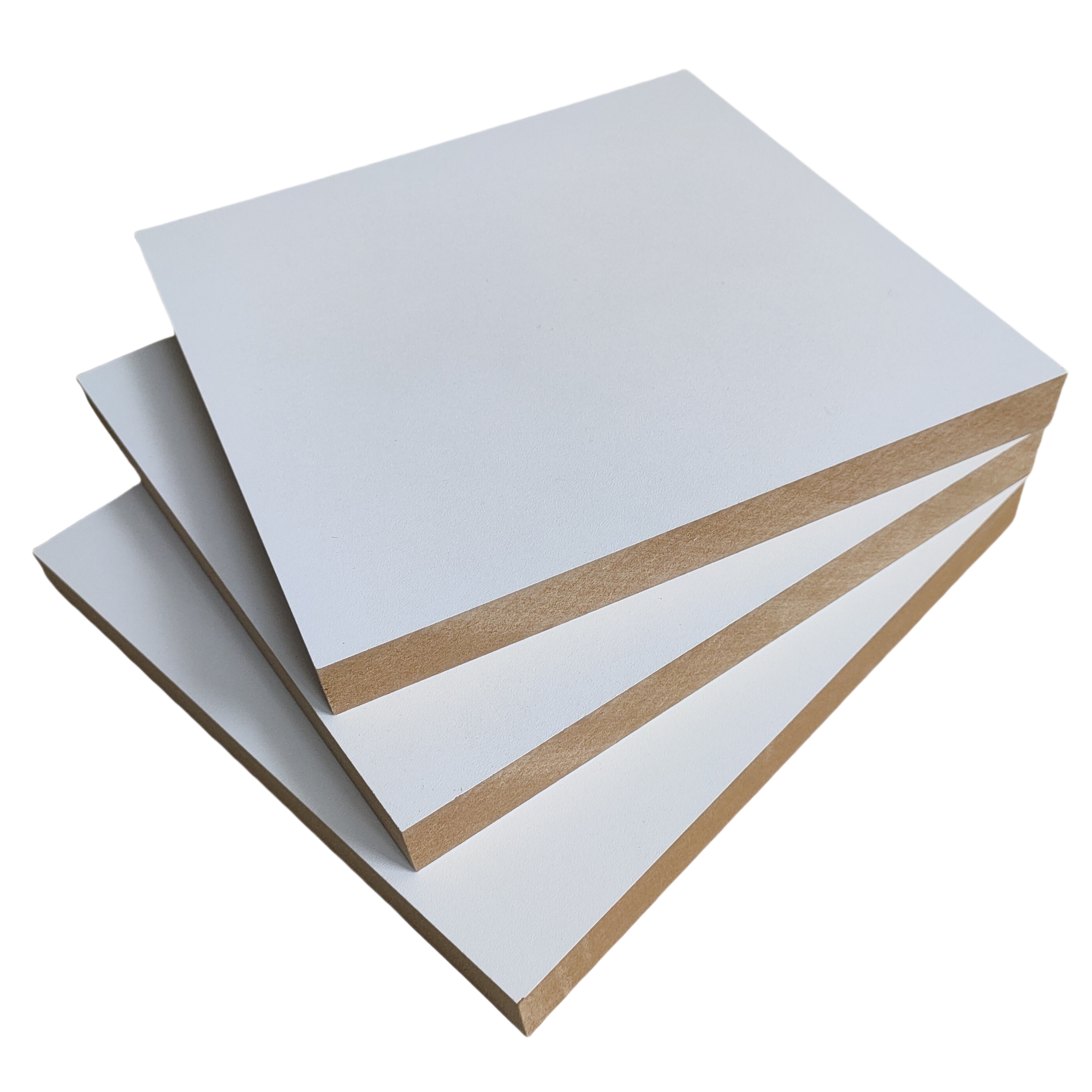
18mm Kitchen Furniture Use White Wood Fiber Board E1 Grade Melamine MDF/HDF Sheet Moisture-Proof
White melamine MDF/HDF with moisture-resistant options and E1 grade. Suitable for Erbil kitchen carcasses, wardrobes and interior casework.
- 18 mm
- E1
- Moisture-proof
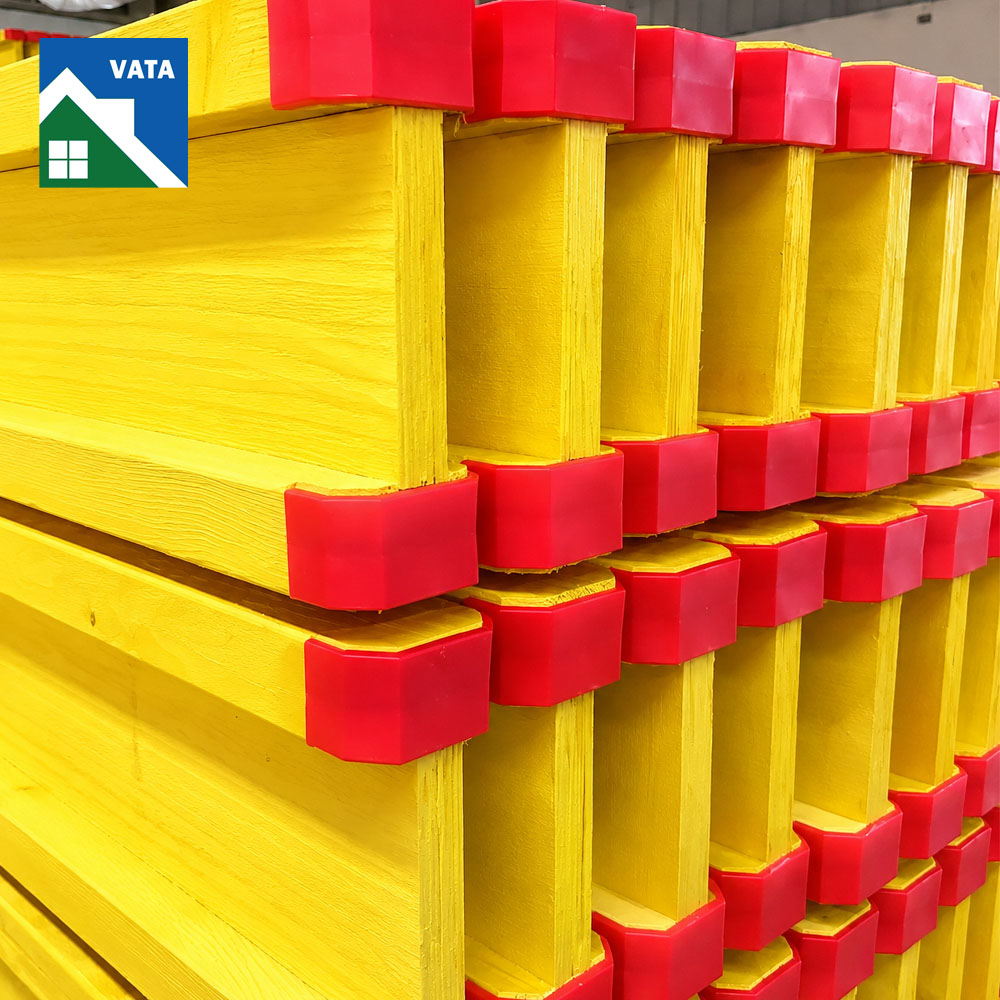
Wholesale Heavy Duty Wooden I-Beams Durable Spruce H20 Formwork Beams for Slab Formwork
Heavy-duty spruce H20 beams for slab and wall formwork. A cross-category option for Erbil contractors buying panels and formwork together.
- H20
- Spruce
- Formwork
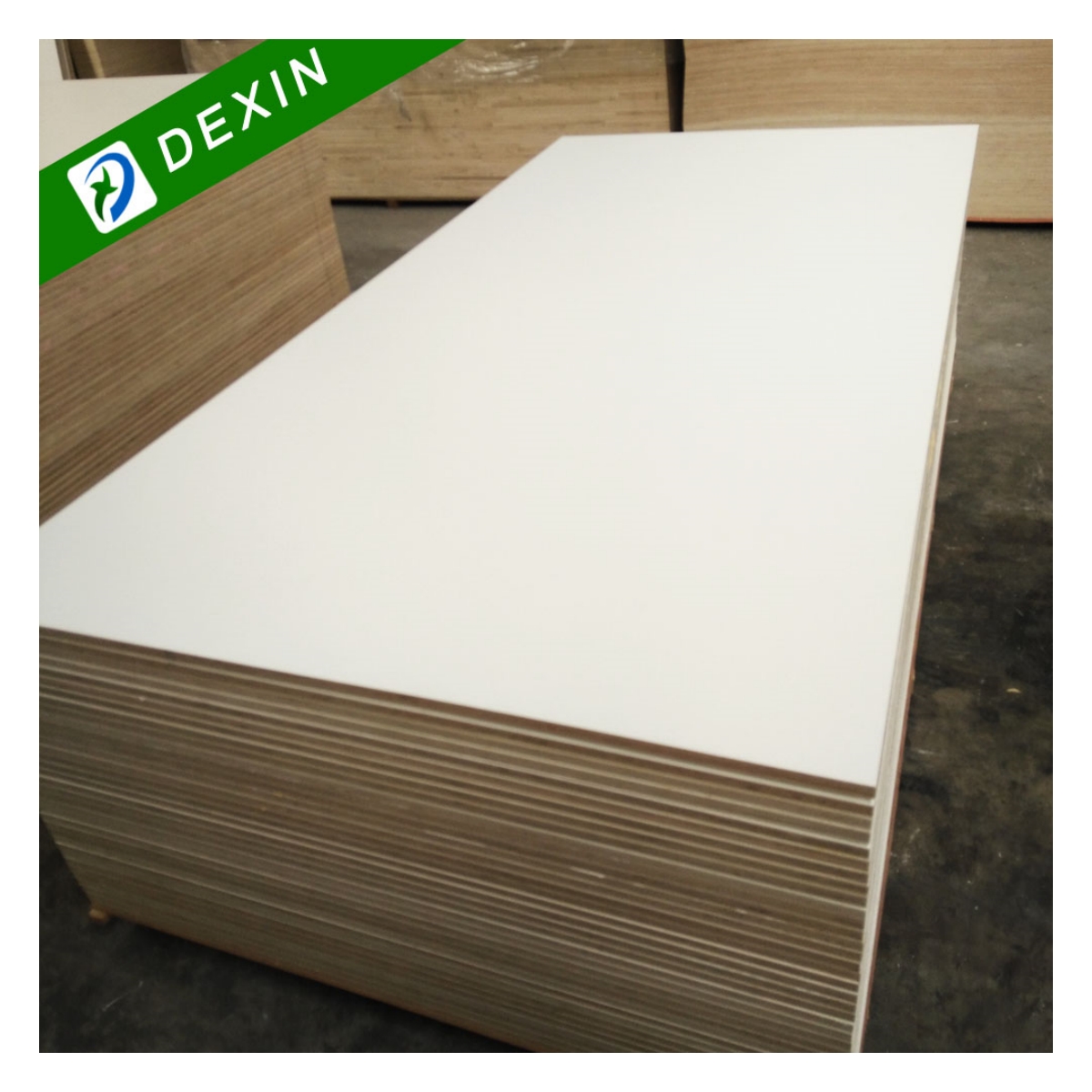
Good Quality 6mm 12mm 18mm Teak/Oak/Maple Melamine Plywood 1/2,3/4 in Flywood Sheet for Furniture
Melamine plywood in teak, oak, maple and other faces. A stronger alternative to chipboard where screw-holding, handling and moisture tolerance matter.
- 6/12/18 mm
- Teak/Oak
- Furniture
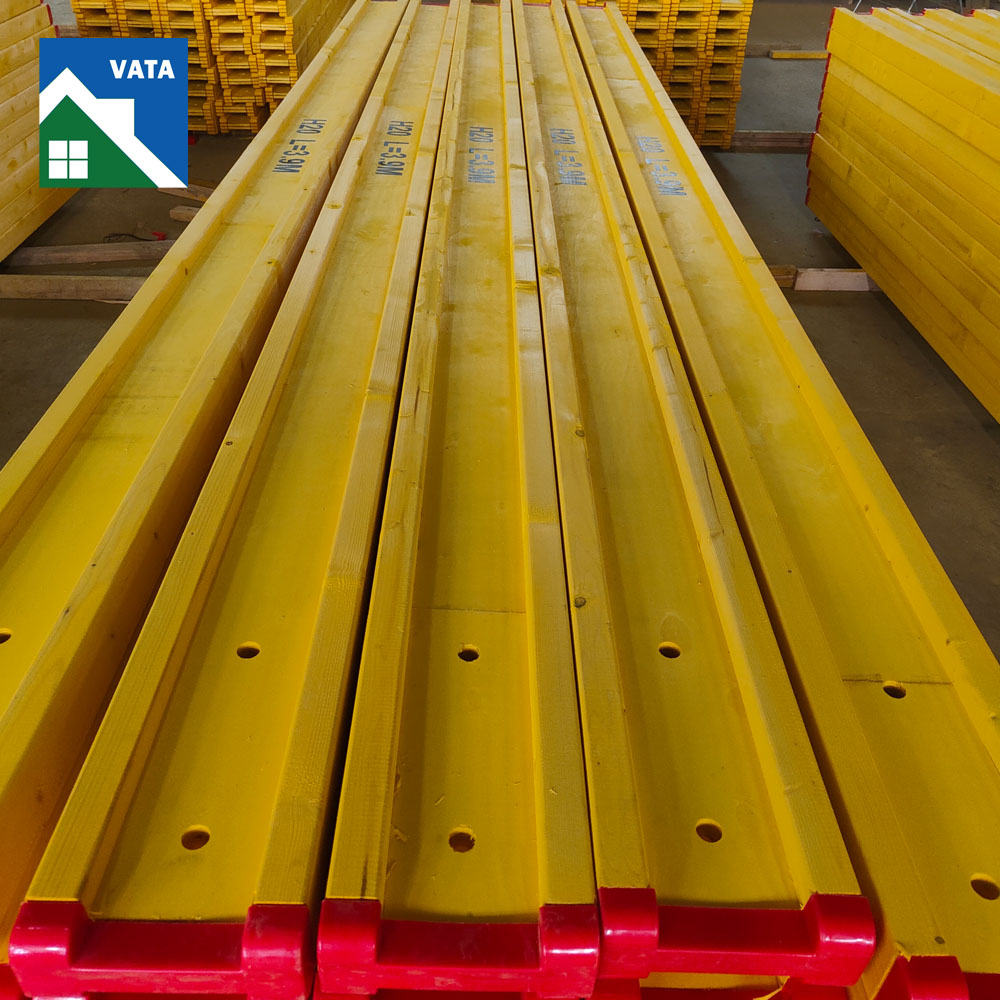
Manufacturer Reusable Yellow Painted H20 Wooden Formwork Beam with Plastic End Caps for Construction Building Projects
Reusable yellow-painted H20 formwork beam with plastic end caps. Designed for construction teams seeking repeat use and cleaner site handling.
- Reusable
- Plastic caps
- Construction
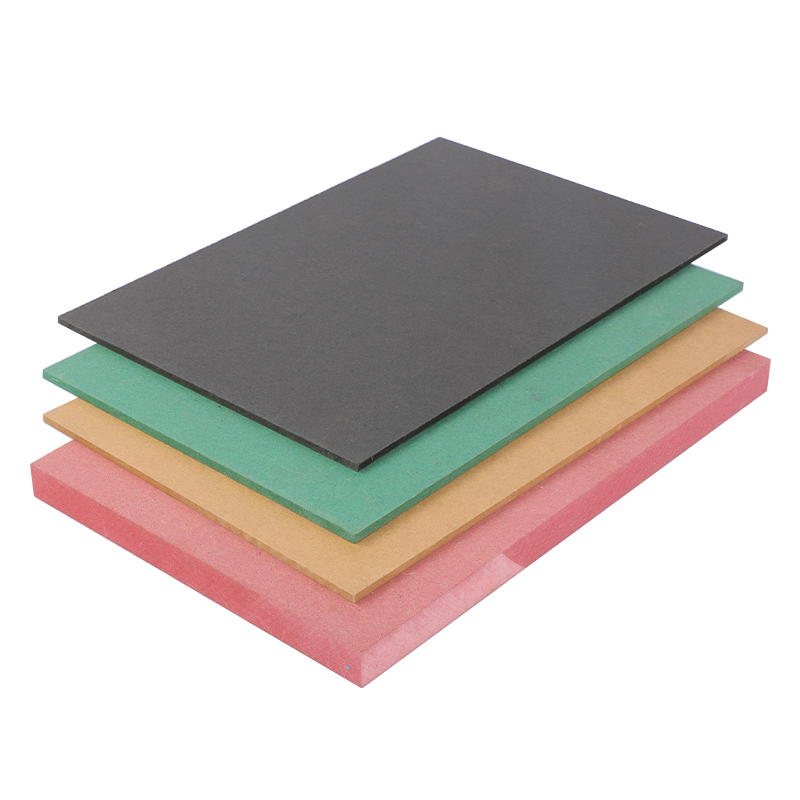
High Quality 3mm~18mm Raw/Plain MDF Sheet with Best Price
Raw plain MDF for local laminators, painters and furniture makers who prefer to control their own decoration, edge treatment and finishing.
- 3–18 mm
- Raw MDF
- Best price
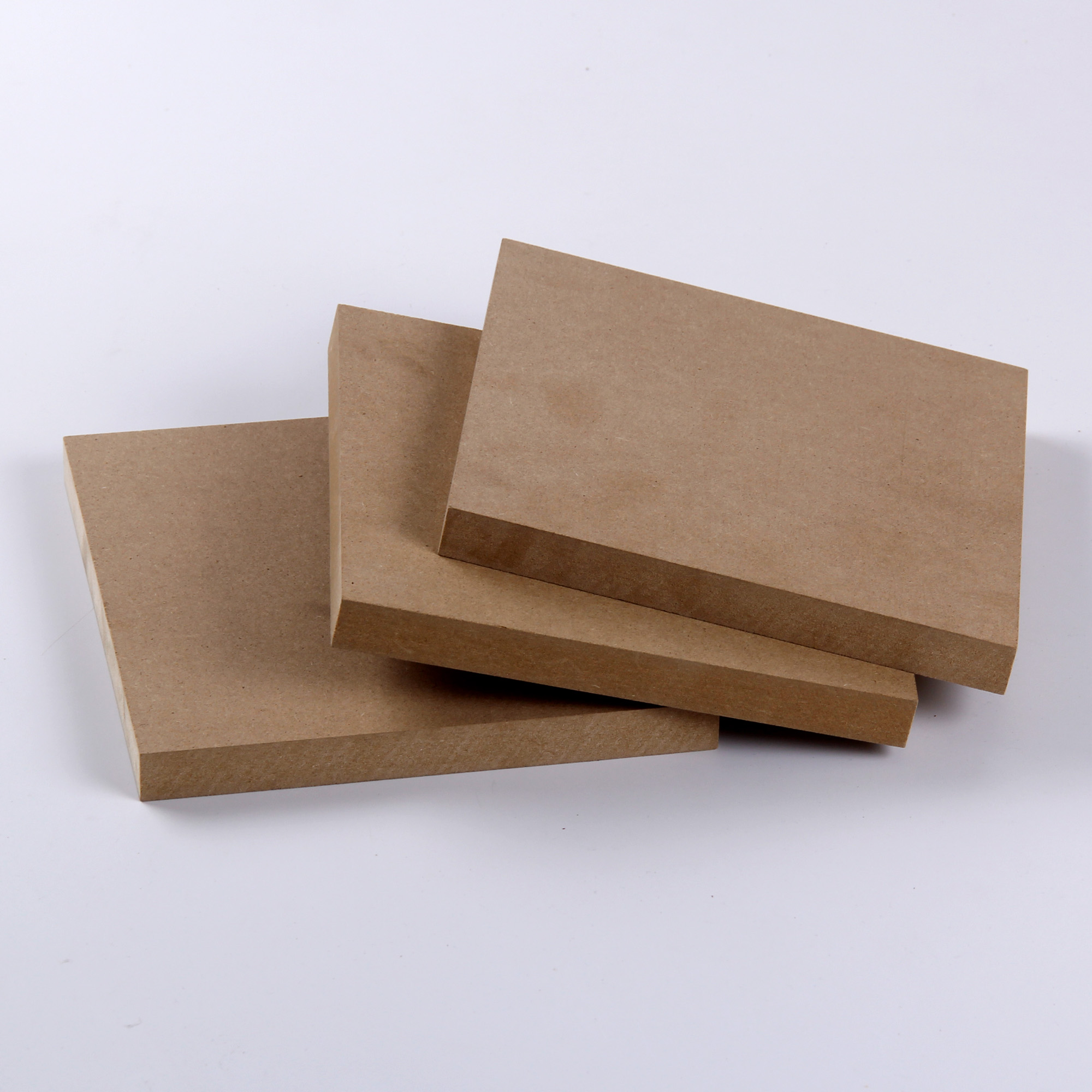
Factory Standard Size with Thickness of 5mm, 6mm, 8mm, 9mm, 18mm Raw MDF/HDF Board
Factory thicknesses for distributors and mixed orders. Useful when one container needs several board grades for different workshops or stock lists.
- 5–18 mm
- MDF/HDF
- Mixed order
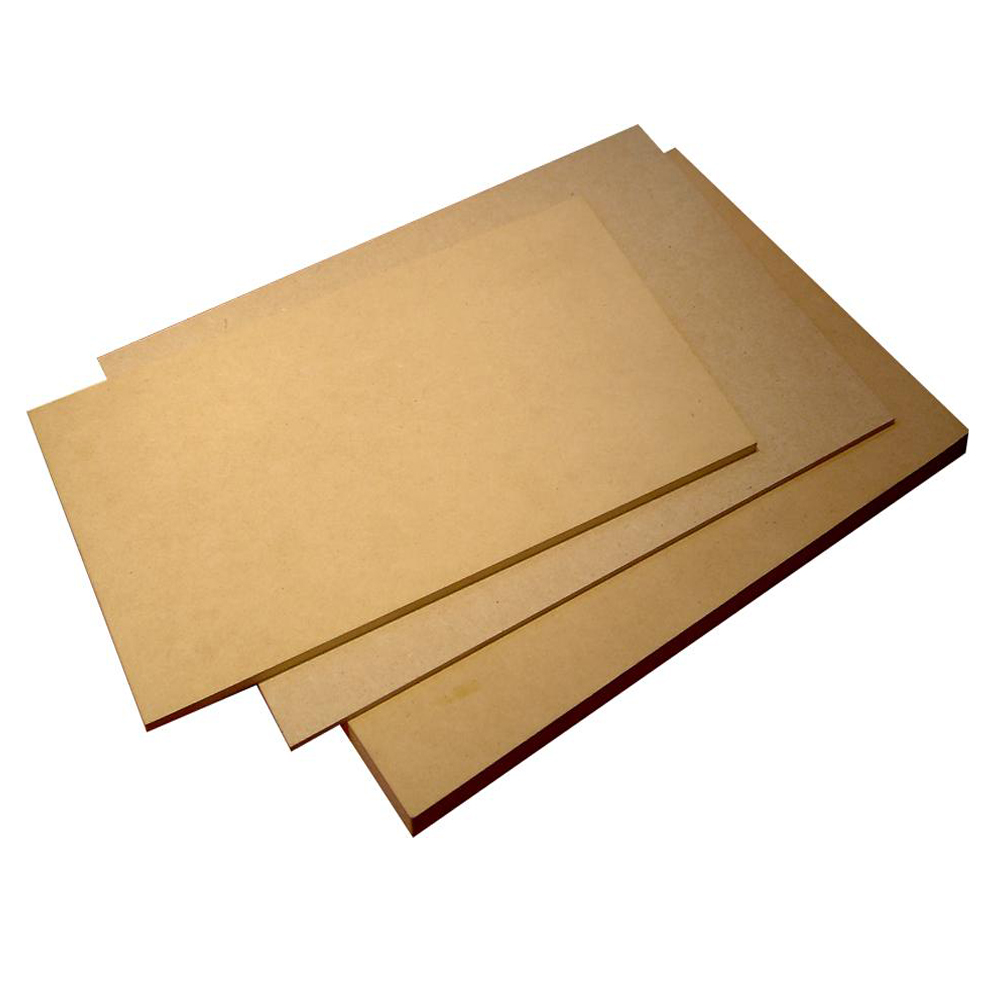
E0 E1 or E2 Glue Raw Thailand MDF Board with Cheap Price on Sale
Raw Thailand MDF with E0, E1 or E2 glue options. A price-sensitive base board for buyers who need volume and clear emission-grade selection.
- E0/E1/E2
- Raw board
- Volume
What Erbil buyers should expect from a custom OEM melamine faced chipboard factory
The specification matters more than the product name. Erbil procurement teams compare decor consistency, core quality, thickness tolerance, edge stability and packaging performance before they compare price.
In Erbil, melamine faced chipboard is purchased for hotels, residential compounds, offices, retail units, schools, clinics and furniture workshops. A board can look correct on a sample photo and still fail after cutting, edging, transport or six months of daily use. The difference usually sits in details the buyer cannot see in a catalogue: particleboard density, glue type, melamine film weight, surface cure, thickness control, moisture protection at edges, pallet packing and decor batch consistency.
A genuine custom OEM melamine faced chipboard factory should therefore help the buyer lock a specification before the quotation is finalised. That means asking what the panel will be used for, which thickness the workshop runs, whether the board will be cut or edge-banded locally, which emission grade is expected, which decor code must match previous stock, and how the pallet will survive the route to Erbil.
Linyi KUDE International Trading Co., Ltd. works from Linyi, Shandong — China's largest wood-based panel cluster — with a manufacturing group founded in 1998. The group operates more than 30 production machine sets in 30,000 m² of workshops, employs over 300 workers and produces around 60,000 m³ of panel output a year. That cluster position supports fast access to veneer, glue, melamine paper, cores and export packing, and it gives buyers a practical base for mixed product orders.
Our stated principle is simple: survival by quality, development by prestige. For Erbil buyers, that principle must be visible in pre-shipment inspection, honest emission grades, stable dimensions and packaging that protects the board rather than merely covering it.
Where melamine faced chipboard fits Erbil projects
Erbil's project mix rewards suppliers who understand both the board and the application. These six use cases account for a large share of repeat enquiries from furniture factories, distributors and fit-out contractors.
Kitchen and wardrobe carcasses
Use 18mm MFC with E1 glue, calibrated thickness and clean cutting behaviour. White, light grey and natural woodgrain decors are common because they hide minor dust and suit compact urban interiors. Edge sealing and dry storage are essential in kitchen zones.
Hotel and residential fit-out
Hotels, serviced apartments and residential compounds use MFC for wardrobes, headboards, vanity units and storage walls. Matte and super-matt finishes are increasingly requested because they photograph well and resist fingerprints in high-touch areas.
Office and retail fixtures
Retail displays, office storage and reception counters need repeatable decor lots. A factory that keeps an approved sample and records the decor code reduces the risk of visible shade differences when a project is extended in phases.
Education and healthcare casework
Schools, clinics and laboratories ask for cleanable surfaces, low-emission boards and durable edges. E1 is a practical baseline for many projects; buyers with stricter internal policies may request E0 or additional test documentation.
Flat-pack furniture manufacturing
Local furniture factories increasingly want cut-to-size panels, edge-banded components, drilling and private-label packaging rather than only full sheets. This reduces waste and shortens assembly time for projects in and around Erbil.
Contractor support and dry-area joinery
For site joinery and dry internal areas, standard MFC can be efficient. It should not be sold as waterproof. Wet zones need moisture-resistant MDF/HDF, sealed edges and appropriate installation. For concrete work, buyers can add H20 formwork beams to the same sourcing plan.
Localised trends shaping Erbil's melamine board demand
Buyers in Erbil are not only chasing lower prices. They are consolidating suppliers, improving finish consistency and asking for specifications that survive real project conditions.
E1 becomes the practical baseline
E1-grade boards are widely requested for furniture and fit-out, while E0 is specified for sensitive interiors or brand-driven projects. A trustworthy factory states the available grade clearly and supplies the final certificate relevant to the order.
Matte and anti-fingerprint surfaces
Super-matt, soft-touch and low-reflection decors are gaining ground in hotels, offices and premium apartments. The visual benefit is clear, but the buyer must also confirm scratch resistance, cleaning method and matching edge-band availability.
Warm woodgrains and stone looks
Oak, walnut and neutral woodgrain decors remain strong for wardrobes and hotel joinery, while marble-look boards suit retail and reception areas. Erbil buyers often request several decor options in one mixed container to test demand.
Mixed-container and stock-list purchasing
Distributors want one supplier for MFC, raw MDF, melamine plywood, H20 beams and decorative panels. Mixed loading reduces inventory risk, but it requires disciplined labelling, packing plans and clear product separation in the container.
Cut-to-size and edge-banded kits
More Erbil furniture makers prefer components rather than full boards. CNC cutting, edge banding, drilling and labelled packs can reduce local labour pressure, but the factory must confirm tolerance, edge quality and carton protection.
Heat-aware storage, not only humidity control
Erbil's hot, dry climate can still combine with kitchen moisture, plumbing leaks and poor site storage. Panels should be stored flat, off the floor, away from direct sun and sealed from dust. Moisture-resistant cores help, but sealed edges and correct installation remain decisive.
Recommended board choices for common Erbil orders
Use this matrix to shortlist a board before requesting a sample. Final thickness, core, decor and emission grade should always be confirmed against the approved sample and project requirement.
| Application | Recommended board | Typical thickness | Surface / decor | Key control point |
|---|---|---|---|---|
| Kitchen cabinet carcass | Melamine faced chipboard or moisture-resistant MDF/HDF | 18 mm | White, light grey, matte | E1 glue, sealed edges, stable density and clean cutting |
| Cabinet doors | Melamine faced MDF/HDF or melamine plywood | 18 mm | Super-matt, woodgrain, solid colour | Surface cure, scratch resistance and edge-band match |
| Wardrobe interiors | Melamine faced chipboard | 16–18 mm | Light neutral, woodgrain | Thickness tolerance and repeat decor availability |
| Hotel joinery and headboards | Melamine faced MDF/HDF or MFC | 18–25 mm | Matte woodgrain, textured finish | Decor lot consistency and packaging protection |
| Retail display and reception | Melamine faced chipboard or plywood | 18 mm | Stone look, dark woodgrain, solid | Visual consistency under display lighting |
| Bathroom vanity / wet-area panel | Moisture-resistant MDF/HDF with sealed edges | 18 mm | White, grey, woodgrain | Do not rely on standard chipboard; protect cut edges |
| Flat-pack furniture kits | MFC or melamine MDF/HDF | 16–18 mm | Customer-approved decor code | CNC tolerance, edge quality, drilling accuracy and labels |
Typical guidance only. Project specification, destination requirements and approved sample take priority.
Custom OEM from decor code to export carton
A factory quotation becomes useful when every variable is written down. KUDE supports sample-based, design-based and full customization for importers, distributors and project buyers.
Substrate engineering
Choose chipboard, MDF/HDF or plywood; green, red or black core; E0, E1 or E2 glue; and the appropriate moisture-resistant option. The core should match the application, not simply the lowest quoted price.
Surface and decor matching
Solid colours, woodgrains, stone and metallic looks are available in matte, gloss and textured finishes. For repeat orders, an approved sample and decor code help protect shade consistency across production runs.
Dimensions and fabrication
Standard 1220x2440mm, 1830x2440mm and other agreed sizes can be discussed. Cut-to-size panels, grooves, drilling, edge banding and component kits extend the factory service beyond full sheets.
Private-label packing
Export cartons, logo printing, barcodes, corner protectors, pallet wrapping and mixed-container labels can be specified. Good packing is part of product quality when panels travel long distances.
Sample and approval protocol
Approve a labelled sample before mass production. Retain the approved standard, record thickness, core, decor, finish and emission grade, and use that record as the reference for production and pre-shipment inspection.
Compliance and documentation
Our manufacturing group holds CE, ISO 9001, ISO 14001, FSC and CARB credentials, and the supplier profile has been assessed on site by SGS. Final certificates, test reports and invoice documents are confirmed per order.
Why KUDE is a practical factory partner for Erbil importers
Authority is not a logo on a page. It is the ability to answer technical questions, keep a specification stable, pack safely and communicate before the container is loaded.
Linyi cluster experience
Founded in 1998 inside China's largest wood-based panel cluster, with over 25 years of production learning and 15 years of export experience.
Verified quality credentials
CE, ISO 9001, ISO 14001, FSC and CARB credentials, with SGS on-site assessment and transparent E0, E1 and E2 grade discussion.
OEM engineering support
Sample-based, design-based and full customization of size, thickness, core, face, glue, logo printing, fabrication and export packaging.
Export logistics discipline
FOB, CFR, CIF and EXW terms, T/T and L/C payment, palletised packing, loading photos and documented shipment communication.

Production line

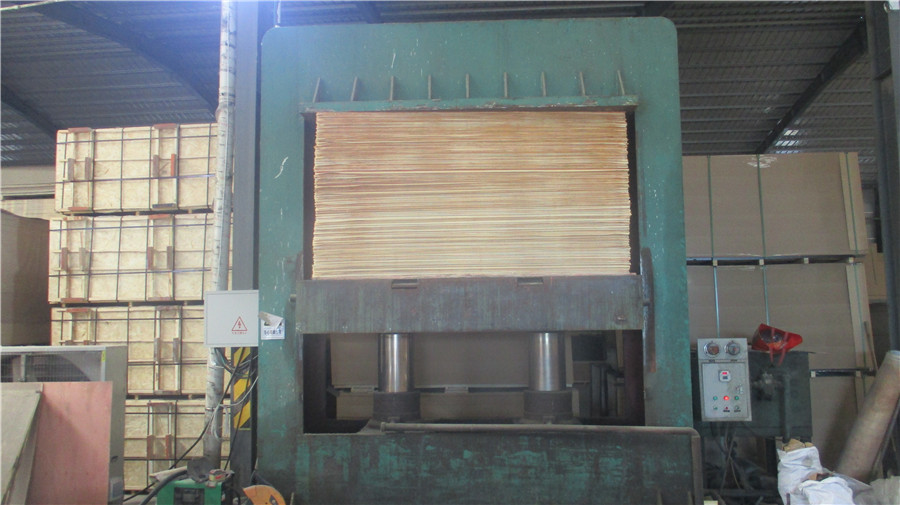
Hot press workshop
Export packing
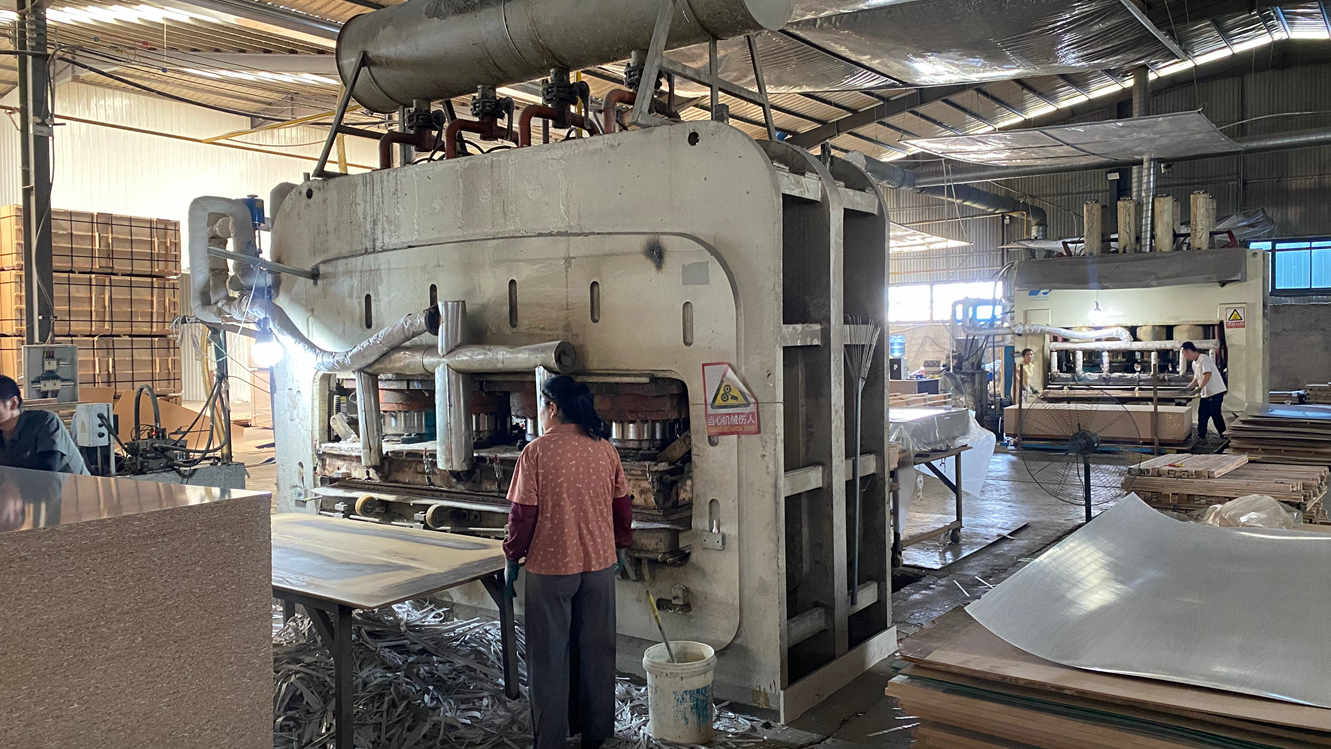
Container loading
Typical Erbil buyer scorecard priorities
Four quality gates before a container leaves Linyi
Every batch should be checked against the approved sample, not only against a general product name.
Raw board and core check
Review thickness, density, surface condition, core colour and moisture protection before lamination or fabrication.
Lamination and surface cure
Check decor match, surface texture, bond strength, gloss or matte level and visible defects under proper lighting.
Fabrication tolerance
For cut-to-size or edge-banded orders, verify dimensions, squareness, edge quality, drilling positions and labels.
Packing and loading review
Confirm pallet protection, corner guards, straps, moisture barrier where required, container separation and loading photos.
Questions local buyers commonly ask before ordering
These answers reflect the commercial and technical questions raised most often by importers, furniture factories and project buyers in Erbil and the wider Kurdistan Region.
Are you a factory or a trading company?
Can you manufacture melamine faced chipboard under our own brand and decor code for Erbil?
Which board grade is most suitable for kitchens, hotels and offices in Erbil?
What is the minimum order quantity, and can we mix products in one container?
How do you prevent moisture and transport damage on the way to Erbil?
Can you provide samples and third-party inspection before shipment?
What payment terms, Incoterms and certifications are available?
How do you handle shade and decor consistency across repeat orders for Erbil projects?
Request a factory quotation for your Erbil project
Send the board type, size, thickness, decor code, emission grade, quantity, fabrication requirements, destination and target delivery date. Our export team will turn the requirement into a technical proposal and packing plan.
For faster quotation, include whether you need full sheets, cut-to-size panels, edge-banded components or a mixed container.