Engineered Exporters & Wholesalers in the Birmingham Market
A technical sourcing guide for Birmingham distributors, contractors and specifiers comparing WPC cladding, melamine MDF, film-faced plywood, marine plywood and H20 formwork beams — with local application logic, compliance checks and factory-direct supply from Linyi, China.
Eight engineered panel lines for Birmingham exporters, wholesalers and fit-out contractors
These are not generic catalogue listings. Each panel line below is mapped to a practical Birmingham procurement use case, with original product images and product URLs preserved so buyers can move from market research to specification quickly.
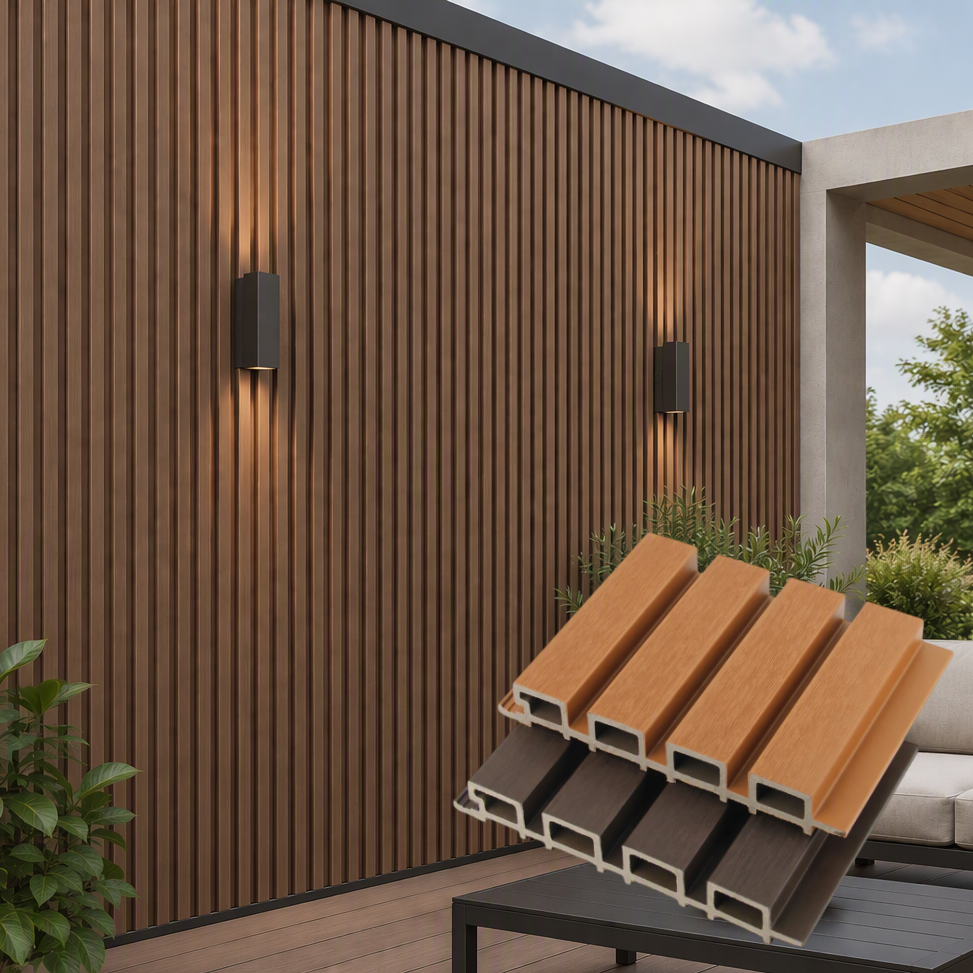
New Style Outdoor WPC Wall Cladding Panels
Co-extruded fluted facade panel for exterior feature walls, garden rooms, hospitality frontage and refurbishment. Birmingham buyers should confirm substrate, ventilation, fixing pattern and project-specific fire evidence before specifying.
View product details →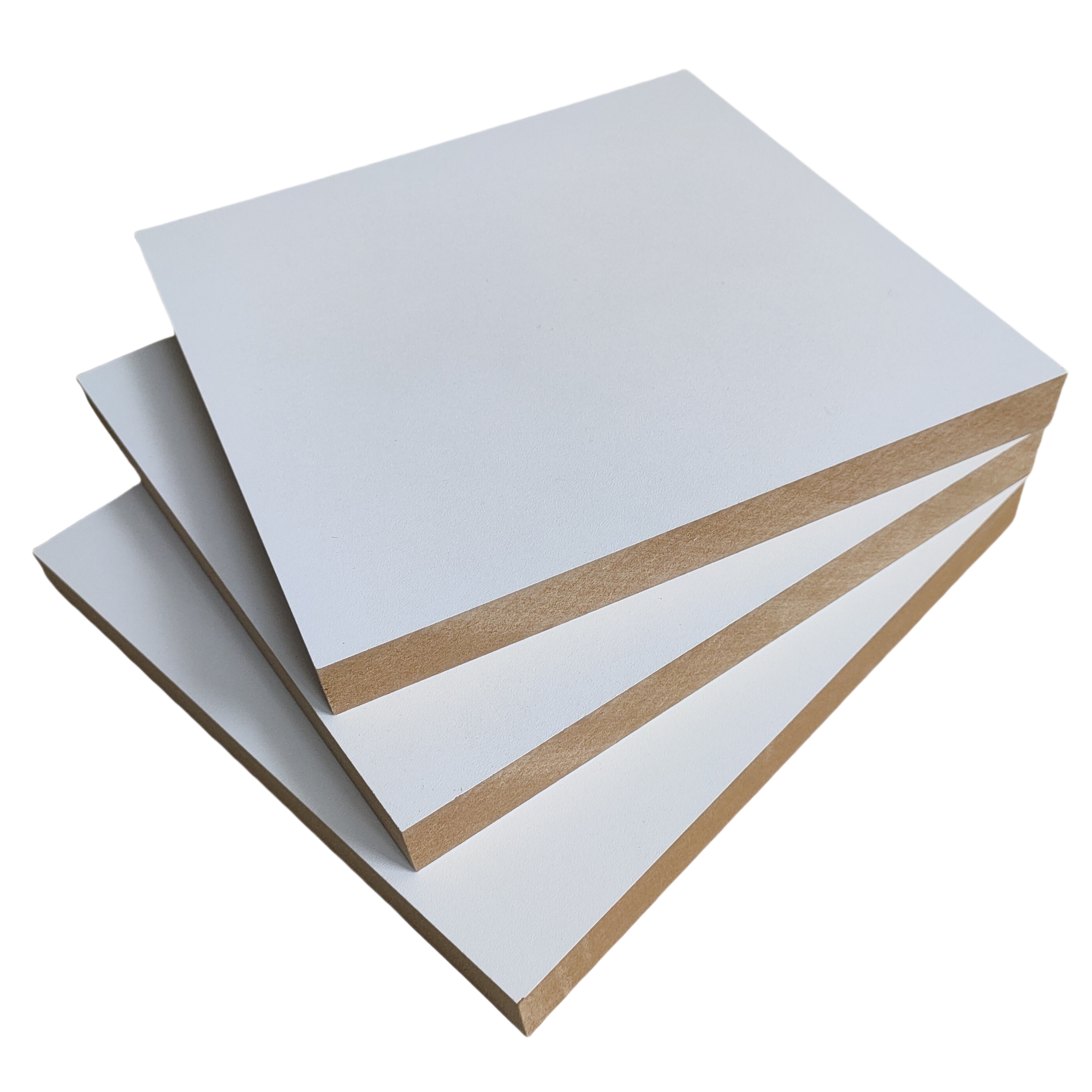
18mm White Melamine MDF/HDF Board
18mm white melamine-faced MDF/HDF for kitchen carcasses, wardrobes, bathroom storage and student accommodation fit-out. Moisture-proof core options help Birmingham joiners manage humid rooms and heated interiors.
View product details →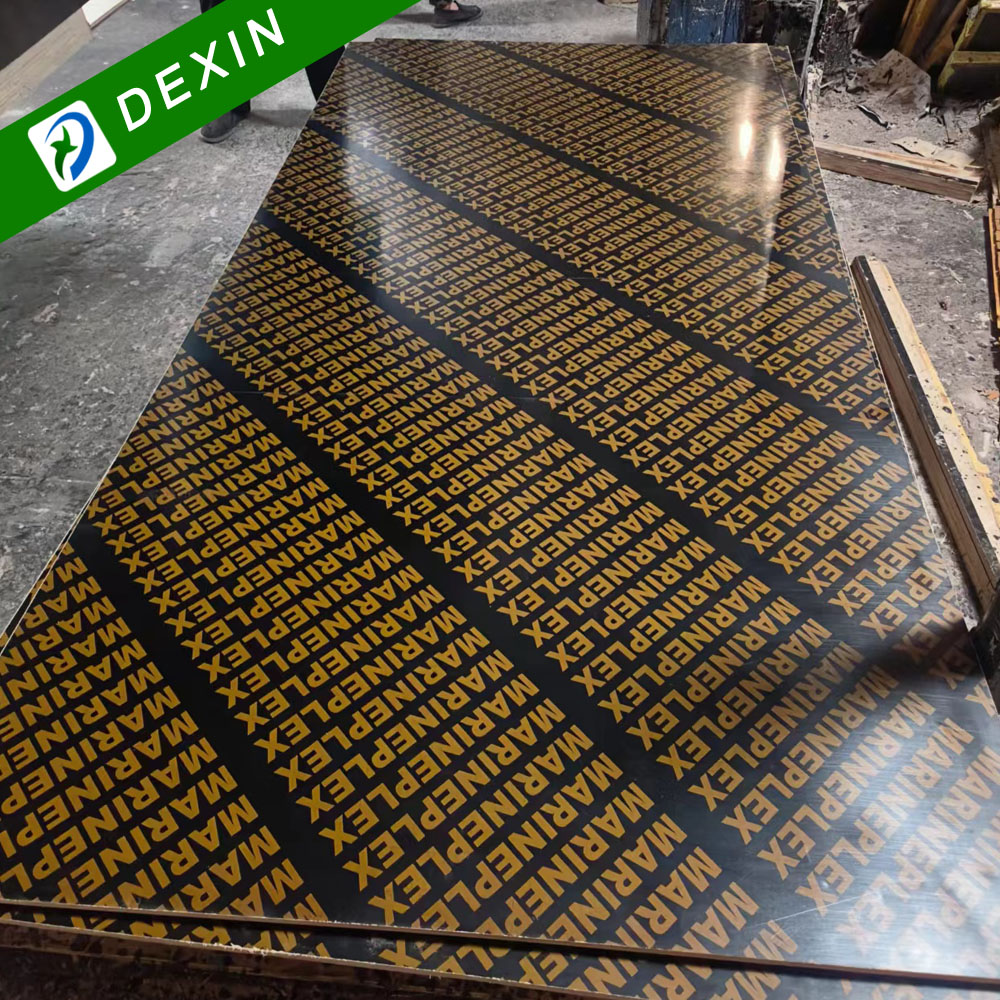
Film Faced Plywood for Construction Formwork
1220×2440mm film-faced marine plywood in 9, 12, 15 and 18mm for concrete formwork, basements and civil works. Phenolic film and WBP glue support repeated pours when edges and release agents are controlled.
View product details →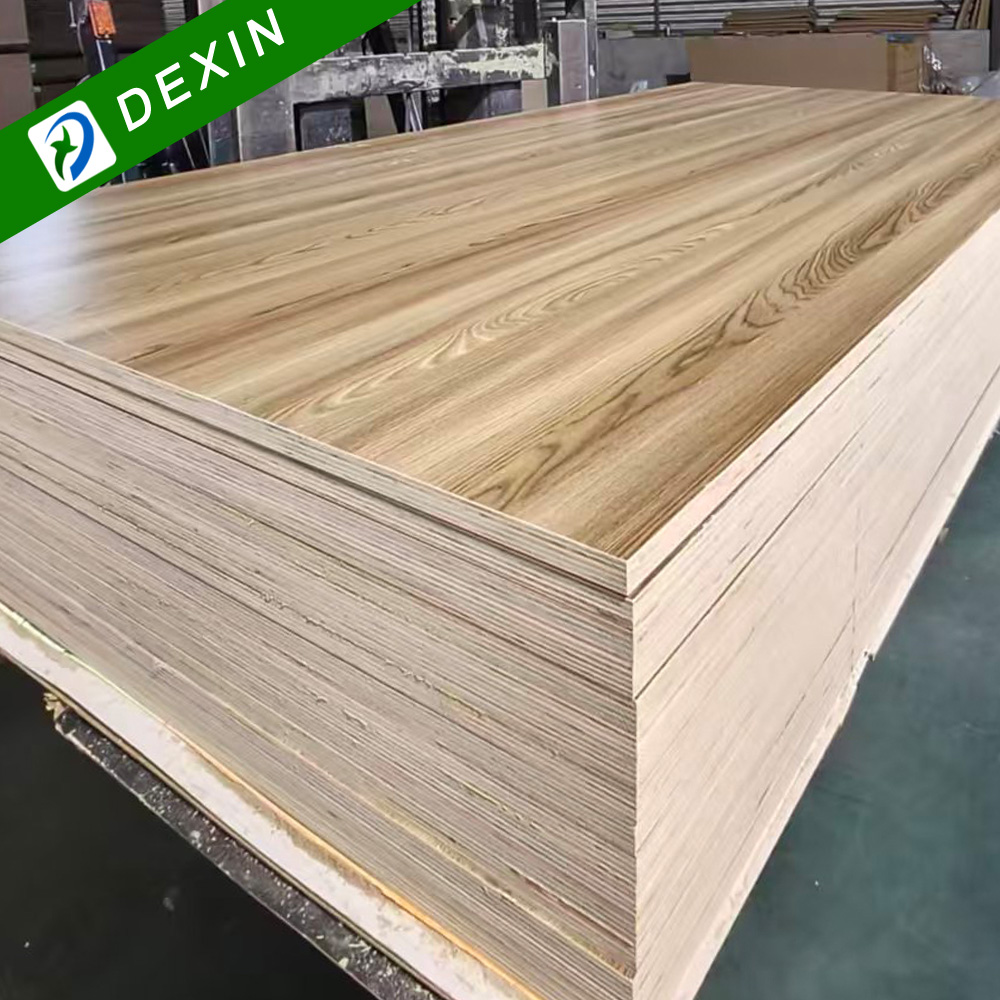
18mm Colorful Melamine Marine Plywood
Colourful melamine-faced marine plywood for furniture, shopfitting and decorative joinery. The balance of plywood strength and ready-finished colour suits Birmingham fit-out contractors needing durable, repeatable panels.
View product details →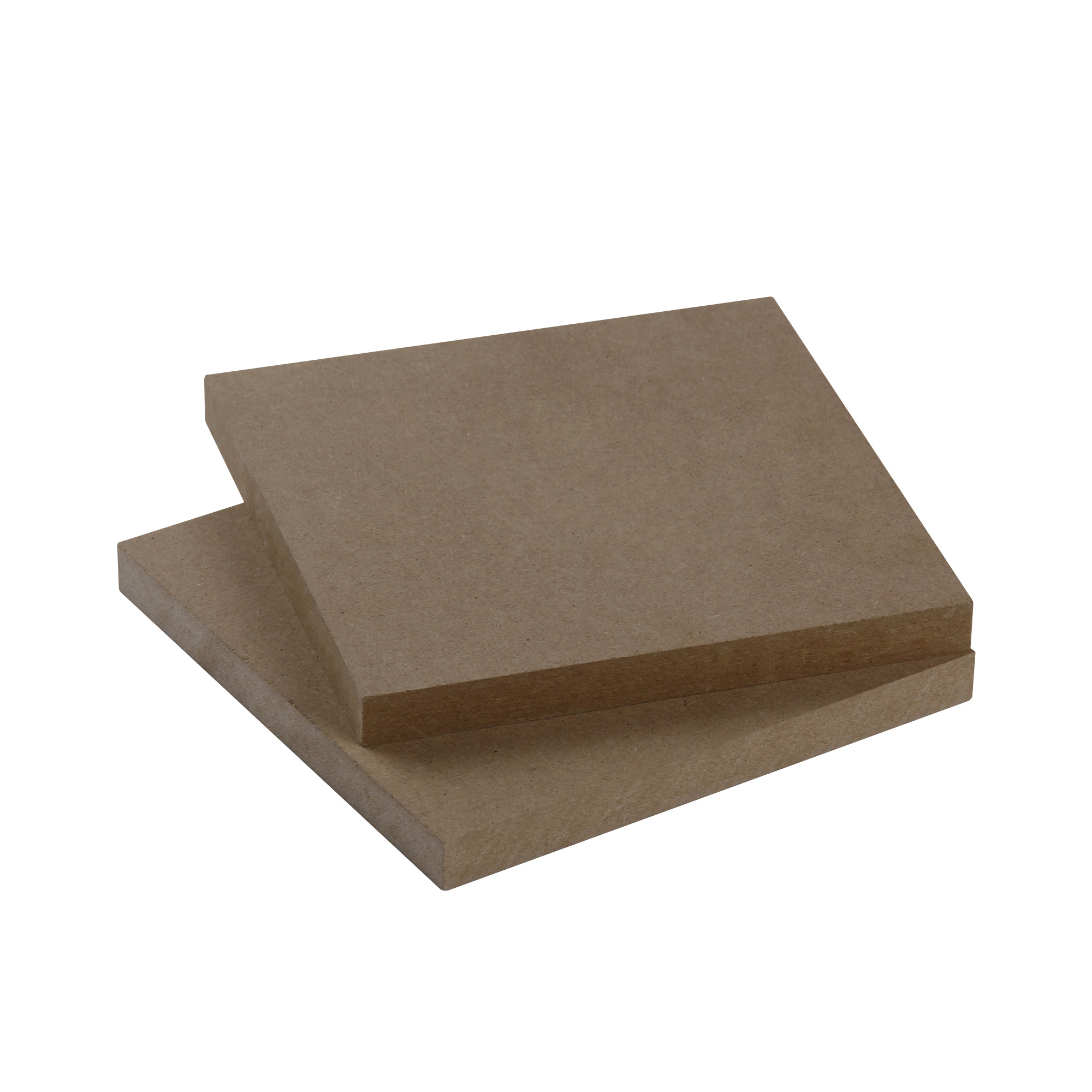
Dexin Plain Particle Board & MDF
Plain particle board and MDF for industrial, packaging and budget furniture applications. E2 grade must be checked against UK project requirements; Birmingham buyers should specify E1 or E0 where the specification calls for it.
View product details →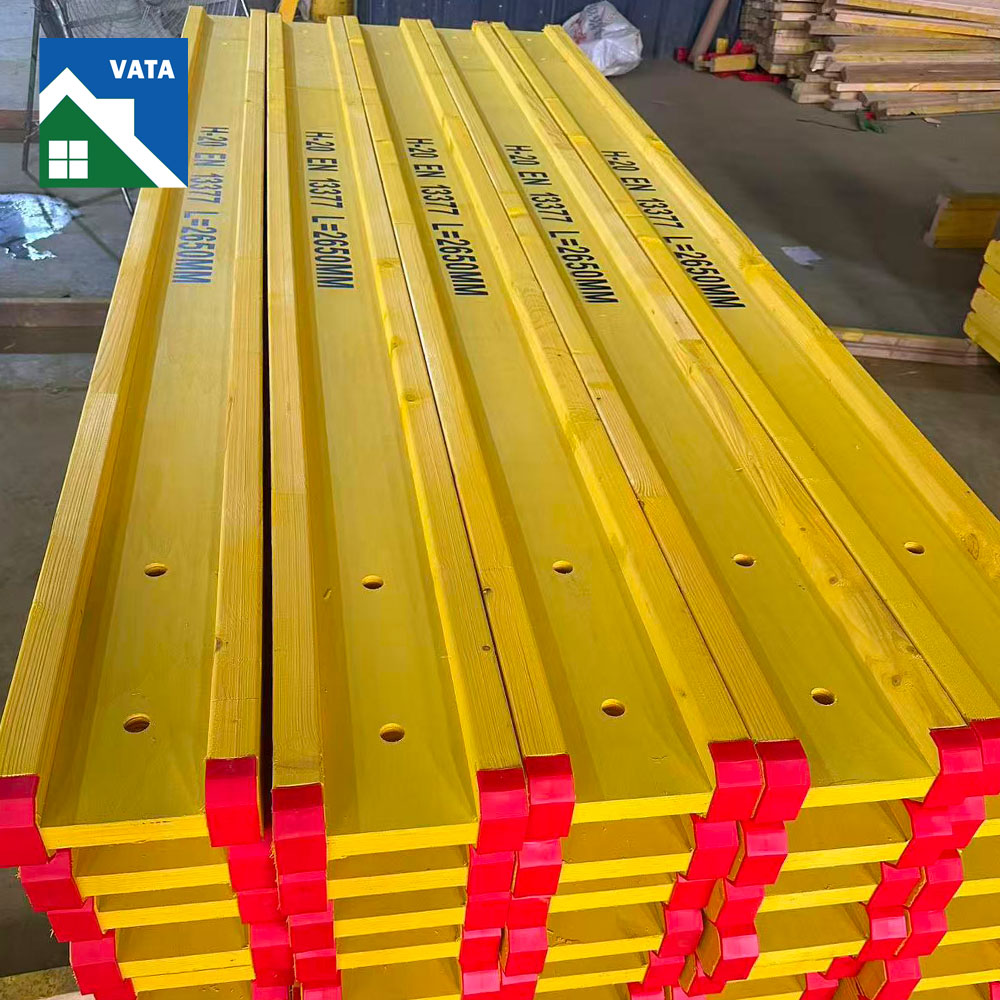
High Strength H20 Timber LVL Beam
High-strength H20 timber LVL beams for concrete formwork systems. Birmingham groundwork and frame contractors should verify load data, end protection and reuse cycles before site delivery.
View product details →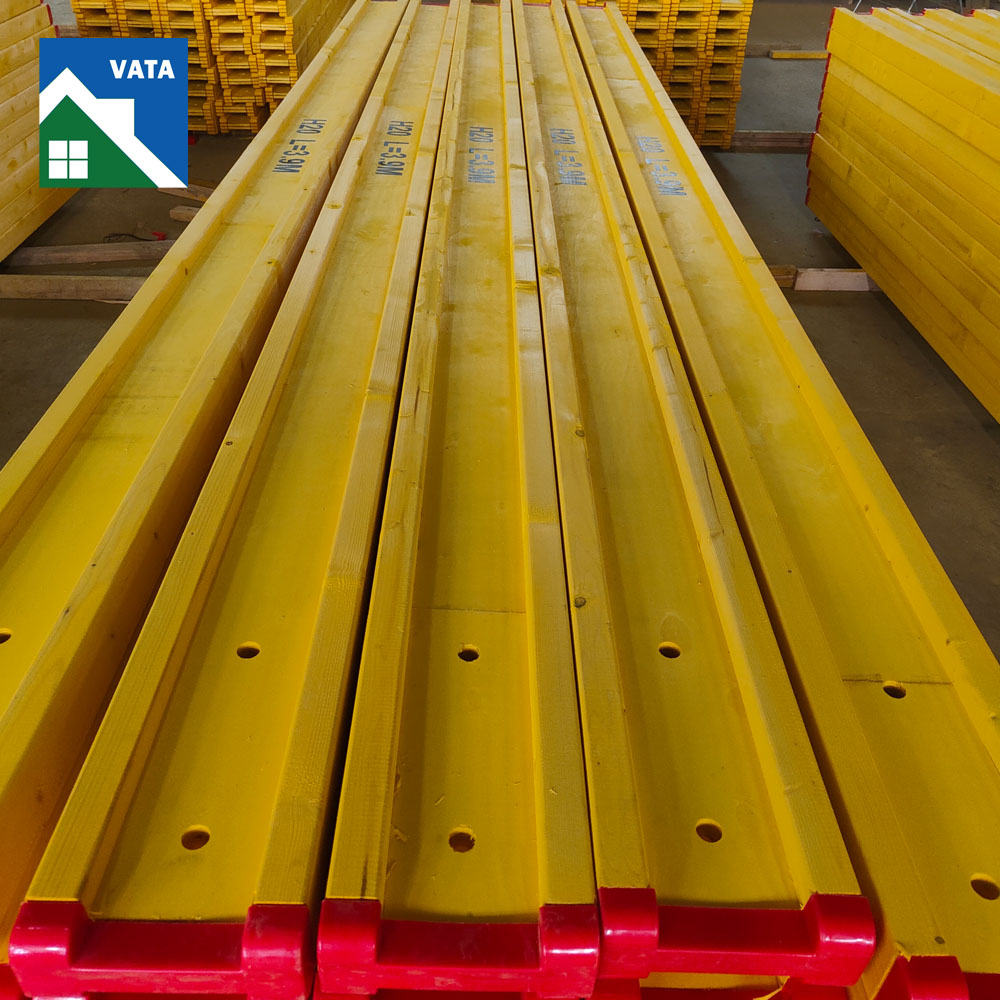
Reusable Yellow Painted H20 Formwork Beam
Reusable yellow-painted H20 wooden formwork beams with plastic end caps for construction projects. Suitable for organised formwork fleets where consistent dimensions and protection against water ingress matter.
View product details →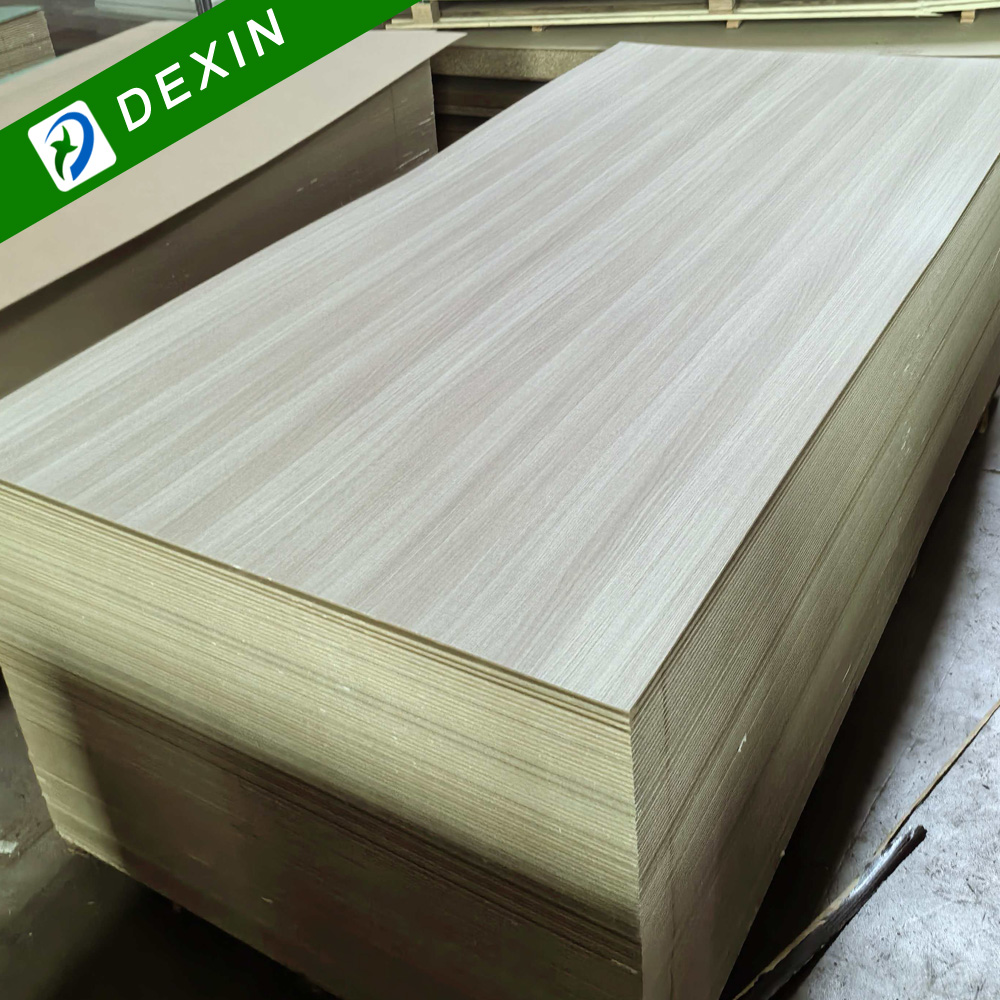
Moisture Resistant White Melamine MDF Panels
Moisture-resistant white melamine MDF in 4, 15, 17 and 18mm, 1220×2440mm. A practical choice for Birmingham kitchen, bathroom and student accommodation programmes requiring wipe-clean surfaces and batch consistency.
View product details →Need a mixed-container quotation for a Birmingham wholesaler, fit-out contractor or developer?
Get a QuoteWhy Birmingham buyers need a localised panel strategy, not a generic import list
Birmingham is an inland commercial centre rather than a coastal import gateway. The cheapest FOB offer can become the most expensive order if it arrives through an inefficient port routing, waits in a warehouse without acclimatisation, or fails a project’s formaldehyde or fire specification.
For Birmingham wholesalers, landed cost and technical fit must be evaluated together. A panel order from Linyi should be modelled as FOB price plus ocean freight, UK port charges, customs and VAT exposure, inland haulage, deconsolidation, storage, acclimatisation time and waste allowance. That is the only realistic way to compare a “cheap” sheet price with a specification-ready supply programme.
The local delivery pattern also matters. Birmingham sits within the M6, M5, M42 and A38 corridor, with established freight and distribution infrastructure around the Midlands. Containers can be planned to a UK port and then moved inland by road or rail-linked deconsolidation, depending on order size, pallet configuration and the buyer’s warehouse capacity. For trade buyers, the useful question is not simply “what is the price per sheet?” but “what will this container cost when it is broken down into pallets for builders’ merchants, joinery workshops and site compounds?”
Another information-gain point is batch consistency. Birmingham’s fit-out market includes repeated kitchens, bathrooms, student accommodation pods, hospitality interiors and retail units. When melamine decor, gloss level or MDF density changes between production batches, the visible cost appears later in snagging and replacement. Serious buyers reserve production batches for large programmes, request surface photographs before loading, and insist on pallet labels that trace thickness, grade and decor colour.
This guide is a procurement and specification aid, not a substitute for project-specific structural design, fire engineering or building-control advice. Where a Birmingham project depends on fire performance, structural capacity or formaldehyde compliance, request product-specific test evidence and have it reviewed by the responsible professional before ordering.
Matching engineered panel lines to Birmingham projects
Birmingham demand is not one market. It is a mix of residential refurbishment, build-to-rent, student accommodation, commercial fit-out, logistics and civil works. Each channel needs a different panel logic.
Kitchens, bathrooms and joinery programmes
Use 18mm white melamine MDF, moisture-resistant melamine MDF and colourful melamine marine plywood for kitchen carcasses, wardrobe internals, bathroom storage and student accommodation furniture. Birmingham joiners should match decor batch, core density and moisture resistance to the room conditions.
Concrete frames, basements and civil works
Film-faced plywood and H20 timber beams serve groundwork contractors, concrete frame specialists and infrastructure projects. Specify film type, edge sealing, glue bond and reuse cycles; H20 beams should be checked against the formwork system’s load data, not treated as generic timber.
Commercial fit-out and hospitality
WPC fluted cladding and melamine marine plywood support restaurants, hotels, offices and retail refurbishment. The specification must address substrate, ventilation, fixing pattern, cleaning regime and project-specific fire evidence. Decorative appearance alone is not a compliance argument.
Industrial, retail and packaging use
Plain particle board and MDF can suit packaging, shelving, budget furniture and non-sensitive industrial applications. Birmingham buyers must verify emission class and moisture exposure; E2 board should not be assumed acceptable for UK interior projects unless the specification permits it.
Birmingham and West Midlands demand signals for engineered panels
The following trends are not promotional claims. They are practical procurement signals that affect how Birmingham importers, distributors and contractors should plan stock, documentation and specification.
Brownfield regeneration and city-centre density
Birmingham’s regeneration corridors and higher-density residential schemes reward suppliers who can deliver standardised panel dimensions, consistent decors and mixed containers. Phased site delivery also reduces storage pressure in constrained city-centre compounds.
Build-to-rent, student and later-living interiors
Repeated kitchens and bathrooms create demand for moisture-resistant MDF, consistent white melamine and durable melamine marine plywood. Batch shade control and repeatable edge quality matter more than one-off sample appearance.
Retrofit, reuse and low-carbon refurbishment
Refurbishment projects often need accurate thickness, low-formaldehyde options and lightweight decorative cladding. However, fire strategy, substrate condition and fixing design must be verified before WPC or decorative MDF is accepted on a Birmingham project.
Logistics, light industrial and hospitality fit-out
Logistics and light industrial work supports demand for film-faced plywood and H20 beams, while hospitality fit-out absorbs decorative panels and MDF. Birmingham’s M6/M5/M42 links and Midlands freight infrastructure make deconsolidation planning a genuine cost lever.
The Birmingham buyer’s eight-point panel verification framework
Use this checklist before comparing prices. It helps Birmingham wholesalers and contractors ask better questions, reduce rework and create an auditable supply record.
Formaldehyde class
Confirm E0, E1 or E2 against the project specification. Do not assume E2 is acceptable for UK interiors. Request test reports for the exact board, glue system and production batch.
Thickness & density
Check caliper tolerance, sanding consistency and MDF density. Thin or variable boards create machining, edge-banding and fixing problems for Birmingham joinery workshops.
Moisture & glue bond
Match MR, WBP or HMR performance to the application. Kitchens, bathrooms and site compounds need more moisture protection than dry internal furniture carcasses.
Surface & batch shade
For melamine, UV and PET surfaces, review gloss level, texture, colour batch and edge quality. Photographs alone are not enough for large Birmingham fit-out programmes.
Structural evidence
H20 beams and film-faced plywood should be supported by technical data relevant to the formwork system. Structural assumptions must be confirmed by the responsible engineer.
Fire performance
WPC cladding and decorative panels require project-specific fire evidence where applicable. Ask for test reports and installation details; do not rely on generic product descriptions.
Packaging & loading
Request seaworthy pallets, steel strapping, corner protection, moisture barrier and container loading photos. Good packaging reduces edge damage and moisture ingress before Birmingham delivery.
Documents & trade terms
Confirm commercial invoice, packing list, certificate pack and Bill of Lading details. KUDE works on FOB, CFR, CIF and EXW terms, with T/T and L/C payment in USD, EUR or CNY.

Inside KUDE: manufacturing depth behind Birmingham wholesaler supply
Linyi KUDE International Trading Co., Ltd. is the export platform of a wood-based panel manufacturing group founded in 1998 in Linyi, Shandong — China’s largest man-made board production cluster. Being inside the cluster gives buyers shorter supply chains for veneer, glue, core materials and laminating capacity, plus more stable planning across seasons.
The group operates more than 30 sets of production machines across 30,000 m² of workshops, with over 300 workers and an annual output of 60,000 m³ of plywood, blockboard, MDF and particle board. Its stated principle is simple: survival by quality, development by prestige.
For Birmingham importers, the practical value is not a slogan. It is the ability to combine panel categories in one supply conversation, confirm specifications before production, inspect packaging and loading, and provide the documentation that trade buyers need to clear goods and serve their own customers.
Address: 3007, Building A, Zhongde Huaerzi Community, Yimeng Road & Binhe Road, Lanshan District, Linyi, Shandong, China. Email: info@kudeplywood.com.
Own production lines
30+ machine sets covering peeling, gluing, hot pressing, sanding and laminating, reducing middle-man markup on core product lines.
Verified quality system
CE, ISO 9001, ISO 14001, FSC and CARB credentials; SGS on-site assessment; E0, E1 and E2 emission grades available by product.
Flexible customisation
Sample-based, design-based and full customisation of size, thickness, core, face, glue, logo printing and export packaging.
Export-ready logistics
FOB, CFR, CIF and EXW terms; T/T and L/C payment; seaworthy pallet packing, loading photos and export documentation.




Questions Birmingham buyers ask before placing a panel order
These answers are written for wholesalers, joinery manufacturers, fit-out contractors and developers comparing a factory-direct supply route from Linyi, China.
Can you supply Birmingham wholesalers and contractors directly from Linyi?
Yes. KUDE exports to more than 30 countries. For Birmingham, production is completed in Linyi, loaded at a northern China seaport such as Qingdao, shipped to a UK port, then moved inland by container or pallet network. Share your delivery postcode, product mix, quantity and target installation date so routing can be quoted properly.
What is the minimum order for a mixed Birmingham container?
MOQ depends on the product line, typically from 50 to 500 sheets. Several products can be combined in one container after specification confirmation. A practical mixed order may include 18mm melamine MDF, film-faced plywood, H20 beams and WPC cladding, but thickness, decor and packing must be confirmed first.
How should panels be acclimatised before Birmingham installation?
Store panels flat on bearers in a dry, ventilated area and allow them to equalise with the final internal environment before machining or installation. This is especially important in heated buildings, kitchens, bathrooms and winter site conditions. Follow the project specification and adhesive or coating manufacturer instructions.
Which certifications and documents can be provided?
The manufacturing group holds CE, ISO 9001, ISO 14001, FSC and CARB credentials and has passed SGS on-site assessment. E0, E1 and E2 grades are available depending on the product. Request the certificate pack, test reports and product-specific data for your Birmingham project before ordering.
Can panel size, thickness, decor and packaging be customised?
Yes. KUDE offers sample-based, design-based and full customisation, including size, thickness, core species, face veneer or decor, glue type, logo printing and export packaging. Confirm the target specification, MOQ and production lead time so the quotation reflects the actual customisation scope.
How do Birmingham buyers handle E0, E1 and E2 formaldehyde grades?
E0, E1 and E2 are emission classes, not interchangeable marketing labels. Specifiers should match the grade to the project requirements and request test evidence. Do not assume E2 board is acceptable for UK interiors; specify E1 or E0 where required and verify the exact product and batch.
What evidence is needed for fire performance and structural use?
Ask for product-specific fire test evidence, installation details and substrate requirements where WPC cladding or decorative panels are proposed. For H20 beams and film-faced plywood, confirm load data and formwork-system compatibility with the responsible engineer. Generic descriptions are not a substitute for project evidence.
What are the trade terms, payment methods and shipping options?
KUDE works on FOB, CFR, CIF and EXW terms and accepts T/T and L/C in USD, EUR or CNY. Shipping is planned through a suitable UK port with inland delivery to Birmingham. Lead time depends on production schedule, stock, customisation and shipping space, so it is confirmed per order.
How can a Birmingham buyer verify quality before shipment?
Request batch photographs, thickness checks, surface and edge photos, packaging details and container loading images. Live video inspection can be arranged, and third-party inspection can be commissioned by the buyer. Pre-shipment verification is one of the cheapest risk controls in a panel import programme.
Build a mixed-container quotation for Birmingham
Send your panel type, size, thickness, emission grade, decor, quantity, delivery postcode and target date. The export team can respond with a technical proposal, packaging plan and trade-term options for Birmingham wholesalers, contractors and developers.