8 Furniture Board Products for Warsaw Buyers
From natural-veneer fancy plywood to white melamine MDF, moisture-resistant HDF, marine plywood and decorative wall panels, these are practical specifications for furniture production, contract fit-outs and wholesale distribution.
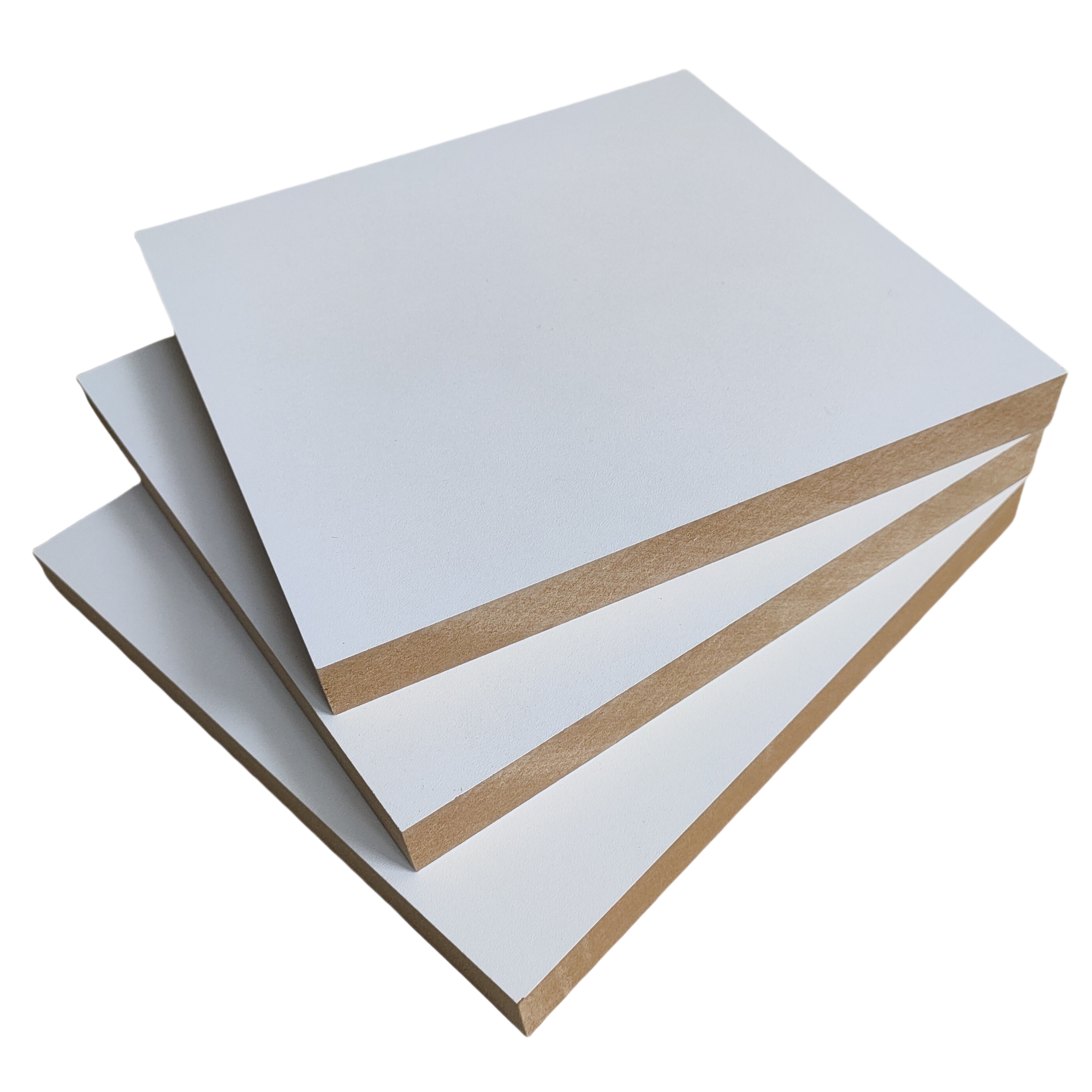
18mm Moisture-Proof White Melamine MDF/HDF
A clean white face for kitchen cabinets, wardrobe internals and utility furniture. The moisture-resistant core supports stable machining in Warsaw joinery workshops.
View product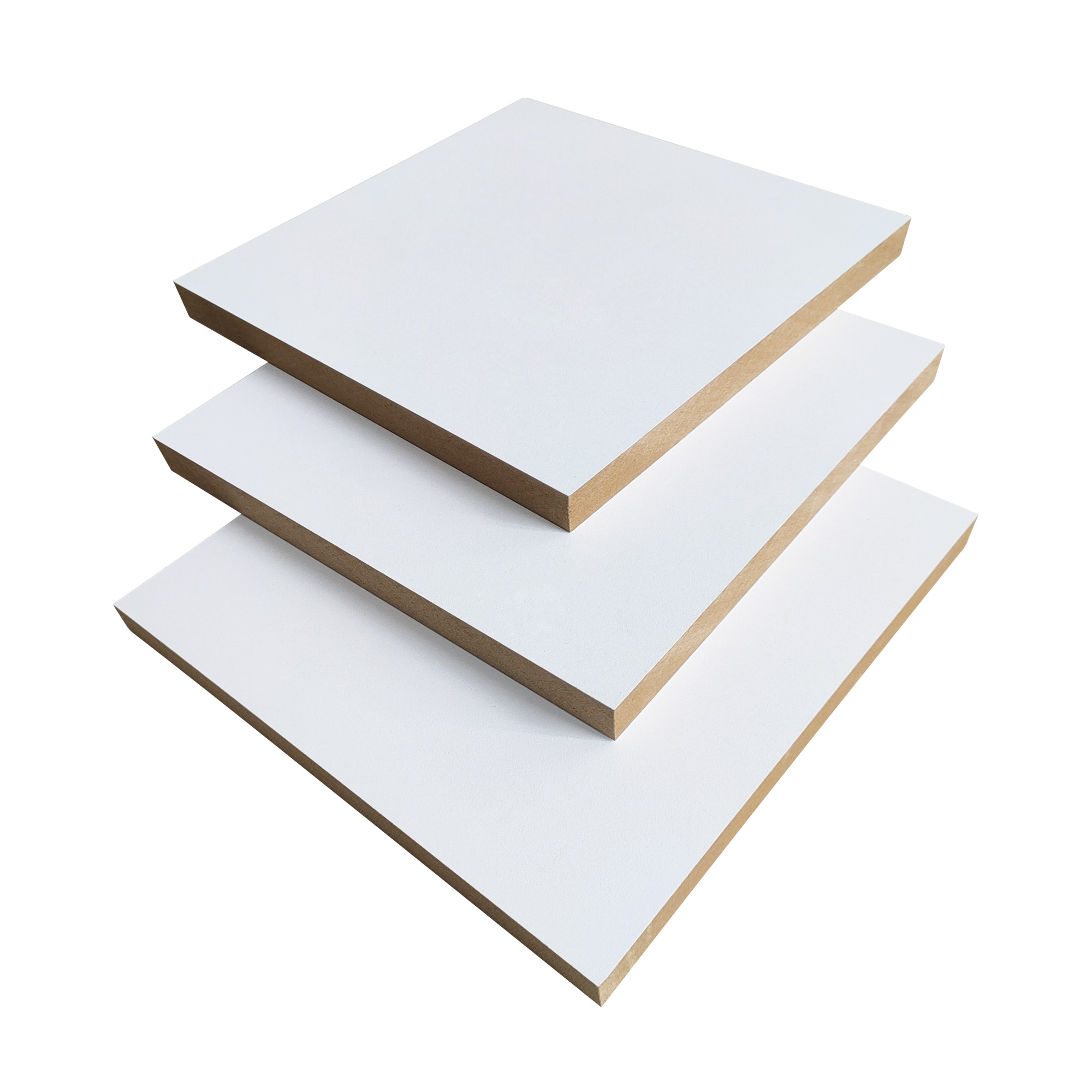
4x8ft White Melamine MDF Board
Cost-controlled kitchen and cabinetry panel with E1 formaldehyde and 3mm to 16mm options. Suitable for flat-pack components and mixed wholesale loads.
View product
Plain MDF/HDF with Green, Red or Black Core
Colour-coded cores help buyers separate moisture-resistant, project-specific and standard batches. Available in multiple sheet sizes for furniture production.
View product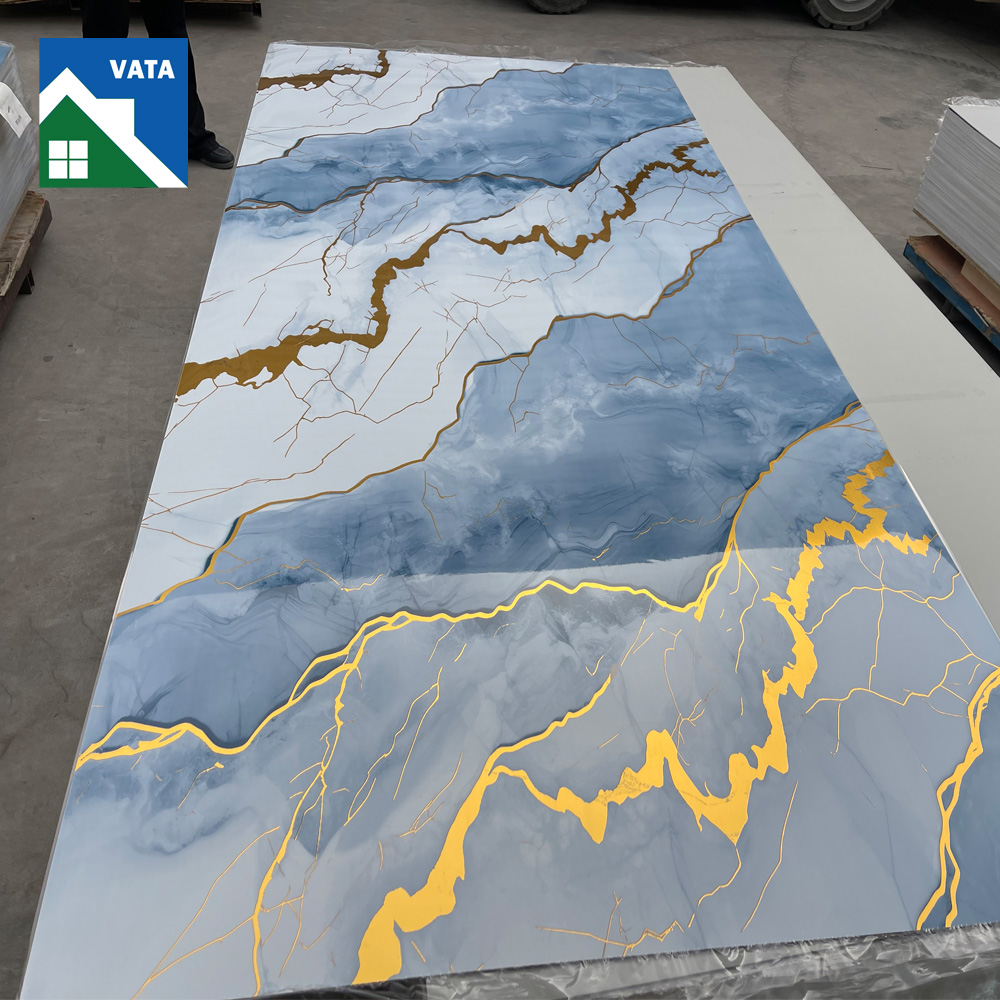
High-Gloss PVC/UV Wall Panel
Bendable decorative panel for TV walls, reception desks and feature surfaces in compact Warsaw interiors. Fast installation with a consistent gloss finish.
View product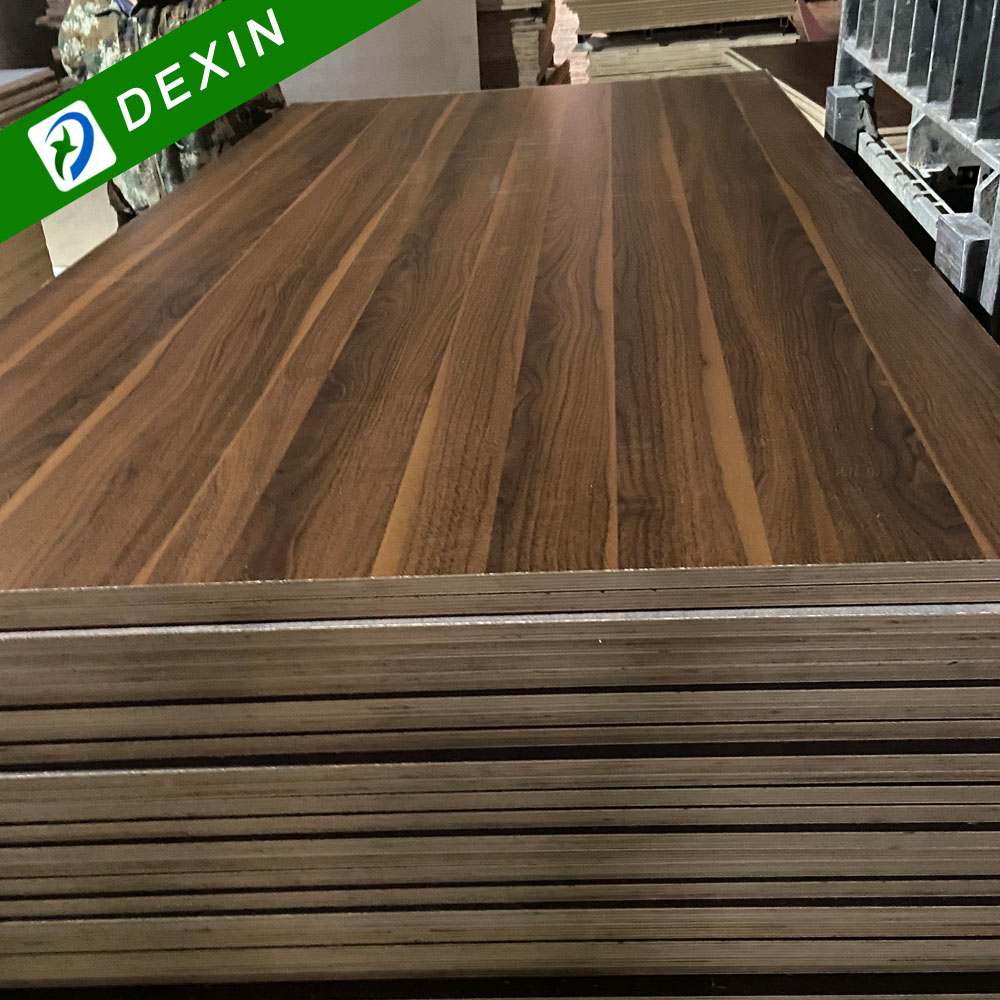
18mm Waterproof Melamine Faced Furniture Plywood
A practical balance of plywood stability and melamine surface durability for kitchens, bathrooms and contract furniture where moisture exposure is possible.
View product
1200x2400x18mm Melamine Coated Marine Plywood
Marine-type core with melamine face for humid service conditions, commercial fit-outs and bespoke joinery where a durable panel is required.
View product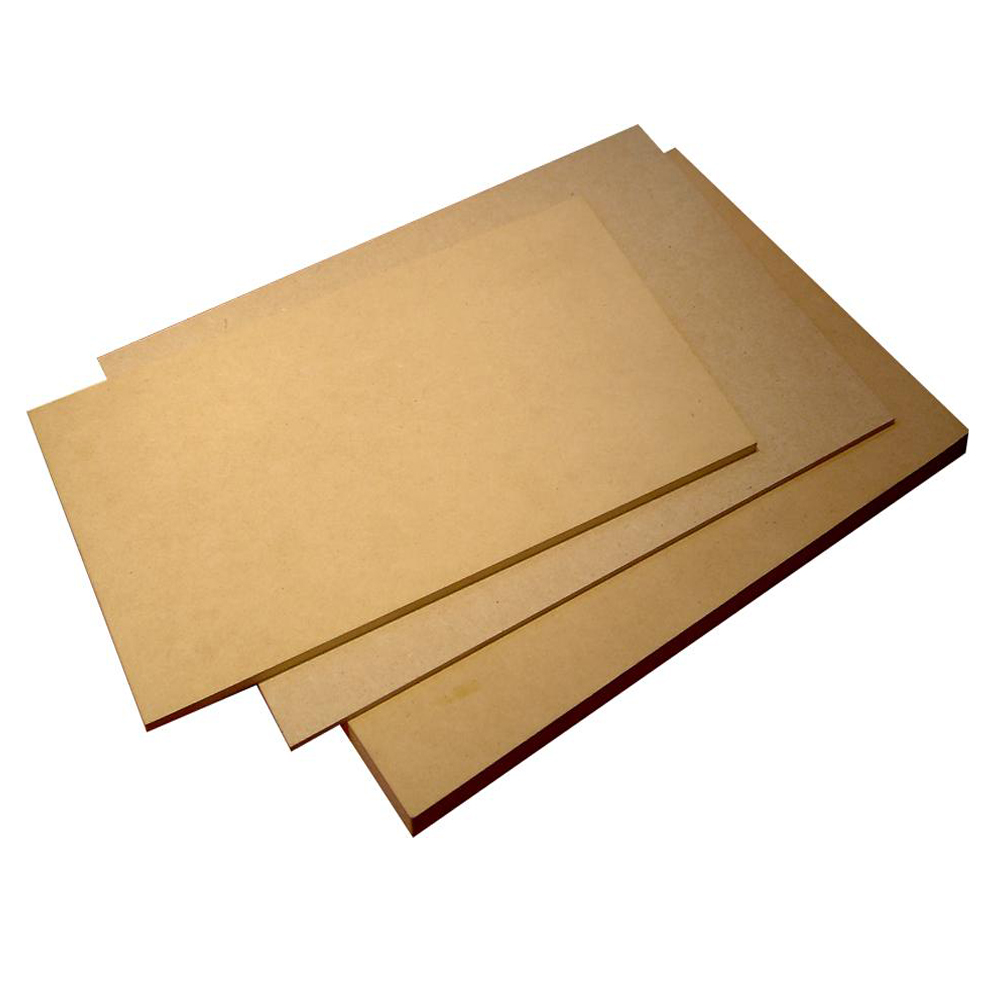
E0/E1/E2 Raw Thailand MDF Board
Raw MDF for painting, laminating and CNC routing. Emission grades can be matched to the importer’s documentation requirements and target market.
View product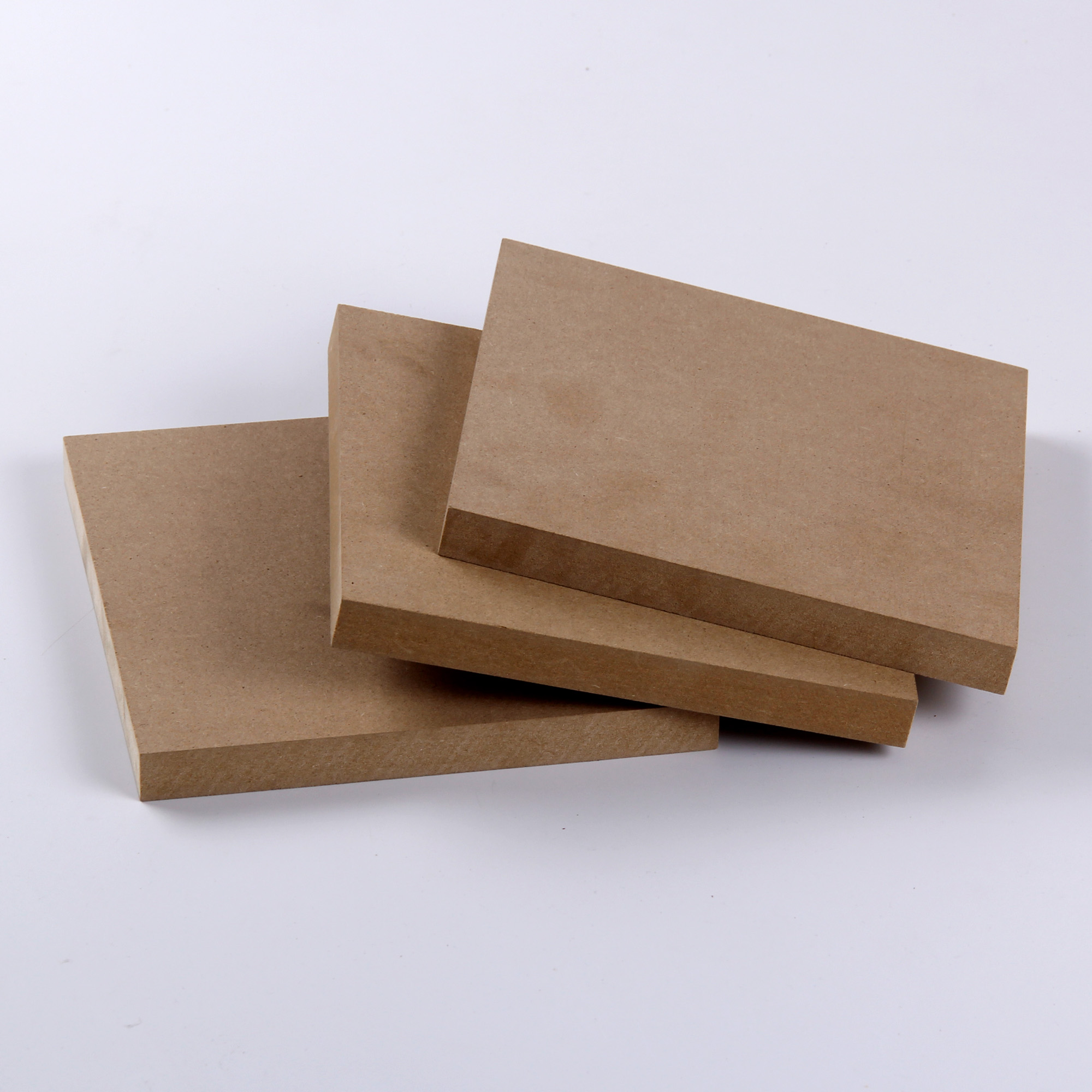
Raw MDF/HDF in Standard Factory Thicknesses
A flexible base board programme in 5mm, 6mm, 8mm, 9mm and 18mm for furniture backs, drawer boxes, panels and routing applications.
View productWhy Fancy Plywood for Furniture Still Wins in Warsaw
Warsaw is not simply a destination city for furniture; it is a specification hub. Developers, architects, kitchen studios, contract furnishers and wholesalers compare samples in the morning and ask for container documents in the afternoon. In this environment, fancy plywood for furniture — natural wood veneer bonded to a plywood, MDF or HDF core — has a clear role. It delivers the visual honesty of real wood grain without the movement and solid-wood cost of traditional timber panels. For furniture that must look premium, machine cleanly and arrive with predictable dimensions, it is often the most practical engineered surface.
The product is also easy to mis-buy. Two boards can carry the same description and behave completely differently if the veneer thickness, core species, glue line, moisture content, sanding tolerance or emission class is not fixed. That is why our approach with Warsaw buyers is to treat fancy plywood as a specification system, not a catalogue line. A 3mm veneered panel for door skins needs a different core and backing from an 18mm panel used for cabinet fronts. A white melamine MDF for wardrobe internals needs a different surface expectation from a high-gloss UV panel used on a kitchen island.
Central European seasons also matter. Warsaw interiors see dry winter heating and humid summer air. In kitchens, bathrooms and commercial washrooms, the panel edges and cores must be selected for moisture exposure, not just appearance. We recommend moisture-resistant MDF/HDF or WBP-bonded plywood where the risk is real, and we ask buyers to specify edge sealing, backing veneer and packaging protection before the order is released. The best fancy plywood order is the one whose specification can be repeated, because repeatability protects the furniture maker’s margin and the wholesaler’s reputation.
Poland is one of Europe’s largest furniture-exporting economies, and Warsaw concentrates design studios, project developers, hospitality groups and distribution decision-makers. Those buyers increasingly want a panel that can serve several channels: premium residential joinery, office fit-outs, hotel furniture and mid-market kitchen programmes. Fancy plywood fits this multi-channel demand because the face can be specified as oak, ash, walnut, maple, cherry, teak or engineered veneer, while the core can be adjusted for stability, weight and machining. For a Warsaw wholesaler, this means one supplier relationship can cover several price points without abandoning the visual language of real wood.
For furniture manufacturers, the advantage is dimensional confidence. A well-controlled fancy plywood panel can be cut, edge-banded, drilled and finished on standard production lines. When the veneer is too thin, sanding can burn through the face. When the core is unstable, door fronts can bow. When the glue line is inconsistent, edges can telegraph. These are not abstract quality issues; they become remakes, sorting costs and delayed handovers in Warsaw projects. That is why professional buyers ask for sealed samples, thickness tolerance, moisture content and packaging specification before they place a container order.
Where Fancy Plywood and Furniture Boards Are Used in Warsaw
Fancy plywood and companion furniture boards rarely sell in isolation. They enter a project through a kitchen studio, joiner’s shop, fit-out contractor or wholesale catalogue. These are the use cases Warsaw buyers most often bring to us.
Kitchen Cabinetry and Island Fronts
Use 18mm moisture-resistant MDF/HDF or plywood for carcasses, with natural veneer or melamine faces for doors. For Warsaw apartments, light oak and ash veneer helps compact kitchens feel brighter.
Wardrobes and Walk-In Storage
White melamine MDF supports efficient internal fit-outs, while fancy plywood adds real wood character to visible doors and open shelving. Colour-matched batches matter for large residential projects.
Bespoke Joinery in Compact Apartments
Thin 3mm to 5mm veneered panels are useful for door skins, wall panels and built-in furniture. Stable cores reduce the risk of bowing after installation in heated interiors.
Office and Co-Working Fit-Outs
Warsaw’s Wola, Mokotów and Śródmieście office projects need durable reception desks, meeting tables and storage. Melamine-faced plywood and MDF deliver fast installation and repeatable finishes.
Hospitality and Restaurant Interiors
Hotels, cafés and restaurants require surfaces that combine atmosphere with cleanability. Waterproof melamine plywood and marine board are practical for bar fronts, bathroom vanities and service counters.
Retail Displays and Showroom Furniture
Natural veneer, high-gloss PVC and UV panels create display counters that photograph well and tolerate frequent cleaning. Mixed finishes can be planned in one container for faster project roll-outs.
Warsaw Market Trends Shaping Fancy Plywood Demand
The Warsaw market is moving toward surfaces that look natural, comply with documentation and fit shorter project cycles. These four trends are shaping how wholesalers and furniture manufacturers build their panel ranges.
Natural Veneer, Reworked for Modern Interiors
Oak, ash and walnut veneers remain strong for premium residential and hospitality furniture. Buyers want open-pore finishes and matched batches rather than heavy, uniform stains.
Low-Emission Specification Becomes Standard
E1 and E0 discussions are increasingly part of normal procurement. FSC documentation, EUTR due-diligence information and valid test reports help Warsaw importers serve EU-conscious customers.
High-Gloss and Matte Surfaces for Compact Spaces
UV, PET and PVC surfaces are used to brighten smaller urban interiors and simplify cleaning. They pair well with fancy plywood feature elements in the same project.
One Container, Multiple Solutions
Wholesalers prefer mixed loads: fancy plywood, white melamine MDF, raw HDF and wall panels in one shipment. This reduces stock risk while keeping a broad catalogue for Warsaw customers.
Specification Matrix for Fancy Plywood and Furniture Boards
Use this matrix to shortlist a board before requesting a quotation. Final tolerances, grades and test reports should always be confirmed for each order.
| Warsaw Requirement | Recommended Specification | Typical Application | Evidence to Request |
|---|---|---|---|
| Visible furniture face | Natural oak, ash, walnut or engineered veneer; 0.2–0.5mm face; MDF/HDF or plywood core; E1 glue | Cabinet doors, reception counters, wardrobe fronts | Veneer sample, species, face thickness, emission report |
| Kitchen and bathroom cabinetry | 18mm moisture-resistant MDF/HDF or WBP plywood; melamine or veneer face; sealed edges | Kitchen cabinets, vanity units, utility storage | Moisture test, glue type, edge-sealing method |
| Flat-pack and wholesale components | White or wood-grain melamine MDF; 3–18mm; E1; consistent density and surface | Drawer boxes, shelves, wardrobe interiors | Density, thickness tolerance, surface inspection |
| Bending and feature walls | High-gloss PVC/UV panel or flexible decorative sheet; lightweight substrate | TV walls, retail displays, reception features | Gloss level, bend radius, colour batch |
| Raw routing and laminating | Plain MDF/HDF, 5–18mm, E0/E1/E2; sanded surface | CNC parts, painted fronts, laminated components | Thickness, sanding quality, emission class |
| Contract and hospitality joinery | Fancy plywood or marine plywood with melamine/veneer; FSC on request | Hotel joinery, restaurant bars, bathroom panels | FSC claim, load documents, packaging method |
For Warsaw projects, keep a sealed approval sample and reference the batch number on the purchase order. A screen image cannot confirm colour, gloss or veneer texture.
Warsaw Buyer FAQ: Fancy Plywood and Wholesale Orders
What is fancy plywood, and how is it different from melamine MDF?
Which emission grade should Warsaw furniture makers request?
Can you supply a mixed container for Warsaw wholesalers?
How are goods shipped from Linyi to Warsaw?
What documents can be provided for EU-bound furniture board orders?
Can you customize veneer, size, thickness, glue and packaging for Polish designs?
Which payment terms and trade terms do you accept?
A Factory-Direct Partner for Warsaw Wholesalers and Furniture Manufacturers

Linyi KUDE International Trading Co., Ltd. is the export platform of a wood-based panel manufacturing group founded in 1998 in Linyi, Shandong — China’s largest wood-based panel production cluster. More than 300 workers operate 30+ machine sets in 30,000 m² of workshops, producing 60,000 m³ of panels annually for buyers in 30+ countries.
The group holds CE, ISO 9001, ISO 14001, FSC and CARB certifications, and our supplier profile has passed an on-site assessment by SGS. Our principle is straightforward: survival by quality, development by prestige. For Warsaw buyers, that translates into consistent panel specs, honest documentation and containers loaded as agreed.
- 20+ years production experience
- 15 years of export experience
- OEM / ODM & custom specifications
- SGS-assessed supplier profile
Own Production Lines
30+ machine sets cover peeling, gluing, hot pressing, sanding and laminating. This reduces middle-man markup and keeps core product specifications under factory control.
Verified Quality
CE, ISO 9001, ISO 14001, FSC and CARB certifications support EU-bound orders. Formaldehyde grades E0, E1 and E2 are matched to the destination market and product type.
Flexible Customization
Sample-based, design-based or full customization of size, thickness, core species, face veneer, decor, glue, logo printing and export packaging for Warsaw furniture programmes.
Export-Ready Logistics
FOB, CFR, CIF and EXW terms; T/T and L/C payment; seaworthy pallet packing and full export documentation. Mixed containers help Warsaw wholesalers test several products at once.

Production line control

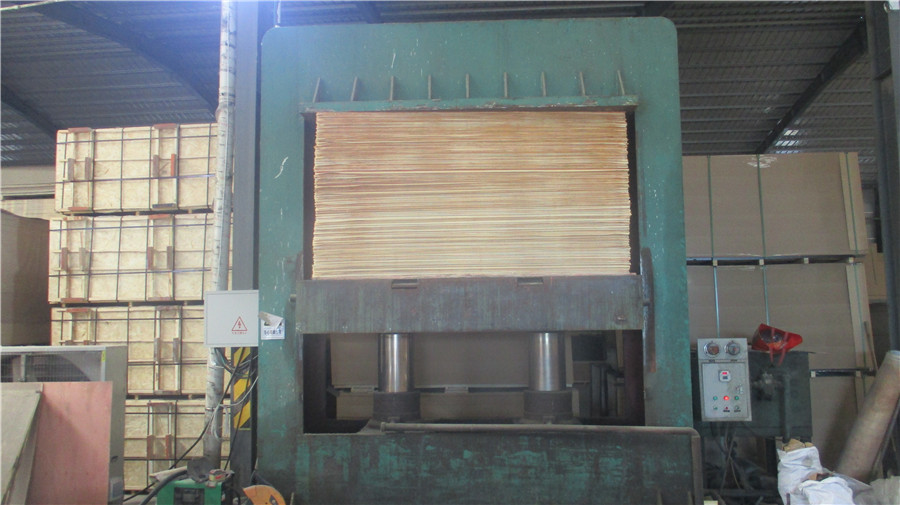
Hot press workshop

Quality inspection

Finished panel stock
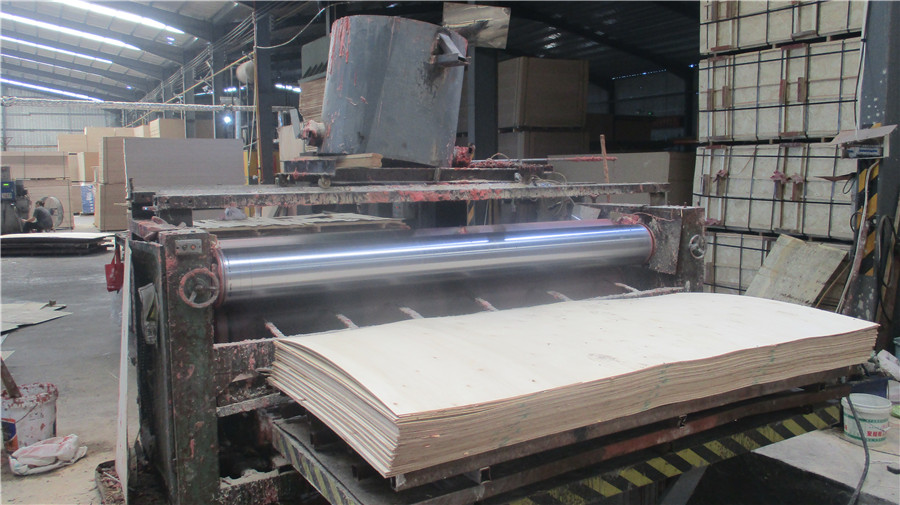
Melamine lamination
Export packing
From Raw Veneer to Loaded Container
Every batch passes defined checkpoints before it leaves Linyi. The aim is to protect furniture manufacturers in Warsaw from avoidable sorting, remakes and site delays.
Material Selection
Veneer grading, core selection and moisture checks before gluing.
Gluing & Pressing
Controlled glue spread, cold and hot pressing cycles for stable bonding.
Sanding & Surfacing
Calibrated sanding, lamination or film overlay with surface inspection.
Inspection
Thickness, flatness, bonding and surface checks against the approved sample.
Packing & Loading
Export pallets, steel straps, corner protection and loading photos.
Ready to Specify Fancy Plywood for Your Warsaw Furniture Range?
Send your veneer direction, core preference, thickness, emission grade, estimated volume and target port or Warsaw delivery plan. Our export team will reply with a practical specification and container proposal.
Inquire Now Factory-direct supply from Linyi, China · CE · ISO 9001 · ISO 14001 · FSC · CARB · SGS-assessed profile