Eight Products Dortmund Buyers Can Consolidate with Film Faced Plywood
For Dortmund projects, buying only formwork panels often leaves a second sourcing exercise for fit-out, cabinetry, wall finishes and timber formwork accessories. The eight products below are the complementary lines most often grouped with film faced plywood in a mixed-container plan. Every product URL is preserved; compare the range, then send one consolidated specification to the KUDE export team.
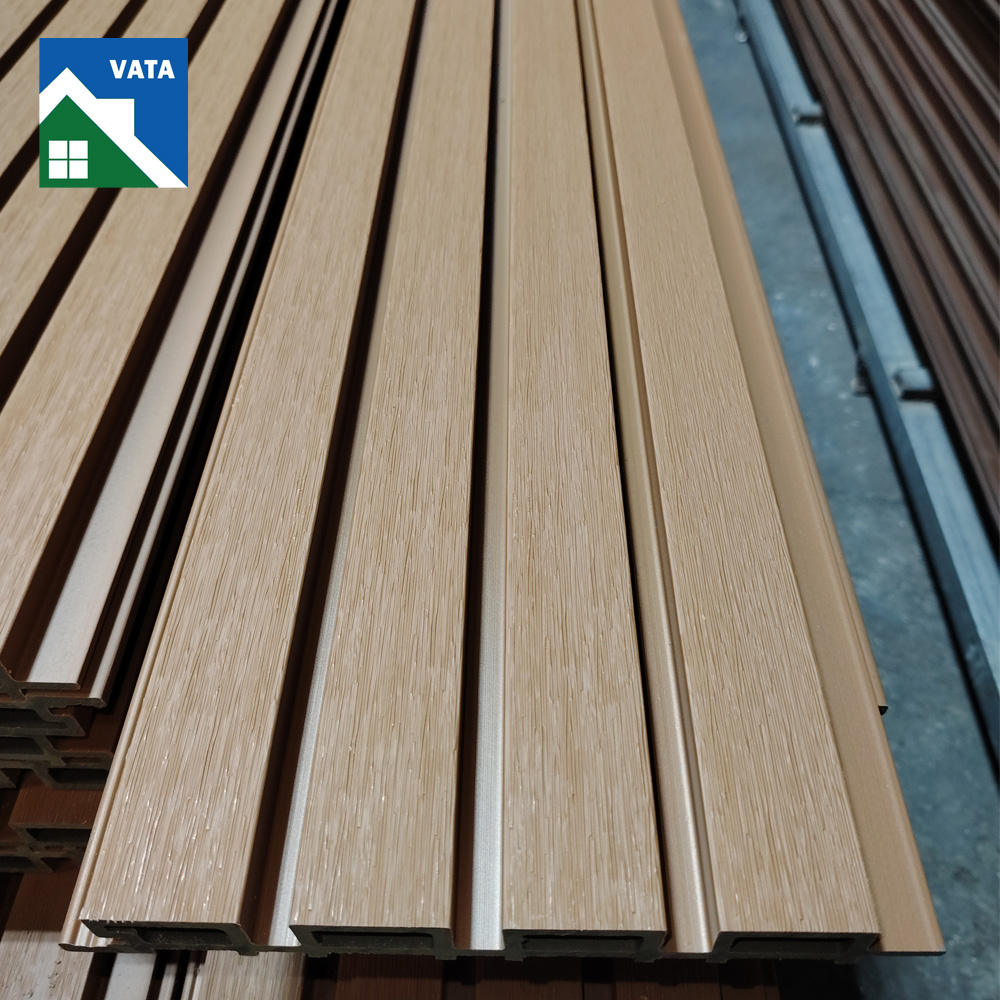
Decorative Outdoor WPC Fluted Wall Panel
Waterproof wood-plastic composite cladding for exterior siding, partition upgrades and hospitality refurbishment packages where a durable decorative finish is required.
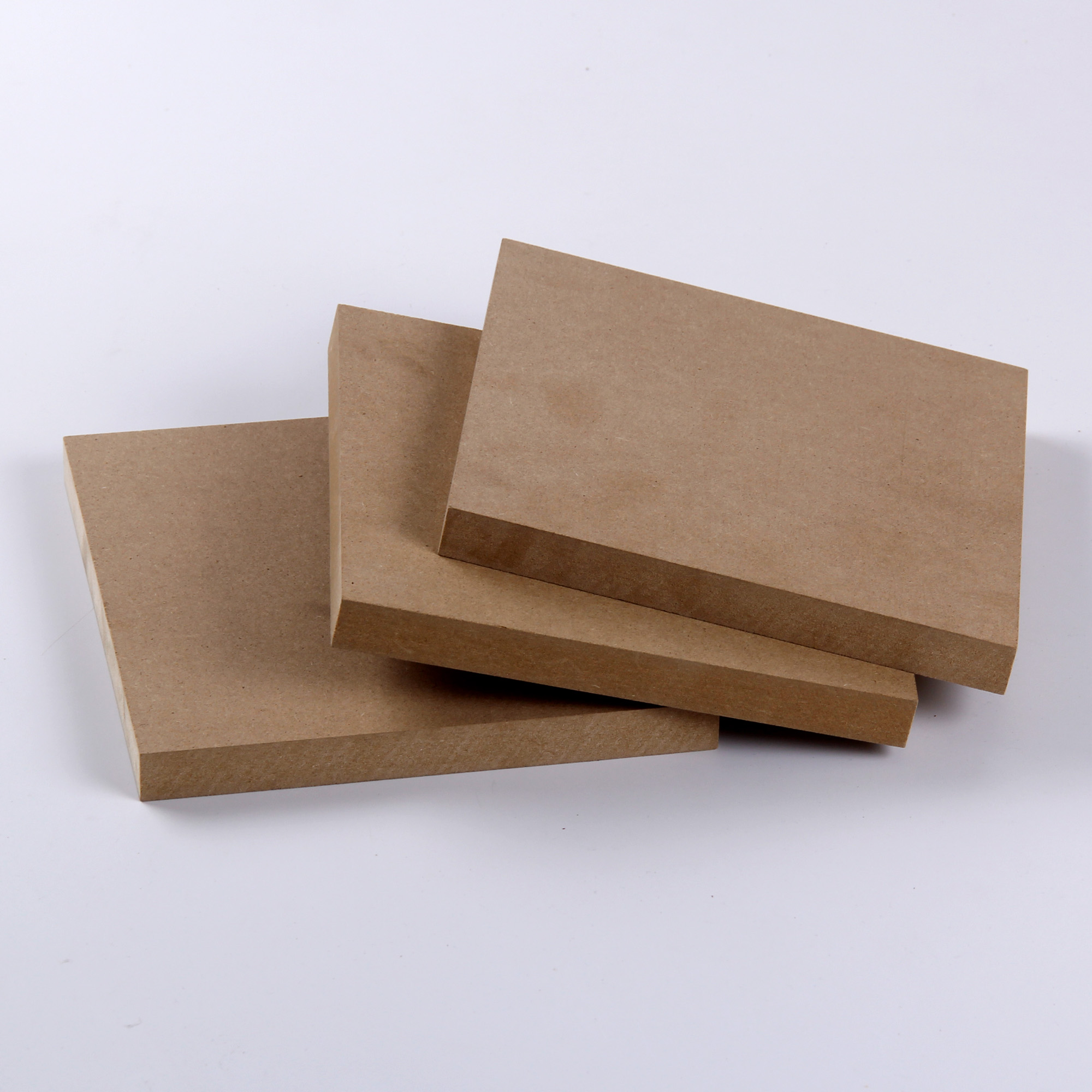
Raw MDF/HDF Board in Standard Factory Thicknesses
5 mm, 6 mm, 8 mm, 9 mm and 18 mm raw MDF/HDF for joinery, packaging, display work and project fit-out — easy to consolidate with a formwork plywood order.
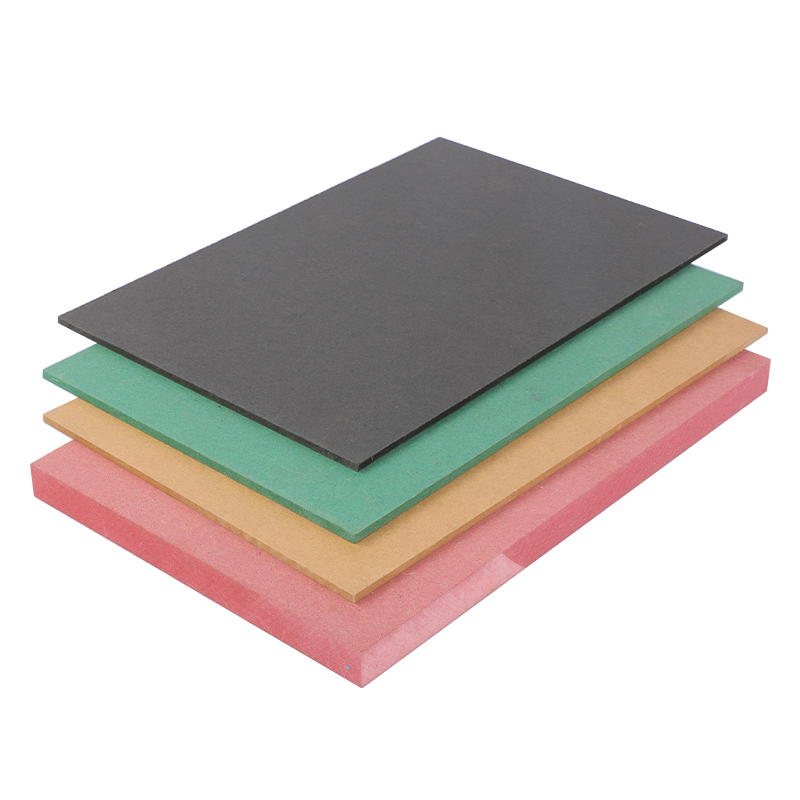
High-Quality 3mm–18mm Raw/Plain MDF Sheet
Plain MDF for furniture carcasses, painting, laminating and CNC routing; suitable for precision interior fabrication and contract furniture programmes.
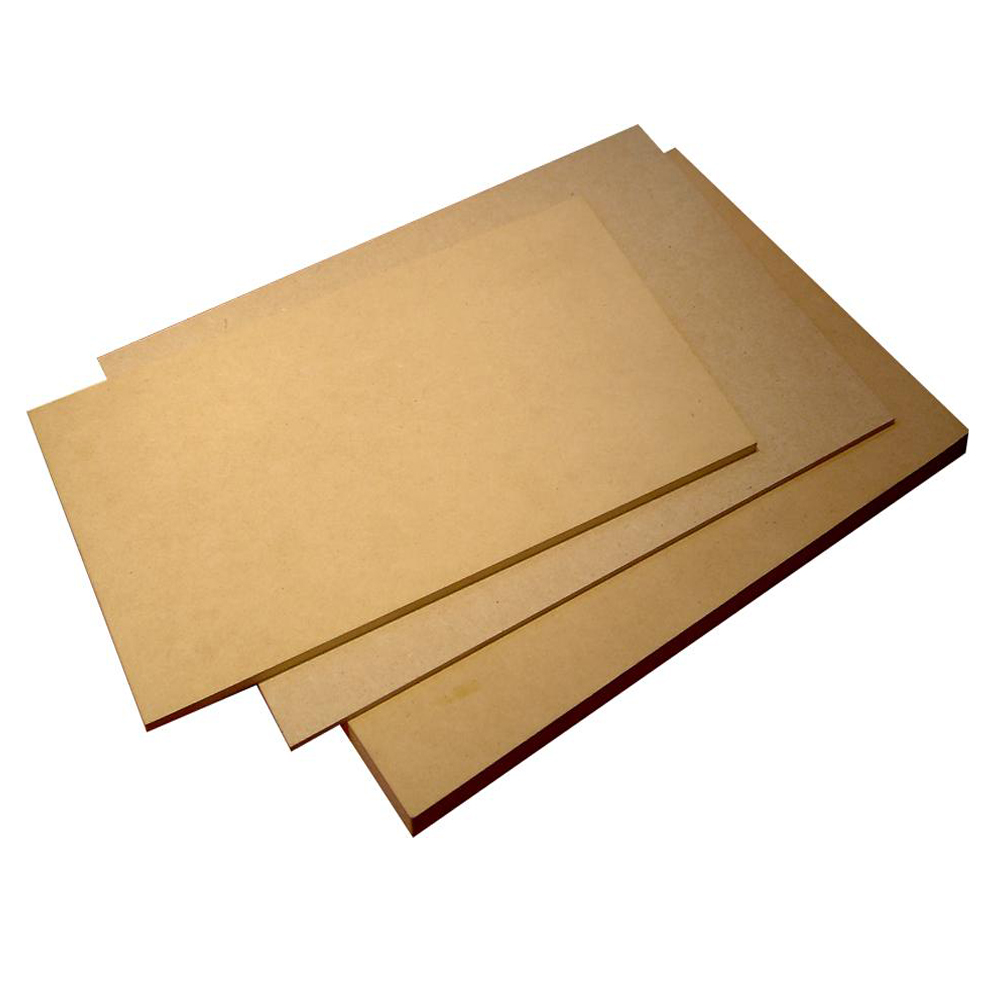
Raw Thailand MDF Board with E0/E1/E2 Glue
Cost-controlled Thailand MDF with E0, E1 or E2 glue options for distributors balancing price, application demand and destination-market emission requirements.
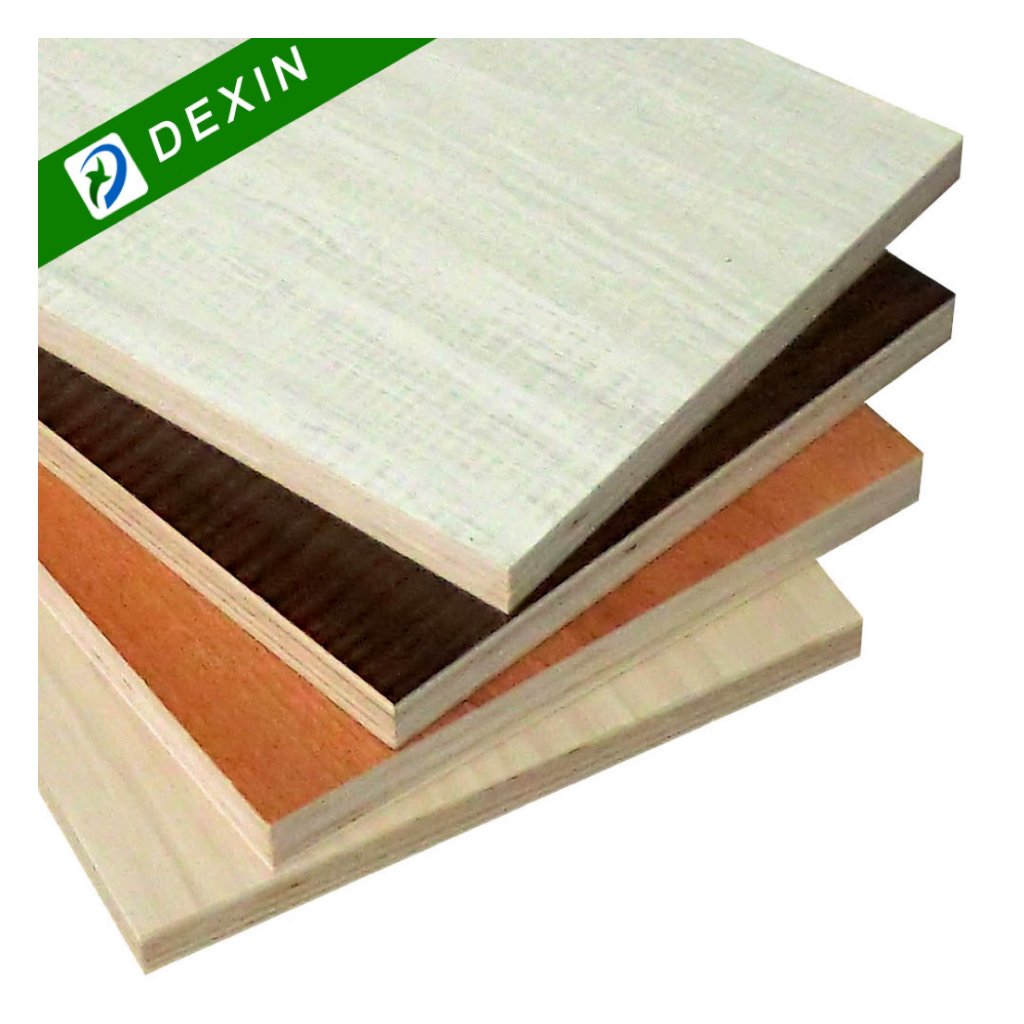
E0 Melamine Plywood for Furniture Cabinets
4x8 melamine-faced plywood in 3 mm, 12 mm and 18 mm for cabinets, shelving, wardrobes and contract furniture where a ready-to-use decorative face saves finishing time.
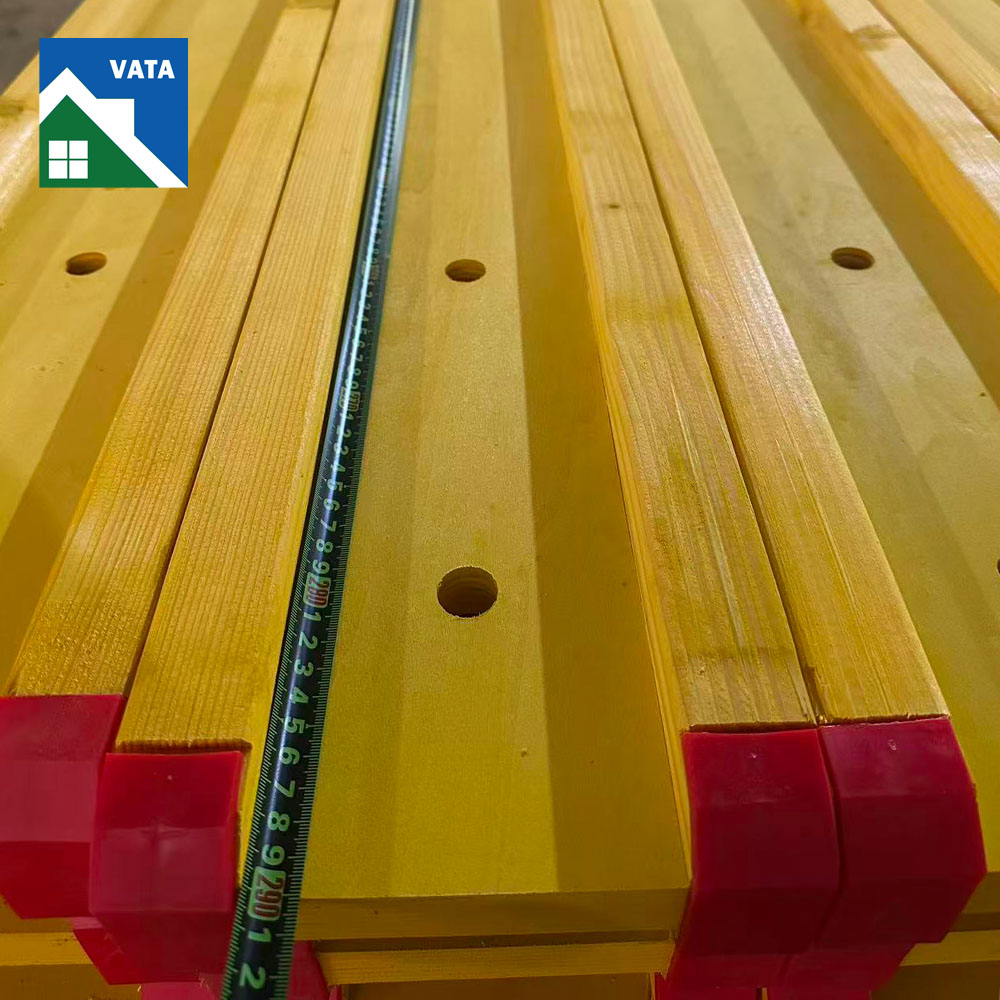
Custom Timber Formwork Beams with WBP Glue
Pine or spruce flange timber formwork beams for wall formwork systems — a natural companion to film faced plywood in Dortmund shoring, slab and wall formwork planning.
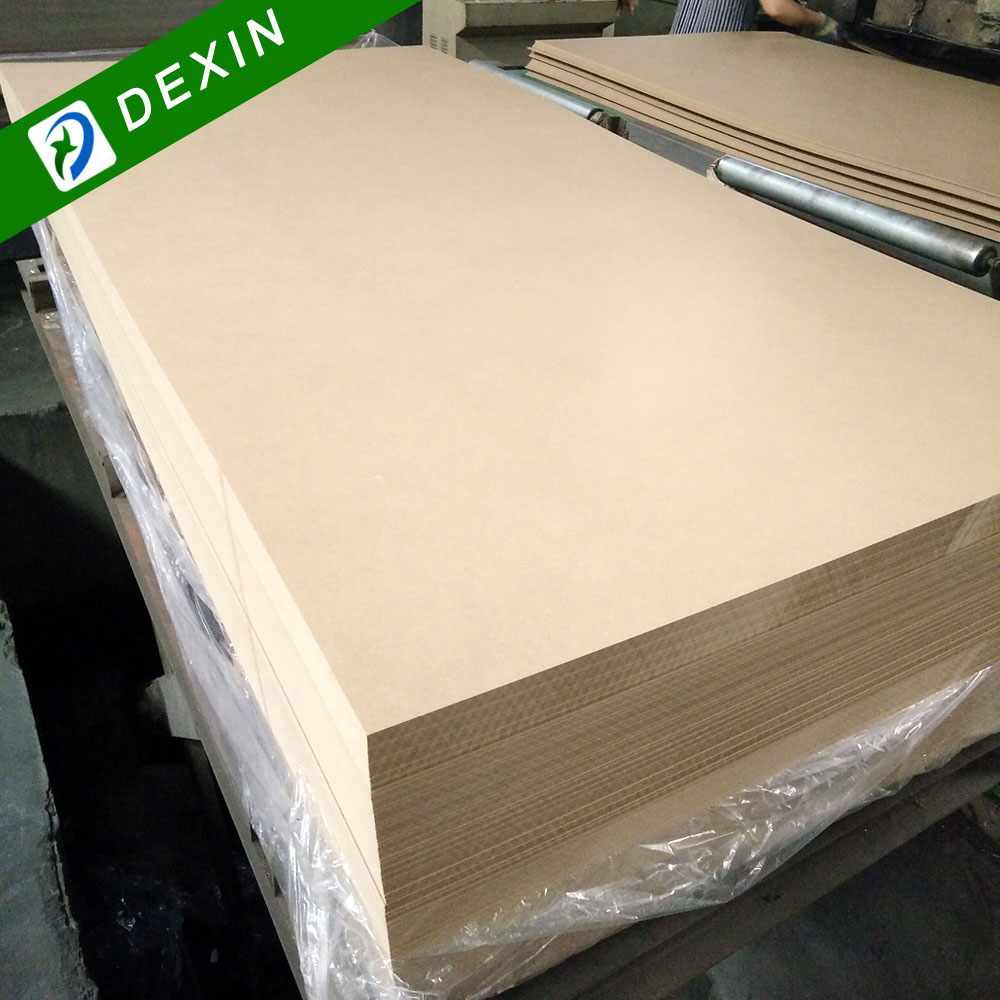
Raw/Plain MDF Board for Furniture Decoration
3 mm, 12 mm, 15 mm and 18 mm raw MDF for decorative furniture, shop fitting, wall panels and interior millwork where a smooth paintable surface is required.
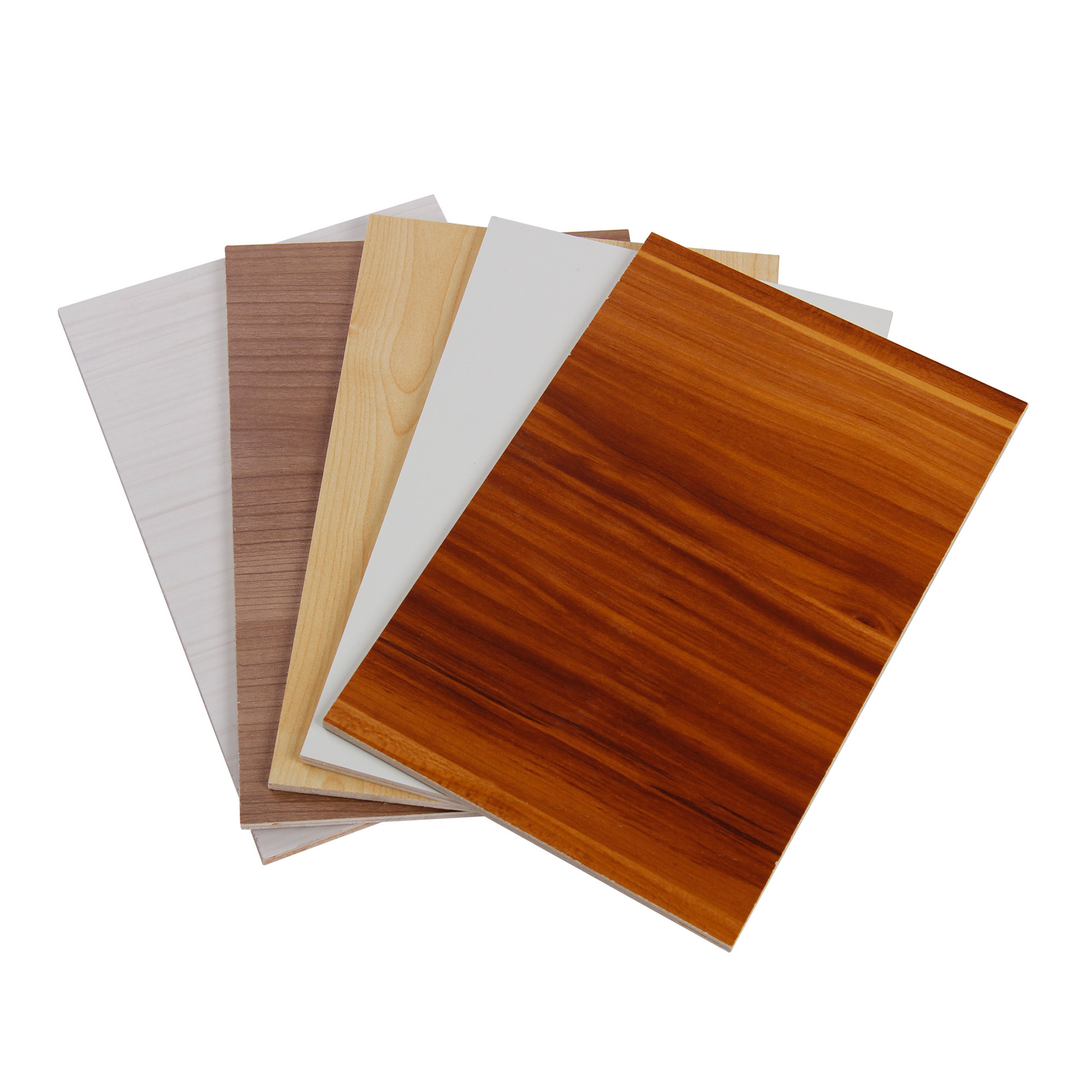
Melamine Wood Board Plywood for Furniture Making
12 mm, 15 mm, 16 mm and 18 mm melamine plywood for cabinet making, wardrobes, office furniture and fit-out production with a durable decorative surface.
All eight product URLs above are preserved from the original product series. For film faced plywood specifications, review the dedicated film faced plywood category or send a consolidated inquiry.
Why Film Faced Plywood Specification Matters in Dortmund
Dortmund sits inside North Rhine-Westphalia and the wider Ruhr construction and logistics network. The project mix is not only new-build: it includes industrial conversions, logistics buildings, public infrastructure, residential infill, modular construction and refurbishment of existing structures. For formwork buyers, that means film faced plywood has to perform in site conditions where pours are planned tightly and re-use cycles directly affect labour, waste and programme risk.
Film faced plywood is not a commodity where a single “18 mm” label is enough. A Dortmund buyer comparing quotations should ask: what phenolic film is used, what core species and density are supplied, what glue is specified, how are edges sealed, what thickness tolerance applies, how many pours are targeted, what test reports are available, and how will the pallets be protected during sea freight and inland delivery from a European port?
The KUDE manufacturing base in Linyi, Shandong, gives buyers access to China’s major wood-based panel cluster. The original company profile describes a manufacturing group founded in 1998, with 30,000 m² of workshops, 300+ workers, 30+ machine sets and annual output of 60,000 m³. For a Dortmund importer, that factory base matters because it supports repeatable specifications, mixed-container consolidation and export documentation rather than one-off trading.
For the core formwork range, review the film faced plywood category before requesting a quotation. It is also practical to combine formwork plywood with raw MDF, melamine plywood, WPC wall panels or timber formwork beams from the eight-product matrix above when one importer serves several Dortmund customer groups.
Dortmund sourcing priorities
Use this as a pre-RFQ attention checklist, not as a statistical market index.
Application Scenarios Around Dortmund and the Ruhr Region
The same film faced panel is not specified in the same way in a precast plant, a city-centre formwork cycle and an industrial refurbishment. These are the application conversations we most often have with buyers serving Dortmund and nearby NRW markets.
Residential and Mixed-Use Formwork
Wall and slab formwork for Dortmund infill housing, mixed-use blocks and urban regeneration. Confirm the pour plan, release agent, striking time and expected re-use before choosing film weight and edge protection.
Infrastructure and Civil Works
Retaining walls, bridges, drainage structures and public works often require consistent thickness, strong film adhesion and reliable documentation. For exposed concrete, surface uniformity can be as important as panel price.
Precast Concrete Production
Precast plants and formwork yards use film faced plywood for moulds, pallets and repeatable panel production. Dimensional stability, flatness and clean release matter more than decorative appearance.
Industrial and Logistics Refurbishment
Warehouse extensions, floor slabs, equipment bases and industrial conversions around the Ruhr often need short-run formwork plus durable boards. Buyers may combine film faced plywood with MDF and melamine for interior works.
Modular and Temporary Works
Modular buildings, site facilities, hoarding and temporary structures can use film faced and complementary panels where weather resistance and handling durability are specified correctly.
Fit-Out and Cabinet Production
Dortmund fit-out contractors and joinery workshops can consolidate formwork panels, raw MDF, melamine plywood and WPC cladding in one container plan when specifications and delivery windows allow.
Dortmund / NRW Trends Reshaping Film Faced Plywood Procurement
Dortmund buyers are not only comparing price per sheet; they are comparing risk, re-use, documentation and carbon-related reporting. These four trends are shaping supplier questions in 2025 and beyond.
Re-use Accounting and Circular Construction
Formwork rental yards and contractors increasingly track pours per panel, cleaning time and damage rates. Film adhesion, edge sealing and core quality influence the real cost per pour even when the initial sheet price is similar.
Low-Emission and Indoor Air Quality
For Germany-oriented specifications, E1 formaldehyde performance is a baseline expectation for many interior applications; E0 or lower-emission options are requested where project teams want additional assurance. Always match the test report to the exact product and application.
Prefabrication and CNC Tolerance
Dortmund’s fit-out and modular supply chains rely on repeatable panel dimensions. Thickness consistency, flatness and stable surfaces reduce machining rework and help maintain predictable assembly on site.
Traceability and EUDR-Ready Documentation
EU importers increasingly ask suppliers for traceability information that supports their own due-diligence processes. FSC documentation, material declarations, loading photos and clear product descriptions help Dortmund buyers review the supply chain before ordering.
Quick Specification Cross-Check for Film Faced Plywood
Use this table to shortlist the right panel before sending an RFQ to a Dortmund contractor, formwork yard or importer. Values are typical production ranges and must be confirmed for each order.
| Specification | Dortmund Procurement Question | Practical Supply Direction |
|---|---|---|
| Thickness | Is 18 mm truly 18 mm, and what tolerance is acceptable for the formwork system? | Film faced plywood is commonly requested in 9–21 mm; confirm nominal thickness, tolerance and number of plies in the quotation. |
| Panel Size | Do you need standard 1220×2440 mm, or cut-to-size panels for a specific formwork grid? | Standard 4×8 ft sheets are common; custom sizes can be discussed subject to order quantity and packing efficiency. |
| Film | Brown or black phenolic film, and what surface finish is needed for exposed concrete? | Specify film colour, surface, release performance and re-use target so the film grade is matched to the application. |
| Glue | Will the panels face rain, washing, repeated wet cycles or only protected interior use? | WBP phenolic glue is typically requested for exterior and reusable formwork; do not assume standard interior glue is equivalent. |
| Core | What core species, density and patch standard should be stated in the purchase order? | Poplar and eucalyptus cores are common; confirm core structure, density, void tolerance and repair standard. |
| Emission Grade | What formaldehyde grade and test report does the project require? | E0, E1 and E2 options are available depending on product; match the grade to the application and destination requirement. |
| Edge Sealing | How many pours are planned, and how will cut edges be protected on site? | Request edge sealing where repeated wet use is expected; plan compatible site sealing for cut panels. |
| Packing & Documents | Will the container be mixed with MDF, melamine or WPC, and what documents are required on arrival? | Request export pallets, steel strapping, corner protection, loading photos, packing list, test reports and applicable certification documents. |
For construction use in the EU, ask for the applicable CE marking and Declaration of Performance documentation under the relevant harmonised standard where applicable. For furniture or interior applications, confirm the emission class and product-specific declarations.
From Linyi Factory to Dortmund Site: Five Checkpoints
A film faced plywood order is only as reliable as the checks behind it. Every batch should be reviewed against the agreed specification before it leaves the factory.
Material Selection
Veneer grading, core structure and moisture checks before gluing.
Gluing & Pressing
Controlled glue spread, cold and hot pressing cycles matched to WBP phenolic requirements.
Sanding & Film Overlay
Calibrated thickness, smooth substrate and controlled film bonding for a stable working surface.
Inspection
Thickness, flatness, bonding, surface, edge condition and specification review before packing.
Packing & Loading
Export pallets, steel straps, corner protection, container loading photos and document checks.
Why Dortmund Importers Shortlist KUDE as a Film Faced Plywood Factory Partner
KUDE is the export platform of a wood-based panel manufacturing group. Buyers deal with a team that understands production, export packing and the documentation expected by European importers.
Own Production Lines
30+ machine sets covering peeling, gluing, hot pressing, sanding and laminating, with 30,000 m² of workshops and 300+ workers in the Linyi production base.
Verified Quality Systems
CE, ISO 9001, ISO 14001, FSC and CARB credentials, with E0, E1 and E2 formaldehyde grades available depending on the product line and order specification.
Flexible Customization
Sample-based, design-based and full customization of size, thickness, core, face veneer or decor, glue type, logo printing and export packaging after specification review.
Export-Ready Logistics
FOB, CFR, CIF and EXW terms; T/T and L/C payment in USD, EUR or CNY; export pallets, steel straps, loading photos and coordinated shipment through northern China seaports such as Qingdao.
Inside the Linyi Production Base
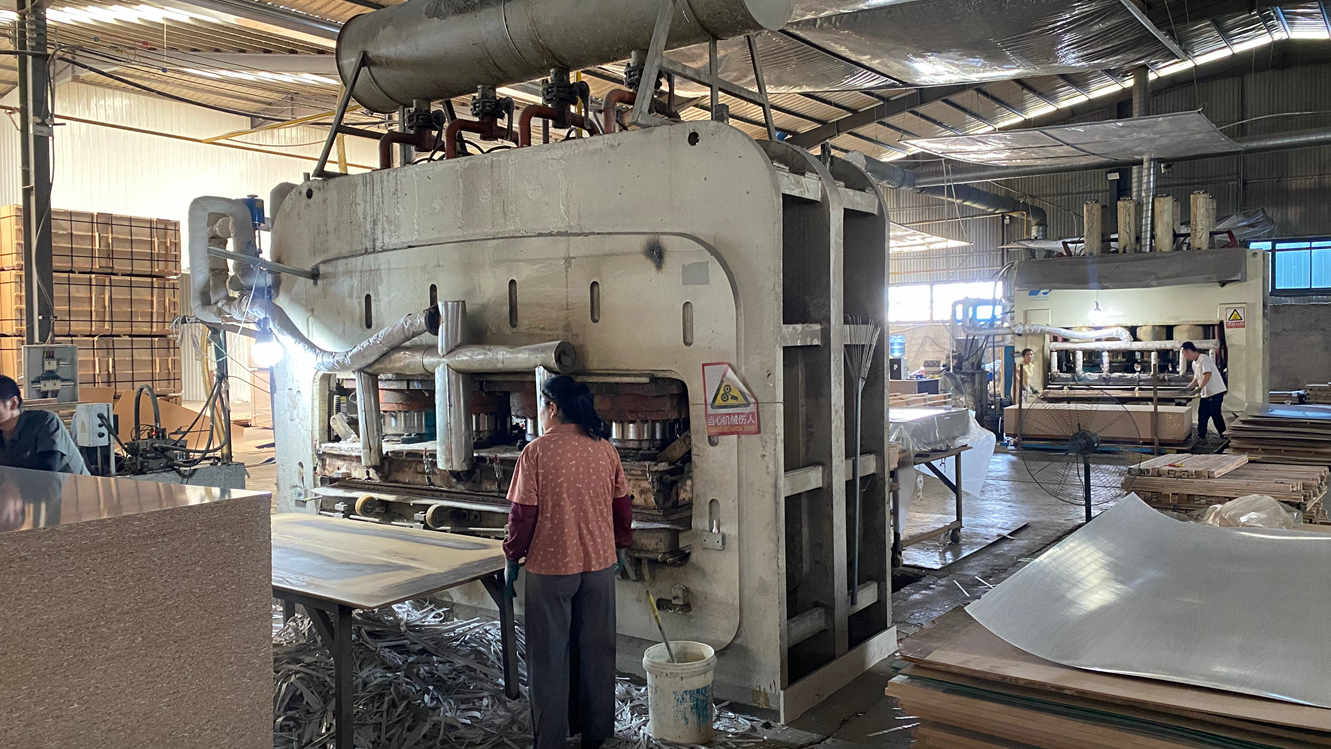
Original factory images from the KUDE website show production, panel handling, finished stock and container loading. This visual evidence helps Dortmund buyers assess whether the supplier can support repeat orders and mixed product lines.



Questions Dortmund Buyers Ask Before Ordering Film Faced Plywood
These answers follow the company information and product ranges published on the original KUDE website. Final specifications, documents and lead times are confirmed in the quotation.
Are you a factory, a trading company or a manufacturing group?+
Can you supply film faced plywood and related panels to Dortmund?+
Which documents support a Dortmund-specific purchase?+
What is the minimum order quantity for mixed products?+
Can panel size, thickness, core, film and packaging be customized?+
What should a Dortmund buyer include in the first inquiry?+
Landed-Cost and Logistics Notes for Dortmund Buyers
Dortmund’s position in the NRW logistics network makes it practical to combine panel sourcing with inland distribution. The cheapest quotation per sheet is not always the lowest landed cost once packing, port charges, inland haulage and re-use performance are considered.
Route and Incoterm
Factory quotation can be issued on FOB, CFR, CIF or EXW terms. German importers often compare a CFR or CIF European port quotation with FOB plus their own forwarder. Port choice, container type, weight limit and the final Dortmund delivery address should be stated before booking. Dortmund Port and the broader Dortmund–Ems Canal network can be relevant when project cargo requires inland waterway coordination.
Mixed Container Planning
Film faced plywood, raw MDF, melamine boards, WPC panels and timber formwork beams have different weights, stack heights and protection needs. A mixed-container plan should consider SKU separation, pallet height, corner protection, steel strapping, moisture protection and loading sequence. Ask for loading photos before departure.
Payment and Documentation
KUDE accepts T/T and L/C in USD, EUR or CNY. A commercially clear order should state product description, quantity, unit, packing, Incoterm, port of destination, marks, document requirements and inspection arrangement. For Dortmund buyers serving German contractors, documentation quality is part of supply reliability, not an afterthought.
Send Your Dortmund Specification for a Factory-Direct Quote
Include product type, thickness, panel size, film, glue, emission class, quantity, destination port, target delivery and any certification requirement. Our export team will respond with a technical proposal, packing plan and quotation direction.