What Baghdad Buyers Really Mean by “Furniture Grade Chipboard”
Three suppliers can quote the same 18 mm melamine board at three different prices and all three can be technically “correct”. The difference shows up six months later, inside a kitchen in Mansour.
Furniture grade chipboard is the invisible engineering behind almost every kitchen cabinet, wardrobe, office workstation and hotel vanity now installed across Baghdad. It is not the cheapest board on the market and it is not the most expensive: it is the grade that holds a screw under repeated door swing, keeps a 2.4-metre wardrobe door flat through a 50°C Baghdad summer, and accepts a melamine face without telegraphing the chip core underneath. Getting that grade right — consistently, container after container — is what separates a supplier worth a second order from one that disappears after the first.
This guide is written for Iraqi importers, cabinet workshops and fit-out contractors who are shortlisting furniture grade chipboard factories and suppliers for the Baghdad market. It translates the buying intent behind that search into specification language, shows where the board is actually used, reviews the trends reshaping demand in Iraq, and explains how Linyi KUDE International Trading Co., Ltd. — a wood-based panel manufacturer founded in 1998 in Shandong, China — has been shipping boards behind this furniture category to buyers in more than 30 countries.
The Six Numbers That Define Furniture Grade
If a quotation does not state these values, it is not a furniture grade quotation — it is a price.
Density 680–720 kg/m³
Below 650 kg/m³, hinge screws lose grip and doors drop after a season of use. Density is the first thing to test on an incoming sample, not the last.
Internal Bond ≥ 0.40 N/mm²
Internal bond strength governs whether the panel survives CNC routing, dowel drilling and edge-banding without pulling apart at the core.
Thickness Tolerance ±0.2 mm
Uneven calliper tolerance makes cabinet joints open up and doors sit proud. Ask for the tolerance in writing on the proforma invoice.
Moisture Content 6–8%
Board shipped at 10%+ moisture will shrink in Baghdad's dry heat and swell in winter humidity — the classic cause of edge cracks and lifted laminate.
Emission Class E1 or E0
Enclosed bedrooms and kitchens make formaldehyde the single most common complaint from end users. Specify E1 as a floor, E0 for premium work.
Calibrated, Double-Sanded Faces
A poorly sanded face shows every particle through the melamine paper. Calibrated sanding is what makes a 2 mm PVC edge look factory-finished.
Furniture Board and the 8 Product Lines Baghdad Buyers Combine With It
Panel importers rarely buy a single SKU. These are the lines our Iraqi and Middle East buyers most often load alongside furniture grade board in one container.
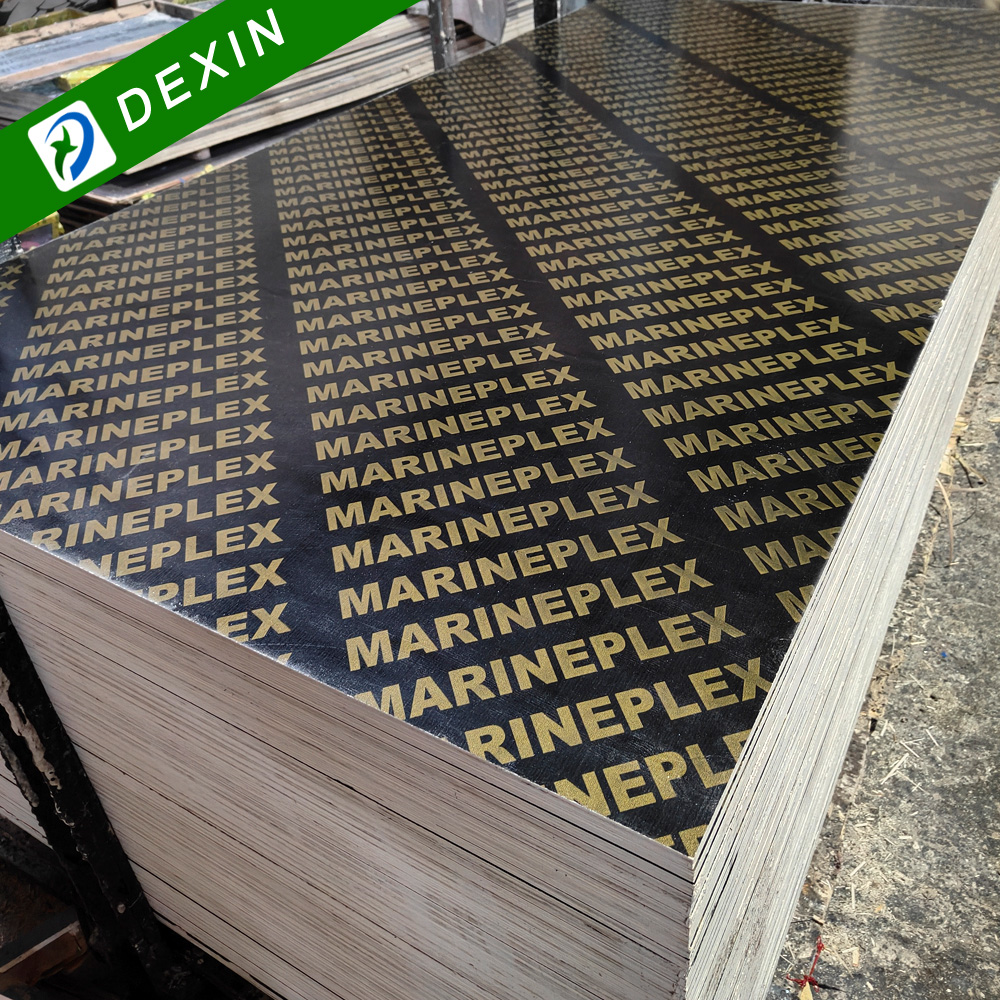
China Manufacturer 4x8ft Concrete Black Film Faced Plywood 9~25mm Marine Contreplaque Board for Construction
Loaded by Baghdad contractors together with furniture board — the same container serves site and workshop.
View product
1220x2440mm, 1525x2440mm, 1830x2440mm Green/ Red/ Black Core Wood Fiber Plain MDF/ HDF Board
The paint-grade alternative when a Baghdad client wants a routed or lacquered finish instead of melamine.
View product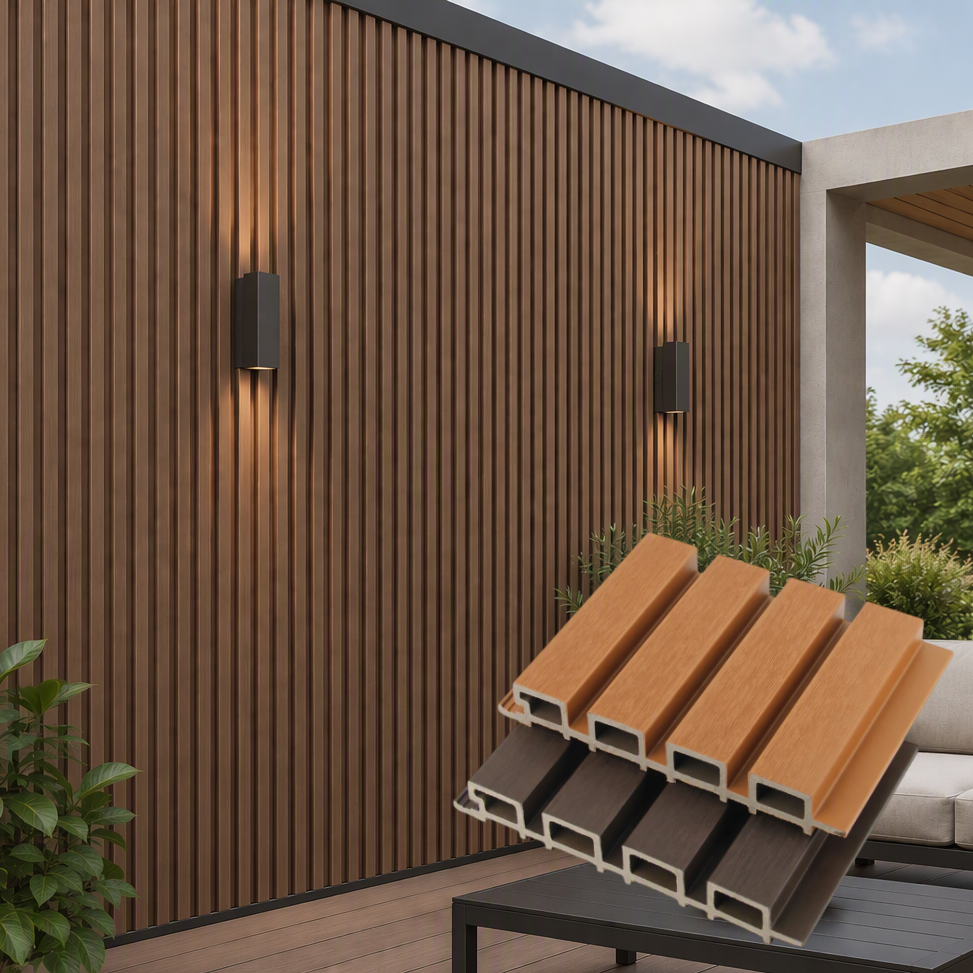
New Style Outdoor WPC Wall Cladding Panels Waterproof Villa Textured Co-Extruded Fluted Facade
For Baghdad villa and hospitality external elevations where heat and sand abrasion rule out timber.
View product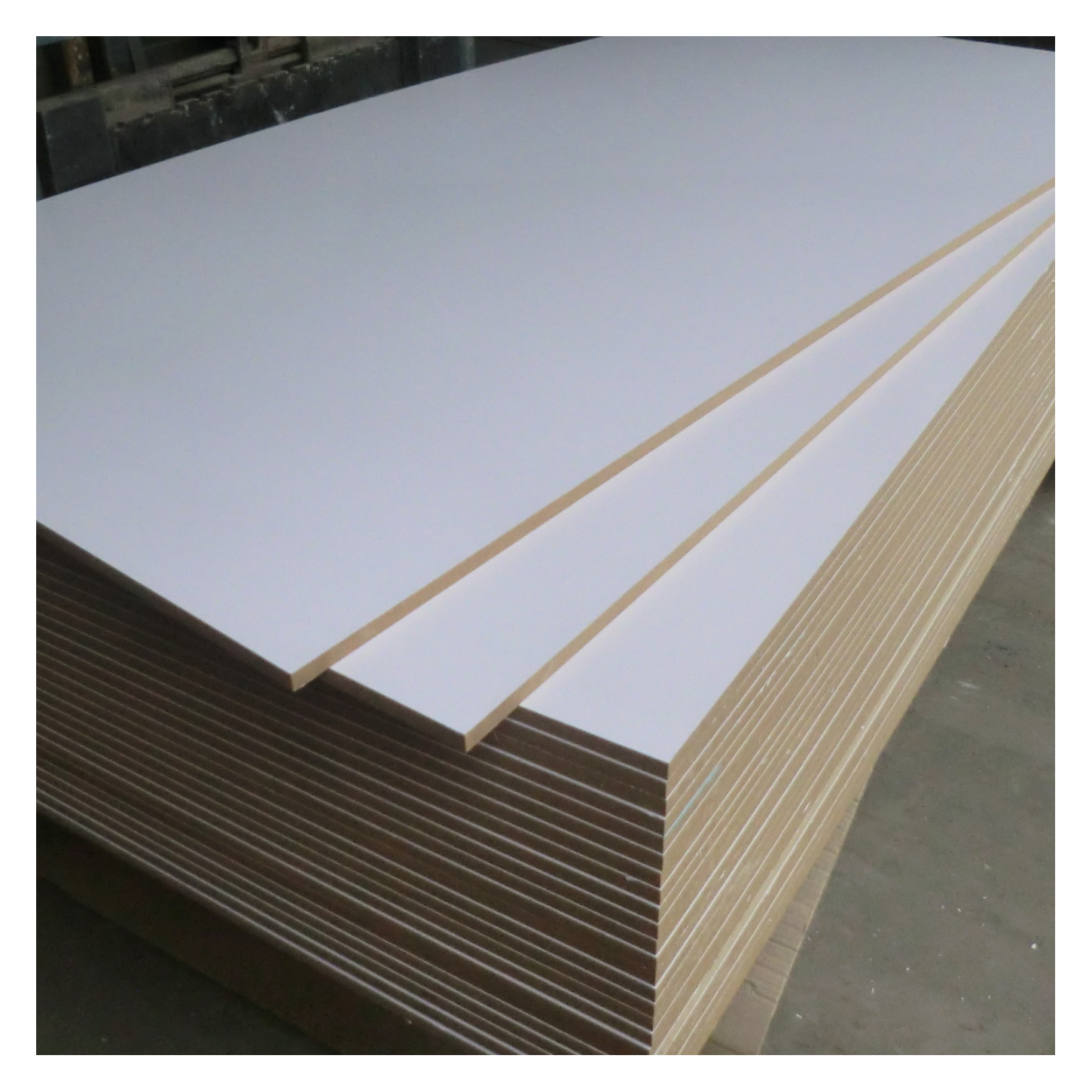
Wholesale E1 Grade Melamine Faced Moisture-Proof MDF Board for Kitchen Furniture Use 18mm Thickness CE Certified
The direct substitute in wet zones — kitchens, bathrooms and utility areas of Baghdad apartments.
View product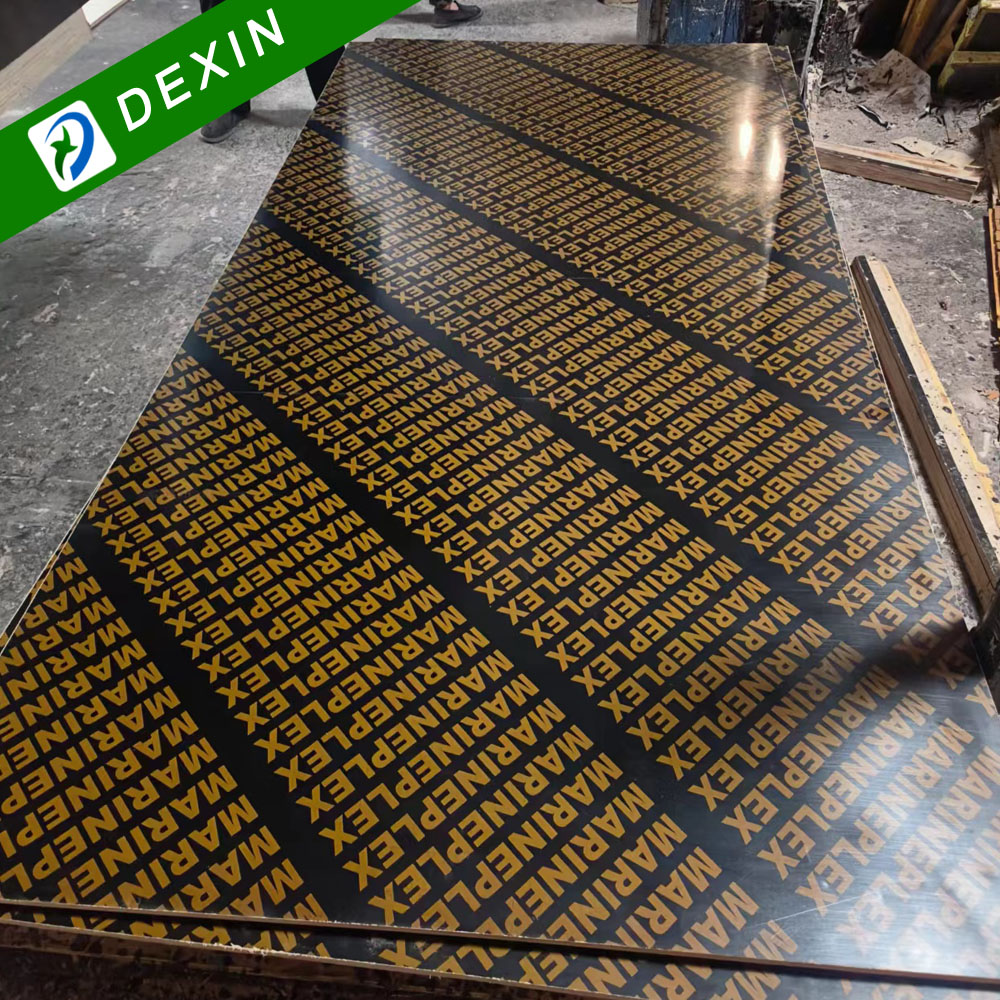
1220*2440* 15mm / 9mm / 12mm / 18mm Film Faced Plywood Marine Construction Formwork Board
Reusable shuttering for the same projects that later need kitchen and wardrobe board installed.
View product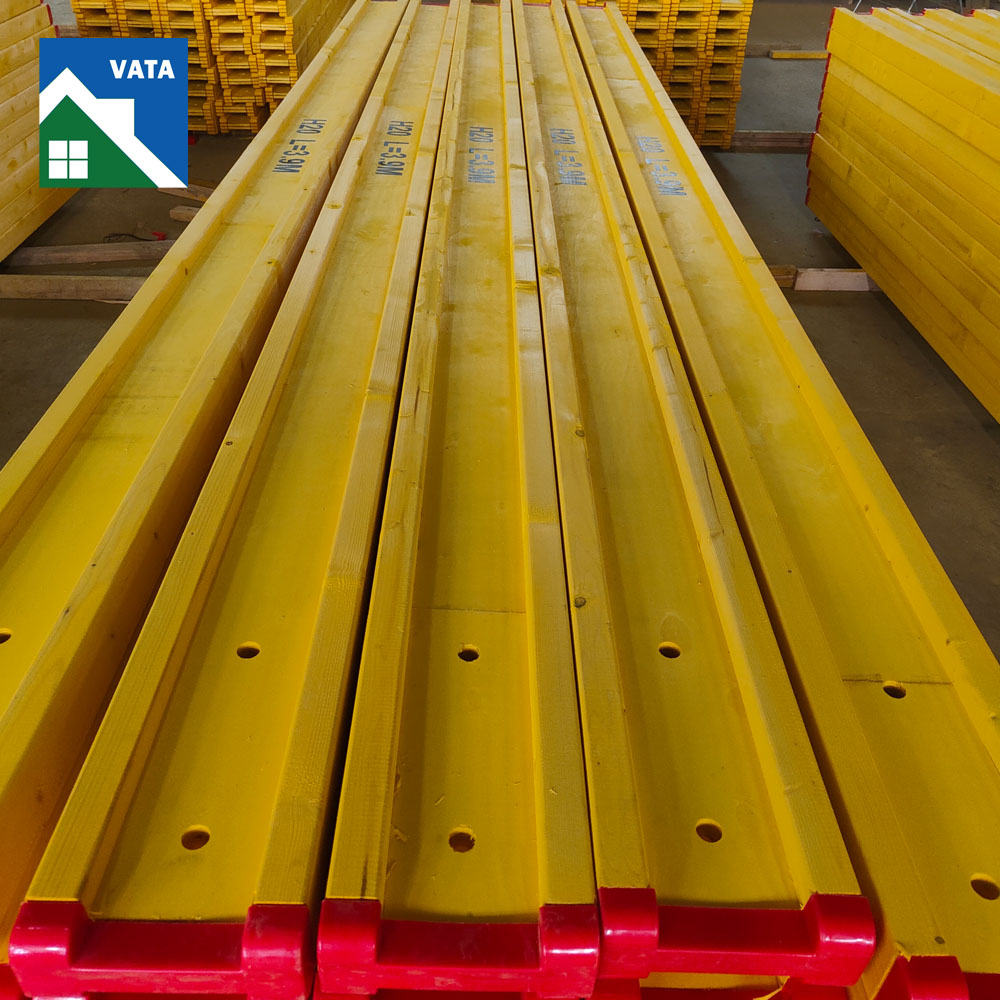
Manufacturer Reusable Yellow Painted H20 Wooden Formwork Beam with Plastic End Caps for Construction Building Projects
Frequently quoted alongside panel board for turnkey shuttering packages.
View product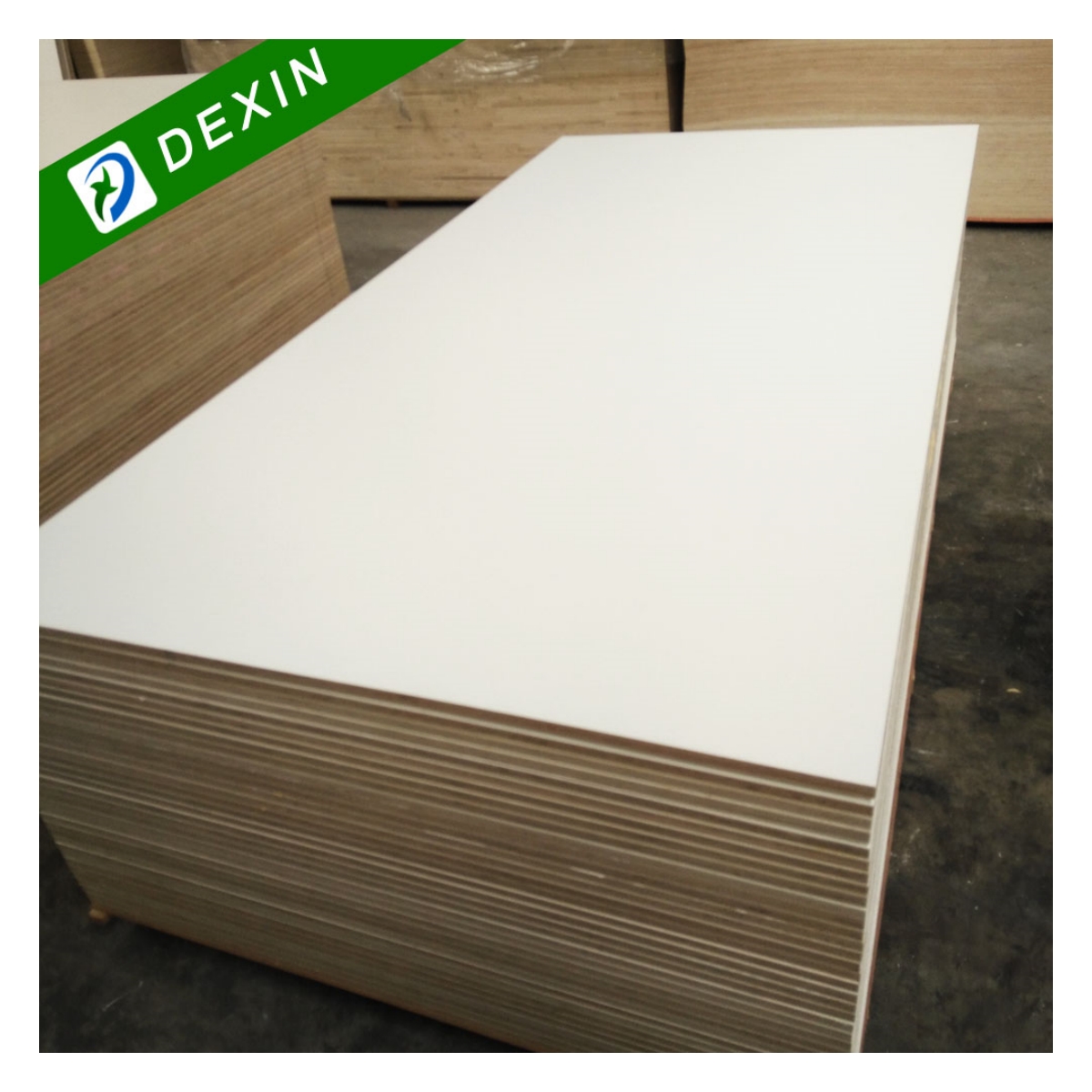
Good Quality 6mm 12mm 18mm Teak/Oak/Maple Melamine Plywood 1/2,3/4 in Flywood Sheet for Furniture
Where plywood is preferred over chipboard — visible carcasses, dry-fit joinery, load-bearing shelving.
View product
Customized Length Water Resistant Spruce Wooden H20 Timber Beam with 80x200mm for Concrete Formwork System
Custom lengths matched to your local scaffolding grid, cut before loading.
View productWhere Furniture Grade Chipboard Is Used in Baghdad
Every application below implies a different specification. Matching the board to the room, not just to the price, is what protects your reputation on site.
Kitchens & Wet Zones
Basin cabinets and dishwasher housings in Baghdad apartments need moisture-resistant cores, sealed edges and 18 mm carcass panels. A standard interior board will swell at the sink cut-out within one humid season — this is the single most common failure we see in after-sales feedback.
Bedroom Wardrobes
Full-height sliding-door wardrobes up to 2.4 m put flatness and dimensional stability ahead of every other property. Specifying 18 mm with double-faced lamination and a matching back panel prevents the bowing that homeowners notice first.
Office Fit-Out in Karrada & Mansour
Reception desks, workstations and storage walls in the commercial districts are built for heavy daily use. A 25 mm worktop with PVC edging replaces the 18 mm panel that sags under a printer within eighteen months.
Hotels, Cafés & Hospitality
Vanity units, headboards and bar fronts demand a defect-free decorative face and consistent colour across large batches. Locking in one production batch for the whole floor avoids shade drift between rooms.
Retail Shelving & Showrooms
Shelving carries point loads, so span and thickness matter more than surface decoration. A 25 mm shelf on a 900 mm span with proper edge-banding will outperform a 18 mm panel at almost the same cost per square metre.
Doors, Partitions & Joinery
Hollow-core door blanks and partition systems are produced from calibrated chipboard cores with hardwood stiles. Stable cores stop door leaves twisting on site after installation.
Five Trends Reshaping Chipboard Demand in the Baghdad Market
Panel specification in Iraq is being pushed by construction volume, air-quality awareness and the economics of container loading — not only by price.
- Fit-out demand is following the residential pipeline. Every new apartment block and hotel handed over in Baghdad needs kitchens, wardrobes and reception furniture almost immediately, which pulls panel demand forward by months.
- Furniture manufacturing is shifting from solid timber to engineered board. Local workshops are investing in edge-banders and CNC routers, and those machines only pay back on consistent, calibrated board.
- Indoor air quality has entered the buying decision. Iraqi end users increasingly ask about formaldehyde and smell. Specifying E1 as a minimum and E0 for premium projects is becoming a competitive argument for the supplier, not just a compliance obligation.
- Heat and humidity tolerance sells. With summer temperatures near 50°C and a humid winter, board shipped at controlled moisture content clearly outperforms board shipped “wet”. Buyers who learn this once rarely accept anything else.
- Mixed containers are the new normal. Exchange-rate pressure makes a full container of one SKU risky, so importers combine furniture board, MDF, film faced plywood and decorative panels into one load — which means the supplier's product breadth matters as much as the price.
Quick Specification Table for Baghdad Orders
Typical production ranges from our Linyi base. Final tolerances, grades and test reports are confirmed on each order.
| Product | Standard Size | Thickness | Core / Surface | Glue & Emission | Typical Baghdad Application |
|---|---|---|---|---|---|
| Furniture Grade Chipboard | 1220×2440 mm (4×8 ft) | 9–25 mm | Wood particle core, melamine faced one or two sides | E1 / E0 / E2 | Wardrobes, kitchen carcasses, office storage |
| Moisture-Proof MDF | 1220×2440 mm | 9–18 mm | MDF core with green HMR option, melamine face | E1 / E0, CE | Bathroom vanities, kitchen units, utility rooms |
| Plain MDF / HDF | 1220×2440 mm | 3–25 mm | Raw calibrated, sanded, paint grade | E1 / E2 | Lacquered doors, CNC routed panels, shop fitting |
| Melamine Plywood | 1220×2440 mm | 6 / 12 / 18 mm | Poplar or eucalyptus core, teak / oak / maple decor | E1 / E2, MR / WBP | Visible carcasses, shelving, dry-fit joinery |
| Film Faced Plywood | 1220×2440 mm | 9–21 mm | Poplar / eucalyptus core, brown or black film | WBP phenolic | Concrete formwork on the same project sites |
| H20 Timber Beam | 80×200 mm, custom length | Profile fixed | Spruce, yellow painted, plastic end caps | Water resistant | Shuttering systems for contractors |
| WPC Wall Cladding | Custom length | Profile dependent | Wood-plastic composite, co-extruded fluted | Waterproof composite | Villa facades, hospitality interiors |
Sizes, thicknesses and emission grades are matched to your destination market before production begins.
Why a Baghdad Importer Would Choose KUDE
Claims are easy. Verifiable manufacturing facts, certificates and documentation are not.
Real Factory Roots Since 1998
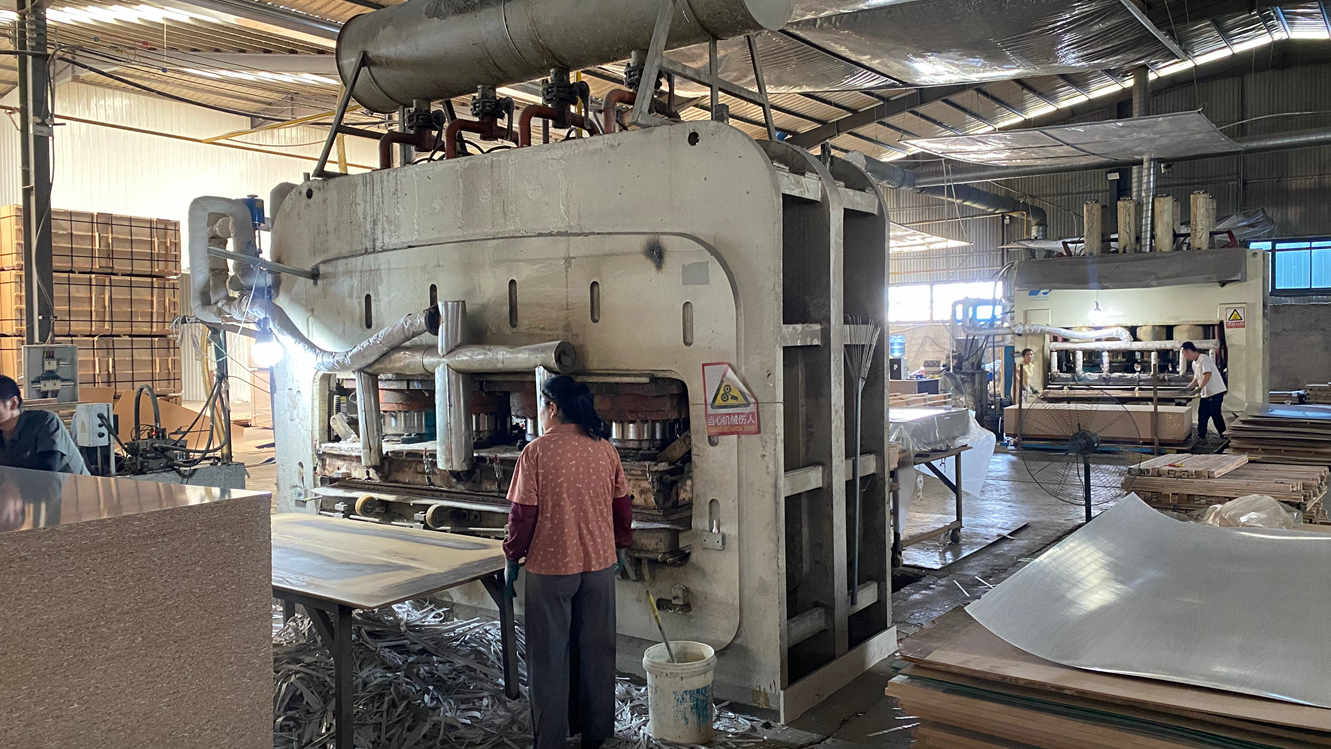
A manufacturing group founded in 1998 inside Linyi, Shandong — China's largest wood-based panel cluster — with 30+ machine sets, 30,000 m² of workshops, 300+ workers and 60,000 m³ annual output.
Certified and Third-Party Assessed
CE, ISO 9001, ISO 14001, FSC and CARB credentials, with a supplier profile that has passed an on-site assessment by SGS. Emission grades E0, E1 and E2 are available.
Specification Customisation
Sample-based, design-based and full customisation: size, thickness, core species, face veneer or decor, glue type, logo printing and export packaging — confirmed before the first panel is pressed.
Export-Ready Logistics
FOB, CFR, CIF and EXW terms; T/T and L/C in USD, EUR or CNY; seaworthy pallet packing, full export documentation and loading photographs for every container.



Six Checks That Protect a Baghdad Container Order
Experience-based verification steps, applied to every batch before it leaves the workshop.
Veneer & Particle Selection
Core material is graded and its moisture checked before gluing. Wet chips are the root cause of delamination months later.
Gluing & Hot Pressing
Controlled glue spread and press cycles determine internal bond strength — the value that decides whether the board survives routing.
Calibration & Sanding
Thickness is calibrated to tolerance and faces are sanded evenly so the melamine paper bonds flat without telegraphing the core.
Lamination & Edge Sealing
Decorative faces are pressed under controlled temperature and pressure, then edges are sealed to limit moisture ingress in transit.
Batch Inspection
Thickness, flatness, bonding, surface defects and emission documentation are checked against the confirmed specification.
Packing & Loading
Export pallets, steel strapping, corner protection and loading photographs — so what arrives in Umm Qasr matches what left Linyi.
From Linyi to the Baghdad Market
Understanding the route is part of understanding the price.
Orders are produced in Linyi, Shandong and trucked to northern Chinese seaports such as Qingdao for container loading. From there, ocean freight typically runs to Umm Qasr in the Persian Gulf, with onward road transport to Baghdad; alternative routings via Mersin or Aqaba are used by some buyers depending on cost and schedule. Transit time and final cost should always be confirmed with your freight forwarder at the time of booking.
What a supplier can control is everything before the vessel sails: accurate loading plans, correct pallet counts, moisture protection inside the container, clear marks and numbers, and a full document set. Those are the details that decide whether a container clears smoothly or sits in port accruing costs.
Questions Baghdad Buyers Ask Most Often
The practical questions that come up in almost every first conversation with an Iraqi importer or workshop owner.
What exactly is “furniture grade” chipboard, and how is it different from construction board?
Furniture grade chipboard is a particle board engineered for interior joinery: higher density for screw holding, tighter thickness tolerance for cabinet joints, evenly sanded faces for melamine lamination, and controlled moisture content for dimensional stability. Construction board is optimised for different priorities. They are not interchangeable, and a quotation that does not state density, internal bond and thickness tolerance is not a furniture grade quotation.
Which thicknesses should a Baghdad cabinet workshop stock?
Most workshops work comfortably with 18 mm for carcasses and doors, 25 mm for worktops and shelving, 9 mm or 12 mm for drawer bottoms and back panels, and 3 mm to 5 mm for backing. Starting with 18 mm and 25 mm covers the majority of kitchen and wardrobe work in the city.
Is E1 enough for the Iraqi market, or should we insist on E0?
E1 is the accepted baseline and is sufficient for most contract work. E0 is specified for premium residential projects, enclosed bedrooms, schools and hospitality interiors where indoor air quality is part of the client's brief. We supply E0, E1 and E2 grades, and the grade is written on the proforma invoice so there is no ambiguity at inspection.
Will chipboard survive Baghdad's summer heat?
Yes, when two conditions are met: the board must be shipped at controlled moisture content, and edges must be sealed with PVC or ABS banding after cutting. Heat alone is rarely the problem — moisture swings combined with unsealed edges are. Kitchen and bathroom units should additionally use a moisture-resistant core.
What is the minimum order quantity, and can we mix products in one container?
MOQ depends on the product line, typically from 50 to 500 sheets. Because we manufacture across plywood, MDF, chipboard, film faced plywood and decorative wall panels, several specifications can be combined in a single container after the details are confirmed with our sales team.
Which payment methods and trade terms do you accept?
We accept T/T and L/C in USD, EUR or CNY, and work on FOB, CFR, CIF and EXW terms. The exact combination is agreed before production scheduling, alongside the loading plan and the delivery window.
Can you customise size, thickness, decor, logo and packaging?
Yes. We offer sample-based, design-based and full customisation covering size, thickness, core species, face veneer or decor, glue type, logo printing and export packaging. Custom colours and wood grains are matched against a physical sample or an approved reference before bulk production.
How do we verify quality before the container ships?
Three practical steps: approve a physical sample with the specification attached, require the key values (density, thickness tolerance, moisture content, emission grade) to appear on the proforma invoice, and request loading photographs plus container seal details before departure. Our group's credentials — CE, ISO 9001, ISO 14001, FSC, CARB and an SGS on-site assessment — give you a documented starting point for that verification.
Where is the factory located and how long has it been exporting?
The manufacturing group is based in Linyi, Shandong, China's largest wood-based panel production cluster, founded in 1998. The export platform, Linyi KUDE International Trading Co., Ltd., has more than 15 years of export experience and ships to more than 30 countries and regions including the Middle East, Africa, Southeast Asia, Europe and the Americas.
Planning a Furniture Board Container for Baghdad?
Send your thickness, emission grade, decor preference, quantity and destination port. Our export team replies with a technical proposal, a loading plan and a quotation built around the specification — not a generic price list.