Eight Product Lines for Gloss Melamine and Interior Panel Projects
Below are eight product lines the KUDE factory and export team can quote for Australian buyers. Some are direct gloss melamine surfaces; others are companion boards for cabinetry, wet-area construction, fit-out and formwork. Each link points to the original product page so your technical team can review details before requesting a sample, specification sheet or mixed-container quotation.

16mm 15mm 12mm 18mm Eco-Friendly Modern MDF Board with Blanco Single/Double Sided Melamine Covering for Cabinet
Recommended for gloss cabinet doors, drawer fronts and wardrobe panels in Australian kitchen and laundry projects. The dense MDF core supports a uniform melamine face, while single- or double-sided covering allows visible and hidden faces to be specified separately. Discuss E0/E1 grade, board thickness, edge sealing and balancer sheets before ordering.
View product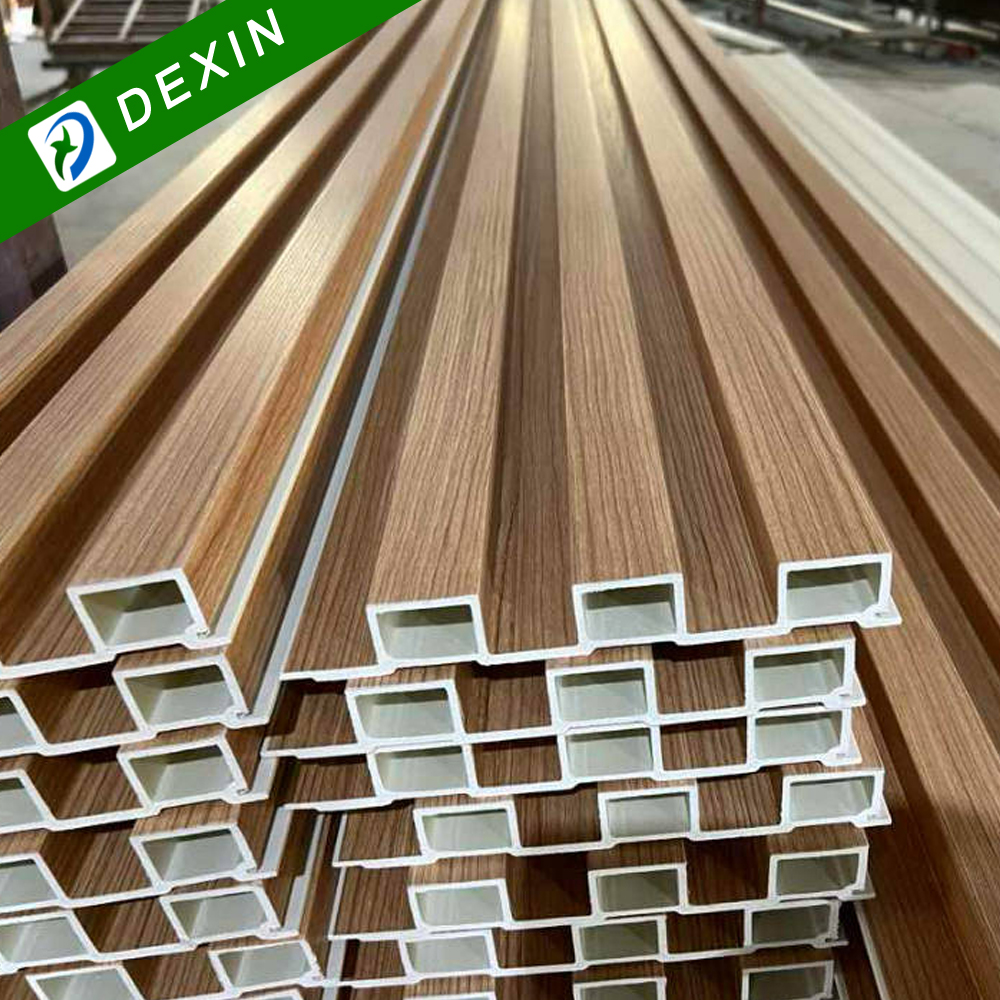
Modern Wall Cladding Home Background PVC WPC Wall Panels Interior Decorative Wall Panel for Hotel
A companion decorative range for residential feature walls, hotel corridors and retail interiors. WPC wall panels are lightweight, water-resistant and fast to install, making them useful when a project pairs gloss cabinetry with a practical wall finish. Confirm profile, colour, trim and substrate requirements; they are not a substitute for structural or cabinetry-grade boards.
View product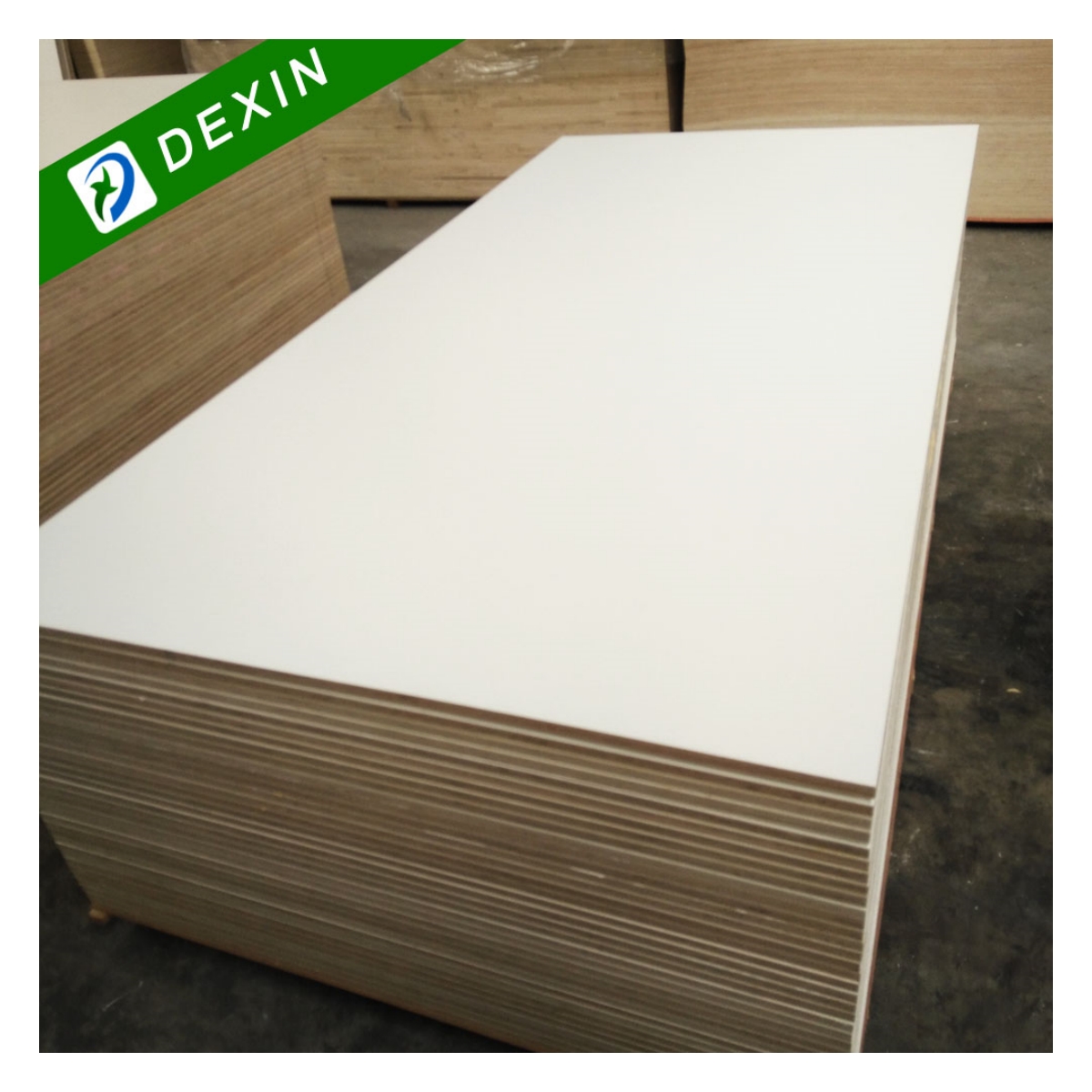
Good Quality 6mm 12mm 18mm Teak/Oak/Maple Melamine Plywood 1/2,3/4 in Flywood Sheet for Furniture
For furniture and joinery that benefits from plywood's screw-holding and dimensional stability, melamine-faced plywood is available with teak, oak or maple effects in 6mm, 12mm and 18mm formats. Australian furniture makers can use it for carcasses, bench supports, cabinet backs and fit-out panels where a decorative face is required.
View product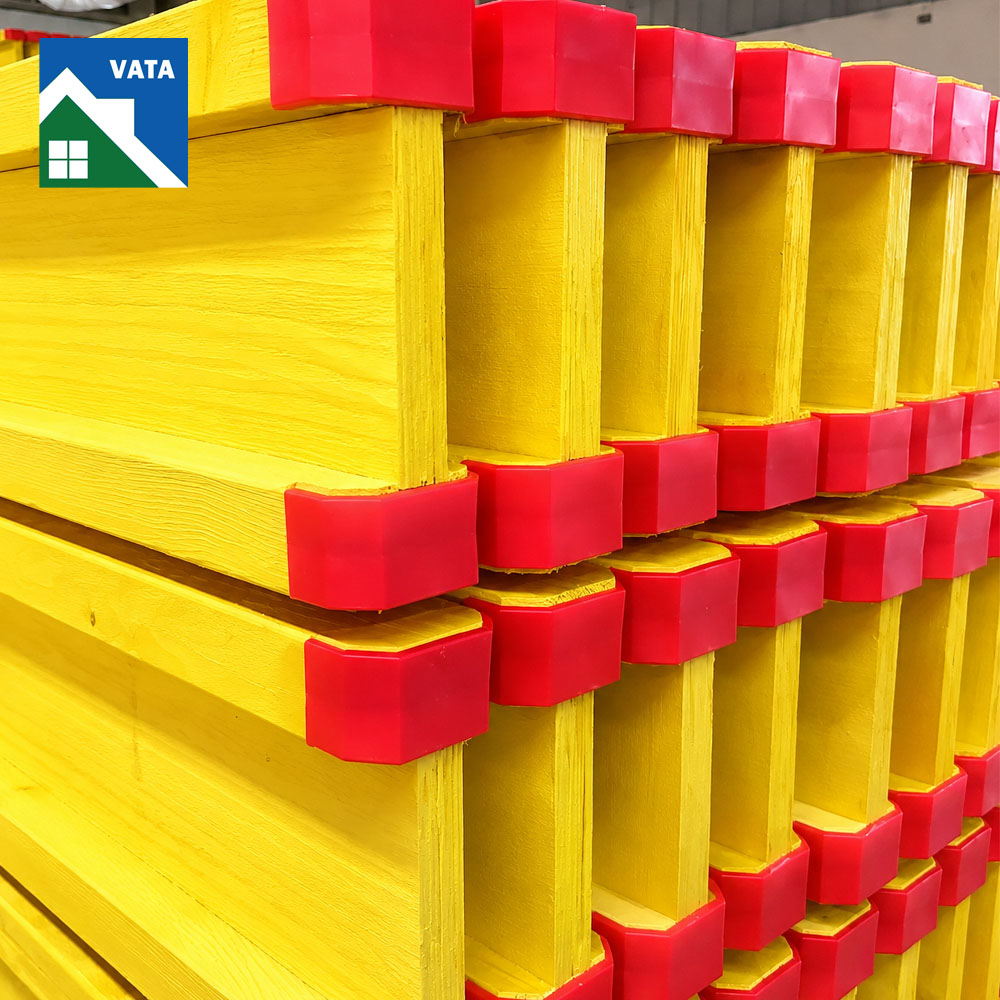
Wholesale Heavy Duty Wooden I-Beams Durable Spruce H20 Formwork Beams for Slab Formwork
A formwork product for builders and civil contractors rather than a decorative panel. Spruce H20 slab formwork beams support concrete pours and can be shipped together with film faced plywood and other construction boards. Australian buyers should verify load capacity, length, end protection and site handling with the project engineer before use.
View product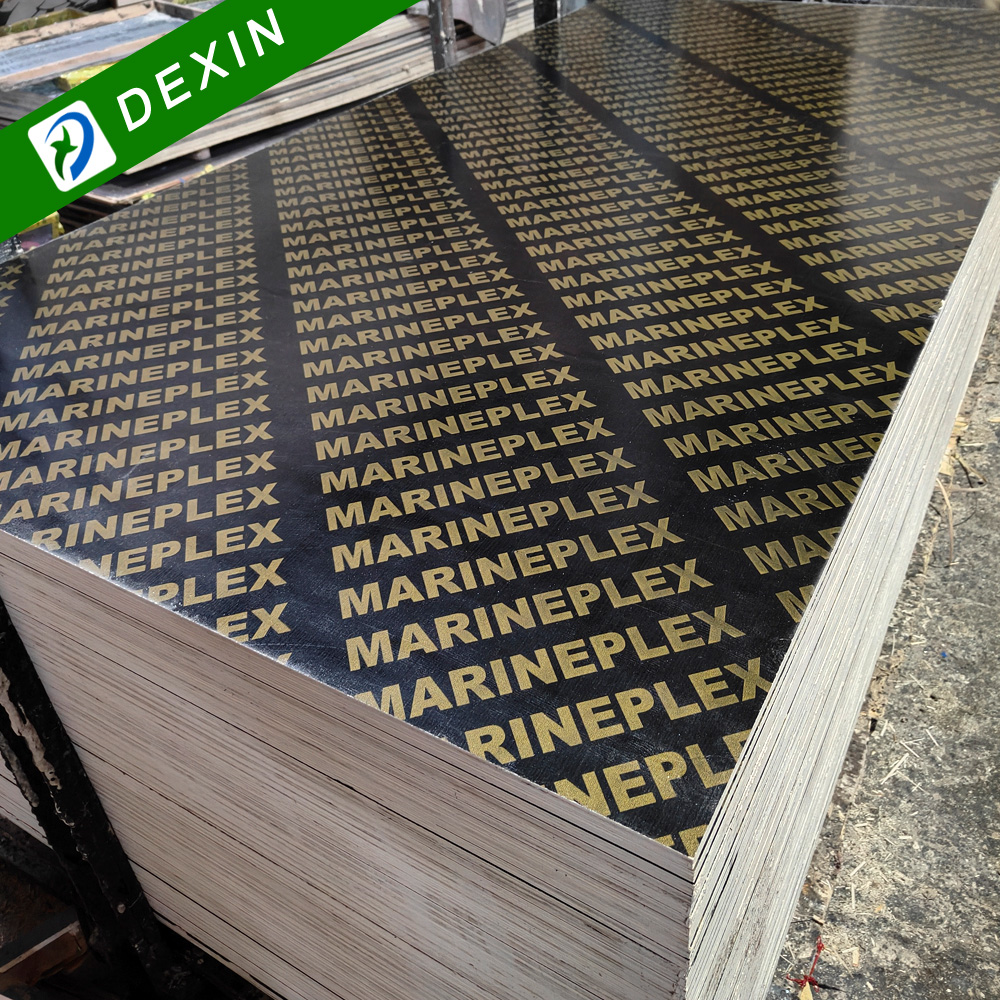
China Manufacturer 4x8ft Concrete Black Film Faced Plywood 9~25mm Marine Contreplaque Board for Construction
Black film faced concrete plywood in 4x8 ft format and 9–25mm thickness is aimed at off-form concrete and formwork projects. The phenolic film supports a smooth release surface and repeated use in wall, slab and column systems. For Australian construction, confirm film type, edge sealing, reuse target and release agent compatibility.
View product
Good Price 1200x2400x18mm Melamine Coated Plywood Custom Thickness Marine Board for Furniture
Melamine-coated plywood with a marine board option for furniture, wet-area joinery and projects requiring a more moisture-conscious core. Available in 1200x2400mm and 18mm as a reference specification, with custom thickness and surface options to be confirmed. Match the core, glue and coating to actual exposure, then protect cut edges and joints.
View product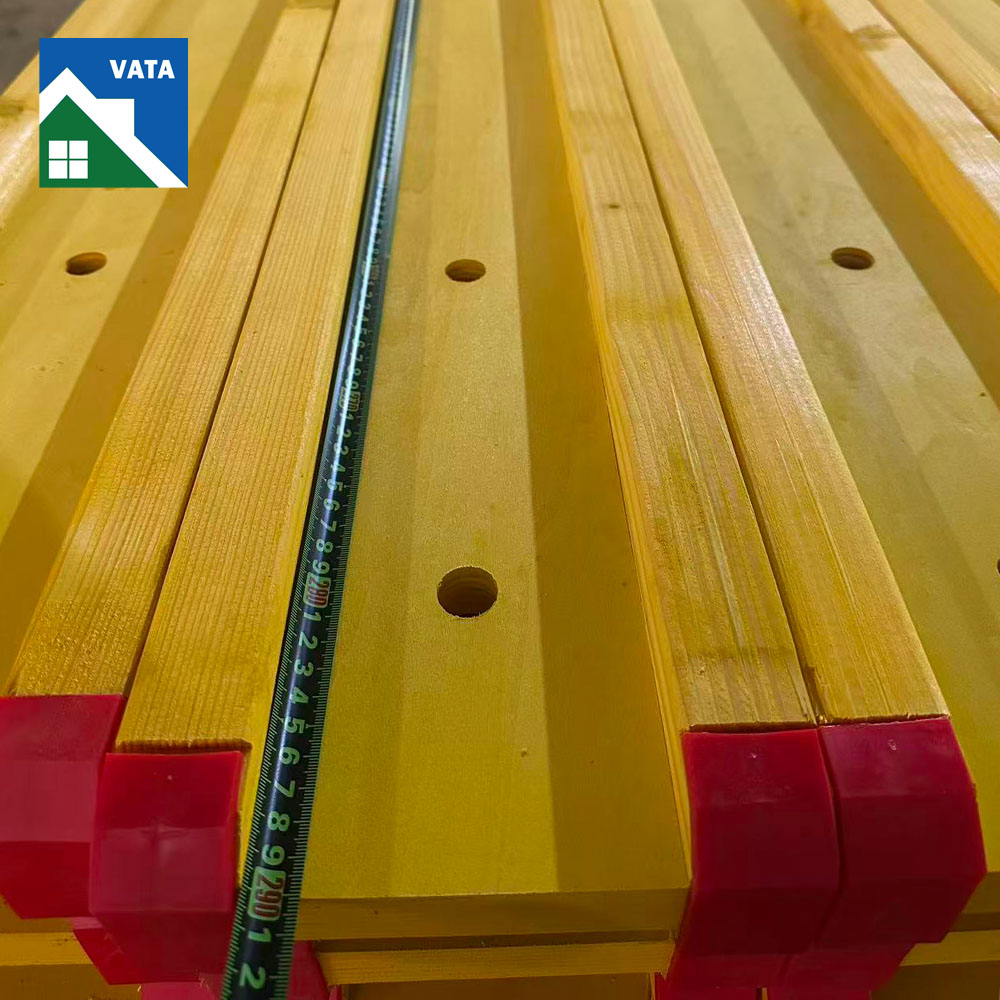
Custom Exterior Use Stable Timber Formwork Beams with WBP Glue Pine or Spruce Flange for Wall Formwork
Stable timber formwork beams with pine or spruce flange and WBP glue are designed for wall formwork and exterior construction use. They suit contractors that want beams and panels from one export supplier, with packing and loading planned around project stages. Verify beam dimensions, allowable loads and surface protection against the formwork design.
View product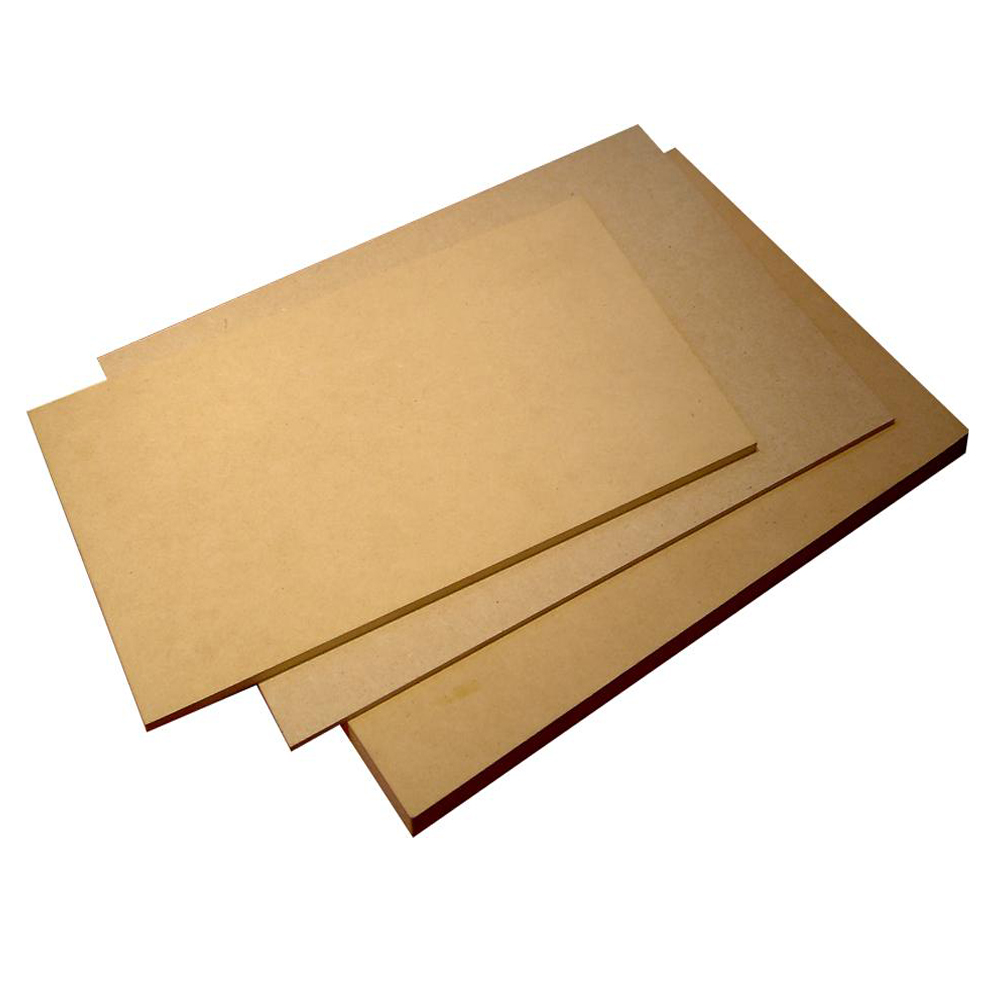
E0 E1 or E2 Glue Raw Thailand MDF Board with Cheap Price on Sale
Raw MDF in E0, E1 or E2 options is supplied as a substrate for local laminating, CNC routing, painting or finishing. Australian manufacturers can compare importing raw MDF and applying a local gloss finish against buying finished melamine boards from the factory. The decision usually depends on volume, colour range, freight cost and local surface control.
View productProduct images are reference views. Please request current samples, decor codes, thickness tolerance and available test documents before confirming an order.
A Factory-Direct Gloss Melamine Panel Programme Built for Australian Supply Chains
Gloss melamine panels are not simply decorative boards. In Australian kitchen, laundry, wardrobe and commercial fit-out work, the surface has to survive steam, repeated cleaning, coastal humidity, afternoon heat and the handling that happens between factory, container, warehouse and site. A successful import specification therefore connects three things: the core board, the melamine overlay and the documentation that proves the panel meets the project brief. KUDE's role is to align those three items before production begins.
Linyi KUDE International Trading Co., Ltd. is the export platform of a wood-based panel manufacturing group founded in 1998 in Linyi, Shandong, China's largest wood-based panel cluster. The group operates more than 30 sets of production machines in 30,000 m² of workshops, employs over 300 workers and reaches an annual output of 60,000 m³ of plywood, blockboard, MDF and particle board. With more than 20 years of production experience and about 15 years of export experience, the company supplies importers, distributors, contractors and furniture factories in more than 30 countries.
Australian buyers often ask for more than a colour match. They ask whether the board is E0 or E1, whether FSC material is available, whether CARB documentation can be supplied for relevant programmes, how edges will perform in a humid room, how the surface resists fingerprints and whether the packaging will satisfy DAFF and ISPM 15 expectations for timber packaging. We do not replace the buyer's own compliance review. Instead, we provide product data, samples and test documents so the buyer can verify the specification against the current National Construction Code, project drawings, builder requirements and Australian import conditions.
Because the Australian market spans tropical Queensland, temperate New South Wales, Victoria, South Australia and Western Australia, one universal panel specification is rarely enough. A Brisbane renovation may prioritise humidity tolerance and mould-resistant detailing; a Melbourne apartment project may prioritise low-emission boards and consistent colour across many units; a Perth shopfitting order may need fast replenishment and mixed products in one container. The recommendations below are therefore written as a sourcing guide, not a single fixed recipe.
Export facts for Australian buyers
- Factory base: Linyi, Shandong, China's wood-based panel cluster.
- Group profile: founded 1998; 30,000 m² of workshops; 300+ workers; 60,000 m³ annual output.
- Quality profile: CE, ISO 9001, ISO 14001, FSC and CARB; supplier profile assessed by SGS.
- Payment and terms: T/T and L/C in USD, EUR or CNY; FOB, CFR, CIF and EXW.
- Supply fit: melamine boards, raw MDF, plywood, WPC panels and formwork products in mixed programmes.
Where Gloss Melamine Panels Perform in Australian Projects
The same gloss board can behave very differently across applications. The specification should follow the room, the cleaning regime and the installation details — not just the colour chip.
Kitchens and laundries
In Australian kitchens, gloss melamine is most convincing when the substrate, overlay and edge treatment work together. Moisture from dishwashers, kettles and steam is not the same as standing water, but repeated exposure still punishes poorly sealed edges. Specify E0/E1 boards, seal cut edges, allow expansion and use appropriate adhesives and fixings. High-gloss white and light neutrals remain popular because they brighten smaller apartments and improve light reflectance.
Wardrobes and apartment fit-outs
Apartment and townhouse wardrobes need colour consistency, clean lines and reliable delivery across repeated stages. Gloss melamine panels can be cut and edged by local fabricators, or supplied in a programme with matching melamine plywood and raw MDF substrates. For multi-unit projects, lock a single decor code, gloss level, thickness and edge tape before the first cut list is released.
Shopfitting and hospitality
Retail and hospitality fit-outs demand fast turnaround and easy cleaning. Gloss melamine is used for counters, display cabinets, back-of-house shelving and joinery panels where a durable decorative surface is required. A factory-direct panel programme helps shopfitters hold a reserve of matching material for future maintenance and staged openings.
Healthcare and education
Schools, clinics and aged-care interiors favour surfaces that can be wiped, resist everyday marks and minimise emissions. The specification should include low-formaldehyde grade, cleanability, fire documentation and impact resistance. For wall applications, pair cabinetry boards with WPC or other decorative wall panels; for joinery, confirm the board grade and edging system with the builder.
Coastal and humid renovations
Coastal homes from northern Queensland to New South Wales require attention to moisture pathways, not just the word “waterproof”. Use sealed edges, ventilation, flashing and appropriate fixings, and choose a board and adhesive system that suits the room. Marine plywood, moisture-resistant MDF and WPC wall panels can form part of a layered strategy when normal interior melamine board is not suitable.
Modular and prefabricated construction
Prefabrication and modular bathroom or kitchen pods force the panel supplier to work to a repeatable cut list and consistent batch colour. A factory-direct programme can reserve material, inspect packed components and ship on a schedule that matches the Australian builder's installation sequence. This is especially useful when several modules must be completed before the site is fully ready.
Australia Market Trends That Shape the Buying Brief
Australian procurement is becoming more specific. The winning supplier is not simply the one with the lowest board price, but the one that can answer specification, compliance and delivery questions before they become site problems.
Low-emission procurement
Australian specifiers increasingly ask for E0/E1 low-emission boards, FSC where relevant and documented test results. Treat these as questions to verify, not a slogan: confirm test method, product scope and whether the paperwork matches the exact board being supplied. For broad projects, early documentation review prevents late-stage substitutions.
Gloss used with restraint
Gloss remains strong in kitchen and joinery design, especially for white and warm neutral doors, but Australian designers often pair it with matte walls, timber grain and stone texture. Suppliers need a decor range that can support this layered look rather than selling gloss in isolation. Samples should be viewed under both showroom and natural light.
Anti-fingerprint expectations
Gloss is valued for light and cleanability, yet visible marks are a common complaint. Buyers now ask about surface additives, cleaning instructions and sample testing. For high-touch doors, compare gloss melamine with PET or UV options from the wider KUDE range and choose after a physical sample review rather than a digital image.
Batch consistency
Multi-unit residential and shopfitting work exposes batch variation. Lock a colour code, gloss level and resin/paper source, request approval samples and keep reserve stock. Mixing factories mid-project can create costly rework. A reliable exporter should be able to discuss how a repeat order will be matched and packed.
Cleaner logistics planning
Australian importers need to plan around port schedules, quarantine requirements and packaging compliance. Wood packaging should meet ISPM 15 where applicable, and product documentation should match the goods. Early planning with the supplier reduces demurrage, inspection delays and rework at the warehouse.
Mixed containers and working capital
With freight costs and working capital under pressure, Australian distributors combine gloss melamine MDF, plywood, WPC panels and raw MDF in one load after confirming minimum order quantities with the exporter. Mixed containers widen a product range without multiplying supplier management — provided the loading plan is agreed before production.
KUDE Factory and Export Advantages for Australian Importers
KUDE's value to an Australian buyer is not a single low price. It is the ability to match a factory specification to a real installation, then repeat it with documented materials, consistent packing and practical export communication.
Own production lines
Peeling, gluing, hot pressing, sanding, laminating and packing are managed within the group's production network. This reduces middleman markup and gives the export team clearer visibility of thickness tolerance, surface quality and loading dates. The group operates more than 30 sets of production machines.
Verified quality profile
CE, ISO 9001, ISO 14001, FSC and CARB certifications are part of the group's quality and compliance profile, and the supplier profile has been assessed by SGS. Final documentation is matched to the ordered product; buyers should always check scope and validity for the destination and project.
OEM / ODM customization
Sample-based, design-based and full customization covers size, thickness, core species, face veneer or decor, glue type, logo printing and export packaging. For gloss melamine, that means aligning board grade, gloss level, colour, balancer and edge tape before mass production — not after the container has loaded.
Export-ready logistics
FOB, CFR, CIF and EXW terms are available, with T/T and L/C payments in USD, EUR or CNY. Orders load through northern China ports such as Qingdao, with export packing and loading photos provided so the buyer can verify the shipment before departure.
Broader product range
The wider range includes commercial plywood, film faced plywood, melamine plywood, fancy plywood, UV MDF, PET MDF, plain MDF, bamboo charcoal board and WPC wall panel. Australian importers can combine cabinetry boards, wall finishes and construction panels in one sourcing conversation.
Repeatable programme
For distributors and project contractors, the most valuable advantage is repeatability: approved samples, fixed specifications, reserve stock and consistent packing. This is especially important when Australian cabinet makers need the same decor across repeat orders over several months and cannot risk a visible colour shift.
Quick Specification Reference for Gloss Melamine and Companion Panels
Use this table to prepare a clearer enquiry. Final size, thickness, core, face, glue and grade must be confirmed for each order and checked against current Australian project requirements.
| Product | Typical reference size | Thickness / profile | Face or core | Australia-focused notes |
|---|---|---|---|---|
| Gloss melamine MDF | 1220×2440mm or 1200×2400mm reference | 12 / 15 / 16 / 18mm | MDF core; single or double melamine face | Kitchen, wardrobe and shopfitting; confirm E0/E1, gloss level, edge sealing and balancer sheet. |
| Melamine plywood | 1220×2440mm | 6 / 12 / 18mm | Plywood core; teak, oak or maple effect | Furniture carcasses and fit-out panels; discuss screw-holding, face grade and core species. |
| Raw Thailand MDF | 1220×2440mm | 3–25mm | Raw sanded MDF; E0 / E1 / E2 options | Local lamination, CNC routing or painting; compare landed cost against finished melamine board. |
| Melamine marine plywood | 1200×2400mm or 1220×2440mm | 18mm reference; custom on request | Marine board option with melamine coating | Use only where the core, glue and coating match the real exposure; seal cut edges and joints. |
| Film faced plywood | 1220×2440mm (4×8 ft) | 9–25mm | Black phenolic film; poplar or eucalyptus core | Concrete formwork; confirm film type, reuse target and release agent compatibility. |
| H20 formwork beams | Project-specific | Spruce H20 profile | Structural timber beam | Slab formwork; verify load capacity and site handling with the project engineer. |
| Timber formwork beams | Project-specific | Custom | Pine or spruce flange; WBP glue | Wall formwork and exterior construction; confirm dimensions, end protection and allowable loads. |
| WPC wall panel | Custom length | Profile-dependent | Wood-plastic composite with decorative film | Feature walls and ceilings; confirm trims, fixing method and substrate for Australian interiors. |
Australia Procurement FAQ for Gloss Melamine Panels
These are the questions Australian importers, joiners, shopfitters and contractors ask most often when comparing a factory-direct panel supplier with local stock or a trading company.
Do you supply E0/E1 gloss melamine panels for Australia?
Can you ship to Sydney, Melbourne, Brisbane, Fremantle and Adelaide?
What is the MOQ and can I mix products in one container?
How are gloss surfaces protected during packing and shipping?
Can I get samples and colour matching before ordering?
What should we specify for humid or coastal Australian projects?
What certifications and quality documents can KUDE provide?
What payment terms, lead times and packaging should Australian buyers plan for?
Request a Gloss Melamine Panel Quotation for the Australian Market
Send the panel type, thickness, gloss level, decor, quantity, destination port and required documentation. Our export team will reply with a technical proposal, packing plan and recommended product mix for your Australian project or distribution programme. Email: info@kudeplywood.com