Laminated Chipboard Factory & Wholesalers serving Shiraz
A technical sourcing guide for Shiraz wholesalers, cabinet makers, contractors and fit-out companies comparing laminated chipboard, melamine MDF, laminated plywood and WPC wall cladding.
What Shiraz buyers actually need from a laminated panel supplier
Search demand for “laminated chipboard factory Shiraz” is rarely a request for a single board. It usually combines four buying intents: a verified factory source, a wholesaler who can consolidate mixed panel orders, a specification that performs in Shiraz’s dry summers and cool winters, and documentation that clears import and project approval.
For architects, cabinet makers and building-material distributors in Fars Province, the safest route is to compare substrate, lamination, edge sealing, emission class and export packing before comparing price per sheet. A low-cost board with weak edges, variable colour or unclear formaldehyde documentation often creates more cost after installation than it removes at the quotation stage.
Linyi KUDE International Trading Co., Ltd. is the export platform of a wood-based panel manufacturing group founded in Linyi, Shandong, in 1998. Linyi is China’s largest wood-based panel cluster, giving buyers short supply chains for veneer, glue, core materials and film. The group operates more than 30 machine sets in 30,000 m² of workshops, employs over 300 people and produces 60,000 m³ of plywood, blockboard, MDF and particle board annually.
Shiraz buyers often need both volume and variety: 18 mm melamine-faced boards for kitchen and wardrobe production, 16–18 mm laminated chipboard for flat-pack and shelving, film-faced plywood for concrete formwork, and WPC cladding for terraces, cafés and retail facades. KUDE can combine these product families in one sourcing programme, with E0/E1/E2 grades, custom sizes and export packing confirmed per order.
This guide separates product recommendations from specification logic. The product cards use the exact product routes available from KUDE; the comparison table and FAQ then explain how to match boards to Shiraz projects without paying for unnecessary performance or overlooking moisture, emission and edge-sealing risks.
At a glance: KUDE supply fit for Shiraz wholesalers
- Factory-direct source since 1998, based in China’s largest panel cluster
- 30,000 m² workshops and 30+ production machine sets
- CE, ISO 9001, ISO 14001, FSC and CARB certification group
- Supplier profile assessed on site by SGS
- OEM / ODM and sample-based, design-based or full customization
- FOB, CFR, CIF and EXW terms; T/T and L/C payments
Eight engineered panel products for Shiraz wholesalers and fabricators
Each product route below is relevant to a different part of the Shiraz market: volume furniture, moisture-resistant kitchen cabinetry, premium retail fit-outs, construction formwork and exterior wall cladding.
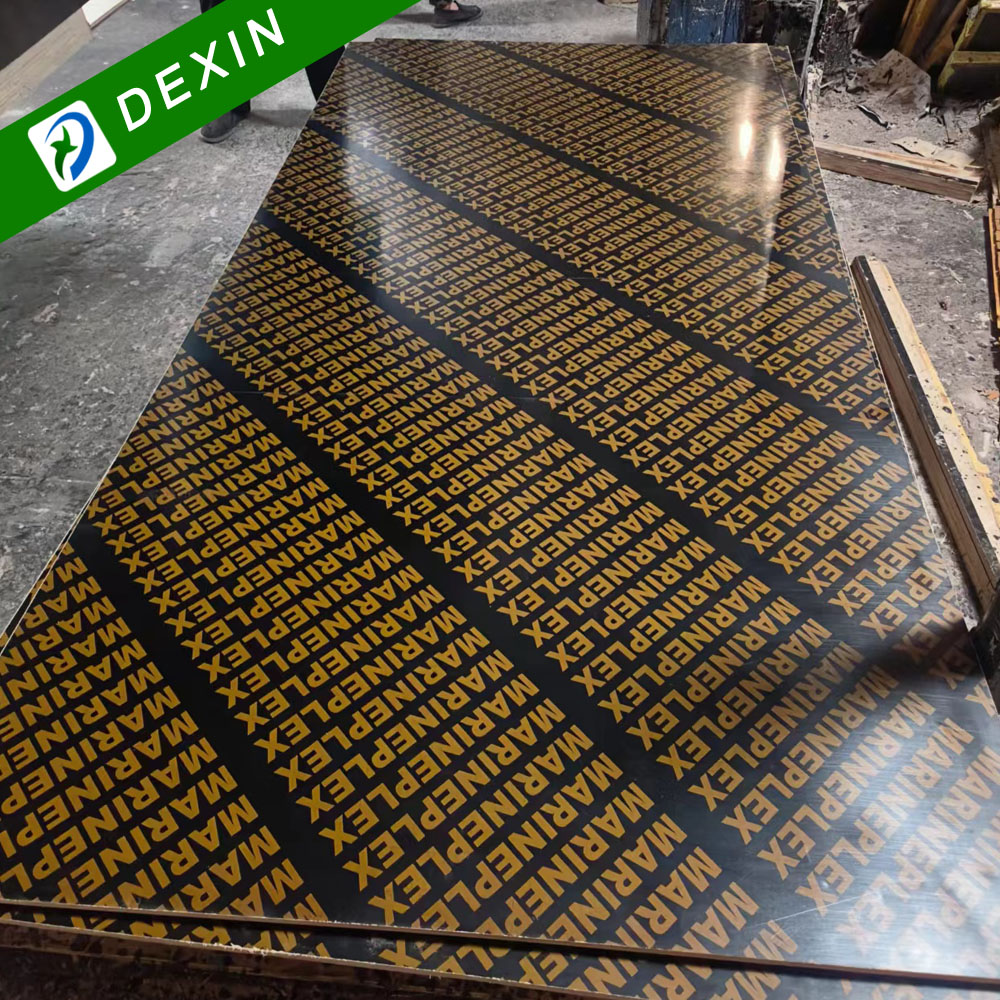
1220*2440* 15mm / 9mm / 12mm / 18mm Film Faced Plywood Marine Construction Formwork Board
A dense, reusable formwork board for concrete slabs, columns and walls. The phenolic film and WBP glue support repeated pours, while sealed edges reduce water ingress on Shiraz construction sites.
- 9–18 mm
- 1220×2440 mm
- WBP glue
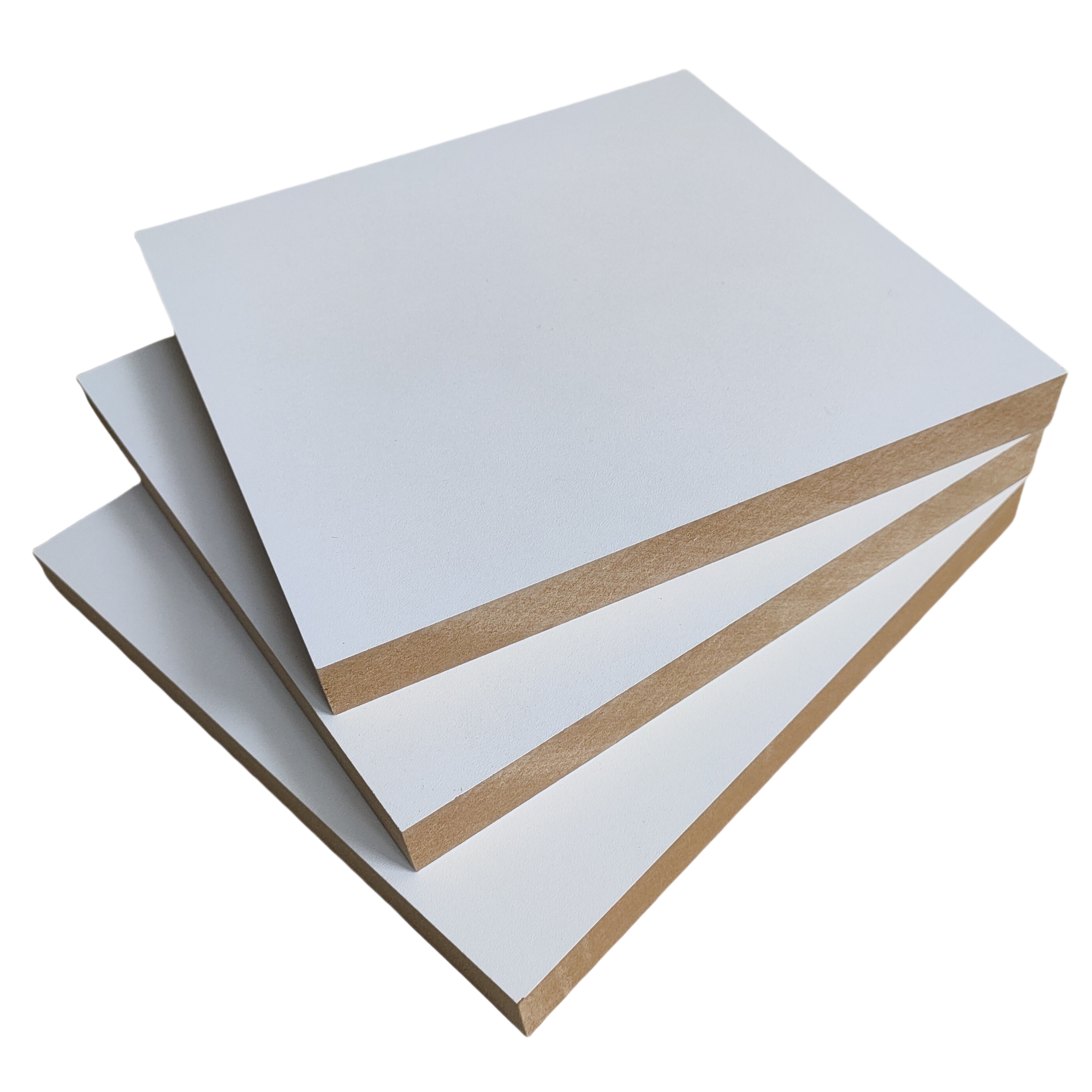
18mm Kitchen Furniture Use White Wood Fiber Board E1 Grade Melamine MDF/HDF Sheet Moisture-Proof
For kitchen cabinets, wardrobe carcasses and under-sink panels where a smooth white finish and moisture resistance matter. E1 grade supports interior use; specify HMR core and sealed edges for wet zones.
- 18 mm
- E1 grade
- White melamine
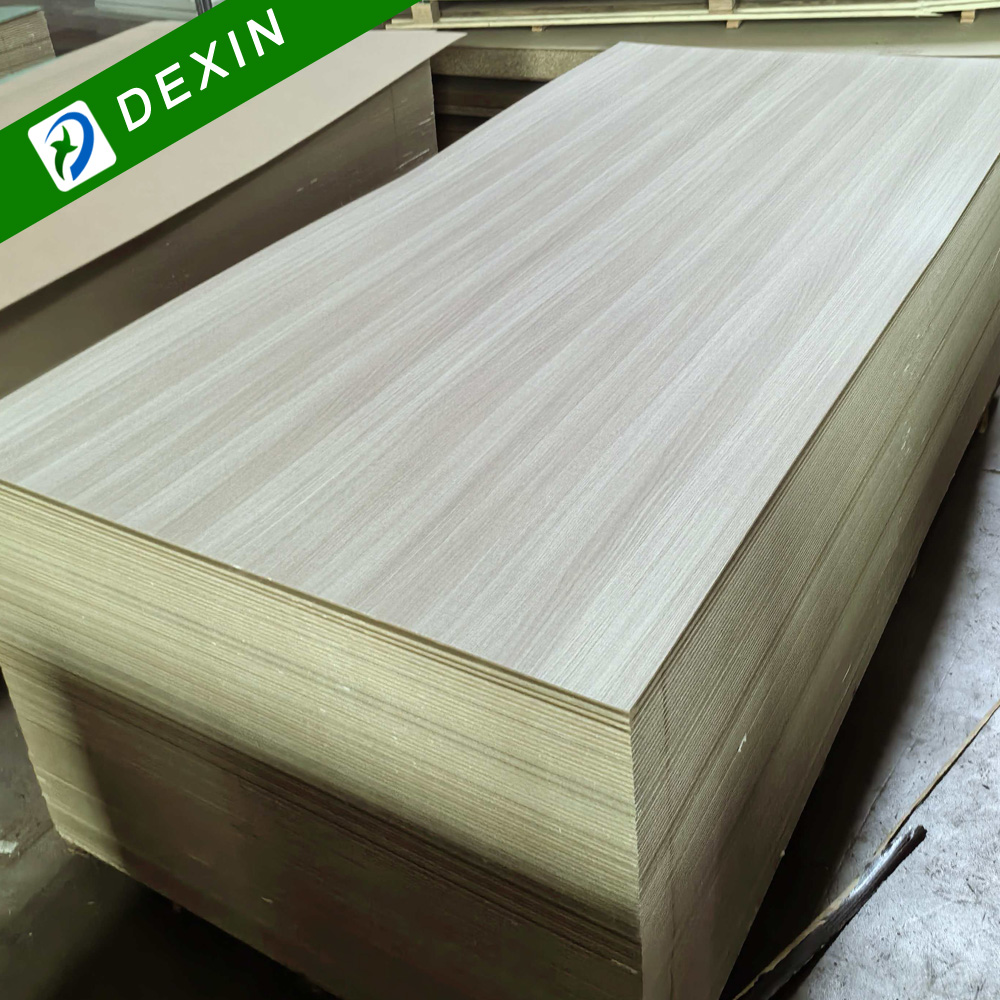
Moisture Resistant 4mm 15mm 17mm 18mm Melamine MDF Wood Panels 1220x2440mm White Textured MDF Melamine
A versatile decorative MDF for interior doors, wall units and office joinery. The textured white surface hides handling marks and accepts standard edge tape. Choose 4 mm for door skins and 17/18 mm for cabinet parts.
- 4–18 mm
- 1220×2440 mm
- Moisture resistant
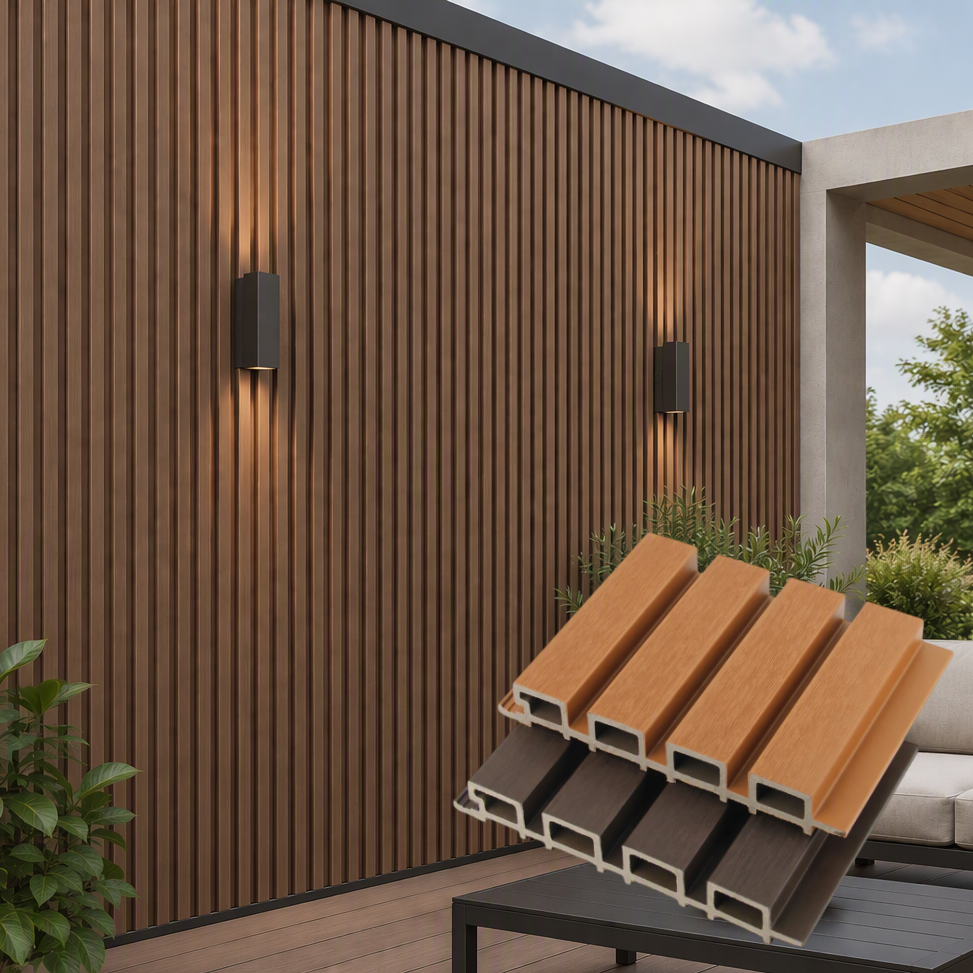
New Style Outdoor WPC Wall Cladding Panels Waterproof Villa Textured Co-Extruded Fluted Facade
A waterproof co-extruded WPC facade for villas, cafés, terraces and retail entrances. Fluted profiles add depth without stone weight, while hidden fixing supports fast renovation of exterior feature walls in Fars.
- Waterproof WPC
- Fluted profile
- Exterior facade
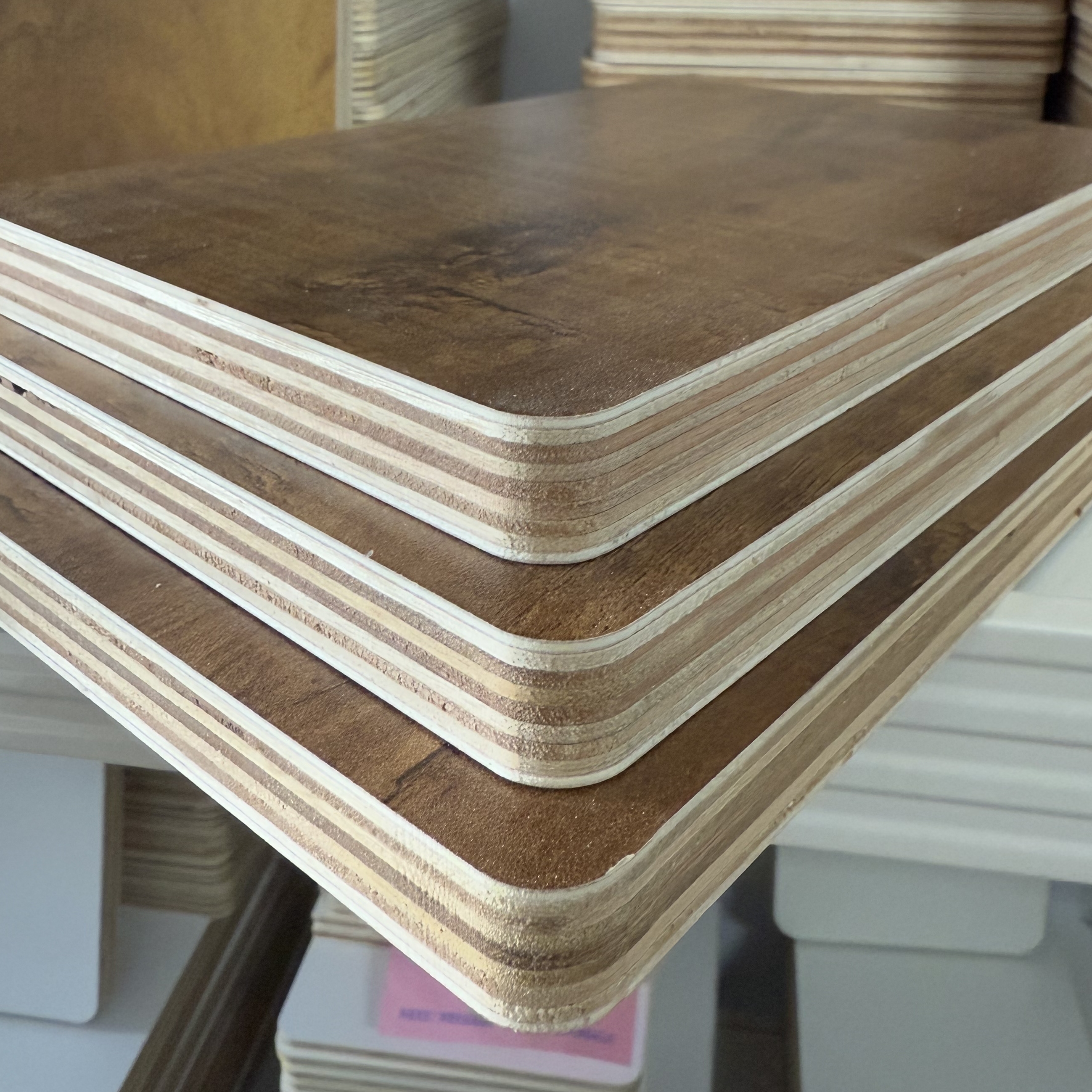
Waterproof White Wood Grain Marble Grain 4x8 18mm Ply Board Melamine Coated Marine Laminated Plywood Sheet for Furniture
Marine plywood with a melamine face in white, woodgrain or marble finish. The plywood core resists delamination better than standard chipboard in humid bathrooms, service counters and shop fixtures.
- 18 mm
- 4×8 ft
- Marine core

Good Price 1200x2400x18mm Melamine Coated Plywood Custom Thickness Marine Board for Furniture
A 1200×2400×18 mm furniture-grade panel for projects that need plywood strength plus a decorative finish. Custom thickness and laminate designs can be quoted for hotel, office and residential joinery.
- 1200×2400 mm
- 18 mm
- Custom thickness
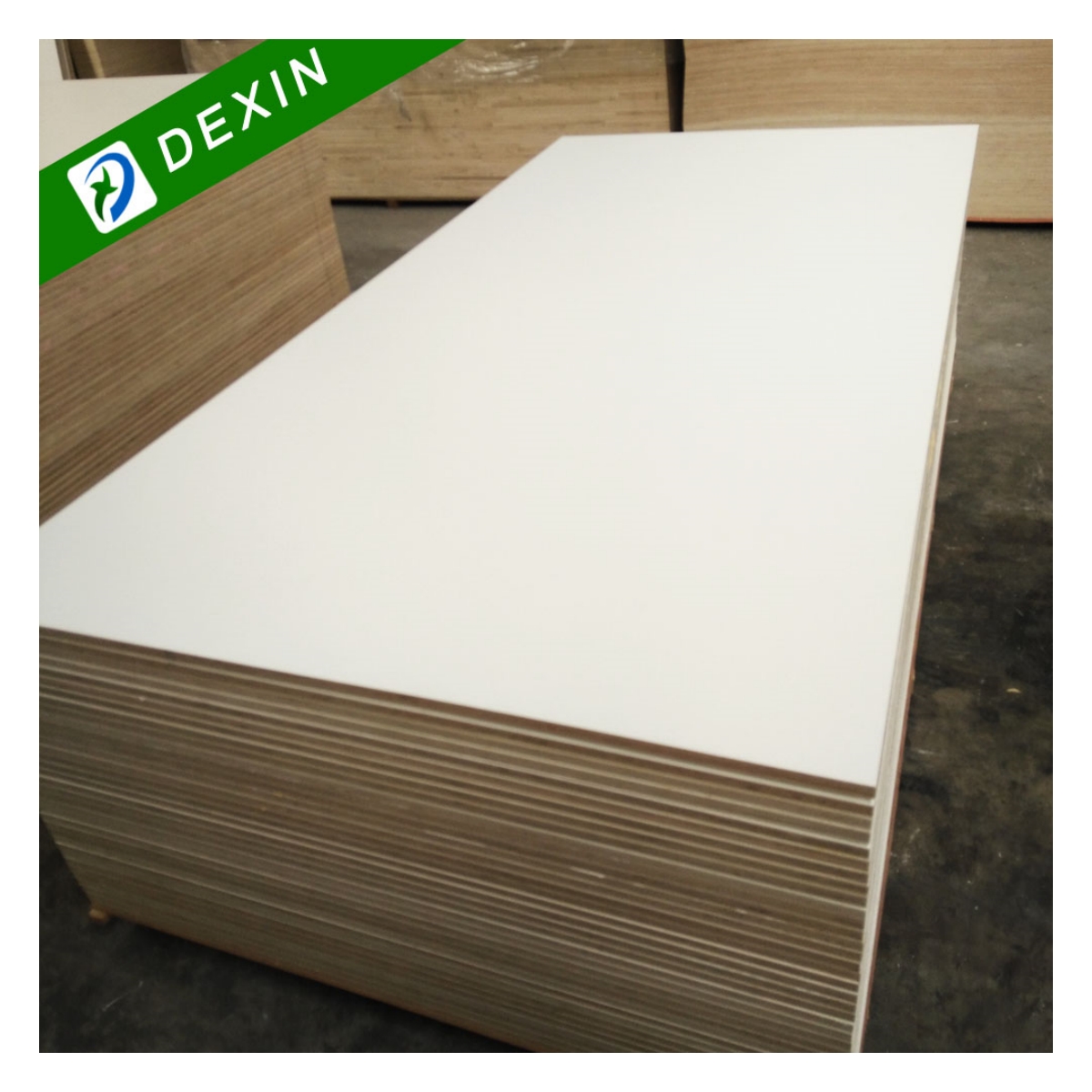
Good Quality 6mm 12mm 18mm Teak/Oak/Maple Melamine Plywood 1/2,3/4 in Flywood Sheet for Furniture
A premium veneer-look range in 6, 12 and 18 mm for cabinetry, display shelving and wardrobes. Suitable where natural timber tones are required but a consistent factory finish is preferred.
- 6/12/18 mm
- Teak / oak / maple
- Furniture grade
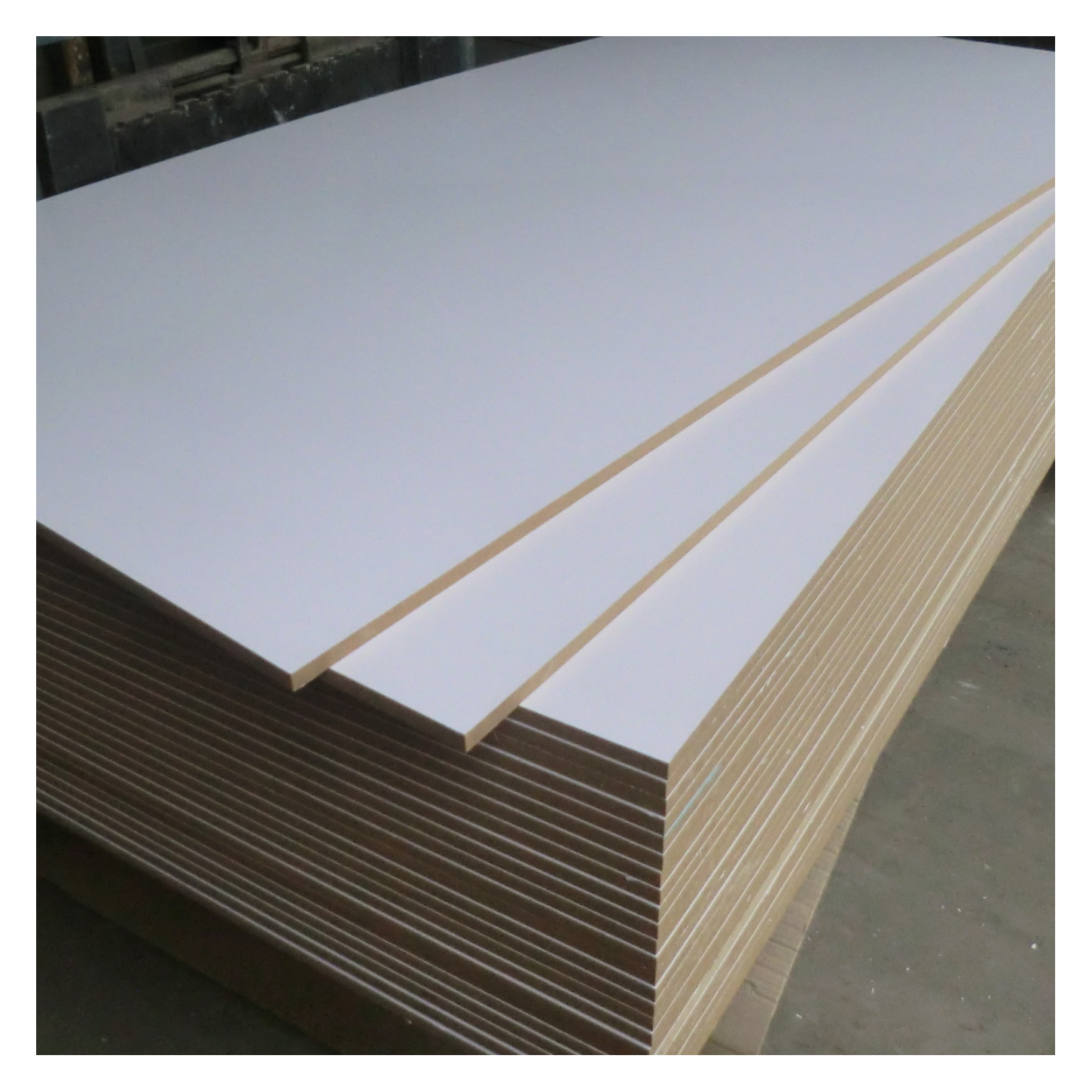
Wholesale E1 Grade Melamine Faced Moisture-Proof MDF Board for Kitchen Furniture Use 18mm Thickness CE Certified
A CE-certified E1 melamine-faced moisture-proof MDF for kitchen furniture and volume wholesale programmes. Standard 18 mm, 1220×2440 mm; suitable for distributors who need repeatable colour and stable supply.
- 18 mm
- E1 / CE
- Moisture-proof MDF
Laminated chipboard, melamine MDF or plywood: what fits which Shiraz project?
This is the practical comparison a wholesaler should use before quoting a furniture factory or contractor. The cheapest sheet is not always the lowest installed cost.
| Panel route | Best Shiraz use case | Moisture / durability note | Specification to lock before order |
|---|---|---|---|
| Laminated chipboard / melamine-faced particleboard | Volume flat-pack furniture, shelving, wardrobe carcasses and interior fit-out panels where flatness and cost efficiency matter. | Use a dense, moisture-resistant core for kitchens and ground-floor units. Seal cut edges and avoid standing water. Exterior use is not recommended. | Board density, thickness tolerance, melamine paper weight, E1/E0 emission, edge-banding quality and pallet packing. |
| Melamine MDF / HMR MDF | Kitchen cabinet doors, routed panels, wardrobe fronts, reception desks, wall units and painted or laminated joinery. | Smoother and more uniform than chipboard; HMR versions suit tea rooms, bathrooms and under-sink areas. Edges still require sealing. | HMR or standard core, face colour, gloss level, formaldehyde class, CNC routing suitability and screw-holding requirement. |
| Laminated plywood / marine plywood | Service counters, sink bases, hotel furniture, heavy shelving and projects where impact resistance or moisture exposure is higher. | Plywood’s cross-layered veneer core resists splitting and delamination better than standard chipboard. Marine grade plus edge sealing is best for wet zones. | Core species, WBP or MR glue, face veneer or melamine decor, thickness, void tolerance and edge sealing. |
| WPC wall cladding | Villa facades, café terraces, retail entrances, feature walls and fast renovation where a waterproof decorative finish is needed. | Waterproof composite resists rot and moisture; installation relies on correct fixing, expansion gaps and profile detailing. | Profile depth, colour fastness, fixing accessories, UV exposure and planning approval for exterior use. |
Technical note: laminated chipboard remains a useful volume material when the core density, moisture resistance and edge sealing are specified correctly. For wet areas, exterior facades and heavy structural furniture, buyers should move to HMR MDF, marine plywood or WPC rather than force a standard chipboard into the wrong environment.
Where laminated panels perform in Shiraz and Fars Province
Shiraz’s project mix rewards suppliers who can match decorative surfaces to real site conditions: dry summer air, winter cold snaps, dusty exteriors and kitchens that still need moisture protection.
Kitchen and wardrobe production
In Shiraz, kitchen and wardrobe makers often choose 18 mm melamine MDF or HMR chipboard because it is flat, stable and suited to CNC cutting. The critical details are core moisture resistance, melamine paper weight and edge banding. For sink cabinets and ground-floor units, specify sealed edges and HMR board; for upper cabinets, 16–18 mm is normally sufficient.
Hospitality, retail and café fit-outs
Boutique hotels, cafés and retail stores around Shiraz city centre require panels that take impact and look good in photography. Laminated plywood and high-density MDF are safer than light chipboard for counters, shelving and display walls. WPC fluted cladding adds a finish that can be installed quickly when a project is refurbished between seasons.
Office, education and clinic interiors
For offices, schools and clinics, emission class and documentation often matter more than the decorative face. E1 grade boards, consistent surface colour and easy-clean finishes reduce complaints. Use moisture-resistant MDF in tea rooms and wash areas, and plain MDF for painted reception desks and teaching furniture.
Renovation and dry-climate joinery
Shiraz’s dry climate is relatively kind to interior wood panels, but summer heat, winter cold snaps and dusty air still test joints and edges. Laminated chipboard performs well when the board is dense, edges are sealed and furniture is not exposed to standing water. For terraces and exterior facades, move to WPC or film-faced plywood.
Shiraz market trends wholesalers should stock for 2025–2026
Demand is shifting from simple “white board” purchasing toward a specification-led conversation about colour consistency, moisture resistance, documentation and installation speed.
Matte woodgrains lead interiors
Warm oak, walnut and neutral stone decors are replacing high-gloss surfaces in residential and hospitality projects. Wholesalers should carry a compact palette that can be matched across MDF and plywood so one project does not show colour drift between cabinet doors and carcasses.
Moisture resistance becomes baseline
Kitchen and bathroom specifications increasingly ask for HMR cores, sealed edges and face materials that tolerate cleaning chemicals. A standard interior board may still work in dry bedrooms, but moisture-resistant MDF or plywood is now the safer conversation for sink runs and utility areas.
Emission documentation supports sales
E1 and E0 grades are becoming a sales argument rather than a hidden specification. Buyers serving Shiraz furniture factories and commercial clients should request test reports, CE documentation and clear formaldehyde classification before they promise a board to a project owner.
Prefinished systems reduce site labour
WPC cladding, PET/UV decorative MDF and cut-to-size melamine boards help contractors reduce painting and finishing time. For wholesalers, this means stocking complementary products in one container: panels for carcasses, decorative faces for doors and cladding for feature walls.
How to specify laminated chipboard without costly rejects
A white-paper approach for procurement teams: define exposure first, then choose the substrate, then lock the surface and documentation.
Define exposure class
Separate dry interiors, wet zones and exterior facades. A wardrobe in a dry bedroom, a sink cabinet and a café terrace should not receive the same panel specification.
Match substrate to fabrication
Use chipboard for volume flat panels, MDF for routing and smooth faces, plywood for strength and moisture resistance, and WPC for waterproof exterior cladding.
Lock laminate and edge detail
Confirm paper weight, gloss level, colour batch and edge-banding method. For cut-to-size panels, require edge sealing on sink cabinets, countertops and bathroom units.
Verify documents before deposit
Check E1/E0 classification, CE, FSC or CARB where required, thickness tolerance, packing method and pre-shipment inspection photos. Written approval prevents verbal misunderstandings.
Inside KUDE: production, certification and export control
For Shahraz buyers, the supplier’s location, production depth and documentation discipline determine whether a mixed container arrives as expected.

A manufacturing group in China’s largest wood panel cluster
Linyi KUDE International Trading Co., Ltd. is the export platform of a manufacturing group founded in 1998 in Linyi, Shandong. The group runs more than 30 production machine sets in 30,000 m² of workshops, with over 300 workers and annual output of 60,000 m³ of plywood, blockboard, MDF and particle board.
The company’s operating principle is straightforward: survival by quality, development by prestige. For export buyers, that translates into confirmed specifications, stable packing and documentation that can be checked before the deposit is released.
Own production lines
Peeling, gluing, hot pressing, sanding and laminating are handled inside the group’s Linyi base. This reduces middle-man markup and gives buyers clearer control over core, thickness and surface quality.
Verified quality grades
CE, ISO 9001, ISO 14001, FSC and CARB certification support different destination requirements. E0, E1 and E2 formaldehyde grades are available depending on product family and order confirmation.
Flexible customization
Sample-based, design-based and full customization include size, thickness, core species, face veneer or melamine decor, glue type, logo printing and export packaging.
Export-ready logistics
FOB, CFR, CIF and EXW terms; T/T and L/C payments; seaworthy pallet packing; loading photos and full export documentation for mixed panel orders.




Questions local wholesalers ask before ordering laminated panels
These answers are written for importers, distributors and furniture factories serving Shiraz, Fars Province and wider Iran.
What is the MOQ for laminated chipboard or melamine MDF shipped toward Shiraz?
Which board should a Shiraz kitchen factory use: laminated chipboard, MDF or plywood?
Can KUDE supply E1/E0 boards with certification?
How are panels protected during sea freight and inland delivery to Shiraz?
Do you customize sizes, thickness, colours and packaging?
What payment terms and trade terms are available?
What lead time should a Shiraz wholesaler plan for?
How can a buyer verify quality before shipment?
Request a Shiraz-ready panel specification
Send your board type, thickness, decor, emission grade, quantity and destination port. The KUDE export team will reply with a practical specification, packing proposal and quotation route for your Shiraz wholesale or project order.