Eight Factory-Direct Panel Lines for Łódź Buyers
From melamine faced plywood and moisture-resistant MDF to film faced formwork and decorative WPC cladding, these are practical specifications for Łódź furniture, fit-out and distribution channels. Every product link below preserves the original product URL.
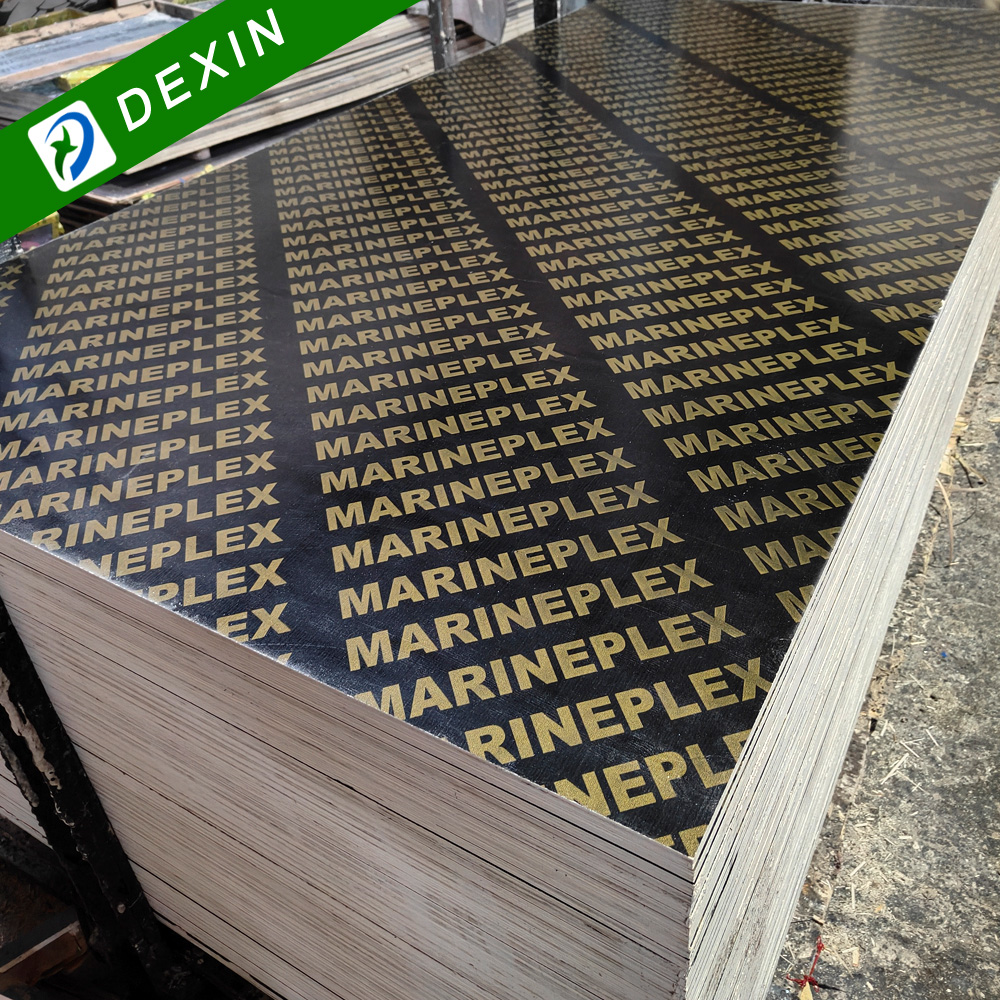
4x8ft Concrete Black Film Faced Plywood 9–25mm
Marine-grade formwork board for concrete slabs, walls and repeated pours in Łódź construction and renovation projects.
- 9–25 mm
- Black film
- 4x8 ft
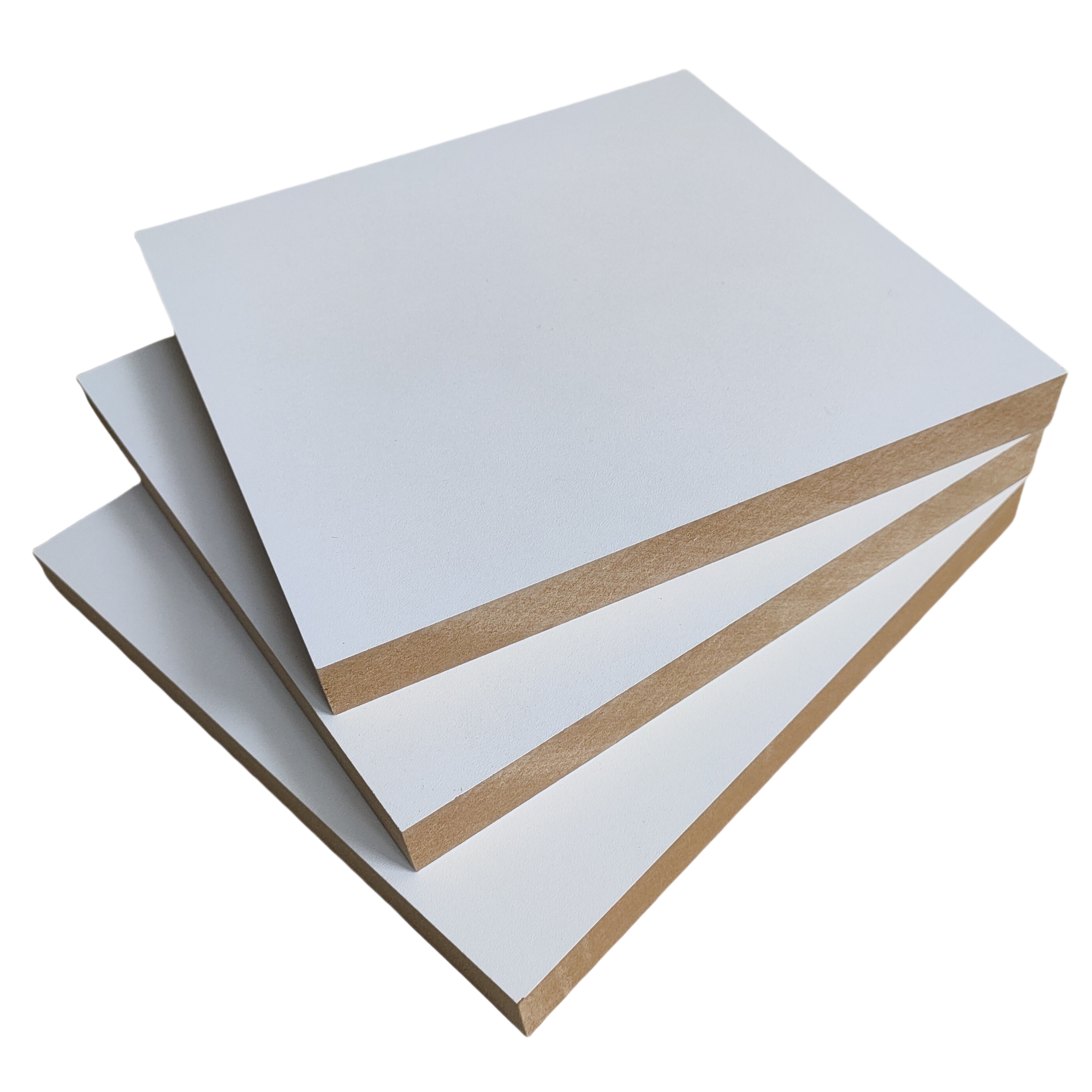
18mm White Melamine MDF, Moisture-Proof E1
Wood-fibre board with white melamine face for kitchen cabinets, wardrobes and bathroom storage in dense Łódź apartments.
- 18 mm
- E1 grade
- Moisture-proof
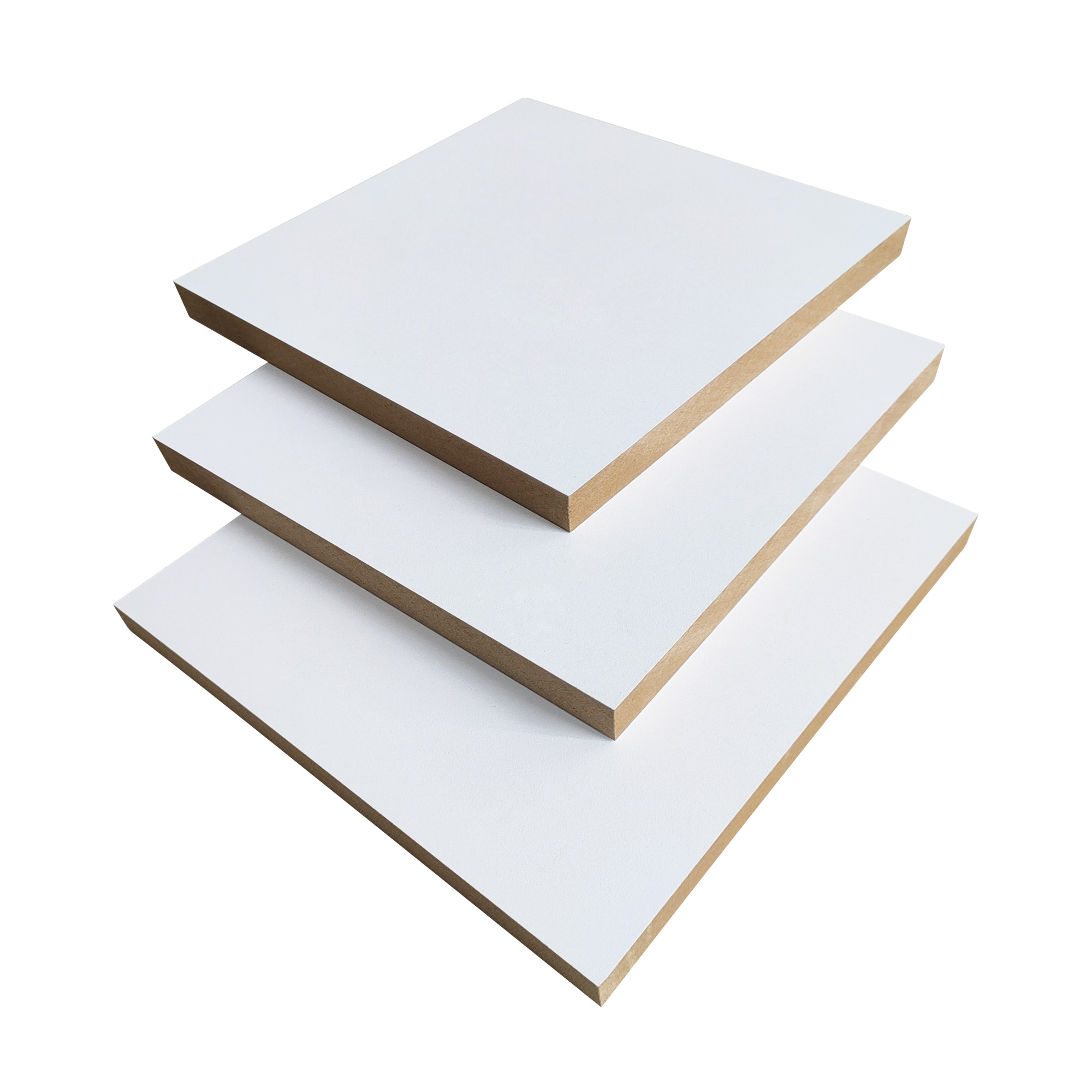
4x8ft White Melamine MDF Board
Clean, bright melamine MDF for kitchen fronts, shelving, office furniture and retail fixtures. Sizes from 3mm to 16mm.
- 3–16 mm
- E1 formaldehyde
- Kitchen use
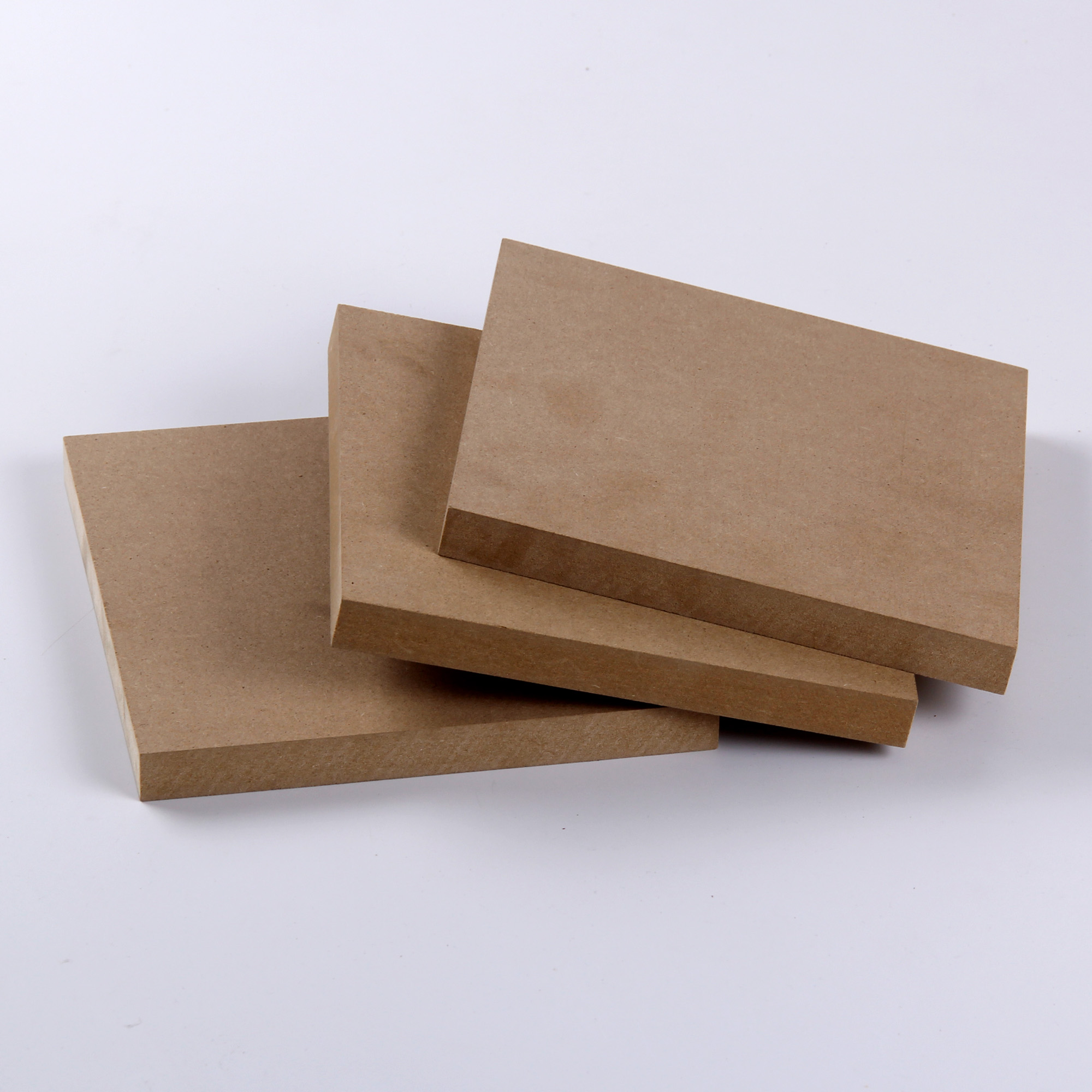
Raw MDF/HDF Board in Factory Thicknesses
Dimensional substrate for CNC routing, edge banding, veneering and painting. Standard thicknesses include 5, 6, 8, 9 and 18mm.
- 5–18 mm
- Raw MDF/HDF
- CNC ready
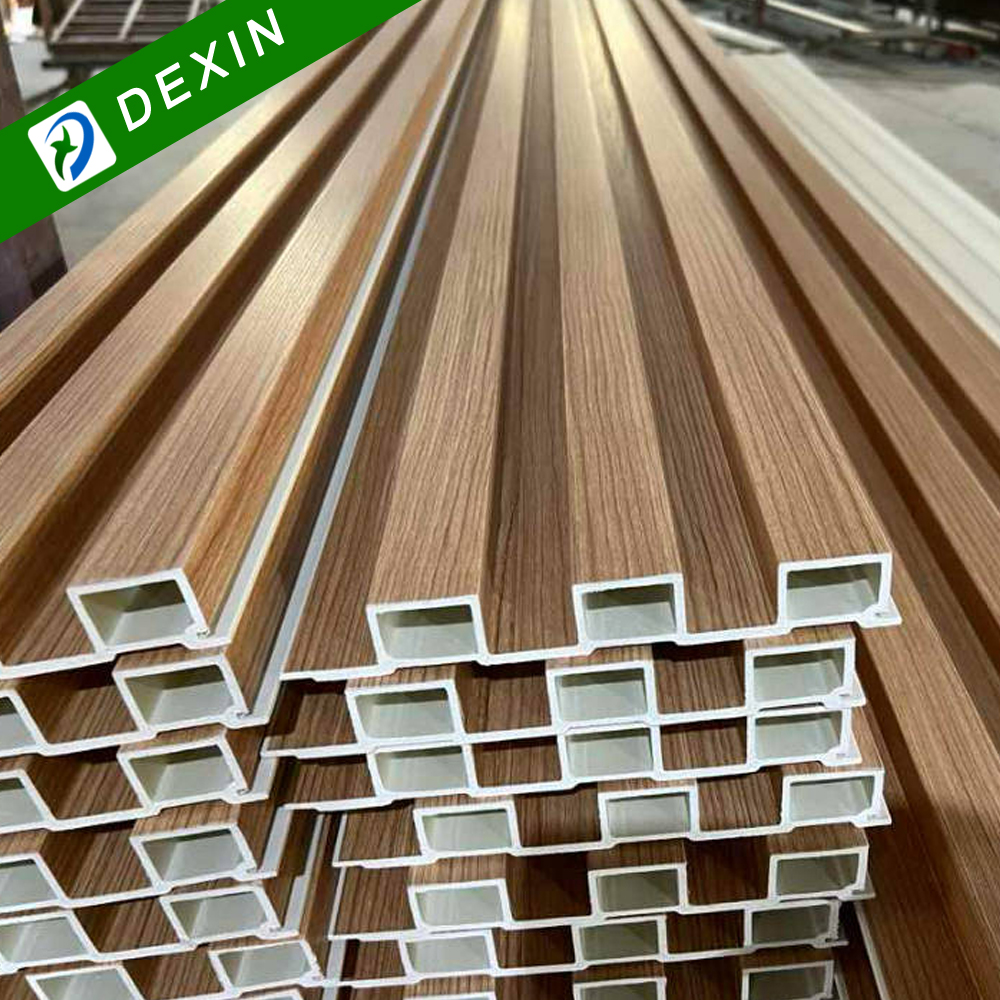
Interior PVC WPC Decorative Wall Panel
Fast-install wall cladding for hotel corridors, showrooms, cafés and apartment feature walls where dust and downtime must be controlled.
- Interior
- WPC/PVC
- Hotel grade
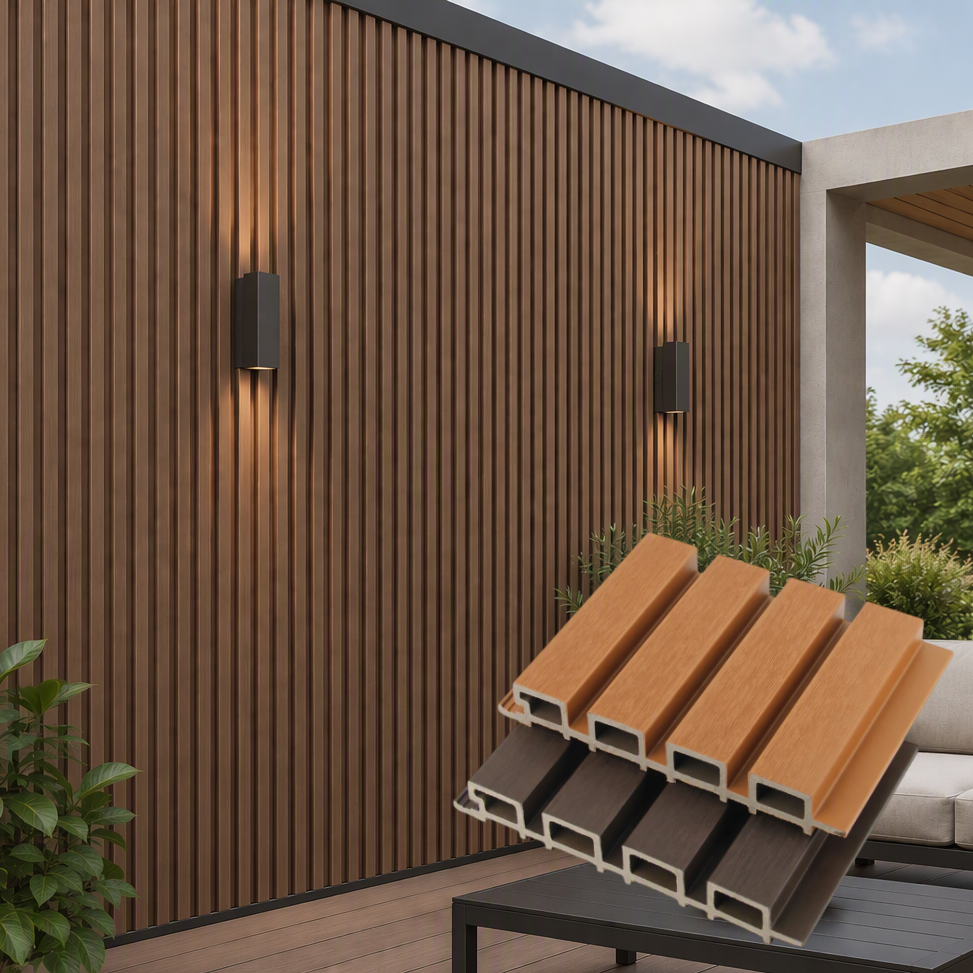
Outdoor WPC Fluted Wall Cladding
Waterproof co-extruded composite cladding with wood texture for villa facades, terraces and hospitality exteriors.
- Outdoor
- Co-extruded
- Fluted facade
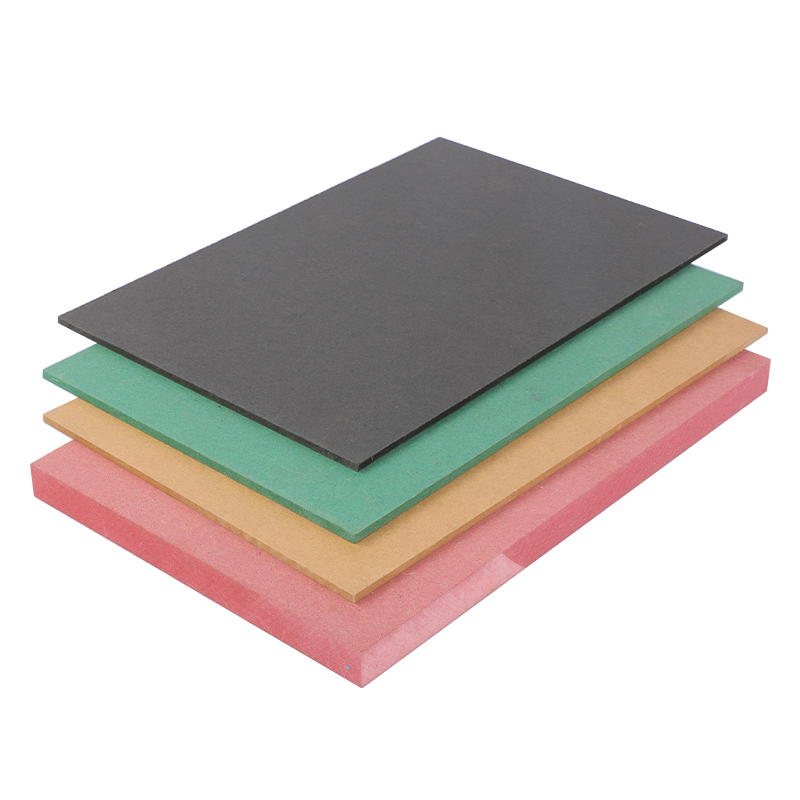
3mm–18mm Raw / Plain MDF Sheet
Budget-conscious raw MDF for furniture backs, drawer bottoms, shopfitting and laminating lines in Central Poland.
- 3–18 mm
- Plain MDF
- Best price

1200x2400x18mm Melamine Coated Marine Plywood
Custom-thickness marine board with melamine face for furniture requiring stronger screw-holding and moisture tolerance.
- 1200x2400
- 18 mm
- Custom thickness
What Łódź Buyers Really Need from a Melamine Faced Plywood Factory
When a buyer in Łódź searches for melamine faced plywood manufacturers, the intent is rarely “a cheap board.” It is usually a specification problem: will the board stay flat after CNC cutting, will the decor match the approved sample, will the edges band cleanly, will the surface resist moisture in a kitchen or bathroom, and will the paperwork satisfy a Polish or EU project specifier? That is the gap KUDE is built to close.
Our factory group in Linyi, Shandong — China’s largest wood-based panel cluster — has produced plywood, MDF, blockboard and decorative panels since 1998. For Łódź furniture makers, contractors and distributors, we combine factory-direct pricing with export-grade quality control, batch matching for repeat decors, and documentation support for CE, ISO, FSC and CARB-related inquiries. The result is not simply a container of boards; it is a predictable material source for Central European interiors.
Łódź is especially relevant because its project mix is varied: revitalised post-industrial buildings, compact apartments, student housing, hotels, retail showrooms and furniture workshops feeding the wider Łódzkie market. Each use case needs a slightly different balance of core, glue, surface and thickness. Our role is to help buyers choose that balance before they commit to a container.
What we confirm before quoting
- ✓ Panel size: standard 1220×2440mm, 4x8ft, or custom 1200×2400mm subject to volume
- ✓ Thickness tolerance and flatness target for CNC and edge banding
- ✓ Melamine decor, gloss level, sample approval and batch reservation
- ✓ Core, glue type, moisture resistance and formaldehyde grade
- ✓ Destination: Łódź warehouse, Gdańsk/Gdynia port, or rail/logistics hub
- ✓ Packing, loading photos, test reports and shipping documents
Where KUDE Melamine, MDF and WPC Panels Fit in Łódź
Łódź is not a single market. It is a network of renovation zones, production workshops, institutions and logistics routes. These are the local scenarios where the right panel specification creates measurable value.
Apartment refurbishment in Śródmieście and Widzew
Older Łódź apartments often have uneven walls, compact kitchens and high-turnover rental fit-outs. White and light-oak melamine faced plywood or MDF gives designers a clean, repairable surface for wardrobes, kitchen carcasses and hallway storage. Moisture-resistant MDF is preferred for sink cabinets, while plywood cores offer better screw-holding where doors and hinges are repeatedly adjusted.
Adaptive reuse around Księży Młyn and OFF Piotrkowska
Post-industrial buildings demand materials that install fast and tolerate retrofit conditions. Melamine faced boards work for reception counters, café joinery and partitioning, while WPC wall panels create feature surfaces without wet trades. For heritage-sensitive interiors, decor selection matters: matte whites, warm woods and graphite surfaces usually fit better than high-gloss finishes in exposed-brick spaces.
Hotels and serviced apartments near EC1 and Łódź Fabryczna
Hospitality buyers need repeatable surfaces that clean easily and survive heavy use. PET and melamine MDF are common for wardrobe fronts and vanity units, while melamine coated plywood is useful for bed frames and fixed furniture. For corridors and lobby features, interior WPC cladding reduces installation time and gives a consistent visual finish across floors.
Furniture workshops across Łódzkie
Furniture manufacturers value stable thickness, consistent sanding and clean cutting. Raw MDF/HDF is the workhorse for painted fronts and CNC components; white melamine MDF is efficient for cabinet internals; melamine faced plywood is selected where structural strength matters. For repeat orders, we can reserve decor batches so a Łódź workshop does not receive a visibly different white or oak tone mid-project.
Retail, showroom and office fit-outs
Łódź’s retail and office projects need fast, modular joinery. Melamine MDF can be cut and edged into shelving, counters and storage walls, while film faced plywood supports temporary structures and back-of-house works. For showroom feature walls, WPC and bamboo charcoal-style panels offer visual impact with lower site labour than tiling or solid wood.
Student housing and institutional furniture
Student accommodation and institutional projects prioritise durability, low maintenance and predictable indoor-air quality. E1 or E0 grades are frequently requested, together with sealed edges and moisture-resistant cores in wet zones. Melamine faced plywood is a strong choice for bed bases, desks and built-in storage where mechanical fixing strength is important.
What Is Changing in Local Panel Procurement
Demand in Łódź is moving toward better documentation, faster installation and more precise decor consistency. These four trends shape the questions buyers ask us most often.
1. Revitalisation-led specifications
Adaptive reuse projects need boards that can be cut on site or in a local workshop, then installed into uneven existing structures. Buyers increasingly request tight thickness control, protected edges and flexible order sizes rather than one large generic shipment.
2. Low-emission procurement
Polish and EU specifiers ask more detailed questions about formaldehyde grade, glue type and certification. E1 is common; E0 and CARB-related requests appear in higher-spec residential and institutional projects. Clear test reports and batch traceability reduce approval friction.
3. Matte, natural and durable decors
In Łódź interiors, super-matte whites, warm oak, graphite and soft neutral tones are replacing overly glossy surfaces. For kitchens and bathrooms, buyers want cleanable faces, sealed edges and moisture-resistant substrates that still hold a precise CNC profile.
4. Logistics integration with Central Poland
Łódź’s position on the A2 corridor and its rail and warehouse infrastructure make it a natural distribution point. Buyers often combine plywood, MDF and WPC lines in one container plan, then distribute to Warsaw, Poznań, Wrocław and smaller Łódzkie workshops.
Recommended Board Direction by Łódź Project Type
Use this as a starting point, not a substitute for sample approval. Core, glue, emission grade and surface must be confirmed against the final use and project documentation.
| Łódź project type | Recommended KUDE product | Why it fits |
|---|---|---|
| Kitchen carcasses and sink cabinets | 18mm white melamine MDF, moisture-proof E1; or melamine coated marine plywood | Cleanable face, moisture tolerance, good screw-holding for hinges and adjustable feet. |
| Wardrobes and hallway storage | Melamine faced plywood or white melamine MDF, 18mm | Flat panels for CNC cutting, edge banding and modular assembly in compact apartments. |
| Hotel and serviced-apartment fit-out | PET/UV MDF fronts; melamine faced plywood for fixed furniture | Durable, repeatable surfaces with stronger mechanical performance where required. |
| Retail shelving and showroom counters | Raw MDF/HDF plus melamine MDF; WPC feature panels | Fast fabrication, paint or laminate options, and decorative wall impact with low site labour. |
| Concrete formwork and renovation structures | 4x8ft black film faced plywood, 9–25mm | Phenolic film surface, repeated release performance and available thickness range. |
| Villa facades and terraces | Outdoor co-extruded WPC fluted cladding | Waterproof composite profile with wood texture for exterior feature walls. |
| Office and coworking partitions | Melamine MDF, raw MDF, WPC interior panels | Fast installation, clean visual lines and easy coordination with metal or glass systems. |

A Manufacturing Group, Not a Marketplace Middleman
Linyi KUDE International Trading Co., Ltd. is the export platform of a wood-based panel manufacturing group founded in 1998 in Linyi, Shandong. Being inside China’s largest panel cluster gives buyers shorter supply chains for veneer, glue, core material and laminating paper, which supports more stable specifications across repeat orders.
The group operates more than 30 sets of production machines in 30,000 m² of workshops, with over 300 workers and annual output of 60,000 m³ of plywood, blockboard, MDF and particle board. Our working principle is simple: survival by quality, development by prestige. For Łódź buyers, that translates into practical checks: thickness, flatness, bonding, surface quality, packing and loading consistency.
- 20+ years production experience
- 15 years of export experience
- SGS on-site assessed supplier profile
- CE, ISO 9001, ISO 14001, FSC, CARB
- E0 / E1 / E2 formaldehyde options
- OEM / ODM and custom specifications
Own production lines
More than 30 machine sets cover peeling, gluing, hot pressing, sanding and laminating. This reduces reliance on spot-market boards when a Łódź order needs a specific thickness or decor.
Verified quality system
CE, ISO 9001, ISO 14001, FSC and CARB are part of our manufacturing group’s credential set. Emission grades E0, E1 and E2 are available depending on product and destination requirement.
Flexible customisation
Sample-based, design-based and full customisation are possible: size, thickness, core species, face veneer or decor, glue type, logo printing and export packaging.
Export-ready logistics
FOB, CFR, CIF and EXW terms; T/T and L/C payment; seaworthy pallet packing; loading photos and export documentation for Polish and EU buyers.
Batch matching for repeat decors
For furniture workshops and fit-out contractors in Łódź, colour consistency across phases matters. We can discuss batch reservation and sample retention before production.
English-speaking export team
Technical questions are handled in practical terms: board use, edge sealing, acclimatisation, packing, container loading and document preparation. No vague “best price” replies without specification.




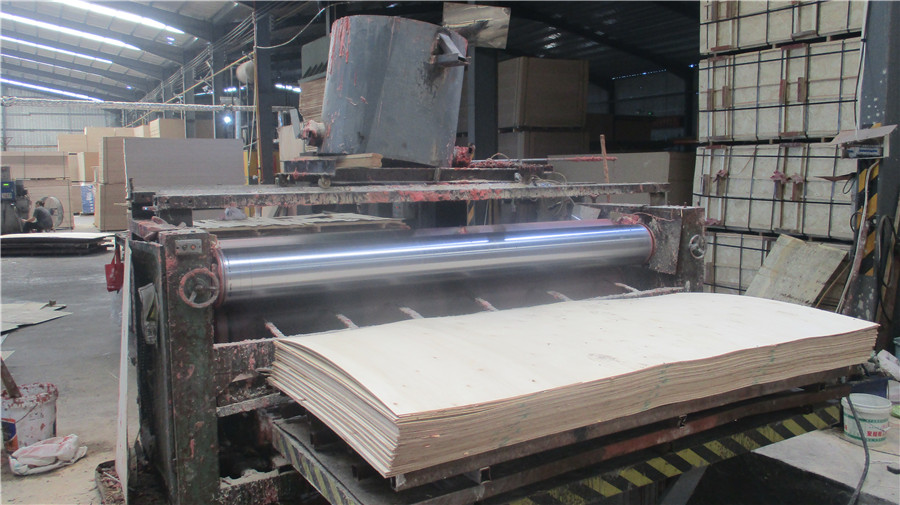
From Raw Veneer to a Łódź-Ready Container
Five checkpoints help keep panel performance predictable before the shipment leaves Linyi.
Material selection
Veneer grading, core moisture and substrate condition are checked before gluing.
Gluing & pressing
Controlled glue spread and pressing cycles support bonding consistency.
Sanding & surfacing
Calibrated sanding prepares the board for melamine, film or decorative lamination.
Inspection
Thickness, flatness, bonding and surface checks are performed before packing.
Packing & loading
Export pallets, edge protection, straps and loading photos support safe arrival in Poland.
Questions Local Buyers Ask Before Ordering
These answers reflect the questions we receive from furniture factories, importers, distributors and contractors sourcing from China into Poland.
Are you a melamine faced plywood manufacturer or a trading company?
KUDE is the export platform of a manufacturing group founded in 1998 in Linyi, China’s major wood-based panel cluster. We control key production and sourcing steps for plywood, MDF, film faced boards and decorative panels, and we work as the export interface for buyers in Łódź and across Europe.
Can you deliver melamine faced plywood to Łódź and Central Poland?
Yes. Orders are typically shipped through northern Chinese ports such as Qingdao, then to Gdańsk, Gdynia, Hamburg or Rotterdam depending on the trade term and route. From the port, goods can move to a Łódź warehouse or be distributed across Central Poland. Rail and combined transport options can be discussed for suitable volumes.
Which board is best for kitchens and bathrooms in Łódź apartments?
For kitchen cabinets and bathroom storage, moisture-resistant MDF or melamine coated plywood is usually preferred. Specify MR glue where appropriate, sealed edges, and a substrate suitable for the fixing method. White melamine MDF is common for internals; plywood cores may be chosen where stronger screw-holding is needed. Always confirm the final grade and edge-sealing detail.
What formaldehyde and certification documents are available?
Our manufacturing group holds CE, ISO 9001, ISO 14001, FSC and CARB certifications, and our supplier profile has passed an on-site assessment by SGS. Formaldehyde grades E0, E1 and E2 are available depending on the product line. For Polish or EU project approvals, tell us the required grade and documentation set before quotation.
Can you match decor colours and batches for repeat Łódź projects?
Yes, batch matching can be discussed before production. Send your approved decor code, gloss level and sample reference. For multi-phase furniture or fit-out projects, we recommend reserving a production batch and retaining an approved sample so the second shipment can be checked against the first.
What is the MOQ, and can several products share one container?
MOQ depends on the product line, typically from 50 to 500 sheets. Mixed containers are possible after specifications are confirmed. A Łódź distributor, for example, may combine white melamine MDF, raw MDF, film faced plywood and WPC wall panels, subject to packing and weight limits.
What are the usual lead times, payment methods and trade terms?
Production time depends on thickness, decor, quantity and whether custom sizes are required. We accept T/T and L/C in USD, EUR or CNY, and work on FOB, CFR, CIF and EXW terms. Our team will confirm the schedule against your Łódź delivery target and required documents.
Can you customise size, thickness and packaging for our warehouse?
Yes. We offer sample-based, design-based and full customisation, including panel size, thickness, core species, face veneer or decor, glue type, logo printing and export packaging. If your Łódź warehouse needs specific pallet heights, labels or edge protection, include those requirements in the inquiry so packing can be quoted correctly.
Before CNC cutting or installation, allow boards to acclimatise to workshop or site conditions. Seal cut edges in kitchens, bathrooms and other moisture-exposed areas. Final specifications, tolerances and documents are confirmed per order.
Planning a Panel Order for Łódź?
Send your panel type, size, thickness, decor, emission grade, target port or Łódź warehouse, and required documents. Our export team will reply with a specification-led proposal, packing plan and loading estimate — not a generic catalogue quote.
Factory-direct from Linyi · Export support for Łódź and Central Poland