Melamine Faced Plywood Suppliers & Exporter for Melbourne
Factory-direct melamine faced plywood, melamine MDF and marine plywood from Linyi, China — specified for Melbourne joinery, apartment fit-outs, shopfitting and commercial interiors.
Melamine Faced Plywood Supply for Melbourne’s Specified Interior Projects
Melbourne is a specification-driven market. A supplier that looks competitive at sample stage can become expensive if the board arrives with inconsistent thickness, weak melamine adhesion, unclear formaldehyde documentation, or a core that swells in a bathroom or kitchen environment. This guide is written for importers, joiners, shopfitters, cabinet makers, developers and procurement teams who need more than a price list.
This whitepaper explains how melamine faced plywood, melamine MDF, raw MDF and marine laminated plywood are selected for Melbourne projects, where each product performs best, what to verify before ordering, and how KUDE’s factory-direct model fits a local procurement programme. The focus is practical: information gain for buyers who must defend a specification, a delivery date and a budget.
Eight Panel Products for Melbourne Importers, Joiners and Fit-Out Teams
These eight products cover cabinet-grade melamine MDF, waterproof decorative plywood, raw MDF substrates, formwork beams and colour-core boards. Product URLs and images are preserved from the original range.

16mm 15mm 12mm 18mm Eco-Friendly Modern MDF Board with Blanco Single/Double Sided Melamine Covering for Cabinet
A clean white melamine MDF for Melbourne cabinet makers supplying apartment kitchens, laundries and wardrobes. Double-sided covering helps balance the panel, reduce finishing labour and keep interiors consistent.
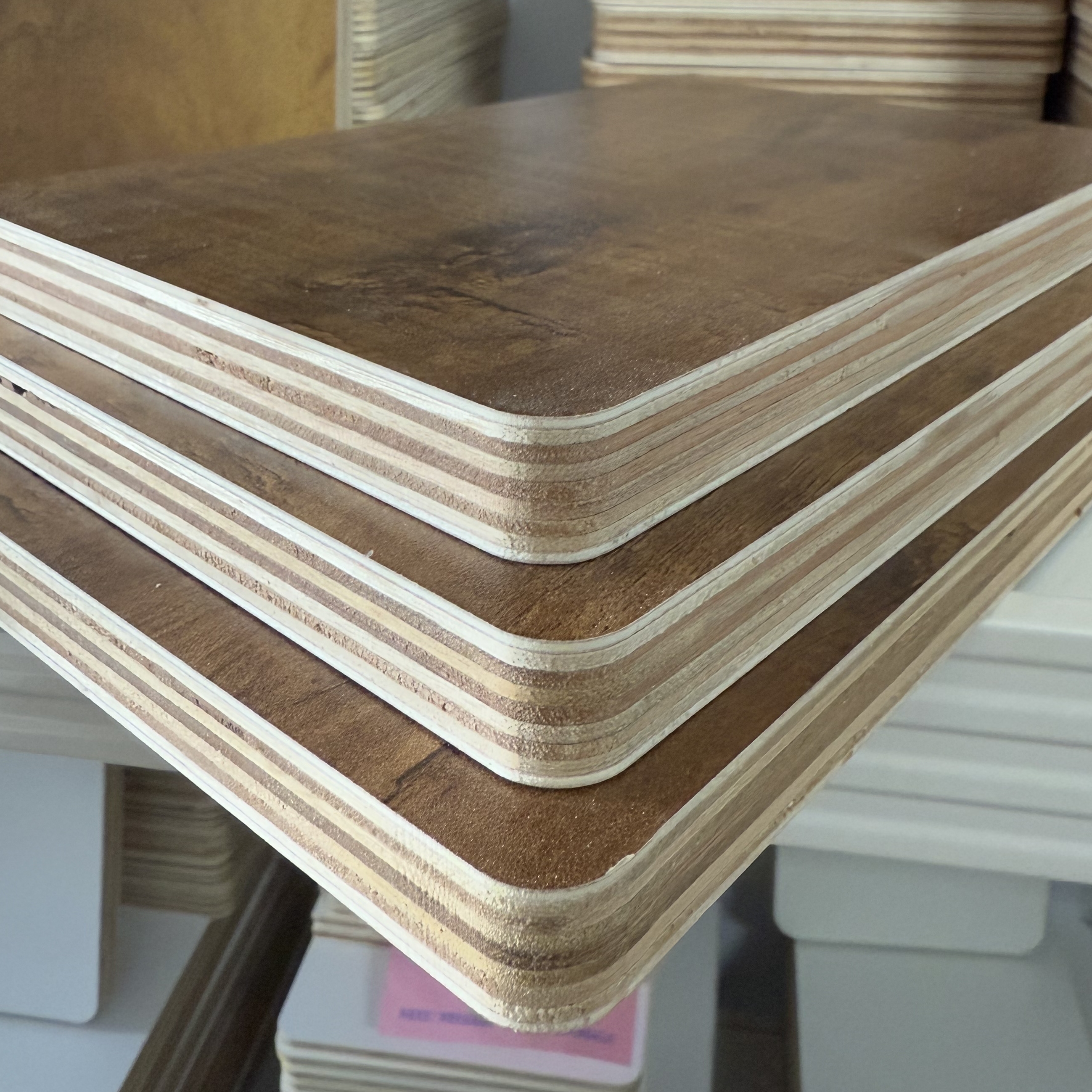
Waterproof White Wood Grain Marble Grain 4x8 18mm Ply Board Melamine Coated Marine Laminated Plywood Sheet for Furniture
For bathroom vanities, laundry cabinetry and wet-area joinery where a moisture-resistant core and decorative face are required. The 18 mm build supports screw-holding strength for carcasses and benching.
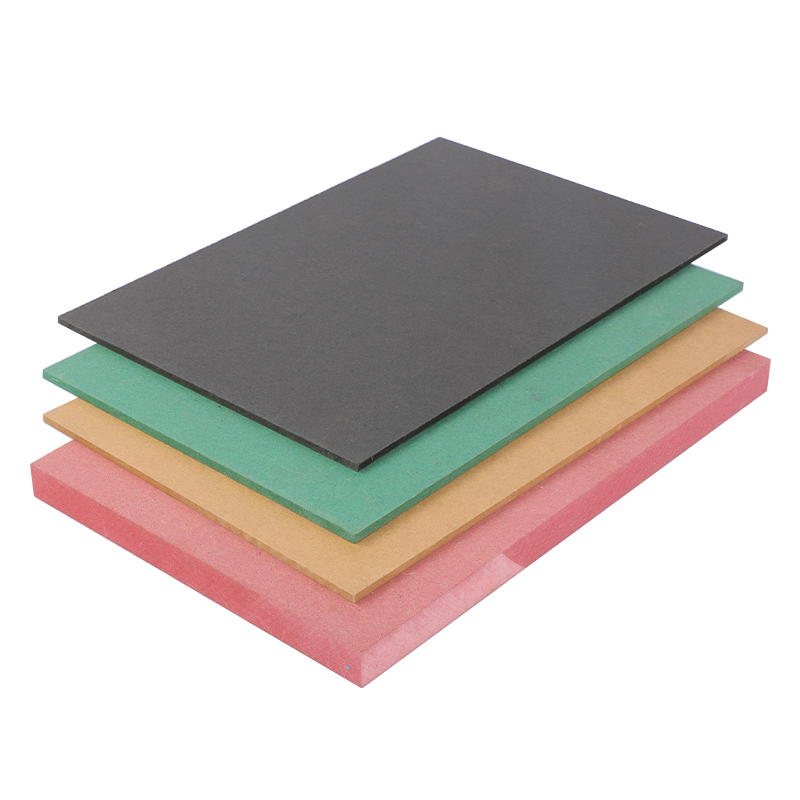
High Quality 3mm~18mm Raw/Plain MDF Sheet with Best Price
A substrate for Melbourne laminators, painters and CNC fabricators. It is not a finished face, but it gives local workshops a stable base for melamine pressing, veneering, routing or spray finishes.
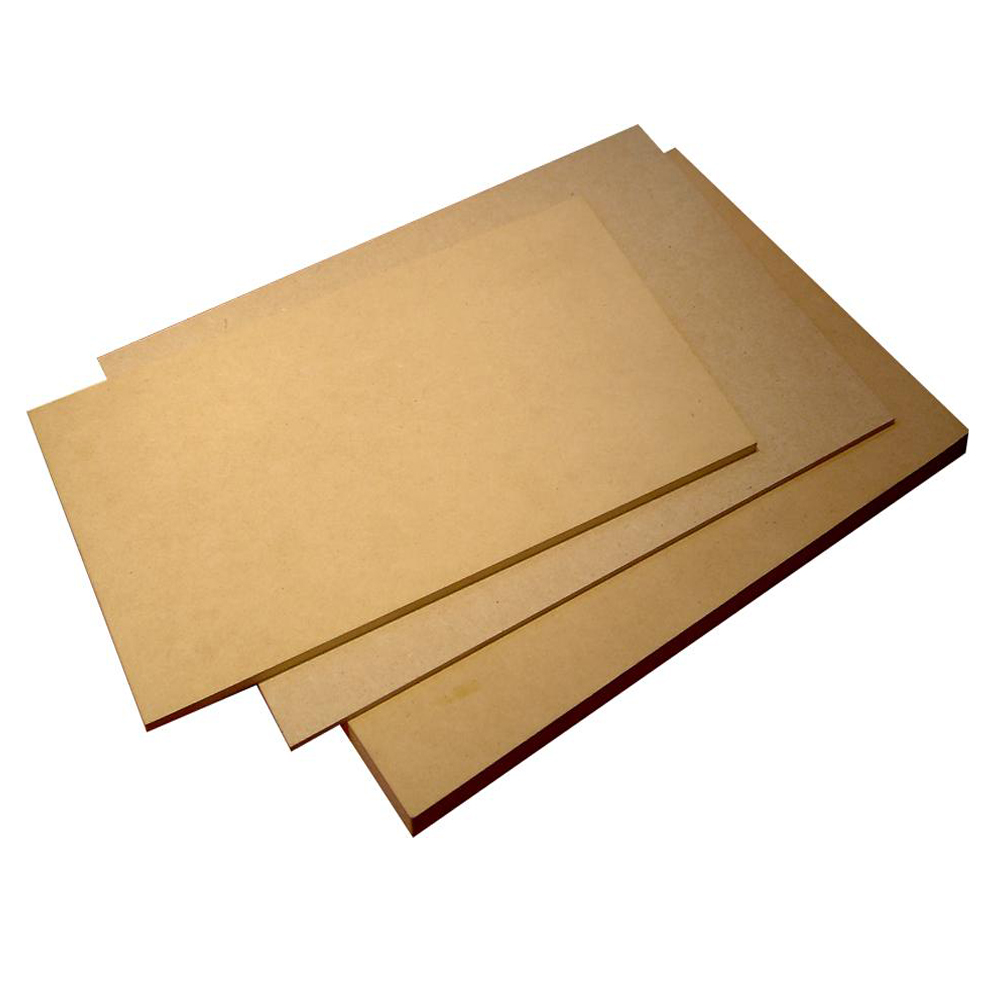
E0 E1 or E2 Glue Raw Thailand MDF Board with Cheap Price on Sale
For cost-controlled projects and buyers who need clear emission options. Specify E0 where low-formaldehyde procurement policies apply, and request batch test reports before releasing the container.
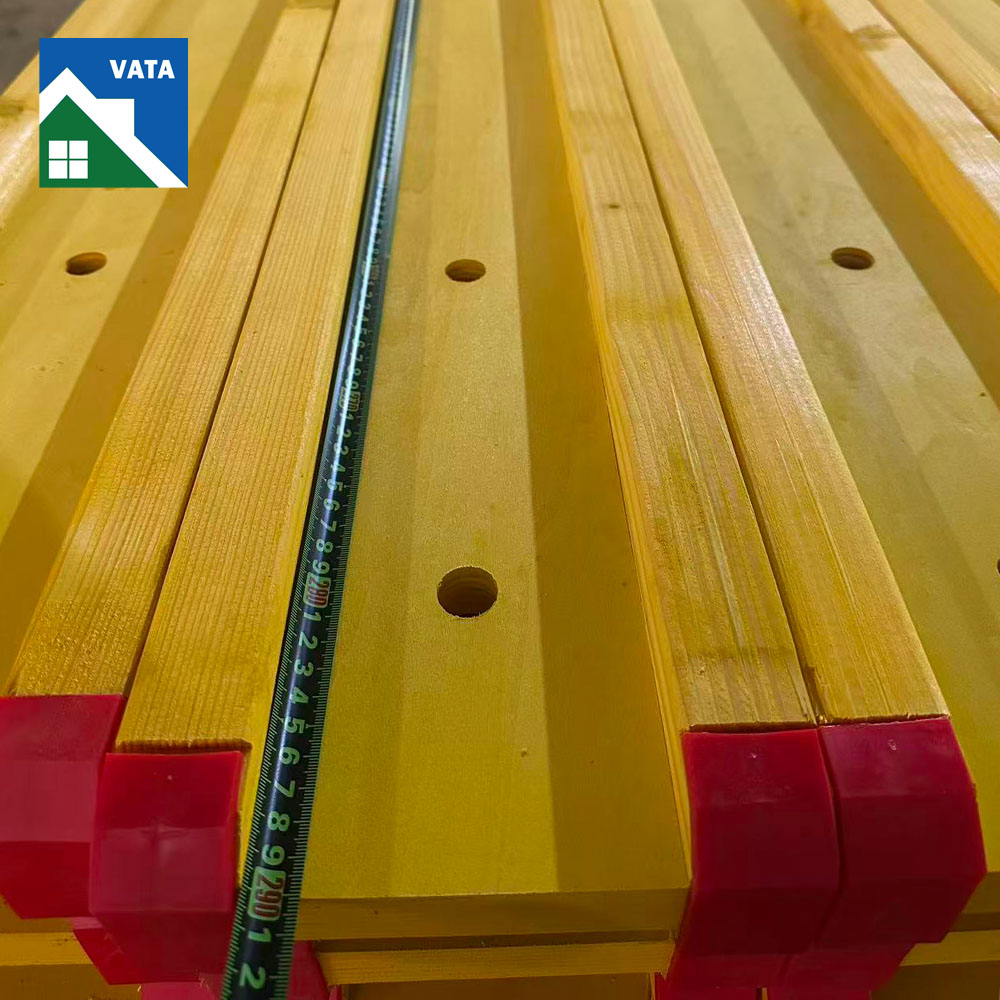
Custom Exterior Use Stable Timber Formwork Beams with WBP Glue Pine or Spruce Flange for Wall Formwork
For Melbourne builders and formwork suppliers needing repeatable beam performance. WBP glue and pine or spruce flange options support wall, slab and infrastructure formwork where stability matters.

1220x2440mm, 1525x2440mm, 1830x2440mm Green/ Red/ Black Core Wood Fiber Plain MDF/ HDF Board
Colour-core boards help fabricators identify moisture-resistant or purpose-specific grades, reduce mix-ups on site, and support larger-format cutting for commercial fit-outs.
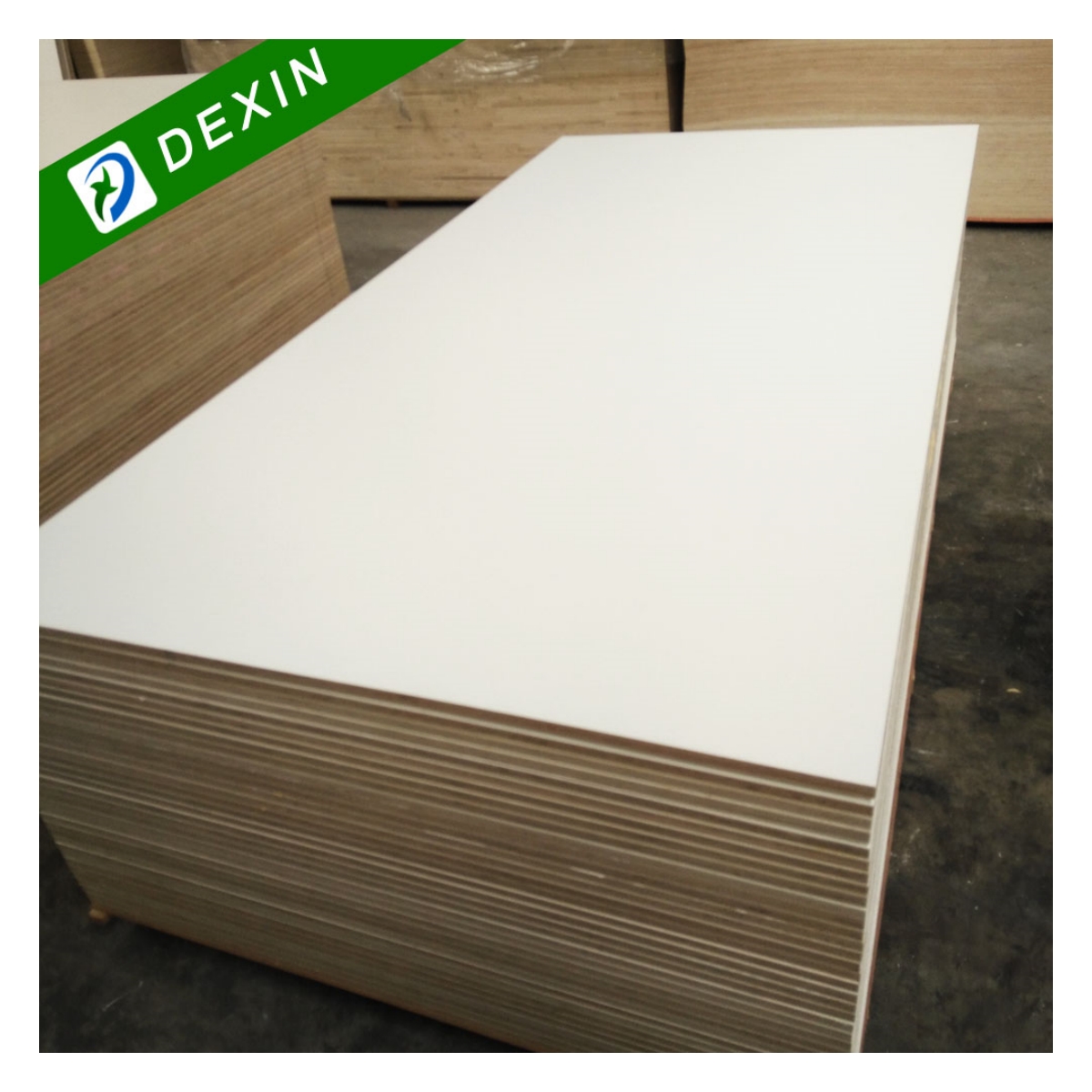
Good Quality 6mm 12mm 18mm Teak/Oak/Maple Melamine Plywood 1/2,3/4 in Flywood Sheet for Furniture
For joiners who want a real plywood core with a decorative melamine face in popular oak, teak and maple looks. Common in shopfitting, hotel casework, wardrobe systems and furniture.
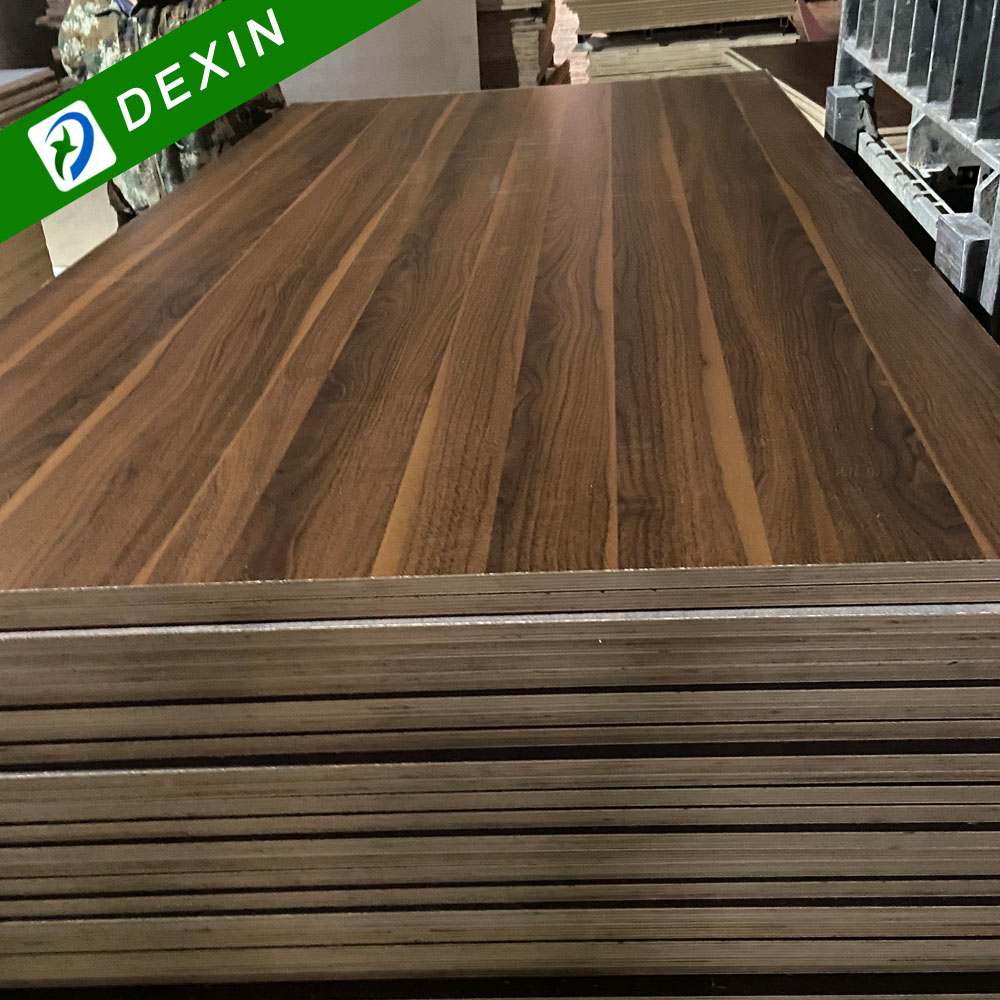
High Quality Waterproof 18mm Melamine Faced Plywood for Furniture
A robust 18 mm board for furniture, benchwork and utility joinery where a durable face and moisture tolerance are priorities. Suitable for sealed wet-area carcasses and commercial furniture.
Why Melbourne Buyers Specify Melamine Faced Plywood and Melamine MDF
Melbourne is not one market. Inner-city apartment joinery in Docklands and Southbank values panel flatness, consistent colour and fast assembly. Established suburbs in the south-east value durable kitchen and laundry cabinetry. CBD hospitality and retail fit-outs require scratch-resistant surfaces and tight completion programmes.
Apartment and Multi-Residential Joinery
Melbourne’s apartment pipeline creates repeatable kitchen, wardrobe and laundry carcass packages. Consistent 16 mm and 18 mm panels, predictable cutting and clean white melamine faces reduce labour variance on site.
Kitchen, Laundry and Vanity Cabinetry
Decorative melamine is popular where a cleanable interior and fast assembly are needed. For laundries and vanities, specify moisture-resistant cores, sealed edges and balanced faces rather than relying on the decorative paper alone.
Shopfitting, Hospitality and Retail
Melbourne shopfitters use decorative plywood and MDF for counters, display units and wall linings. Oak, teak and maple looks give warmth while melamine surfaces support low-maintenance cleaning in cafés and retail tenancies.
Education, Healthcare and Office Fit-Outs
Institutional projects often require low-emission options, documented test reports and durable cleanable surfaces. E0 and E1 grades, FSC-certified options and consistent colour batches help procurement teams meet project criteria.
Strata Renovation and Property Upgrades
Smaller builders and renovators need mixed containers, reliable pack sizes and fast answers on 18 mm boards. Direct sourcing can improve margin where projects are planned around container arrivals rather than local hardware stock.
Moisture Control in Melbourne Interiors
Winter condensation in bathrooms and laundries, summer dryness and air-conditioned interiors create moisture gradients. Use MR or marine cores where appropriate, seal cut edges and avoid exposing raw cores behind sinks or dishwashers.
Five Trends Reshaping Melbourne Panel Procurement
Buyer expectations are moving from “cheapest sheet” to documented performance, colour consistency and predictable logistics. These trends affect joiners, importers, developers and specifiers across Melbourne.
Low-Formaldehyde Specification
E0 and E1 enquiries are increasingly common in fit-outs where indoor air quality and procurement policy matter. Buyers should ask for the emission grade in writing and match it to the actual batch, not only the sample board.
FSC and Chain-of-Custody Evidence
Developers and specifiers increasingly ask for responsible sourcing evidence. FSC-certified options, CE, CARB and ISO documentation support project submissions, but availability must be confirmed per product and order.
Matte, Oak and Stone-Look Decors
Melbourne interiors continue to favour natural oak tones, soft matte finishes and stone-look surfaces. Melamine plywood and MDF allow these looks to be delivered at accessible cost while retaining a real timber core where required.
Prefabrication and Panel Optimisation
Joiners are cutting to optimised schedules before delivery. Consistent sheet dimensions, flatness and edge quality reduce waste. Mixed containers of melamine MDF, marine plywood and raw MDF help match a project package.
Direct Container Supply to Melbourne
Factory-direct ordering from Linyi through Qingdao to the Port of Melbourne is common for importers and larger joinshops. The advantage is pricing and customisation; the trade-off is the need to plan production, freight and clearance carefully.
Documentation as a Purchasing Criterion
Thickness trace, glue type, emission class, packing list, loading photos and test reports now form part of the buying decision. A supplier that can answer these questions quickly reduces procurement risk for Melbourne buyers.
Quick Specification Matrix for Melbourne Projects
Use this matrix to shortlist panels before requesting a formal quotation. Final tolerances, grades and test evidence are confirmed per order and per destination requirement.
| Product | Typical Thickness | Core / Surface | Melbourne Application | Verify Before Order |
|---|---|---|---|---|
| Melamine MDF | 12 / 15 / 16 / 18 mm | MDF base with single or double melamine face | Kitchen carcasses, wardrobes, laundry joinery | Face adhesion, thickness tolerance, E0/E1 evidence, edge sealing |
| Melamine Plywood | 6 / 12 / 18 mm | Plywood core with decorative melamine face | Furniture, shopfitting, display units, wardrobe systems | Core species, face balance, glue type, colour consistency |
| Waterproof Melamine Marine Plywood | 18 mm | Marine plywood core with melamine coating | Wet-area vanities, laundries, commercial furniture | Waterproof glue, edge sealing, hidden-core moisture risk |
| Raw / Plain MDF | 3–18 mm | Raw sanded MDF | Laminating, painting, CNC routing, veneering | Density, sanding quality, formaldehyde grade |
| E0 / E1 / E2 MDF | 3–18 mm | Raw MDF with selected glue system | Cost-controlled furniture and fit-out packages | Batch test report, emission class stated in writing |
| Colour-Core MDF / HDF | Project dependent | Green, red or black core panel | Moisture-resistant identification and commercial joinery | Core colour consistency, moisture performance, cutting plan |
| Timber Formwork Beams | Custom | Pine or spruce flange with WBP glue | Wall, slab and infrastructure formwork | Load data, dimensions, glue line, end sealing |
For structural applications, specify the relevant Australian standard and request project-specific evidence. Decorative melamine faces do not make a panel waterproof; substrate and edge protection remain critical.
A Five-Point Supplier Audit for Melbourne Importers
Price is only one line in the landed-cost calculation. A reliable melamine faced plywood supplier should make the following five points visible before purchase.
Information gain for buyers: request a loading photo and a thickness trace, not only a sample. Samples show the best face; production data shows the batch you will actually receive.

KUDE: A Panel Manufacturing and Export Partner from Linyi to Melbourne
Linyi KUDE International Trading Co., Ltd. is the export platform of a wood-based panel manufacturing group founded in 1998 in Linyi, Shandong — China’s largest man-made board production cluster. The group operates more than 30 sets of production machines in 30,000 m² of workshops, employs over 300 workers and has an annual output of 60,000 m³ of plywood, blockboard, MDF and particle board. The principle “survival by quality, development by prestige” is applied to thickness control, glue spread, pressing, sanding, lamination and loading.
Typical Timeline from Specification to Melbourne Delivery
This is a planning guide, not a guaranteed schedule. Vessel space, port congestion, customs clearance and production seasonality can move the actual dates.
Specification & Sample
Confirm size, thickness, decor, core, glue, emission grade and packing. Allow 3–7 days for samples or technical clarification.
Production
Typical production is 15–30 days after deposit and artwork approval, depending on panel type, quantity and customisation.
Ocean Freight
Qingdao to Melbourne is commonly around 16–25 days on direct or transhipment services. Confirm the sailing schedule at booking.
Clearance & Delivery
Allow 3–7 days for customs, quarantine inspection where required, and local cartage. Keep full documents ready before vessel arrival.
Melbourne importers should also confirm ISPM 15 treatment for timber packaging, commercial invoice, packing list, bill of lading, certificate of origin and product test reports.
Common Questions About Melamine Faced Plywood Supply to Melbourne
These are the questions our export team answers most often from Australian importers, joiners, shopfitters and contractors.
Can you supply melamine faced plywood and melamine MDF to Melbourne in 1220×2440 mm sheets?+
What thickness should a Melbourne cabinet maker choose for kitchen carcasses?+
Is melamine faced plywood waterproof?+
Which formaldehyde grade should I request for a Melbourne project?+
What is the minimum order quantity and can products be mixed in one container?+
How long does production and shipping to Melbourne usually take?+
Can you provide FSC, CE, CARB, ISO or emission documents?+
Do you offer samples, custom decors and packaging?+
What payment terms and trade terms do you accept?+
How do you reduce damage during ocean freight to Melbourne?+
Planning a Melbourne Fit-Out or Container Order?
Send your panel type, size, thickness, decor, emission grade, quantity and destination port. Our export team will respond with a technical proposal, packing plan and quotation. Email: info@kudeplywood.com