Panel Products Recommended for Rome Furniture & Fit-Out Projects
Rome buys panels for two very different realities: precision interior joinery in heritage buildings and robust temporary works on active construction sites. The eight product lines below cover both, with specification notes for wholesalers, furniture factories and contractors sourcing from China.
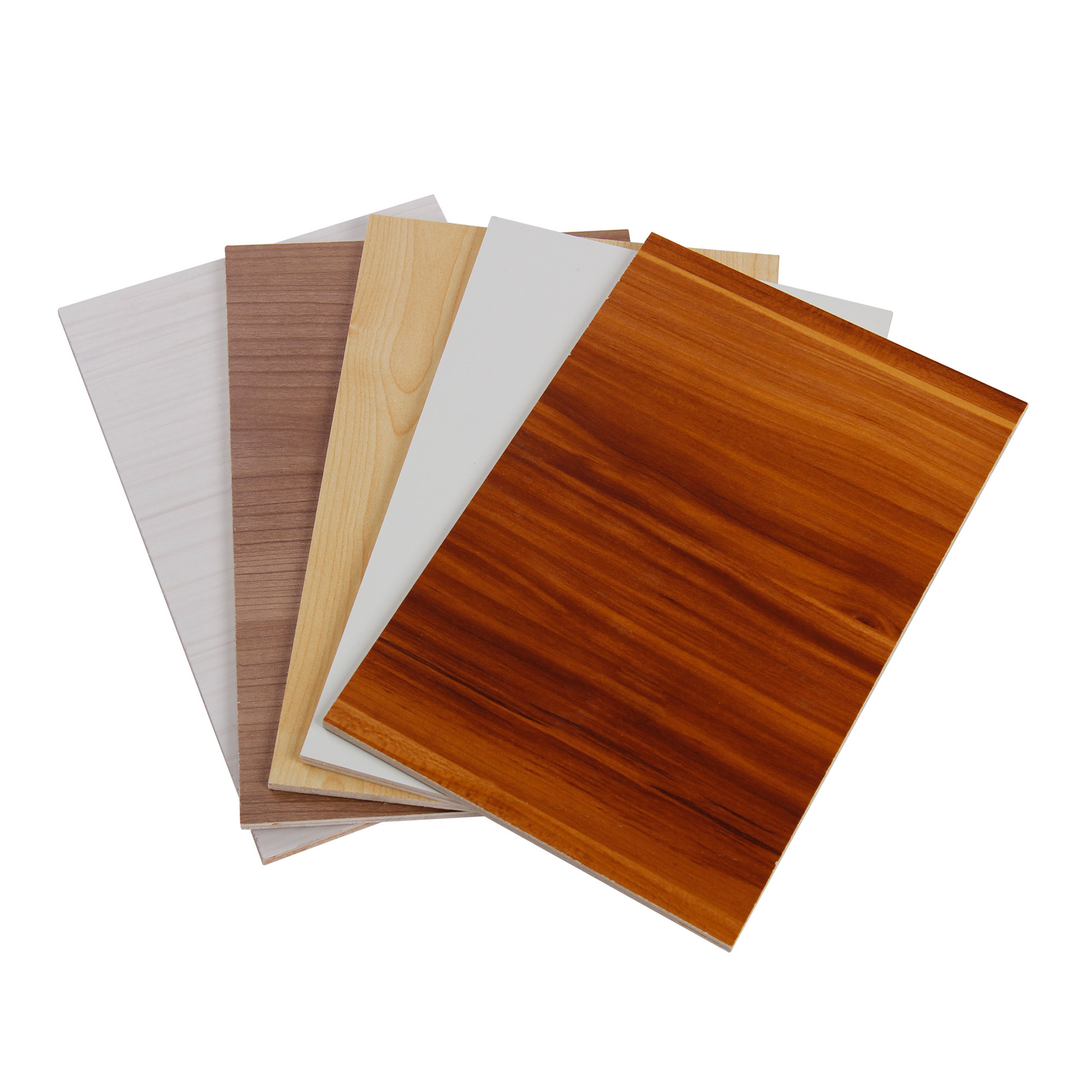
12mm 15mm 16mm 18mm Melamine Wood Board Plywood
Stable melamine-faced plywood for wardrobe carcasses, shelving and contract furniture where screw-holding and clean edges matter.
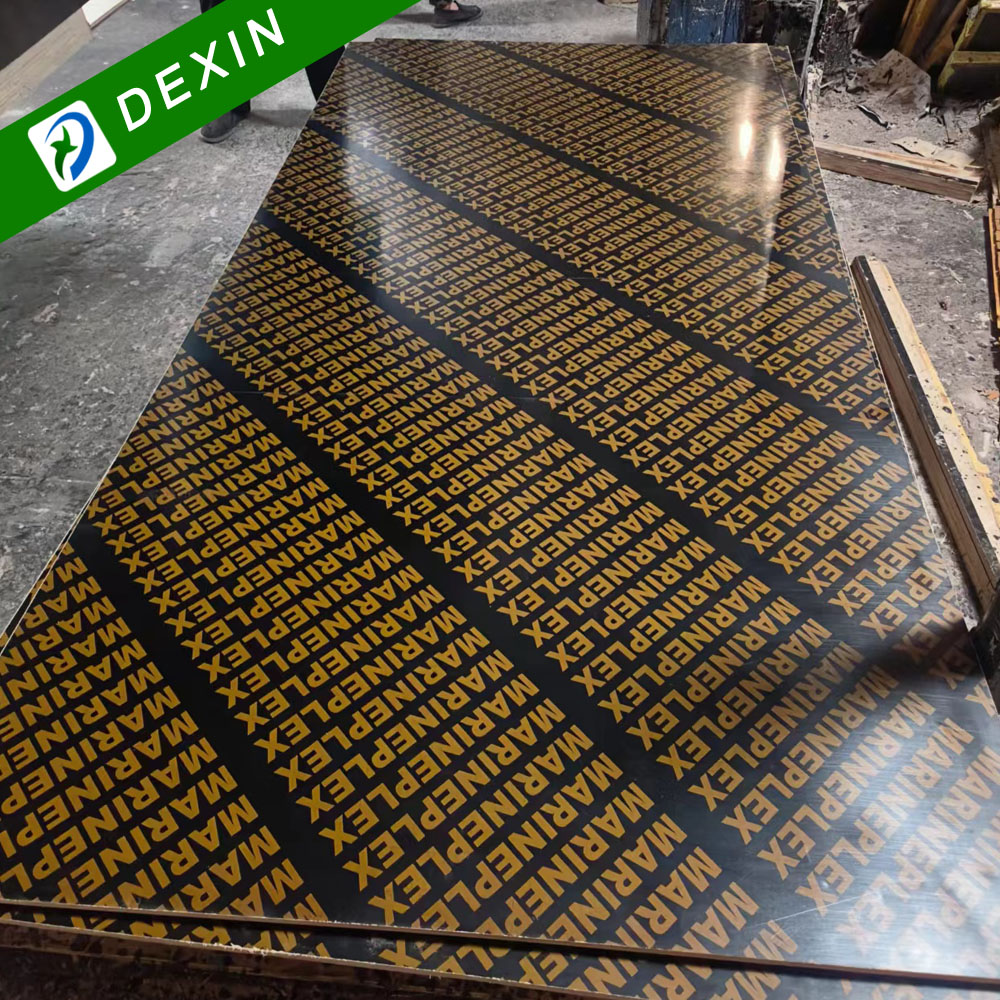
1220×2440mm Film Faced Plywood for Formwork
Phenolic film-faced boards in 9mm, 12mm, 15mm and 18mm for concrete formwork, slab edges and repeat-use site applications.

1200×2400×18mm Melamine Coated Plywood
Custom-thickness melamine plywood for hotel casegoods, reception desks, bathroom vanities and fitted furniture in Rome projects.
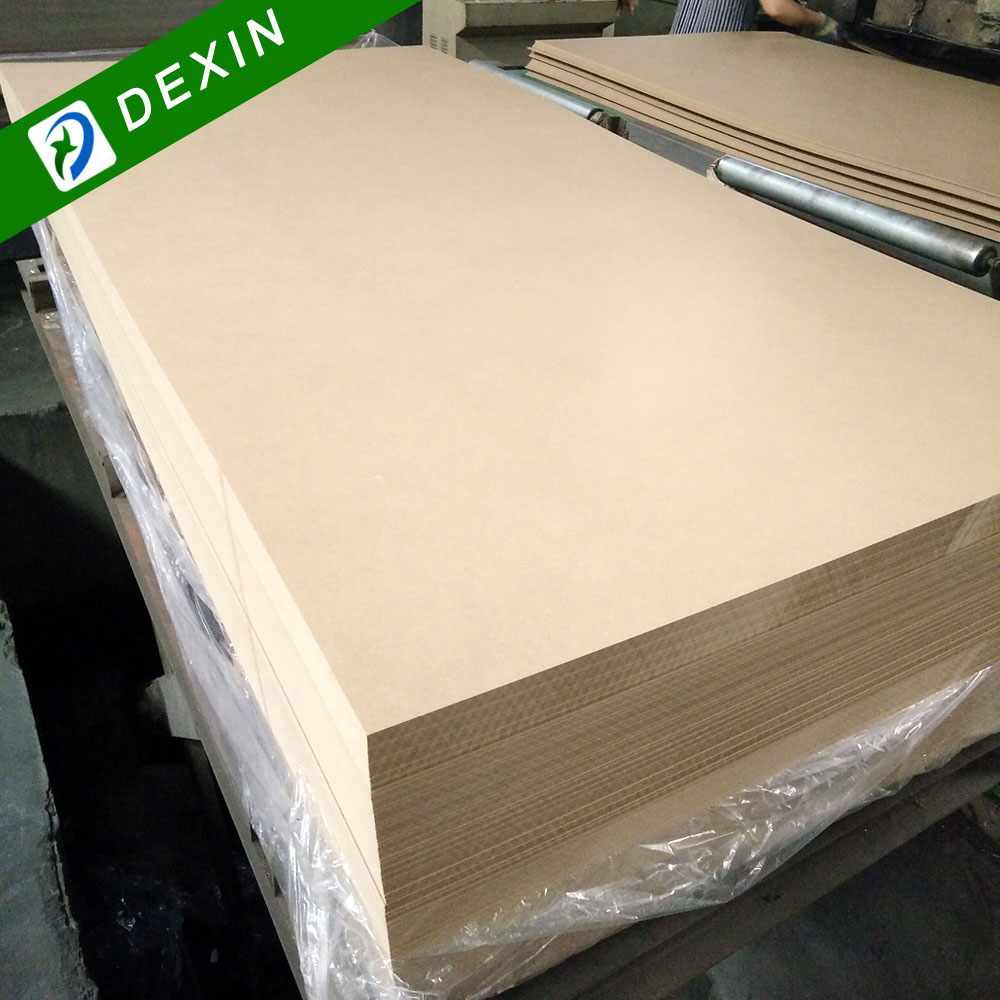
3mm, 12mm, 15mm, 18mm Raw/Plain MDF Board
Machinable raw MDF for painted joinery, CNC routing, mock-ups and decorative furniture when a uniform substrate is required.
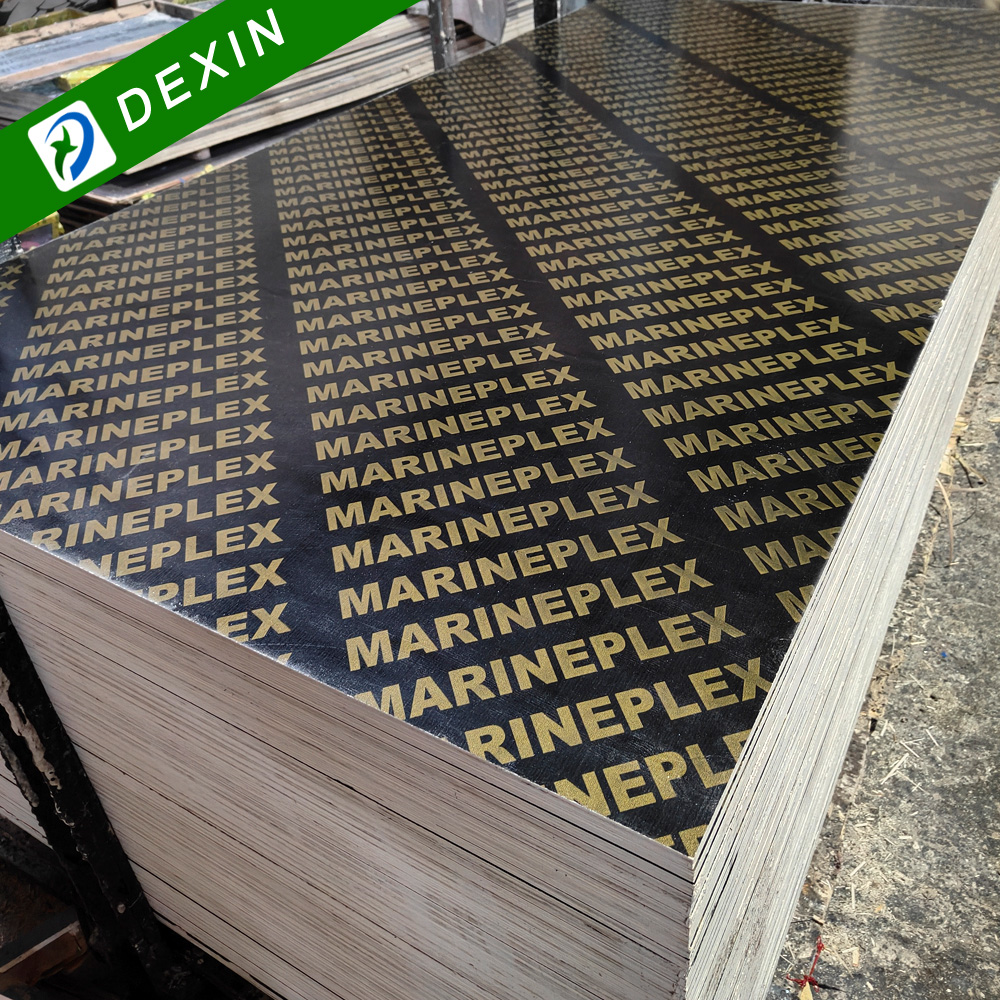
4×8ft Black Film Faced Concrete Plywood
Black phenolic film-faced plywood in 9–25mm for exposed concrete finishes, repeated pours and contractor supply in Lazio.
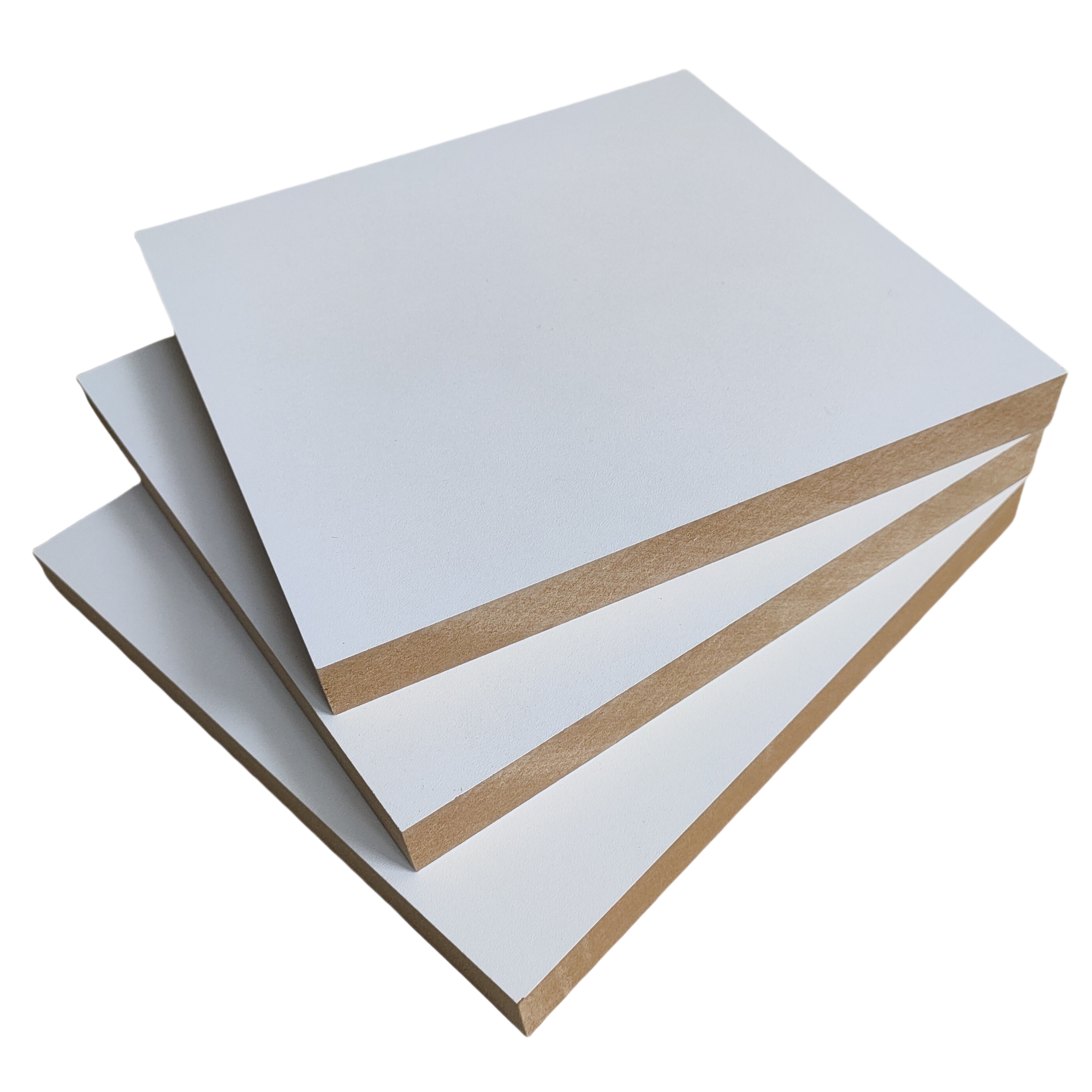
18mm White Moisture-Proof Melamine MDF
E1-grade white melamine MDF/HDF for kitchens, wardrobes and bathroom cabinetry where humidity and daily cleaning are constant.
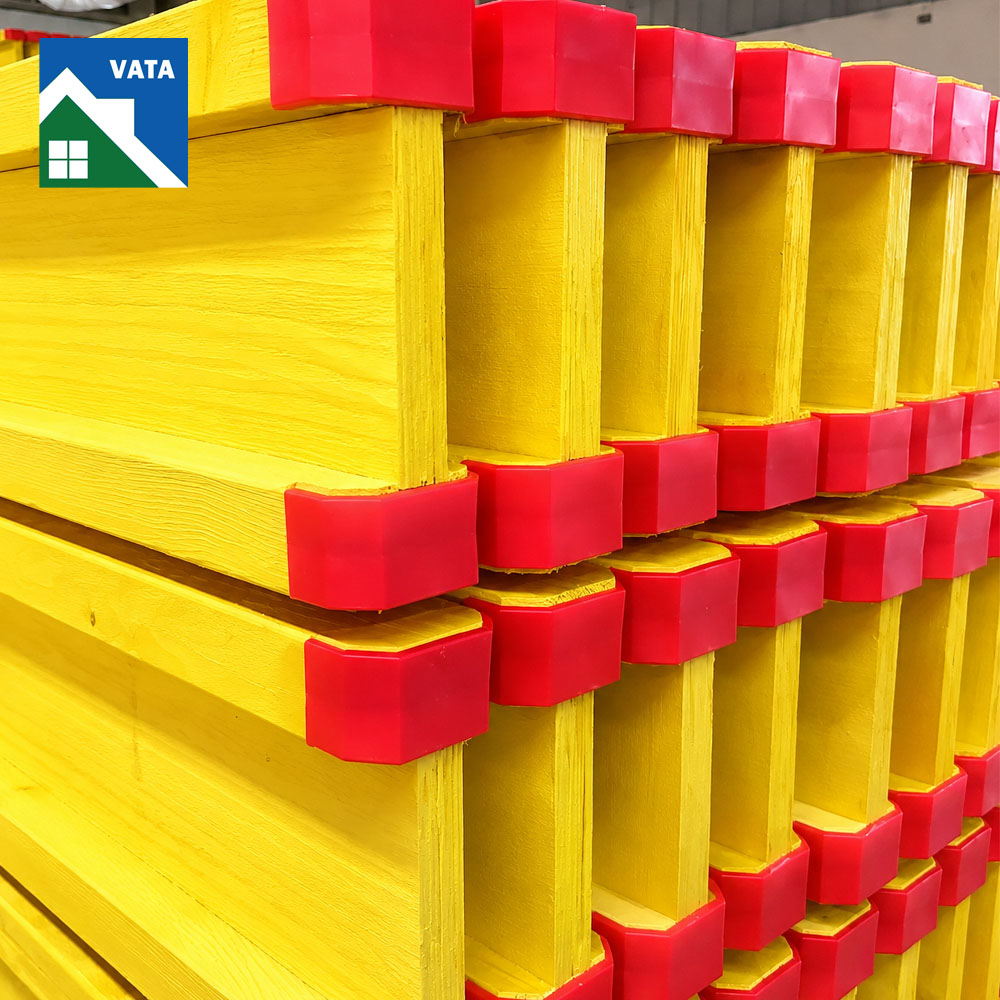
Heavy-Duty Spruce H20 Formwork Beams
Durable wooden I-beams for slab formwork systems, compatible with film-faced plywood in repetitive concrete construction.
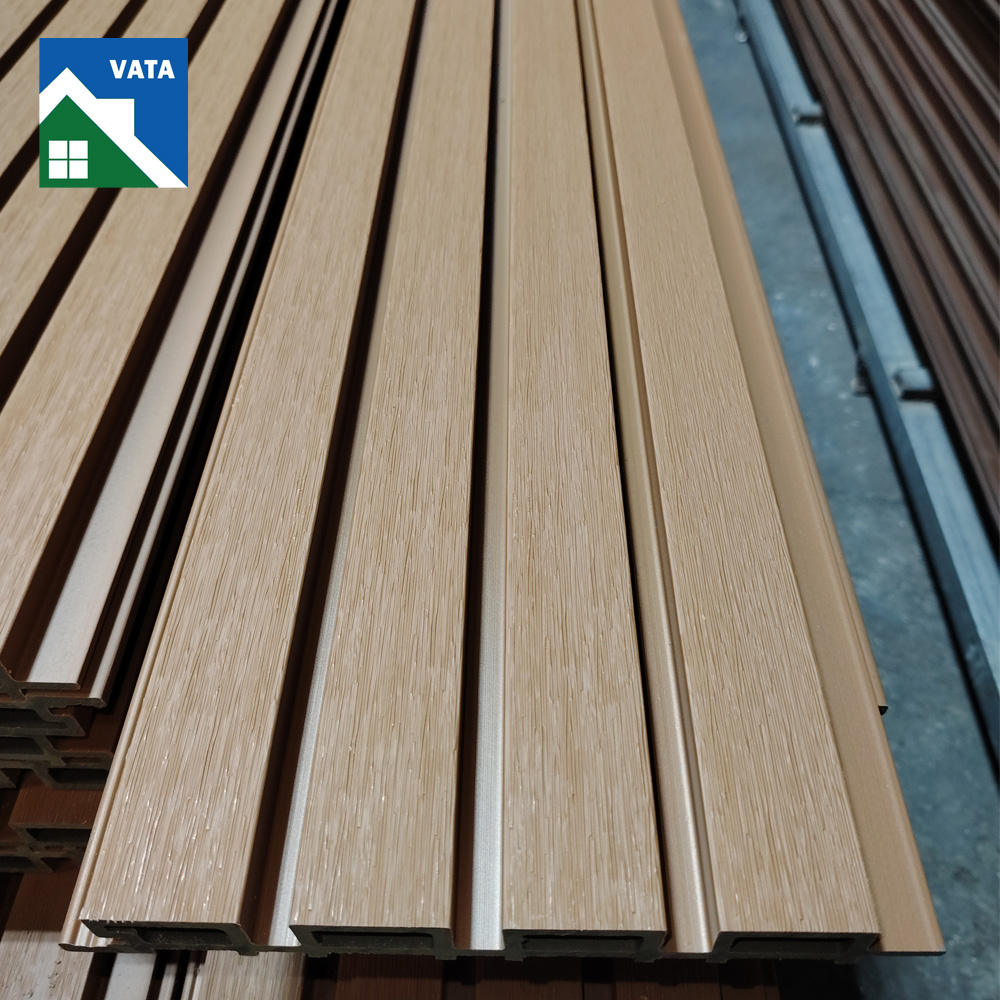
WPC Fluted Exterior Wall Cladding Panel
Decorative wood-plastic composite fluted panels for sheltered exteriors, partitions, terraces and retail feature walls in Rome.
Why Rome Is a Specification-Driven Market, Not a Generic Panel Destination
Rome is not a single warehouse market. It is a project city shaped by heritage apartments, hotel refurbishments, public buildings, retail flagships and continuous maintenance of older masonry structures. A panel that performs well in a new logistics shed may fail in a Trastevere apartment with uneven walls, limited lift access and a family that expects ten years of daily use. That is why melamine furniture panels for Rome should be selected around installation conditions, moisture exposure, edge quality and documentation readiness—not only the lowest price per sheet.
For Rome wholesalers and contract joiners, the practical shortlist usually starts with 18mm melamine plywood or moisture-resistant melamine MDF for furniture, film-faced plywood for site formwork, plain MDF for painted millwork and WPC fluted panels for fast decorative walls. The difference between an efficient order and an expensive one is whether the factory can match surface decor, core type, formaldehyde grade, packing format and delivery documents in one production cycle.
Our recommended Rome sourcing protocol is deliberately simple: define the visible finish and substrate separately; confirm the emission and legal-timber documents required by the tender; then plan packing around the unloading reality of Roman streets, including limited traffic zones and the frequent absence of forklifts at small joinery workshops.
Rome Buyer Shortlist Weighting
An illustrative decision model for project buyers comparing factory offers. Adjust the weights to your tender.
Where Rome Contractors, Wholesalers and Furniture Makers Use These Panels
Rome’s built environment places unusual demands on panel choice. The application notes below connect product lines to real jobs, rather than treating melamine boards as a commodity.
Hotel Refurbishment in the Historic Centre
Hotels near Piazza Navona, Pantheon and Via del Corso often need wardrobes, headboards, vanities and reception furniture that can be lifted through narrow stairwells. Lightweight 18mm melamine boards with sealed edges reduce handling risk while keeping a consistent decorative finish across floors.
Residential Joinery in Prati, Parioli and Trastevere
Rome apartments frequently combine irregular walls with high expectations for fitted storage. Melamine plywood is preferred where screw-holding and dimensional stability matter; moisture-resistant melamine MDF is specified for kitchen and bathroom zones and must be protected with edge sealing.
Office Fit-Out in EUR and Business Districts
Office partitions, storage walls and tea points need repeatable panels for fast installation. White and wood-grain melamine MDF support batch-consistent CNC cutting, while plain MDF is used for painted reception counters and feature linings where a plaster-smooth finish is required.
Retail & Showroom Feature Walls
In Monti and central retail streets, WPC fluted cladding can create a warm sculptural surface without wet trades. It pairs well with melamine display plinths and shelving, helping Rome shopfitters deliver a complete interior package from one supplier conversation.
Public, Adaptive-Reuse and Social Projects
Tender-driven projects increasingly ask for legal-timber evidence, low-emission formaldehyde classes and clear product declarations. This is where a factory with CE, ISO, FSC and CARB-related documentation experience becomes commercially useful, not merely a price option.
Construction Sites and Temporary Works
Film-faced plywood and H20 formwork beams are used where contractors need repeatable concrete surfaces and reliable slab support. For sites inside Rome, delivery should be planned around permits, unloading windows and protection from rain before panels are moved into internal storage.
Rome Market Trends Shaping Panel Procurement in 2025–2026
The strongest suppliers in this category do not simply sell sheets. They help buyers reduce site waste, satisfy tender evidence and match finishes at scale.
EUDR Readiness and Legal-Timber Proof
European buyers are tightening due diligence on timber legality and traceability. Requests for FSC-chain information, harvest documentation and supplier declarations are becoming routine in Rome commercial tenders.
Green Procurement and CAM-Aligned Interiors
Public-sector and larger private clients increasingly ask for low-emission materials, responsible sourcing and evidence that supports minimum environmental criteria. The conversation is shifting from “E1 or not” to full documentation packs.
Moisture Resilience in Older Masonry Buildings
Rome’s hot summers and humid autumn-winter periods put kitchens, bathrooms and wardrobes under seasonal stress. Moisture-resistant MDF, sealed edges, proper expansion gaps and dry site storage are becoming standard precautions.
Lightweight Renovation and Faster Installation
Limited structural capacity and restricted access in central Rome favour lightweight panel systems for feature walls, wardrobe backs and retail displays. WPC cladding and well-engineered melamine boards reduce wet trades and site time.
CNC Consistency for Italian Joinery
Rome furniture makers increasingly cut and edge panels on CNC lines. Consistent thickness, flatness, melamine adhesion and batch-to-batch decor matching reduce rework and protect project margins.
Fire and Declaration Awareness in Hospitality
Hotels, restaurants and public interiors need product information beyond a simple sample. Buyers should request reaction-to-fire and declaration data relevant to the exact panel, substrate and finish before tender submission.
 Factory-direct since 1998
Why KUDE Is a Practical Factory Partner for Rome Wholesalers
Linyi KUDE International Trading Co., Ltd. is the export platform of a wood-based panel manufacturing group founded in 1998 in Linyi, Shandong, China’s largest wood-based panel cluster. The group operates more than 30 machine sets in 30,000 m² of workshops, employs over 300 workers and produces around 60,000 m³ of plywood, blockboard, MDF and particle board annually.
For Rome buyers, the value is not a slogan about scale. It is the ability to control substrate, surface, glue, packing and documents in one supply chain. Our working principle is survival by quality and development by prestige, supported by CE, ISO 9001, ISO 14001, FSC and CARB credentials, with supplier-profile on-site assessment by SGS.
- 20+ years production experience
- 15 years export experience
- E0 / E1 / E2 options
- OEM / ODM customization
- Container loading photos
- FOB, CFR, CIF and EXW
Own Production Lines
Peeling, gluing, hot pressing, sanding and laminating are controlled in-house. This reduces middle-man markup and gives Rome buyers a clearer route to custom specifications.
Verified Quality System
CE, ISO 9001, ISO 14001, FSC and CARB credentials support tender submissions. Emission grades are matched to the destination market and project requirement.
Flexible Customization
Sample-based, design-based or full customization covers size, thickness, core species, melamine decor, glue type, logo printing and export packaging.
Export-Ready Logistics
Orders can be shipped through northern China ports to Civitavecchia, La Spezia or Genoa. T/T and L/C terms, export pallets and loading records support smoother Rome delivery planning.




Matching the Panel to the Rome Use Case
Use this matrix as a first screening tool before requesting samples or a formal quotation. Final thickness, grade, decor and documentation should always be confirmed against the project specification.
| Product Line | Typical Rome Use | Specification Note | Buyer Check |
|---|---|---|---|
| 12–18mm Melamine Wood Board Plywood | Wardrobes, shelving, contract furniture carcasses | Plywood core for screw-holding; melamine face for clean interiors | Confirm decor match, edge sealing and E1/E0 requirement |
| Film Faced Plywood | Concrete formwork, slab edges, temporary works | Phenolic film and WBP glue for repeat-use site conditions | Check film colour, thickness tolerance and reuse target |
| 1200×2400×18mm Melamine Coated Plywood | Hotel casegoods, reception desks, bathroom vanities | Custom thickness and moisture option for fitted furniture | Request sample and moisture-resistant edge detail |
| Raw / Plain MDF Board | Painted millwork, CNC routing, mock-ups | Uniform substrate for lacquer, veneer or laminate | Confirm density, sanding quality and formaldehyde grade |
| 4×8ft Black Film Faced Concrete Plywood | Exposed concrete, walls, columns and slabs | 9–25mm range for contractor stock and repeat pours | Match film type to desired concrete surface |
| 18mm White Moisture-Proof Melamine MDF | Kitchen cabinets, wardrobes, bathroom furniture | E1-grade MDF/HDF with moisture-resistant core option | Check core colour, edge sealing and packing protection |
| Heavy-Duty Spruce H20 Formwork Beams | Slab formwork support and repetitive concrete works | H20 profile for compatibility with standard formwork systems | Confirm length, end protection and loading plan |
| WPC Fluted Exterior Wall Cladding Panel | Sheltered facades, partitions, retail feature walls | Wood-plastic composite with decorative fluted profile | Confirm exposure conditions, fixing method and colour batch |
Production ranges are typical. Final tolerances, grades, test reports and delivery terms are confirmed per order.
Import, Compliance and Delivery Questions from Rome Buyers
These are the questions that most often decide whether a factory quotation becomes a workable Rome order.
Do you supply Rome-based wholesalers or only direct project buyers?
We work with both. A Rome wholesaler may need repeat stock, mixed decor and local distribution support, while a contract furniture maker may need project-specific thickness, edge sealing and packaging. We can quote factory-direct supply for importers, distributors and project contractors, with samples and specification sheets before order confirmation.
Which compliance documents can you provide for Italy-bound shipments?
Depending on the product and order, we can discuss CE-related declarations, ISO 9001 and ISO 14001 credentials, FSC documentation, CARB-related information, formaldehyde E0/E1/E2 test reports and legal-timber documentation. For tenders in Rome, always send the exact document checklist before production so the correct pack can be prepared.
Which port serves Rome, and what lead time should we plan?
Civitavecchia is the main cruise and commercial port for Rome, while La Spezia and Genoa are also used for container routing into central Italy. Production is typically planned around 15–25 days after specification confirmation, with ocean transit commonly in the 30–40 day range depending on sailing and port congestion. A realistic total planning window is often 7–9 weeks, but this must be confirmed for each order.
What is the minimum order quantity, and can we mix products?
MOQ depends on the product line, usually from 50 to 500 sheets. Several products can be combined in one container after specifications are confirmed. For Rome wholesalers, mixed containers can be useful for testing white melamine MDF, wood-grain melamine plywood, raw MDF and film-faced plywood in the same shipment.
Can you customize size, thickness, melamine decor, edge sealing and packing?
Yes. We offer sample-based, design-based and full customization covering size, thickness, core species, face veneer or melamine decor, glue type, logo printing and export packaging. Edge sealing, pallet labelling and floor-by-floor packing instructions should be agreed before production if the Rome site has restricted unloading or storage space.
How should panels be specified for Rome’s humidity and older buildings?
For kitchens, bathrooms and wardrobes, moisture-resistant MDF or plywood cores should be considered, with sealed edges and proper expansion gaps. Panels must be kept dry during transport and site storage. In older Rome buildings, allow for uneven walls and seasonal movement; a panel that is technically suitable can still fail if it is stored in a damp courtyard before installation.
Can you provide samples and pre-tender submittals?
Yes. Samples and specification data can be prepared for architects, joinery contractors and wholesalers before a formal tender. For better information gain, send the application, target emission grade, surface finish, edge treatment and expected quantity together. This allows us to recommend the most suitable panel line rather than quoting every product in the catalogue.
What payment terms, Incoterms and quality checks do you offer?
We accept T/T and L/C in USD, EUR or CNY, and work on FOB, CFR, CIF and EXW terms. Before shipment, production can be checked for thickness, flatness, bonding, surface and packing. Loading photos help Rome buyers verify pallet count, protection and container condition before the vessel departs.
Request a Rome-Specific Quotation for Melamine Furniture Panels
Send the panel type, size, thickness, decor, emission grade, quantity, destination port and required delivery date. Our export team will respond with a technical proposal, packing plan and commercial quotation for your Rome project or wholesale programme.
info@kudeplywood.com · Linyi KUDE International Trading Co., Ltd.