Recommended Melamine & Panel Products for Düsseldorf Buyers
The eight lines below are the practical shortlist for Düsseldorf distributors, furniture fabricators, shopfitters and interior contractors. Every product link is preserved from the original range, and every panel image is displayed in full without distortion.
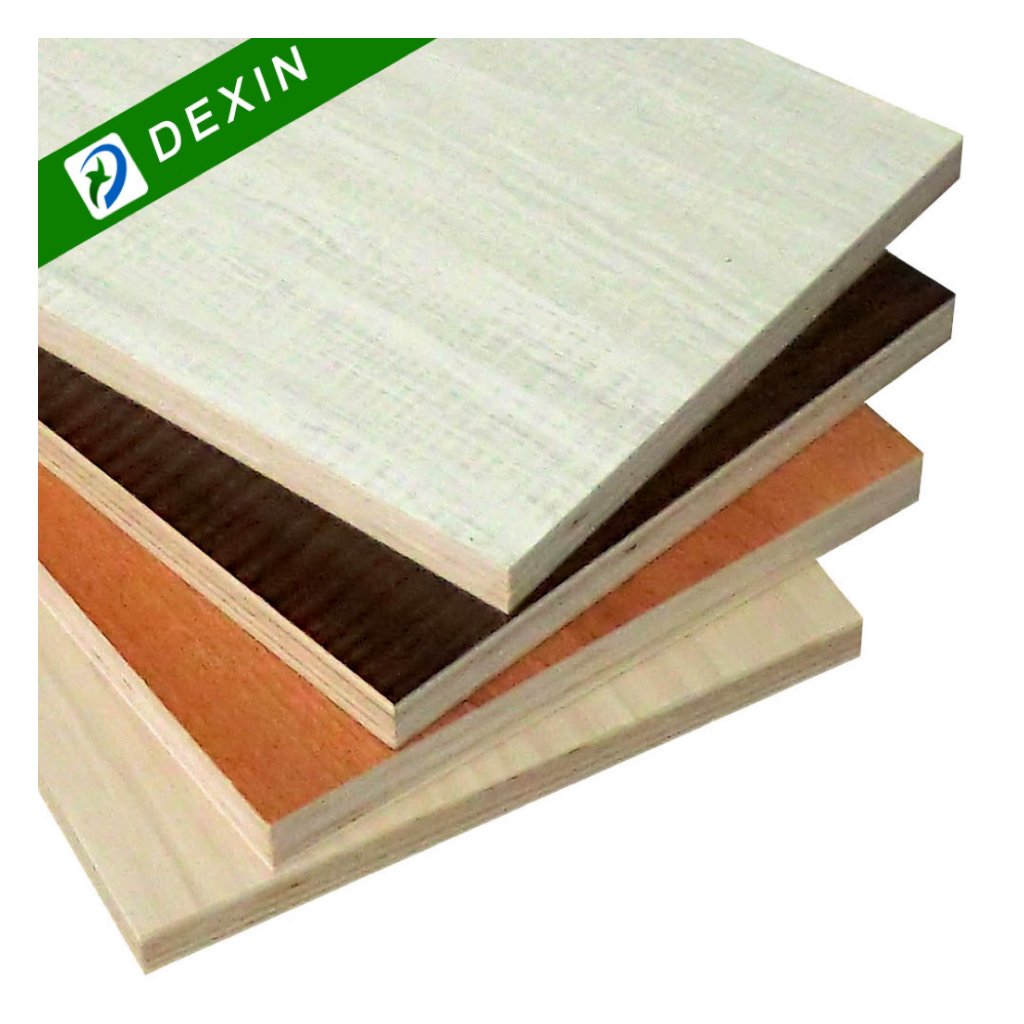
E0 First-Class Melamine Plywood 3mm / 12mm / 18mm
For wardrobe carcasses, cabinet doors and office furniture where a clean E0 story and consistent surface matter. Melamine-faced plywood gives screw-holding strength and dimensional stability; specify 18mm for carcasses, 12mm for drawers and 3mm for back panels.
- 3–18 mm
- E0
- 4×8 ft
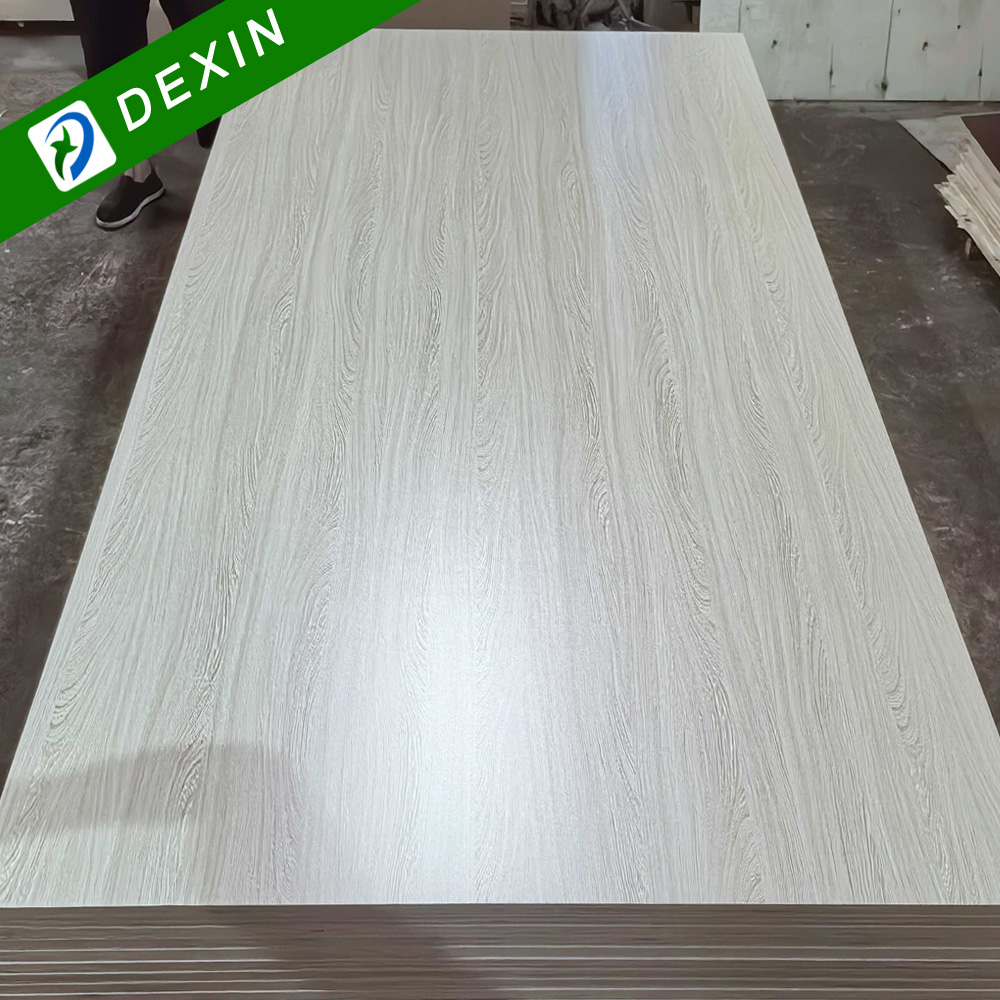
Waterproof Melamine Faced Eucalyptus Core Plywood 5mm / 6mm / 18mm
An 11-ply eucalyptus core with glossy or matt white melamine for kitchen and bathroom joinery. It suits Düsseldorf apartment refurbishments and hotel projects where moisture exposure is intermittent but real; specify WBP glue and sealed edges for wet zones.
- 11-ply
- 5 / 6 / 18 mm
- Waterproof

Eco-Friendly Melamine MDF Board 12mm / 15mm / 16mm / 18mm
Single or double-sided melamine MDF for cabinet doors, wardrobes and CNC-routed components. A uniform MDF core supports fine edge profiles and direct edge banding; choose E0 or E1 according to the project dossier and use moisture-resistant grades in kitchens and utility rooms.
- MDF
- E0 / E1
- Double-sided
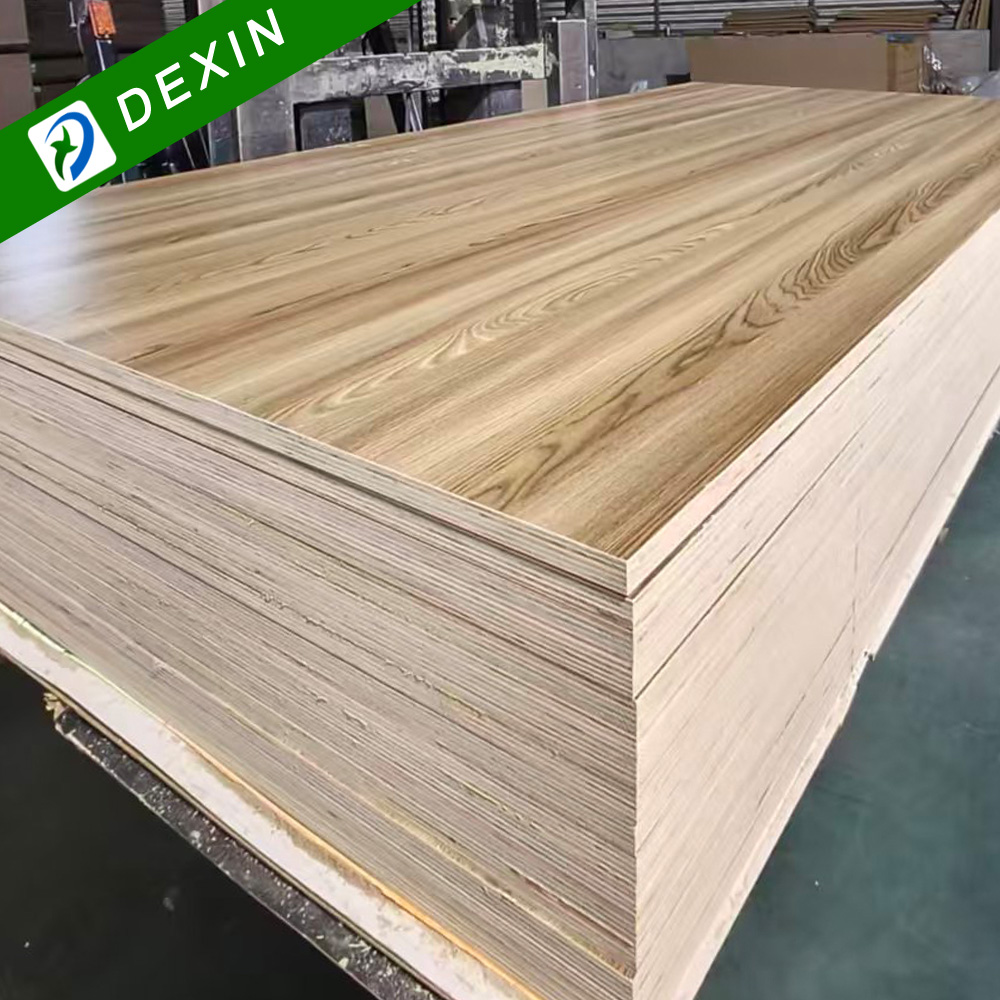
18mm Colorful Melamine Marine Plywood for Furniture Decoration
One- or double-sided colourful melamine on marine plywood for shopfitting, hotel feature joinery and furniture where colour is part of the brand. Use it for visible panels; confirm moisture class, edge sealing and batch colour consistency before release for wet areas.
- 18 mm
- Colorful
- Marine
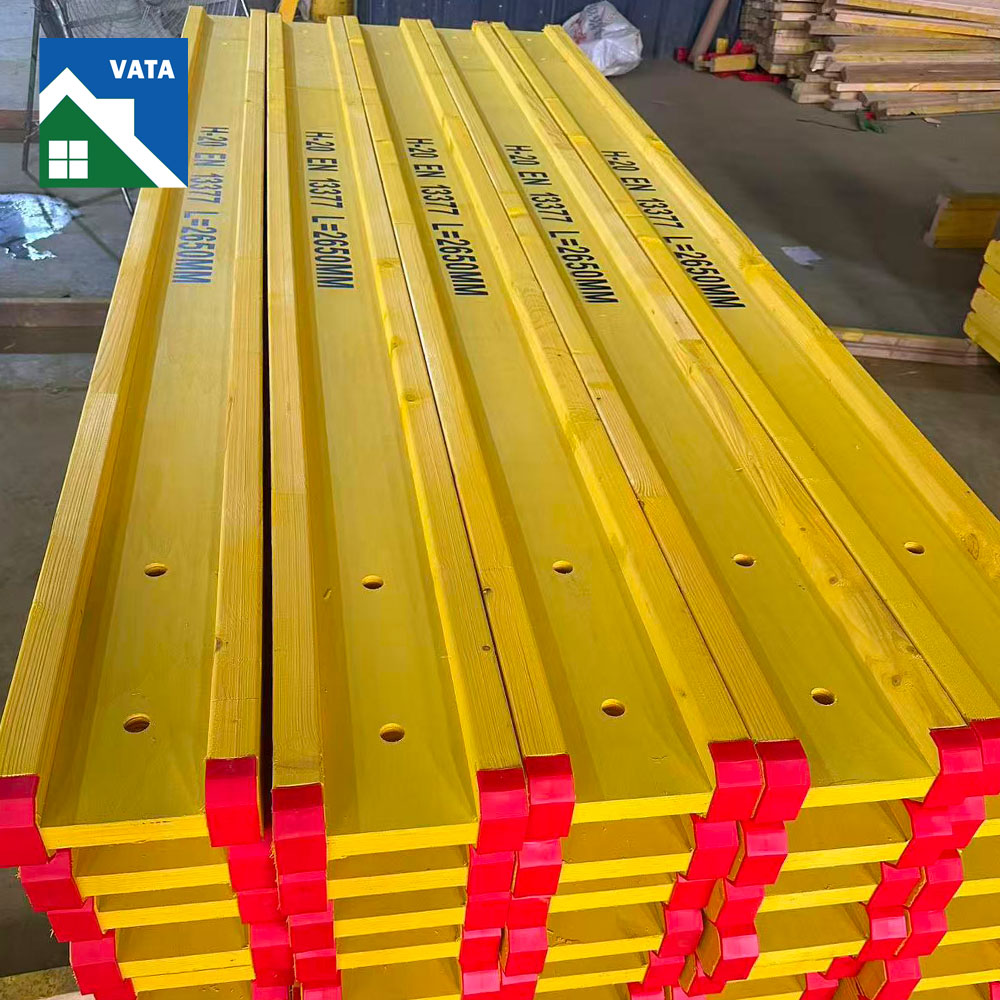
High-Strength H20 Timber LVL Beam for Concrete Formwork
A complementary structural line for Düsseldorf contractors and formwork suppliers. H20 timber beams support concrete formwork, temporary works and site logistics; pair them with film-faced plywood when a project needs a coordinated formwork package rather than single-product sourcing.
- H20
- LVL
- Formwork
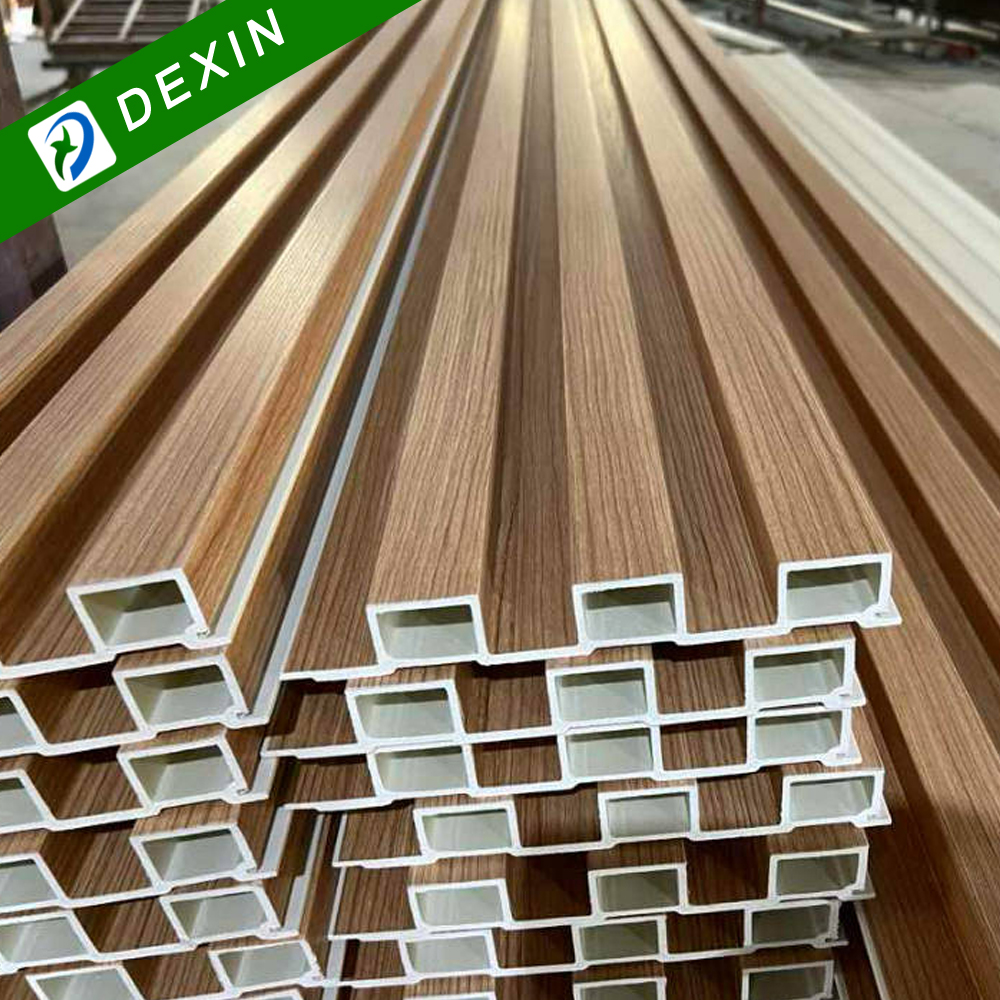
Modern PVC WPC Decorative Wall Panel for Interior Cladding
Wood-grain WPC wall panels for hotels, retail, offices and residential feature walls. They install quickly, tolerate humidity and reduce wet trades on renovation projects; combine them with melamine joinery when a Düsseldorf fit-out needs a coordinated surface language.
- WPC
- Waterproof
- Fast install
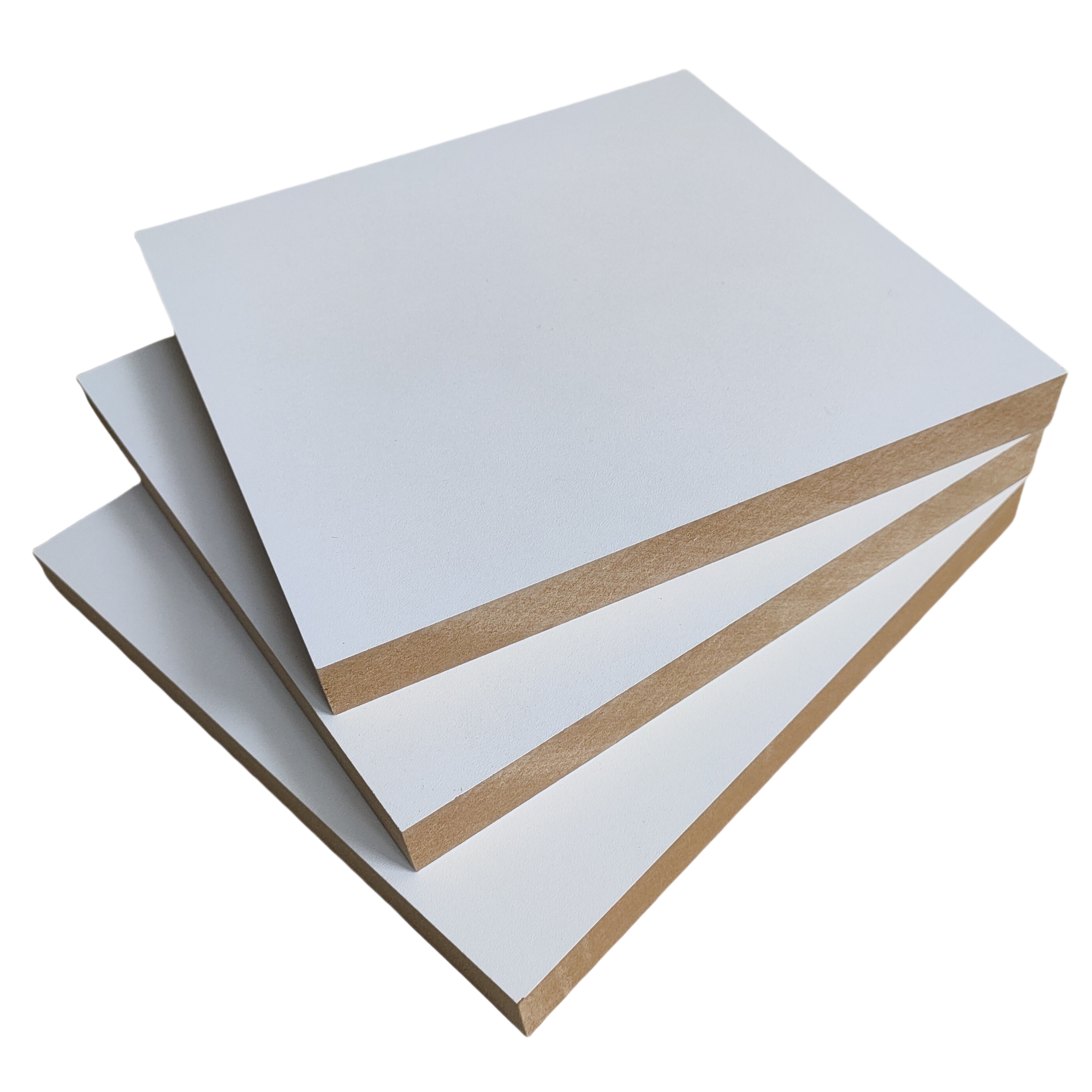
18mm Moisture-Proof White Melamine MDF for Kitchen Furniture
White wood-fibre MDF with E1 melamine face for kitchen cabinets, bathroom vanities and utility joinery. The white surface supports the clean, bright interiors common in Düsseldorf rental, hospitality and compact urban apartment projects; specify a moisture-resistant core where splashes are frequent.
- 18 mm
- White
- E1
- Moisture-proof
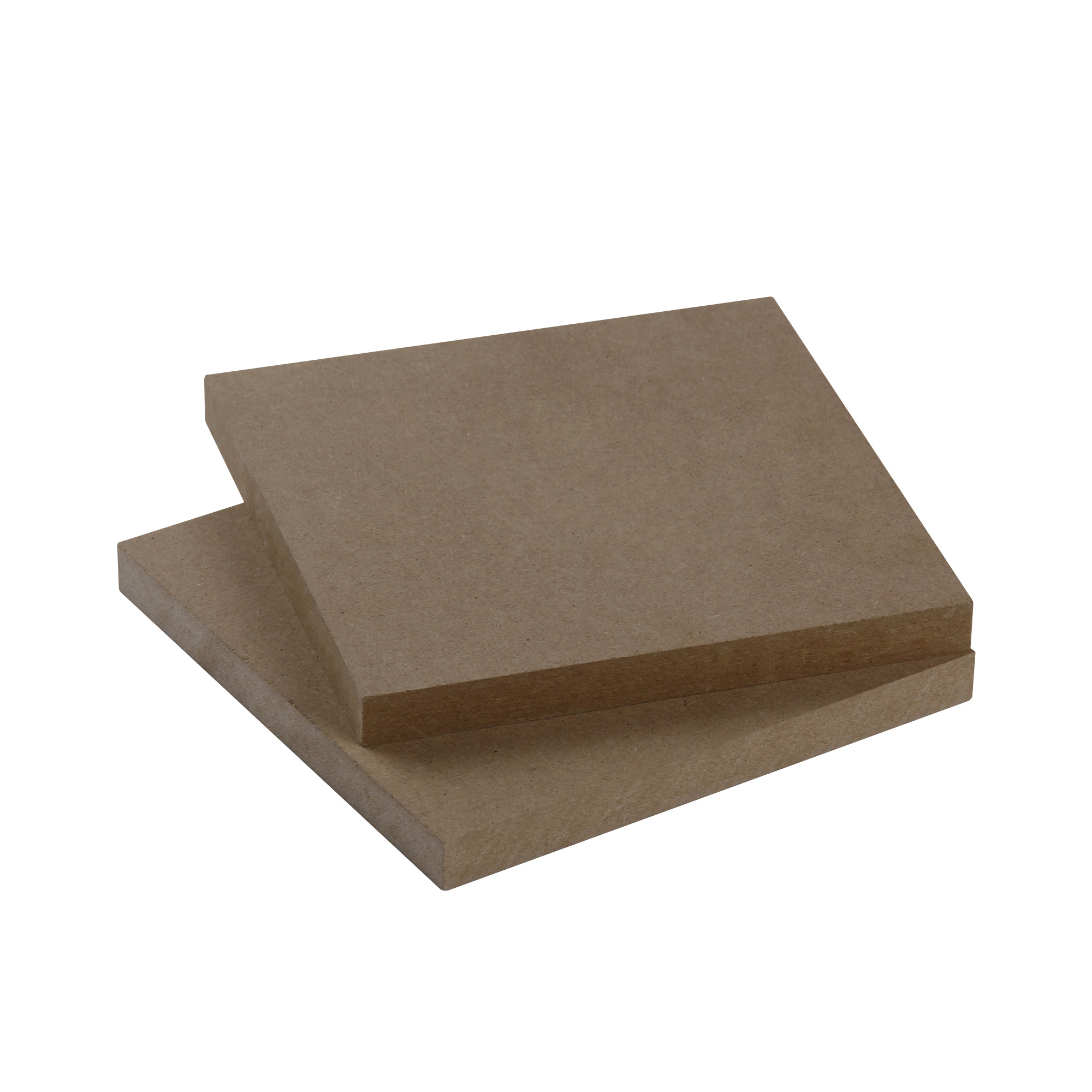
Dexin First-Class Plain Particle Board & MDF E2 Moisture-Proof
A value line for non-EU specifications, packaging, transit furniture or projects where the buyer’s technical dossier permits E2. For German interior use, we normally recommend E1 or E0 alternatives; this is exactly the kind of end-use question our team clarifies before quotation.
- E2
- Plain board
- Moisture-proof
A Düsseldorf-Focused Melamine Supply Partner, Not a Generic Exporter
Düsseldorf is not simply a destination city; it is a specification and distribution gateway for the Rhine-Ruhr region, the Lower Rhine and the Benelux border. Buyers here compare more than price per sheet.
Furniture fabricators, shopfitters, kitchen studios, architects and distributors in Düsseldorf need a melamine supplier who can connect product data to real project requirements: substrate strength, formaldehyde documentation, décor consistency, moisture exposure, edge-band matching, mixed-container flexibility and reliable inland delivery. A low headline price is irrelevant if the batch cannot be matched, the paperwork is incomplete or the panels arrive with damaged edges after a long Rhine-region transfer.
Linyi KUDE International Trading Co., Ltd. is the export platform of a wood-based panel manufacturing group founded in 1998 in Linyi, Shandong, China’s largest man-made board production cluster. We supply melamine plywood, melamine MDF, plain MDF, particle board, film-faced plywood, WPC wall panels and complementary structural products to importers, distributors and contractors in more than 30 countries. For Düsseldorf buyers, our role is to translate a local interior or construction requirement into a technically defined panel order that can be inspected, packed and shipped with fewer surprises.
This guide is written for B2B sourcing teams, not DIY retail buyers. It explains where melamine panels are used in Düsseldorf, which local trends are changing specification, how to compare suppliers and what documentation to request. E1 is the European baseline for interior wood-based panels; E0 is a voluntary lower-emission grade requested by some project teams, not a universal legal replacement for E1. Always match the grade, test report and end use instead of relying on a label alone.
Localised Applications in Düsseldorf and the Rhine-Ruhr Region
Düsseldorf combines contract furniture, retail, hospitality, office fit-out and cross-border distribution. These are the application clusters where melamine panels are most often specified.
Contract Furniture & Kitchen Studios
Melamine plywood and MDF for wardrobes, kitchen carcasses, doors and utility joinery. Düsseldorf’s compact apartments and rental market reward accurate CNC cutting, clean edges and moisture-resistant cores in kitchens and bathrooms.
Retail, Shopfitting & Trade-Fair Projects
Düsseldorf’s trade-fair calendar and retail streets create compressed fit-out windows. Colourful melamine marine plywood, melamine MDF and WPC panels help fabricators deliver branded displays, counters and feature walls with repeatable finishes.
Hospitality & Office Interiors
Hotels, serviced apartments and offices need durable, cleanable surfaces. White melamine MDF, E1 melamine plywood and fast-install WPC wall panels reduce finishing trades and support low-emission interior fit-out targets.
Public, Education & Healthcare Fit-Out
Procurement teams increasingly ask for FSC chain-of-custody options, E1 documentation and durable surfaces for schools, clinics and public interiors. Panel choice should be tied to cleaning regimes, hardware loads and edge-sealing quality.
Local Market Trends Shaping Melamine Specification
Düsseldorf buyers are reacting to European procurement pressure, tighter project deadlines and the practical demands of Rhine-Ruhr logistics.
Low-Emission Procurement
German and EU interior projects increasingly treat emission documentation as a gate. Expect requests for E1 as the baseline, E0 where specified, and clear test reports tied to the product family and batch.
Circularity & Repairability
Durable melamine surfaces, replaceable fronts and repairable joinery are becoming part of commercial fit-out decisions. Suppliers should be able to discuss edge sealing, moisture protection and long-term surface performance.
Trade-Fair & Project Deadlines
Düsseldorf’s exhibition and retail calendars compress procurement. Buyers need earlier confirmation of stock, production slots, packing dates and inland delivery windows to Neuss, Duisburg or Düsseldorf.
Mixed-Container Sourcing
Smaller distributors and fabricators combine melamine plywood, MDF, wall panels and structural lines in one container. Flexible MOQs and coordinated loading reduce inventory risk without filling a whole container with one décor.
Décor & Edge-Band Matching
A melamine board is only useful if the décor can be repeated. Buyers ask for sample chains, batch consistency, matching edge banding and clear colour references before approving kitchen or retail programmes.
Moisture-Resistant Kitchens & Baths
White melamine MDF and eucalyptus-core plywood are increasingly specified for kitchens, bathrooms and utility areas. The key is not just the face, but the core, glue line and sealed edges.
A Practical Specification Guide for Düsseldorf Buyers
Use this checklist to compare quotations. It is where many panel orders succeed or fail before the first container is loaded.
Emission & Documentation
Clarify E1, E0 or E2, the destination market and the end use. Ask for the relevant test report, FSC or PEFC chain-of-custody options where required, and CE documentation under EN 13986 when the product is in scope.
Substrate & Core
Poplar, eucalyptus, combi and pine cores behave differently under CNC routing, screw fixing and moisture exposure. Match the core to the load and environment, not only to the face colour.
Glue & Moisture
MR, WBP and HMR choices affect kitchen and bathroom performance. Define whether the panel is for dry interiors, intermittent moisture or wet areas, then confirm edge sealing and installation details.
Surface & Décor
Single- or double-sided melamine, matt or gloss, solid colour or wood grain. For approved projects, lock the décor code, gloss level, sample reference and edge-band match before production.
Thickness Tolerance & CNC
Thickness consistency affects hinge seats, edge banding, nesting yield and final cabinet alignment. Request the tolerance and calibration range for the exact board, especially for 12mm, 15mm, 16mm and 18mm production.
Packaging & Rhine Delivery
Confirm export pallets, corner protection, steel strapping, moisture barrier and loading photos. For Düsseldorf, discuss routing via Rotterdam or Antwerp and onward transfer through Rhine-region logistics points such as Neuss or Duisburg.
Why KUDE Can Support a Düsseldorf Buyer’s Technical and Commercial Review
Factory depth, export documentation and customisation matter when the order must satisfy a German project team, a distributor’s stock plan or a contractor’s delivery window.
Linyi KUDE International Trading Co., Ltd. operates as the export platform of a manufacturing group founded in 1998 in Linyi, Shandong, China’s largest wood-based panel production cluster. The group runs more than 30 sets of production machines in 30,000 m² of workshops, with more than 300 workers and an annual output of 60,000 m³ of plywood, blockboard, MDF and particle board. Our production experience exceeds 20 years, and our export experience covers more than 15 years.
Our working principle is straightforward: survival by quality, development by prestige. The group holds CE, ISO 9001, ISO 14001, FSC and CARB certifications, and our supplier profile has passed an on-site assessment by SGS. Formaldehyde grades E0, E1 and E2 are available depending on the product and destination. For Düsseldorf buyers, we can support sample-based, design-based and full customisation, including size, thickness, core species, face veneer or décor, glue type, logo printing and export packaging.
Commercial terms are built for importers: MOQ typically from 50 to 500 sheets depending on the line, mixed products in one container after specification confirmation, T/T and L/C payment in USD, EUR or CNY, and FOB, CFR, CIF or EXW terms. Orders are loaded in containers through northern China seaports such as Qingdao, with export packing, loading photos and the option to review our factory video or arrange live video inspection before shipment. For Rhine-Ruhr distribution, we can coordinate documents and loading plans for onward routing through Rotterdam, Antwerp, Neuss or Duisburg according to the buyer’s logistics setup.

Own Production Lines
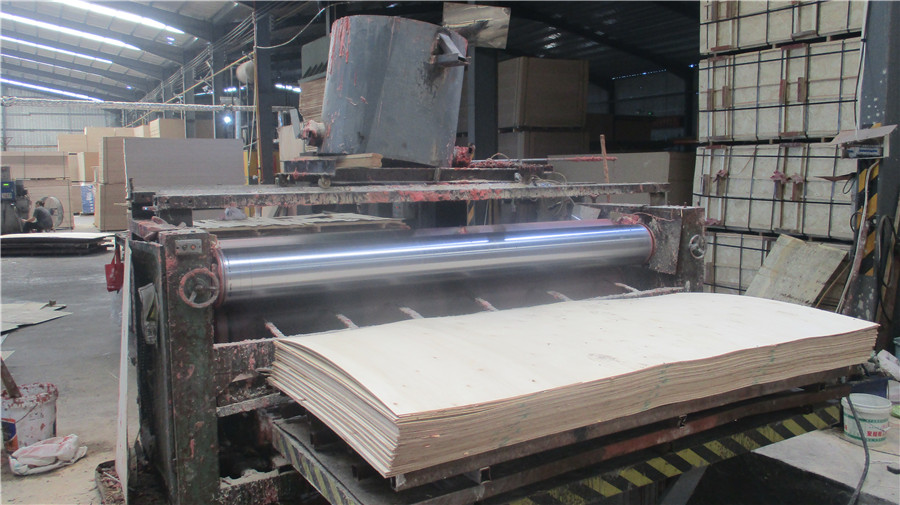
30+ machine sets covering peeling, gluing, hot pressing, sanding and laminating, reducing middle-man markup on core products.
Verified Quality
CE, ISO 9001, ISO 14001, FSC and CARB documentation, with E0, E1 and E2 grades matched to the destination market.
Flexible Customisation
Sample-based, design-based or full customisation of size, core, face, glue, logo printing and packaging for Düsseldorf programmes.
Export-Ready Logistics
FOB, CFR, CIF and EXW terms; T/T and L/C payment; seaworthy pallet packing and full export documentation for Rhine-region delivery.





Düsseldorf Buyer FAQ: Melamine Supply, Compliance and Delivery
These are the questions most often raised by German, Dutch and Belgian buyers sourcing melamine panels for Düsseldorf and the wider Rhine-Ruhr market.
QDo you deliver melamine boards to Düsseldorf and the wider NRW region?
Yes. We quote FOB, CFR, CIF or EXW and support export packing from Linyi through Qingdao. Düsseldorf deliveries are typically routed through Rotterdam or Antwerp and then onward by road or rail; Neuss and Duisburg are common inland logistics points for Rhine-Ruhr distribution. Final routing depends on the buyer’s forwarder and Incoterm.
QWhich formaldehyde and emission documents can you provide for Germany?
E1 is the European baseline for interior wood-based panels. E0 can be offered on selected products when the project requests a lower-emission grade, and E2 is available for specifications that permit it. We can provide the relevant product test reports, CE documentation where applicable, and FSC or CARB options depending on the product. Always confirm the report matches the exact board and end use.
QCan you match a melamine décor to an existing Düsseldorf project?
We can work from samples, décor references or approved drawings, and discuss edge-band matching, gloss level and batch consistency. For repeat furniture or shopfitting programmes, lock the décor code, surface finish and sample reference before production so that the next container remains visually consistent.
QWhat is the MOQ for a mixed container to Düsseldorf?
MOQ depends on the product line, typically from 50 to 500 sheets. Several products can be combined in one container after specification confirmation, which is useful for Düsseldorf distributors and fabricators that need melamine plywood, MDF and wall panels without committing to a single décor.
QWhat lead time should we plan for a Rhine-Ruhr project?
Lead time depends on stock, production scheduling, surface finish and order volume. A realistic project plan should include production, ocean freight, port handling and inland transfer to Düsseldorf, Neuss or Duisburg. Our export team confirms the schedule per order after specifications and quantity are fixed.
QCan you customise size, thickness, core and packaging?
Yes. We offer sample-based, design-based and full customisation, including size, thickness, core species, face veneer or melamine décor, glue type, logo printing and export packaging. For Düsseldorf buyers, custom pallet sizes and mixed-product loading plans can be discussed before quotation.
QWhich payment methods and trade terms do you accept?
We accept T/T and L/C in USD, EUR or CNY, and work on FOB, CFR, CIF and EXW terms. The final term should reflect who controls ocean freight and inland delivery to Düsseldorf, as well as the buyer’s customs and insurance arrangements.
QHow are panels protected during export and inland delivery?
Export orders use seaworthy pallets, corner protection, steel strapping, moisture barrier and coordinated container loading. We can provide loading photos before departure. For Rhine-region delivery, the buyer’s forwarder should maintain dry inland transport and careful handling to protect edges and surfaces.
Request a Düsseldorf-Ready Melamine Catalogue and Quotation
Send your panel type, size, thickness, emission class, décor reference, quantity, destination point in Düsseldorf, Neuss or Duisburg, and target delivery date. Our export team will reply with a technical proposal, packing plan and commercial terms. Use the button to request the current catalogue through the site’s live-chat service.
info@kudeplywood.com