8 Export-Ready Panel Products for Turkish Importers
These eight product lines are often ordered alongside eucalyptus core plywood by Turkish furniture makers, distributors and contractors. Use them to build a mixed container, test a new surface programme, or complete a project specification with one qualified supplier.
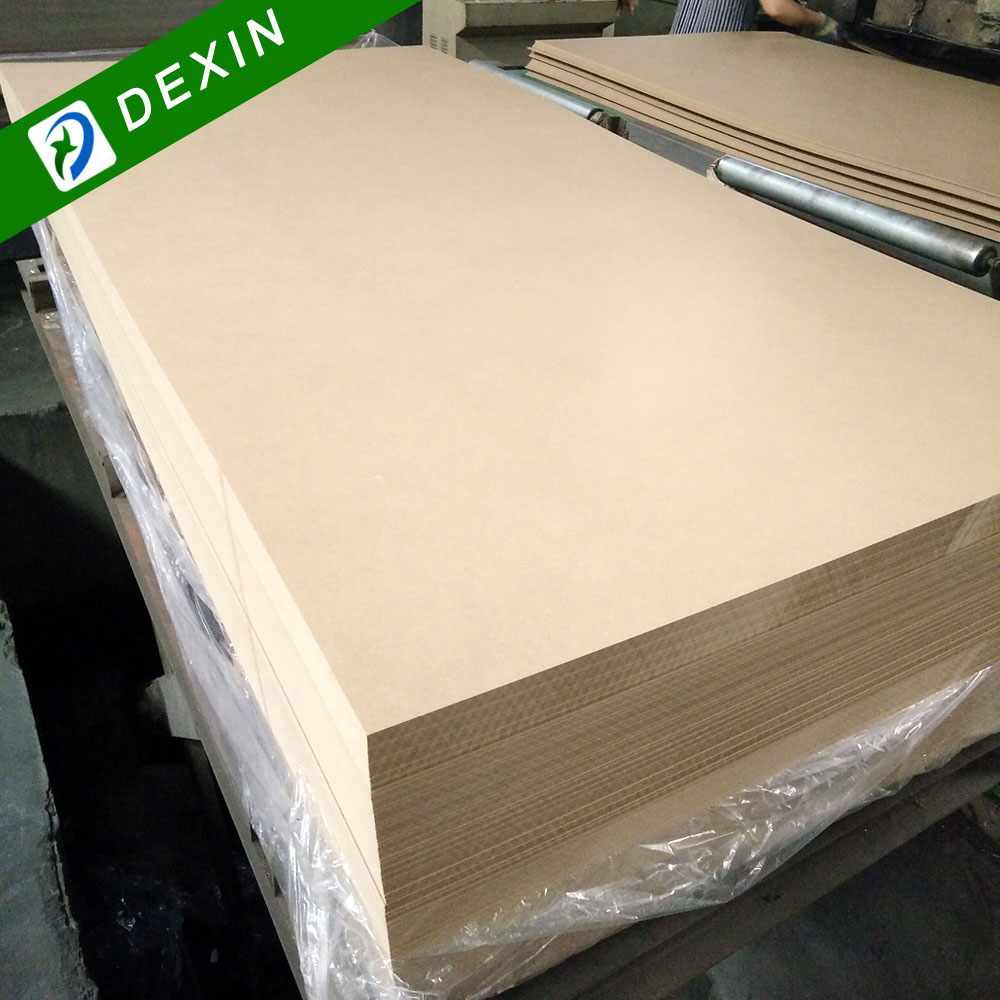
3mm, 12mm, 15mm, 18mm Raw/ Plain MDF Board for Furniture Decoration
Consistent sanding and stable density for painted furniture, routed panels, wardrobe backs and interior fit-out.
- 3–18 mm
- Furniture grade
- Raw / plain
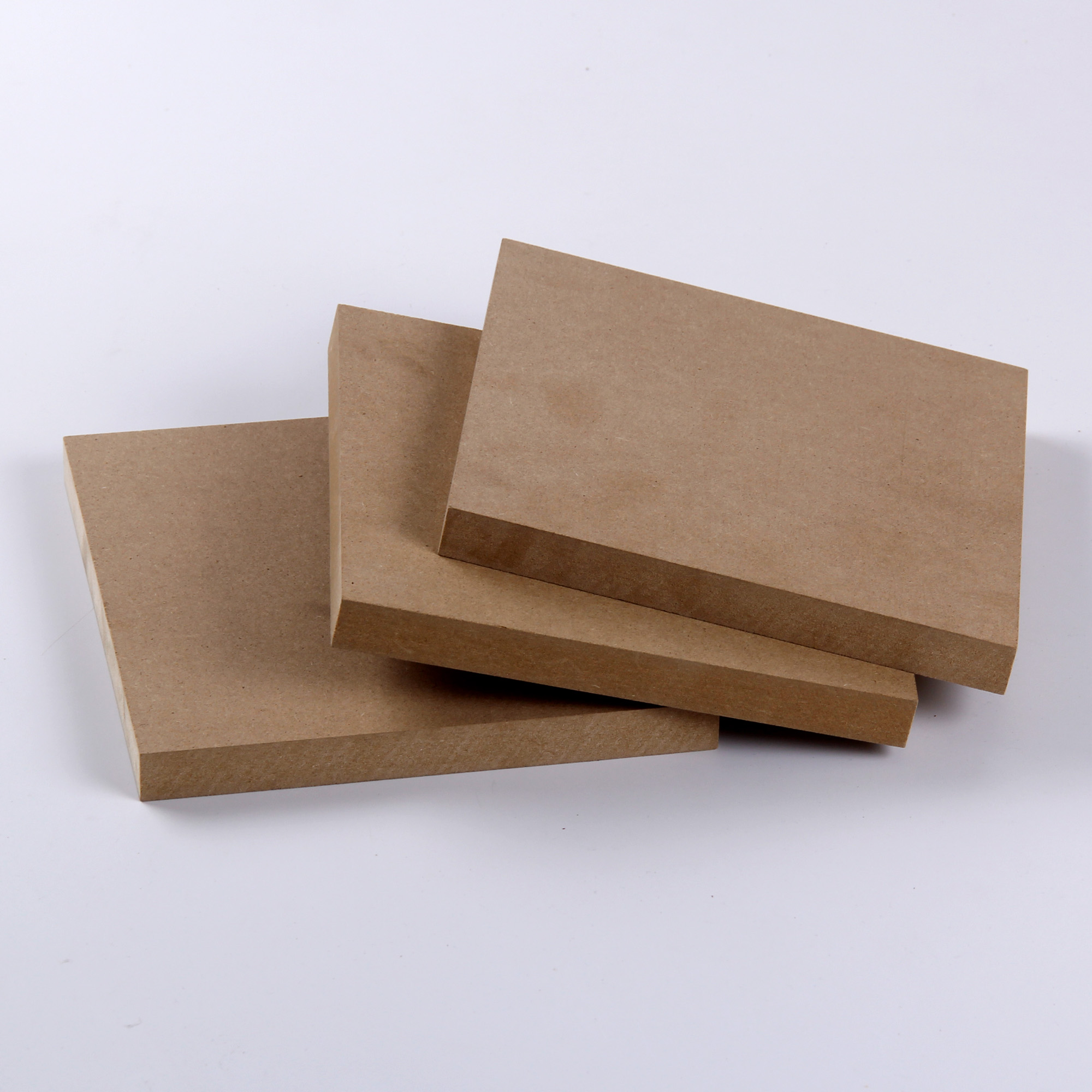
Factory Standard Size with Thickness of 5mm, 6mm, 8mm, 9mm, 18mm Raw MDF/HDF Board
A practical range for drawer bottoms, cabinet backs, door skins and overlay panels where thickness consistency matters.
- 5–18 mm
- MDF / HDF
- Standard sizes
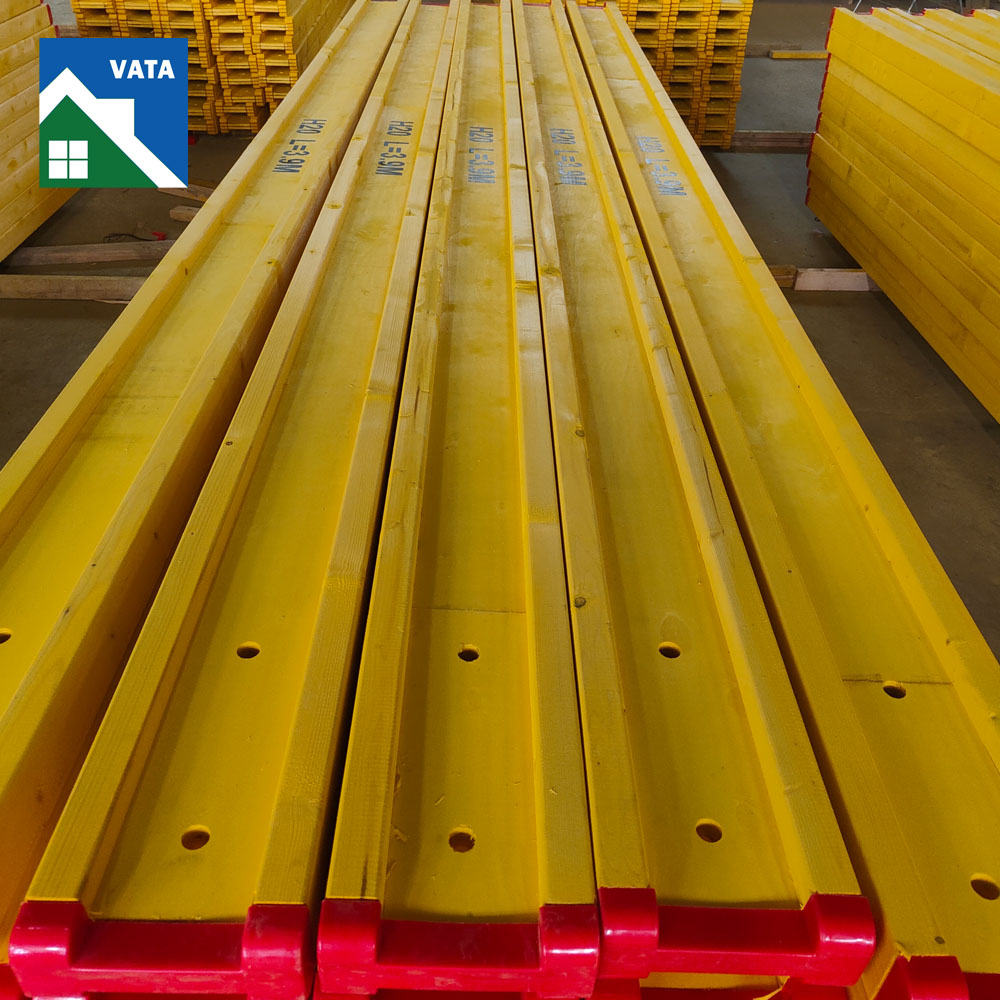
Manufacturer Reusable Yellow Painted H20 Wooden Formwork Beam with Plastic End Caps for Construction Building Projects
Reusable H20 beams for slab and wall formwork systems, supplied with protective end caps and project packing.
- H20 beam
- Reusable
- Construction
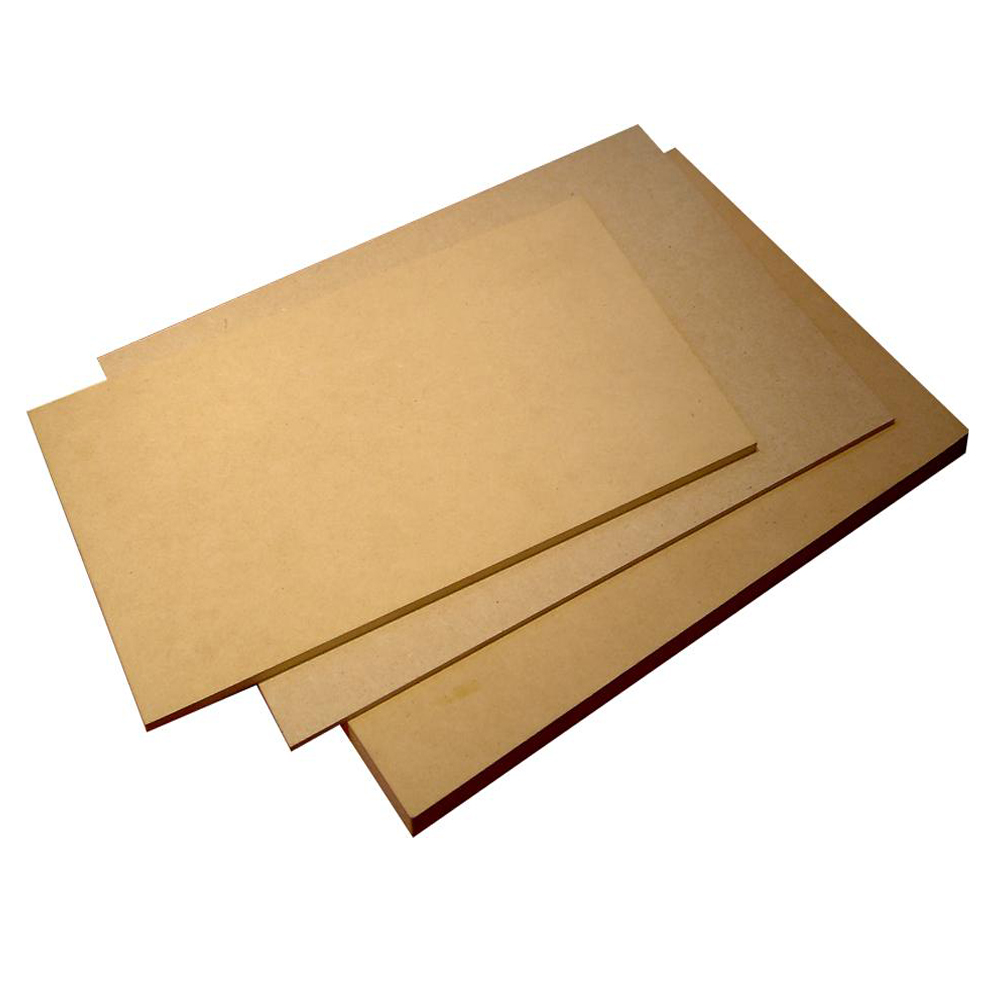
E0 E1 or E2 Glue Raw Thailand MDF Board with Cheap Price on Sale
Flexible emission-grade sourcing for price-sensitive distribution, with E0, E1 and E2 options confirmed by order.
- E0 / E1 / E2
- Raw MDF
- Wholesale
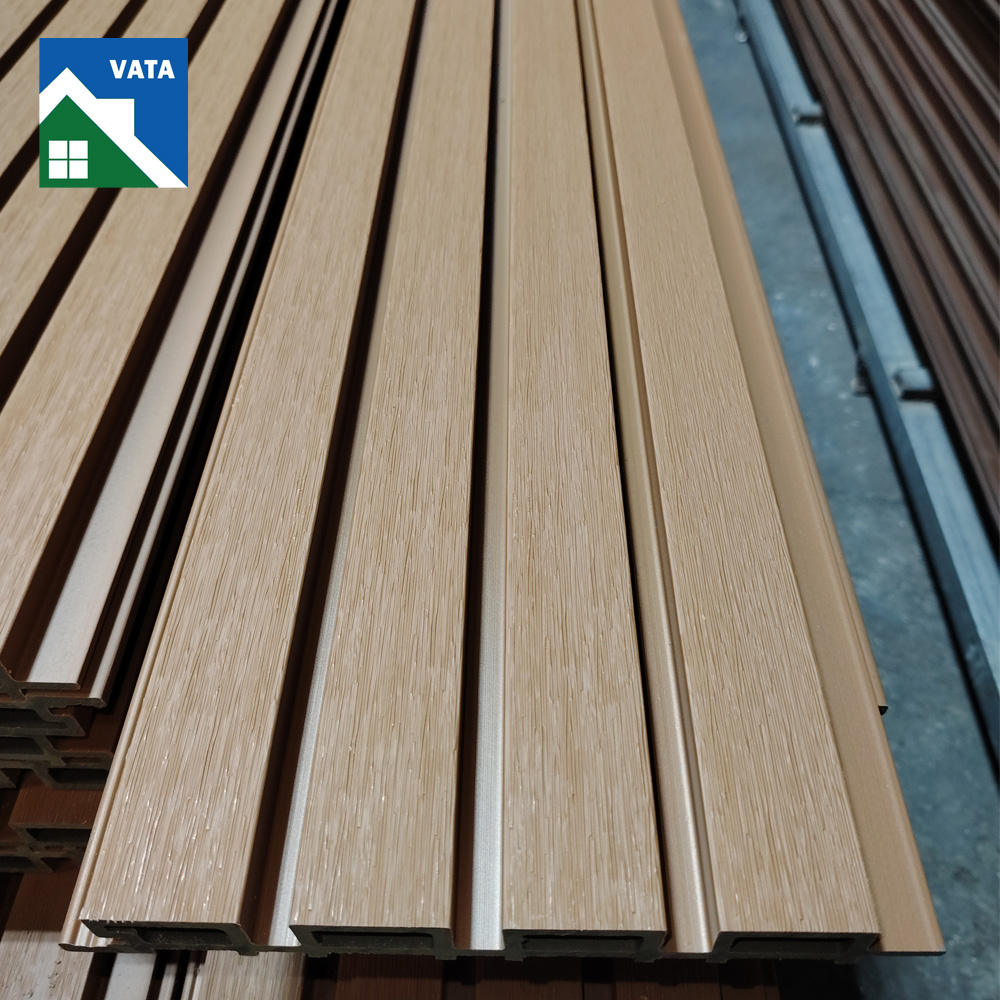
Decorative Outdoor Wood Plastic Composite Partition WPC Fluted Wall Panel Board External Siding Cladding Exterior Wall Cladding
Fluted exterior cladding for façades, terraces, hotel exteriors and retail buildings with a low-maintenance finish.
- Outdoor
- Fluted profile
- Weather resistant
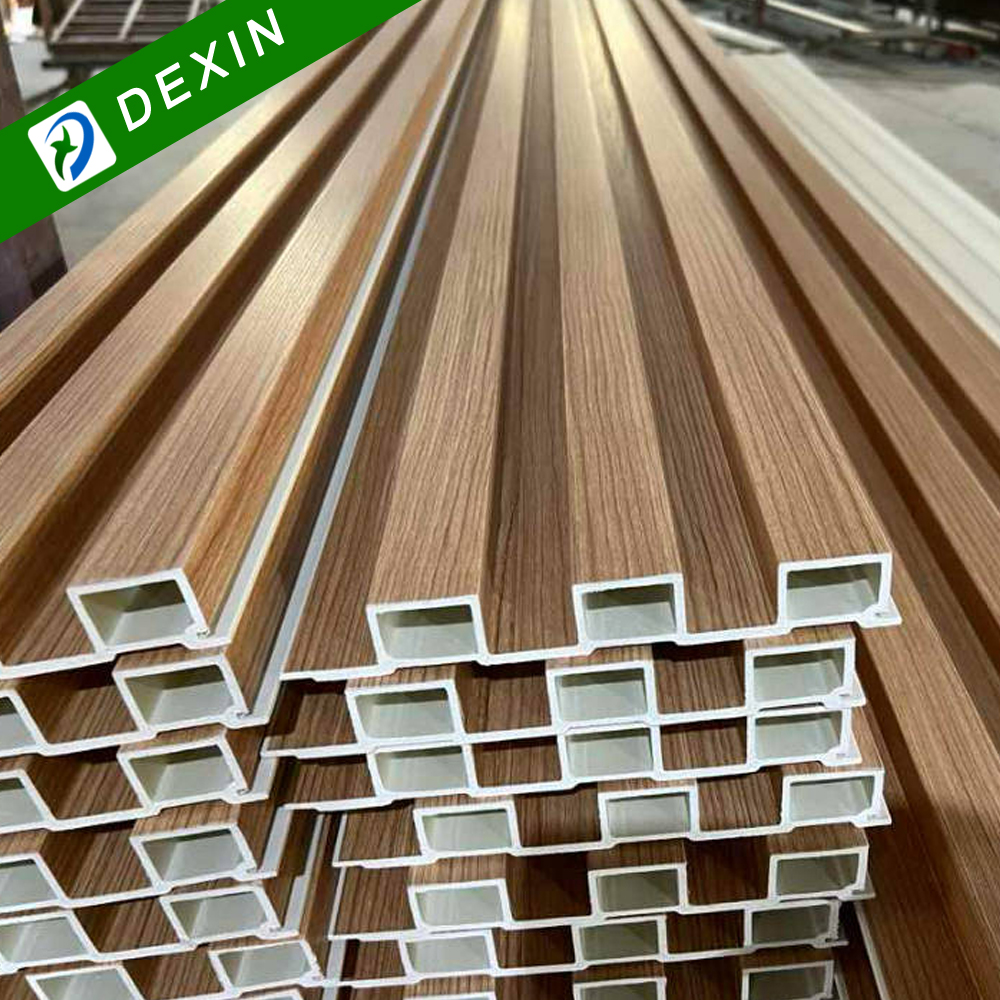
Modern Wall Cladding Home Background PVC WPC Wall Panels Interior Decorative Wall Panel for Hotel
Fast-install interior wall panels for hotel corridors, living areas, reception zones and residential refurbishment.
- Interior
- PVC / WPC
- Hotel projects
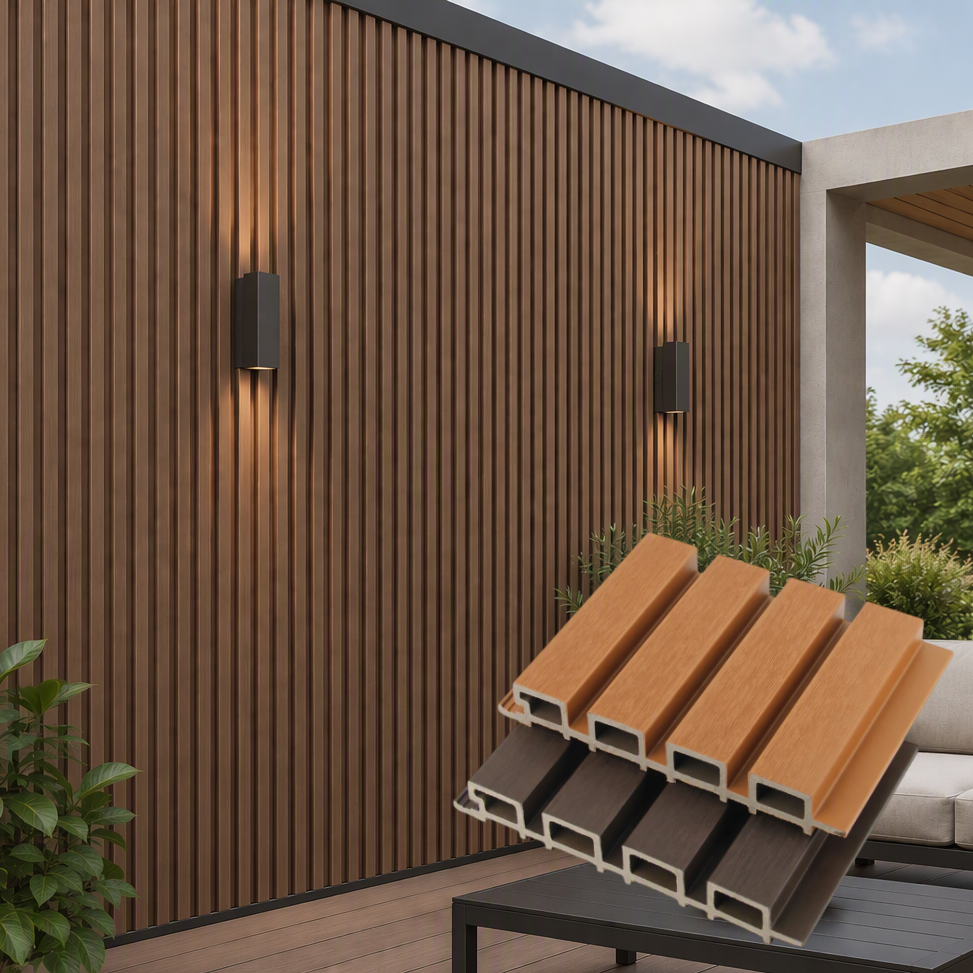
New Style Outdoor WPC Wall Cladding Panels Waterproof Villa Textured Co-Extruded Fluted Facade
Co-extruded WPC façade panels with a textured wood look, designed for villas, residences and commercial exteriors.
- Waterproof
- Co-extruded
- Villa façade
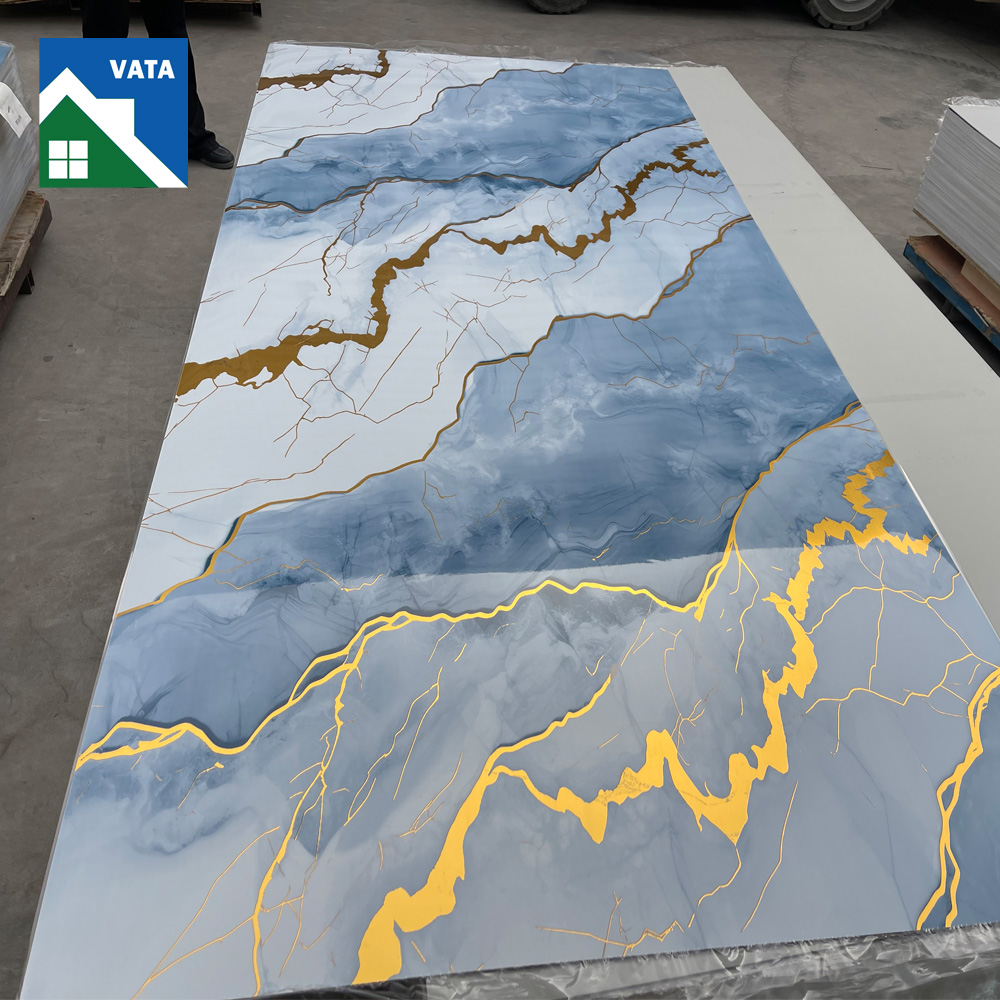
Customized Easy Installation High Glossy PVC Wall Panel Bendable DIY Indoor TV Wall Background Board Glossy UV Marble Sheets
Bendable high-gloss UV marble-look sheets for TV backgrounds, feature walls, wardrobe fronts and shop fitting.
- High gloss
- Bendable
- Indoor decor
What Serious Turkey Buyers Check Before Ordering OEM/ODM Eucalyptus Core Plywood
Turkey is a major furniture, contract interior and building-products market. For importers and wholesalers, eucalyptus core plywood can offer a strong balance between screw-holding, cost efficiency and panel stability — but only when the core, glue line, moisture content and surface specification are controlled.
Eucalyptus core is not a commodity description — it is a performance decision
Eucalyptus is a fast-growing hardwood often used as a core material for furniture-grade plywood. Compared with low-density poplar cores, a well-graded eucalyptus core can improve screw-holding strength and load resistance in cabinet carcasses, drawer boxes, shelving and contract furniture. For Turkish furniture factories that supply domestic chains and export projects, this can mean fewer rejected components and better material yield after CNC cutting and edge banding.
However, the commercial benefit depends on the detail behind the word “eucalyptus”. A buyer should ask whether the core is full eucalyptus, eucalyptus-poplar combi, or a mixed hardwood core; how the veneers are graded; how the glue is spread; how moisture is controlled before pressing; and whether thickness tolerance is measured across the whole bundle rather than on one sample. These details determine whether the plywood stays flat, machines cleanly and holds fasteners after it reaches a factory in Istanbul, Kayseri, Bursa, Izmir or Ankara.
OEM/ODM means specification control, not just a private label
For Turkish distributors and wholesalers, OEM/ODM value comes from repeatability. A private-label programme should define the exact face and back veneer, thickness tolerance, glue type, formaldehyde emission class, sanding quality, packaging method, pallet marking and container loading plan. It should also define what happens when a batch is outside tolerance. The best supplier is the one that can turn your written specification into the same board, bundle after bundle.
KUDE’s export platform is built around this type of specification-led supply. The manufacturing group was founded in 1998 in Linyi, Shandong — China’s largest wood-based panel cluster — and has more than 30 sets of production machines, 30,000 m² of workshops, over 300 workers and an annual output of 60,000 m³. The group holds CE, ISO 9001, ISO 14001, FSC and CARB certifications, and its supplier profile has passed an on-site assessment by SGS. For Turkish buyers, that supports a practical due-diligence path: factory base, documentation, sample approval and container inspection.
What information gain should a Turkish buyer demand?
Ask for a pressed sample from the production line, not a showroom sample only. Review the edge for voids, measure thickness at several points across a bundle, check surface sanding and face grade, and confirm the glue and emission class in the quotation. If the specification includes WBP glue for humid applications, request a bonding test report or an agreed water-resistance check. If the panels will be laminated or painted, ask about surface porosity and core density variation — because these affect adhesive consumption and finish quality.
For Turkey-bound orders, packaging deserves equal attention. Sea freight from Qingdao to Turkish ports involves humidity changes and multiple handling points. Seaworthy pallets, corner protection, moisture barrier film, steel strapping and clear shipping marks reduce the risk of edge damage and moisture uptake. Where wood packaging is used, ISPM 15 treatment and marking should be confirmed before loading.
Turkey buyer checklist
- Core specification: full eucalyptus, combi, or mixed hardwood — stated in writing.
- Thickness, size and tolerance checked by caliper across the bundle.
- Glue type: MR or WBP; emission class E0/E1/E2 matched to the end market.
- Face/back veneer, melamine decor, UV/PET or other surface confirmed by sample.
- Moisture content, sanding quality, edge voids and bonding performance reviewed.
- Packaging, loading photos, container plan and Turkey port of discharge agreed.
Where Eucalyptus Core Plywood and Panel Programmes Fit in Turkey
Turkey’s furniture industry is export-oriented and highly competitive on cost, design and delivery. The right plywood specification depends on whether the panel is structural, visible, painted, laminated, machined or exposed to moisture.
Kitchen and bathroom cabinet carcasses
Eucalyptus core plywood adds screw-holding strength for hinge and rail fixing. Turkish cabinet makers often pair it with melamine, PET or PVC faces, so core density and surface flatness must support clean edge banding.
Bedroom furniture and wardrobes
For wardrobe backs, drawer boxes and shelving, buyers want minimal warping and consistent thickness. A graded eucalyptus core with controlled moisture helps furniture factories in Kayseri, Bursa and Istanbul reduce rework.
Hotel and contract fit-out projects
Antalya, Izmir and Istanbul have steady hotel renovation demand. Plywood substrates are used behind decorative wall panels, wardrobe units, reception desks and built-in furniture, where flatness and fast installation matter.
Retail shopfitting and display systems
Retail fixtures need precise CNC routing, clean painting and reliable fastening. Eucalyptus core plywood can support heavy displays and repeated assembly, especially when edge quality and panel flatness are specified.
Export packaging and crating
Turkish machinery and automotive suppliers use plywood for crates, pallets and protective packaging. Strength, cost per cubic metre and consistent thickness are the main purchase criteria, with ISPM 15 compliance for wood packaging where required.
Wall, ceiling and decorative substrates
Plywood can act as a stable substrate behind WPC, PVC and UV decorative panels. For humid spaces, specify the right glue, edge sealing and coating system rather than relying on the decorative surface alone.
How Wholesale Panel Buying in Turkey Is Changing
Turkish importers are not simply looking for the lowest price per sheet. They are balancing documentation, inventory risk, local currency pressure, project deadlines and the requirements of their own export customers.
E1/E0 emission data, FSC, CE, CARB and SGS references are increasingly requested before a supplier is approved. Buyers want certificates that match the actual product and shipment.
Turkish distributors want their own logo, packing mark, thickness range and face selection. Suppliers must be able to customise without losing factory discipline.
Currency volatility encourages lean inventory. Importers combine plywood, MDF, H20 beams and wall panels in one container to reduce cash tied up in slow-moving stock.
Low-emission, moisture-resistant, CNC-friendly and decorative surfaces are growing. The panel is no longer bought as an unnamed commodity; it is specified by application.
OEM/ODM Eucalyptus Core Plywood Order Guide for Turkey
Use this matrix to prepare a quotation brief. Final values must be confirmed against your sample, destination port, end use and local compliance requirements.
| Specification point | Typical options | Why it matters in Turkey |
|---|---|---|
| Core | Full eucalyptus, eucalyptus-poplar combi, mixed hardwood, poplar | Affects screw-holding, weight, machinability and price. Ask for the exact core ratio in writing. |
| Panel size | 1220×2440 mm, 1250×2500 mm, larger furniture-optimised formats on request | Panel format should match cutting optimisation at the Turkish furniture factory and container loading efficiency. |
| Thickness | 3–25 mm; common furniture thicknesses 9, 12, 15, 18 and 21 mm | Thickness tolerance influences CNC routing, edge banding, hinge fitting and finished cabinet dimensions. |
| Face / back | Okoume, bintangor, pine, melamine paper, UV/PET, PVC, custom decor | Visible furniture and interior projects need consistent colour, grain and surface quality across batches. |
| Glue | MR, WBP, phenolic where specified | WBP is preferred for humid or contract applications; MR may suit dry interior furniture where cost is critical. |
| Emission class | E0, E1, E2; CARB on request | Turkish buyers should align the grade with domestic rules and the final market of the furniture. E1 is commonly requested; E0 is used for stricter projects. |
| Moisture content | Target range agreed by product and season | Poor moisture control can cause warping, delamination and dimensional movement after arrival in Turkey. |
| Quality checks | Calipers, edge inspection, bonding test, surface check, loading photos | Batch-level evidence reduces disputes and gives the importer a record for its own customers. |
| Packaging | Seaworthy pallets, corner protectors, moisture film, steel straps, ISPM 15 wood packaging | Long sea routes and multiple handling points require packaging designed for export, not local delivery. |
| MOQ & loading | Typically 50–500 sheets per line; mixed containers possible | Allows distributors to test several products without overstocking a single specification. |
| Trade terms | FOB, CFR, CIF, EXW; T/T and L/C | Turkish buyers can choose the term that matches their customs broker, insurer and cash-flow model. |
| Ports | Qingdao to Istanbul (Ambarlı), Gemlik, Izmir, Mersin and other agreed ports | Port selection affects inland trucking, unloading cost and total landed cost in Turkey. |
HS classification and import documentation should always be confirmed with your Turkish customs broker. For plywood, classification depends on construction, face material and thickness.
Why KUDE Is a Credible OEM/ODM Panel Partner for Turkey
Turkish buyers need more than a price list. They need a supplier that can prove its factory base, control quality, customise specifications, document compliance and load containers as agreed.
Factory-direct Linyi base
The group was founded in 1998 in Linyi, Shandong, China’s largest wood-based panel cluster. More than 30 machine sets, 30,000 m² of workshops and 300+ workers support stable production and competitive raw-material access.
Certified quality systems
CE, ISO 9001, ISO 14001, FSC and CARB certifications support buyer approval processes. E0, E1 and E2 grades are available according to product and destination market requirements.
OEM/ODM customisation
Sample-based, design-based and full customisation of size, thickness, core species, face veneer, decor, glue, logo printing and export packaging. This suits Turkish private-label distributors and project buyers.
Export-ready logistics
FOB, CFR, CIF and EXW terms; T/T and L/C payment; USD, EUR or CNY settlement. Seaworthy packing, container loading plans and shipping through Qingdao and other northern China ports.
Quality control from veneer to loading
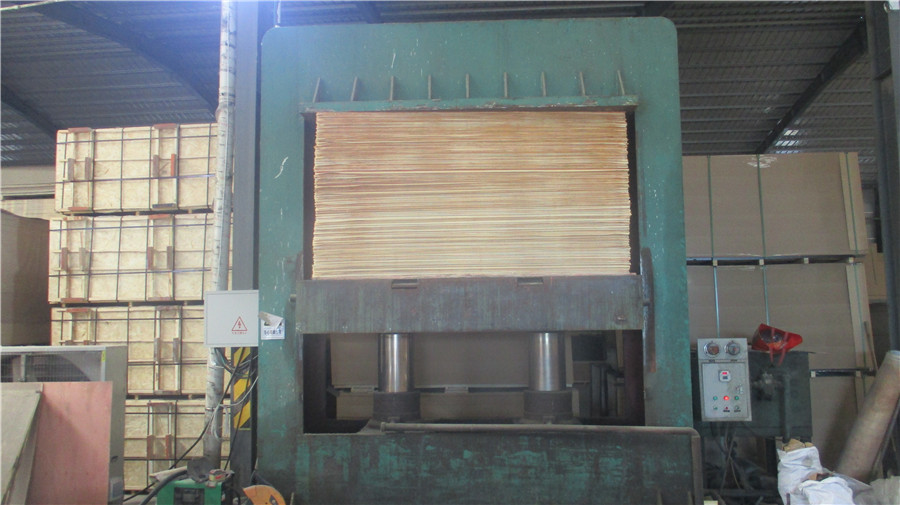
Material selection, glue spreading, hot pressing, sanding, lamination, thickness checks, bonding inspection and export packing are controlled as sequential checkpoints. Loading photos can be provided for buyer records.
15 years of export experience
Products have been exported to more than 30 countries and regions, including the Middle East, Europe, the Americas, Africa and Southeast Asia. The export team can prepare technical proposals and inspection arrangements.



Turkey Buyer FAQ: Eucalyptus Core Plywood Wholesale and OEM Orders
These are the practical questions Turkish importers, distributors and furniture factories ask most often when qualifying a China-based plywood supplier.
What does OEM/ODM eucalyptus core plywood mean in practice?
It means the panel is produced to your approved specification rather than a generic catalogue item. The order can define core ratio, size, thickness tolerance, face and back, glue type, emission class, sanding quality, logo marking, packaging and mixed-container loading. ODM support can also include decor selection and application-based recommendations.
Which eucalyptus core plywood specifications are most common for Turkey?
Common requests include 1220×2440 mm and larger furniture-optimised formats, thicknesses such as 9, 12, 15, 18 and 21 mm, E1 or E0 emission grades, MR or WBP glue, and faces suitable for melamine lamination, painting or natural veneer finishing. The final specification should always be confirmed against the end application and sample.
Should Turkish buyers choose E0, E1 or E2 formaldehyde grade?
E1 is commonly requested for furniture and interior applications, while E0 is specified for stricter projects or buyers targeting markets with tighter emission requirements. E2 may be considered for non-sensitive applications where local rules allow it. Confirm the required grade with your customer, customs broker or technical consultant before ordering.
Can you produce custom sizes and thicknesses for Turkish furniture factories?
Yes. Customisation can cover size, thickness, core species, face veneer or decor, glue, emission class, edge treatment, logo printing and packaging. For new specifications, we recommend a sample approval step before a container order so that the factory and buyer work from the same physical reference.
What is the minimum order quantity and can we mix products in one container?
MOQ depends on the product line and is typically 50–500 sheets. For distributors, mixed loading can combine plywood, MDF, H20 formwork beams and decorative wall panels in one container after specifications are confirmed. This helps test demand without committing to a full container of a single SKU.
How do you control quality and packaging for sea shipment to Turkey?
Controls can include veneer grading, moisture checks, glue spread control, hot-pressing records, thickness and flatness inspection, bonding checks and surface review. Export packing uses seaworthy pallets, corner protection, moisture film, steel strapping and clear marks. Loading photos can be shared before departure.
Which Turkish ports can you ship to and what trade terms do you accept?
Typical discharge ports include Istanbul (Ambarlı), Gemlik, Izmir and Mersin, with other ports subject to carrier routing. We work on FOB, CFR, CIF and EXW terms, and accept T/T and L/C in USD, EUR or CNY. The final term should reflect your customs broker and insurance arrangements.
What documents are provided for Turkey customs clearance?
Standard documents include commercial invoice, packing list, bill of lading and certificate of origin, plus product certificates where applicable. If wood packaging is used, ISPM 15 treatment and marking should be confirmed. HS classification, import duties and any Turkey-specific requirements should be verified with your customs broker.
How are samples handled before a container order?
Samples can be prepared from the proposed production specification so the buyer can check core, face, thickness, surface and colour. Sample cost, courier freight and lead time are confirmed case by case. For repeat orders, the approved sample becomes the reference for production and inspection.
Can we arrange third-party inspection or visit the factory?
Yes. Buyers can arrange a third-party inspection before loading, and factory visits can be coordinated with the export team. The manufacturing group’s supplier profile has passed an on-site assessment by SGS, and live video inspection can be discussed for buyers who cannot travel before shipment.
Send Your Eucalyptus Core Plywood Specification Today
Share your panel size, thickness, core ratio, face and back, glue type, emission class, target quantity, destination port and required delivery date. Our export team will respond with a technical proposal, packaging plan and container loading suggestion for the Turkey market.
Send an Inquiry Factory-direct supply from Linyi, China · OEM/ODM · CE · ISO 9001 · ISO 14001 · FSC · CARB