What OEM/ODM Fancy Plywood Really Means for Karaj Furniture Factories
Karaj is an industrial furniture and fit-out market, not a generic board market. Buyers are not only purchasing a sheet; they are purchasing a repeatable surface, a nesting-friendly thickness, an emission grade that satisfies end clients, and a container that arrives with consistent colour and flatness.
In the Karaj market, OEM and ODM are commercial shorthand for control. OEM means the panel is produced to a buyer’s brand, specification, thickness, face decor, glue system and packaging requirement. ODM means the manufacturer already offers a developed decorative programme — wood grains, matte whites, marble-look surfaces, low-emission cores and export packaging — that a Karaj importer, furniture factory or project supplier can adapt quickly. Both models reward a supplier that can hold tolerances across repeat orders. A low sample price is irrelevant if the second container arrives with a different white, a different gloss level or a different core density.
Linyi KUDE International Trading Co., Ltd. operates as the export platform of a wood-based panel manufacturing group founded in 1998 in Linyi, Shandong, China’s major wood-panel cluster. Our production base covers 30,000 m² of workshops, more than 30 sets of machines, over 300 workers and an annual capacity of 60,000 m³ across plywood, blockboard, MDF and particle board. For Karaj buyers, that cluster position matters: veneer, glue, core material and laminating capacity sit close together, which supports faster specification changes and more stable batch planning than a pure trading model. Our group certifications include CE, ISO 9001, ISO 14001, FSC and CARB, with E0, E1 and E2 formaldehyde grades available according to product and destination requirement.
Eight Fancy Plywood, Melamine Board and MDF Formats for Karaj Furniture Production
The range below covers visible cabinet surfaces, wardrobe carcasses, kitchen fronts, marine-grade decorative panels, raw MDF routing and project joinery. Each card links to the original product specification.
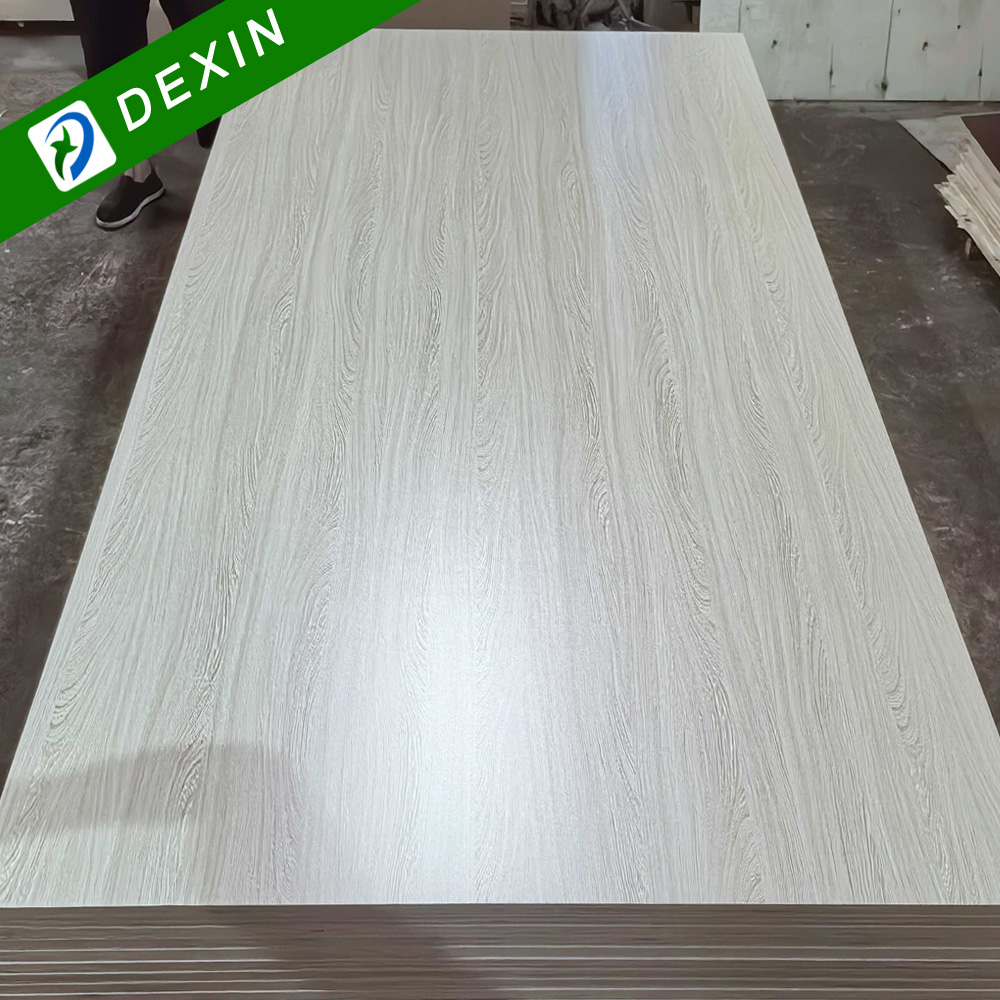
Waterproof Melamine Contreplaque De 5mm 6mm 18mm 11 Ply Glossy Matt White Eucalyptus Core Melamine Faced Plywood
For Karaj kitchen and wet-area furniture where a white or decorative face must resist daily cleaning and humid indoor conditions.
- 5–18 mm
- 11-ply option
- Matt / gloss
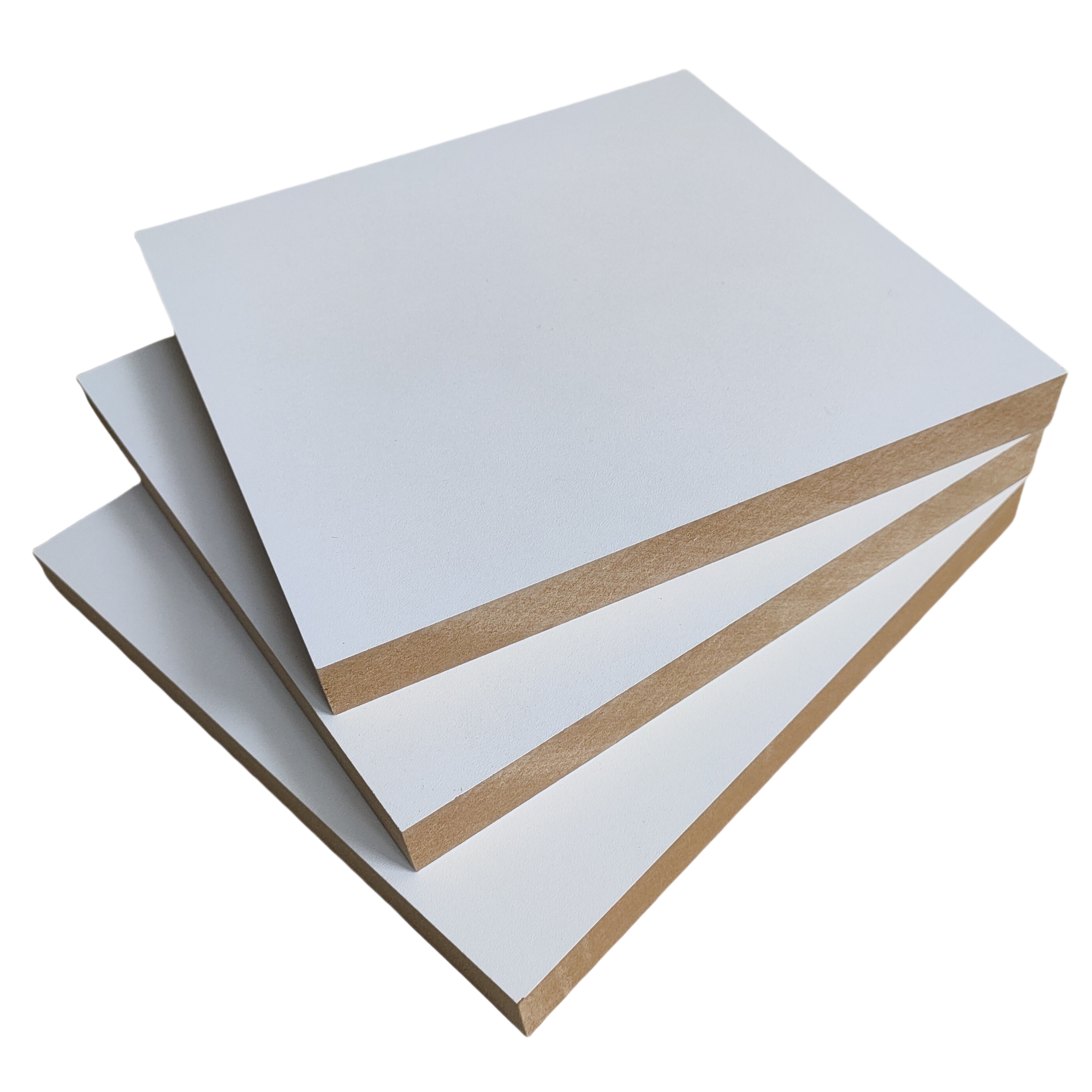
18mm Kitchen Furniture Use White Wood Fiber Board E1 Grade Melamine MDF/HDF Sheet Moisture-Proof
A practical white MDF/HDF programme for Karaj cabinet carcasses, drawer fronts and internal furniture where surface consistency matters.
- 18 mm
- E1 grade
- Moisture-proof
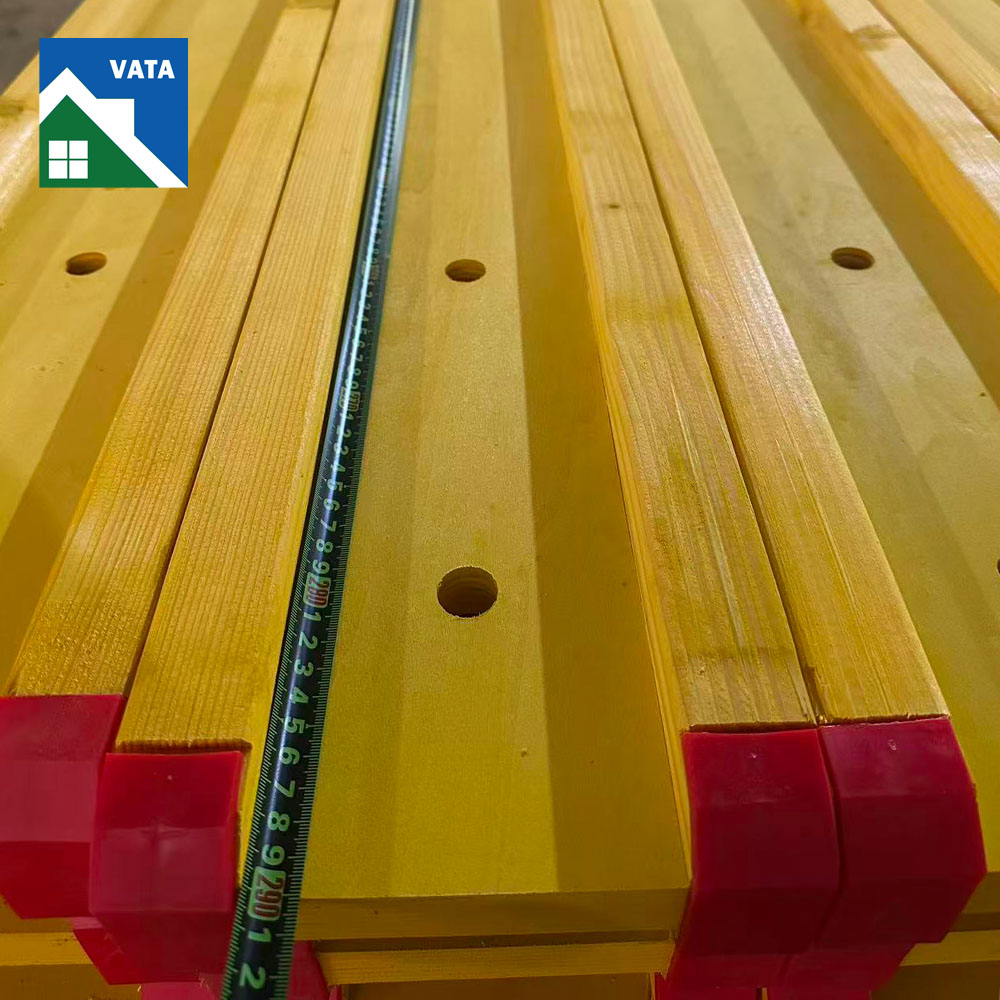
Custom Exterior Use Stable Timber Formwork Beams with WBP Glue Pine or Spruce Flange for Wall Formwork
For Karaj contractors supplying furniture factories, fit-out projects and building work that need stable forming support.
- WBP glue
- Pine / spruce
- Custom
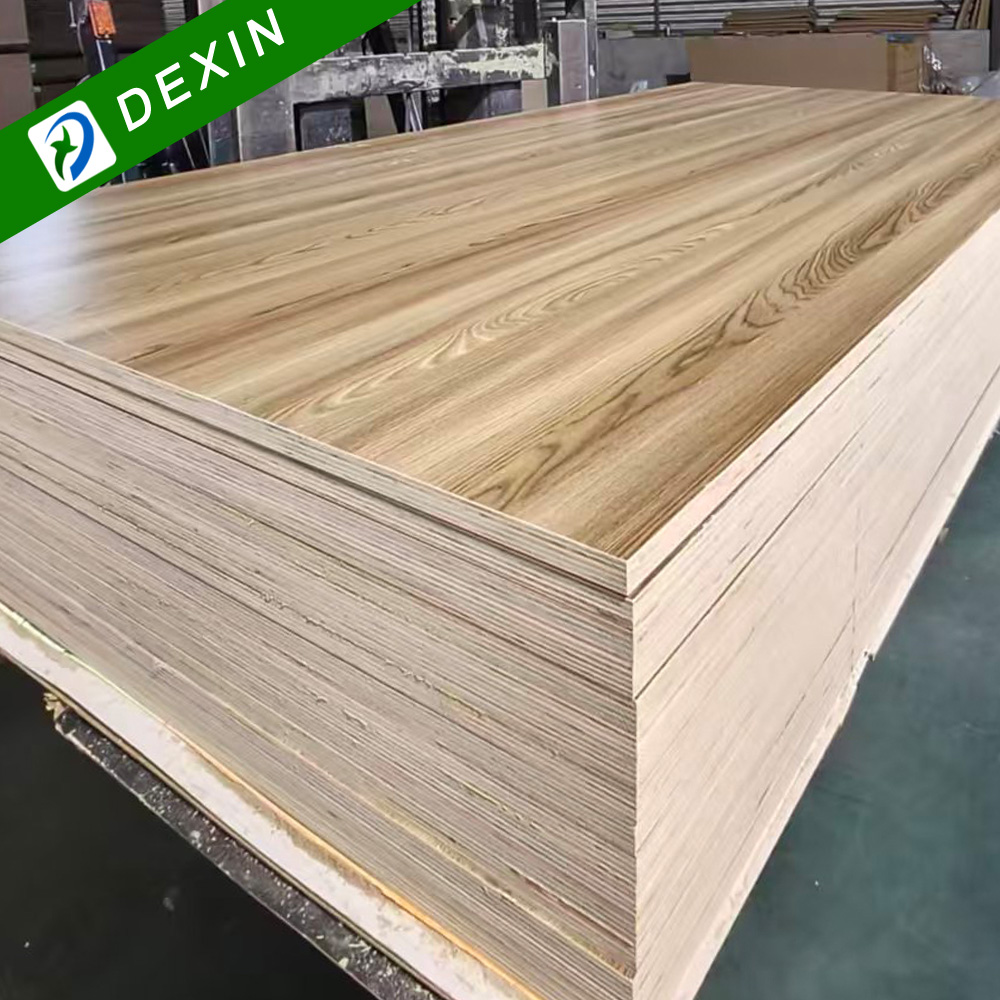
18mm Marine Laminated Contreplaque One or Double Side Colorful Melamine Faced Board Plywood for Furniture Decoration
For decorative furniture exposed to moisture, cleaning cycles or demanding interior fit-out use in Karaj projects.
- 18 mm
- Marine laminated
- Double side

16mm 15mm 12mm 18mm Eco-Friendly Modern MDF Board with Blanco Single/Double Sided Melamine Covering for Cabinet
A multi-thickness MDF family for Karaj cabinet makers who need matching white faces across carcasses, shelves and doors.
- 12–18 mm
- Eco-friendly
- Single / double
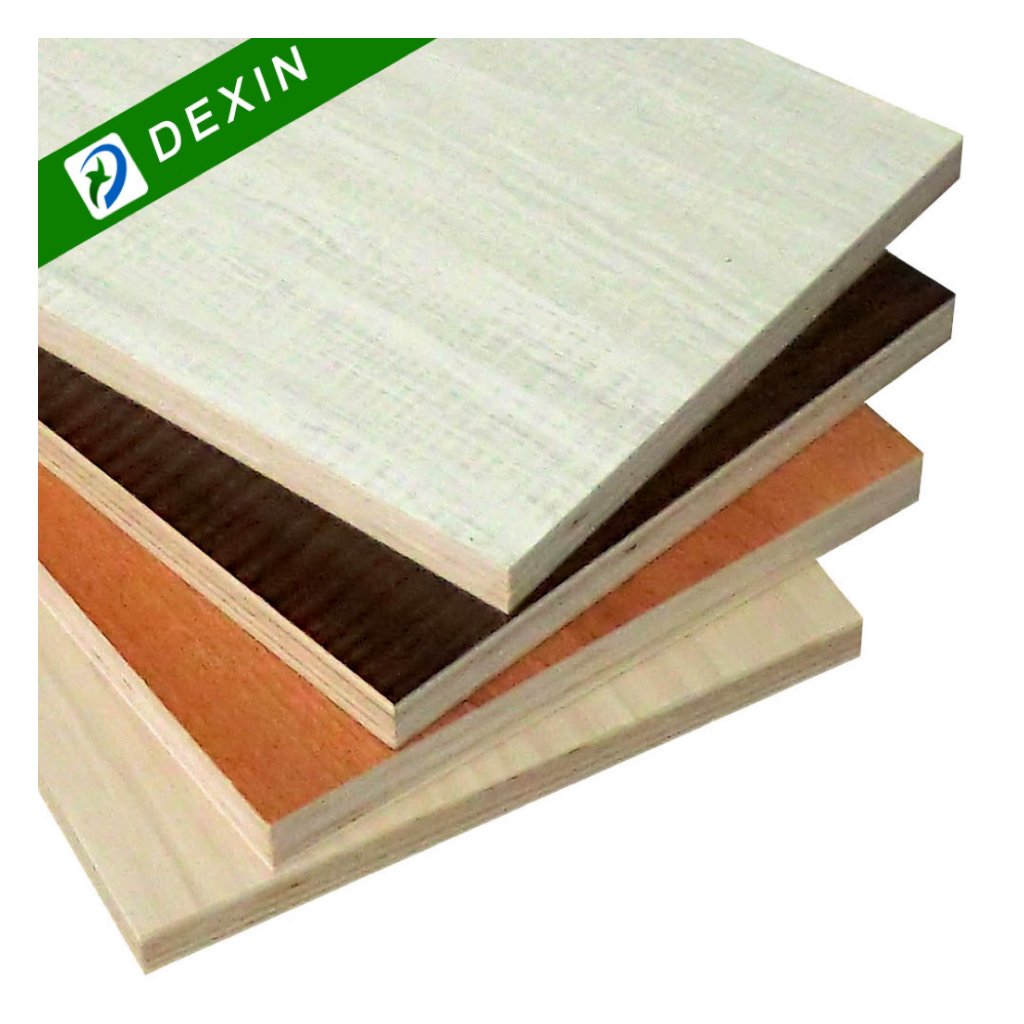
3mm 12mm 18mm E0 First-Class Melamine Contrachapado/Kontrplak 4x8 Paneles Laminas De Melamina Plywood for Furniture Cabinet Use
For Karaj buyers who need E0-level positioning, 4x8 panel convenience and a furniture-cabinet-oriented melamine plywood.
- 3–18 mm
- E0 option
- 4x8 ft
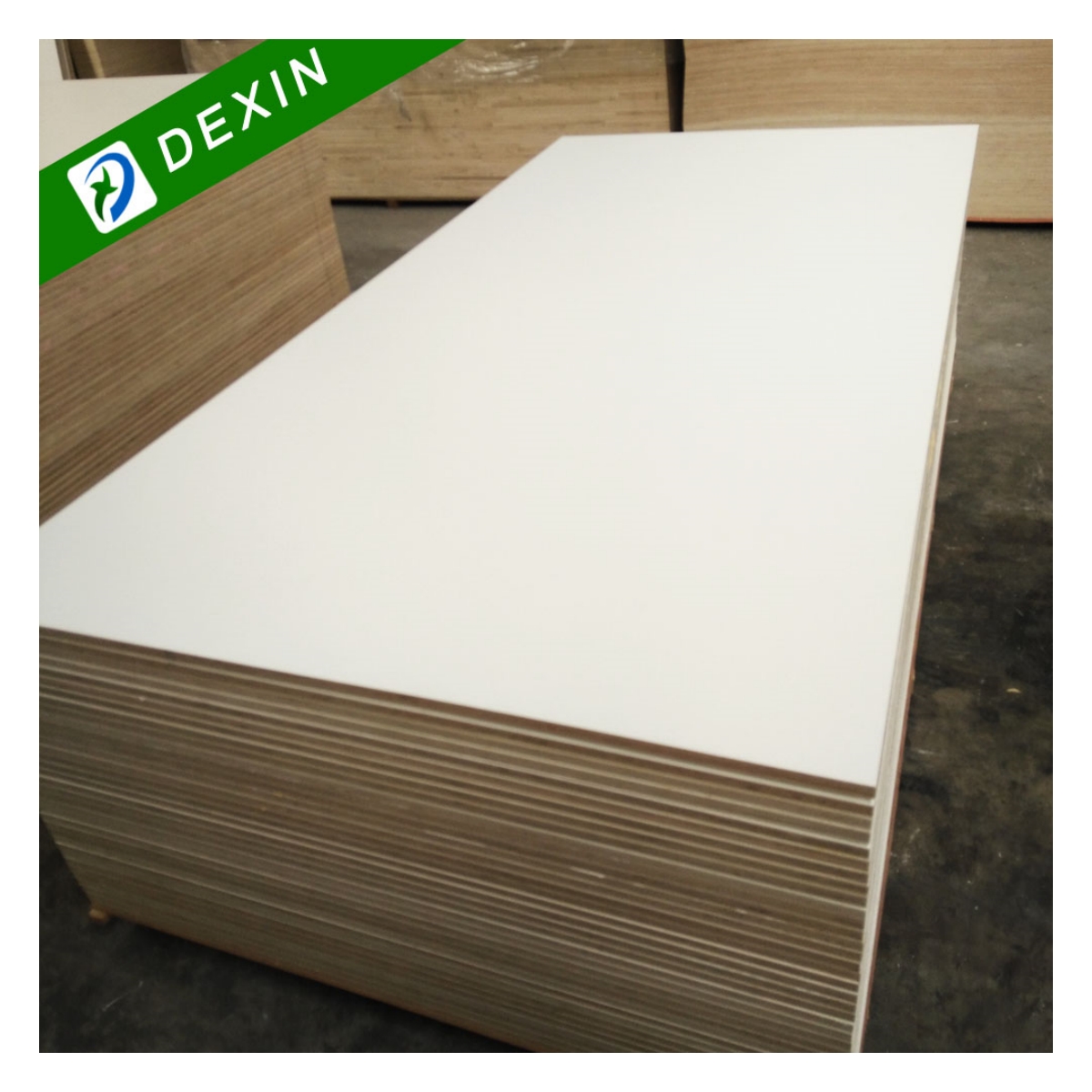
Good Quality 6mm 12mm 18mm Teak/Oak/Maple Melamine Plywood 1/2,3/4 in Flywood Sheet for Furniture
For wood-grain wardrobes, office furniture and visible decorative surfaces where the decor must feel close to natural timber.
- 6–18 mm
- Teak / oak / maple
- Furniture grade
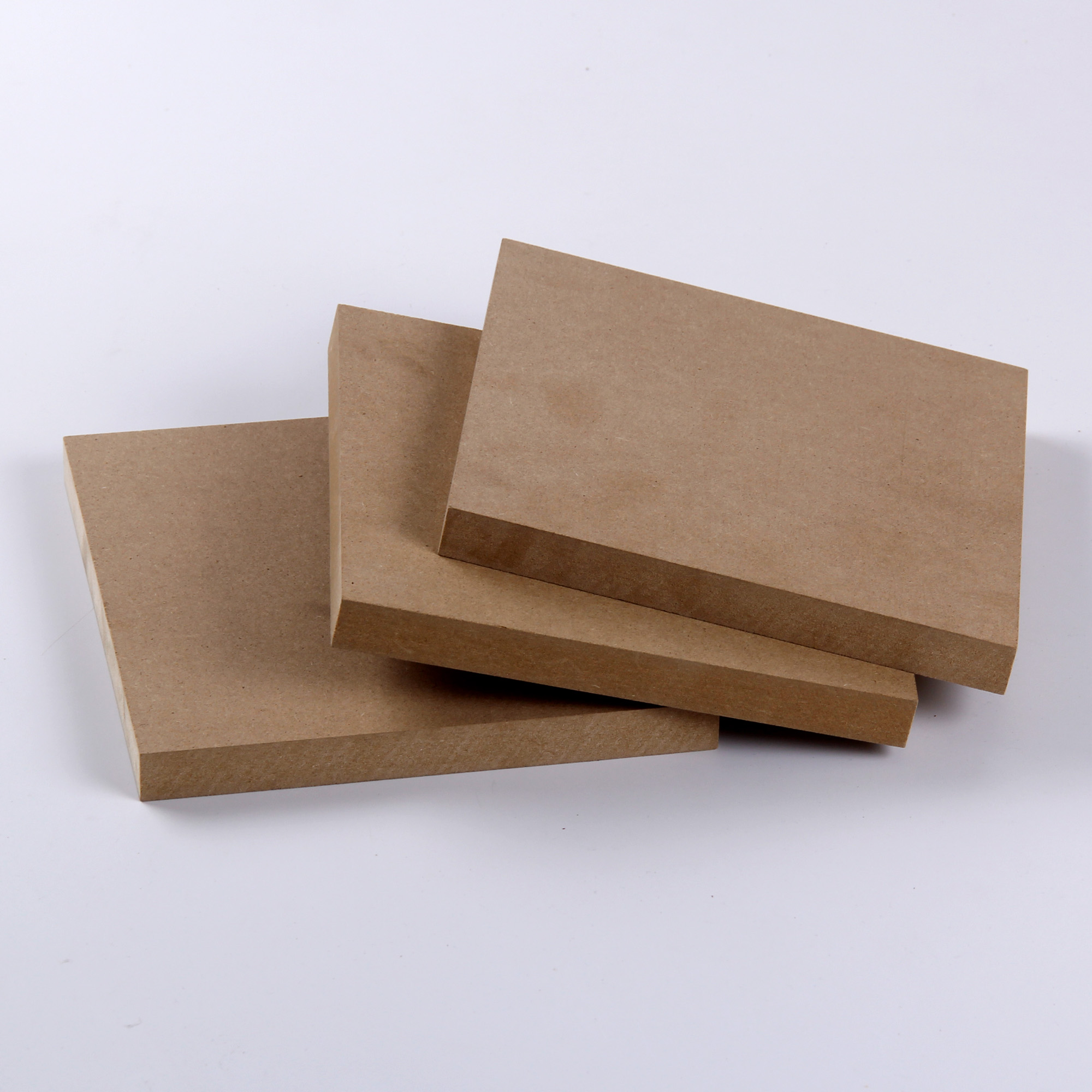
Factory Standard Size with Thickness of 5mm, 6mm, 8mm, 9mm, 18mm Raw MDF/HDF Board
Raw MDF/HDF for Karaj workshops that laminate, paint, route or edge-band in-house and need a stable base board.
- 5–18 mm
- Raw MDF/HDF
- Factory standard
Recommended starting mix for a Karaj furniture factory: 18 mm white melamine MDF or plywood for cabinet carcasses, 18 mm wood-grain or marine laminated plywood for visible fronts, 5 mm and 12 mm boards for back panels and drawer components, plus raw MDF/HDF for in-house finishing. Mixed specifications can be discussed within one container programme after final confirmation.
Where Fancy Plywood and Melamine Panels Perform in the Karaj Market
Karaj has a semi-arid climate with hot dry summers and cold winters. Indoor kitchens, bathrooms, laundry areas and commercial kitchens still create local humidity, so the specification must match the room, not only the board price.
Kitchen Cabinet Carcasses and Doors
For Karaj kitchen producers, 18 mm moisture-proof melamine MDF and 11-ply eucalyptus-core melamine plywood are practical choices for carcasses and door fronts. The buying decision should consider thickness tolerance, screw-holding, edge-band adhesion, surface cleanability and colour consistency across shelf and door batches. White and super-matte decors remain strong sellers, while wood-grain and stone-look faces support higher-value kitchen packages.
Wardrobes and Built-In Storage
Wardrobes combine visible panels, internal shelves, drawer boxes and back panels. A Karaj furniture factory may use 18 mm melamine plywood for the structure, 12 mm for shelves and 5 mm for back panels, all from the same decor family. The risk is not only emission grade; it is colour drift between thicknesses. Buyers should request a single lot plan or clear batch coding so that doors, side panels and fillers visually match after installation.
Office and Commercial Fit-Outs
Karaj office furniture suppliers need panels that survive daily use: reception counters, meeting tables, workstation screens and storage walls. Melamine MDF offers a flat, paintable and laminating-friendly substrate; melamine plywood provides better screw-holding and moisture tolerance for structural elements. For phased commercial projects, consistent decor across multiple shipments is more valuable than a single low-cost lot that cannot be repeated.
Retail, Hotel and Hospitality Furniture
In retail displays and hotel casegoods, the surface is the product. Fancy plywood with natural or engineered decorative faces helps Karaj joiners deliver warmth without solid-timber cost. For hospitality projects, specify cleanable finishes, stable core, and a clear maintenance plan. Marine laminated colourful melamine plywood can suit feature walls and wet-adjacent furniture, while teak, oak and maple decors support local expectations for warm, natural-looking interiors.
Institutional and Educational Furniture
Schools, training centres and public interiors need durable, repeatable panel specifications. Karaj contractors should prioritise low-emission documentation, edge quality and impact-resistant surfaces. E0 or E1 melamine boards, consistent white decors and factory-controlled thickness help reduce on-site rework. For tender-based work, the supplier should be able to provide certificates and batch-level inspection records rather than a generic catalogue image.
Contract Joinery and OEM/ODM Panel Kits
Karaj importers and joinery workshops increasingly want a supplier who can hold a specification: fixed face colour, core type, glue line, thickness, logo printing and export packaging. This is where OEM/ODM support becomes commercial. The panel must match the buyer’s brand and installation system, not merely pass a one-off sample check. Clear specification sheets and pre-shipment photos reduce disputes before the container reaches the project site.
Four Karaj Market Trends Shaping OEM/ODM Fancy Plywood Demand
The strongest suppliers are not simply quoting a lower price per sheet. They are aligning board specification with the way Karaj furniture businesses sell, stock and install finished furniture.
Low-Emission Specification
End clients and project specifiers are paying more attention to E0 and E1 formaldehyde grades, especially for residential kitchens, wardrobes and children’s furniture. Karaj buyers should ask for grade-specific documents and keep the requested grade in the purchase order, not only in a chat message.
Colour and Lot Consistency
White is not one colour. Matte white, creamy white, cool white and high-gloss white behave differently under showroom lighting. Karaj furniture factories increasingly need decor codes, sample retention and batch planning so cabinet doors and side panels match after a second shipment.
Mixed-Container Sourcing
Many Karaj buyers do not want five full containers of one thickness. They need 18 mm, 12 mm, 5 mm, raw MDF and decorative plywood combined to match actual furniture programmes. A factory that can plan mixed specifications without losing packing quality has a clear advantage.
Matte, Textured and Natural Looks
Design demand is moving beyond plain gloss. Super-matte surfaces, synchronised wood grains, stone-look decors and soft-touch visual effects are appearing in Karaj showrooms. OEM/ODM programmes should therefore offer a controlled decor library rather than an unlimited promise of “any colour”.
These bars are planning indicators used to structure OEM/ODM discussions for Karaj buyers. They are not a statistical survey; final requirements are confirmed by product, project and purchase order.
Quick Reference for Karaj Buyers: Panel, Thickness and Application
Use this matrix to shortlist the right series before requesting a quotation. Final tolerances, grades and test documents are confirmed for each order.
| Product Series | Typical Size | Thickness | Surface / Core | Karaj Application |
|---|---|---|---|---|
| Waterproof Melamine Plywood | 1220×2440 mm | 5–18 mm | Eucalyptus core, melamine face, matt or glossy | Kitchen carcasses, wet-adjacent furniture, utility storage |
| Moisture-Proof White Melamine MDF | 1220×2440 mm | 18 mm | E1 MDF/HDF, white melamine | Cabinet boxes, drawer fronts, internal furniture |
| Marine Laminated Melamine Plywood | 1220×2440 mm | 18 mm | Single or double melamine face, marine laminated | Decorative furniture in humid zones, feature joinery |
| Eco-Friendly Melamine MDF | 1220×2440 mm | 12–18 mm | Single or double side, Blanco white range | Matching cabinet programmes, shelving, wardrobe interiors |
| E0 Melamine Plywood | 1220×2440 mm (4×8 ft) | 3–18 mm | Melamine face, furniture-grade core | Low-emission cabinet and furniture projects |
| Wood-Grain Melamine Plywood | 1220×2440 mm | 6–18 mm | Teak / oak / maple decor | Wardrobes, office furniture, visible decorative panels |
| Raw MDF / HDF | Factory standard | 5–18 mm | Raw sanded MDF/HDF | In-house lamination, painting, routing and edge-banding |
Why Karaj Buyers Work With a Linyi Panel Manufacturing Group
A factory-direct relationship matters only when it is backed by repeatable quality, export documentation and a clear customisation path. Our advantage is the combination of manufacturing depth and export experience.
Own Production Lines
30+ machine sets covering peeling, gluing, hot pressing, sanding and laminating. This reduces middle-man markup and gives buyers a clearer route from raw veneer to finished panel.
Verified Quality System
CE, ISO 9001, ISO 14001, FSC and CARB certifications, with E0, E1 and E2 grades available by product. Our supplier profile has passed an on-site assessment by SGS.
OEM / ODM Customisation
Sample-based, design-based or full customisation of size, thickness, core species, face veneer or decor, glue type, logo printing and export packaging.
Export-Ready Logistics
FOB, CFR, CIF and EXW terms; T/T and L/C payment; seaworthy pallet packing, loading photos and full export documentation for container shipments.
Since 1998: A Manufacturing Group, Not a Catalogue Intermediary
Linyi KUDE International Trading Co., Ltd. is the export platform of a wood-based panel manufacturing group established in 1998 in Linyi, Shandong. The group operates 30,000 m² of production workshops with more than 300 workers and an annual output of 60,000 m³. Our principle is simple: survival by quality, development by prestige.
For Karaj importers and furniture manufacturers, this means the conversation can move beyond “what is your best price?” to “which core, face, glue, emission grade and packing specification will repeat reliably?” That is the real basis of OEM/ODM supply. With 20+ years of production experience and 15 years of export experience, we understand that a container is judged after unloading, not when the invoice is issued.
- Manufacturing base in Linyi, China
- CE, ISO, FSC, CARB credentials
- SGS on-site assessed profile
- OEM/ODM and mixed-container support




Six Checkpoints From Raw Veneer to a Loaded Container
For Karaj buyers, quality is not a certificate alone. It is a process that catches thickness drift, poor bonding, surface defects and packing failures before shipment.
Material Selection
Veneer grading, core moisture and visual defects are checked before gluing. The core specification is matched to the ordered product, not left to production convenience.
Glue and Lay-Up Control
Glue spread, assembly time and lay-up pattern are controlled to support bonding performance and flatness for furniture and decorative applications.
Hot Pressing
Press temperature, pressure and cycle time are monitored. This is where thickness stability and surface bond quality are established for melamine and veneer faces.
Calibration and Sanding
Panels are calibrated to the ordered thickness and sanded for a uniform surface before lamination, painting or routing. Buyers can request thickness checks in the inspection record.
Lamination and Surface Review
Melamine, decorative veneer or film faces are checked for colour, gloss, scratch marks and contamination against the approved sample and decor code.
Final Inspection and Loading
Thickness, flatness, bonding, edges, labels and packing are checked before container loading. Loading photos and packing details can be shared for buyer verification.
Common Procurement Questions From Karaj Furniture Factories
These are the practical questions we recommend clarifying before a fancy plywood or melamine MDF order is confirmed.
Which thickness should a Karaj furniture factory order for kitchens, wardrobes and office desks?
Can KUDE produce OEM/ODM melamine colours matching a Karaj brand sample?
What moisture performance is appropriate for Karaj’s climate and indoor kitchens?
What is the minimum order quantity, and can different thicknesses be mixed in one container?
Which certificates and emission documents matter for the Karaj market?
How do we verify quality before shipment and what are the trade terms?
Build a Repeatable OEM/ODM Fancy Plywood Programme for the Karaj Market
Send your required thickness, decor, core, emission grade, hardware plan, estimated quantity and destination. Our export team will reply with a practical specification proposal and mixed-container recommendation.
For a faster quotation, include the target application, panel size, thickness, face decor, core preference and expected container quantity.