MDF-Led Product Range for OEM/ODM Sourcing
The eight products below reflect the practical sourcing mix for Isfahan: raw MDF and HDF base sheets, white and Blanco melamine MDF, color-core boards for moisture identification, waterproof melamine-faced plywood for wet-area furniture, and formwork beams for construction-linked buyers. Each product link is preserved for direct technical review.

16mm 15mm 12mm 18mm Eco-Friendly Modern MDF Board with Blanco Single/Double Sided Melamine Covering for Cabinet
Blanco and white melamine MDF for cabinet doors, carcasses, wardrobe interiors and drawer fronts. Specify single- or double-sided covering, E1/E0 formaldehyde grade and color matching for repeat orders.
- 12–18 mm
- Blanco
- Single/double
High Quality 3mm~18mm Raw/Plain MDF Sheet with Best Price
Raw plain MDF for Isfahan laminators, CNC routers, joinery shops and painting lines. Consistent sanding and stable density help reduce tool wear and surface telegraphing before lamination, veneer or paint.
- 3–18 mm
- Raw/plain
- CNC ready
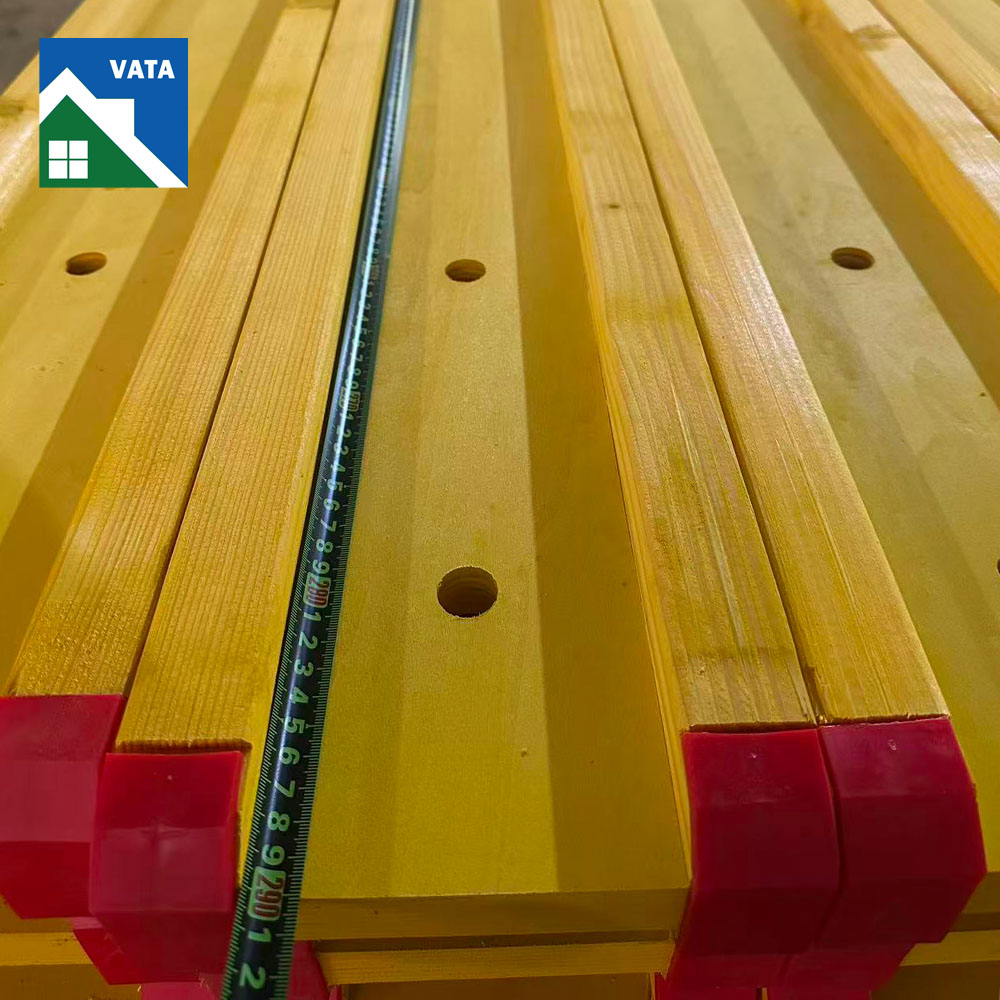
Custom Exterior Use Stable Timber Formwork Beams with WBP Glue Pine or Spruce Flange for Wall Formwork
Formwork beams for Isfahan contractors who combine panel procurement with site materials. WBP glue, pine or spruce flange and stable exterior use support wall formwork and repeated concrete cycles.
- WBP glue
- Pine/spruce
- Wall formwork
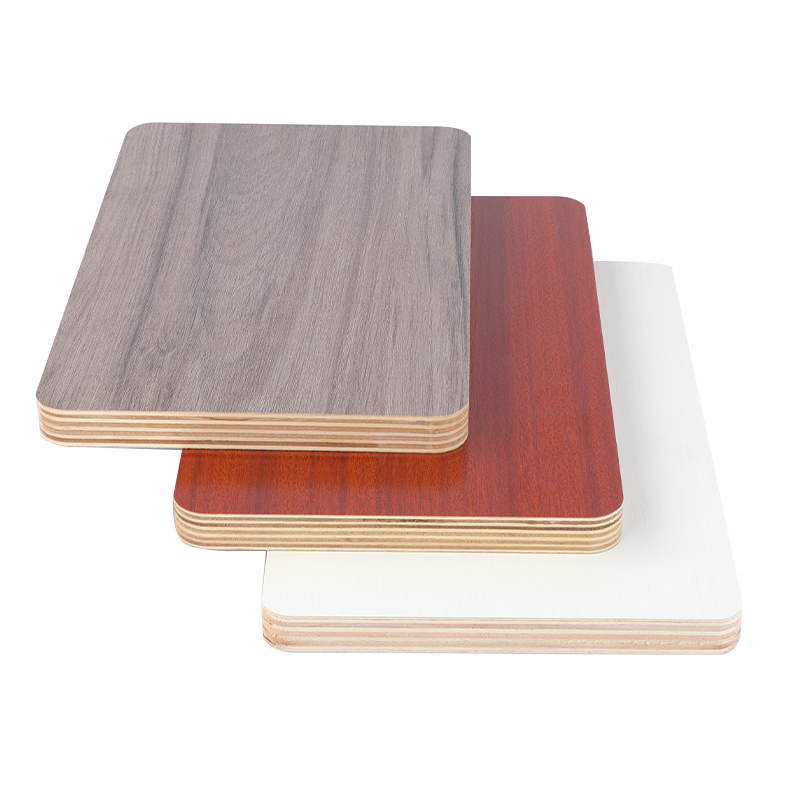
E2/E1/E0 Grade Solid Color and Wood Grain Marine Melamine Plywood Price Philippines From China
Marine melamine plywood for humid zones, bathroom vanities, laundry cabinetry and commercial fit-outs. Solid colors and wood grains are available with E2/E1/E0 grade options confirmed by order.
- E2/E1/E0
- Marine
- Melamine
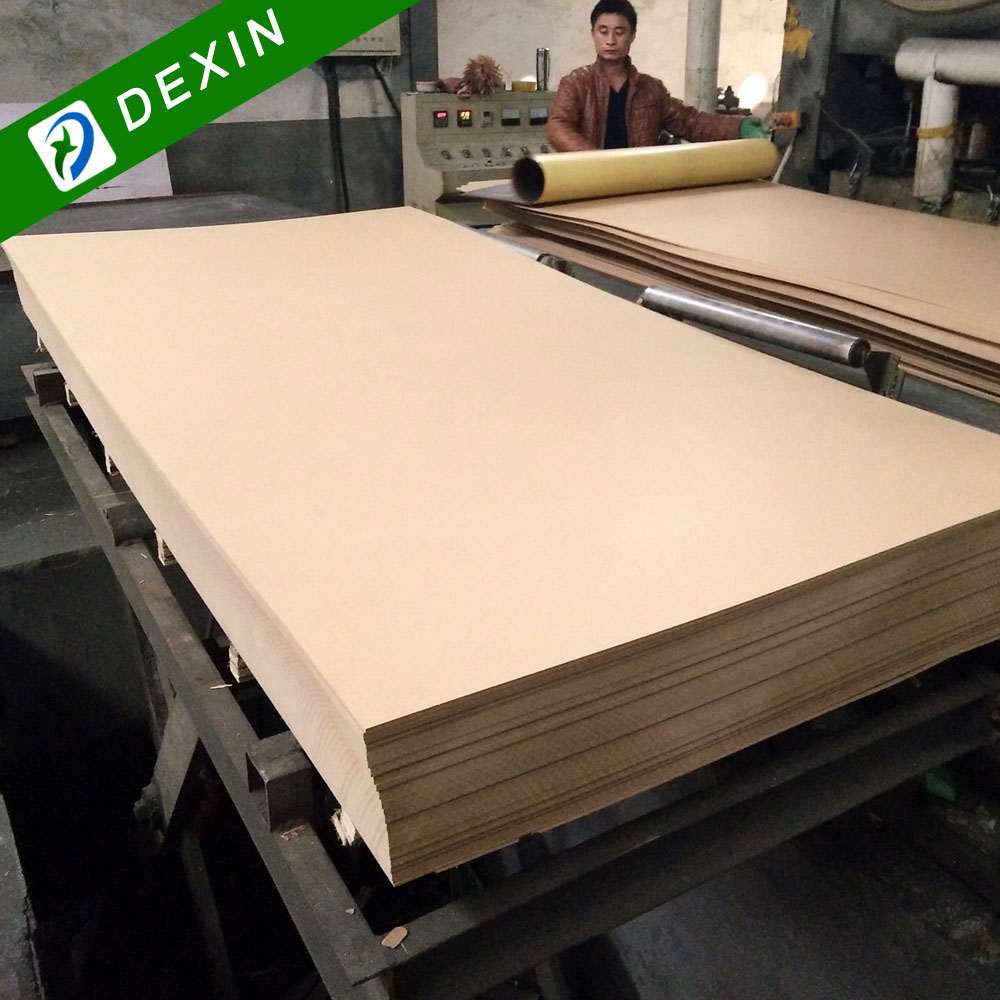
Factory Directly Sale Plain Mdf 12mm 15mm 18mm Raw HDF Board
Factory-direct raw HDF for door skins, furniture backs, routed profiles and high-density machining. Thicknesses 12, 15 and 18 mm can be quoted with matching packaging and mixed-container options.
- 12/15/18 mm
- Raw HDF
- Factory direct
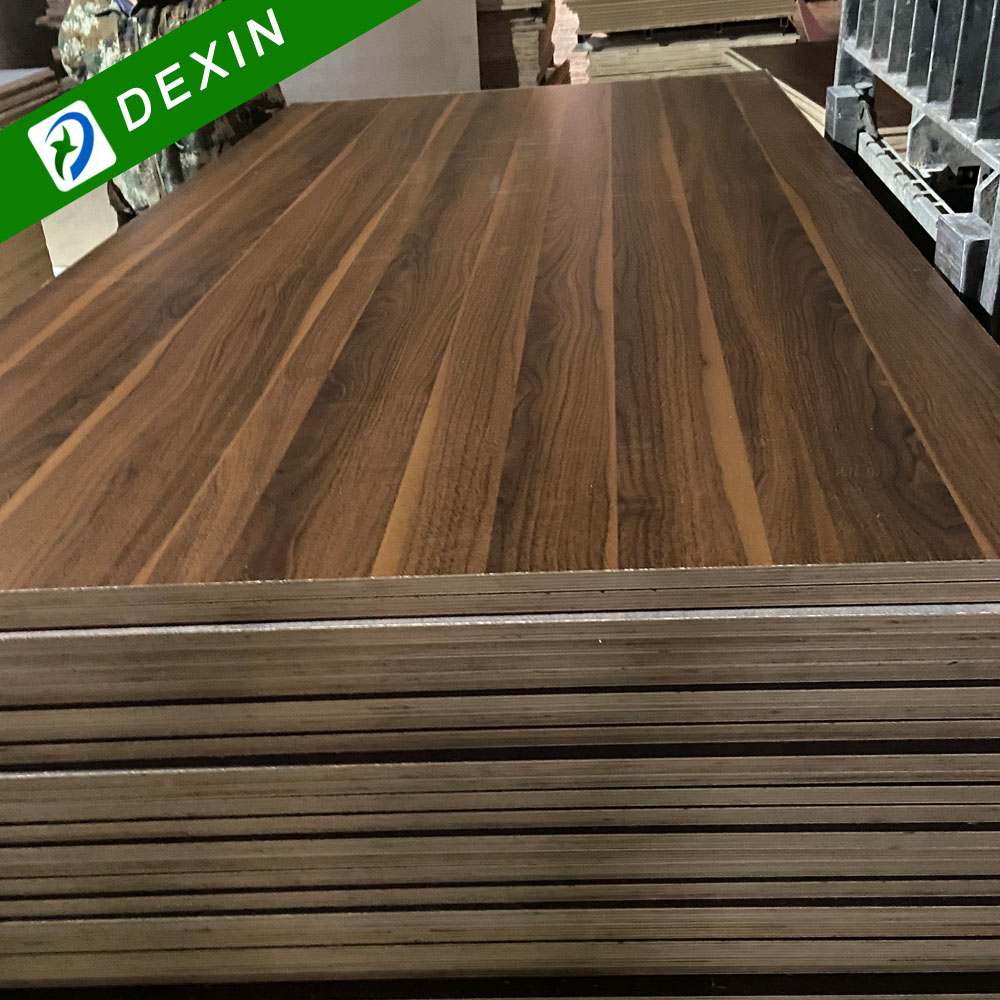
High Quality Waterproof 18mm Melamine Faced Plywood for Furniture
18 mm waterproof melamine-faced plywood for kitchen bases, utility rooms, shop counters and wet-area furniture. The construction is relevant where direct water exposure or frequent cleaning is expected.
- 18 mm
- Waterproof
- Furniture

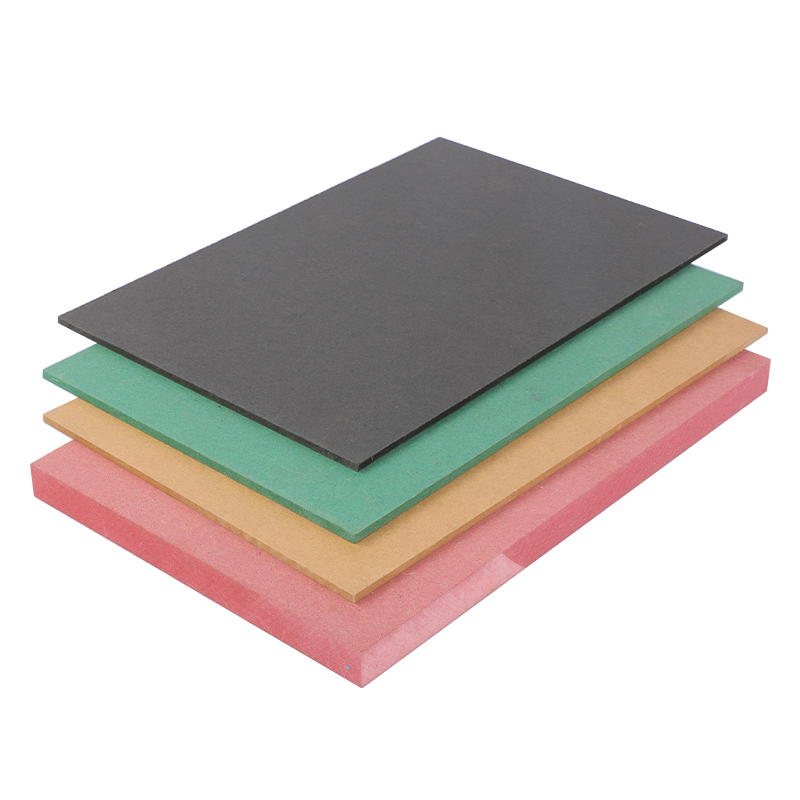
1220x2440mm, 1525x2440mm, 1830x2440mm Green/ Red/ Black Core Wood Fiber Plain MDF/ HDF Board
Green, red or black core MDF/HDF for moisture identification, premium edge detail and internal quality checks. Available in 1220×2440, 1525×2440 and 1830×2440 mm formats.
- Color core
- 3 sizes
- MDF/HDF
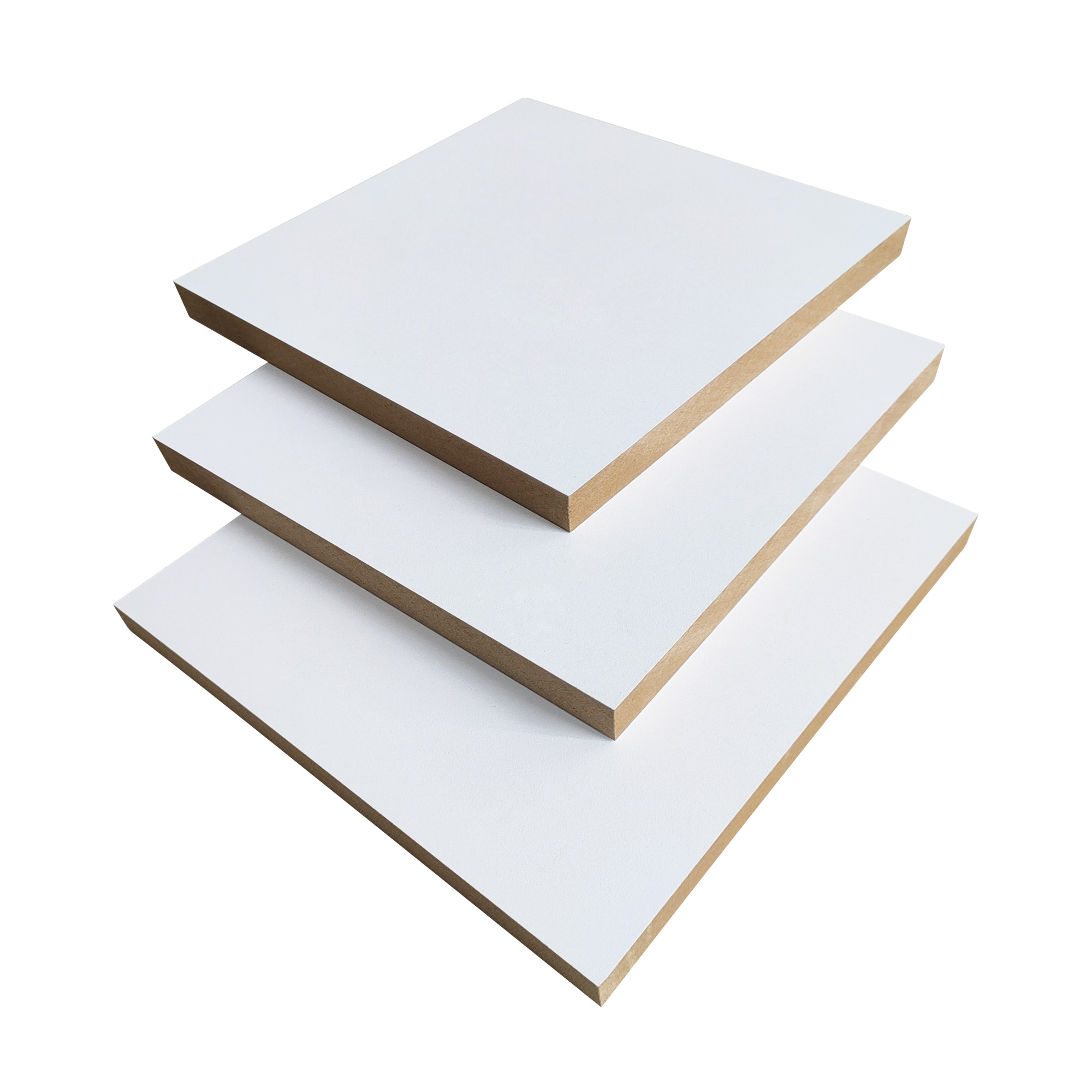
High Quality 4x8ft White Melamine MDF Board China Manufacturer E1 Formaldehyde for Kitchen Use-Sizes 3mm 6mm 9mm 12mm 16mm
4×8 ft white melamine MDF in 3, 6, 9, 12 and 16 mm for kitchen components, drawer boxes, door panels and fit-out work. E1 formaldehyde is available for buyers who require documented indoor panel grades.
- 4×8 ft
- E1
- White
A Specification-First MDF Supplier for Isfahan
Isfahan is a market where cabinet makers, joinery workshops, commercial fit-out contractors, panel distributors and building material traders overlap. The same 18 mm board may become a kitchen carcass, a retail display, a wardrobe panel or an exhibition fixture. That is why a generic price list is not enough.
KUDE works from the application backwards: what will the panel become, which surface will be seen, will it be edge-banded, routed, painted or laminated, and what moisture and formaldehyde documentation does the project require? This is the practical meaning of OEM/ODM MDF sourcing for Isfahan.
Linyi KUDE International Trading Co., Ltd. is the export platform of a wood-based panel manufacturing group founded in 1998 in Linyi, Shandong, China’s largest wood-based panel cluster. The group operates more than 30 sets of production machinery in 30,000 m² of workshops, with over 300 workers and annual output of 60,000 m³. Our principle is simple: survival by quality, development by prestige.
KUDE is not presented as a local MDF factory inside Isfahan. We are a China-based manufacturer and exporter serving Isfahan buyers directly, with factory-controlled production, SGS-assessed supplier credentials, CE, ISO 9001, ISO 14001, FSC and CARB certification references, and export logistics through northern China seaports such as Qingdao. That distinction matters: buyers get direct access to factory-controlled panel production and OEM/ODM customization rather than an extra trading layer.
Factory-Direct Production
30+ machine sets covering peeling, gluing, hot pressing, sanding and laminating. Direct factory communication helps control thickness, density and surface consistency.
Verified Quality Credentials
CE, ISO 9001, ISO 14001, FSC and CARB references, with SGS on-site assessment. E0, E1 and E2 formaldehyde grades are matched to the destination market and application.
OEM/ODM Flexibility
Custom size, thickness, core, face veneer or decor, glue type, logo printing and export packaging. Sample-based, design-based and full customization are available after specification review.
Export-Ready Logistics
FOB, CFR, CIF and EXW terms; T/T and L/C payment in USD, EUR or CNY; seaworthy pallet packing and loading photos for container-level traceability.
Where MDF and HDF Fit in Isfahan Project Work
For local buyers, the question is not simply “which MDF is cheapest?” It is “which board will perform in this application, in this workshop, with this finishing method, and with the right documents?”
Kitchen Cabinets & Drawer Systems
White melamine MDF in 16–18 mm is common for carcasses and door panels, while 12 mm can suit drawer boxes and internal parts. Near sink bases, specify moisture-resistant construction, sealed edges and waterproof melamine plywood where direct water exposure is expected.
White MDF · HMR · edge-sealedWardrobes & Closets
Wardrobe production requires consistent panel thickness, clean machining and color repeatability. Isfahan joinery shops often combine white interiors with wood-grain doors, so paper matching and batch planning should be confirmed before container loading.
18 mm carcass · wood-grain doorsShop, Office & Hotel Fit-Outs
Commercial fit-out work needs fast installation, repair-friendly panels and predictable surface quality. Melamine MDF and HDF are practical for display fixtures, reception desks, hotel casegoods and office storage when the project team specifies the exposure and fire documentation correctly.
Fixtures · casegoods · storageDoor Skins, Profiles & CNC Parts
HDF and high-density MDF are better suited to routed profiles, door skins and components where a fine, stable surface matters. Confirm density, sanding grade and machining behavior before a full production run.
HDF · routing · door skinsBathroom & Laundry Cabinetry
Direct water exposure requires a different route from standard MDF. Waterproof melamine-faced plywood or a clearly specified marine-grade construction is preferable for vanity bases, laundry cabinets and utility rooms, with all cut edges sealed on site.
Waterproof plywood · sealed cutsInstitutional & Contract Furniture
Schools, clinics, offices and hospitality projects often need repeatable panels across phases. Buyers can combine raw MDF/HDF, white melamine MDF and color-core boards in one supply plan while keeping emission and packing documentation consistent.
Phased supply · documented E1/E0Four Sourcing Trends Shaping MDF Demand in Isfahan
These are the recurring themes our export team sees in OEM/ODM MDF inquiries from furniture workshops, panel converters and project buyers in Isfahan and across Iran.
From Raw Board to Surface-Ready MDF
Workshops increasingly ask for white and wood-grain melamine MDF rather than buying raw MDF and arranging lamination or painting locally. This shortens production time and reduces finishing bottlenecks, but it raises the importance of color matching and protective packaging.
RFQ signal: highLow-Emission Documentation Moves Mainstream
E1 and E0 formaldehyde grades are no longer requested only for premium projects. Distributors and contract furniture makers increasingly ask for test reports and clear grade confirmation before confirming a container, especially for interior cabinetry and fit-out work.
E0 / E1 / CARB referencesMoisture-Resistant Design for Dry-Climate Kitchens
Isfahan’s climate is generally dry, but sink leaks, cleaning, plumbing condensation and poorly ventilated kitchens still damage standard MDF. Buyers are paying more attention to HMR options, waterproof plywood for wet zones, color-core identification and edge-sealing instructions.
HMR · color core · sealed edgesOEM/ODM and Mixed-Container Sourcing
Rather than ordering one board type in isolation, Isfahan buyers often want raw MDF, white melamine MDF, HDF, color-core boards and waterproof plywood in a single commercial plan. Custom sizes, private labels and export packaging are increasingly part of the quotation discussion.
Mixed container · private labelMDF Grade Matching Matrix for Isfahan Applications
Use this buyer’s reference to shortlist a route before requesting a quotation. Final density, thickness tolerance, formaldehyde class, face grade and packing are confirmed for each order.
| Board Route | Typical Isfahan Use | Why It Works | Specification to Confirm |
|---|---|---|---|
| White melamine MDF, 16–18 mm | Kitchen carcasses, wardrobe panels, shop fixtures | Clean surface, fast assembly, reduced finishing work | E1/E0 grade, paper weight, color match, edge sealing, pallet protection |
| Raw plain MDF, 3–18 mm | Local lamination, CNC routing, painting, door components | Flexible substrate with predictable sanding and machining | Density range, thickness tolerance, surface absorption, moisture content |
| HDF, 12–18 mm | Door skins, routed profiles, backing panels | Higher density supports fine profiles and stable surfaces | Density, screw-holding behavior, tool wear expectations, sanding grade |
| Color-core MDF/HDF | Moisture identification, premium edges, internal QC | Core color helps distinguish board types and upgrade visual detail | Core color consistency, available sizes, face quality, thickness |
| Waterproof melamine-faced plywood, 18 mm | Sink bases, laundry cabinets, utility rooms, wet joinery | Water-resistant construction for areas with direct moisture risk | Glue type, face grade, edge treatment, panel flatness, packing |
| Custom timber formwork beams | Wall formwork and construction-linked orders | WBP glue and pine or spruce flange for exterior stability | Length, flange species, load plan, glue class, loading method |
Quality Control from Raw Material to Loaded Container
An OEM/ODM MDF order is only as good as the batch discipline behind it. Our production and export teams use defined checkpoints so that the specification discussed with Isfahan buyers is reflected in the boards and documents that arrive.
Material & Glue Check
Raw fiber, veneer, paper and glue inputs are checked against the approved production plan, including moisture and visual grade where relevant.
Pressing & Calibration
Controlled gluing and pressing cycles, followed by calibration and sanding, support stable thickness and surface preparation.
Surface & Batch Inspection
Thickness, flatness, bonding, surface defects and melamine color are reviewed before packing. Batch reference is retained for traceability.
Packing & Loading
Seaworthy pallets, edge protection, steel straps and container loading photos help reduce transit damage and support arrival checks.
Factory Proof for Isfahan Buyers Who Need More Than a Price
A credible MDF supplier should be auditable before the first container. These production and packing images from our Linyi base illustrate the factory context behind the product range.




Buyers can also ask for live video inspection before shipment, loading photos after packing and document checks against the confirmed specification. For OEM/ODM projects, this supports a more controlled trial order before scaling into repeat containers.
Isfahan MDF Procurement FAQ
Questions commonly asked by furniture makers, panel distributors and project buyers in Isfahan when evaluating a China-based OEM/ODM MDF supplier.
Do you have a local MDF factory or office in Isfahan?
KUDE is based in Linyi, Shandong, China, and supplies Isfahan buyers directly from our manufacturing group. We do not claim a local MDF factory inside Isfahan. Our export team coordinates production, quality inspection, container loading, export documentation and shipment through ports such as Qingdao, with inland delivery to Isfahan arranged through the buyer’s nominated logistics or supported freight planning.
Can you produce OEM/ODM MDF under our brand and in our sizes?
Yes, subject to specification and order confirmation. Customization options include panel size, thickness, core type, face veneer or melamine decor, glue type, logo printing and export packaging. We can work from a sample, a design reference or a full written specification. For first orders, a sample or small trial shipment may be discussed before committing to a full container.
Which formaldehyde grade should Isfahan buyers request?
The correct grade depends on the application, destination requirement and project documentation. E0, E1 and E2 options are available depending on the product line. For interior cabinetry, wardrobes and contract furniture, buyers often request E1 or E0 and ask for test reports. We recommend confirming the exact grade in the quotation and proforma invoice rather than relying on a generic product name.
What MDF specification is best for kitchen cabinets in Isfahan?
For general kitchen carcasses and doors, 16–18 mm white melamine MDF is common. Near sink bases, plumbing and other moisture-risk areas, specify moisture-resistant construction, sealed cut edges and, where direct water exposure is expected, waterproof melamine-faced plywood. Also confirm the melamine paper color, surface finish and packing method so that visible parts match across containers.
Can you combine raw MDF, white melamine MDF and waterproof plywood in one container?
Mixed-container sourcing can usually be evaluated after confirming specifications, quantities and packing. MOQ depends on the product line and is typically in the range of 50 to 500 sheets. For Isfahan distributors and project buyers, combining raw board, surface-ready melamine MDF and a smaller quantity of wet-area panels can reduce stock gaps and simplify supplier management.
What is the usual lead time and shipping route to Isfahan?
Production lead time is confirmed after specification and deposit, and typically depends on panel type, quantity and packaging. Shipments are loaded in containers from northern China seaports such as Qingdao and commonly move by sea to Bandar Abbas before inland transport to Isfahan. Final transit time, freight terms and delivery scope should be confirmed in the quotation and shipping documents.
How do you control thickness, density, moisture and surface quality?
Quality checks are adapted to the product. For MDF/HDF, the production plan confirms thickness tolerance, density target, sanding grade, moisture content and surface quality. For melamine boards, color, paper bonding and surface defects are reviewed. For export packing, pallets, edge protection, straps and loading photos are part of the shipment record. Buyer-specific test reports can be discussed before order confirmation.
What payment methods and trade terms do you accept?
We accept T/T and L/C in USD, EUR or CNY, and work on FOB, CFR, CIF and EXW terms. For Isfahan buyers, the quotation should clearly state the trade term, port, packing scope, lead time and document set so that the commercial and logistics teams can compare offers on the same basis.
Request an OEM/ODM MDF Quotation for Isfahan
Send your application, preferred board type, thickness, panel size, surface finish, estimated volume and destination. Include whether you need raw MDF/HDF, white melamine MDF, color-core boards, waterproof melamine-faced plywood or a mixed panel program. Our export team will reply with a specification-focused proposal.
Get a Quote