OEM/ODM Plain MDF Sheet Supplier & Wholesalers for Bursa
Repeatable plain MDF and complementary panel lines for Bursa furniture factories, kitchen studios, shopfitters, wholesalers and construction contractors — customized by size, thickness, emission grade, surface and export packing, with CE, ISO, FSC and CARB documentation from a SGS-assessed manufacturing group.
Eight product recommendations for Bursa plain MDF and interior panel programmes
The search intent behind “OEM/ODM plain MDF sheet Supplier & Wholesalers for Bursa” is commercial, technical and local at the same time. A Bursa buyer is usually comparing a raw MDF substrate programme with faced boards, formwork accessories and decorative panels that can travel in the same container. The eight products below preserve the original product URLs and show the lines most often discussed alongside plain MDF for Bursa furniture, cabinetry, shopfitting and project work.
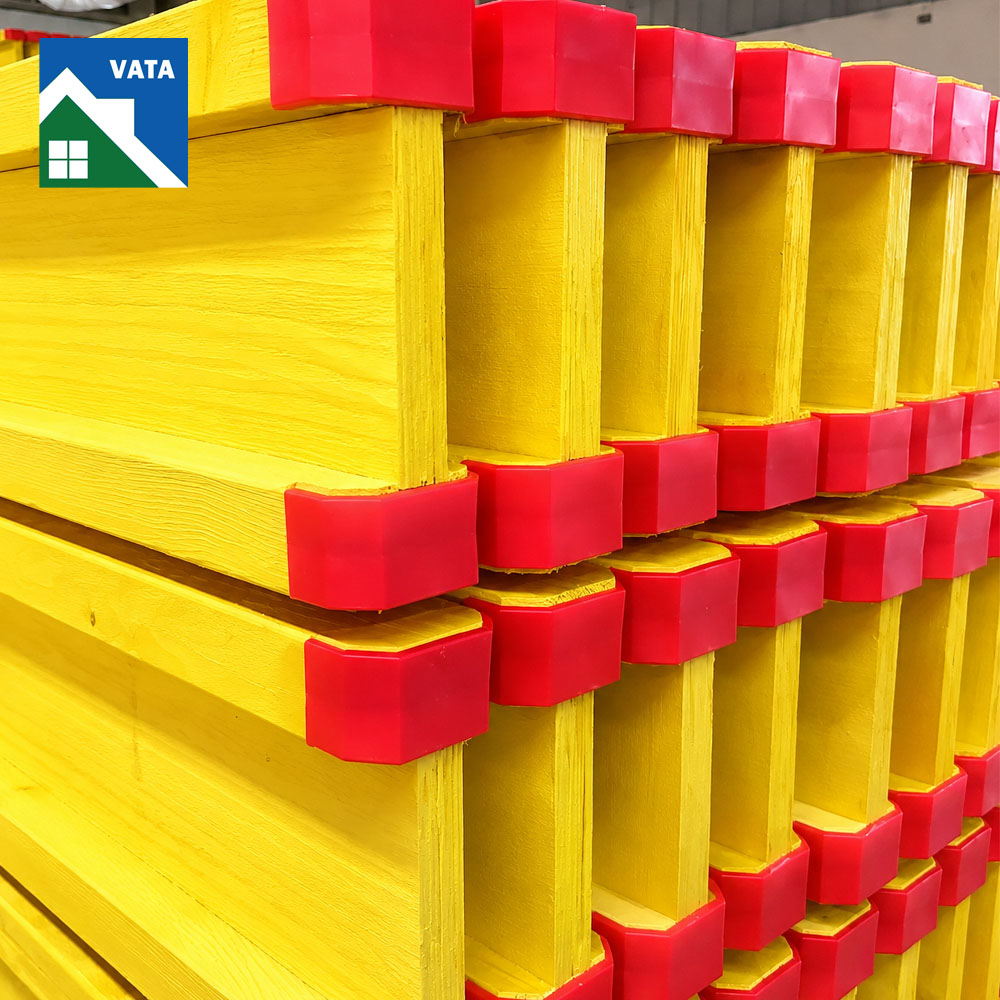
Wholesale Heavy Duty Wooden I-Beams Durable Spruce H20 Formwork Beams for Slab Formwork
A complementary structural line for Bursa contractors handling residential, commercial and industrial formwork. Spruce H20 beams support slab formwork and help keep site assembly predictable when combined with film-faced plywood and standard accessories.
- Slab formwork
- Spruce
- Reusable
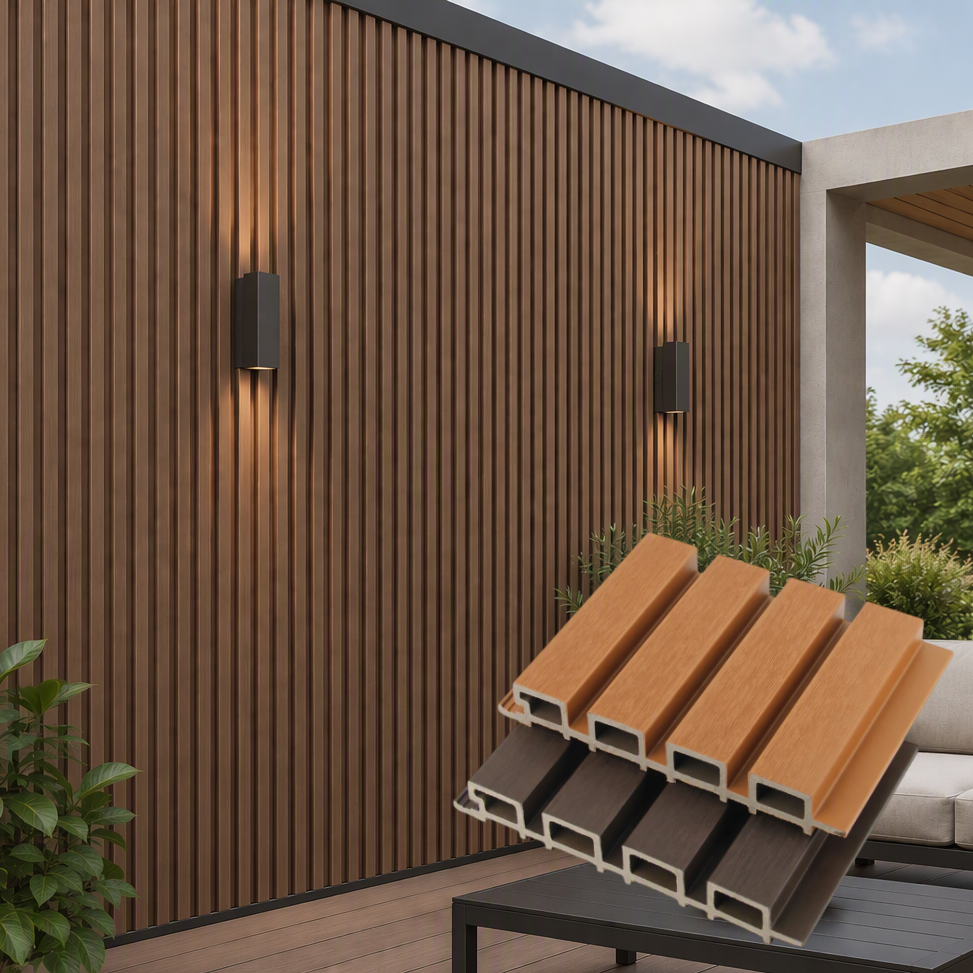
New Style Outdoor WPC Wall Cladding Panels Waterproof Villa Textured Co-Extruded Fluted Facade
Bursa’s Marmara climate puts façades and wet areas under stress. Co-extruded WPC cladding gives wholesalers a waterproof, low-maintenance decorative option for villas, hotels and retail exteriors, with fluted profiles that hide fixing lines.
- Exterior
- Waterproof
- Fluted
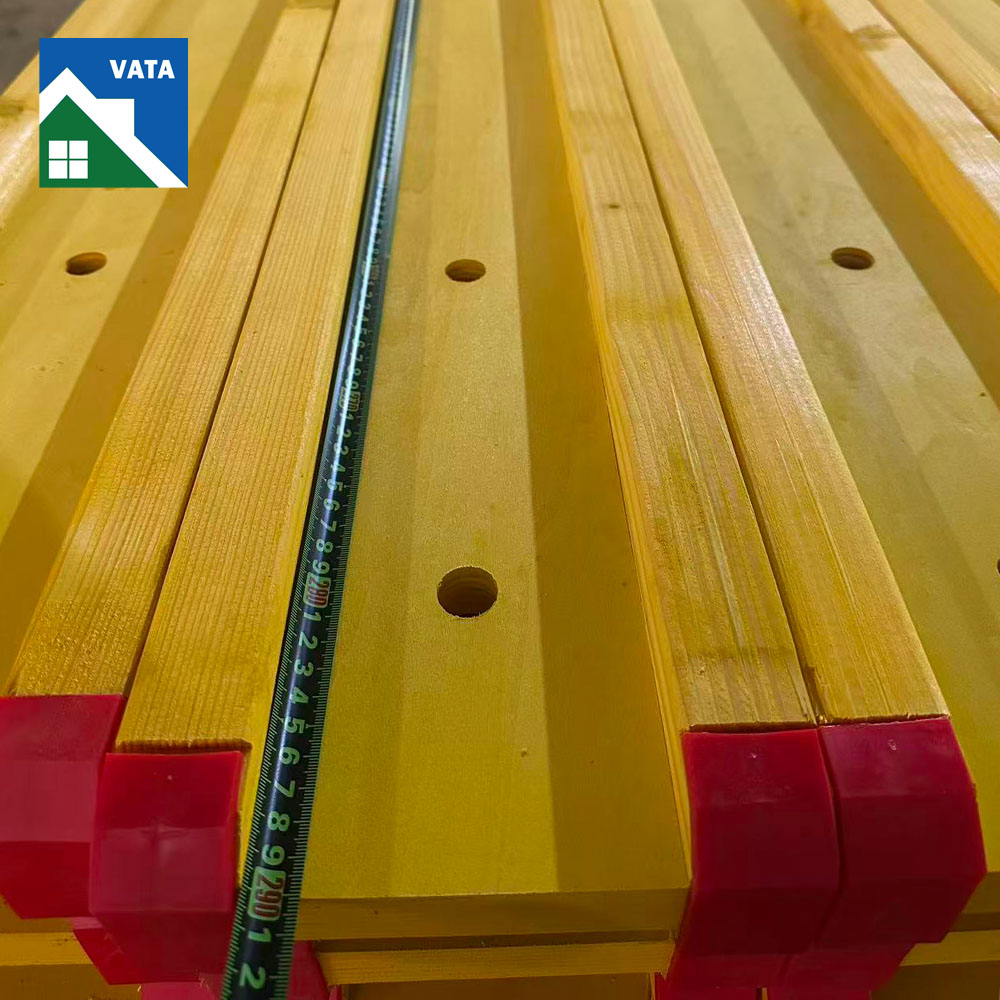
Custom Exterior Use Stable Timber Formwork Beams with WBP Glue Pine or Spruce Flange for Wall Formwork
For exterior wall formwork and repeated handling, WBP glue and pine or spruce flanges give contractors a stable beam option. This line fits Bursa projects where timber formwork must be customized to suite drawings rather than bought as a generic SKU.
- WBP glue
- Custom
- Wall formwork
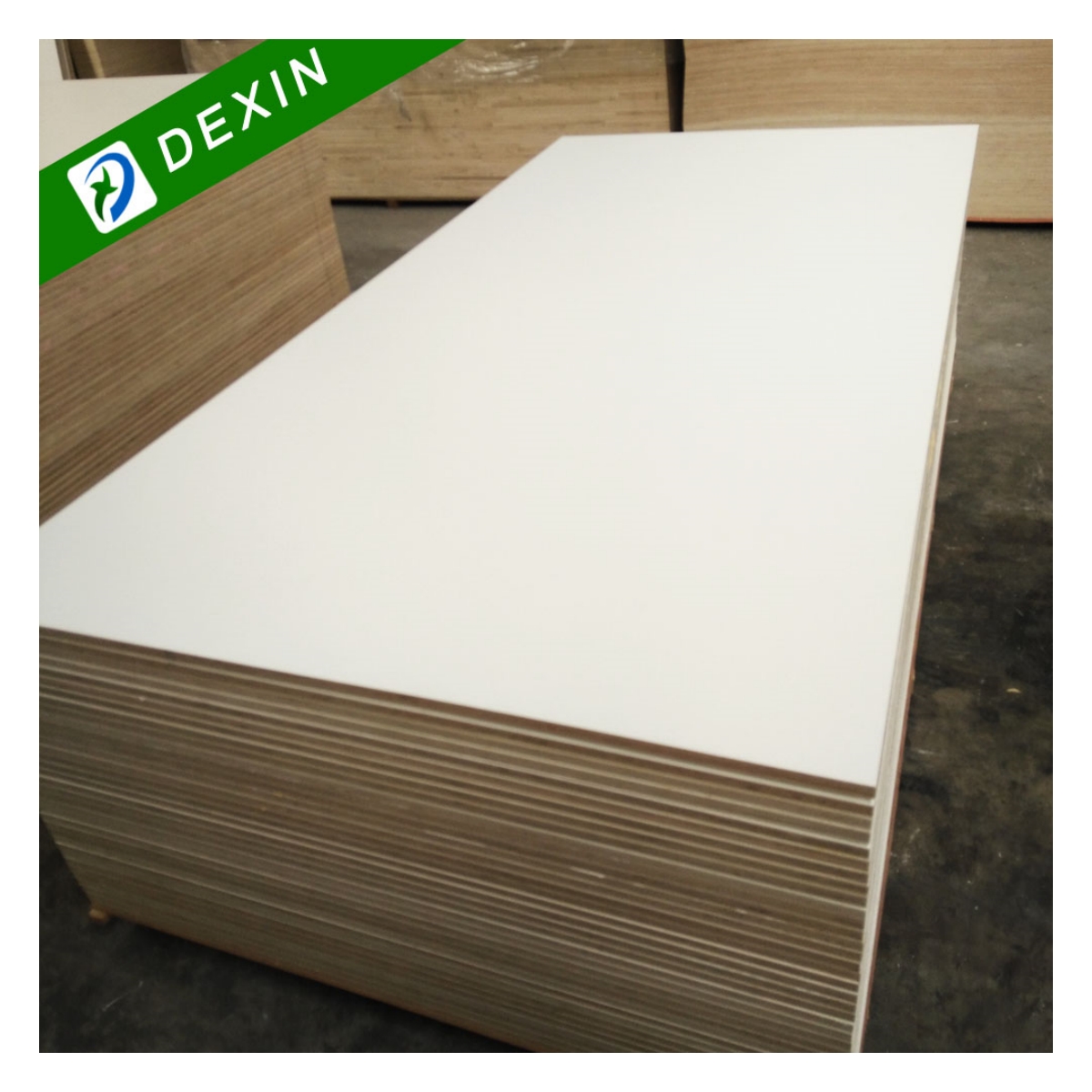
Good Quality 6mm 12mm 18mm Teak/Oak/Maple Melamine Plywood 1/2,3/4 in Flywood Sheet for Furniture
Furniture producers in İnegöl and Nilüfer often need melamine-faced plywood for cabinets, shelving and fit-out components. Teak, oak and maple decor options help local workshops match European-style interiors while maintaining a consistent face for edgebanding.
- 6/12/18 mm
- Teak/oak/maple
- Furniture
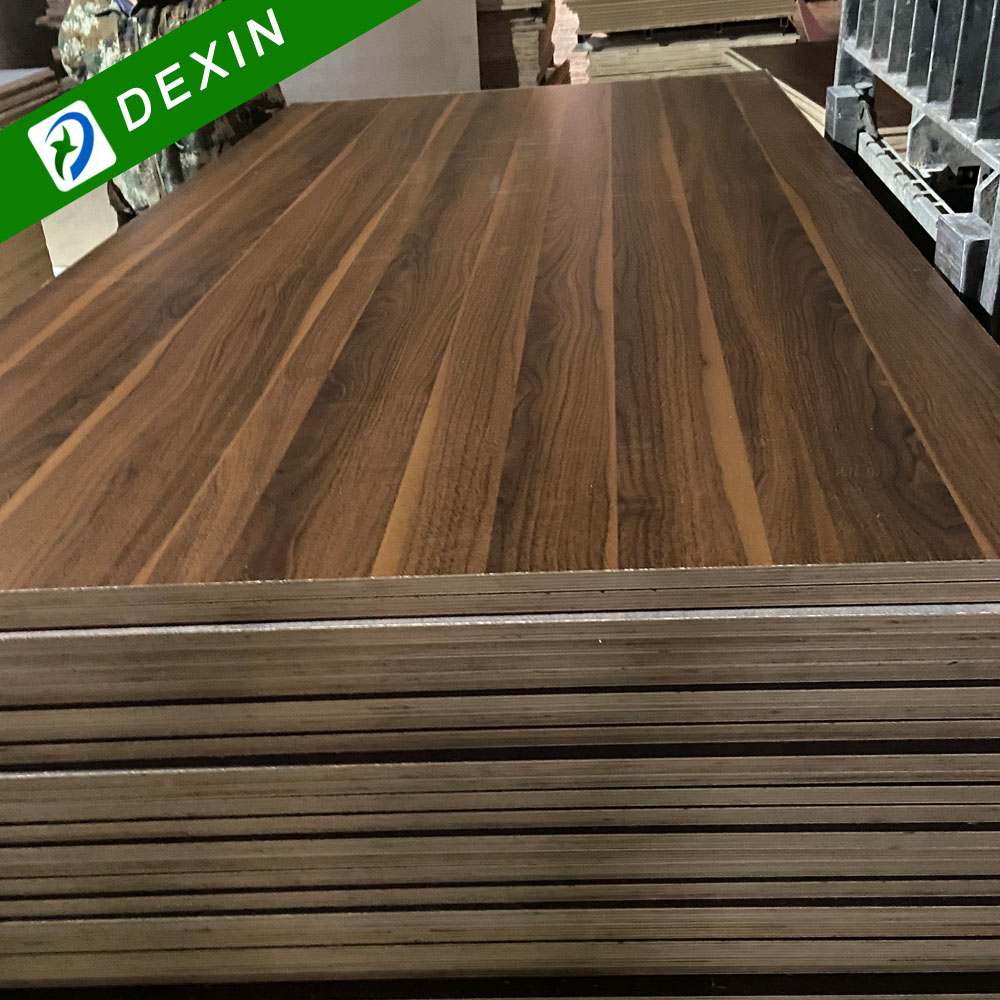
High Quality Waterproof 18mm Melamine Faced Plywood for Furniture
An 18 mm waterproof melamine-faced plywood for furniture and wet-area joinery. It is a practical upgrade where Bursa buyers need a decorative face plus moisture resistance in one board, reducing separate lamination steps and surface handling risk.
- 18 mm
- Waterproof
- Melamine
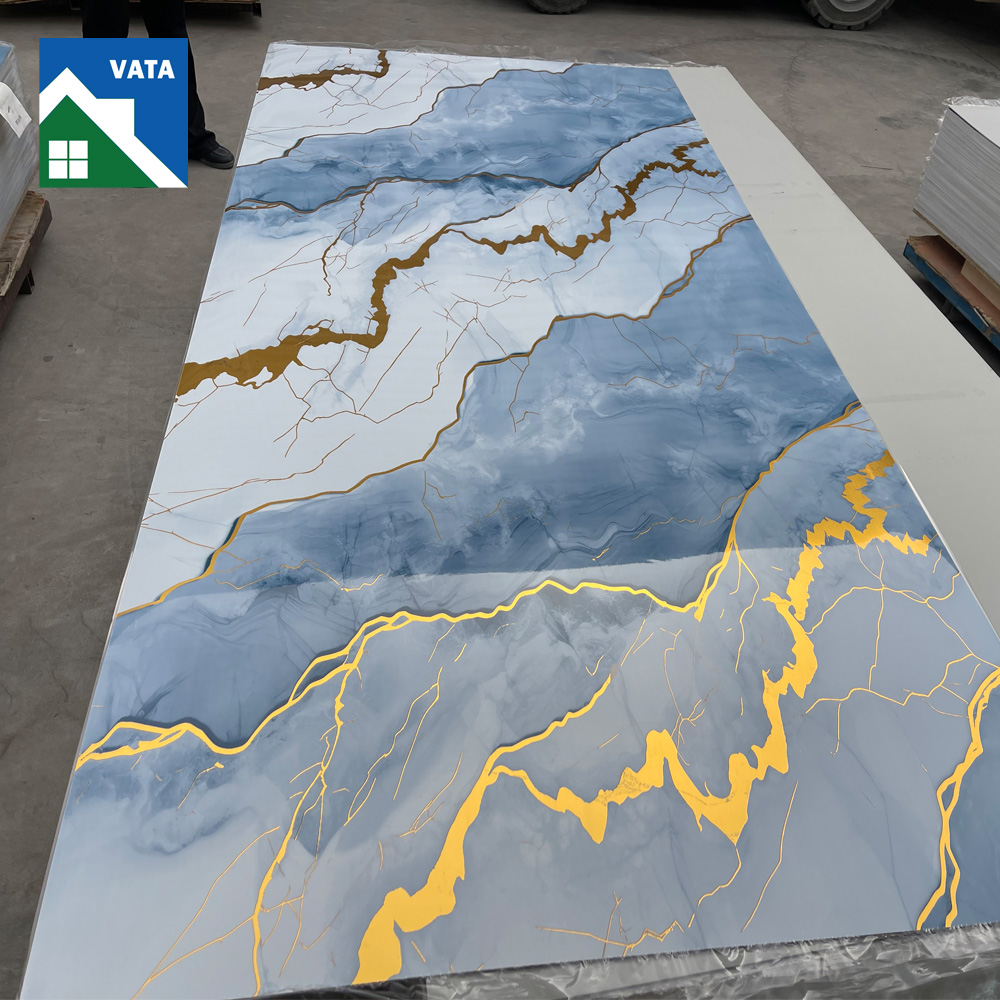
Customized Easy Installation High Glossy PVC Wall Panel Bendable DIY Indoor TV Wall Background Board Glossy UV Marble Sheets
High-gloss PVC and UV wall panels for TV walls, reception areas and fast interior renovations. Bendable sheets suit curved details and are an easy add-on for Bursa shopfitters and contractors already buying plain MDF for painted or veneered joinery.
- High gloss
- Bendable
- Indoor
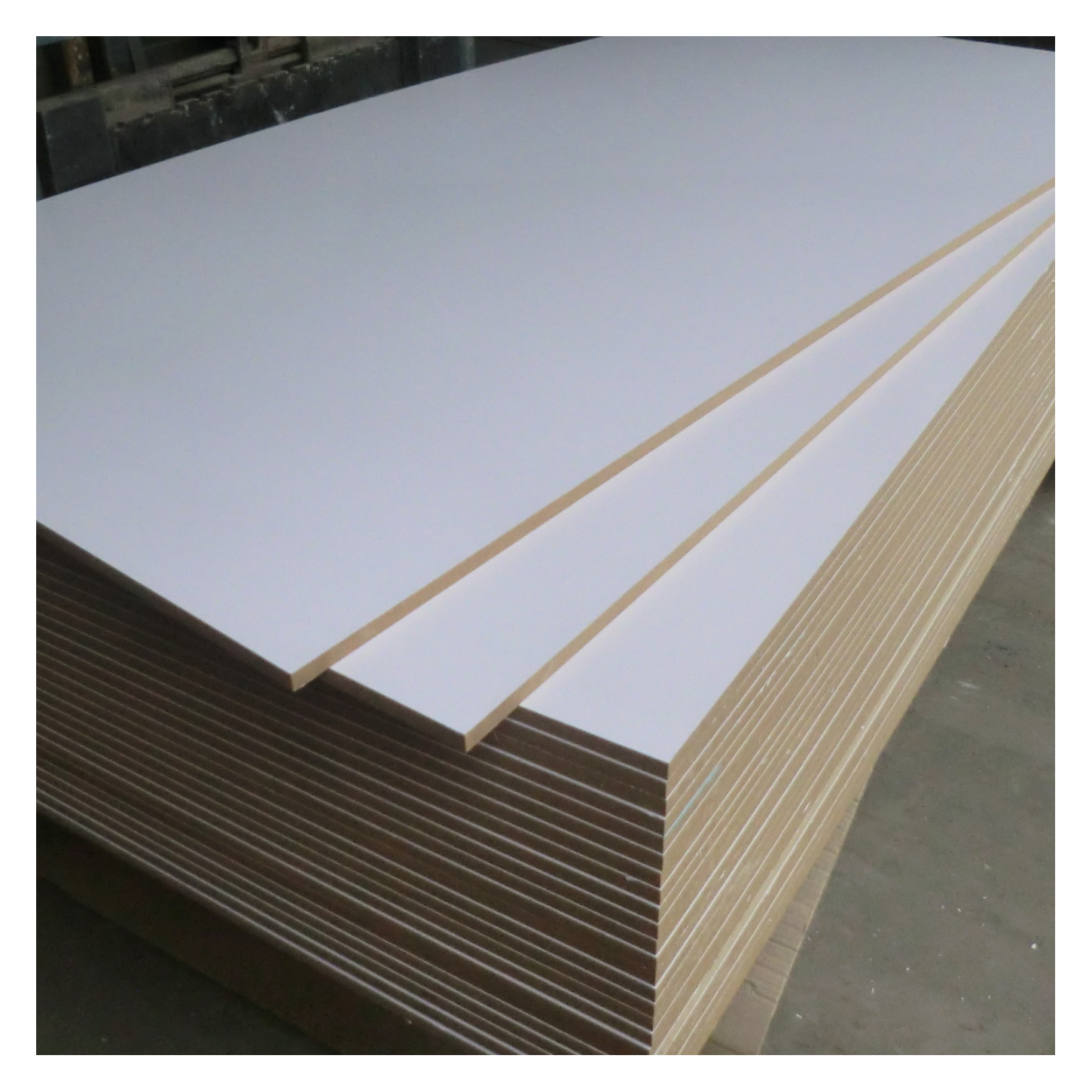
Wholesale E1 Grade Melamine Faced Moisture-Proof MDF Board for Kitchen Furniture Use 18mm Thickness CE Certified
An E1 moisture-proof melamine-faced MDF board for kitchen and bathroom furniture. It is one of the closest matches to a plain MDF programme when a Bursa buyer wants a ready-faced, CE-documented panel for humid interiors and faster cabinet production.
- E1
- Moisture-proof
- 18 mm
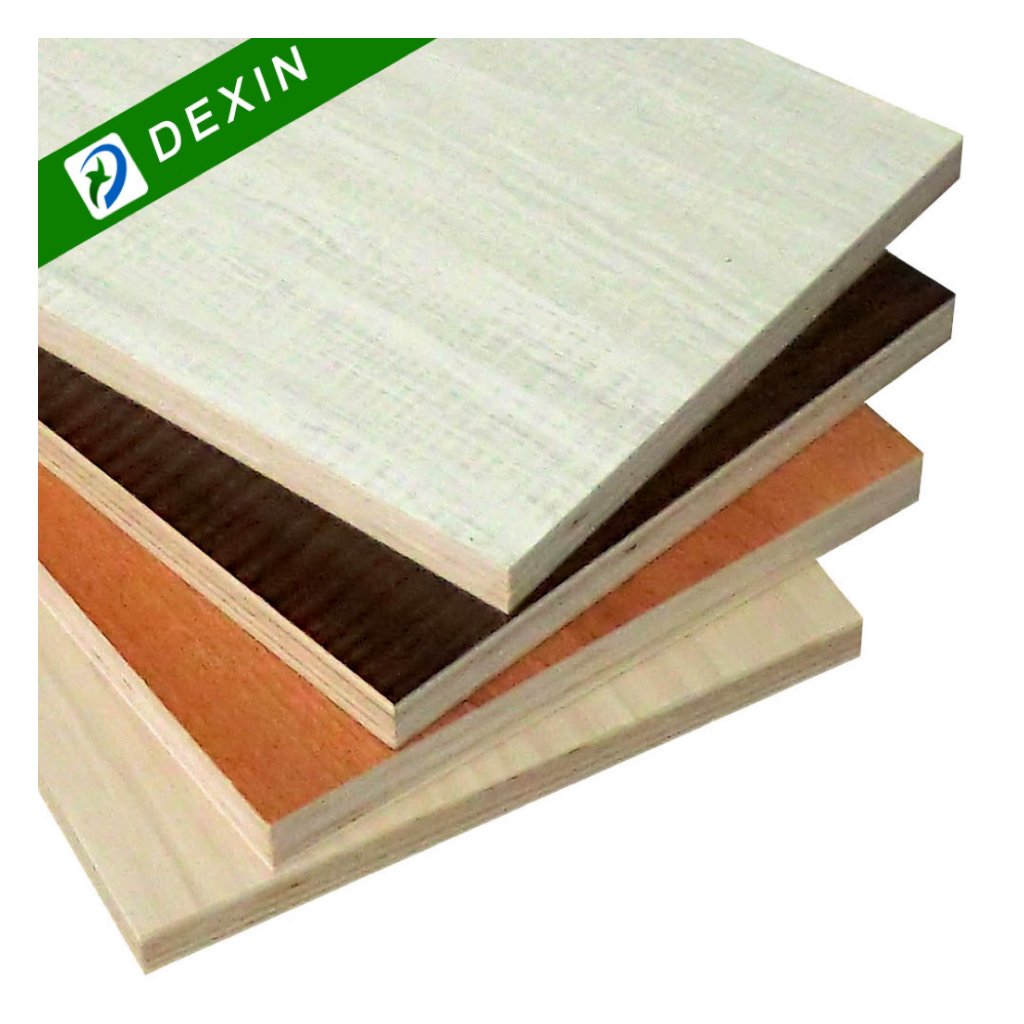
3mm 12mm 18mm E0 First-Class Melamine Contrachapado/Kontrplak 4x8 Paneles Laminas De Melamina Plywood for Furniture Cabinet Use
E0 melamine plywood in 3, 12 and 18 mm for furniture cabinets. For importers who sell to markets with stricter emission expectations, this gives a low-formaldehyde option alongside plain MDF and faced MDF orders in the same Bursa supply programme.
- E0
- Furniture
- Cabinet
Need a mixed container, a custom sheet format, a specific emission grade or a Bursa-specific quotation? Send your technical brief and our export team will answer with a practical specification.
Inquire NowWhy Bursa buyers need a different plain MDF conversation
Plain MDF is a substrate, not a finished story. In Bursa, a wholesaler can sell a cheap board once; a furniture factory remembers the supplier who keeps thickness, density, sanding and emission stable across containers. That is the real buying intent behind this search: not simply “MDF price”, but a repeatable OEM/ODM plain MDF sheet supply programme that supports CNC nesting, edgebanding, painting, foil wrapping, veneering and local delivery promises.
Bursa is one of Turkey’s strongest furniture, cabinetry, shopfitting and light-industrial clusters. The demand radiates from İnegöl, Nilüfer, Osmangazi and Yıldırım into workshops, project contractors and exporters. A plain MDF sheet that machines cleanly in one workshop may fail another if density, moisture content, sanding calibration or face quality changes from batch to batch. For that reason, the most valuable supplier is the one that can translate a local application into a written specification and then repeat it.
KUDE approaches Bursa as a specification partner. The manufacturing group behind Linyi KUDE International Trading Co., Ltd. was founded in 1998 in Linyi, Shandong, China’s largest wood-based panel production cluster. The group runs more than 30 sets of production machines in 30,000 m² of workshops, employs over 300 workers, and produces 60,000 m³ of wood-based panels annually. The company is SGS-assessed and holds CE, ISO 9001, ISO 14001, FSC and CARB credentials. For a Bursa buyer, that means OEM/ODM plain MDF is not a blind catalogue request; it is a controlled discussion about thickness, density, sheet format, moisture resistance, formaldehyde class, face sanding and export packaging.
Where OEM/ODM plain MDF sheets are used across Bursa
The same board can behave differently depending on the production environment. These are the application scenarios Bursa wholesalers, fabricators and contractors most often discuss when they ask for a factory-direct plain MDF programme.
Furniture and cabinet manufacturing
In İnegöl, Nilüfer and Osmangazi, plain MDF is CNC-cut into carcasses, shelves, drawer fronts and decorative components. Buyers need consistent density for screw holding, clean routing edges, stable thickness for edgebanding and a face that accepts primer, lacquer, foil or veneer without telegraphing defects.
Kitchen and bathroom joinery
Marmara humidity is not a theoretical issue. Bursa kitchens, bathrooms and laundry areas benefit from moisture-resistant MDF, sealed edges and controlled packing. For plain MDF programmes, buyers often ask for HMR options or recommend a moisture-proof faced board where steam, splashes and daily cleaning are unavoidable.
Contract shopfitting and hospitality interiors
Bursa hotels, cafés, clinics, retail stores and office fit-outs use MDF as a substrate for reception desks, wall panels, display fixtures and ceiling details. The material must be dimensionally stable and easy to finish on site or in a joinery shop, especially for tight project deadlines.
Lacquered, veneered and foil-wrapped components
Many Bursa manufacturers buy plain MDF because they want to control the final surface. That makes sanding quality, density consistency and moisture content critical. A board that is too porous, too dense or unevenly sanded can increase paint consumption or create visible defects after wrapping.
RTA and export furniture programmes
Bursa furniture exporters often need repeatable panels for flat-pack or project furniture. E1 is the common reference point in the local market, while E0, CARB and FSC-related requests appear when the finished furniture is sold into stricter or more sustainability-sensitive channels.
Construction support and site joinery
Plain MDF supports interior site joinery, protection panels and temporary works, but it is not a structural beam. Where Bursa contractors need formwork support, the complementary H20 beams and WBP-glue timber formwork beams in this product range make more sense than forcing a furniture board into a structural role.
Bursa plain MDF trends shaping 2025–2026 buying decisions
The local conversation is moving from “price per sheet” to total landed cost, process yield and compliance risk. These four themes appear repeatedly in Bursa sourcing discussions.
Low-formaldehyde specifications
E1 remains the practical reference for many Turkish furniture applications, while E0 and CARB requests are increasing in export-facing programmes. Bursa buyers increasingly ask for test reports and documentation before the first container, not after the finished furniture is sold.
Moisture resistance and edge sealing
Kitchen, bathroom and hotel projects are specifying moisture-resistant boards and better edge protection. For plain MDF, the conversation includes HMR grade, storage conditions, cut-edge sealing and packaging that protects the board during sea freight and trucking to Bursa.
Custom formats and nesting yield
Furniture factories calculate the cost of waste, not just the cost of a sheet. Standard 1220×2440 mm panels remain common, but Bursa buyers also test larger or project-specific formats where the production line and container loading allow it. The goal is better nesting yield and less handling.
Mixed containers and surface integration
Wholesalers prefer to combine plain MDF with melamine-faced MDF, plywood, WPC cladding or UV panels when specifications allow. This reduces supplier management and freight administration, but it requires a supplier able to plan loading, protect each product and keep documentation aligned.
How to specify a plain MDF sheet for Bursa before requesting a price
A quotation is only useful when it is built on the same assumptions as your factory. The following matrix summarises the data points to confirm. Final tolerances, grades, test reports and packaging are always confirmed for each order.
| Specification point | Typical OEM/ODM option | Why it matters in Bursa |
|---|---|---|
| Product family | Plain raw MDF, moisture-resistant MDF, melamine-faced MDF, and complementary plywood and WPC lines | Matches the application instead of buying one generic board for furniture, kitchen, wall and project use. |
| Thickness | Typical range 3–25 mm for MDF programmes; exact thickness and tolerance confirmed per order | Affects edgebanding, CNC tooling, hardware fitting, weight and container utilisation. |
| Sheet format | 1220×2440 mm standard; custom formats considered subject to production line and loading plan | Improves nesting yield for Bursa furniture factories and reduces offcut waste. |
| Density and machining | Density specified for routing, screw holding and edge stability based on application | Poor density consistency leads to chipping, fuzzy edges and inconsistent paint absorption. |
| Formaldehyde grade | E0, E1 and E2 options; CE, ISO, FSC and CARB documentation available depending on product | Supports local market requirements and export programmes that demand documented emissions. |
| Moisture resistance | Standard MDF or green HMR moisture-resistant MDF where available; sealed edges recommended in wet areas | Bursa’s humid Marmara climate makes kitchen, bathroom and hotel projects more demanding. |
| Surface condition | Calibrated sanding for painting, laminating, veneering or foil wrapping; melamine face options available | Surface quality determines finish cost, coating adhesion and visual defect rate. |
| Packaging and loading | Export pallets, corner protection, steel straps, moisture barrier, custom marks and mixed-container planning | Protects panels from port handling and trucking to Bursa; supports customs and warehouse receiving. |
For a reliable quotation, send six data points: application, thickness, sheet size, emission grade, moisture exposure and preferred Incoterm. If you need a faced or decorative panel, add the surface finish and edgebanding plan.
KUDE factory advantages behind the supplier promise
E-E-A-T is not a badge on a page. For a B2B panel buyer, it is evidence that the supplier has the factory, the process, the documents and the export experience to repeat what was quoted. KUDE’s company profile provides that evidence.
Factory-direct production control
More than 30 sets of production machines cover peeling, gluing, hot pressing, sanding and laminating. Buyers are not paying a chain of intermediaries to guess what was produced. The group’s principle is survival by quality and development by prestige.
OEM/ODM customization
Sample-based, design-based and full customization are available, including size, thickness, core species, face veneer or decor, glue type, logo printing, private-label packaging and export pallet marks for Bursa wholesalers.
Verified certifications
The manufacturing group holds CE, ISO 9001, ISO 14001, FSC and CARB certifications, and the supplier profile has passed an on-site assessment by SGS. Emission grades and documentation are matched to the destination market.
Export-ready logistics
FOB, CFR, CIF and EXW terms are supported, with T/T and L/C payment in USD, EUR or CNY. Orders are packed for sea freight and can be shipped through northern China ports such as Qingdao for discharge at Gemlik or Istanbul and onward trucking to Bursa.
Mixed-container flexibility
Several product lines can be combined in one container after specifications are confirmed. That is useful for Bursa distributors selling both raw MDF and faced boards, or for contractors sourcing formwork accessories and interior panels together.
Live communication and inspection
Bursa buyers can request production videos, loading photos and pre-shipment inspection support. The on-site assessed factory profile and documented quality checkpoints reduce the risk of discovering a specification problem only after the container arrives.
From raw material to loaded container
An OEM/ODM plain MDF programme only works if quality is checked before shipment. KUDE’s production logic follows a five-checkpoint approach that Bursa buyers can discuss during sampling and order confirmation.
Material selection
Wood fibre, veneer, glue and moisture conditions are reviewed before production. The aim is to reduce variability before the board is pressed.
Gluing and pressing
Controlled glue spread and pressing cycles support internal bond strength and consistent density across the batch.
Sanding and surfacing
Calibrated sanding prepares the board for painting, laminating, veneering or melamine facing. Surface quality is checked before packing.
Inspection and loading
Thickness, flatness, bonding, surface and packaging are checked. Loading photos and export documents help the buyer verify the shipment plan.
What Bursa buyers ask before placing a plain MDF order
These are practical buyer questions, not generic website filler. They reflect the information a Bursa wholesaler, furniture factory or contractor needs before moving from inquiry to sample to container.
Can KUDE supply OEM/ODM plain MDF sheets to wholesalers in Bursa?
Yes. KUDE supports OEM and ODM programmes for B2B buyers. OEM allows you to define thickness, sheet size, density target, emission grade, sanding, packaging and private-label marks. ODM allows you to adapt an existing production specification to the Bursa market. Final details are confirmed in a written quotation and order confirmation.
Which MDF grade is most suitable for Bursa’s humid Marmara climate?
For general furniture and dry interior joinery, standard plain MDF can be appropriate. For kitchen, bathroom, laundry and hotel projects, moisture-resistant MDF or a moisture-proof faced panel is usually more suitable. Cut edges should be sealed, and storage on site should avoid ground contact and prolonged humidity.
What is the minimum order quantity for a Bursa wholesaler?
MOQ depends on the product line and specification, typically ranging from 50 to 500 sheets. Mixed containers may be possible after specifications are confirmed. If you are testing the Bursa market, ask for a mixed-product proposal rather than assuming you must buy a full container of one item.
Can you produce custom MDF sheet sizes for Turkish furniture factories?
Customization is possible through sample-based, design-based or full customization, subject to production line capability and container loading. Standard 1220×2440 mm is common, but other formats may be evaluated for Bursa factories seeking better nesting yield. Always confirm the final size and tolerance before ordering.
Which certifications and documents support import clearance?
The manufacturing group holds CE, ISO 9001, ISO 14001, FSC and CARB certifications, and has been assessed on site by SGS. Formaldehyde grades E0, E1 and E2 are available depending on the product. Export documentation, packing list, commercial invoice and shipping documents are prepared for the confirmed order and destination.
How are goods shipped from Linyi to Bursa?
Orders normally move by container from northern China ports such as Qingdao, with discharge at Gemlik or Istanbul depending on the vessel schedule, followed by trucking to Bursa. Transit time varies by shipping line, route and season. The export team provides a loading plan and booking details after the order is confirmed.
Can I request samples, factory video or third-party inspection?
Yes. Sample-based customization is supported, and buyers can request factory video, production photos and pre-shipment inspection support. For a Bursa buyer, the most useful pre-shipment check is usually a review of thickness, flatness, bonding, surface, emission documentation and export packaging.
What payment terms and Incoterms do you accept?
KUDE accepts T/T and L/C in USD, EUR or CNY and works on FOB, CFR, CIF and EXW terms. The best term depends on whether your Bursa company has a forwarder, whether you are consolidating with other suppliers, and how you prefer to manage insurance and port charges.
Request an OEM/ODM plain MDF sheet quotation for Bursa
Send your application, required thickness, sheet size, emission grade, moisture exposure, surface plan, quantity and preferred Incoterm. Our export team will reply with a technical proposal, packing plan and quotation route for Bursa. For faster discussion, include your expected container loading date and whether you need melamine-faced MDF, plywood, WPC or formwork products combined in the same shipment.
info@kudeplywood.com