1998Manufacturing group founded in Linyi
30,000 m²Production workshop area
60,000 m³Annual panel output
30+Export countries & regions
Panel Range
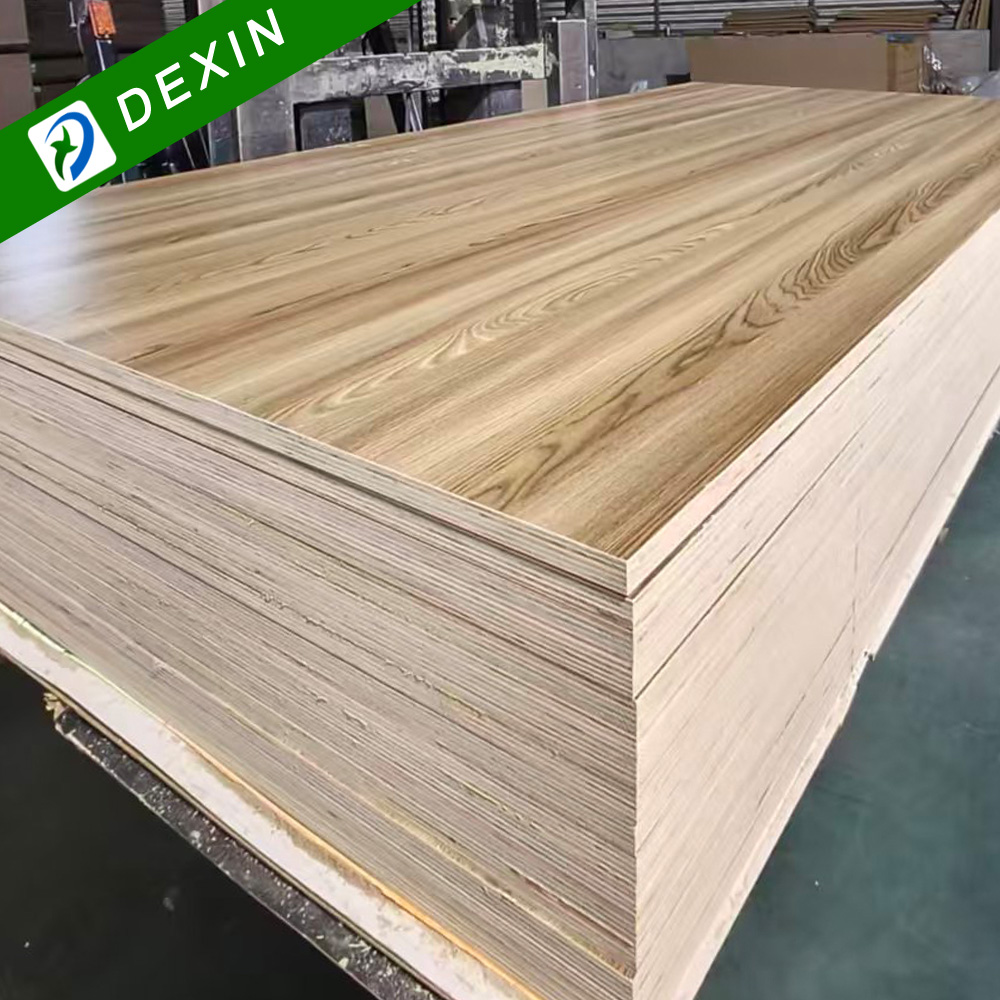
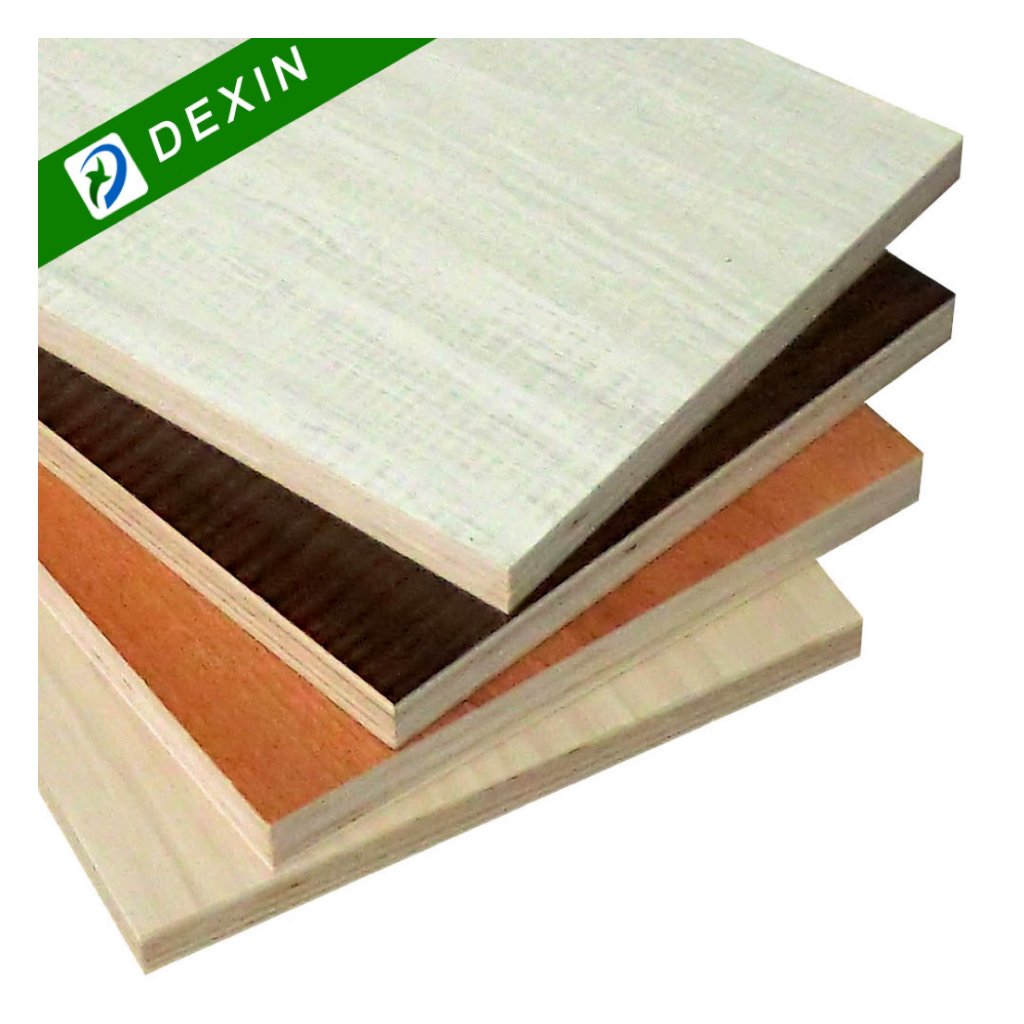
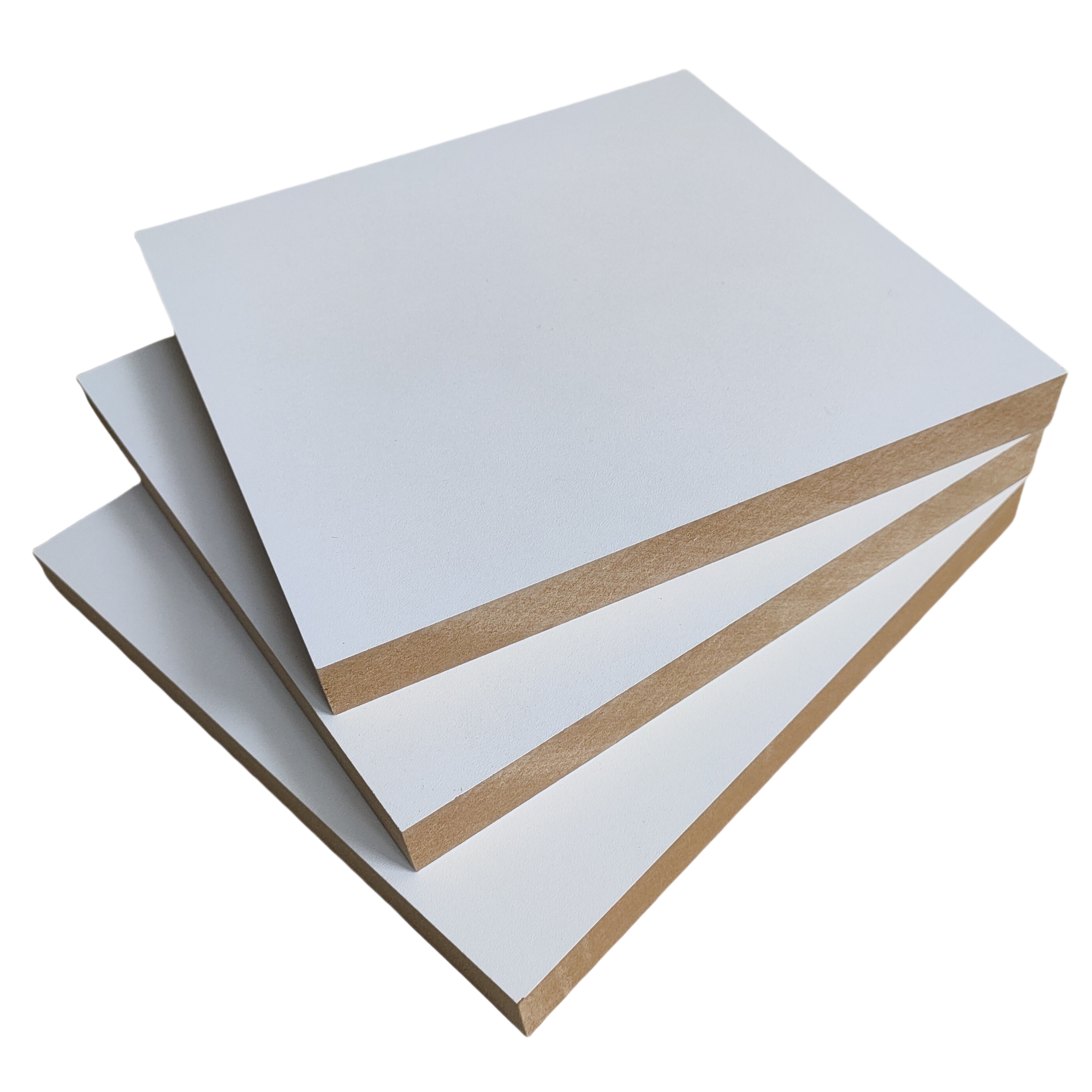
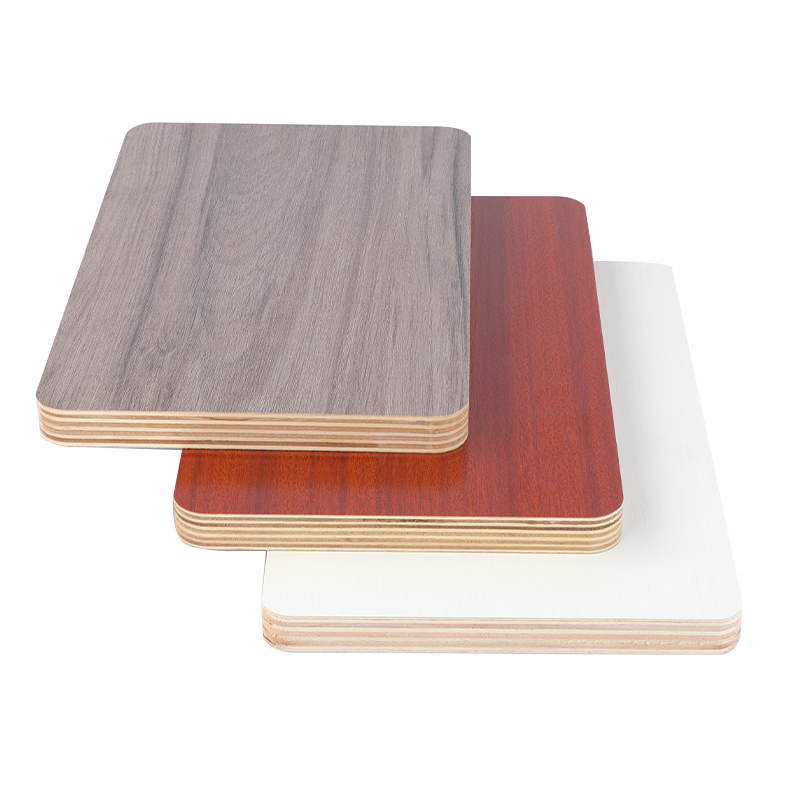
Blockboard, Plywood & MDF Boards Shipped to Ukraine
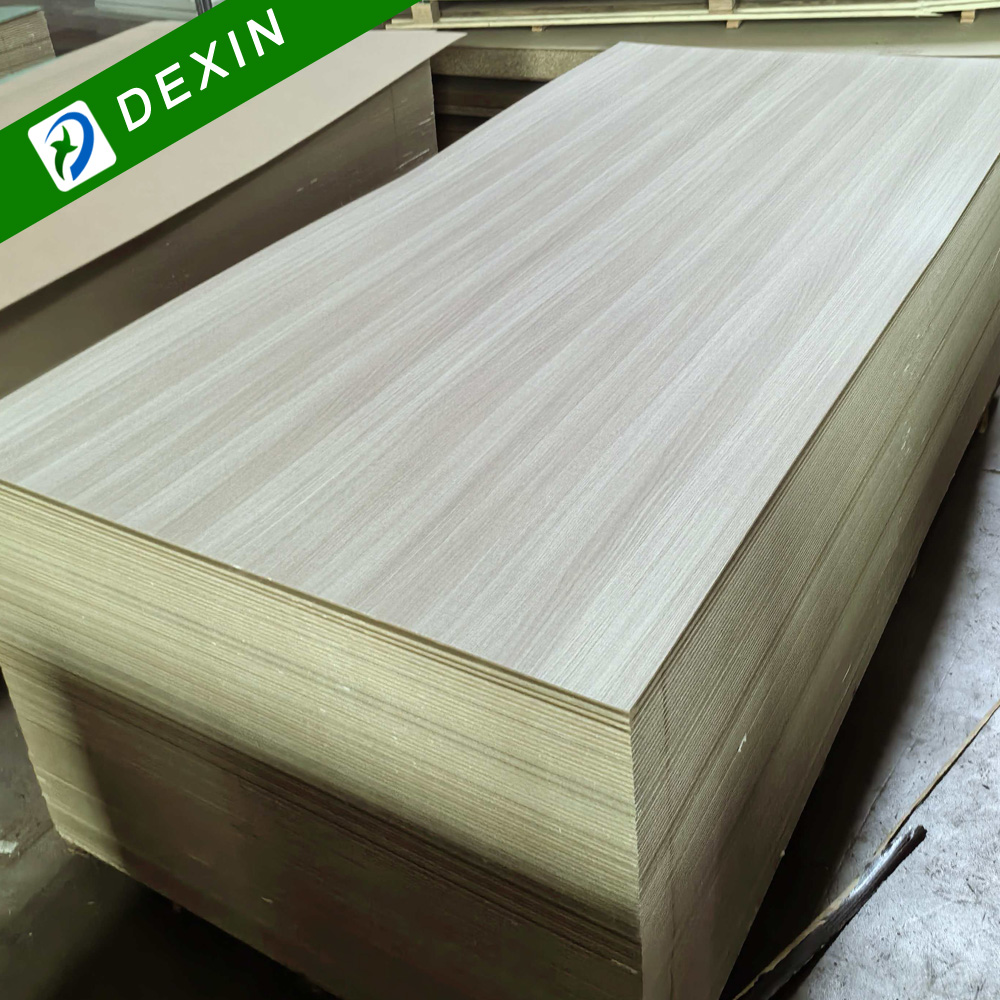
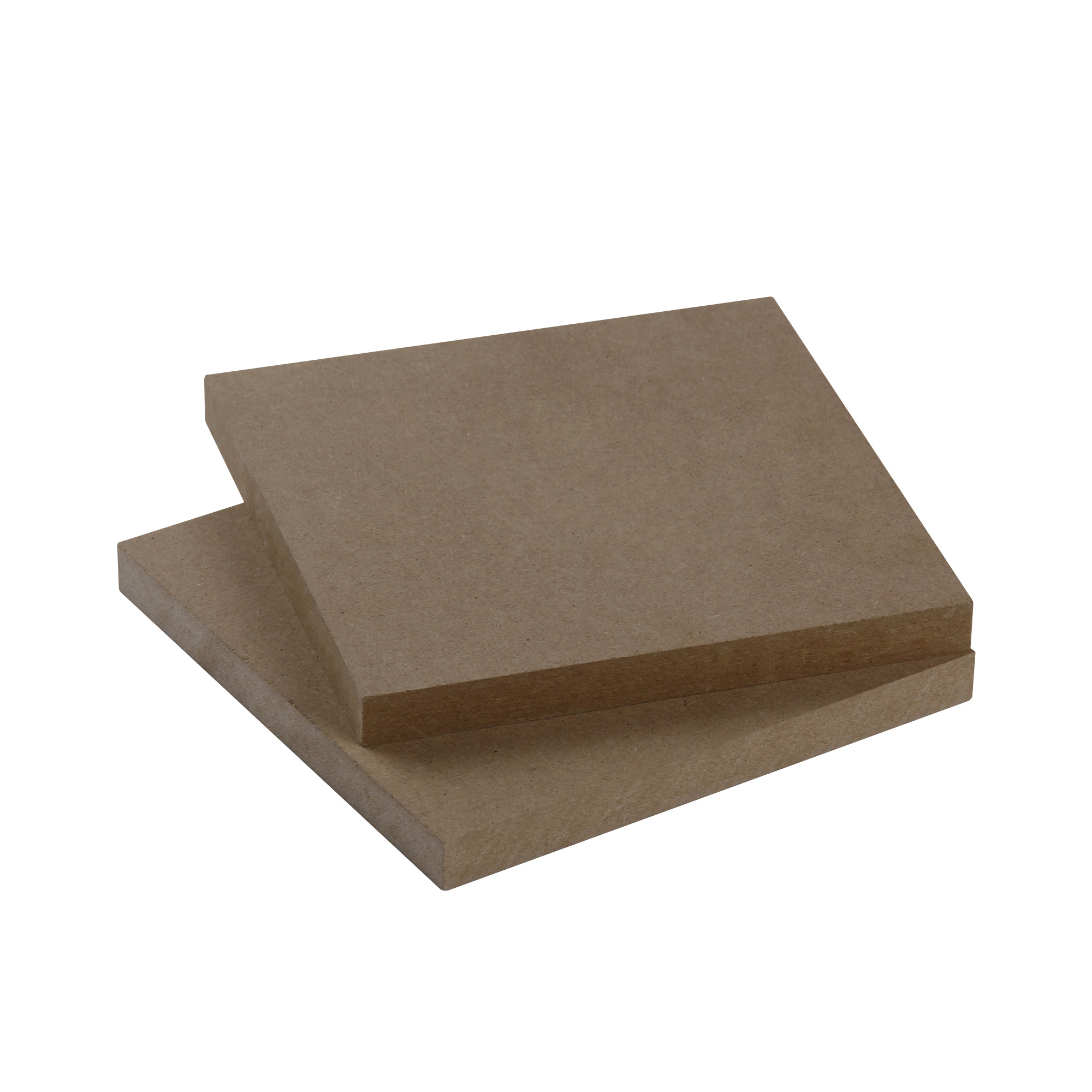
Eight core product lines produced in our own Linyi workshops and consolidated into one container. Every item below can be specified by thickness, core species, face decor, glue type and formaldehyde class before the order is confirmed.


Buyer Whitepaper
What Pine Blockboard Actually Delivers to a Ukrainian Fabricator
A blockboard is an engineered wood panel whose performance is decided by its core, not by its face. Understanding that hierarchy is the fastest way for a Ukrainian buyer to avoid expensive specification mistakes.
Pine blockboard — often sold in Ukrainian trade channels as меблевий щит, blockboard or stave-core board — is built from kiln-dried pine battens glued edge to edge along the length of the panel, then faced on both sides with a thin veneer, a melamine paper or a decorative film. Because the core is made of solid timber strips rather than fibre or chips, the finished board behaves like a light, dimensionally stable solid wood panel. That single structural fact explains everything a furniture plant, a door manufacturer or a fit-out contractor values about it.
When a 18 mm pine blockboard panel moves across a CNC bed, the saw blade meets continuous wood fibres along the length and short end-grain at the stave joints. The cut is clean, the edge is dense, and the panel accepts edge banding without the feathering that soft fibreboard can produce. Hinges, shelf pins, cam locks and confirmat screws all bite into real wood, so a wardrobe carcass built from blockboard holds its door alignment through years of daily use — a decisive advantage in rental housing, student accommodation and modular kitchen work.
Core, Adhesive and Facing: The Three Variables That Decide Quality
1. The pine core. Staves must be kiln dried to a controlled moisture range, free of bark and large voids, and joined under pressure so the panel does not cup. A poorly joined core telegraphs through the face veneer within weeks. Our lines calibrate core thickness before facing so that the finished 18 mm board holds a tight tolerance across the whole 1220×2440 mm sheet.
2. The adhesive. Melamine-urea (MR) glue is adequate for dry interior furniture in heated Ukrainian apartments. Phenolic WBP glue is the specification to choose where panels meet moisture — bathroom vanities, kitchen sink surrounds, laundry joinery and any board that may sit in an unheated warehouse or a semi-finished building during winter. Formaldehyde class is a separate decision: E1 is the baseline for European-facing supply, E0 is specified for children's furniture and bedroom applications, and E2 remains available for price-sensitive construction and packaging use.
3. The facing. Raw blockboard takes paint, veneer and laminate. Pre-faced blockboard saves a production step entirely: melamine paper in solid colours and pine or oak grains, or a wood-veneer face for exposed shelving. For Ukrainian joinery shops working to tight delivery windows, a pre-finished face removes one lamination pass, one drying cycle and one source of rework.
Typical Specification Reference
| Property | Typical Production Range | Why It Matters for a Ukrainian Order |
|---|---|---|
| Panel size | 1220×2440 mm (4×8 ft); 1250×2500 mm and cut-to-size on request | Matches standard CNC nesting software and Ukrainian trade stock sizes |
| Thickness | 9 / 12 / 15 / 18 / 22 / 25 mm (±0.5 mm) | 18 mm remains the workhorse for carcasses and door blanks |
| Core | Kiln-dried pine staves, edge-glued, sanded both sides | Gives screw-holding strength that fibreboard cannot match |
| Facing | Raw, melamine paper, natural veneer, UV or PET film | Pre-finished faces shorten production cycles at the factory |
| Adhesive | MR (interior) / WBP phenolic (humidity-resistant) | WBP is the safer choice for unheated sites and coastal transit |
| Formaldehyde | E0 / E1 / E2, CARB on request | E1 supports EU-aligned project specifications and tenders |
| Density | Approx. 550–650 kg/m³ depending on core and thickness | Lower mass reduces freight cost per cubic metre shipped |
| Moisture | 8–12 % at packing | Prevents cupping after a long sea and overland transit |
Values above are typical production ranges. Final tolerances, grades and third-party test reports are confirmed and documented for each individual order.
Local Application Scenarios
Where Pine Blockboard Is Specified Across Ukraine
Six demand clusters that repeatedly order blockboard and faced panels from our Linyi base into Ukrainian workshops, distribution yards and project sites.
Cabinet & Wardrobe Carcasses
Kitchen and wardrobe manufacturers in Kyiv, Lviv, Dnipro and Odesa cut 18 mm blockboard into carcass sides, shelves and door blanks. The stave core holds confirmat screws and hinges without the reinforcement plates that chipboard sometimes needs.
Interior Door Blanks
Door producers laminate a thin MDF or veneer skin onto a blockboard core to create a light, stable leaf. The pine core resists the warping that solid timber doors develop in apartments with strong seasonal heating cycles.
Shop Fitting & Retail Shelving
Retail chains and pharmacy groups specify pre-faced melamine blockboard for shelving units that must be installed overnight. Factory-finished faces remove on-site painting and reduce disruption to trading hours.
Rebuilding & Modular Housing
Reconstruction programmes and site-camp suppliers use WBP-glued panels for partitions, built-in bunks, storage units and temporary office furniture. Waterproof glue matters where buildings are handed over before heating is commissioned.
Wall Panelling & Ceiling Bases
Fit-out contractors use blockboard as a flat substrate for decorative wall panels, veneered feature walls and suspended ceiling trims, where a dead-flat base board decides the final visual quality.
Distributor Stock Lines
Building-material wholesalers in western Ukraine keep 18 mm and 25 mm blockboard plus faced plywood on the shelf, ordering mixed containers to balance cash flow against yard space.
Market Intelligence
Local Sourcing Trends Shaping the Ukrainian Panel Market
Four structural forces that determine how Ukrainian buyers specify, budget and schedule panel imports today.
Domestic Log Supply Pressure
Restrictions on unprocessed timber exports have tightened the domestic raw-material base, so Ukrainian converters increasingly price imported finished panels against local board. Factory-direct blockboard becomes a competitive input for furniture producers rather than a premium alternative.
Western Corridor Logistics
Container routes via Gdansk, Constanta, Istanbul and Koper, followed by road or rail into Ukraine, have become routine. Buyers now plan in full-container units and ask suppliers for loading photos, seal numbers and documentation packs prepared before departure.
Alignment with EU Panel Standards
Project work financed by European partners increasingly references EN 13986 harmonised panel requirements, CE marking and E1 formaldehyde limits. Suppliers who can issue test documentation at quotation stage avoid delays at tender clarification.
Low-Emission Interior Demand
Consumers rebuilding or renovating apartments are asking about panel emissions. E0 and E1 boards with documented test reports are now requested by furniture retailers, not only by institutional buyers, and are increasingly a marketing point on the showroom floor.
Company Strength
Why Ukrainian Buyers Source Blockboard From KUDE
Linyi KUDE International Trading Co., Ltd. is the export platform of a wood-based panel manufacturing group founded in 1998 in Linyi, Shandong — China's largest man-made board production cluster. Being inside the cluster shortens the supply chain for pine staves, glue and veneer.
Own Production Lines
More than 30 machine sets across 30,000 m² of workshops, with 300+ workers and 60,000 m³ annual output covering peeling, gluing, hot pressing, sanding and laminating. No middle-man markup on core product lines.
Verified Quality System
CE, ISO 9001, ISO 14001, FSC and CARB certification, with a supplier profile assessed on site by SGS. Thickness, flatness, bonding strength and surface quality are checked batch by batch before packing.
Order-Level Customization
Sample-based, design-based and full customization of size, thickness, core species, face veneer or decor, glue type, logo printing and export packaging — including 1250×2500 mm and cut-to-size panels.
Export-Ready Logistics
FOB, CFR, CIF and EXW terms; T/T and L/C settlement in USD, EUR or CNY. Seaworthy pallet packing, moisture barrier film, steel strapping and loading photographs supplied before departure from northern Chinese ports.
The group's operating principle — survival by quality, development by prestige — is not a slogan on a brochure page. It is the reason 20+ years of production experience and 15 years of export experience sit behind every container. Buyers receive a quotation that names the core species, the adhesive, the formaldehyde class and the packing method, so what arrives in Odesa or Lviv is what was agreed in Linyi.
ISO 9001
ISO 14001
CE
FSC
CARB
SGS Assessed
Quality Control
Five Checkpoints Before a Blockboard Container Leaves China
Every batch passes the same sequence, and the record travels with the shipment.
01
Raw Material
Pine stave grading, moisture metering and veneer inspection before gluing.
02
Gluing & Pressing
Controlled glue spread, cold pre-press and hot-press cycles for core integrity.
03
Calibration & Facing
Double-side sanding to thickness tolerance, then melamine or veneer facing.
04
Inspection
Thickness, flatness, bonding and surface checks on a sampling plan per lot.
05
Packing & Loading
Palletised, film-wrapped, strapped and photographed inside the container.
FAQ for Ukrainian Buyers
Purchasing Questions We Answer Before Every Ukraine Order
Practical answers on quantity, transport, standards, payment and inspection.
What is the minimum order quantity for pine blockboard shipped to Ukraine?+
A standard 20-foot container carries roughly 18–22 cubic metres depending on thickness and packing. MOQ varies by product line, typically from 50 to 500 sheets, and several products can be consolidated into one container once specifications are confirmed with our export team.
Which ports and transport routes do you use for Ukrainian deliveries?+
Orders are loaded at northern Chinese ports such as Qingdao and Lianyungang, then shipped to Gdansk, Constanta, Istanbul or Koper with onward road or rail movement into Ukraine. CFR, CIF and DAP terms are quoted so the buyer can compare the delivered cost at the destination city directly.
Do your panels meet European and Ukrainian formaldehyde requirements?+
E1 is the standard grade we recommend for European-facing supply, with E0 available for low-emission interior furniture and E2 for construction and packaging use. CE marking, ISO 9001, ISO 14001, FSC and CARB documentation can be issued with the shipment, and independent testing by SGS or BV can be arranged before loading.
Which thickness and panel sizes are available?+
Standard production covers 1220×2440 mm in 9, 12, 15, 18, 22 and 25 mm, with 18 mm the most frequently ordered specification. 1250×2500 mm and cut-to-size panels are available, and the group also produces melamine plywood, MDF, HDF and particle board so a mixed container can be built around a single order.
Can you supply pre-finished or faced blockboard rather than raw panels?+
Yes. Single or double-sided melamine paper in solid colours, wood grains and marble decors is available, along with natural veneer, UV coating and PET film. A pre-finished face removes one lamination and finishing step at the buyer's factory, which usually shortens the production cycle more than the panel cost difference.
What are your payment terms and accepted trade conditions?+
We accept T/T and L/C settlement in USD, EUR or CNY, and quote on FOB, CFR, CIF and EXW terms. For repeat buyers, a deposit-and-balance structure with loading photographs released before the balance payment is standard practice.
How is the product protected during sea transport?+
Panels are palletised and wrapped in moisture-barrier film, with corner protection and steel strapping. Containers are loaded with desiccant where the route crosses climates, and loading photographs together with the packing list are sent to the buyer before the vessel departs.
Can we inspect the goods before shipment?+
Yes. Buyers or their nominated third-party inspectors are welcome to attend the pre-shipment inspection, and our team can supply live video walkthroughs of the workshop, warehouse and loading area. Samples can be couriered to Ukraine before a first order is placed.
How is pricing for 18 mm pine blockboard structured?+
Price depends on core species, adhesive class, formaldehyde grade, facing decor, order volume and destination port. Because these variables move independently, we quote FOB and delivered figures against a written specification rather than publishing a single number that would only be accurate for one configuration.
Send Your Blockboard Specification — Get a Delivered Quote
Tell us the thickness, panel size, facing, formaldehyde grade and destination city, and our export team replies with a technical proposal, packing plan and container loading estimate for Ukraine.