Eight Panel Products for Iraq’s Furniture and Fit-Out Supply Chain
Plain MDF sheet purchasing in Iraq is not a generic “4x8 board” decision. The correct panel depends on whether the board will be laminated in a Baghdad joinery, machined into kitchen cabinet doors in Erbil, painted for a hotel fit-out in Basra, or consolidated with other materials in one container. KUDE supplies raw plain MDF, moisture-resistant MDF, melamine-faced boards, plywood and interior wall panels for Iraqi buyers who need consistent density, clean sanding, stable thickness and export-ready packing.
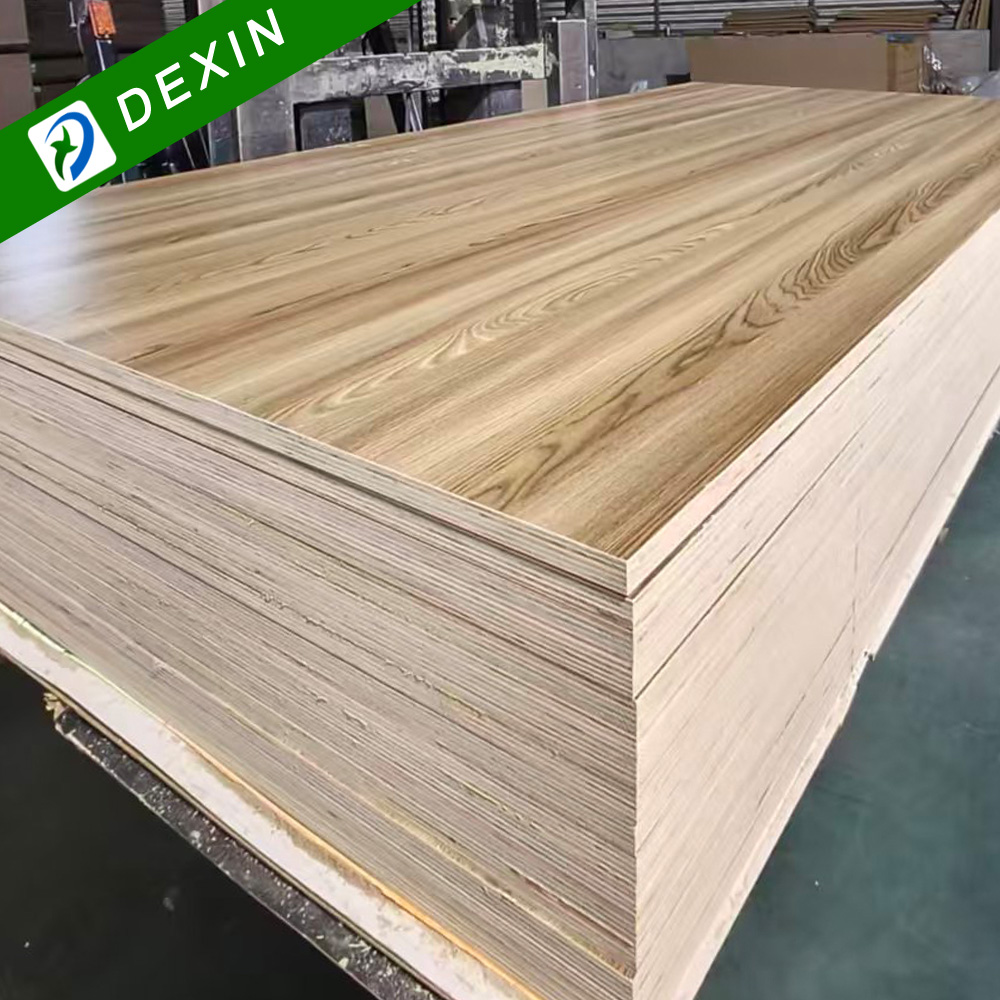
18mm Marine Laminated Contreplaque One or Double Side Colorful Melamine Faced Board Plywood for Furniture Decoration
Decorative melamine-faced panel for wardrobes, vanity units and furniture where a finished surface is required. Suitable for dry interior joinery and project furniture when edges are sealed correctly.
- 18 mm
- Double / single face
- Furniture
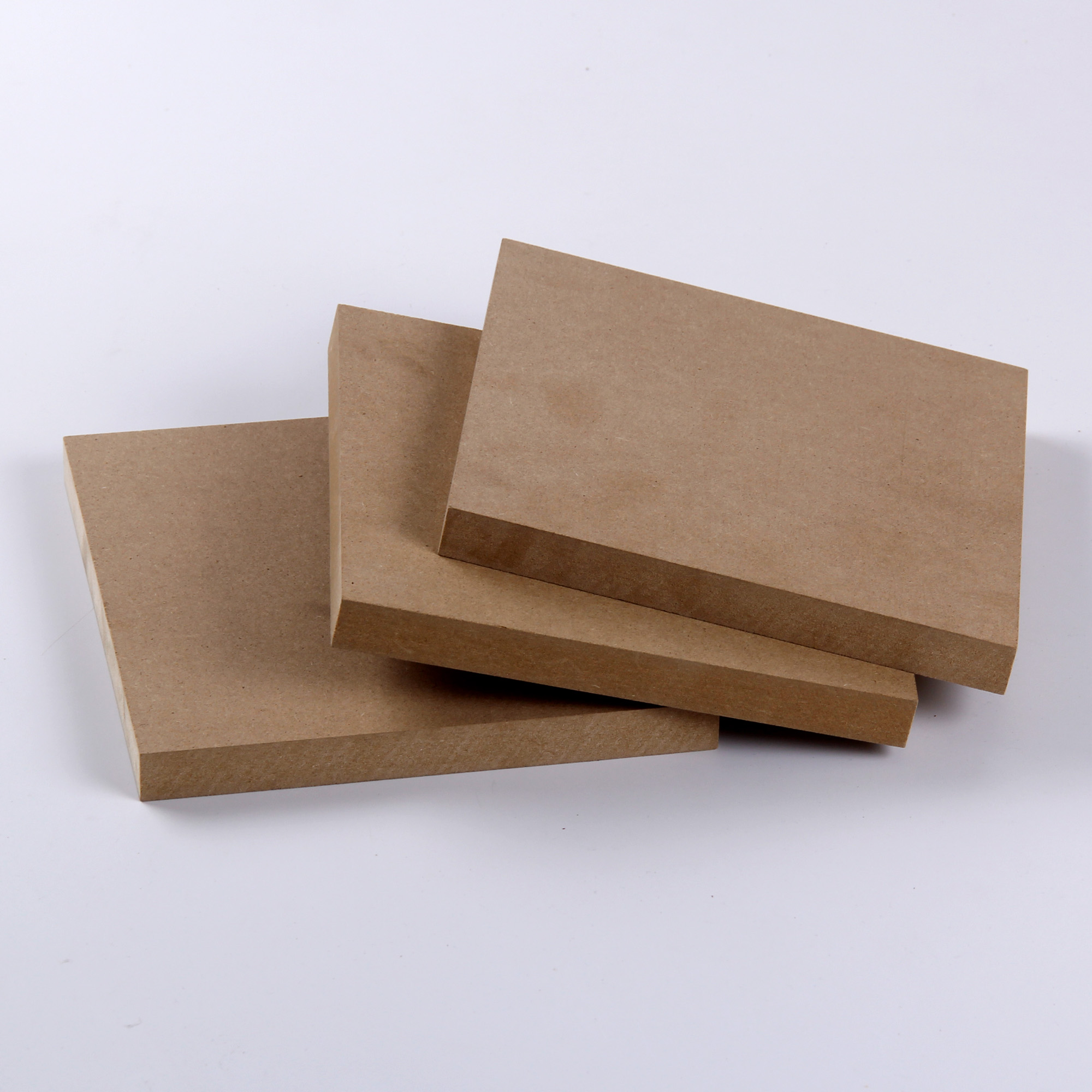
Factory Standard Size with Thickness of 5mm, 6mm, 8mm, 9mm, 18mm Raw MDF/HDF Board
Raw MDF and HDF boards for Iraqi workshops that laminate, veneer, paint or CNC-machine panels locally. A practical choice for furniture carcasses, backs, drawer bases and shop fittings.
- 5–18 mm
- Raw / sanded
- Local finishing
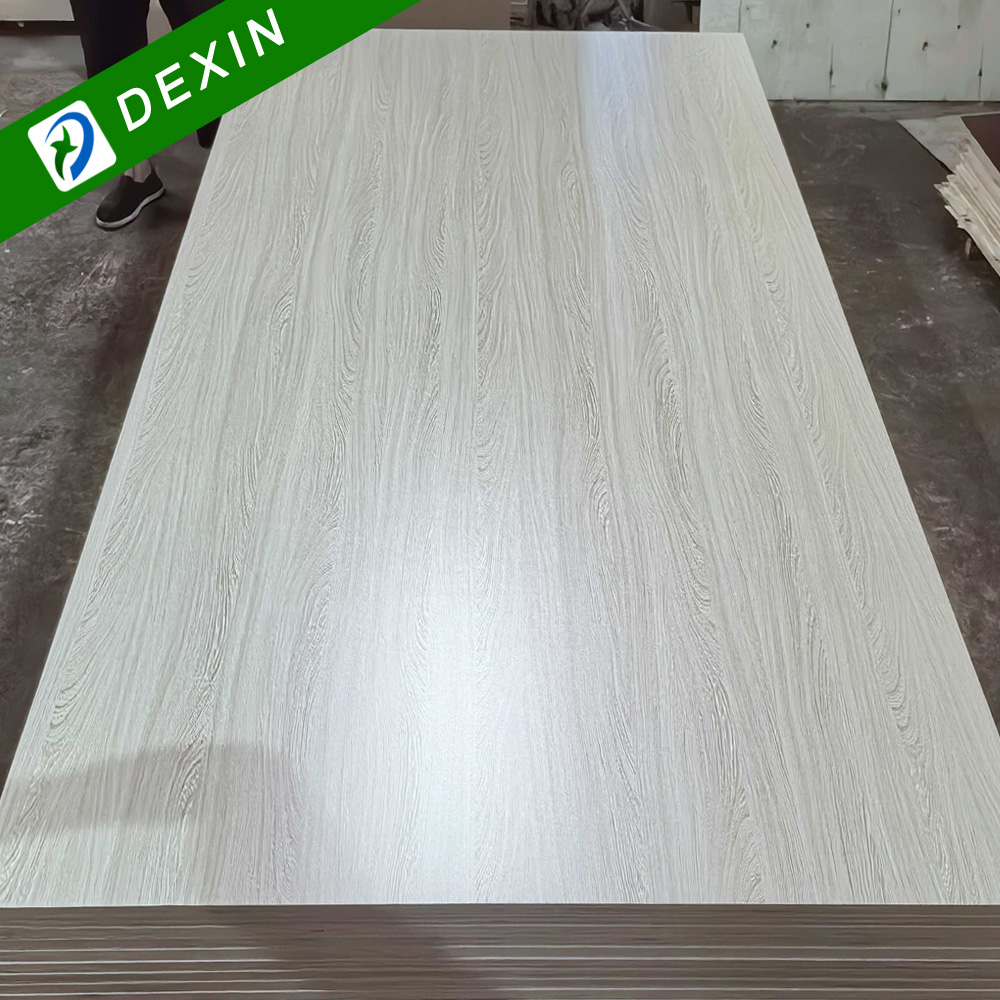
Waterproof Melamine Contreplaque De 5mm 6mm 18mm 11 Ply Glossy Matt White Eucalyptus Core Melamine Faced Plywood
Eleven-ply eucalyptus-core melamine plywood for kitchen units, utility cabinetry and interior projects where a plywood substrate is preferred. Available in glossy and matt white surfaces.
- 5 / 6 / 18 mm
- 11-ply eucalyptus
- Glossy / matt

Good Price 1200x2400x18mm Melamine Coated Plywood Custom Thickness Marine Board for Furniture
Project-oriented melamine-coated marine board in 1200×2400×18 mm, with custom thickness available on confirmation. Useful for furniture packages, hotel joinery and contract interiors.
- 1200×2400 mm
- 18 mm
- Custom thickness
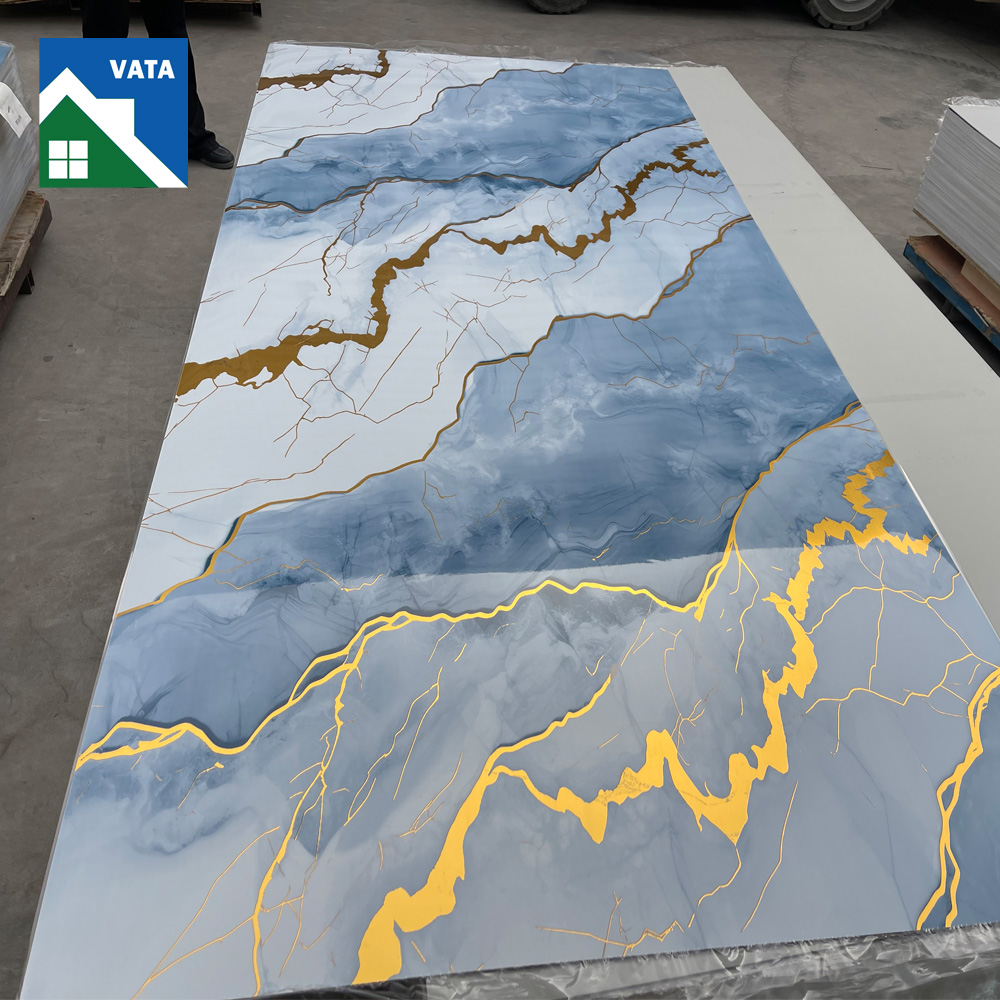
Customized Easy Installation High Glossy PVC Wall Panel Bendable DIY Indoor TV Wall Background Board Glossy UV Marble Sheets
Lightweight high-gloss PVC/UV marble-look wall sheet for retail displays, hotel feature walls and residential TV backgrounds. Fast installation and easy cleaning suit fast-track Iraqi fit-outs.
- Marble look
- Bendable
- Fast install
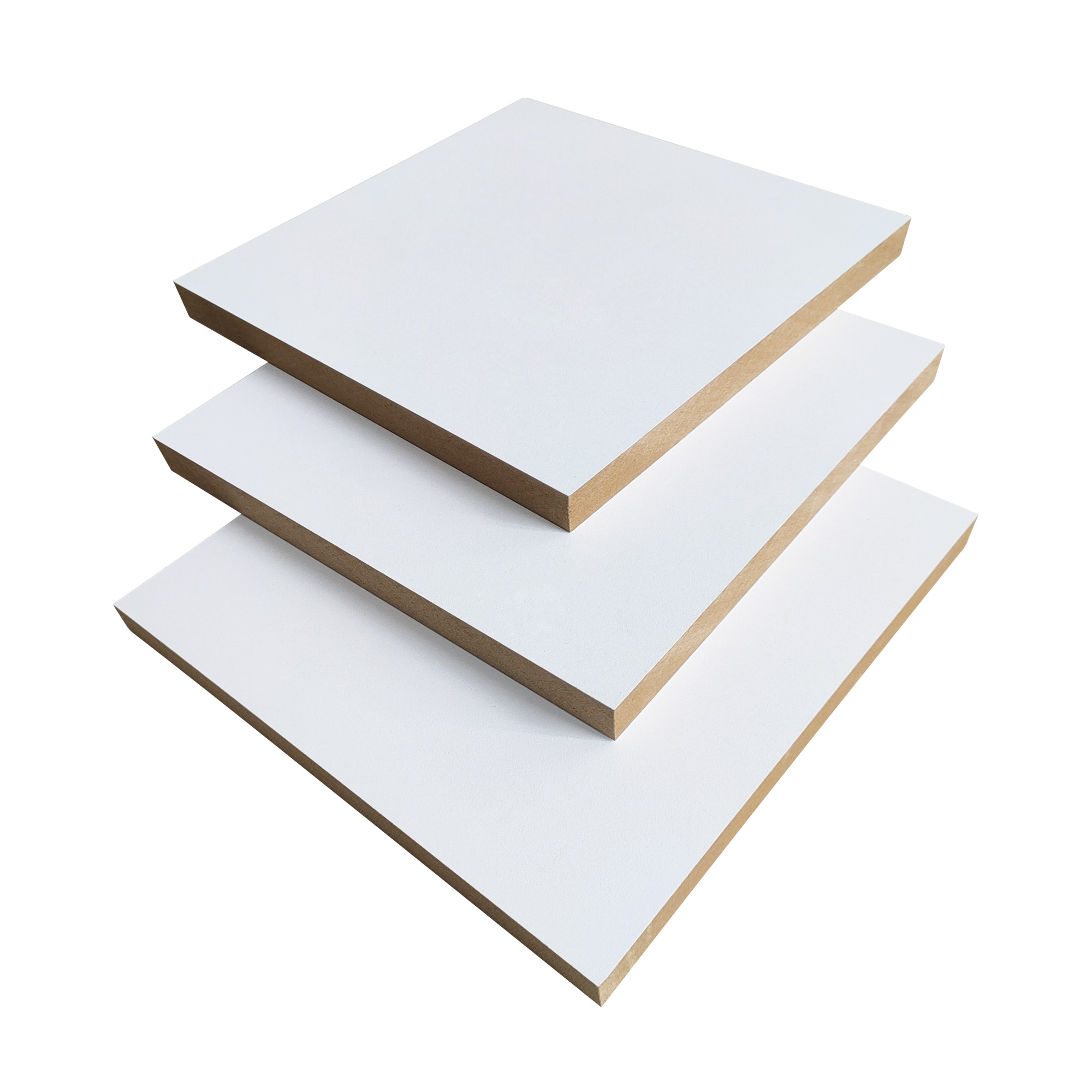
High Quality 4x8ft White Melamine MDF Board China Manufacturer E1 Formaldehyde for Kitchen Use-Sizes 3mm 6mm 9mm 12mm 16mm
White melamine MDF in 4×8 ft format for kitchen cabinets, wardrobe internals and general joinery. E1 formaldehyde option and multiple thicknesses support local fabrication and project specification.
- 3–16 mm
- White melamine
- E1 option
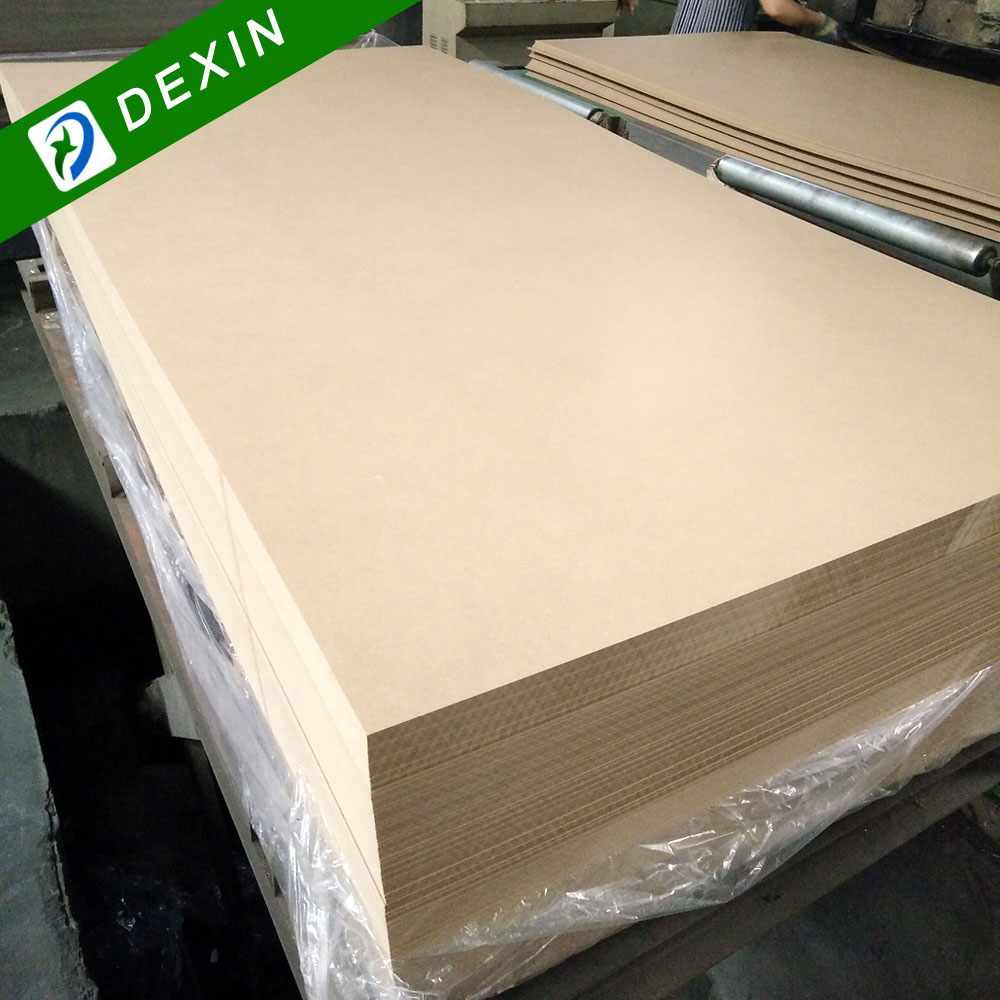
3mm, 12mm, 15mm, 18mm Raw/ Plain MDF Board for Furniture Decoration
Raw plain MDF sheet for painting, veneering, laminating and CNC routing. A flexible base board for Iraqi furniture makers who apply their own finish and need a clean, sanded surface.
- 3 / 12 / 15 / 18 mm
- Raw plain MDF
- Paint / laminate
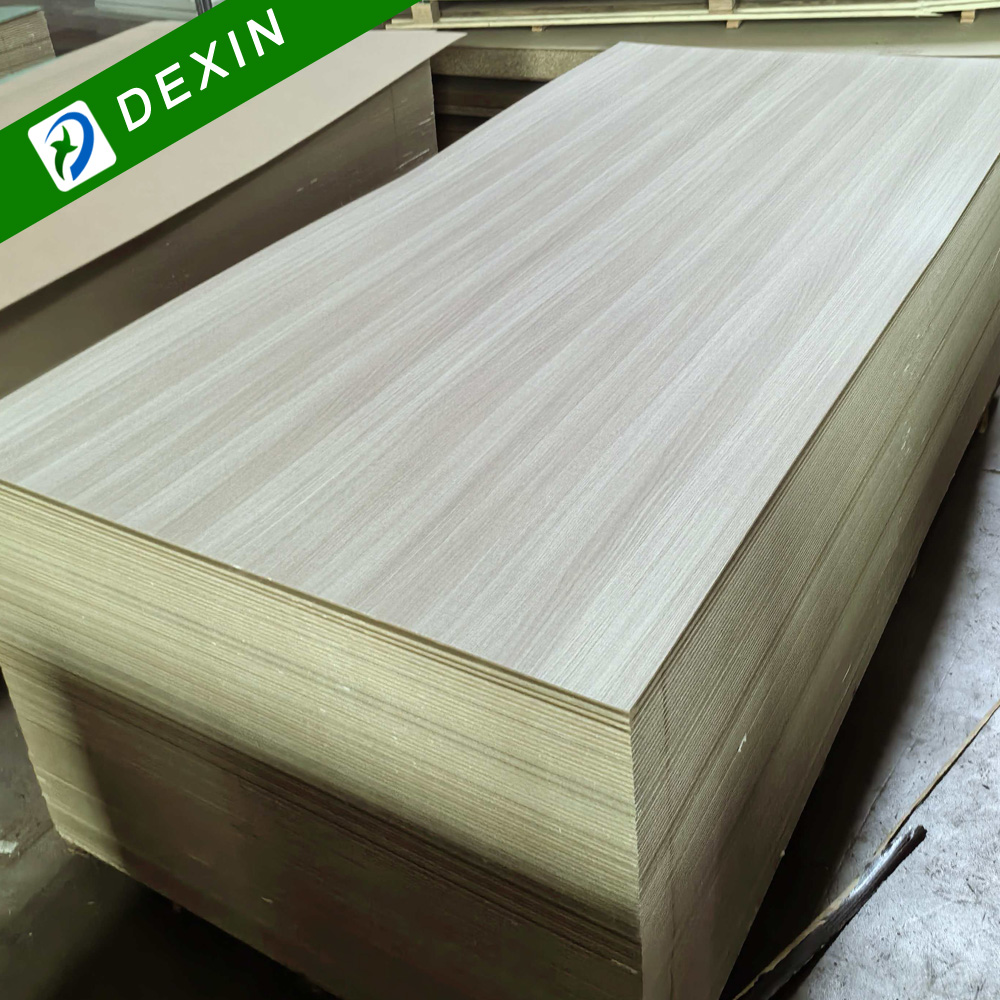
Moisture Resistant 4mm 15mm 17mm 18mm Melamine MDF Wood Panels 1220x2440mm White Textured MDF Melamine
White textured melamine MDF with moisture-resistant positioning for kitchens, utility areas, wardrobes and bathroom cabinetry. Edge sealing remains essential in humid zones and near water sources.
- 1220×2440 mm
- 4–18 mm
- HMR option
Uniform Boards, Predictable Machining and Local Finishing Flexibility
Plain MDF is engineered from refined wood fibres, bonded with resin and pressed into a dense, smooth panel. Because it has no natural grain direction, it machines consistently and holds a clean edge after cutting, routing and drilling.
For Iraqi furniture factories, the main advantage of raw plain MDF is local value addition. Workshops in Baghdad, Basra, Erbil, Najaf and Mosul can laminate, veneer, paint or wrap the board to match a client’s design, instead of importing a limited range of ready-finished colours. A well-sanded plain MDF sheet gives a reliable base for melamine paper, PVC film, wood veneer, UV coating, lacquer and CNC-routed decorative panels.
The technical choice still matters. For dry interior furniture, raw plain MDF is cost-effective. For kitchens, bathrooms, utility rooms and other humid interior zones, HMR moisture-resistant MDF or a suitable moisture-resistant board should be specified, with cut edges sealed. For thin back panels, drawer bases or door skins, HDF may be more appropriate because its higher density supports thin sections. MDF is not a structural exterior panel and should not be used as a substitute for concrete, steel or exterior-grade structural materials.
Iraq’s climate also influences handling. In hot, dry conditions, panels should be acclimatised before machining and stored flat on dry pallets, away from direct sunlight, floor moisture and damp walls. In Basra and river-area projects, moisture control during storage and edge sealing after fabrication are especially important. These practical steps protect the finished furniture and reduce site rejects.
Raw Plain MDF
Uncoated, sanded MDF for painting, lamination, veneering and CNC routing. A strong fit for local joinery workshops that finish boards to their own design specification.
HMR Moisture-Resistant MDF
Designed for kitchens, wardrobe internals, utility areas and bathroom cabinetry where occasional moisture is expected. HMR is moisture-resistant, not waterproof, so sealed edges remain essential.
HDF and Thin Sections
Higher-density fibreboard for thin back panels, door skins and components where a slim profile and smooth surface are important. Confirm density and thickness for each application.
Where Plain MDF Sheets Fit in Iraqi Residential and Commercial Projects
The same MDF sheet can perform very differently depending on the room, humidity, finishing method and expected service life. These are the applications Iraqi buyers most often ask KUDE to support.
Residential Furniture and Wardrobes
Use 18 mm plain MDF for carcasses, shelving and built-in wardrobes, with 3–6 mm boards for backs and drawer bottoms. For kitchens and bathrooms, upgrade to HMR MDF or a suitable moisture-resistant panel and seal all cut edges.
Kitchen and Bathroom Joinery
White melamine MDF and HMR MDF are common for kitchen cabinets and vanity units. In Iraqi projects, specification should include edge banding quality, sealant at sink and wet zones, and adequate ventilation behind appliances.
Retail, Hotel and Restaurant Fit-Outs
Fast-track fit-outs in Baghdad, Basra and Erbil often combine white melamine MDF, high-gloss PVC/UV panels and decorative wall sheets. These materials create clean display units, reception counters, feature walls and service joinery.
Office, School and Clinic Furniture
Plain MDF and melamine MDF can be used for desks, counters, storage units and reception furniture. For schools, clinics and public interiors, buyers increasingly request low-emission E1/E0 options and documented test reports.
Door Skins and CNC Components
MDF is widely used for routed door panels, decorative screens and CNC-cut components because it delivers a smooth surface and consistent density. HDF may be preferred for thin door skins or high-wear edges.
Laminators and Painting Workshops
Local laminators can buy raw plain MDF in mixed containers, then apply their own melamine paper, PVC film, veneer or paint. That flexibility helps Iraqi distributors serve multiple furniture makers from one panel stock.
What Iraqi Buyers Are Changing in MDF Specifications
Demand is moving beyond low-cost boards. Project buyers want better surface consistency, clearer emission options, moisture-resistant grades for kitchens and dependable container loading.
Fit-Out Demand and Mixed Containers
Housing, retail, hospitality, education and healthcare projects are driving demand for interior panels. Iraqi distributors increasingly combine plain MDF, melamine MDF, plywood and wall panels in one container to reduce stock risk and freight cost.
Local Value Addition
Furniture factories still prefer raw plain MDF when they have their own lamination or painting line. The focus is shifting to consistent sanding, stable thickness and low reject rates, rather than the lowest price per sheet alone.
Low-Emission Documentation
E1 and E0 options are increasingly requested for schools, clinics, hotels and residential furniture. International project specifications may also reference FSC, CARB, CE or ISO systems; buyers should confirm the exact document package before ordering.
Moisture Resistance and Surface Design
Kitchens, bathrooms and utility spaces require HMR or moisture-resistant solutions with sealed edges. At the same time, customers want white matt, high gloss, wood grain and marble-look surfaces for modern interiors.
Plain MDF Sheet Reference for Iraqi Importers
Use this quick reference to prepare a clearer quotation request. Final thickness tolerance, density, formaldehyde grade, test reports and packing are confirmed for each order.
| Specification | Typical KUDE Range | Iraq Procurement Note |
|---|---|---|
| Panel type | Raw plain MDF, HMR MDF, HDF, melamine MDF, melamine plywood | Choose raw plain MDF for local finishing; HMR for kitchens and bathrooms; melamine-faced for fast furniture production. |
| Standard size | 1220×2440 mm (4×8 ft); other sizes on confirmation | Check cutting layouts before ordering. Mixed sizes can reduce waste but may affect container loading efficiency. |
| Thickness | 3–25 mm typical range; product-specific limits apply | 18 mm is common for carcasses; 12–15 mm for shelves and drawers; 3–6 mm for backs and door skins. |
| Formaldehyde grade | E0, E1 or E2 depending on product and order | Specify E1/E0 for interiors where indoor air quality is a priority. Ask for test documents and match them to the project requirement. |
| Moisture resistance | HMR MDF and moisture-resistant melamine MDF options | HMR is not a substitute for waterproof material. Seal edges and protect areas around sinks, appliances and floor contact. |
| Surface finish | Raw sanded, white melamine, coloured melamine, glossy, matt, textured, wood grain | For local workshops, raw sanded MDF is flexible. For contractors, ready-made melamine MDF reduces finishing time on site. |
| Order quantity | Typically 50–500 sheets depending on the product line | Several products can be combined after specification confirmation. Confirm mixed-container rules before issuing the proforma. |
| Shipping and terms | FOB, CFR, CIF and EXW; T/T and L/C in USD, EUR or CNY | Goods are loaded through northern China ports such as Qingdao. Iraqi buyers normally route via Umm Qasr or another agreed port and arrange inland delivery. |
MDF is intended for interior applications unless a specific exterior-grade product is approved. Store flat, keep dry and follow the project’s technical specification for humidity, fire and emission requirements.
Why KUDE Supports Iraqi MDF Buyers from Linyi, Shandong
KUDE is the export platform of a wood-based panel manufacturing group founded in 1998 in Linyi, Shandong — China’s largest wood-based panel production cluster. That location shortens the supply chain for veneer, glue, core materials and finished panel handling.
Own Production Depth
More than 30 sets of production machines cover peeling, gluing, hot pressing, sanding and laminating. Over 300 workers support stable output and order handling.
Verified Quality Systems
CE, ISO 9001, ISO 14001, FSC and CARB certifications are held within our manufacturing group. E0, E1 and E2 options are available by product and destination market.
Flexible Customization
Sample-based, design-based and full customization include size, thickness, core, face veneer or decor, glue type, logo printing and export packaging.
Export-Ready Logistics
FOB, CFR, CIF and EXW terms; T/T and L/C payment; seaworthy pallet packing and loading photos. Qingdao is the usual port for Linyi panel shipments.





From Raw Material to Loaded Container
A consistent plain MDF sheet order depends on process control, not slogans. Every batch follows production and inspection checkpoints before export packing.
Material Selection
Veneer, fibre and raw material grading with moisture checks before production.
Gluing and Pressing
Controlled glue spread and pressing cycles support stable density and bonding.
Sanding and Surfacing
Calibrated sanding, lamination or coating for a clean finishing base.
Inspection
Thickness, flatness, bonding and surface checks before packing.
Packing and Loading
Export pallets, steel straps, corner protection and loading photos.
Common Questions About Plain MDF Sheet Supply to Iraq
These answers reflect the questions our export team receives from furniture factories, distributors and project buyers. Final specifications are confirmed in the quotation and proforma invoice.
Are you a manufacturer or a trading company?
Which plain MDF sheet thicknesses are most common for Iraq?
Can you supply moisture-resistant MDF for kitchens and bathrooms?
What is the minimum order quantity?
Which certifications and emission grades can you provide?
What payment methods and trade terms do you accept?
Can you customize size, thickness, surface and packaging?
How are panels packed for sea shipment to Iraq?
Can you help with a mixed container of MDF, plywood and wall panels?
How do I start a plain MDF sheet inquiry for Iraq?
Request a Plain MDF Sheet Quotation for Iraq
Share your thickness, size, surface, emission grade, quantity and destination. KUDE’s export team will review your requirement and respond with a practical specification for your project, workshop or distribution programme.