Raw Particle Board Factories & Exporters for the Gaziantep Market
A buyer-focused sourcing guide for Gaziantep furniture factories, kitchen-cabinet makers, contractors and import distributors—covering raw particle board coordination, melamine-faced MDF, moisture-proof boards, waterproof plywood, formwork beams and WPC wall panels from our Linyi manufacturing base.
Eight Factory-Direct Panel Products Gaziantep Buyers Source Most Often
Gaziantep is not a single-application market. A furniture factory in an industrial zone may need 18mm E1 melamine MDF for kitchen carcasses; a contractor may need waterproof plywood and H20 beams; a hotel fit-out buyer may need WPC cladding. The eight products below reflect the highest-intent panel enquiries we receive from Gaziantep and the wider southeastern Türkiye market. Each product URL preserves the original item page so your technical team can verify thickness, surface, core, glue and documentation before requesting samples.
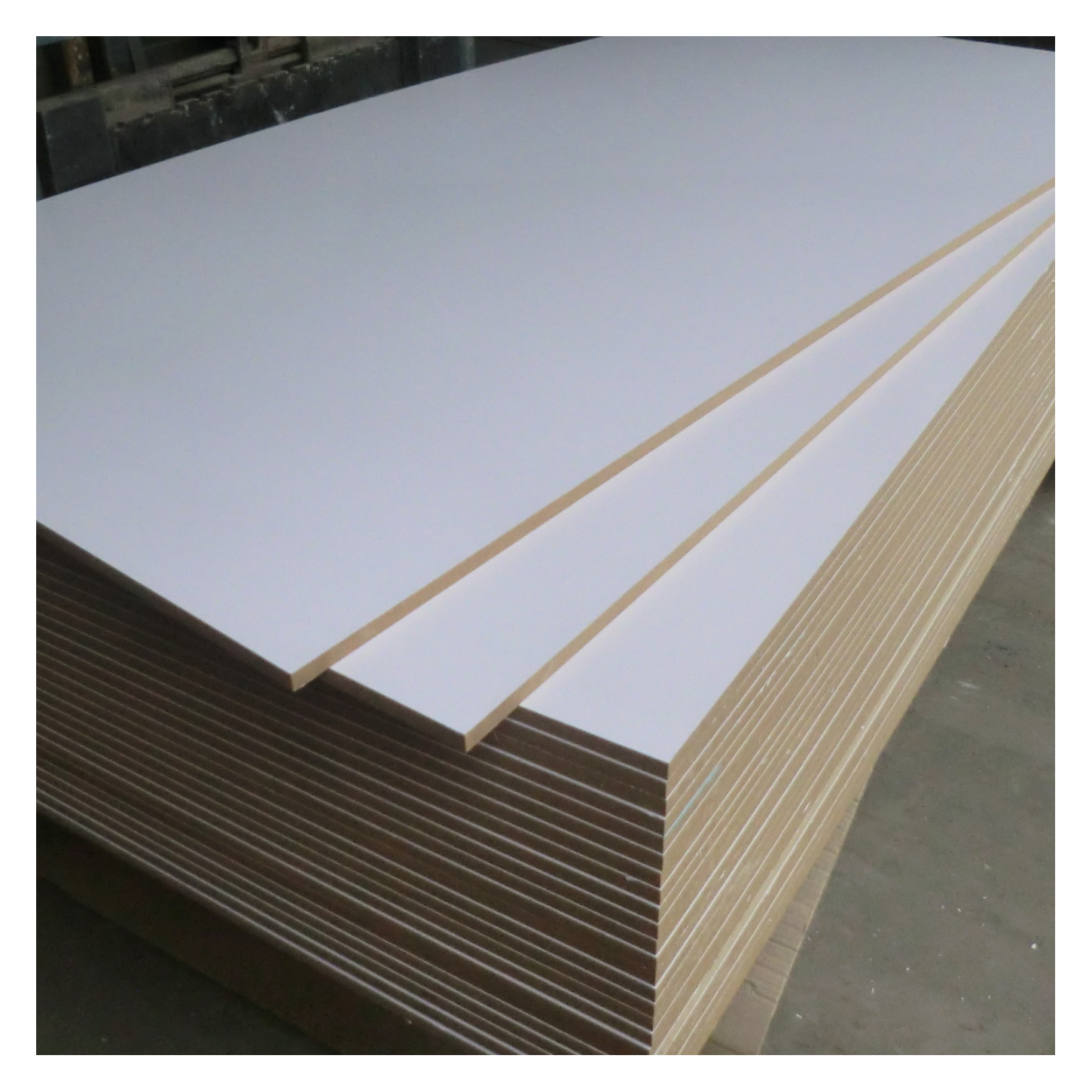
Wholesale E1 Grade Melamine Faced Moisture-Proof MDF Board for Kitchen Furniture Use 18mm Thickness CE Certified
A practical specification for Gaziantep kitchen carcasses, wardrobe panels and bathroom cabinetry where humidity resistance and stable density matter. The closed melamine surface supports fast cleaning and reduces the need for additional finishing.
- 18mm
- E1
- Moisture-proof
- CE
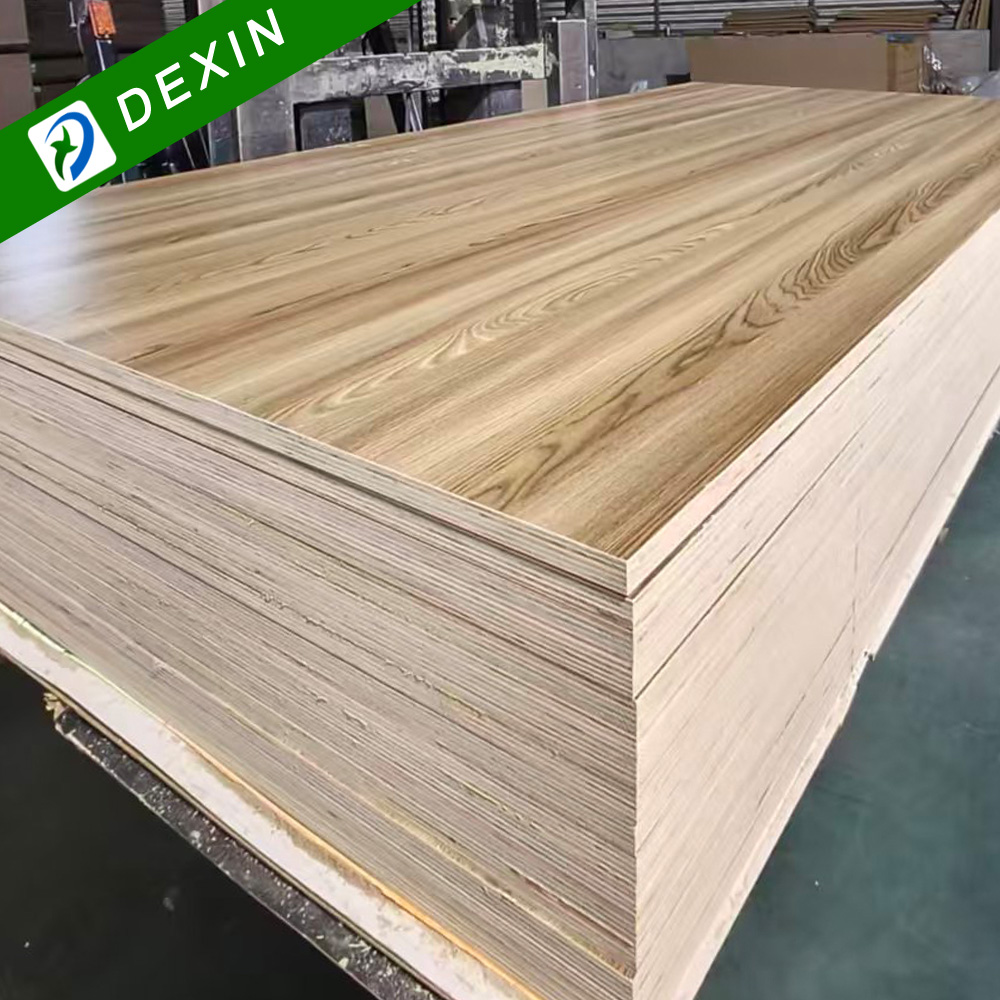
18mm Marine Laminated Contreplaque One or Double Side Colorful Melamine Faced Board Plywood for Furniture Decoration
Recommended for furniture decoration, hotel casework and contract interiors where colour consistency and a durable face are important. Single- or double-sided melamine facing gives designers more options without adding a secondary lamination step.
- 18mm
- One/double side
- Marine laminated
- Colour range
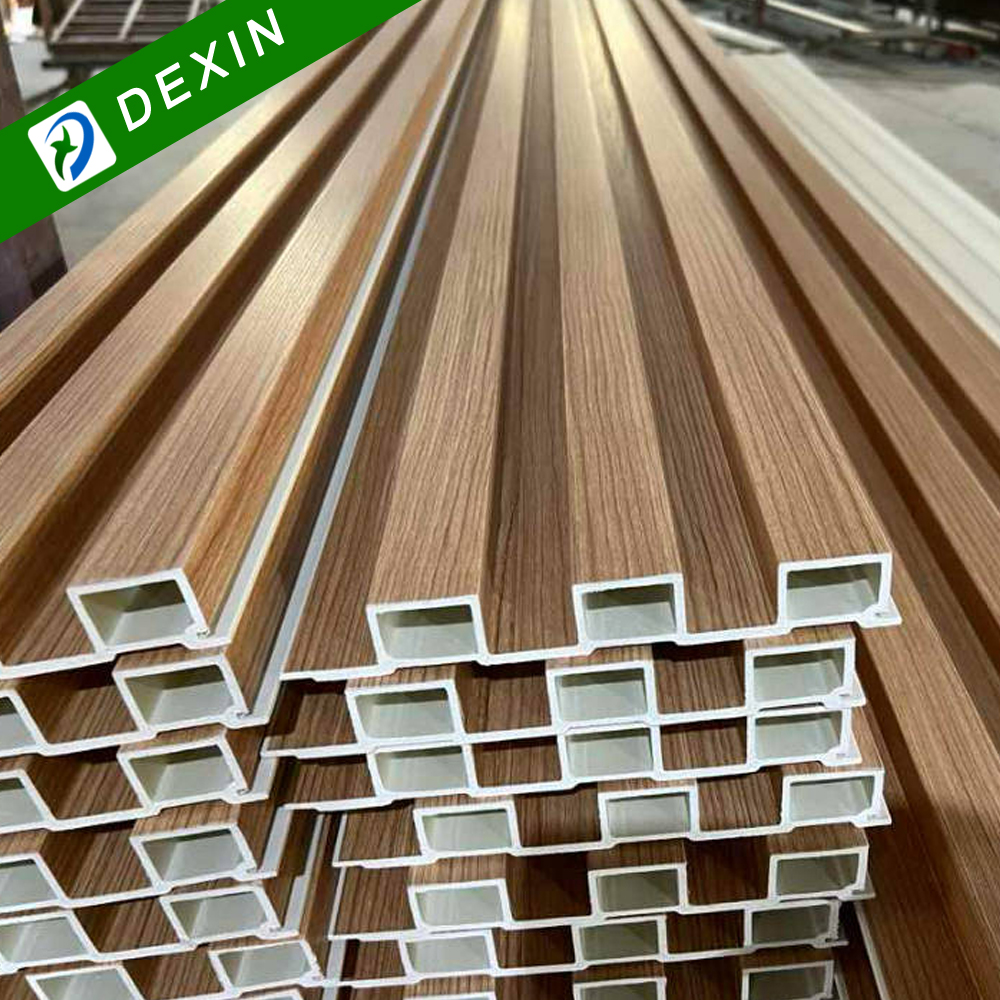
Modern Wall Cladding Home Background PVC WPC Wall Panels Interior Decorative Wall Panel for Hotel
A lightweight decorative option for Gaziantep hotels, cafés, showrooms and residential feature walls. WPC/PVC cladding is easier to install than wet-trade finishes and can reduce site time when the project schedule is tight.
- Waterproof
- Fast install
- Wood-grain looks
- Hotel fit-out
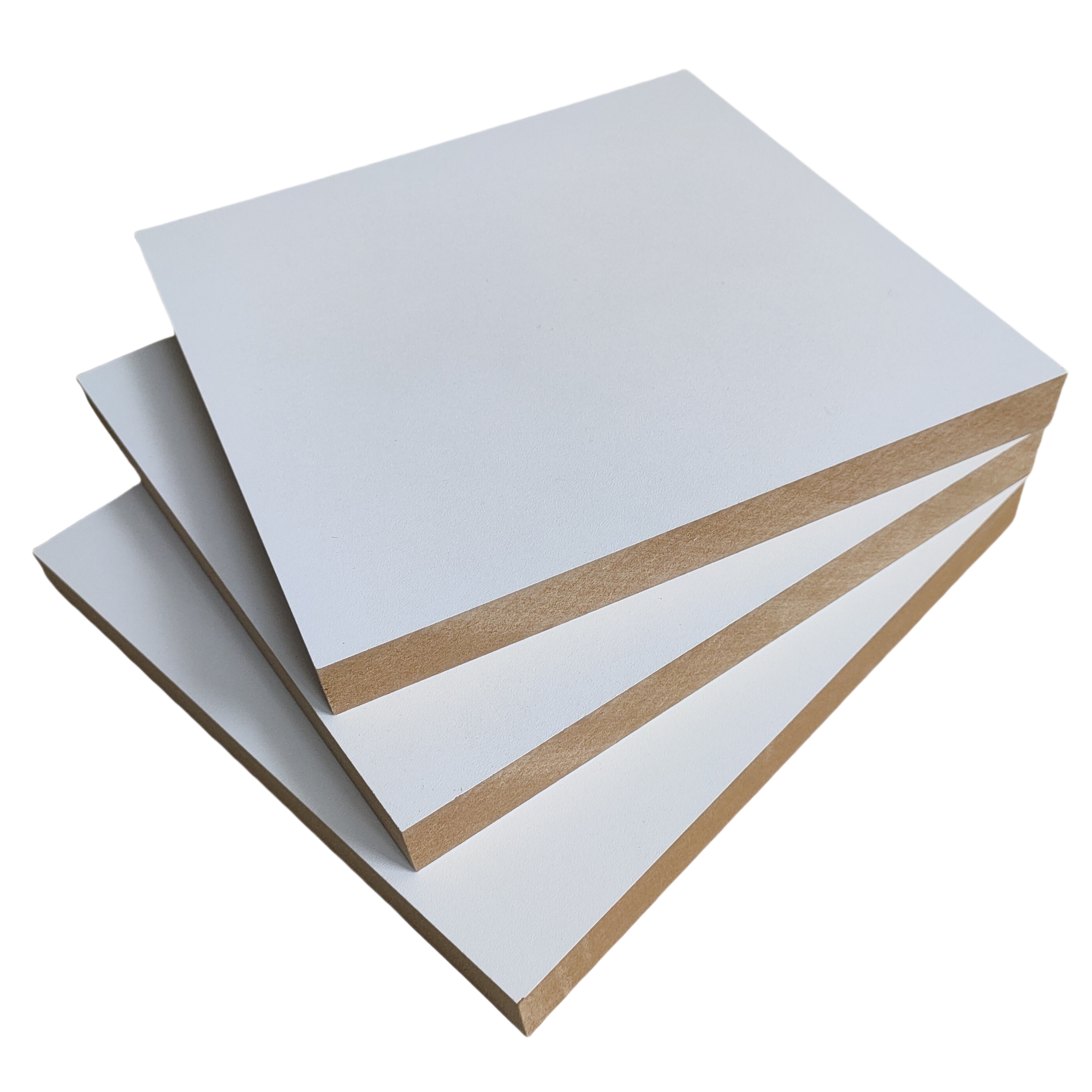
18mm Kitchen Furniture Use White Wood Fiber Board E1 Grade Melamine MDF/HDF Sheet Moisture-Proof
White melamine MDF/HDF is one of the most requested surfaces for Gaziantep kitchen cabinets, wardrobes and shop counters. A consistent white face helps fabricators match doors, side panels and interior shelves across batch production.
- 18mm
- E1
- White surface
- HDF/MDF option
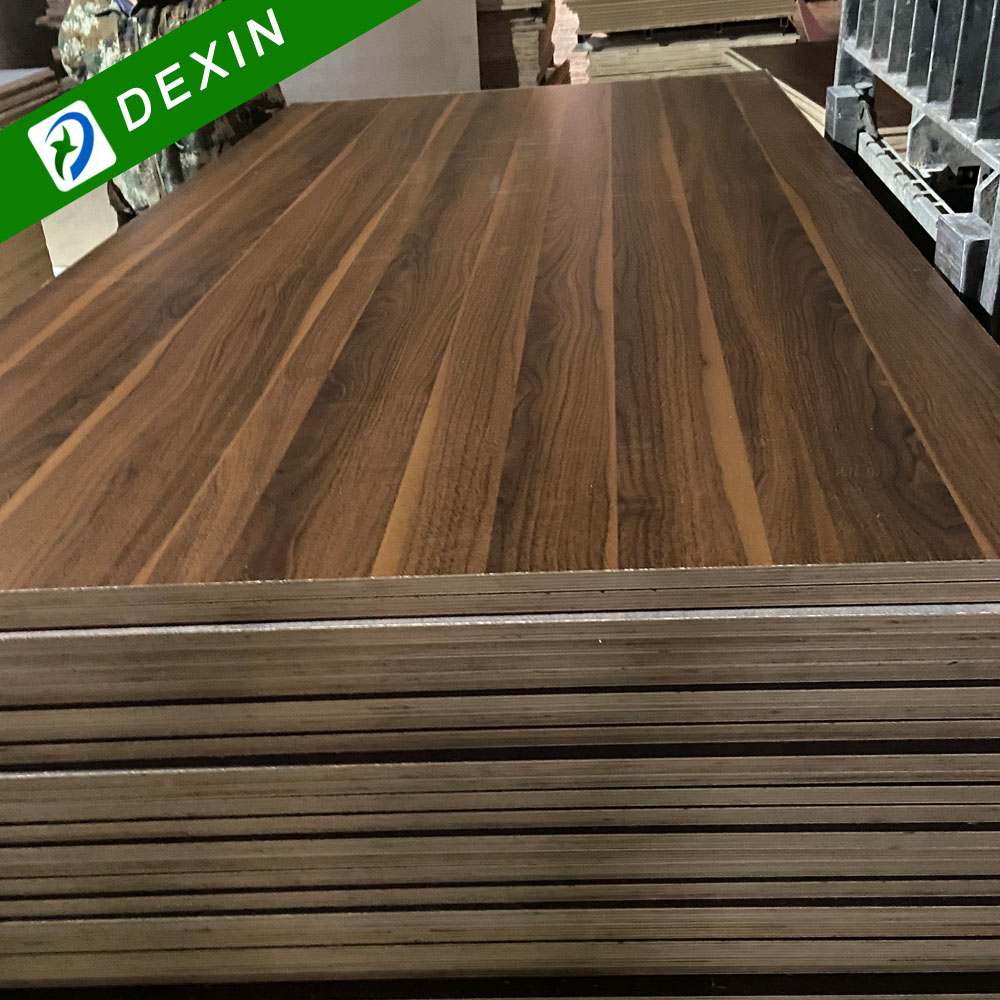
High Quality Waterproof 18mm Melamine Faced Plywood for Furniture
For furniture in damp service areas, utility rooms and commercial kitchens, melamine-faced waterproof plywood can offer a stronger screw-holding substrate than standard MDF. It is also useful in transport, storage and workshop furniture.
- 18mm
- Waterproof glue
- Melamine face
- Furniture grade
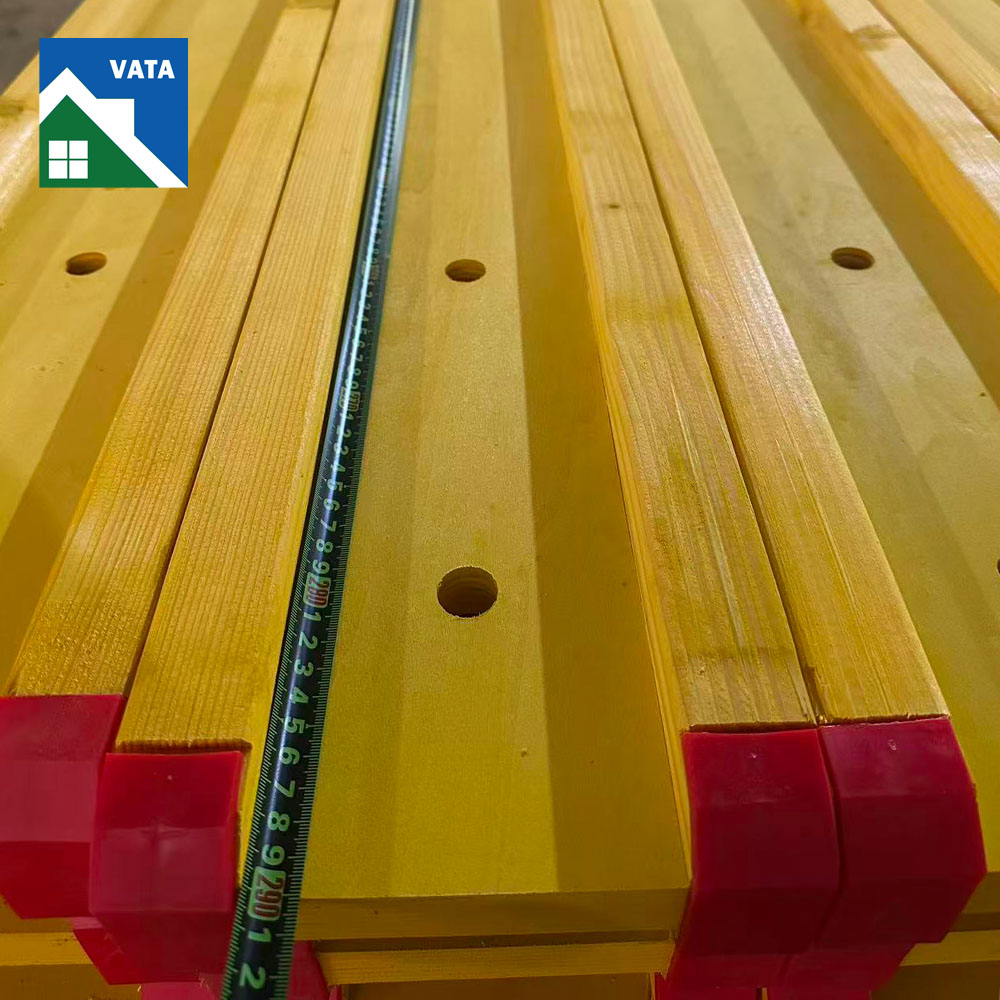
Custom Exterior Use Stable Timber Formwork Beams with WBP Glue Pine or Spruce Flange for Wall Formwork
Formwork beams are relevant to Gaziantep contractors working on walls, slabs and repeated pours. Buyers should confirm flange species, glue type, straightness and end protection so the beams perform reliably on site and during storage.
- WBP glue
- Pine/spruce
- Wall formwork
- Custom sizes
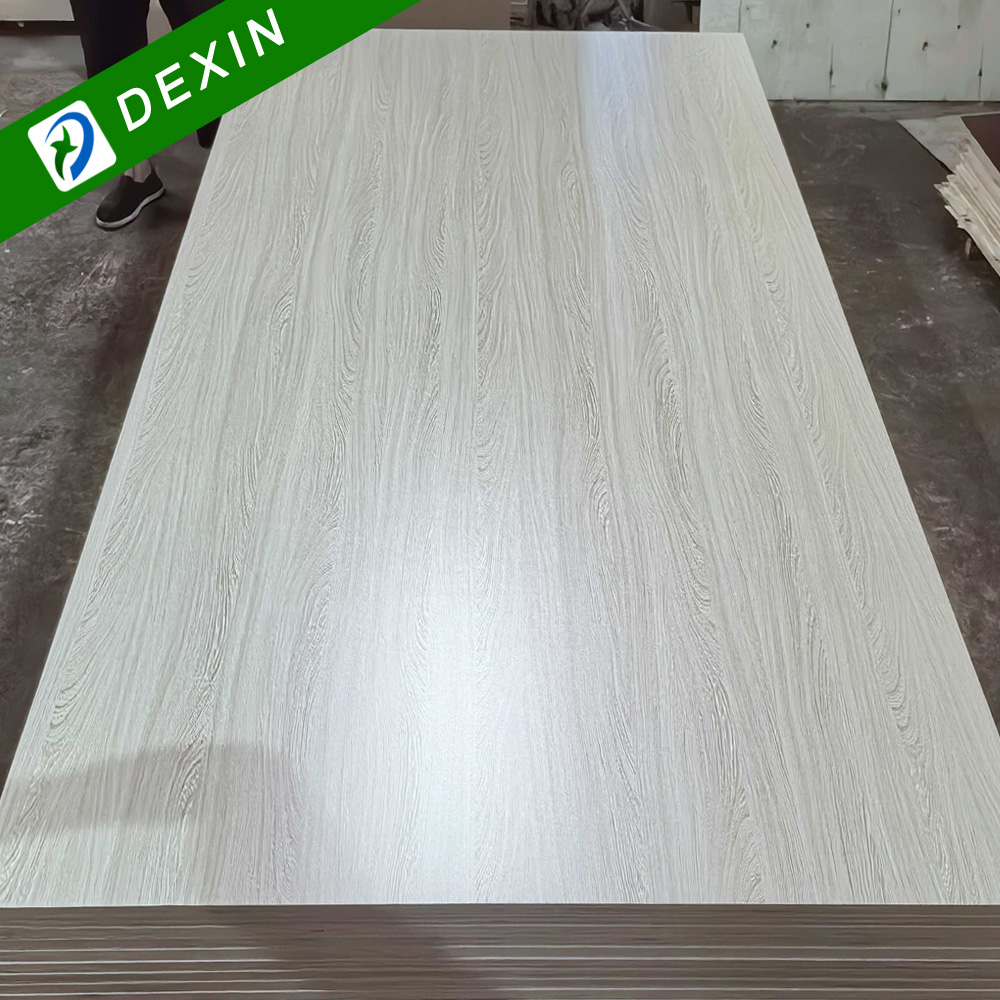
Waterproof Melamine Contreplaque De 5mm 6mm 18mm 11 Ply Glossy Matt White Eucalyptus Core Melamine Faced Plywood
A flexible option for Gaziantep furniture makers and distributors who need multiple thicknesses from one supplier. Eucalyptus core and waterproof glue make this product suitable for furniture decoration, cabinetry and interior fit-out components.
- 5mm–18mm
- 11-ply
- Glossy/matt
- Eucalyptus core

Customized Length Water Resistant Spruce Wooden H20 Timber Beam with 80x200mm for Concrete Formwork System
H20 timber beams are a system component, not a commodity offcut. For Gaziantep projects, buyers should specify the 80×200mm profile, length schedule, water-resistant treatment and loading plan so the beams integrate with the formwork system.
- 80×200mm
- Spruce
- Water-resistant
- Custom length
Why Gaziantep Is a Strategic Market for Raw Particle Board and Engineered Panels
Gaziantep sits at the intersection of southeastern Türkiye’s manufacturing belt and important trade routes toward Syria, Iraq and the wider Middle East. For panel suppliers, the city is not solely a construction market. It is a furniture, kitchen-cabinet, contract-fit-out and distribution hub, with many workshops and factories sourcing boards by application rather than by generic product name. That distinction matters for search intent: a buyer searching for “raw particle board factories and exporters for the Gaziantep market” may actually be scoping a raw core for lamination, a melamine-faced MDF for kitchen cabinets, a waterproof plywood for a wet area, or a mixed container for several local customers.
The climate and logistics profile also shape specification. Gaziantep has hot, dry summers but can experience cold and wet periods; panels moving by sea from Qingdao toward Mersin or İskenderun also pass through humidity variations during transit. For that reason, serious Gaziantep buyers often ask for moisture-resistant MDF/HDF, waterproof glue, sealed edges, moisture-barrier packing and clear storage guidance rather than thickness alone. A board that performs well in a dry showroom may behave differently in an unheated warehouse or a recently rebuilt building with residual moisture.
Another local driver is the pace of urban renewal, rebuilding and contract furniture demand across southeastern Türkiye. Distributors and project buyers are looking for repeatable quality, fast quotation and mixed-container flexibility. They need suppliers that can combine raw particle board, melamine-faced MDF, plywood, formwork beams and decorative wall panels so that one container serves several customers or one large project. This is where a manufacturing group in Linyi—China’s largest wood-based panel cluster—can offer an advantage over a single-product trader.
For SEO and procurement teams, the strongest Gaziantep search intent is rarely just “particle board.” It is a combination of supplier reliability, factory directness, certification, moisture performance, delivery port and application fit. Our approach is to answer those commercial and technical questions directly, with product pages, specification ranges and documentation that let a Gaziantep buyer compare options before a deposit is discussed.
What Gaziantep buyers usually validate before ordering
- Emission class: E0, E1 or E2 with the correct test scope for the destination market
- Moisture resistance: green-core MDF/HDF, waterproof glue, sealed edges and protective packing
- Thickness tolerance and density consistency for CNC cutting, edge banding and screw holding
- Mixed-container capability across raw board, faced board, plywood and formwork components
- Documents: CE, ISO, FSC, CARB where applicable, plus inspection photos and packing list
- Shipping route to Mersin or İskenderun, final delivery schedule and Incoterms
Where Raw Particle Board and Engineered Panels Are Used in Gaziantep
Product selection should start with the end use, not the cheapest price per sheet. These application scenarios reflect the way Gaziantep fabricators, contractors and distributors typically buy.
Kitchen and wardrobe manufacturing
Raw particle board and MDF are commonly used as core materials for laminated cabinets, wardrobes and storage units. In Gaziantep’s kitchen-furniture sector, the most requested specification is 18mm E1 melamine-faced moisture-proof MDF, supported by matching white or wood-grain surfaces for doors and interior panels. Edge quality, density and flatness matter because local fabricators cut, drill and edge-band at high speed.
Contract furniture and hotel fit-out
Hotels, cafés, showrooms and offices in Gaziantep often require durable decorative panels that can be delivered to a fast fit-out schedule. Melamine-faced plywood, waterproof MDF/HDF and WPC wall panels are practical choices for casework, wall lining and feature surfaces. Where a project requires specific emission or fire documentation, the exact test scope must be confirmed before production.
Construction and concrete formwork
Contractors working on walls, slabs and repeated pours need formwork beams and film-faced or waterproof plywood that can tolerate site handling. H20 spruce beams and WBP-glue timber formwork beams are specified by length, profile and loading plan. For Gaziantep projects, buyers should confirm whether the beams will be reused, how they will be stored and what end protection is required.
Retail, showroom and interior cladding
WPC/PVC decorative wall panels are increasingly used in retail stores, cafés, hotel corridors and residential feature walls because they reduce installation time and hide surface imperfections. They are not a replacement for structural boards, but they work well with moisture-proof MDF, plywood substrates and melamine-faced panels to create a complete interior package.
Gaziantep Market Trends Reshaping Panel Procurement
These trends are visible in the questions Gaziantep buyers ask during sampling, quotation and container planning. They point toward a more technical, documentation-led purchasing process.
Rebuilding and urban renewal demand
Reconstruction and renewal work across southeastern Türkiye continues to create demand for cost-controlled contract furniture, shopfitting and interior boards. Buyers want standard sizes, repeatable colours and a supplier that can scale from a sample order to multiple containers.
Low-emission documentation
E1 and E0 requests are becoming more specific. Gaziantep importers increasingly ask for test reports, certificate scope and batch traceability rather than a simple “E1” statement. Buyers linked to European or international projects often require CE, CARB or FSC documentation where applicable.
Moisture-resistant specification
Kitchen, bathroom and commercial cleaning applications are pushing buyers toward moisture-resistant MDF/HDF, waterproof plywood and sealed edges. The conversation is shifting from “ordinary MDF” to “which core, which glue and which packing method will survive sea freight and local storage?”
Mixed-container sourcing
Mid-sized Gaziantep distributors rarely order one product in isolation. They combine raw particle board, melamine MDF, plywood, H20 beams and WPC panels to fill a container and serve different customers. Suppliers must be able to quote, pack and document multiple SKUs without creating loading errors.
Surface differentiation
White, wood-grain, matt, glossy and marble-look surfaces are used to differentiate furniture ranges and hospitality interiors. Melamine, PET/UV-style finishes and WPC cladding allow local fabricators to offer modern looks without relying only on natural veneer.
OEM and private-label support
Distributors want their own logo, packaging, size schedule and colour range. OEM/ODM support is becoming a competitive factor, especially for buyers who resell to smaller Gaziantep workshops and need a supplier that can keep specifications stable across repeat orders.
Practical specification priorities for Gaziantep buyers
This is an illustrative decision-weighting guide, not a market statistic. It reflects the technical questions our export team asks when scoping a Gaziantep order so that the final quotation matches the real application rather than a generic product name.
Final grading, test reports and tolerances are confirmed per order and per destination requirement.
Why KUDE Is a Reliable Panel Partner for Gaziantep Importers
Linyi KUDE International Trading Co., Ltd. is the export platform of a wood-based panel manufacturing group founded in Linyi, Shandong, in 1998. Our strength is not a single product line; it is the ability to coordinate raw board, faced board, plywood, formwork components and decorative panels from one manufacturing cluster.
Own production group in Linyi
More than 30 machine sets in 30,000 m² of workshops, with 300+ workers and annual panel output around 60,000 m³. This gives Gaziantep buyers a factory-linked source for core products instead of a pure trading markup.
Recognized certification stack
Our manufacturing group works with CE, ISO 9001, ISO 14001, FSC and CARB certifications, and our supplier profile has passed an on-site assessment by SGS. E0, E1 and E2 formaldehyde grades are available depending on the product and order.
Raw and faced panel coordination
We can align raw particle board, plain MDF, melamine-faced MDF, plywood, H20 beams and WPC panels within one commercial discussion. That reduces the risk of mismatched specifications when a Gaziantep order contains several product families.
OEM, ODM and custom specifications
Sample-based, design-based and full customization are available: size, thickness, core species, face veneer or decor, glue type, logo printing, edge treatment and export packaging can be discussed before quotation.
Export-ready logistics
FOB, CFR, CIF and EXW terms; T/T and L/C payment in USD, EUR or CNY. Orders are packed with seaworthy pallets, edge protection and steel straps, and shipping can be arranged through northern China ports such as Qingdao toward Mersin or İskenderun.
Quality control from veneer to loading
Our production checks cover material selection, glue spread, pressing, sanding, surface inspection, thickness/flatness checks and container loading photos. For Gaziantep orders, we can provide batch-specific inspection records and packing details before shipment.

Inside our Linyi production base
Linyi is China’s largest wood-based panel production cluster, and being inside the cluster shortens the supply chain for veneer, glue, cores and packaging. Our operating principle—survival by quality, development by prestige—is applied through documented checkpoints rather than vague promises.
For a Gaziantep raw particle board or faced-panel order, we confirm the application, emission class, core, thickness tolerance, surface, glue, packing and destination port before issuing the final specification. This is especially important when one container combines several boards for different local customers.
- 20+ years production experience
- 15 years export experience
- SGS-assessed supplier profile
- OEM/ODM and custom packing
Matching Panel Specifications to Gaziantep Applications
Use this guide to prepare a more precise RFQ. It will help you avoid the common mistake of comparing boards by price alone when the core, glue, surface and emission class are not equivalent.
Raw particle board / plain MDF
Best for: lamination, furniture cores, shopfitting and packaging where a raw substrate is required. Confirm density, sanding quality and thickness tolerance before ordering. For wet areas, specify a moisture-resistant variant rather than standard board.
E1 moisture-proof melamine MDF
Best for: Gaziantep kitchen cabinets, wardrobes, bathroom furniture and utility cabinets. The melamine face improves cleanability while the moisture-resistant core supports humid service conditions. Edge sealing remains essential.
White melamine MDF/HDF
Best for: repeatable white cabinet programmes, shop counters and wardrobe interiors. Consistent colour across batches is important for local fabricators who combine doors, side panels and shelves from different production runs.
Waterproof melamine plywood
Best for: furniture in damp areas, commercial kitchens, workshops and fit-out components that require stronger screw-holding or water resistance. Specify glue type, core species, thickness and face grade clearly.
H20 and formwork beams
Best for: concrete formwork systems on walls and slabs. Buyers should confirm the 80×200mm profile, length schedule, flange species, WBP glue and water-resistant treatment. Storage and reuse plans affect the required specification.
WPC/PVC wall panels
Best for: hotel, café, showroom and residential feature walls where fast installation and water resistance are valuable. Confirm substrate condition, fixing method and surface pattern before ordering a full container.
FAQ: What Gaziantep Importers Commonly Ask Before Ordering
These are the practical questions that arise when a Gaziantep buyer moves from product research to a real container quotation.
Can you supply raw particle board and faced boards in one shipment to Gaziantep?
Yes, subject to final specification and MOQ per line. Our team can combine several products—such as raw particle board, melamine-faced MDF, plywood and WPC panels—after confirming sizes, quantities and packing. MOQ typically ranges from 50 to 500 sheets depending on the product line, and mixed containers are quoted case by case.
Which certifications and documents can you provide for a Gaziantep order?
Our manufacturing group works with CE, ISO 9001, ISO 14001, FSC and CARB certifications, and our supplier profile has passed an on-site assessment by SGS. E0, E1 and E2 formaldehyde grades are available depending on the product. The exact certificate scope, test report and language requirements should be confirmed before production because different projects and destinations may require different documentation.
How do you reduce moisture risk during sea freight to Mersin or İskenderun?
For moisture-sensitive boards, we discuss green-core MDF/HDF, waterproof glue, sealed edges, moisture-barrier packing, corner protection and container desiccant on request. Gaziantep buyers should also plan dry warehouse storage and avoid leaving panels in direct contact with floors or damp walls. The correct packing method depends on the product and duration of transit.
What is the typical lead time and shipping route from Linyi to Gaziantep?
Production time is usually confirmed after deposit, artwork or colour approval and final specification. Many orders fall in a range of roughly 10–25 days, but this varies by product line, quantity and factory schedule. Shipment is commonly arranged from Qingdao toward Mersin or İskenderun, with final transit time depending on carrier schedule and destination handling. We provide a loading plan and shipping update for each order.
Can we customize sizes, colours, thickness, logo and packaging?
Yes. Sample-based, design-based and full customization are available, including size, thickness, core species, face veneer or melamine decor, glue type, logo printing, edge treatment and export packaging. For Gaziantep distributors, packaging and label design can be discussed together with the colour range and size schedule to support local resale.
Which payment terms and Incoterms do you accept?
We accept T/T and L/C in USD, EUR or CNY, and work on FOB, CFR, CIF and EXW terms. The final payment structure, inspection arrangement and Incoterm should be written into the quotation and sales contract so that both the Gaziantep buyer and our export team work from the same commercial terms.
Request a Gaziantep-ready panel catalogue and quotation
Send your application, preferred panel type, size, thickness, emission class, surface, quantity and destination port. If your project involves raw particle board, melamine-faced MDF, waterproof plywood, formwork beams or WPC wall panels, our export team will reply with a technical proposal and packing plan for the Gaziantep market.
Get Catalog