Eight Panel Products That Support Okoume Plywood Projects in Cologne
Okoume plywood is rarely purchased in isolation. Cologne joiners, shopfitters and furniture producers usually combine a light Okoume face with melamine boards, raw MDF, film faced plywood and structural accessories. The product range below reflects the practical panel mix requested by German-speaking buyers.
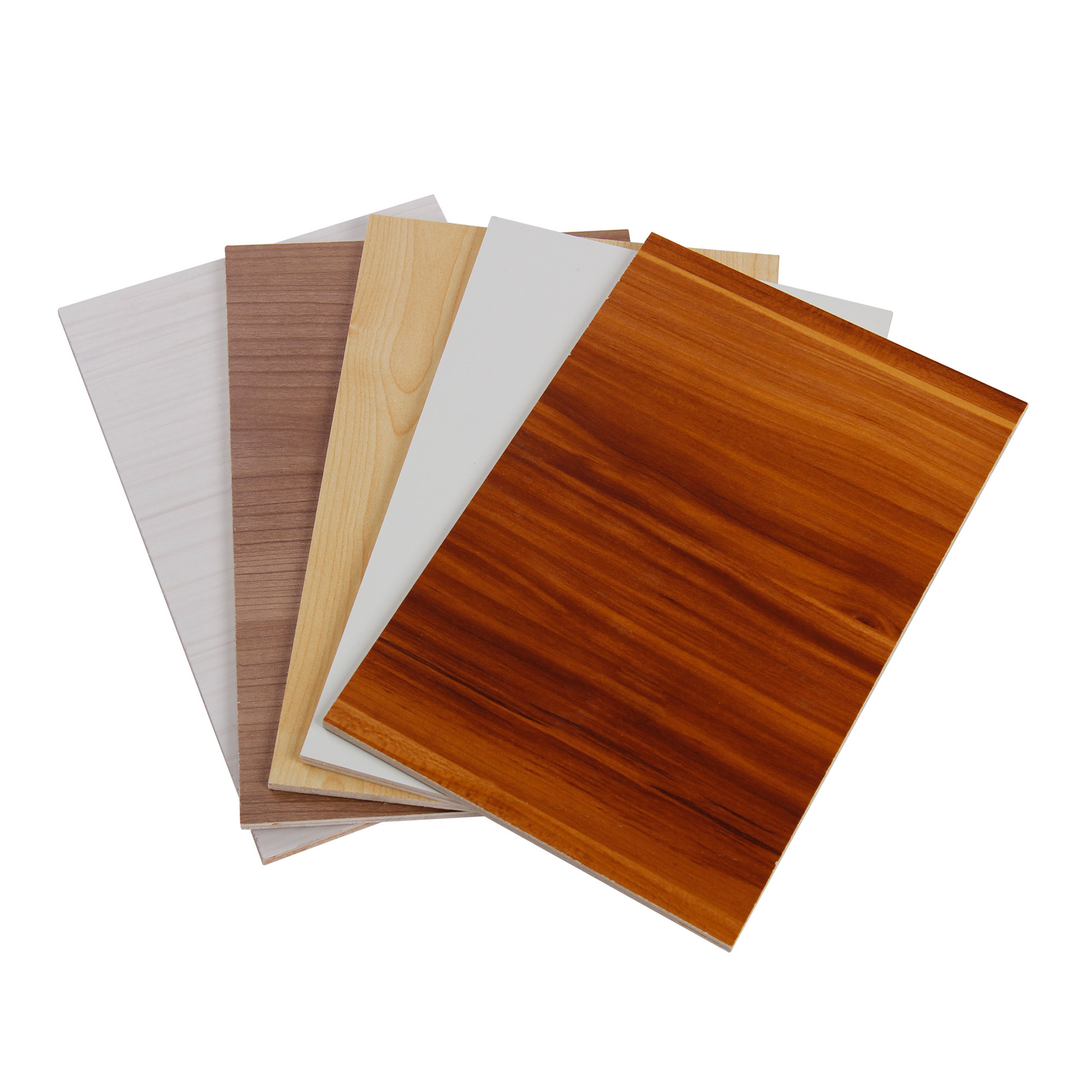
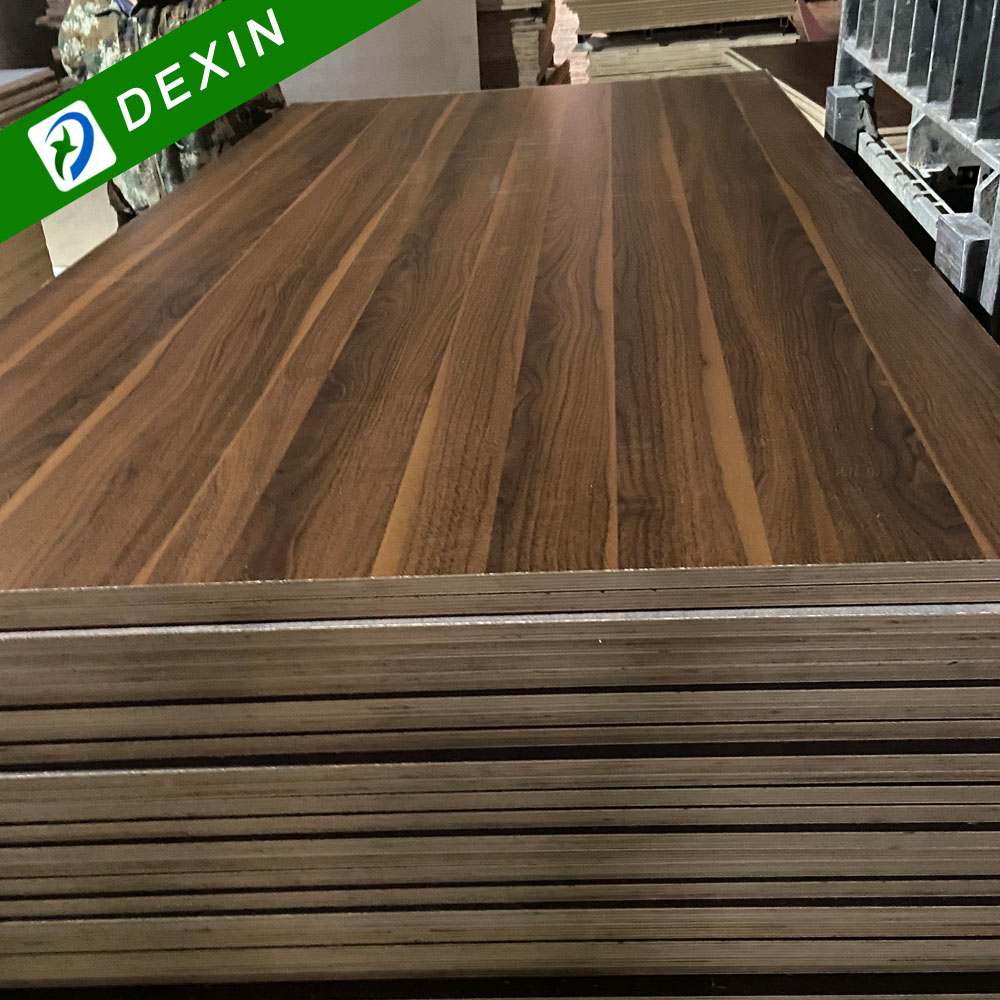
Melamine-faced plywood for wardrobe carcasses, kitchen units, office furniture and shopfitting. A practical surface-companion to Okoume plywood where a clean, low-maintenance decorative finish is required.
Single or double-sided melamine MDF for cabinet doors, panels and interior fit-out. Suitable for CNC processing and edge banding, with low-emission grades available for Cologne interior projects.
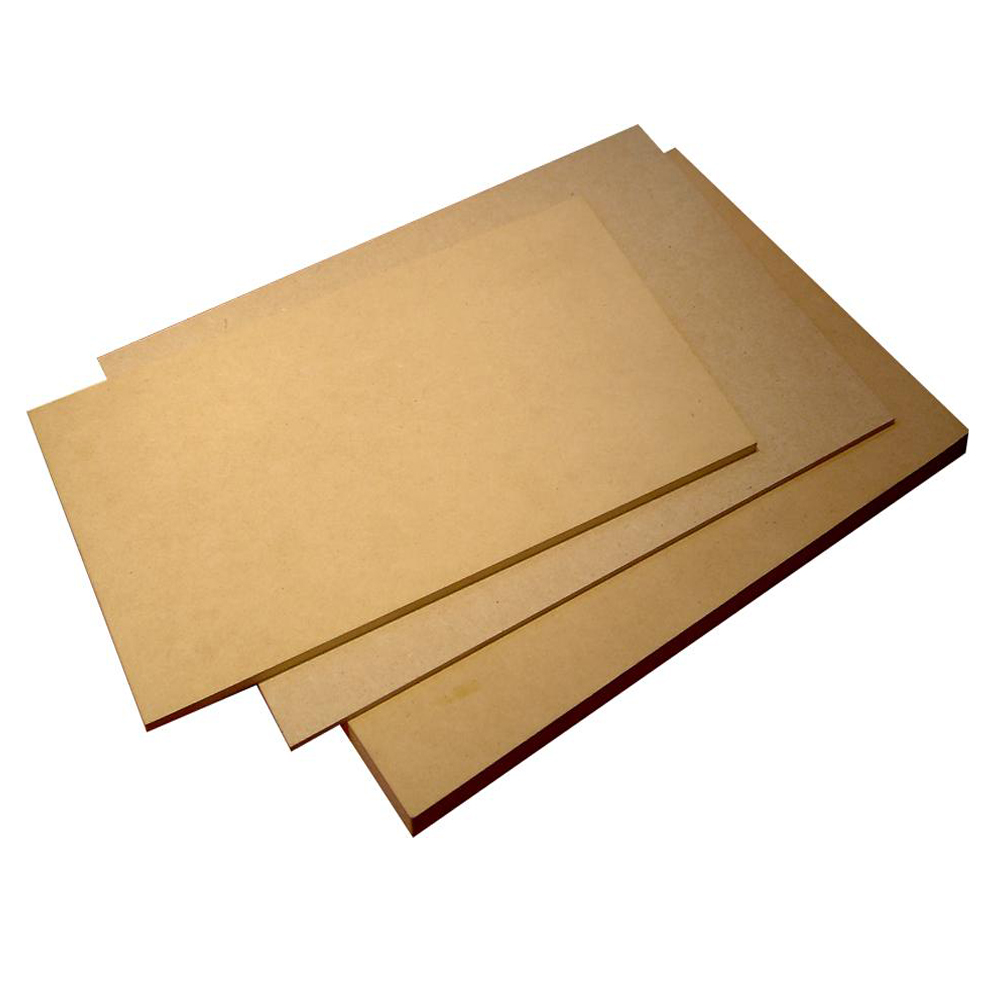
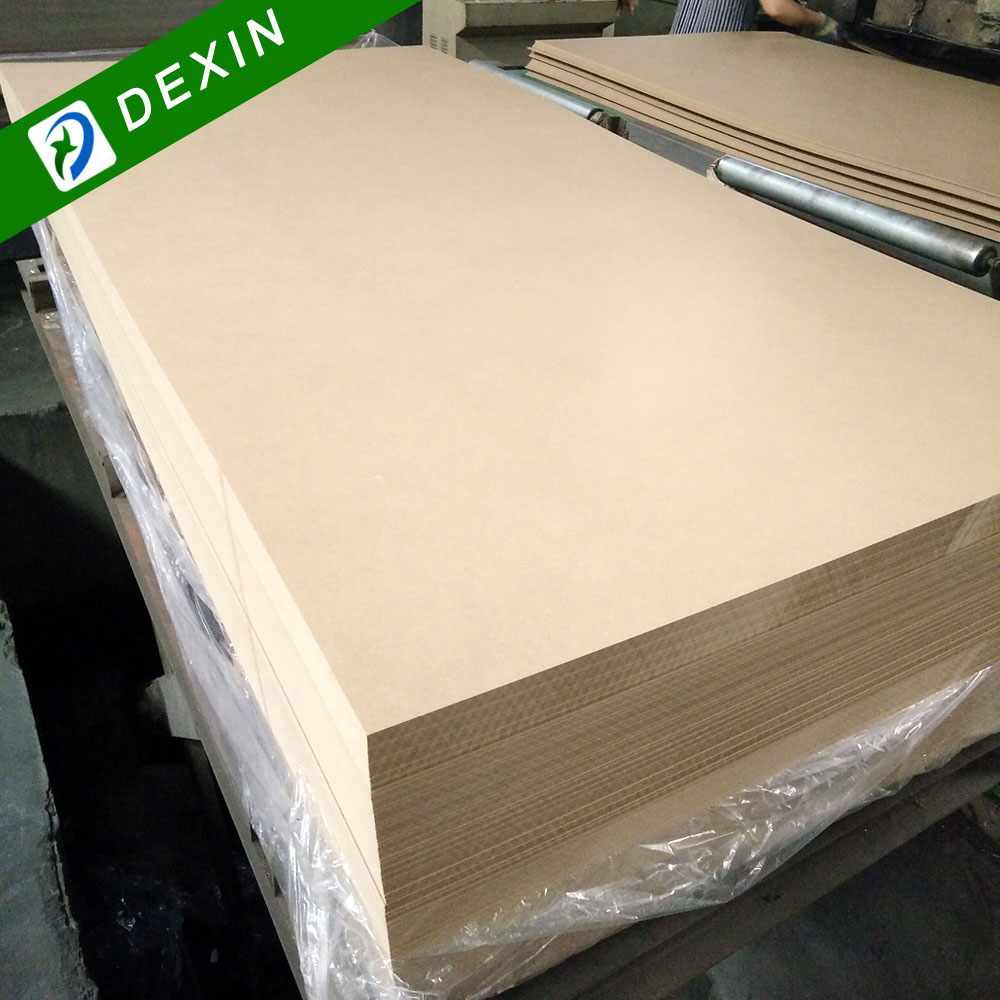
Cost-controlled raw MDF for painting, laminating,veneering and general furniture. Useful for dry interior applications where dimensional consistency and stable supply matter more than a decorative face.
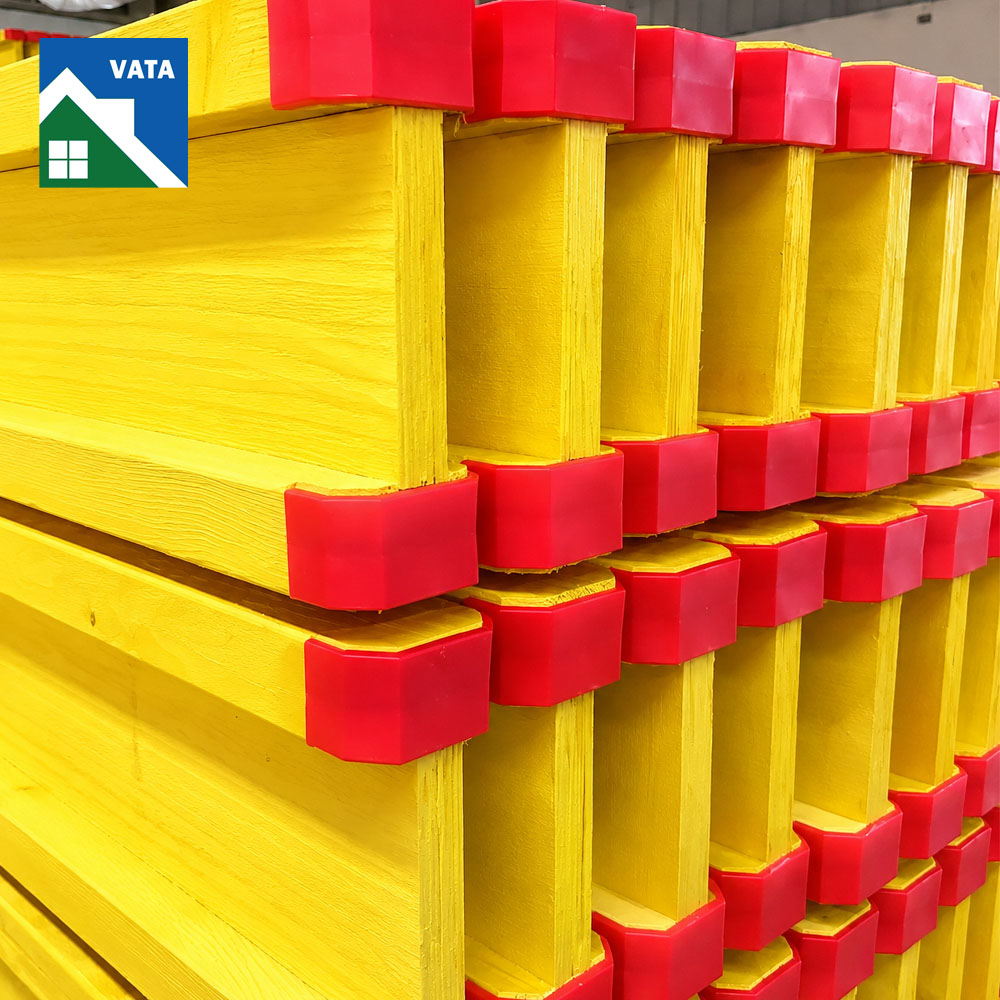
Spruce H20 formwork beams for concrete slab support and site logistics. Often purchased by Cologne contractors together with film faced plywood for coordinated formwork systems.
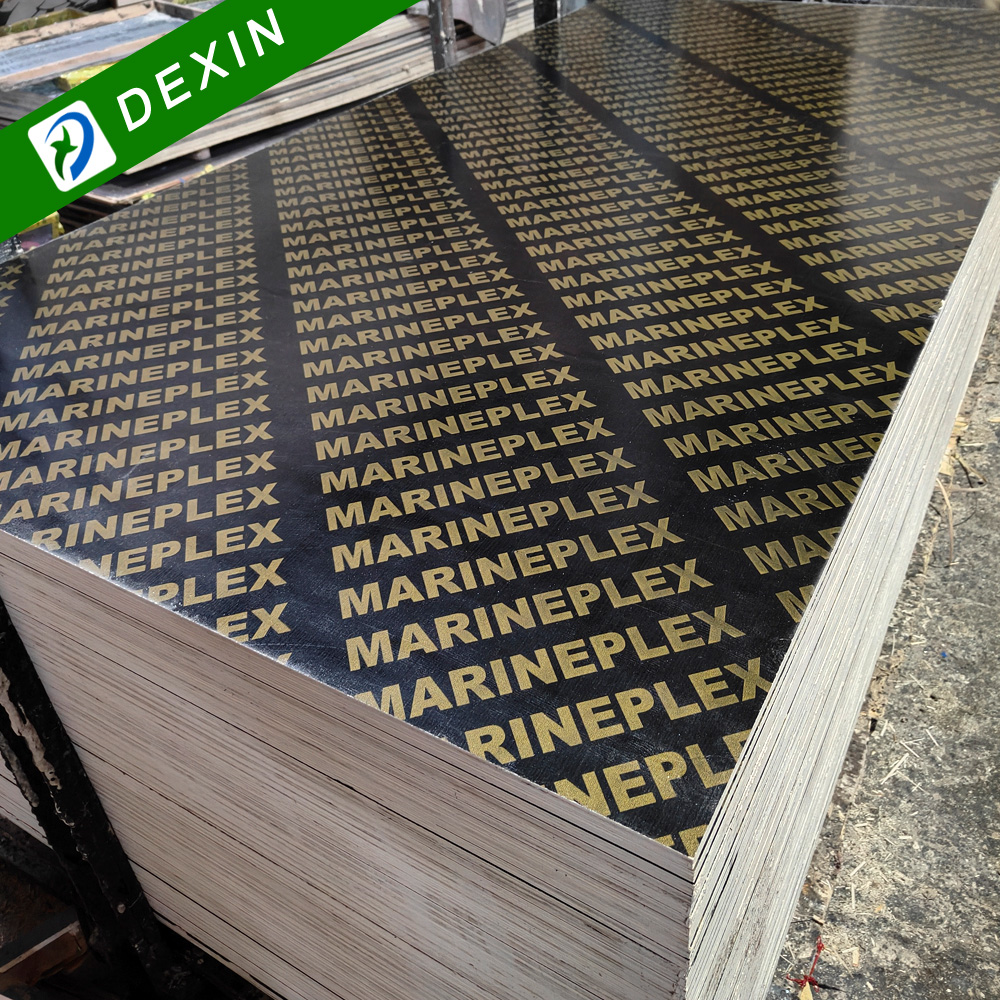
Black film faced plywood with WBP phenolic glue for concrete formwork. A repeated-pour panel for Cologne construction projects, with smooth release and edge-sealing options.
Waterproof 18mm melamine faced plywood for furniture and interior areas exposed to humidity. A strong option for kitchen, bathroom and utility-room joinery in Cologne renovation projects.
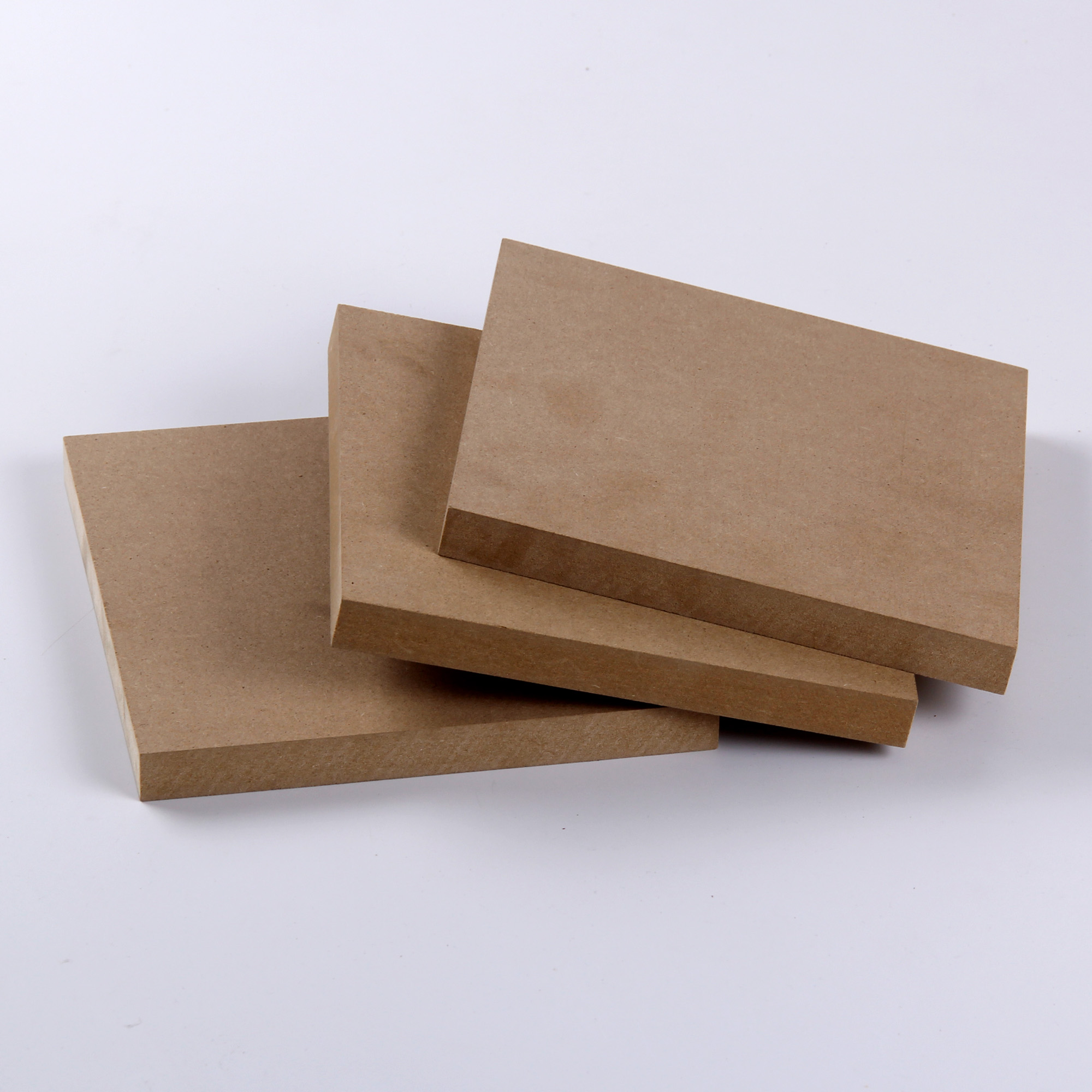
Raw MDF for painted joinery, wall panels, display units and decorative furniture. Its uniform surface makes it suitable for CNC routing, spray finishing and veneer bonding.
Thin MDF/HDF for door skins, back panels, drawer bottoms and lightweight interior components. Helps Cologne fabricators consolidate several panel specifications in one container.
Why “Top 10” Must Be a Technical Shortlist, Not a Directory
Cologne is not a generic German destination. It sits inside North Rhine-Westphalia, one of Europe’s densest furniture, interior fit-out and construction markets, with fast access to the Rhine corridor, the Ruhr, Düsseldorf, Belgium and the Netherlands. Buyers here compare total landed performance, not only the price per sheet: legal timber documentation, consistent face quality, low-emission boards, CNC stability, edge-machining behaviour and seaworthy export packing all influence the final decision.
For Okoume plywood, the commercial risk is often hidden in wording. “Okoume face” may refer to a thin decorative veneer, a repaired face, a mixed light-hardwood face, or a full Okoume construction. A credible top 10 list for the Cologne market should therefore be built around species traceability, glue class, thickness tolerance, moisture content, veneer grade and documentation readiness. That is the difference between a low quotation and a repeatable interior supply programme.
This white paper uses ten evaluation dimensions to help Cologne importers, joiners and contractors compare Okoume plywood factories and exporters. It also explains where a Linyi-based manufacturing exporter such as KUDE fits into that conversation, and how German-speaking buyers can reduce specification risk before the first container is loaded.
How Cologne Buyers Should Judge Okoume Plywood Factories & Exporters
The ten checks below are more useful than a simple directory ranking because they connect factory capability to German market expectations, interior application risk and import logistics.
01
Species & Origin
Confirm whether the face is genuine Okoume, the country of harvest, the supplier declaration and the chain-of-custody route. For Germany, EUTR/EUDR due diligence should be prepared before the order.
02
Face Veneer Grade
Ask for the actual veneer grade, not only “Okoume face”. Check colour variation, repairs, knots, bar length and whether samples represent the production batch.
03
Core Construction
Poplar, eucalyptus, combi or mixed cores affect density, screw holding, weight and machining. A clear core specification prevents surprises after edge banding.
04
Thickness Tolerance
Cologne furniture producers and CNC shops need calibrated thickness. Check thickness at several points, plus flatness and squareness after conditioning.
05
Glue & Bond Class
MR, WBP and phenolic systems suit different exposures. For humid interiors or repeated cleaning, specify the bond performance rather than assuming “waterproof”.
06
Emission Compliance
German buyers commonly ask for E1, with E0 or CARB options where projects require lower emissions. Request test reports linked to the supplied board and thickness.
07
Machining Behaviour
Okoume is valued for light weight and easy working, but glue lines, veneer splits and core voids can appear during CNC routing, drilling and edge banding.
08
Packaging Protection
Rhine-area winters and container condensation make moisture protection essential. Ask for sealed film, corner protection, pallet feet and loading photos.
09
Export Logistics
Compare FOB, CFR, CIF and EXW offers. Linyi exporters usually ship through Qingdao or northern China ports; Cologne deliveries then move via Hamburg, Antwerp or Rotterdam.
10
Commercial Transparency
Reliable suppliers document deviations, lead times, MOQ, payment terms and claim handling. T/T and L/C support, mixed-product loading and inspection photos matter.
Exporter Advantages
Why KUDE Belongs in a Cologne Buyer’s Top 10 Conversation
KUDE is the export platform of a wood-based panel manufacturing group founded in 1998 in Linyi, Shandong, China’s largest wood-based panel production cluster. That location shortens the raw-material chain for veneer, glue and cores, while supporting stable export programmes for European importers.
Direct Production Base
More than 30 sets of production machines in 30,000 m² of workshops, with annual output of 60,000 m³ across plywood, blockboard, MDF and particle board. Factory-direct control reduces middle-man markup and specification drift.
Documented Quality
CE, ISO 9001, ISO 14001, FSC and CARB credentials, with SGS on-site assessment and E0/E1/E2 formaldehyde grades available by product. This supports German buyers who need documents before sample approval.
Custom Panel Programmes
Sample-based, design-based and full customization of size, thickness, core species, face veneer, decor, glue type, logo printing and export packaging. MOQs typically range from 50 to 500 sheets by product line.
Export-Ready Service
FOB, CFR, CIF and EXW terms; T/T and L/C in USD, EUR or CNY; containers loaded through northern China ports such as Qingdao, with export pallets, steel straps and loading photos.
Inside a Linyi Panel Group Built for Repeat Export Orders
With more than 300 workers and a long-standing export team, KUDE supports importers, distributors, furniture factories and contractors across more than 30 countries. The group principle is simple: survival by quality, development by prestige. In practice, that means confirming the specification before quoting, controlling the board through pressing, sanding and lamination, then packing for a sea voyage rather than only for warehouse handling.
For Cologne buyers, the most valuable advantage is not a generic “cheap plywood” message. It is the ability to align a German or German-speaking specification with a Chinese production reality: which face grade is realistic, which core keeps weight and screw-holding balanced, which glue class suits humidity, which emission report matches the thickness, and how mixed panels can be consolidated into one container without creating orphaned stock.
Where Okoume Plywood and complementary Panels Fit in Cologne Projects
Cologne’s mix of furniture, exhibition, retail, office and residential interiors creates demand for light panels that machine cleanly and finish well. These application scenarios help buyers translate panel specifications into local use cases.
Furniture & Kitchen Carcasses
Okoume-faced plywood offers light weight and stable machining for cabinet components, while melamine plywood or waterproof 18mm melamine faced plywood can serve humidity-exposed kitchen and utility units.
Interior joinery · Cabinet making
Shopfitting & Exhibition Stands
Koelnmesse and the wider Cologne retail fit-out market require fast assembly, clean edges and repeatable surfaces. Light Okoume plywood can be used for structural skins, counters and display units where weight matters.
Retail · Trade fairs · Display
Interior Doors & Wall Linings
Okoume faces can be finished clear, stained or painted for doors and wall panels. Raw MDF and HDF boards complement the specification where a uniform painted substrate is needed.
Doors · Wall panels · Joinery
Bathroom & Utility Areas
Cologne renovation projects often combine compact bathrooms and utility rooms. Specify WBP or moisture-resistant construction and protected surfaces rather than assuming every Okoume board is suitable for permanent damp conditions.
Renovation · Moisture control
Marine & Leisure Interiors
Okoume’s historic association with light marine joinery makes it relevant for Rhine leisure craft, camper interiors and decorative cabinetry where weight reduction and screw-holding are important.
Lightweight · Decorative plywood
Architectural Joinery & Acoustic Panels
Designers can combine Okoume plywood with MDF, melamine and HDF components for reception counters, acoustic backing panels and feature walls. Batch colour consistency and CNC accuracy become key.
The Cologne market is increasingly shaped by compliance, renovation and digital fabrication. These trends should influence how buyers shortlist factories and exporters in 2025 and beyond.
Compliance-First Sourcing
Okoume is a tropical hardwood, so legal timber due diligence is central to German procurement. EUTR/EUDR documentation, FSC claims where applicable, species declarations and batch traceability should be reviewed before purchase order release.
Low-Emission Interiors
Furniture makers, architects and interior contractors increasingly request E1 or lower-emission boards, with E0 and CARB options for sensitive projects. Test reports must match the exact product and thickness supplied.
Renovation & Adaptive Reuse
Cologne’s established building stock continues to drive renovation, loft conversion, office refurbishment and retail upgrade work. Light, easy-to-machine plywood helps fabricators handle irregular spaces and short installation windows.
Digital Fabrication
CNC cutting, edge banding and just-in-time assembly place more emphasis on calibrated thickness, stable moisture content, clean glue lines and packaging that prevents edge damage during Rhine-region delivery.
Specification Checklist
What to Put in a Cologne-Ready Okoume Plywood Enquiry
A concise technical enquiry produces a more accurate quotation than a one-line price request. The following fields should be confirmed before samples are approved.
Board Specification
Face and back species, Okoume veneer grade, core species, size, thickness, glue class, emission grade and moisture content range. State whether the board is for furniture, wall lining, doors, shopfitting or structure.
Documentation
Request legal origin information, supplier declarations, FSC status if claimed, ISO/CE documentation, formaldehyde test reports and SGS or third-party inspection records relevant to the order.
Commercial Terms
Confirm MOQ, mixed-product container possibilities, FOB/CFR/CIF/EXW basis, payment currency, T/T or L/C terms, lead time, packing method and destination port.
Delivery Planning
For Cologne, confirm whether the container will discharge in Hamburg, Antwerp or Rotterdam, then calculate onward road transport. Include unloading requirements and site storage conditions.
Cologne Buyer FAQ
What Local Importers and Fabricators Commonly Ask
These questions reflect the practical concerns of Cologne-area buyers who compare Okoume plywood factories, exporters and panel suppliers.
What documents should a Cologne importer request for Okoume plywood?
Ask for species and origin information, supplier declarations, chain-of-custody or FSC documentation where claimed, invoice and packing records, and any due diligence material needed for EUTR/EUDR preparation. For project work, request emission test reports and relevant CE/EN documentation.
Which formaldehyde class is usually expected in Germany?
E1 is the common baseline for interior wood-based panels in the German market. E0 or CARB-compliant options may be requested for sensitive furniture or interior projects. The report should reference the supplied panel type and thickness, not only a generic factory statement.
What sizes and thicknesses are most practical for Cologne projects?
1220 × 2440 mm remains the most common import format. Thickness depends on use: 3–6 mm for back panels and skins, 12–18 mm for furniture and fit-out, and heavier specifications for structural or repeated-use applications. Always confirm finished thickness after sanding or lamination.
How is Okoume plywood shipped from Linyi to Cologne?
Most orders leave northern China through Qingdao or nearby ports and arrive via Hamburg, Antwerp or Rotterdam before onward road delivery to Cologne. KUDE works on FOB, CFR, CIF and EXW terms, with T/T and L/C payments available in USD, EUR or CNY.
Does Rhine-area weather require special packaging?
Yes. Cold weather, container condensation and unloading delays can affect wood panels. Specify sealed film, corner protection, pallet feet, steel straps and loading photos. If panels will be stored on a Cologne site before installation, ask for moisture-protection advice.
Can a Cologne buyer combine Okoume plywood with other panels in one container?
In many cases yes, after confirming specifications and stock availability. MOQ typically ranges from 50 to 500 sheets by product line, and melamine plywood, MDF, film faced plywood and HDF can be discussed as part of a mixed loading plan.
Request a Cologne-Ready Okoume Plywood Quotation
Send your size, thickness, face grade, core preference, glue class, emission target, surface requirement, packing method and destination. Our export team will reply with a technical proposal and practical alternatives for your Cologne or wider German project.