8 Export-Ready Panel Products for a Bordeaux Sapele Plywood Programme
A Sapele-faced specification rarely travels alone. Bordeaux joiners and importers usually combine face-veneer panels with melamine-faced plywood, marine-laminated boards, film-faced formwork, plain MDF/HDF and wall cladding in one container. The eight products below are taken from KUDE’s export catalogue and shown with their original product URLs so a technical buyer can move from concept to datasheet without losing the specification trail.
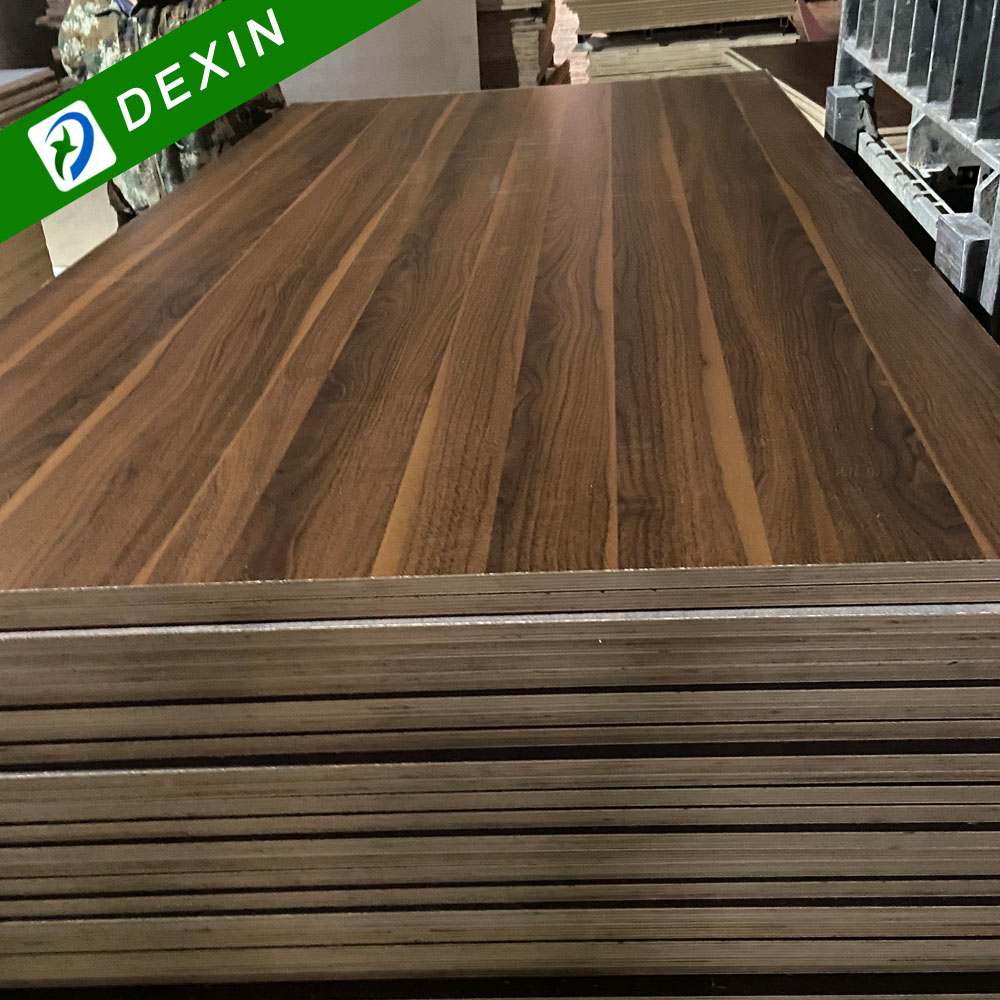
High Quality Waterproof 18mm Melamine Faced Plywood for Furniture
Double-face melamine on a waterproof plywood core for Bordeaux kitchen units, wine-room counters and wardrobe carcasses. Specify E1/E0 and WBP glue where humidity is a concern.
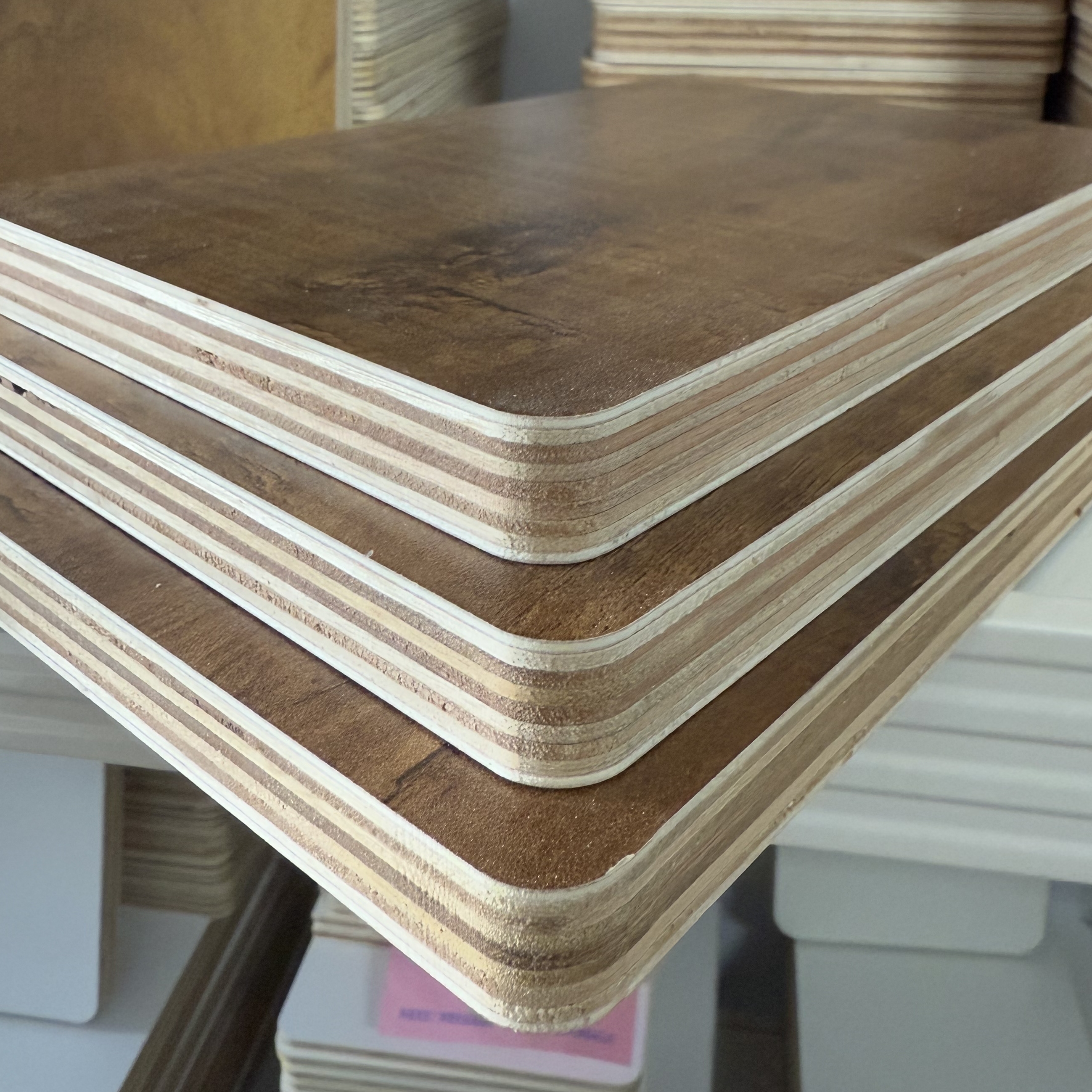
Waterproof White Wood Grain Marble Grain 4x8 18mm Ply Board Melamine Coated Marine Laminated Plywood Sheet for Furniture
Marine-laminated decorative board with white, wood-grain and marble-grain surfaces for coastal humidity, bathroom vanities, retail counters and compact hospitality fit-outs.
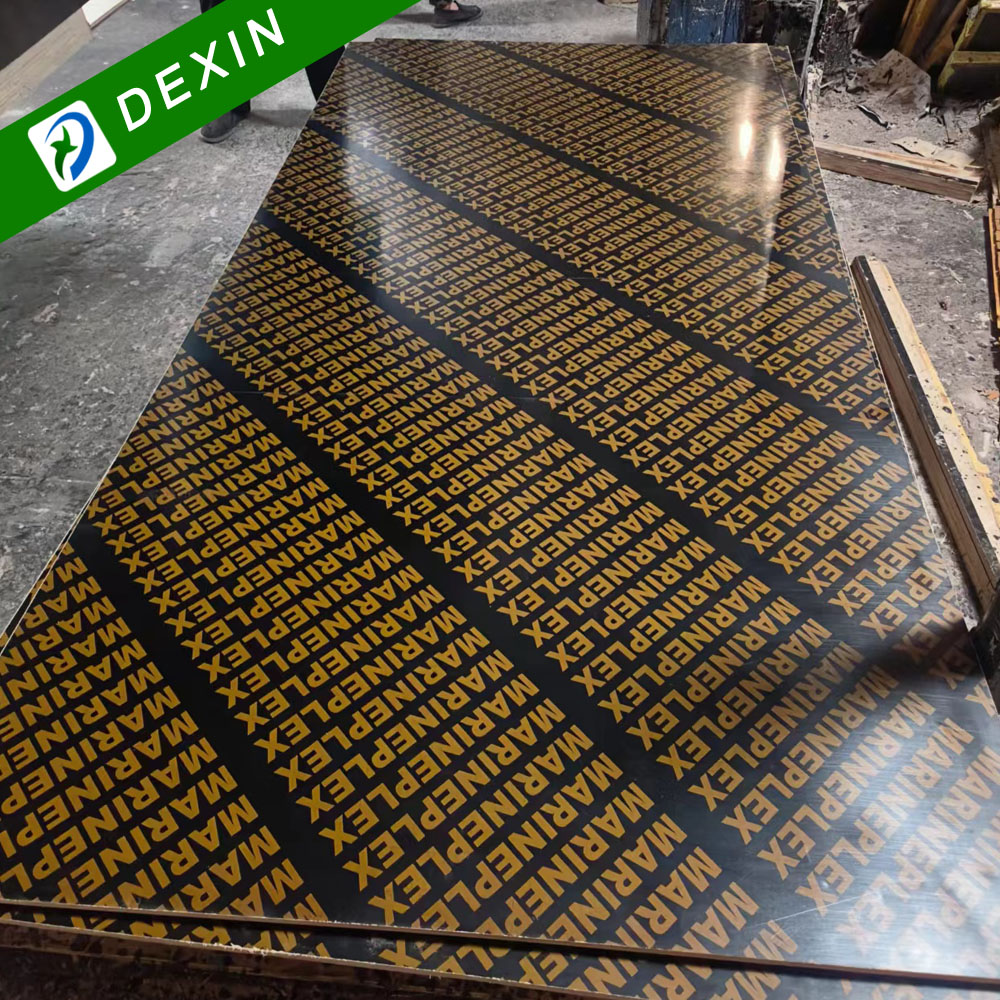
1220*2440* 15mm / 9mm / 12mm / 18mm Film Faced Plywood Marine Construction Formwork Board
Phenolic film-faced formwork for Bordeaux basement works, concrete repairs and renovation sites. A smooth release surface helps control marks on exposed concrete.
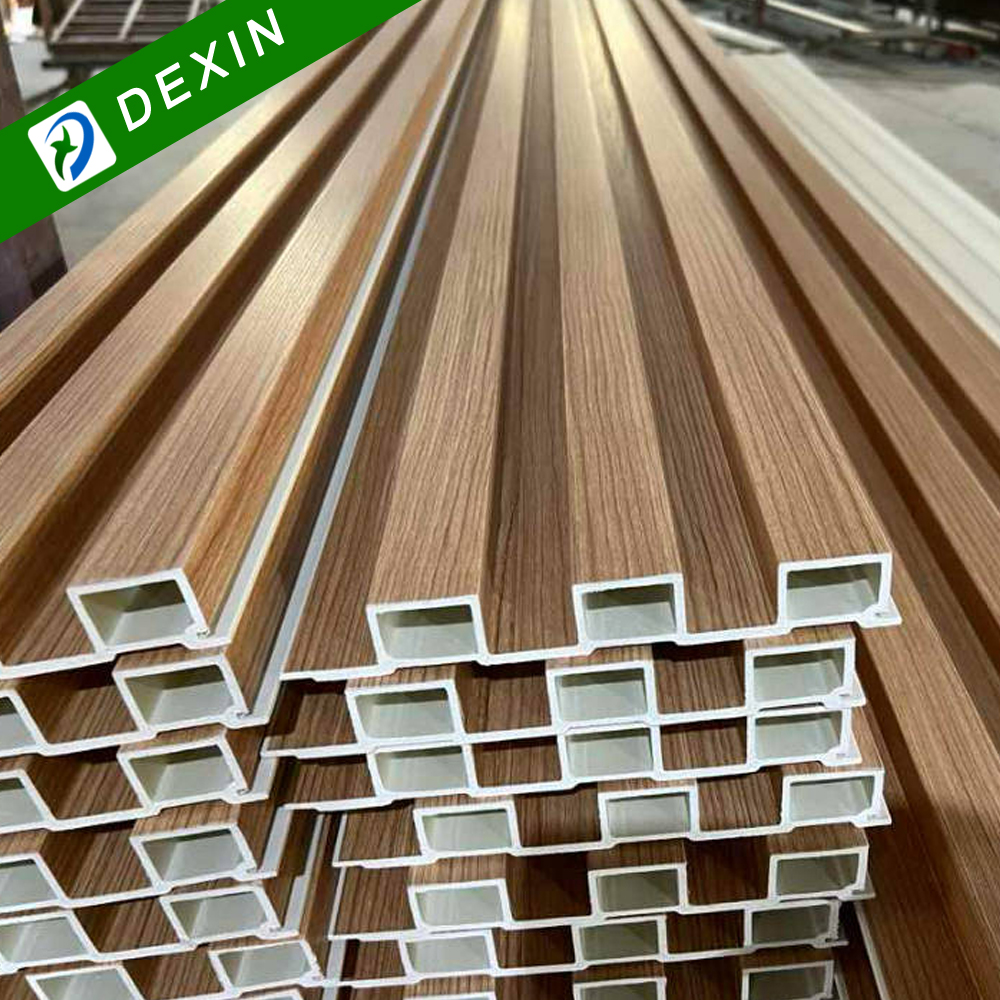
Modern Wall Cladding Home Background PVC WPC Wall Panels Interior Decorative Wall Panel for Hotel
Fast-install wall cladding for hotel refits, wine bars, restaurants and showrooms. Useful where Bordeaux projects need a clean decorative finish with limited site labour.
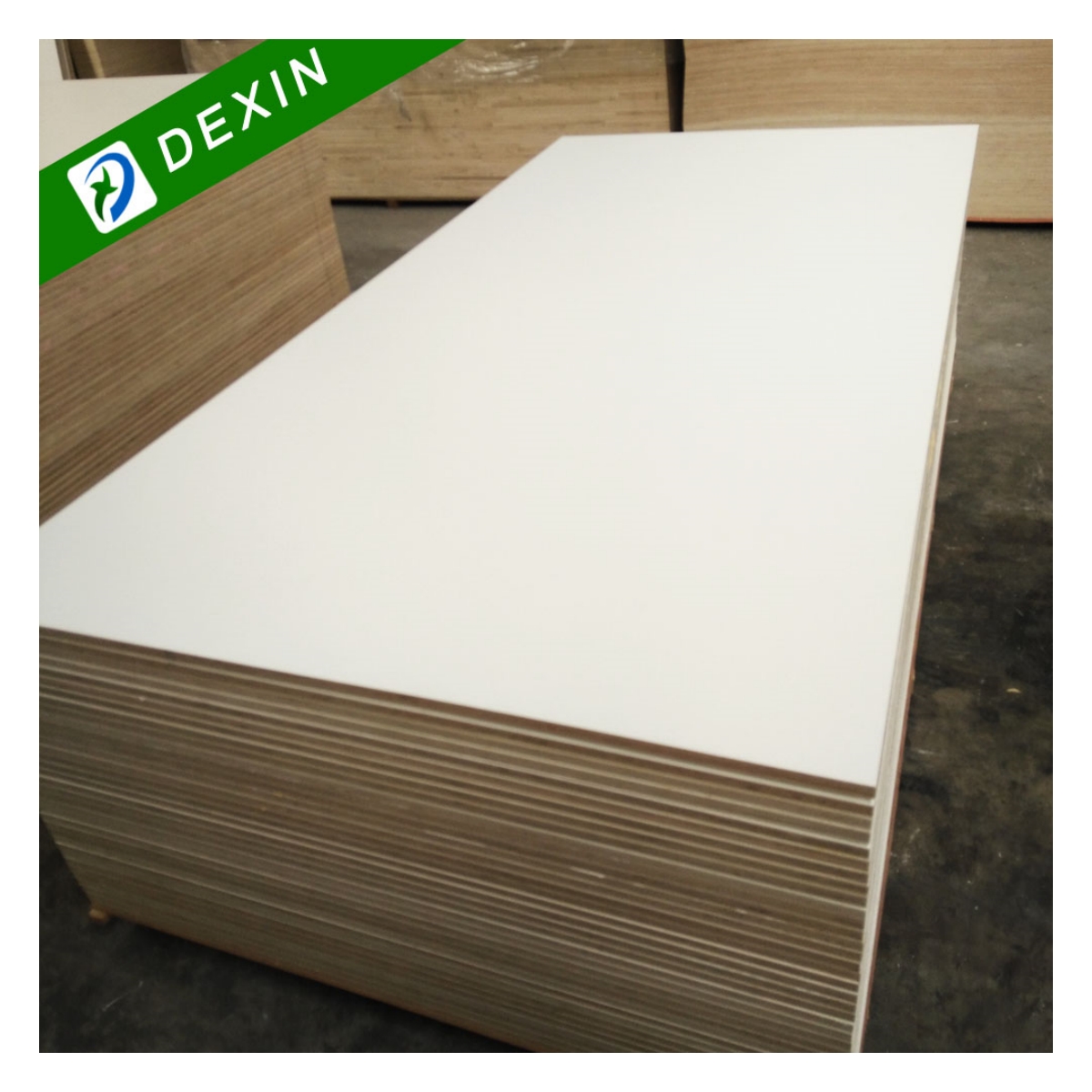
Good Quality 6mm 12mm 18mm Teak/Oak/Maple Melamine Plywood 1/2,3/4 in Flywood Sheet for Furniture
Multiple decorative face options for furniture, shop fitting and interior panelling. Pair with Sapele-faced panels when a project needs both a premium hardwood look and a cost-controlled carcass material.
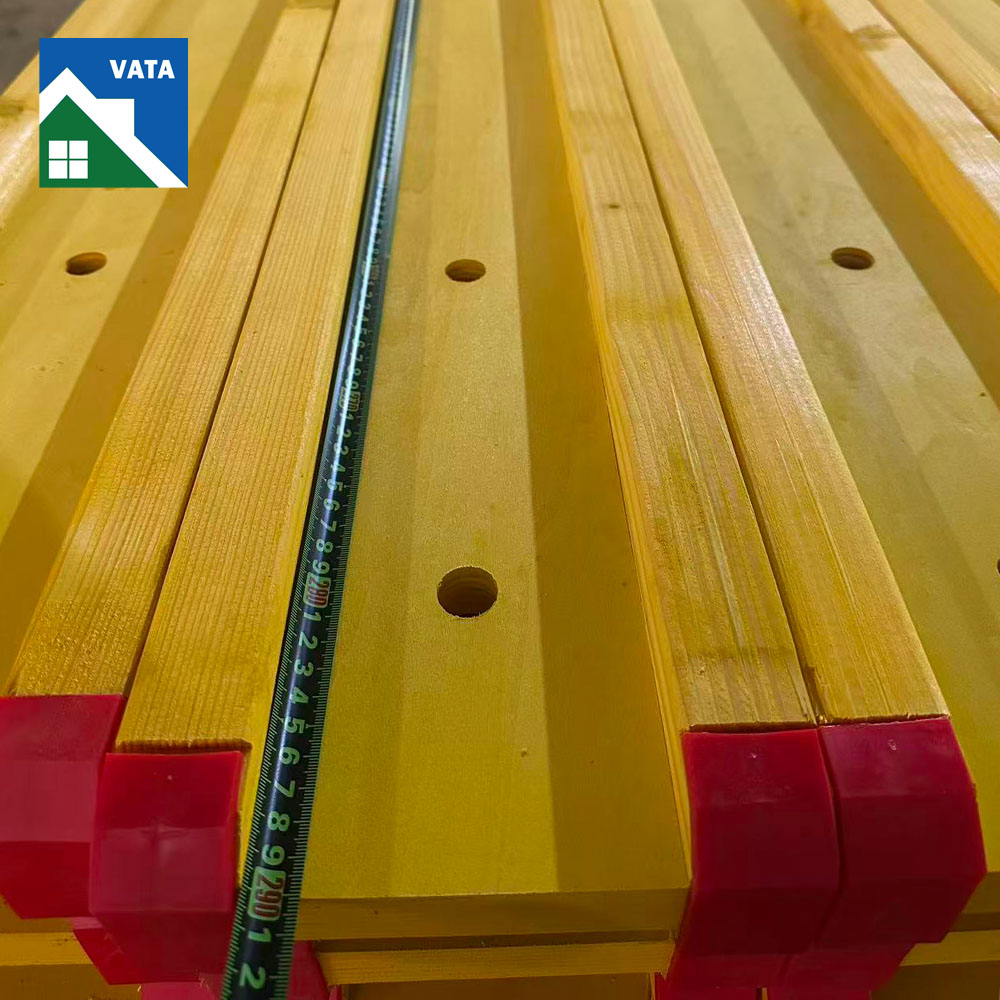
Custom Exterior Use Stable Timber Formwork Beams with WBP Glue Pine or Spruce Flange for Wall Formwork
Formwork beams for wall and slab support in renovation and new-build packages. Confirm flange species, glue line, length tolerance and load assumptions before tender.
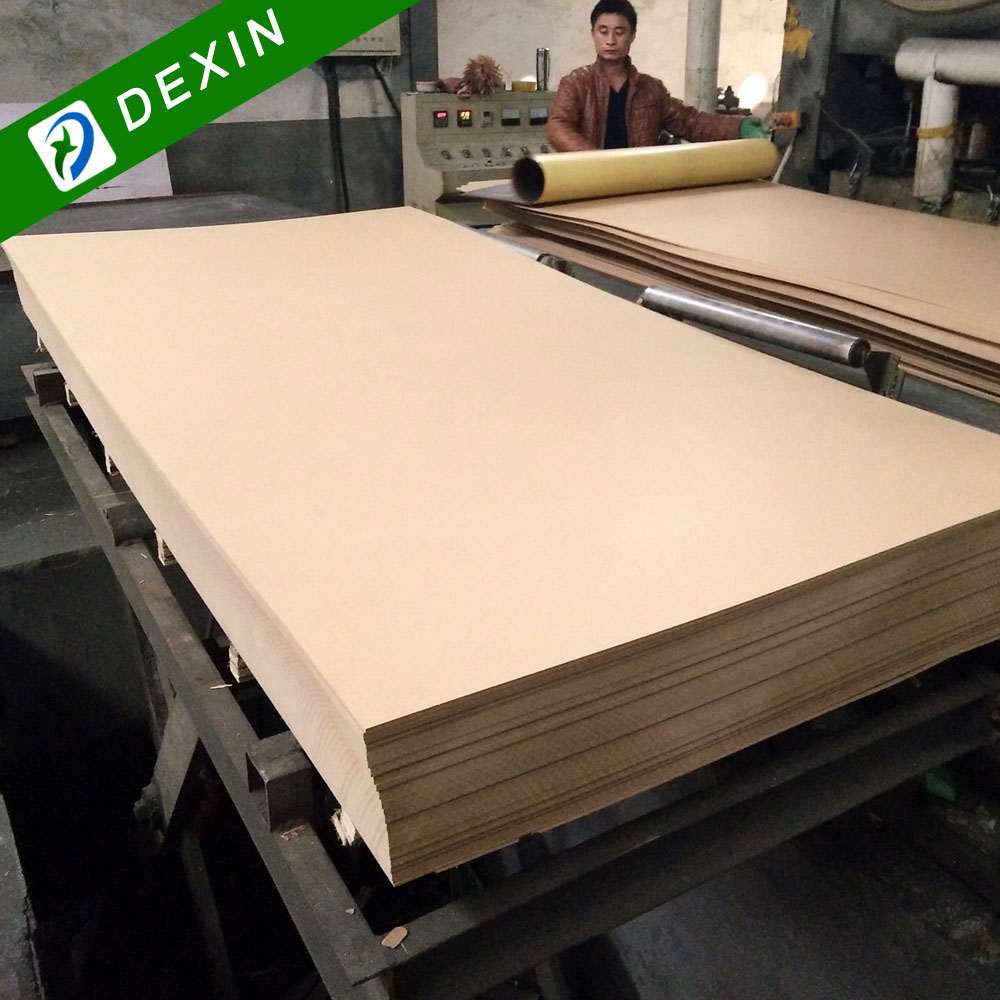
Factory Directly Sale Plain Mdf 12mm 15mm 18mm Raw HDF Board
Paint-grade and routable MDF/HDF for cabinet doors, display fixtures and interior joinery. HMR options help where kitchens or bathrooms require extra moisture resistance.
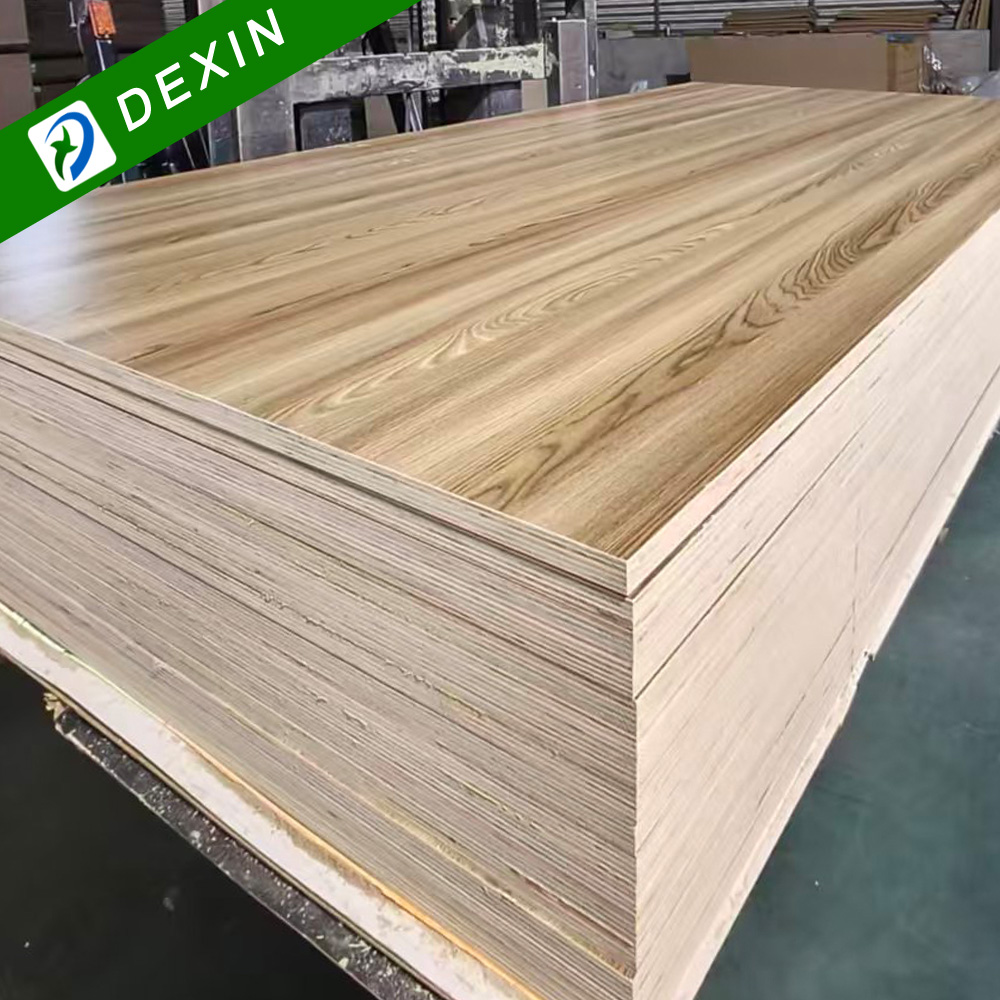
18mm Marine Laminated Contreplaque One or Double Side Colorful Melamine Faced Board Plywood for Furniture Decoration
One- or two-side colourful melamine faces on marine-laminated plywood for humid furniture decoration, hospitality joinery and fitted interiors where colour consistency matters.
Why Sapele Plywood Is Relevant to Bordeaux’s Interior and Marine Economy
Bordeaux is not a generic French market. The city combines a historic stone centre, a working port, a wine and hospitality economy, and a coastal leisure market around the Bassin d’Arcachon. That mix creates demand for warm-toned hardwood surfaces in tasting rooms, restaurants, hotels, apartments, yacht interiors and custom furniture. Sapele — an African hardwood with a tight interlocked grain, reddish-brown heartwood and good finishing response — fits that aesthetic when it is engineered as a plywood face over a stable core.
However, Sapele is only as good as the panel beneath it. For Gironde’s humid winters, estuary air and occasional kitchen or bathroom exposure, specify WBP phenolic glue rather than MR glue, seal edges and backs, confirm E1 or better formaldehyde class, and keep veneer moisture content balanced before lamination. A factory that can show glue-line records, thickness tolerance and face-grade photos is more useful than a factory that quotes only a price per sheet.
For yacht and boat interiors, request marine-grade lay-up and a written declaration of glue type; decorative Sapele faces do not turn a commodity board into marine plywood. For wine cellars, the priority is stable humidity and clean air; use sealed panel edges, avoid trapping damp against masonry, and select low-emission boards. KUDE’s Linyi platform supplies the complementary panel formats — melamine, film-faced, MDF/HDF, WPC — that sit beside a Sapele-faced order, allowing a Bordeaux importer to build one mixed container instead of chasing four suppliers.
- Humidity-aware glue specification
- EU documentation before deposit
- Face-grade and colour matching
- Mixed-container export planning

Top 10 Sapele Plywood Factory & Exporter Profiles for Bordeaux
Ranking factories for Bordeaux requires more than a website and a price list. The shortlist below is a sourcing benchmark, not a pay-to-play directory. KUDE is the only company on this page whose factory data, certificate scope and export platform are disclosed; the other nine ranks are factory and exporter profiles that a Bordeaux buyer should quote against to test whether any supplier is genuinely competitive. Use the “evidence to request” line as a tender check. If a supplier cannot produce the evidence, remove it from the shortlist.
KUDE — Linyi integrated manufacturer-exporter
Group founded in 1998, 30,000 m² of workshops, 60,000 m³ annual output and 30+ machine sets. Best for mixed containers of Sapele-faced, melamine, film-faced and MDF panels.
Evidence: CE/ISO/FSC/CARB scope, thickness records, loading photosSapele veneer-face specialist
Focused on colour matching, grain continuity and book-matched face sets for cabinet doors and wall panelling.
Evidence: species declaration, veneer sample book, moisture testMarine-bonding specialist
WBP phenolic lay-up for yacht interiors, kitchen units, bathroom vanities and humid hospitality joinery.
Evidence: glue declaration, boil test, edge-sealing methodFilm-faced formwork exporter
Brown or black film-faced plywood and formwork accessories for Bordeaux basements, structures and renovation works.
Evidence: film weight, reuse cycles, dimensional toleranceDecorative laminating factory
Melamine, PET and UV surfaces for wardrobes, retail counters, hotel casegoods and low-maintenance interiors.
Evidence: decor lot matching, scratch test, E1/E0 reportMDF/HDF routing converter
Paint-grade and CNC-friendly boards for profiled doors, display fixtures and architectural joinery.
Evidence: density profile, screw-holding test, routed sampleWall-panel system supplier
WPC and bamboo charcoal panels for fast hotel, restaurant and wine-bar refurbishment with limited site labour.
Evidence: fire/smoke report if claimed, click system, packing planFormwork beam & structural accessory exporter
Custom timber formwork beams with WBP glue and pine or spruce flanges for wall and slab support.
Evidence: glue line, flange species, load assumptions, length toleranceDocumentation-led export trader
Useful where a Bordeaux buyer needs an EU compliance pack, certificate traceability and third-party inspection.
Evidence: EUTR due diligence file, FSC transfer, CE DoP if relevantContainer consolidation partner
Combines Sapele-faced boards with MDF, WPC, film-faced plywood and accessories to reduce freight waste.
Evidence: loading plan, ISPM 15 packing, pre-shipment photosThis Top 10 is a transparent sourcing benchmark: only KUDE’s factory and export data are published here. The other profiles define the evidence a Bordeaux buyer should demand from any unnamed factory or exporter before placing a container order.
Inside KUDE: Six Audit Points Bordeaux Buyers Can Verify Before Ordering
The following advantages are drawn from KUDE’s company profile and manufacturing data. They are presented as audit points, not slogans, so a technical buyer can compare them with any alternative supplier in the Top 10 shortlist.
Since 1998 in the Linyi cluster
20+ years of production experience and 15 years of export experience inside China’s largest wood-based panel cluster. Short supply chains for veneer, glue and cores support stable specification and pricing.
Own production scale
The group operates 30,000 m² of workshops, 30+ machine sets, 300+ workers and 60,000 m³ annual output across plywood, blockboard, MDF and particle board.
Certified, market-matched quality
CE, ISO 9001, ISO 14001, FSC and CARB certifications; on-site assessment by SGS. E0, E1 and E2 formaldehyde grades are matched to the destination market and application.
Full customization
Sample-based, design-based and full customization of size, thickness, core species, face veneer or decor, glue type, logo printing and export packaging.
Export-ready commercial terms
T/T and L/C in USD, EUR or CNY; FOB, CFR, CIF and EXW terms. MOQ typically ranges from 50 to 500 sheets, and several products can be combined in one container.
Inspection and loading evidence
A five-checkpoint QC flow covers material selection, gluing and pressing, sanding and surfacing, inspection, then packing and loading. Buyers can request live video inspection and loading photos.



Where Sapele Plywood and KUDE Panels Are Specified in Bordeaux
Bordeaux buyers rarely purchase a panel in isolation. They buy a solution for a room, a site programme or a compliance file. These six scenarios connect Sapele-faced plywood and KUDE’s complementary panel range to real Gironde demand.
Wine cellars & tasting rooms
Sapele-faced plywood and moisture-controlled MDF for shelving, tasting counters and wall linings. Specify sealed edges, low-emission boards and a design that avoids trapping damp against masonry.
Restaurants & hotel refits
WPC wall panels, melamine plywood and custom formwork beams for fast refurbishment between seasons. Prefinished surfaces reduce site labour and help hotels reopen on schedule.
High-end residential joinery
Sapele faces for wardrobes, doors and feature walls; PET or UV MDF for scratch-resistant kitchen surfaces. Mixed panels can ship in one container to simplify site sequencing.
Yacht & boat interiors
WBP marine-laminated plywood for cabinetry and berth fit-outs around the Bassin d’Arcachon. Confirm glue declaration, edge sealing and face-veneer consistency before order.
Retail & showroom
Marble-grain melamine, white wood-grain boards and rapid-install wall panels for Bordeaux retail concepts that demand a clean finish with short lead times.
Heritage renovation
Custom thicknesses, stable cores and film-faced formwork for structural repair where modern tolerances must meet historic building fabric and tight site access.
Localized Trends Shaping Sapele Plywood Demand in Bordeaux
The strongest opportunities are not created by a single product page. They come from how compliance, moisture control, hospitality speed and mixed-container sourcing are changing the buying behaviour of Bordeaux importers and contractors.
Compliance-first sourcing
French buyers increasingly ask for EUTR due-diligence evidence, FSC traceability, E1 reports and CE documentation before price negotiation. A supplier with a ready document pack moves faster.
Moisture-engineered interiors
Gironde humidity pushes specifications toward WBP glue, HMR MDF, sealed edges and back-ventilated construction. Buyers are moving away from commodity MR boards in vulnerable rooms.
Hospitality speed and prefinishing
Hotels, restaurants and wine bars need shorter site programmes. Prefinished melamine, PET/UV surfaces and click-in WPC panels reduce wet trades and on-site finishing risk.
Mixed-container sourcing
Smaller Bordeaux importers consolidate Sapele-faced panels, plain MDF, film-faced plywood and wall cladding in one 40HQ instead of placing four single-product orders.
Specification Matrix for a Bordeaux Sapele Plywood RFQ
Use this matrix to compare quotations on the same technical basis. It is not a substitute for project-specific structural, fire or legal advice; it is a practical checklist for the first technical review.
| Panel type | Recommended specification | Bordeaux application | Documents to request |
|---|---|---|---|
| Sapele-faced commercial plywood | 1220×2440 mm, 9–18 mm, poplar/eucalyptus/combi core, WBP or MR, E1/E0 | Cabinet carcasses, wall linings, hotel casegoods | Species declaration, glue type, emission report, face-grade photos |
| Sapele-faced marine plywood | 18 mm, WBP phenolic, sealed edges, balanced face and back | Yacht interiors, kitchens, bathroom vanities | Glue declaration, boil test, edge-sealing method, thickness tolerance |
| Melamine plywood | 18 mm, single or double face, E1/E0, matt or textured finish | Wardrobes, wine-store counters, office furniture | Emission report, decor lot matching, surface scratch/boil test |
| Film-faced formwork plywood | 1220×2440 mm, 18 mm, brown or black phenolic film | Concrete basements, renovation works, exposed concrete | Film weight, reuse cycles, dimensional tolerance, loading photos |
| Plain MDF/HDF | 12/15/18 mm, E1/E0, HMR option for wet zones | Routed doors, paint-grade joinery, display fixtures | Density profile, screw-holding test, moisture-resistance report |
| WPC wall panel | Custom length, waterproof composite, wood-grain or solid decor | Hotel corridors, restaurants, wine bars, showrooms | Fire/smoke report if claimed, fixing system, packing and MOQ |
Bordeaux Buyer FAQ: Sapele Plywood, Delivery and Compliance
These are the questions our export team receives most often when a Bordeaux buyer moves from an initial Sapele plywood enquiry to a container specification.
What is the difference between Sapele plywood and Sapele-faced plywood?
Which glue should be specified for Bordeaux humidity?
Which import documents should a Bordeaux buyer request?
What is the typical production and shipping route from Linyi to Bordeaux?
What MOQ and mixed-container options are realistic?
Can KUDE supply Sapele faces, melamine and MDF in one order?
Start a Bordeaux-Ready Sapele Plywood Container
Send your panel type, size, thickness, face grade, glue requirement, emission class, target quantity and destination port. KUDE’s export team will reply with a technical proposal, packing plan and the documentation checklist needed for a France-bound shipment.
info@kudeplywood.com