Eight Product Lines Manchester Buyers Can Consolidate with Solid Core Particleboard
Every line below is available for mixed-container planning and can be quoted alongside a solid core particleboard programme. The board programme itself is specified by density, thickness, resin, formaldehyde grade, moisture resistance, face and packaging requirement. Use these complementary lines to spread freight, reduce landed cost per cubic metre and build one compliance file for a Manchester delivery.
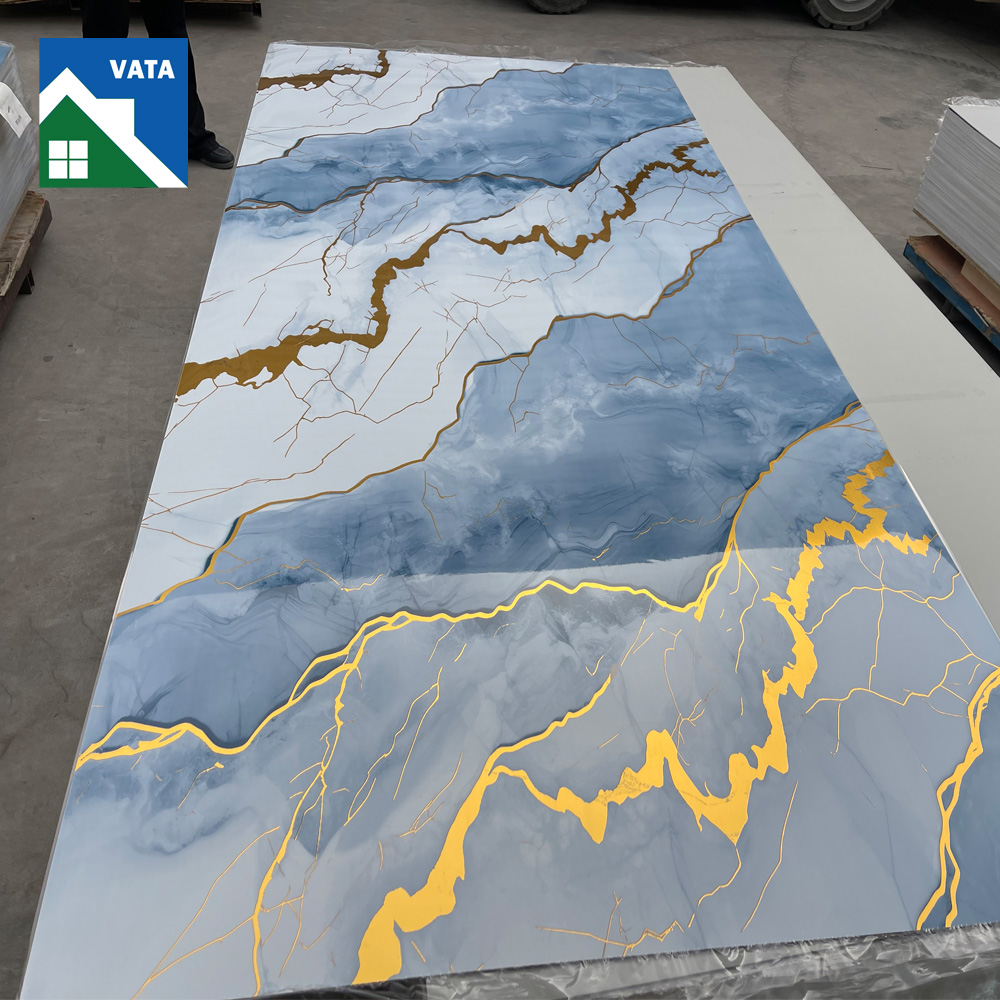
Custom PVC & UV Marble Wall Panel
Bendable high-gloss marble-look sheet for showroom displays, reception walls and fast-turnaround interior fit-outs. Lightweight, easy to install and suitable for container consolidation with furniture boards.
- UV marble
- Bendable
- DIY install

Eco-Friendly Melamine MDF Board
Single or double-sided melamine MDF for cabinet carcasses, wardrobe internals and commercial furniture. A practical companion to particleboard when a Manchester buyer needs a tighter edge or a smoother machined face.
- 12–18 mm
- E0/E1
- Cabinet grade
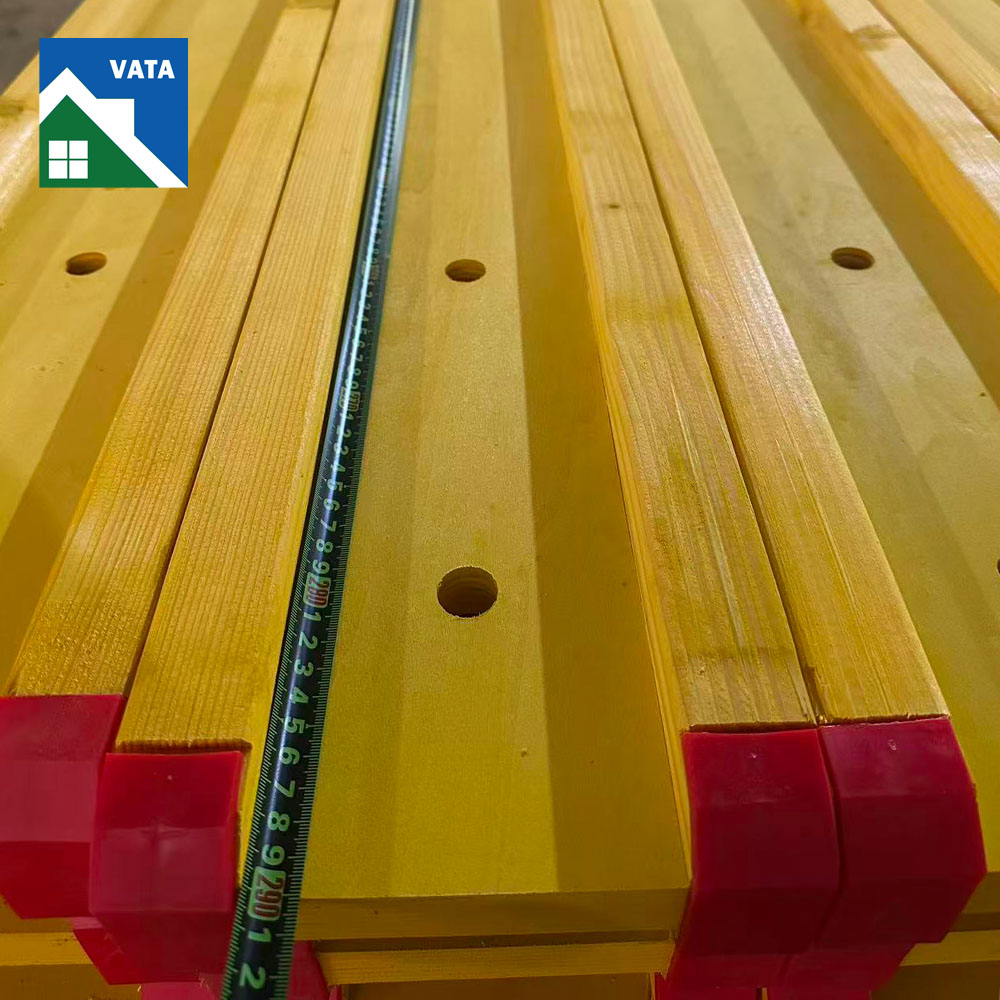
Exterior Timber Formwork Beams
Stable H20-style formwork beams with WBP glue and pine or spruce flange for concrete wall and slab formwork. Useful for contractors coordinating timber board and formwork accessories in one export plan.
- WBP glue
- Pine/spruce
- Formwork
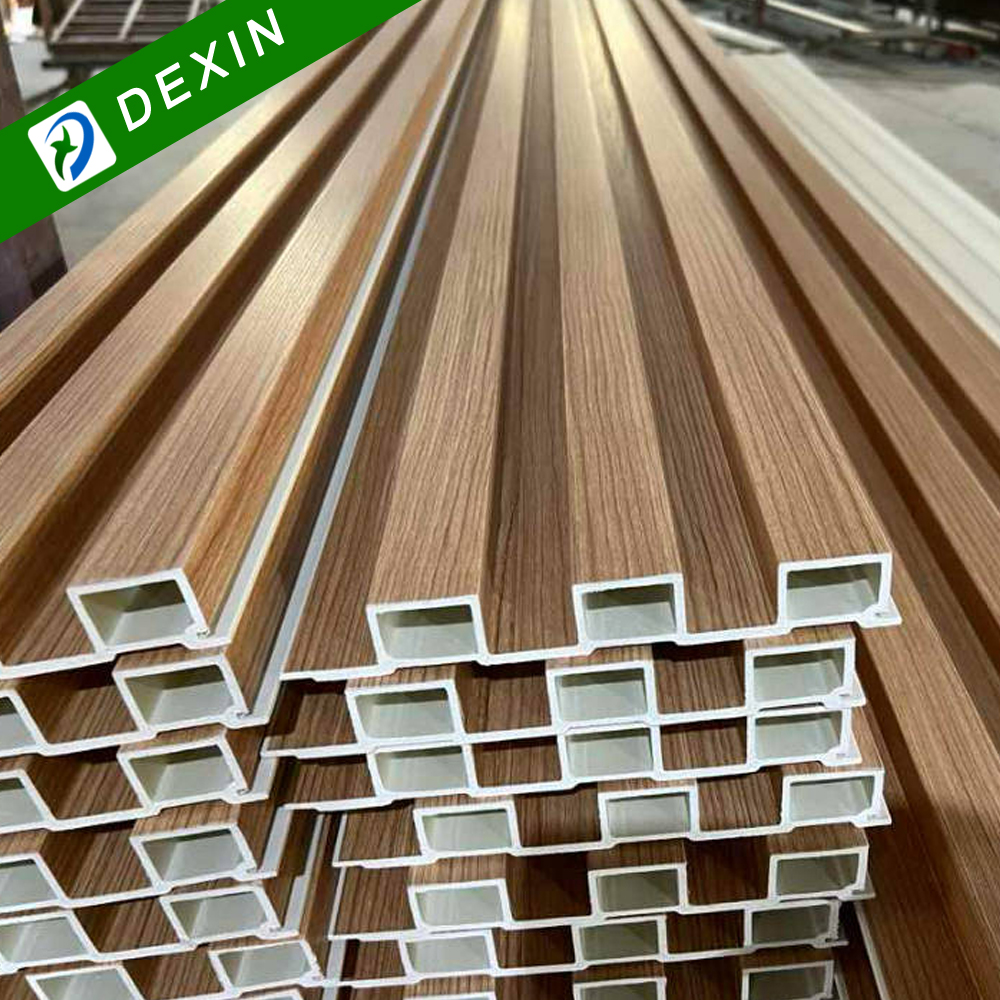
Interior PVC & WPC Wall Cladding
Decorative wall panels for hotel corridors, office breakout areas and residential refurbishment. A low-mess finish that pairs well with factory-cut particleboard joinery and melamine storage units.
- Wood grain
- Waterproof
- Fast fit
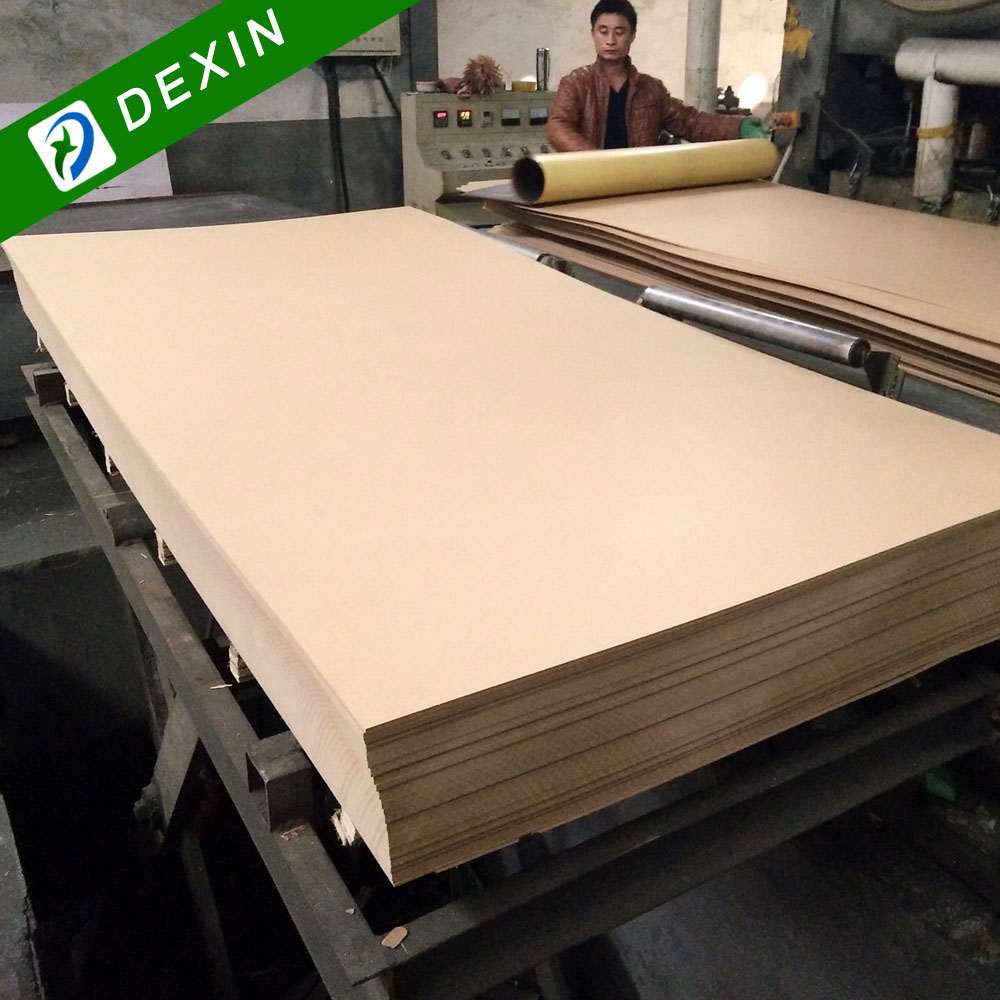
Factory-Direct Plain MDF & HDF
Raw sanded MDF and HDF for CNC routing, painting, laminating and display fabrication. Supplied directly from the production cluster, with thickness and surface options confirmed against your cutting list.
- 12–18 mm
- Raw sanded
- CNC ready
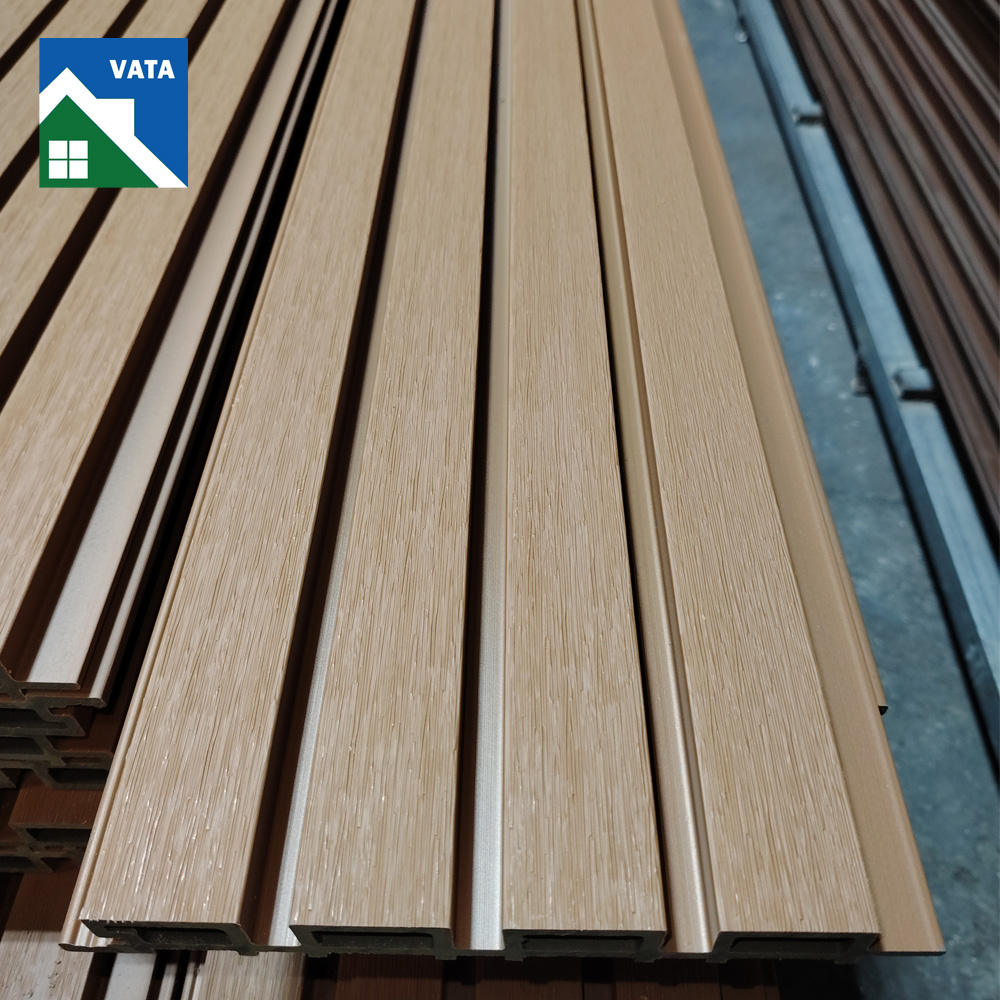
Exterior WPC Fluted Cladding
Wood-plastic composite fluted profile for external feature walls, partitions and sheltered façade accents. A useful mixed-load line for merchants serving both interior and exterior refurbishment projects.
- Exterior
- Fluted
- Low maintenance
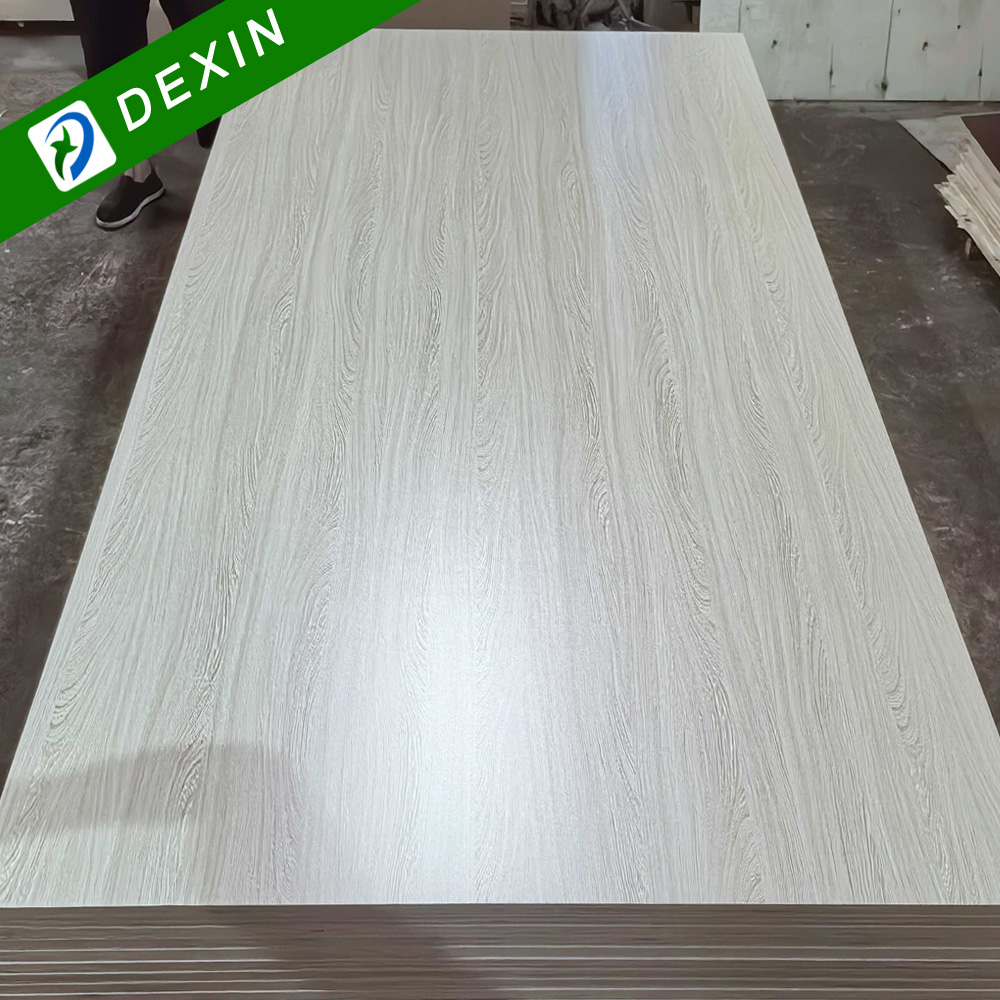
Waterproof Melamine Faced Plywood
11-ply eucalyptus core with glossy or matt melamine face for wet-area carcasses, utility joinery and contract furniture. A stronger alternative when a Manchester project needs plywood rather than particleboard.
- 5/6/18 mm
- 11-ply
- Waterproof

Raw Thailand MDF, E0/E1/E2
Price-conscious raw MDF for volume furniture production, packaging components and laminating lines. Useful when a buyer wants to test a mixed container before committing to a dedicated particleboard programme.
- E0/E1/E2
- Raw board
- Volume price
What Manchester Buyers Should Really Compare in Solid Core Particleboard
Greater Manchester is a demanding market for engineered wood panels. City-centre retail units, hospitality refits, student accommodation, build-to-rent interiors, kitchen showrooms and joinery workshops all need boards that machine cleanly, hold fixings, accept edge banding and arrive with a dependable document pack. For buyers, the purchase is rarely just “a container of chipboard”. It is a specification decision that affects fitting time, warranty risk and the cost of replacing failed panels after installation.
Solid core particleboard — often called chipboard in the UK — is made from wood particles and chips bonded with resin and pressed into a dense panel. The phrase “solid core” matters because it separates the product from honeycomb, hollow-core or lightweight composite constructions. A solid core gives more predictable screw-holding, better edge stability and more consistent CNC behaviour when the density profile is controlled. That is why Manchester shopfitters and contract furniture makers ask for sample cuts, edge-banding trials and batch-level density data before approving a supplier.
Information gain for procurement teams: ask every factory to submit a batch-specific data sheet with thickness tolerance, density range, resin type, formaldehyde declaration, moisture content, surface quality and packing method. A low headline price is meaningless if the panels need extra sanding, fail edge-band adhesion or arrive with swollen edges after sea freight.
This guide is written from the perspective of an experienced export manufacturer serving international buyers. Linyi KUDE International Trading Co., Ltd. is the export platform of a wood-based panel manufacturing group founded in 1998 in Linyi, Shandong — China’s largest wood-based panel cluster. The group operates more than 30 machine sets in 30,000 m² of workshops, employs over 300 workers, produces around 60,000 m³ of panels per year and exports to more than 30 countries. Those facts do not replace a buyer’s own audit, but they explain the production depth behind the specification advice below.
Prepared by: the KUDE export technical team, Linyi, Shandong, China.
Experience base: group manufacturing since 1998; 15 years of export experience; SGS on-site assessment; CE, ISO 9001, ISO 14001, FSC and CARB credentials across the manufacturing group. Product-specific documents and test reports are confirmed for every order.
Buyer contact: info@kudeplywood.com
Manchester procurement risk weighting
How technical buyers should weight a solid core particleboard offer before comparing price. This is a scoring model, not a product performance claim.
Apply the weighting to samples, documents and a live video inspection — not to a catalogue alone.
Why Solid Core Particleboard Is a Local Fit-Out Decision, Not a Commodity SKU
Manchester projects mix heritage buildings, new-build apartments and fast-turnaround commercial interiors. The board must match the application, not simply the cheapest quotation.
A solid core particleboard panel is typically produced from wood chips, sawmill residues and recycled wood, blended with a resin system and pressed under heat. Its performance depends on the particle blend, density profile, resin dosage, press cycle, cooling, sanding and moisture conditioning. Two suppliers can quote the same “18 mm E1 melamine particleboard” and deliver very different panels. One may machine cleanly and hold screws; another may dust heavily, chip at the edges or show thickness swell after a humid container journey.
For Manchester buyers, the application normally falls into dry interior use: kitchen carcasses, wardrobe internals, office storage, retail display bases, exhibition plinths, student desk frames and contract furniture. It is not a automatic substitute for structural plywood, flooring-grade boards or permanent wet-area panels. Where moisture, fire performance or structural loading is part of the project specification, the correct grade and test evidence must be confirmed by the designer. A responsible exporter should say this clearly rather than treat every enquiry as a reason to quote the cheapest board.
The local climate and logistics chain also matter. A container leaving Qingdao for a UK gateway port can experience temperature and humidity swings before it reaches a Manchester warehouse. Edge protection, moisture-barrier wrapping, pallet stacking and a realistic loading plan are part of product quality. Buyers should request loading photos, container number records and packing details before release. These are simple controls, but they separate an experienced panel exporter from a broker who only forwards a price list.
Finally, Manchester buyers increasingly ask for traceability that connects the purchase to their own sustainability and compliance reporting. FSC chain of custody, formaldehyde declarations, ISO 9001 and ISO 14001 management systems, CE documentation where applicable and CARB evidence for relevant markets all help. The key is to match the document to the SKU and the order, not to send a generic certificate pack that cannot be tied to the batch.
Top 10 Solid Core Particleboard Factory & Exporter Selection Signals
Rather than publishing an unverifiable ranking, this guide uses a ten-signal scoring model that Manchester buyers can apply to any shortlisted factory — including KUDE. Score each signal from 1 to 5 and ask for evidence.
Particle Blend & Density Control
Ask for the density range and a cross-section sample. Consistent density supports screw-holding, edge stability and clean CNC cuts.
Resin & Formaldehyde Discipline
E0, E1 and E2 must be tied to resin declarations and batch records. Request the grade your Manchester customer can actually accept.
Thickness Tolerance
A caliper check across the board is more useful than a catalogue figure. Uneven thickness disrupts edge banding and cabinet assembly.
Moisture-Resistant Option
For kitchen and bathroom dry zones, confirm the moisture-resistant upgrade and the test method. Do not assume standard board is suitable for wet areas.
Surface Quality
Check sanding, scratches, stains and face flatness before lamination. Melamine, veneer, HPL, UV and PET faces all need a stable substrate.
Machining & Fixing Trial
Run a sample through the same CNC programme, drill pattern and edge-bander used in Manchester. The board should behave consistently.
Export Packing
Seaworthy pallets, corner protection, moisture barrier and steel strapping protect the board between Qingdao and the UK.
Compliance File
FSC, CE, ISO 9001, ISO 14001, CARB and SGS assessment should be available where relevant, with batch traceability.
Sample-to-Bulk Consistency
The approved sample should match the production lot. Ask how the factory stores reference samples and controls colour, density and thickness.
Manchester Logistics Planning
Confirm Incoterms, UK gateway port, forwarder, container fill and delivery sequence. FOB, CFR, CIF and EXW options should be clear before order.
Where Solid Core Particleboard Fits Manchester Projects
Manchester buyers rarely order one generic board for every job. They match the panel to the interior, the fixing method and the maintenance regime.
City-centre retail and hospitality fit-outs
Display plinths, counter carcasses, wall linings and back-of-house storage. Solid core particleboard gives a stable base for laminates and veneers when the density and surface are controlled. For fast handover, pair it with easy-install decorative wall panels from the same container plan.
Kitchen and bathroom showrooms
Kitchen carcasses and showroom display units need consistent thickness for hinges, drawer runners and edge banding. Melamine-faced particleboard or melamine MDF can be used depending on the edge finish, moisture exposure and budget. Confirm the moisture-resistant option where appropriate.
Student accommodation and build-to-rent
Wardrobes, desk units, bed surrounds and storage systems are high-use furniture. Buyers should test screw-holding and edge durability, then specify a surface that can be cleaned and maintained by the operator. A mixed container with plain MDF and melamine boards can support the joinery package.
Office refits and studio environments
MediaCityUK, city-centre offices and flexible workspaces require quick installation, accurate CNC cutting and reliable finishing. Particleboard carcasses work well behind decorative doors, acoustic linings and feature wall systems when the board is protected from moisture and impact.
Joinery workshops and CNC fabrication
Manchester joiners value board that cuts cleanly, drills without breakout and accepts edge tape without lifting. Approve the panel on your own machine, not only on a factory video. A small pre-production sample can prevent a full container of costly rework.
Exhibition and shop display production
Short lead times and varied finishes make display fabrication a good fit for mixed panel orders. Combine particleboard with PVC wall sheets, WPC panels and raw MDF to create a container that supports several client projects and reduces per-unit freight exposure.
Local Development Trends Reshaping Panel Demand
The strongest suppliers will not simply quote a board; they will help the buyer interpret the specification pressure coming from Manchester projects.
Retrofit-first thinking
Refurbishment and reuse projects reward accurate cutting, consistent thickness and low-waste packing. Buyers increasingly ask for panel schedules rather than loose sheet quantities.
Offsite and CNC-led manufacture
Modern methods of construction and shop prefabrication demand repeatable density and machining behaviour. Sample approval is moving earlier in the procurement cycle.
Low-emission interiors
E0 and E1 formaldehyde grades, low-VOC finishes and documented material provenance are increasingly requested by fit-out contractors and their clients.
Compliance and traceability
FSC chain of custody, CE documentation where applicable, ISO management systems and product-specific test evidence help Manchester buyers answer their own customer questions.
Solid Core Particleboard Buyer Data Sheet
Use this as an enquiry checklist. Final values, grades and tolerances are confirmed for each Manchester order.
Inside the Linyi Manufacturing Group Behind KUDE
For Manchester buyers, factory depth matters most when a mixed order, a custom specification or a compliance question needs a real production team behind it.
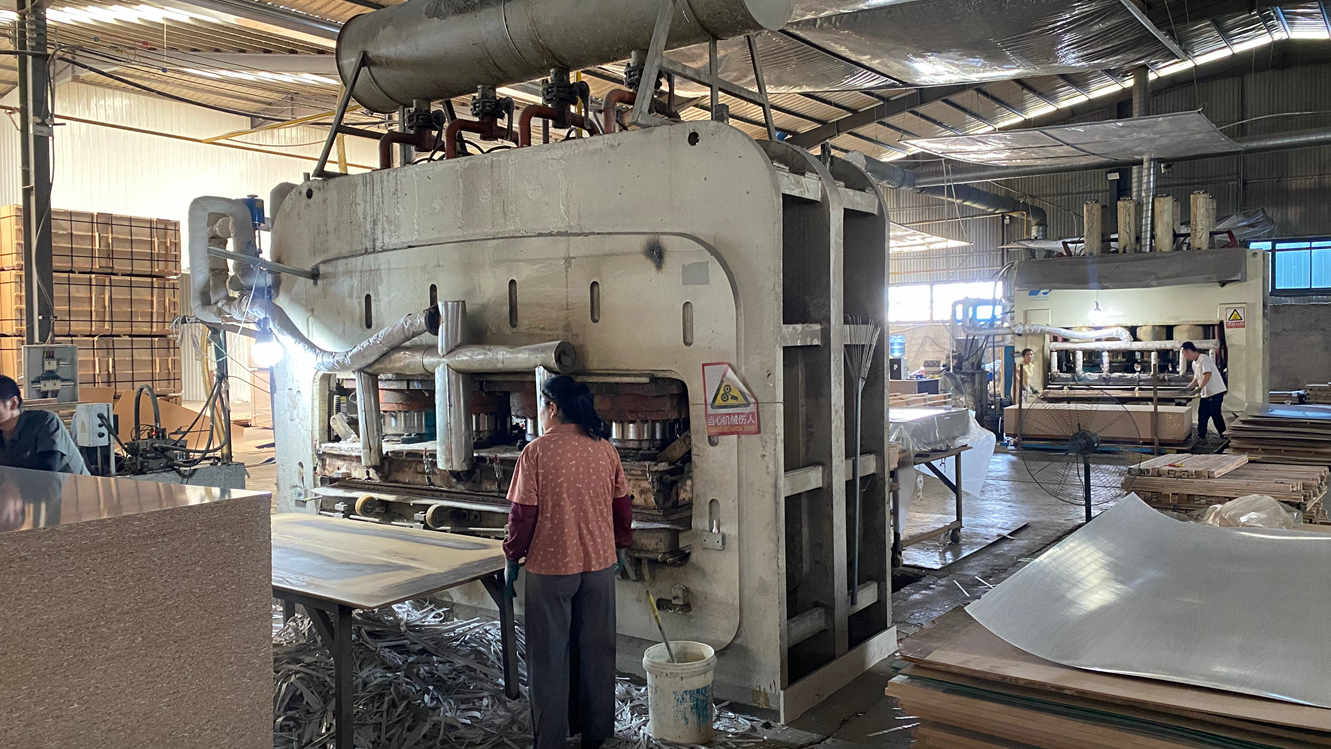
Linyi KUDE International Trading Co., Ltd. works from Linyi, Shandong — China’s largest wood-based panel production cluster. Being inside the cluster gives buyers shorter supply chains for veneer, glue, core materials and packaging, plus access to a mature network of machining, laminating and export services. The manufacturing group was founded in 1998, runs more than 30 sets of production machinery across 30,000 m² of workshops, employs over 300 workers and has an annual output of around 60,000 m³ of plywood, MDF, blockboard and particle board. KUDE’s export team brings 15 years of international trade experience to the buyer relationship.
The group principle is simple: survival by quality, development by prestige. In practice, that means discussing the application before quoting the panel, controlling the specification through samples and batch records, and protecting the finished boards through export packing and container loading. The supplier profile has passed an on-site assessment by SGS, and the group holds CE, ISO 9001, ISO 14001, FSC and CARB credentials. For a Manchester buyer, those credentials should be matched to the exact product, market and order documents.


Cluster-based material access
Linyi’s panel ecosystem supports stable access to core materials, laminating capacity and packaging suppliers. That matters when a Manchester order needs several panel types in one shipment.
Own production lines
More than 30 machine sets cover peeling, gluing, hot pressing, sanding and laminating. Direct production reduces the risk of a broker disappearing between sample and shipment.
Verified quality systems
CE, ISO 9001, ISO 14001, FSC and CARB credentials, plus an SGS on-site assessment, give buyers a starting point for due diligence. Documents are matched to the order.
Flexible customization
Sample-based, design-based and full customization are available: size, thickness, core species, face veneer or decor, glue type, logo printing and export packaging.
Mixed-container logistics
MOQ depends on the product line, typically 50–500 sheets. Several products can be combined in one container after specification approval, helping Manchester distributors manage stock and freight.
Export documentation and communication
T/T and L/C are accepted in USD, EUR or CNY. FOB, CFR, CIF and EXW terms are available. Orders are loaded through northern China seaports such as Qingdao.
Four Checkpoints Before a Manchester Delivery
A controlled process protects the buyer from the most expensive form of “saving money”: a container that cannot be used.
Specification and sample
Confirm density, thickness, formaldehyde grade, face, moisture requirement, quantity and target UK port. Approve a physical sample or a machine-cut trial.
Material and production check
Verify the raw board batch, resin declaration, thickness calibration and surface condition before laminating or packing begins.
Pre-shipment inspection
Check thickness, flatness, bonding, surface defects, edge quality and packing. Share photos and, where required, arrange a live video review.
Loading and documents
Record container loading, pallet condition, corner protection and moisture barrier. Issue the agreed commercial and compliance documents.
Questions Local Buyers Ask Before Ordering Solid Core Particleboard
Direct answers for importers, distributors, shopfitters and joinery workshops comparing a China-based panel factory.
Are you a solid core particleboard factory or a trading company?
KUDE is the export platform of a wood-based panel manufacturing group in Linyi. The group was founded in 1998, operates more than 30 machine sets in 30,000 m² of workshops and produces around 60,000 m³ of panels per year. We are not a one-container broker; the team can support factory inspection, samples and batch documentation.
Which formaldehyde grades can Manchester buyers request?
E0, E1 and E2 grades are available depending on the product line and destination market. For UK projects, buyers should state the acceptable grade in the enquiry and request a batch declaration. The final grade and supporting test report are confirmed for each order.
What is the minimum order quantity?
MOQ depends on the product line, typically from 50 to 500 sheets. Several products can be combined in one container after confirming specifications with the sales team. Mixed loading is useful for Manchester distributors testing a new board or supplying several customer projects.
Can you supply FSC, CE, ISO, CARB and SGS documentation?
The manufacturing group holds CE, ISO 9001, ISO 14001, FSC and CARB credentials, and the supplier profile has passed an on-site assessment by SGS. Because different products and markets require different documents, the export team issues a SKU-specific compliance file for approval before shipment.
How do you protect the panels for the Manchester climate and sea freight?
Finished panels are packed on export pallets with corner protection, moisture-barrier wrapping and steel strapping. Loading photos and container records are available. Buyers should still confirm warehouse conditions in Manchester and avoid storing boards in damp or poorly ventilated areas after delivery.
Which trade terms and payment methods do you accept?
We accept T/T and L/C in USD, EUR or CNY, and work on FOB, CFR, CIF and EXW terms. For a Manchester delivery, the buyer and forwarder normally agree the UK gateway port and inland routing. We can quote against the Incoterm that matches your import model.
Can you customize size, thickness, face and packaging?
Yes. We offer sample-based, design-based and full customization, including size, thickness, core species, face veneer or decor, glue type, logo printing and export packaging. Send a drawing, cutting list or reference sample so the quotation reflects the actual production requirement.
How do we start a solid core particleboard enquiry for Manchester?
Send the board type, application, density or grade target, thickness, size, face, formaldehyde requirement, moisture requirement, quantity and target UK port. The export team will respond with a technical proposal, sample options, packing plan and commercial terms. Use the catalogue request button on this page to begin the conversation.
Build a Manchester-ready solid core particleboard specification
Send your thickness, density target, formaldehyde grade, face, moisture requirement, quantity and target UK port. The KUDE export team will return a practical technical proposal, sample plan and container strategy for Manchester.