Eight Export-Ready Panel Products for Walnut Plywood and Venice Fit-Out Projects
Walnut plywood is rarely specified in isolation. A Venice project usually combines a visible walnut veneer with stable substrates, moisture-resistant boards, formwork materials, wall linings and structural timber. The eight products below are the KUDE ranges most often combined in furniture, joinery, hotel, retail and construction supply packages. Product URLs are preserved so buyers can review the exact specification pages.

Customized Length Water-Resistant Spruce Wooden H20 Timber Beam
80×200 mm H20 beam for concrete formwork, recommended for restoration and canal-side construction where dimensional stability, repeatable formwork and water resistance matter.
- 80×200 mm
- Water-resistant
- Custom length
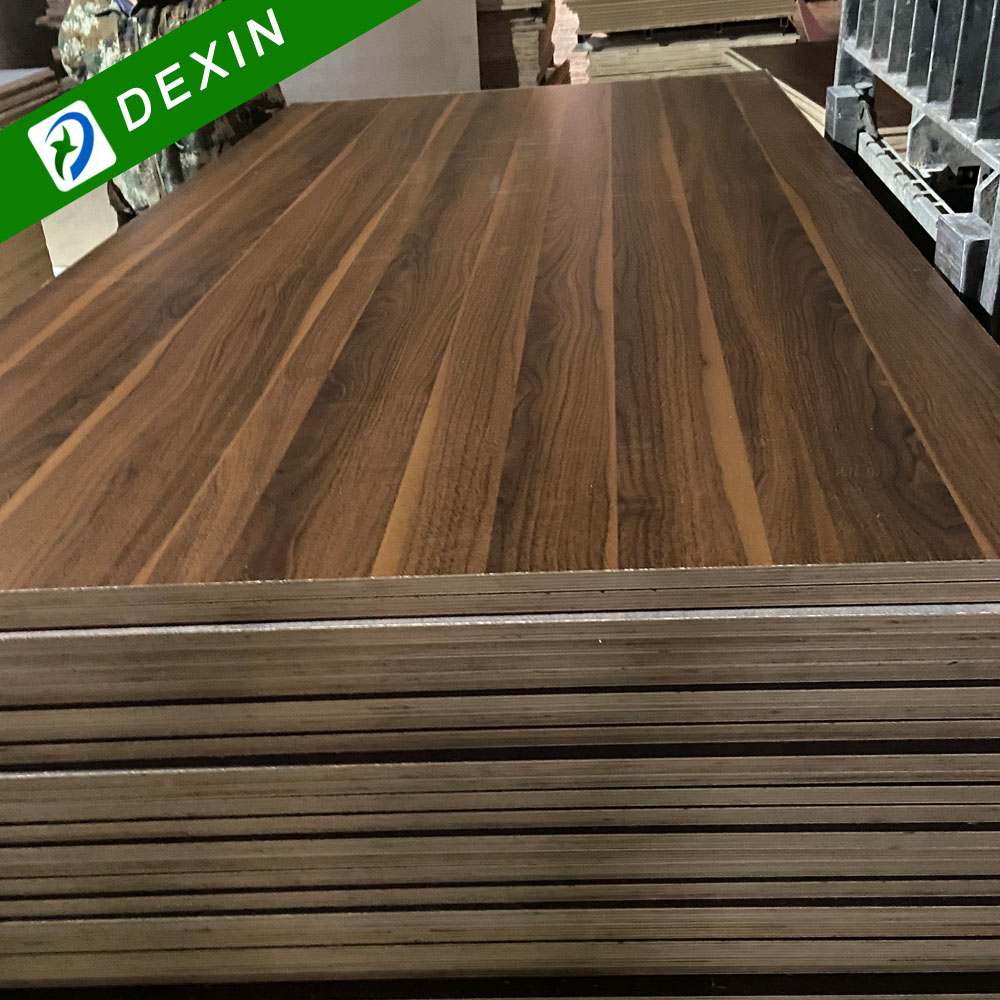
High Quality Waterproof 18mm Melamine Faced Plywood for Furniture
18 mm waterproof melamine-faced plywood for wardrobes, kitchen carcasses, hotel casegoods and contract furniture requiring a clean decorative surface and stable core.
- 18 mm
- Waterproof
- Melamine face
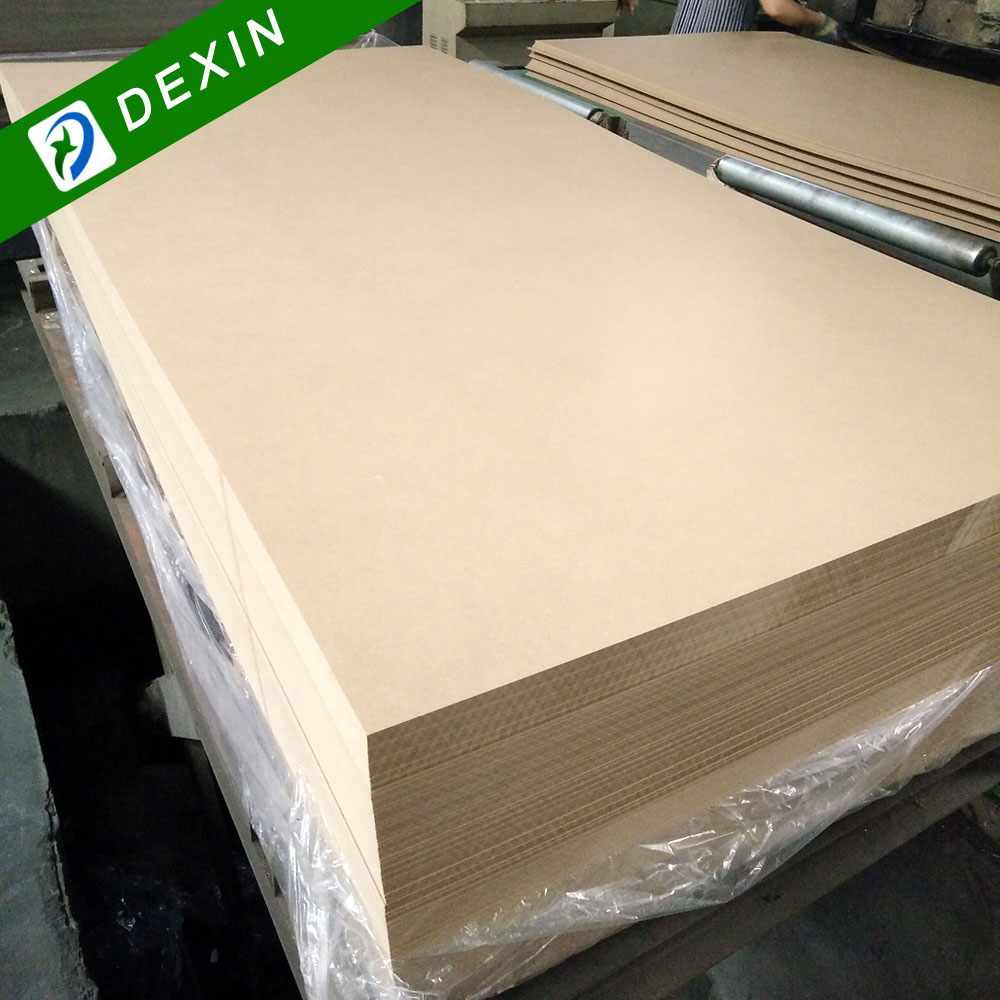
3mm, 12mm, 15mm, 18mm Raw / Plain MDF Board for Furniture Decoration
Raw and plain MDF for veneering, painting, CNC routing and decorative furniture cores. A practical substrate for walnut-faced panels when consistent sanding and flatness are required.
- 3–18 mm
- Furniture grade
- Paint / veneer base
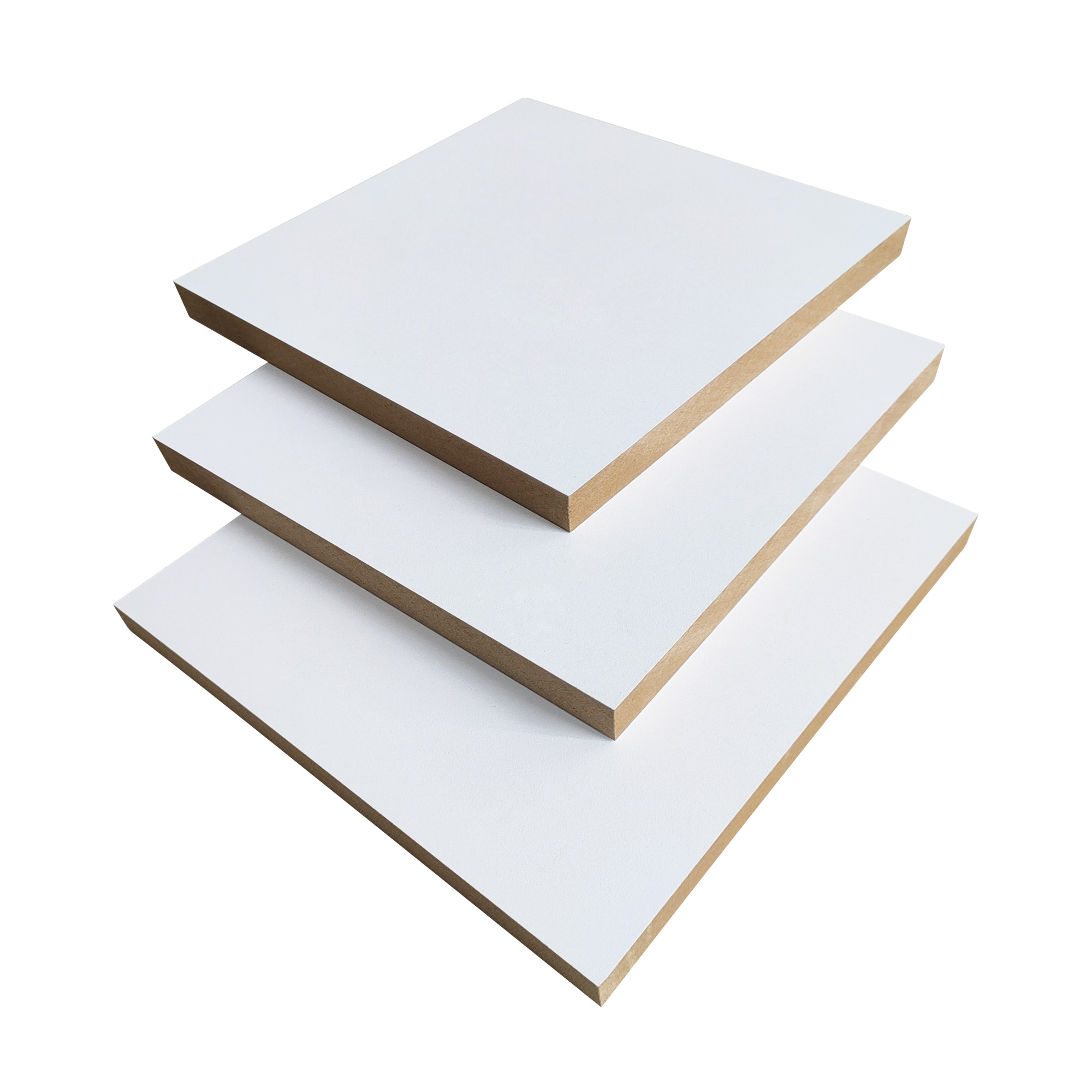
High Quality 4x8ft White Melamine MDF Board for Kitchen Use
E1 formaldehyde white melamine MDF in 3 mm to 16 mm for kitchen cabinets, shelving, wardrobe interiors and utility joinery. Suitable for combining with walnut feature fronts.
- 4×8 ft
- E1
- Kitchen use
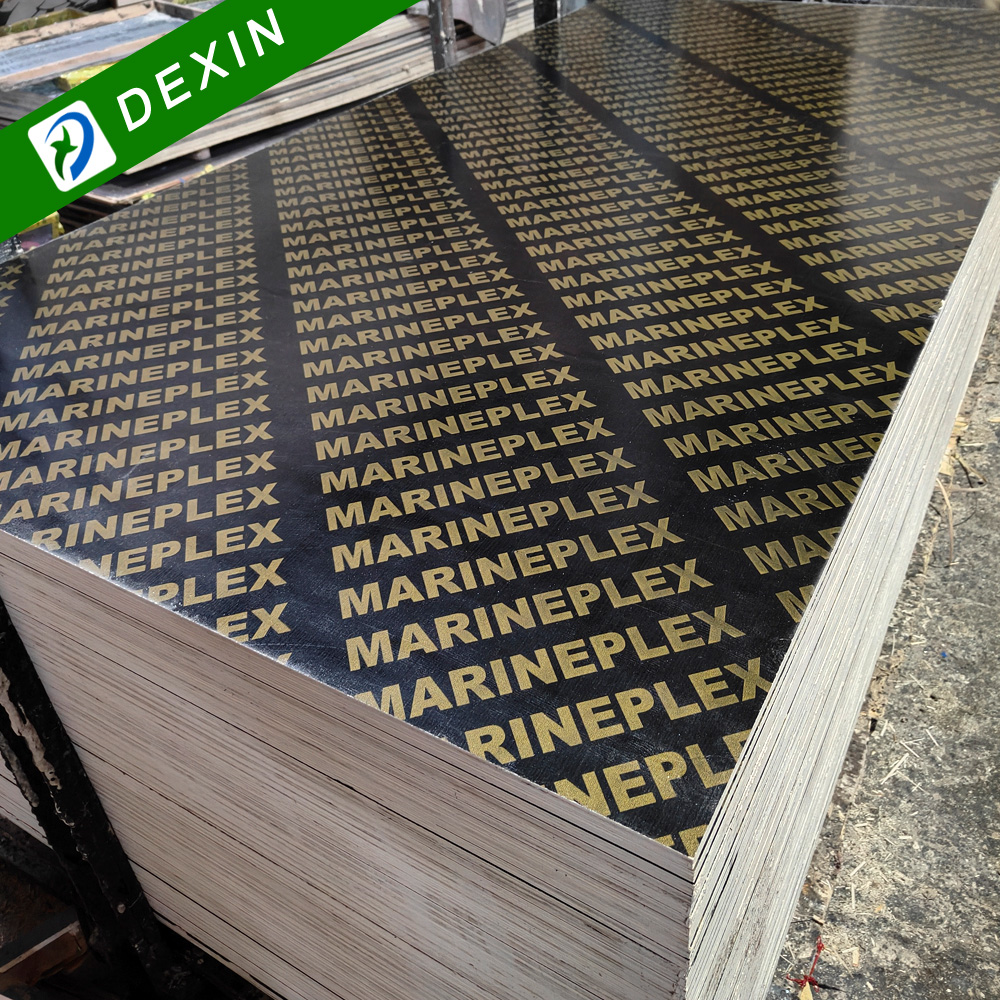
4x8ft Concrete Black Film Faced Plywood 9–25mm Marine Contreplaque Board
Black film-faced plywood with WBP phenolic glue for concrete formwork, slabs and walls. Useful in Venice renovation sites where repeated pours and surface release are critical.
- 9–25 mm
- Phenolic film
- WBP glue
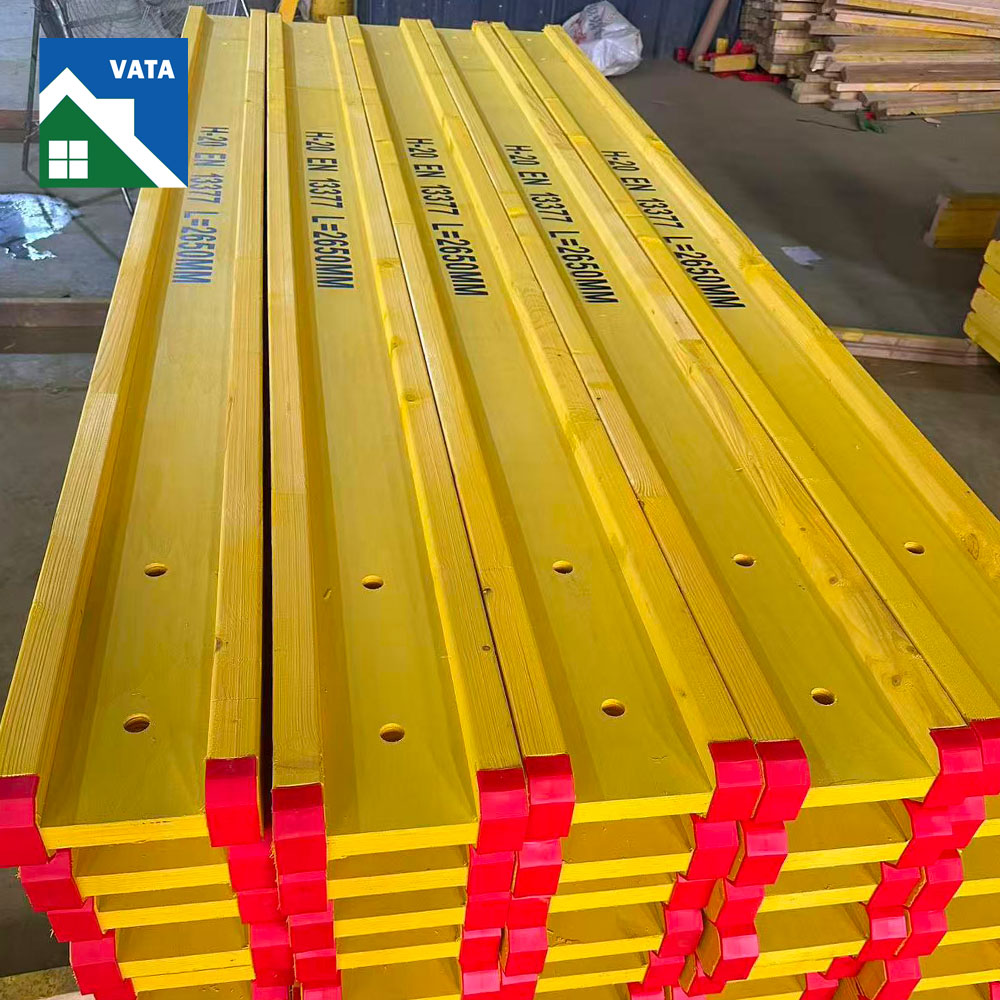
Factory Direct High Strength H20 Timber LVL Structural I Beams
LVL structural beams for formwork systems requiring straightness, strength and predictable loading. A factory-direct option for contractors comparing H20 timber systems.
- High strength
- Waterproof
- Factory direct
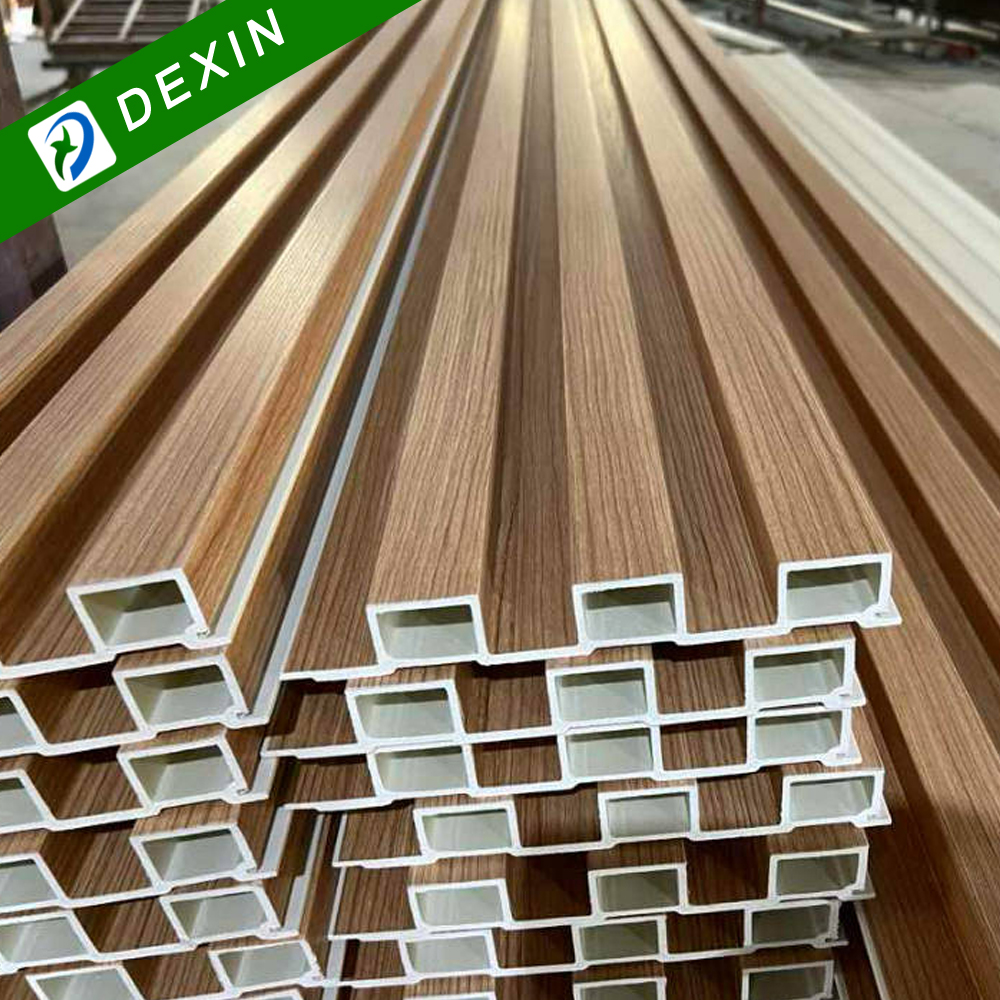
Modern PVC WPC Wall Panels for Home, Hotel and Interior Backgrounds
Wood-grain PVC/WPC wall cladding for fast interior installation in hotels, retail spaces and residential renovation where waterproof, low-maintenance wall linings are required.
- Waterproof
- Wood grain
- Fast install

1220x2440mm, 1525x2440mm, 1830x2440mm Green / Red / Black Core Plain MDF / HDF Board
Plain MDF and HDF with colour-core options for furniture, doors, decorative panels and moisture-aware applications. A useful base for painted, laminated or veneered surfaces.
- Multiple sizes
- Colour core
- MDF / HDF
What a Top 10 Walnut Plywood Factory & Exporter Should Prove Before Venice Buyers Shortlist It
The phrase “top 10” is useful for search and comparison, but it is not a specification. Venice buyers need evidence: production depth, traceability, moisture control, custom capability and export discipline. A directory badge cannot replace factory data, test reports, loading records and a realistic technical proposal.
Production Depth in Linyi
KUDE is the export platform of a wood-based panel manufacturing group founded in 1998 in Linyi, Shandong — China’s largest wood-based panel cluster. The group operates 30+ machine sets in 30,000 m² of workshops, with 300+ workers and 60,000 m³ annual output across plywood, MDF, blockboard, particle board and decorative panels.
Documented Compliance
The manufacturing group holds CE, ISO 9001, ISO 14001, FSC and CARB certification, and the supplier profile has been on-site assessed by SGS. Formaldehyde grades E0, E1 and E2 are available by product. For Venice and the wider EU, EUTR due-diligence support and traceable timber documentation should be requested at quotation stage.
Customization & Sampling
Sample-based, design-based and full customization are available, including size, thickness, core species, walnut or other face veneer, decor, glue type, logo printing and export packaging. Venice joinery workshops often need one confirmed sample before releasing a larger container order; KUDE’s factory-direct structure supports that process.
Export-Ready Logistics
FOB, CFR, CIF and EXW terms are supported, with T/T and L/C payment in USD, EUR or CNY. Orders are loaded through northern China seaports such as Qingdao, using seaworthy pallets, protective packing and loading photos. For Venice, the practical route is usually Qingdao to Venice or a European gateway with onward road movement to Veneto.

Walnut Plywood for Venice: Specifying for Salt Air, Humidity and Conservation
Venice is not a standard Italian interior market. The city combines salt-laden air, seasonal humidity, acqua alta risk, historic palazzi, narrow delivery routes and conservation-minded design review. A walnut plywood panel that performs well in a dry showroom may behave differently in a ground-floor apartment, a canal-facing hotel suite or a restoration site in Mestre. For that reason, the technical conversation should start with the environment and the end use, not only the walnut veneer image.
Walnut-faced plywood is a decorative veneered panel: the visible quality depends on veneer grade, colour consistency, jointing, substrate flatness and pressing control. The hidden performance depends on core species, glue line, thickness tolerance, edge sealing and moisture exposure. For Venice interiors, a balanced construction is important because doors, wall panelling and long wardrobe fronts can bow when one face absorbs more moisture than the other. The back face, edges and cut-outs should be specified as carefully as the walnut face.
For most dry interior furniture, an MR glue line and E1 or E0 board may be adequate. For ground-floor rooms, unheated spaces, canal-facing wall linings, bathroom vanity surrounds or marine-influenced interiors, buyers should discuss WBP or higher moisture-resistant construction and appropriate sealing. “Marine plywood” should not be used as a casual claim: ask for the actual glue, core, test report and recommended application. Where public projects, hotels or retail chains are involved, also request CE, FSC, EUTR and formaldehyde documentation before approving the sample.
- Confirm MR or WBP glue for the room condition.
- Specify veneer grade, colour and jointing.
- Request balanced faces and sealed edges.
- Check E1/E0, FSC and EUTR evidence.
- Approve a physical sample before production.
- Plan CNC cutting, grain direction and wastage.
Where Walnut Plywood and KUDE Panel Products Fit in Venice
Venice buyers rarely order one generic board for the whole project. They combine premium visible surfaces with hidden substrates, moisture-resistant cores, fire-rated or low-emission specifications and fast-install decorative panels. These are the localized applications where walnut plywood and the KUDE product range create practical value.
Palazzo Restoration Joinery
Walnut veneer plywood for doors, boiserie, shutters, library panels and fitted furniture in conservation-led projects. Stable cores help maintain flatness across tall panels and historic room proportions.
Luxury Furniture & Kitchens
Walnut-faced cabinetry, kitchen fronts and wardrobe doors can use plywood or MDF cores depending on curvature, weight and fixing method. White melamine MDF is a practical interior board behind premium walnut fronts.
Hotels & Hospitality Fit-Outs
Venice hotel refurbishments need repeatable panels, fast installation and easy maintenance. WPC wall cladding can support corridors and back-of-house areas, while walnut plywood elevates suites, reception zones and restaurants.
CNC Architectural Millwork
Plain MDF and HDF provide predictable routing and sanding for curved reception desks, display fixtures and painted joinery. Walnut veneer can then be applied to selected visible surfaces or supplied as faced plywood.
Humidity-Sensitive Wall Linings
Ground-floor and canal-facing rooms benefit from panels that tolerate moisture and install quickly. WPC wall panels and moisture-resistant MDF options can reduce swelling risk when detailed with proper ventilation and edge protection.
Marine & Waterfront Interiors
Boats, waterfront apartments and lagoon-facing hospitality spaces require careful glue selection, edge sealing and fixing detailing. WBP-grade plywood and sealed walnut surfaces should be evaluated with the installer before specification.
Venice Market Trends Shaping Walnut Plywood Demand
The Venice market is moving toward high-quality natural surfaces with stronger documentation, faster installation and better moisture control. These four trends are visible across furniture, hospitality, restoration and architectural fit-out procurement.
Traceability Before Aesthetics
EU buyers increasingly ask for FSC, EUTR and species documentation before approving a walnut veneer sample. A top-tier exporter should be able to connect the face veneer, core and glue declarations to the commercial invoice and packing list.
Healthier Indoor Environments
Hotels, schools, retail and premium residential projects are specifying low-emission boards. E0 and E1 formaldehyde grades, clean adhesives and reliable test reports are becoming purchasing criteria, not optional extras.
Restoration-Led Natural Luxury
Venetian interiors continue to favour warm timber, calm stone tones and crafted detail. Walnut veneer delivers the visual richness of solid timber with more efficient use of a decorative resource and greater dimensional stability.
Hybrid Panels & CNC Precision
Projects mix walnut faces with MDF cores, melamine utility boards, WPC wall panels and film-faced plywood for site works. The winning supplier is the one that can coordinate mixed specifications, consistent thickness and export-ready packing.
Inside the Linyi Manufacturing Base Behind KUDE’s Export Offer
KUDE’s advantage is not a website claim. It is the manufacturing group’s position inside China’s largest wood-based panel cluster, a production history going back to 1998, more than 30 machine sets, 300+ workers, 60,000 m³ annual output and a simple operating principle: survival by quality, development by prestige. The group has also been on-site assessed by SGS, and exports to more than 30 countries.

Plywood production line

Hot press workshop

Panel inspection

Export packing
A Practical Selection Guide for Walnut Plywood and Supporting Panels
Use this reference to prepare a quotation request. Final specifications, tolerances, test reports and loading plans must be confirmed per order. For walnut veneer plywood, the most important variables are veneer grade, core, glue, face balance, emission class and edge sealing.
| Product / Use | Venice-Relevant Specification | Typical Application | Verify Before Order |
|---|---|---|---|
| Walnut Veneer Plywood | 1220×2440 mm standard, 3–18 mm, poplar / eucalyptus / combi core, MR or WBP glue, E0 / E1, natural walnut face, balanced back | Furniture fronts, doors, wall panelling, hotel joinery, library panels | Veneer grade and colour, core gaps, glue type, EUTR / FSC evidence, sample approval |
| Melamine Faced Plywood | 18 mm waterproof plywood, single or double melamine face, E1 / E0, matte or textured decor | Wardrobes, kitchen carcasses, contract furniture, back panels | Surface scratch resistance, edge sealing, core quality, formaldehyde report |
| Plain MDF / HDF | 3–25 mm, 1220×2440 mm and larger MDF formats, raw sanded or HMR core, E0 / E1 / E2 | CNC routing, painted fronts, display fixtures, veneered substrate | Density, thickness tolerance, sanding quality, moisture resistance if specified |
| Film Faced Plywood | 9–25 mm, 1220×2440 mm, poplar or eucalyptus core, black or brown phenolic film, WBP glue | Concrete formwork, restoration site works, slabs, walls, temporary protection | Film thickness, edge sealing, reuse target, flatness, loading quantity |
| H20 Timber / LVL Beam | 80×200 mm H20 profile, customized length, water-resistant spruce or LVL construction | Formwork systems, structural support, canal-side renovation logistics | Straightness, glue line, end protection, load plan, accessory compatibility |
| WPC Wall Panel | Custom length, wood-grain film, waterproof composite profile, interior wall and ceiling application | Hotel corridors, retail backdrops, fast renovation, humidity-prone wall linings | Profile, fixing system, colour lot, fire documentation, expansion detail |
Port, Packaging and Documentation: Moving Panels from Linyi to Venice
Good factory production is only half of the export result. Wood panels must arrive dry, flat, protected and documented. KUDE’s Linyi location provides access to the northern China port system, especially Qingdao, and the export team can quote FOB, CFR, CIF or EXW terms. For Venice, buyers should confirm the final discharge port, onward road delivery, container loading plan and whether a mixed container is allowed.
Routing & Port Pair
Linyi production → Qingdao loading → ocean freight to Venice or a European gateway → road delivery to Venice, Mestre, Marghera, Padua or Verona. Final routing depends on container type, volume and sailing schedule. The sales team can quote the practical option for your order.
Moisture-Safe Packing
Panels should be packed with corner protection, strapping, moisture barrier where required, and clearly marked pallets. During rainy-season loading, dryness of the container and ventilation plan matter as much as the factory moisture content. Ask for loading photos before departure.
Document Pack
Commercial invoice, packing list, bill of lading, certificate of origin, product test reports and available certification documents should match the agreed specification. For EU buyers, EUTR due-diligence information should be discussed before the order is confirmed.
Questions Venice and Veneto Buyers Ask Before Ordering
These are the procurement questions we hear most often from importers, distributors, contractors and joinery workshops comparing walnut plywood factories and exporters for the Venice market.
Can KUDE supply walnut plywood, or only the products listed on this page?
Walnut-faced plywood is generally quoted as a decorative veneer plywood within the fancy plywood and melamine / veneered panel family. We can discuss walnut veneer grade, core species, glue type, thickness, panel size and backing. The eight products shown are complementary export ranges; contact the team for a walnut-specific specification.
Which glue grade is suitable for humid Venice interiors?
For normal dry interior furniture, an MR glue line may be sufficient. For ground-floor rooms, canal-facing walls, bathrooms, unheated spaces or waterfront interiors, discuss WBP or higher moisture-resistant construction and seal all edges. Final choice should reflect the installation detail and the end user’s maintenance plan.
What certification should a Venice buyer request?
Typical requests include CE, ISO 9001, ISO 14001, FSC, CARB where relevant, E0 / E1 formaldehyde reports and EUTR due-diligence information. Always ask for documents that match the actual product and order specification, not only a general company certificate.
What is the minimum order quantity and can products be mixed?
MOQ depends on the product line, typically from 50 to 500 sheets. Several products can often be combined in one container after confirming specifications, packing and loading plan with the sales team. Mixed containers are useful for Venice buyers sourcing furniture boards, formwork panels and wall panels together.
Can you send samples to Venice before a container order?
Yes. Sample-based, design-based and full customization are supported. For walnut veneer, approval should cover face grade, colour, jointing, backing, core and edge condition. Courier cost and sample size are confirmed by the export team before dispatch.
How do you protect panels from moisture in transit?
Export packing can include edge protection, strapping, pallet protection and moisture-barrier packing where appropriate. Buyers should also confirm container condition, expected transit time and unloading plan. Loading photos and packing details can be provided for the order.
Can panels be cut to size or machined before shipment?
Cut-to-size, CNC and special packing requirements should be discussed before quotation because they affect yield, MOQ, packing and delivery. Send drawings, grain direction, edge-banding or sealing requirements and the required tolerance so the factory can confirm feasibility.
What trade terms, ports and payment methods do you support?
KUDE supports FOB, CFR, CIF and EXW terms, with T/T and L/C payment in USD, EUR or CNY. Shipments are usually loaded through Qingdao or another suitable northern China port. The final port pair and delivery scope are confirmed on the quotation.
Send Your Walnut Plywood Specification for a Factory-Direct Review
Share the panel size, thickness, walnut veneer grade, core preference, glue requirement, emission class, quantity, destination port and required delivery date. KUDE’s export team will respond with a practical technical proposal, available certification evidence and a container loading recommendation.
This guide is for procurement planning and does not replace project-specific structural, fire, conservation or installation assessment. Confirm the final walnut plywood specification with KUDE’s technical team and your local design professional.