Start with a specification, not only a price per sheet
France is a mature interior panel market. Importers, kitchen producers and shopfitters compare decor consistency, formaldehyde documentation, core performance and packing at the same time. These eight products are practical starting points for a France-focused enquiry.
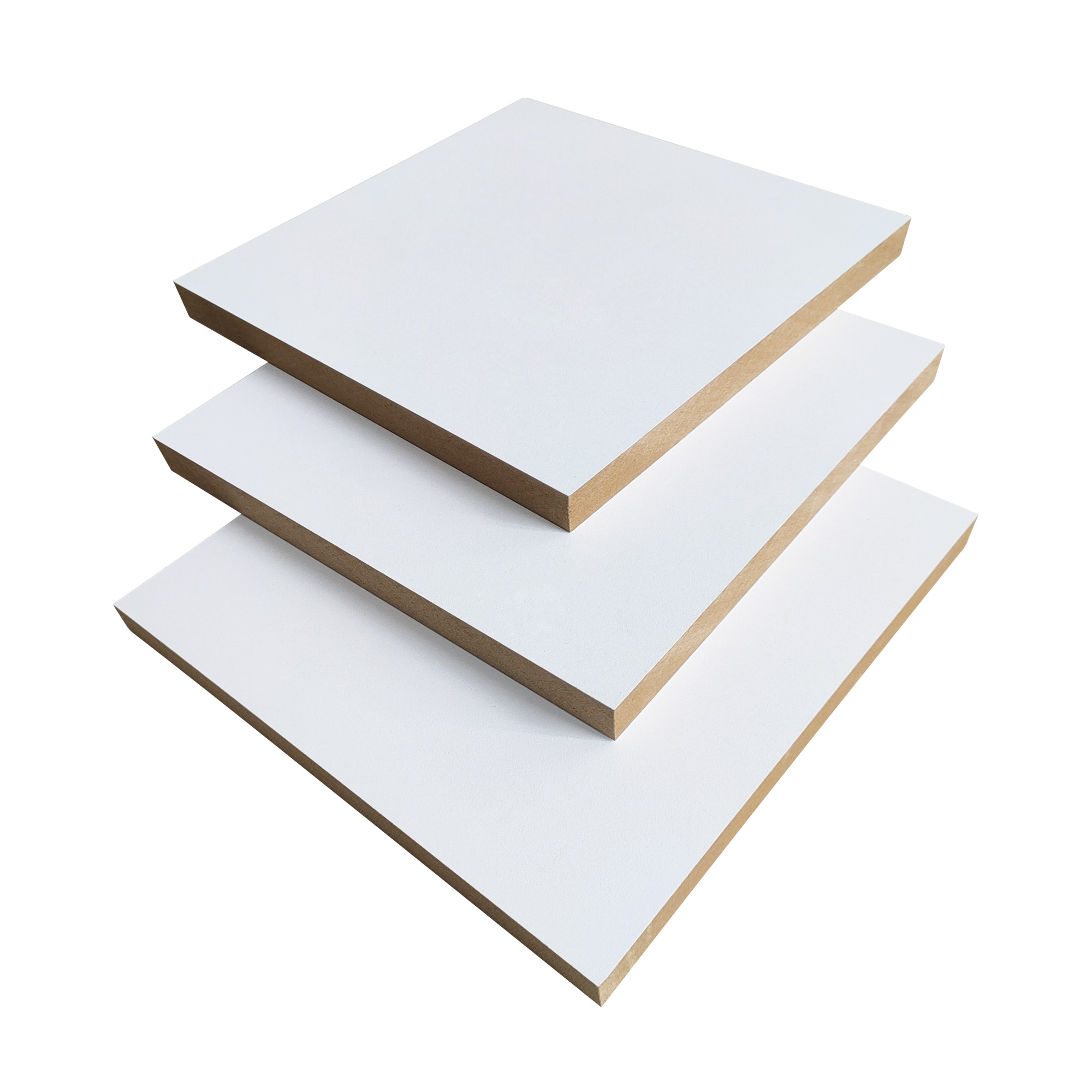
4x8ft White Melamine MDF Board
For cabinet interiors, wardrobe shelving and vanity units. Confirm the exact decor code, E0/E1 formaldehyde evidence and whether the project requests French A+/A documentation in addition to a commercial emission claim.

Melamine Coated Plywood 1200×2400×18mm
A plywood-core decorative panel for furniture, counters and fit-out where screw-holding and workshop handling matter. “Marine board” must be translated into an agreed glue line, core species and face grade before the order is placed.
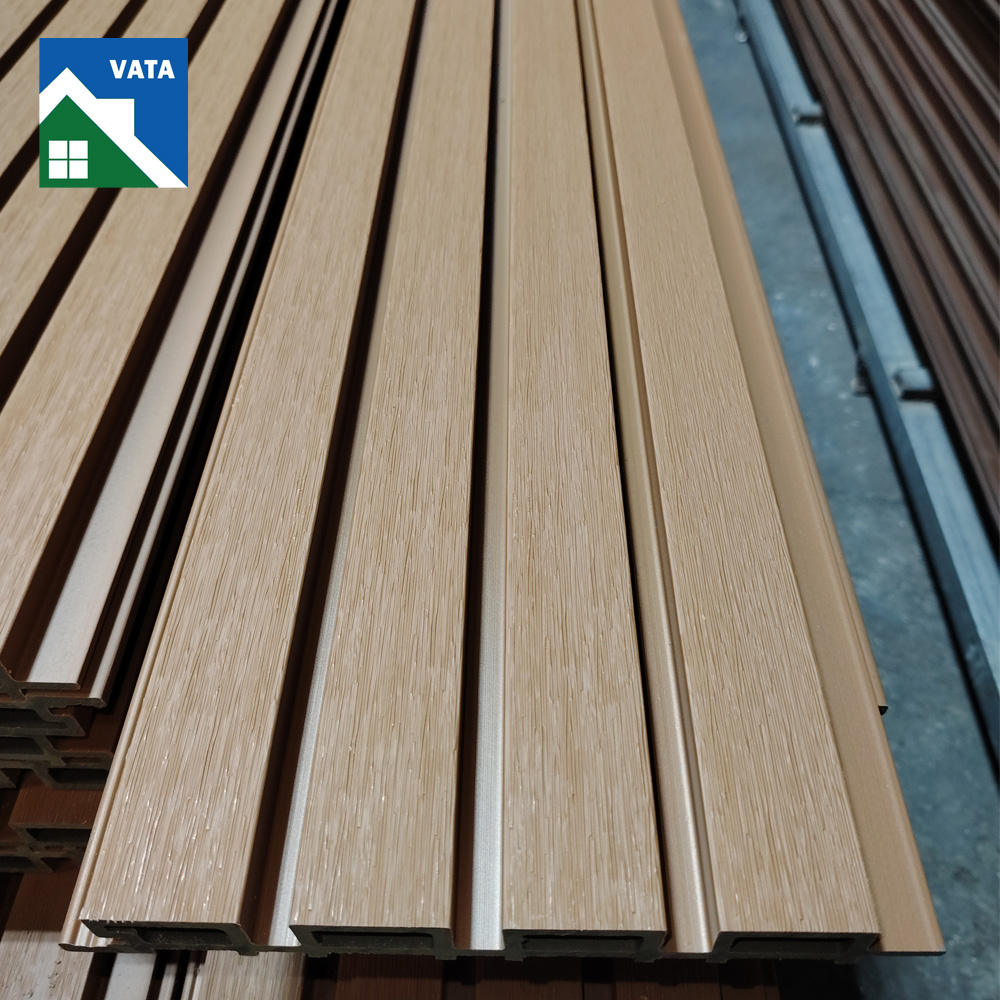
WPC Fluted Outdoor Wall Cladding Panel
For hotel terraces, retail façades and exterior feature walls. WPC gives a wood-look profile with lower maintenance than natural timber, but exterior performance depends on fixing design, ventilation and the project’s fire and weather requirements.
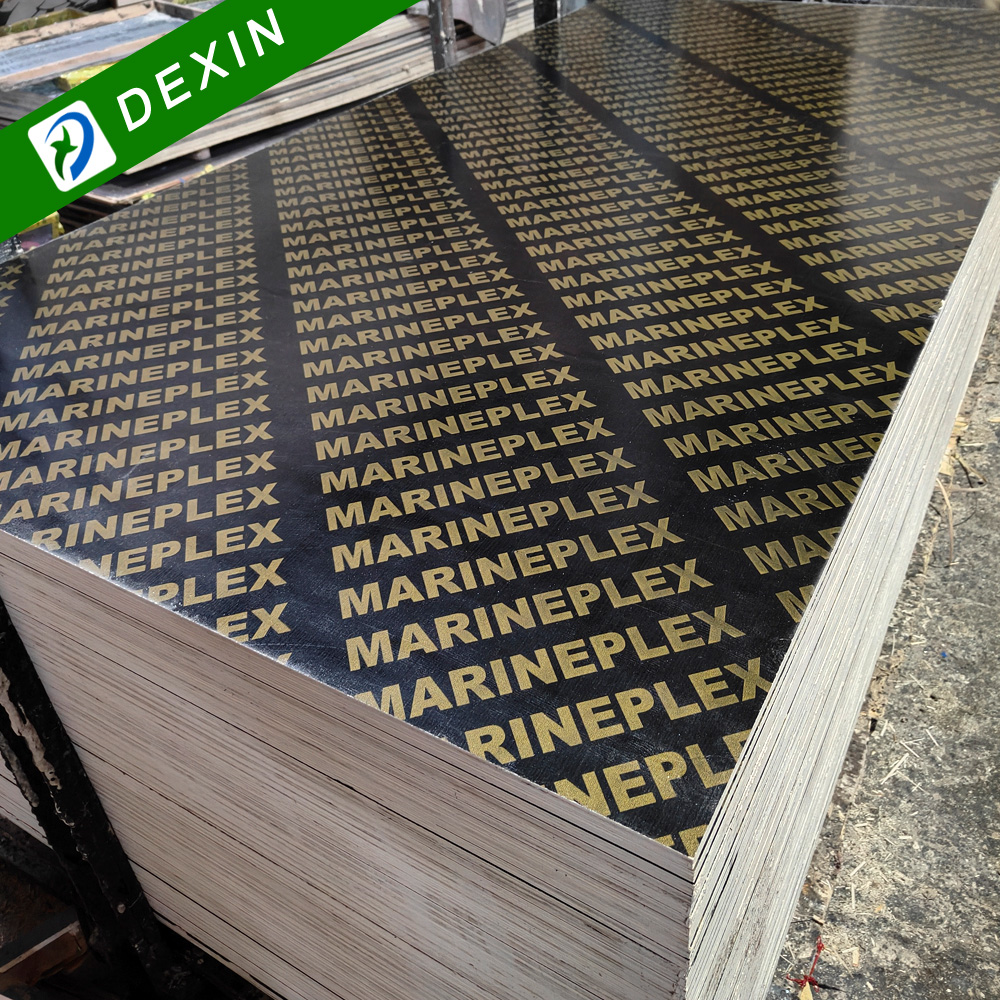
Black Film Faced Concrete Plywood
For concrete walls, slabs and civil works. French contractors typically ask for re-use cycles, film thickness, edge sealing and consistent panel dimensions; these details should be fixed in the quotation, not left as generic “construction plywood”.
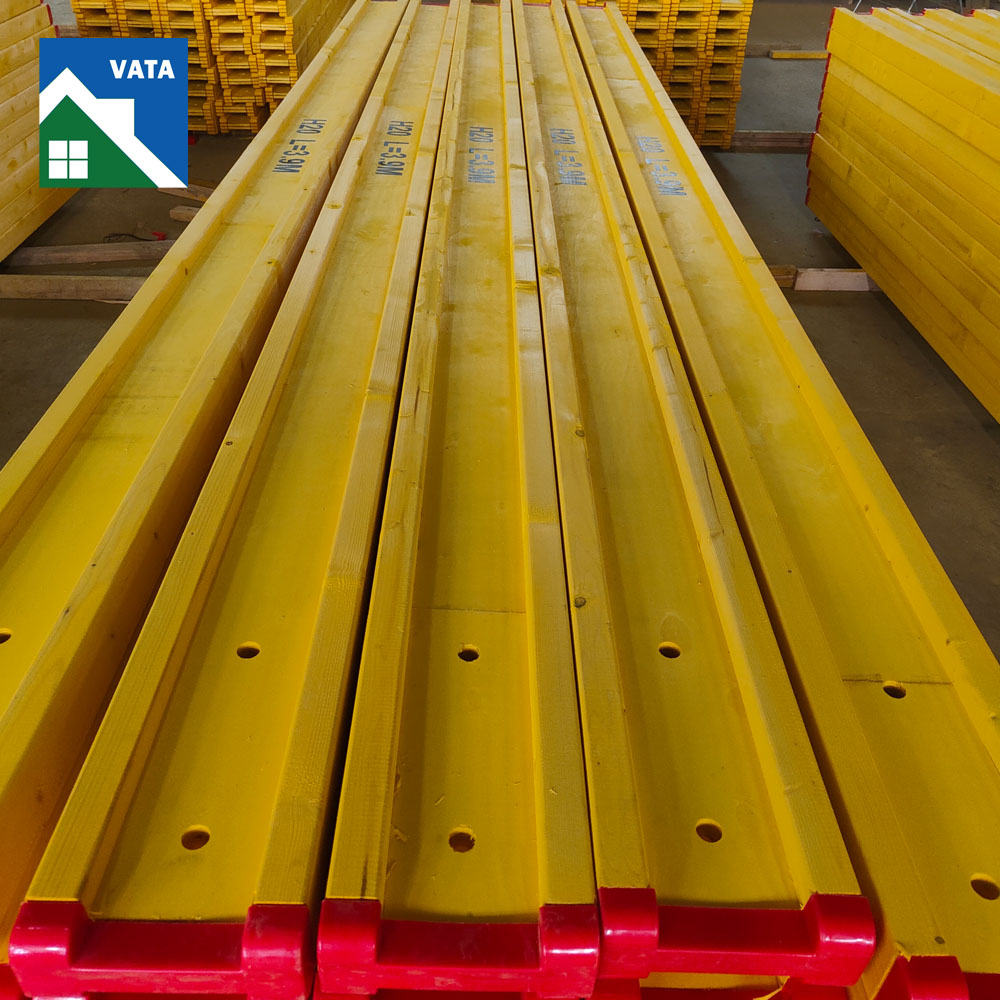
Reusable H20 Wooden Formwork Beam
H20 beams support cast-in-place concrete systems. Buyers should confirm straightness, end-cap protection and compatibility with the falsework system. When beams and panels ship together, the load plan must protect both products from edge damage.
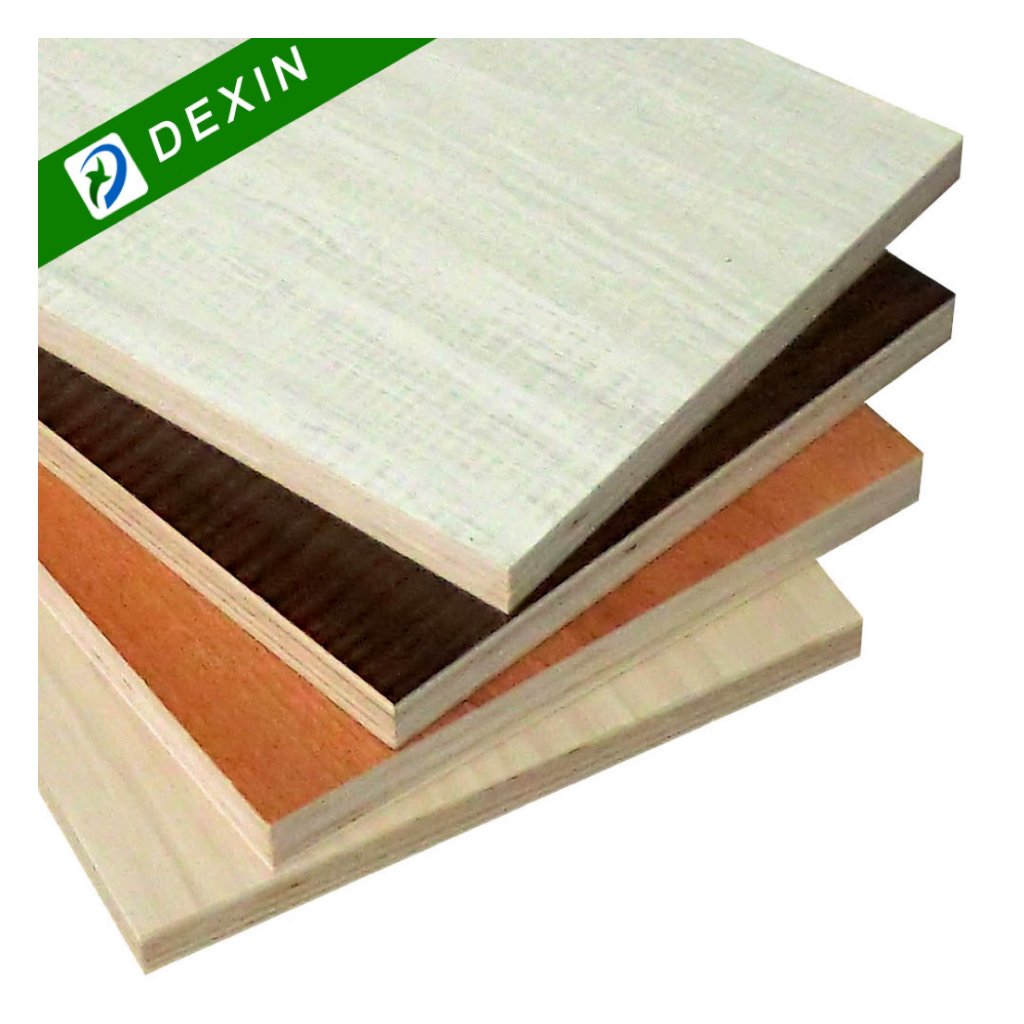
E0 Melamine Plywood for Furniture Cabinets
A low-emission decorative plywood for cabinets, shelving and contract furniture. Keep claims precise: E0 is a commercial low-emission description in many export conversations, while the French project may require a specific test report and French emission class.
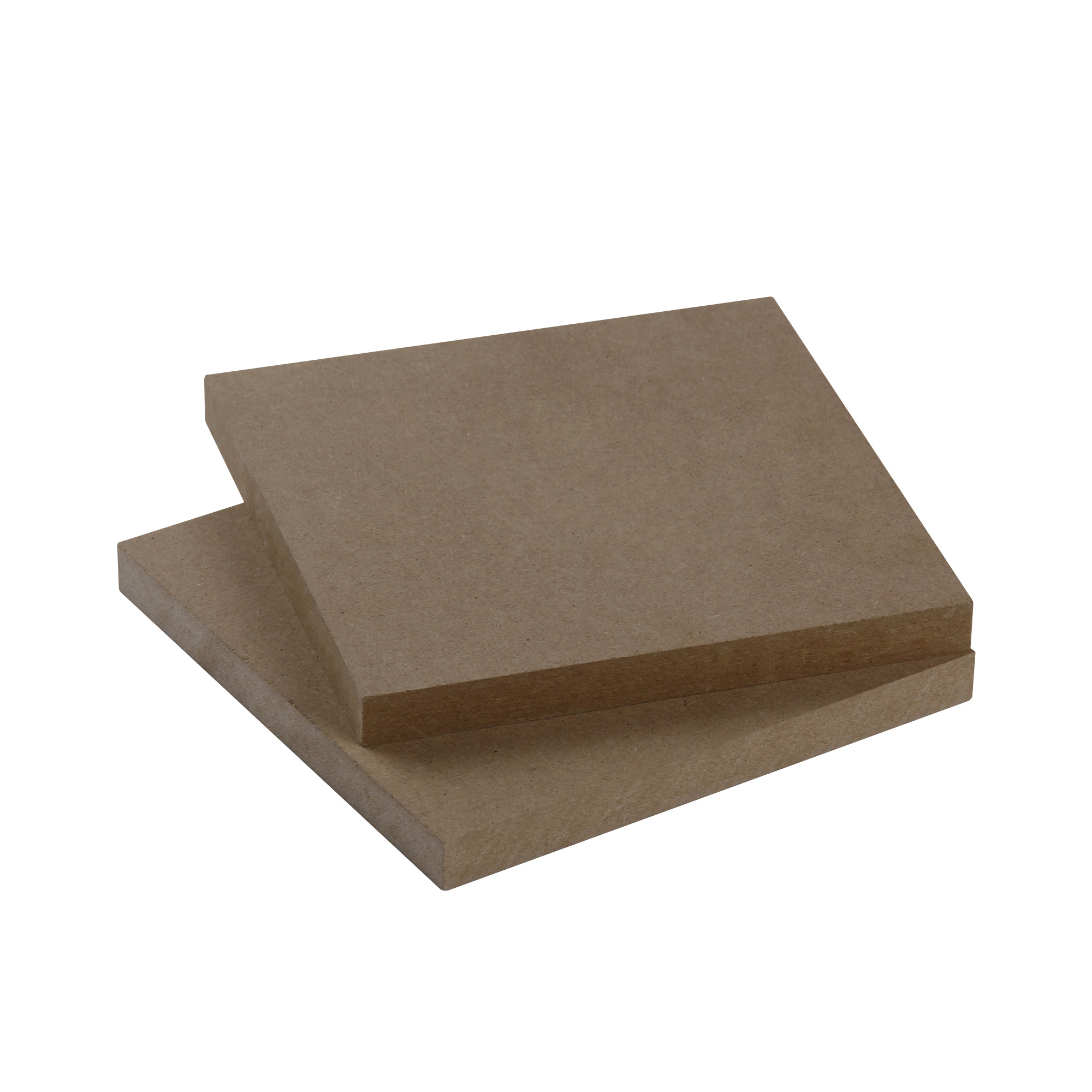
Moisture-Proof Plain Particle Board / MDF
A cost-controlled substrate for packaging, hidden carcass parts and price-sensitive furniture programmes. For French interiors, specify E1/E0 alternatives where required; E2 should not be presented as equivalent to a higher French market requirement.

Raw Thailand MDF Board E0/E1/E2
A raw MDF substrate for lamination, painting and CNC routing. Lock density, sanding tolerance and formaldehyde class for each SKU; E0, E1 and E2 offers are not interchangeable in a technical submittal or customer approval.
What French importers should verify before comparing melamine plywood prices
A lower quotation per sheet can become an expensive decision if the decor does not match, the formaldehyde evidence is unusable or the pallet arrives with swollen edges. The purchase specification must reflect the end use, not only the panel name.
Melamine faced plywood combines a wood-based core with decorative paper impregnated with melamine resin and pressed under heat. Final performance is created by the whole system: core grade and thickness tolerance, glue line, pressing pressure, surface resin, decor paper quality and edge sealing. For a French buyer, the useful comparison starts with the technical data sheet, formaldehyde class, decor code, panel dimensions and agreed packing method.
The most common claim mismatch surrounds “E0”. In Europe, E1 is the regulated class used in many wood-based panel applications; E0 is a commercial low-emission description used by some suppliers. France also applies its own formaldehyde labelling scale for certain products, commonly shown as A+, A, B and C. A reliable supplier will not tell you that these labels are automatically identical. It will ask for the end use, the project specification and the test method required, then issue the matching report.
For furniture and interior fit-out, also clarify the core. Poplar, eucalyptus, combi and pine cores can differ in density, weight, screw-holding and machining behaviour. Two panels with the same white melamine face may perform differently on a CNC line or in a humid bathroom. The specification should state core species, glue type, surface finish and tolerance, not only “18 mm melamine plywood”.
Finally, treat packaging as part of the product. A container from Qingdao to Le Havre or Fos-sur-Mer may pass through humid conditions. Corner protection, moisture barrier, pallet pattern and loading photos are not cosmetic details; they are part of the delivered cost and the claims record.
France compliance lens
- Formaldehyde: request E1/E0 evidence and the French A+/A class where the project specifies it.
- CE/EN 13986: confirm whether the panel and end use require CE marking and a Declaration of Performance.
- FSC/PEFC: check certificate scope, product group and claim transfer before printing a logo.
- REACH SVHC: ask for a declaration covering the exact decor and resin system.
- EUDR due diligence: provide timber information where applicable; obligations depend on the operator role.
- Fire reaction: Euroclass performance is project-specific; do not assume standard melamine meets B-s1,d0.
Decor batch and edgebanding
When a French kitchen or shopfitting programme needs matching edgebanding, order the panel and edge material against the same decor reference and approval sample. A later “same colour” request may face batch variation.
Core choice changes performance
A white melamine surface can hide different cores. Ask for the core species, density range, glue line and screw-holding expectation. This is especially important for doors, counters and bathroom furniture.
Packing protects margin
Sea freight damage often appears at panel edges and pallet corners. Specify corner boards, moisture-proof wrapping, pallet marks and container loading photos before shipment. This reduces disputes and rework after arrival.
Where melamine faced panels fit French projects
French buyers rarely purchase “a board” in isolation. They buy a surface and substrate that must survive a specific environment, match a design intent and satisfy the documentation requested by the project team.
Paris and Île-de-France kitchens
Compact apartments demand clean white and matte decors, consistent panel thickness and reliable edgebanding. For cabinet interiors, specify low-emission boards and verify the decor code before production.
Bathroom vanities and wet zones
Melamine faced plywood and MDF can work in vanity units, but cut edges must be sealed and the core must suit moisture exposure. Do not assume that a decorative face alone makes a panel suitable for wet areas.
Hotels and student housing
Contract furniture requires repeatable decors, scratch-resistant surfaces and clear batch control. For repeat phases, keep an approved sample and a written specification for every SKU.
Retail and shopfitting
Retail fit-outs need fast samples, precise panel sizes and fixtures that survive installation. Mixed containers of melamine plywood, raw MDF and decorative panels can support a phased store roll-out.
Office and education interiors
Low-formaldehyde documentation, durable surfaces and responsible timber sourcing are often part of the tender. Prepare a document pack rather than sending only a product photo and a price.
Construction and off-site work
Film faced plywood and H20 beams support concrete formwork and off-site construction. The buying decision is influenced by re-use cycles, load data, site handling and the reliability of delivery sequencing.
What is changing in French panel procurement
The direction is clear: more evidence, more customised decors, more mixed orders and greater attention to moisture protection during sea freight. Price remains important, but it is increasingly compared against the total risk of a claim.
From certificate to evidence
Buyers ask for product-specific test reports, REACH declarations, due-diligence information and clear claims. A logo on a website is not the same as a valid document for the exact panel being shipped.
Matte, synchronised and woodgrain decors
Kitchen and contract furniture programmes continue to move toward deep matte, fingerprint-resistant and synchronised woodgrain surfaces. The decor code, surface texture and edgebanding should be approved together.
Mixed containers and smaller replenishments
Importers balance working capital against freight cost. Combining melamine faced panels, raw MDF and construction boards in one container can support a broader catalogue without holding excessive stock.
Moisture-protected logistics
Sea freight from northern China to France can expose packaging to humidity changes. Sealed pallets, corner protection and loading photos help protect surface quality and reduce arrival disputes.
What KUDE screens before loading a France-bound panel order
Internal pre-shipment screening focus, shown for transparency. It is an indicative quality-control weighting, not a French market statistic.
Quick comparison for France-bound enquiries
Use this table to shortlist a panel family. Final thickness, tolerance, decor, glue and certification must be repeated on the proforma invoice and approved sample record.
| Panel family | Typical size | Thickness | Core / surface | Emission / glue | French project use |
|---|---|---|---|---|---|
| White melamine MDF | 1220×2440 mm / 4×8 ft | 3–18 mm | MDF core; white melamine face | E0/E1 option | Kitchen cabinets, wardrobe interiors, vanity units |
| Melamine coated plywood | 1200×2400 mm; custom | Custom | Plywood core; melamine face | E1 or project-specific | Furniture, counters, shopfitting |
| E0 melamine plywood | 1220×2440 mm | 3/12/18 mm | Plywood core; decorative face | E0/E1 option | Cabinets, shelving, contract interiors |
| Raw MDF / particle board | 1220×2440 mm | 3–25 mm | Raw MDF or moisture-proof particle board | E0/E1/E2 depending on use | Lamination, painting, CNC routing, hidden carcass |
| Film faced plywood | 1220×2440 mm | 9–25 mm | Plywood core; black/brown film | WBP phenolic | Concrete formwork, walls, slabs |
| WPC fluted cladding | Profile dependent | Profile dependent | Wood-plastic composite; woodgrain film | Waterproof composite | Exterior feature walls, terraces, hospitality |
Typical production ranges only. Tolerances, grades and test reports are confirmed per order and per destination-market requirement.
Why KUDE is a credible China partner for a France-focused panel programme
Linyi KUDE International Trading Co., Ltd. is the export platform of a wood-based panel manufacturing group founded in 1998 in Linyi, Shandong — China’s largest wood-based panel production cluster. The location supports access to veneer, glue, core materials and skilled panel processing.
Factory-direct production
30+ machine sets across peeling, gluing, hot pressing, sanding and laminating. The group operates 30,000 m² of workshops with 300+ workers and 60,000 m³ annual output.
Verified quality evidence
CE, ISO 9001, ISO 14001, FSC and CARB certifications are part of the group’s quality profile, and the supplier profile has passed an on-site SGS assessment. E0/E1/E2 options are matched to the order.
Customisation for France
Sample-based, design-based and full customisation of size, thickness, core, face, glue, decor, logo printing and export packaging. Mixed-product containers can be discussed after specification approval.
Export-ready communication
FOB, CFR, CIF and EXW terms; T/T and L/C payment in USD, EUR or CNY. Orders are shipped through northern China seaports such as Qingdao, with packing and loading photos available by agreement.

A manufacturing group inside China’s largest panel cluster
“Survival by quality, development by prestige” is the operating principle behind the group’s export platform. For French buyers, that principle becomes practical only when it is translated into written specifications, approved samples, inspection records and a loading plan.
The group has more than 20 years of production experience and 15 years of export experience. Its product range covers commercial plywood, film faced plywood, melamine plywood, fancy plywood, UV MDF, PET MDF, plain MDF, bamboo charcoal board, WPC wall panel and related wood-based panels.
- Group founded in 1998
- 30,000 m² workshops
- 300+ employees
- 60,000 m³ annual output
- CE, ISO, FSC, CARB profile
- SGS on-site assessment




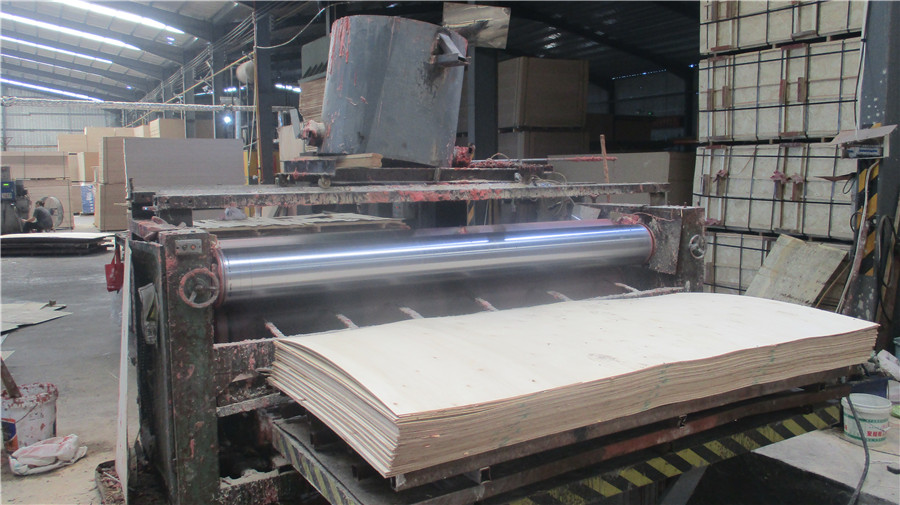

Six checkpoints from raw material to loaded container
For a France-bound order, quality control should create a traceable record: material, surface, dimensions, packing and loading. Each checkpoint supports either an approval decision or a corrective action before shipment.
Core and veneer selection
Veneer grading, core species, moisture and thickness are checked against the approved specification before gluing.
Gluing and hot pressing
Glue spread, pressing cycle and temperature are controlled to support bonding and surface stability for the panel type.
Sanding and lamination
Calibration sanding creates a consistent substrate. Melamine paper, film or decorative surface is pressed according to the approved decor sample.
Dimension and surface checks
Thickness, flatness, bonding, surface defects and edge condition are inspected against the order specification.
Export packing
Pallets, corner protection, moisture barrier, strapping and marks are prepared for sea freight and handling at the destination.
Loading and document check
Container condition, load pattern and packing photos are recorded. Commercial documents, packing list and agreed certificates are checked before departure.
Common questions from French importers and distributors
These answers reflect the practical questions raised in export discussions. Project-specific requirements should always be confirmed in writing with the final specification and order documents.
Can you supply melamine faced plywood that meets French formaldehyde requirements?
We can quote E0 and E1 options and provide available test evidence for the agreed product. Because French A+/A labelling, E1 and commercial E0 claims are not automatically interchangeable, send the exact project requirement and test method so the correct panel and document set can be confirmed.
What documents should a French buyer request with the order?
Typically: commercial invoice, packing list, bill of lading, certificate of origin where required, product technical data, formaldehyde test report where specified, FSC/PEFC claim documents if ordered, CE/DoP documents if applicable, and REACH or timber due-diligence information requested by the buyer.
What is the minimum order quantity and can products be mixed?
MOQ depends on the product line, typically from 50 to 500 sheets. After specifications are confirmed, several products can be combined in one container — for example melamine faced panels, raw MDF and film faced plywood — subject to load plan and packing requirements.
What lead time should we plan for a France shipment?
Production is commonly planned around 15–30 days after deposit and approval of specification or decor sample, but this varies with raw material, surface type, order quantity and season. Ocean transit and port handling should be added separately when comparing delivery dates.
Can you match decor and edgebanding for a furniture programme?
Yes, subject to the specific decor and edgeband range. The safest process is to approve a physical sample and record the decor code, surface finish, panel core and edgeband reference together. Repeat orders should refer to the same approved sample record.
How do you pack panels for sea freight to France?
Export packing can include moisture-proof wrapping, corner protection, pallet boards, steel or plastic strapping and buyer-specific marks. The exact method depends on panel type and container loading plan. Loading photos can be agreed as part of the order inspection record.
Which trade terms and payment methods do you accept?
We work on FOB, CFR, CIF and EXW terms, and accept T/T and L/C in USD, EUR or CNY. The appropriate term depends on the buyer’s freight arrangement, destination port and order value. Final terms are confirmed on the proforma invoice.
Is E2 particle board suitable for French interior projects?
Only if the project specification permits it. For interior furniture and sensitive spaces, we recommend E1/E0 options or a panel tested against the buyer’s required French documentation. We will not present E2 as equivalent to E1 or to a French A+/A label without supporting evidence.
Send a France-ready RFQ for melamine faced plywood
For a useful quotation, include panel type, size, thickness, decor or surface, core preference, quantity, formaldehyde or certificate requirement, destination port and expected delivery window. Our export team will reply with a technical proposal and the next steps for samples or production approval.