Sapele Plywood and 8 Complementary Product Lines
A Sapele plywood order often needs matching panels: 18 mm Sapele veneered plywood for visible doors, E0 melamine boards for wardrobe internals, moisture-resistant MDF for wet areas and film faced plywood for site protection. The eight product families below are the practical add-ons we quote most often for Istanbul buyers.
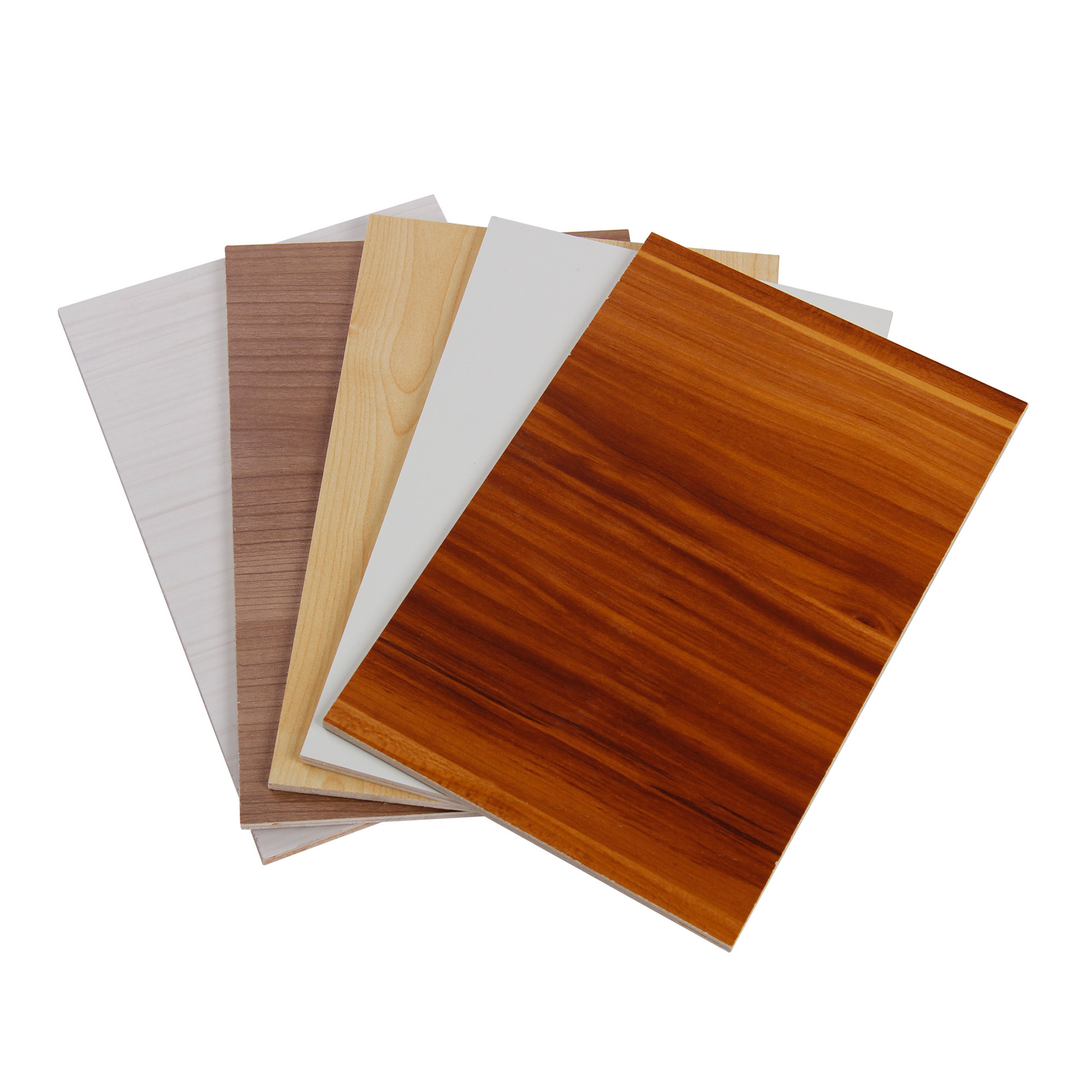
12mm 15mm 16mm 18mm Melamine Wood Board Plywood for Furniture Making
Stable melamine-faced board for wardrobes, cabinet carcasses and office furniture. Pair natural Sapele veneer doors with neutral melamine internals to balance appearance and budget.
- 12–18 mm
- 1220×2440 mm
- E0 / E1
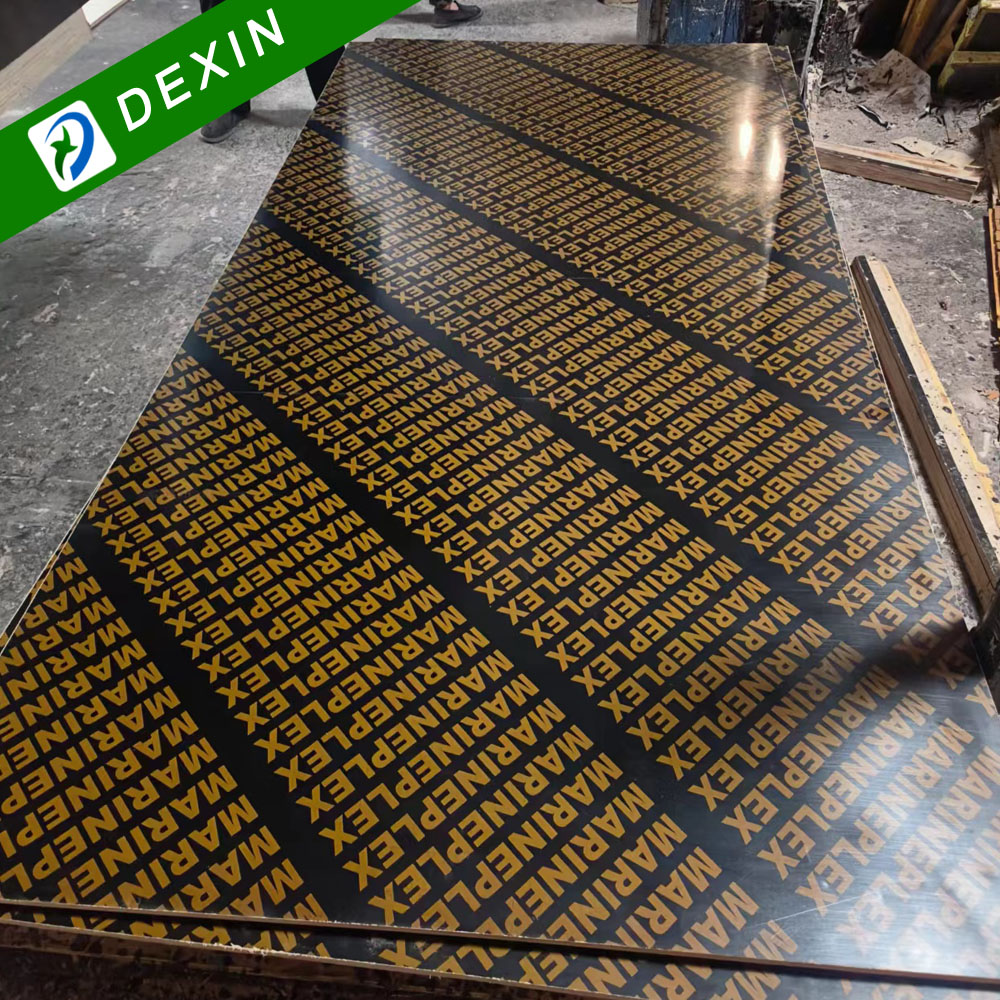
1220*2440* 15mm / 9mm / 12mm / 18mm Film Faced Plywood Marine Construction Formwork Board
Phenolic film faced plywood for concrete formwork and site protection. Useful for Istanbul contractors managing dense urban projects where repeat pours and clean finishes matter.
- 9–18 mm
- WBP glue
- Formwork
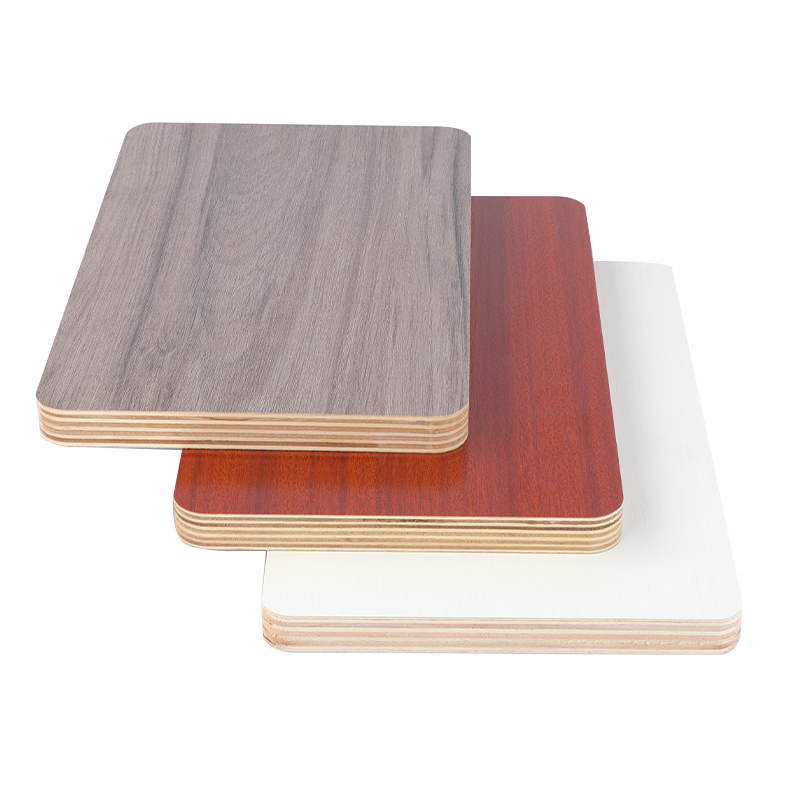
E2/E1/E0 Grade Solid Color and Wood Grain Marine Melamine Plywood Price Philippines From China
Melamine plywood with solid colour and woodgrain faces. A cost-controlled surface for rental apartment kitchens, hotel back-of-house joinery and retail counters.
- E0 / E1 / E2
- Wood grain
- 1220×2440 mm
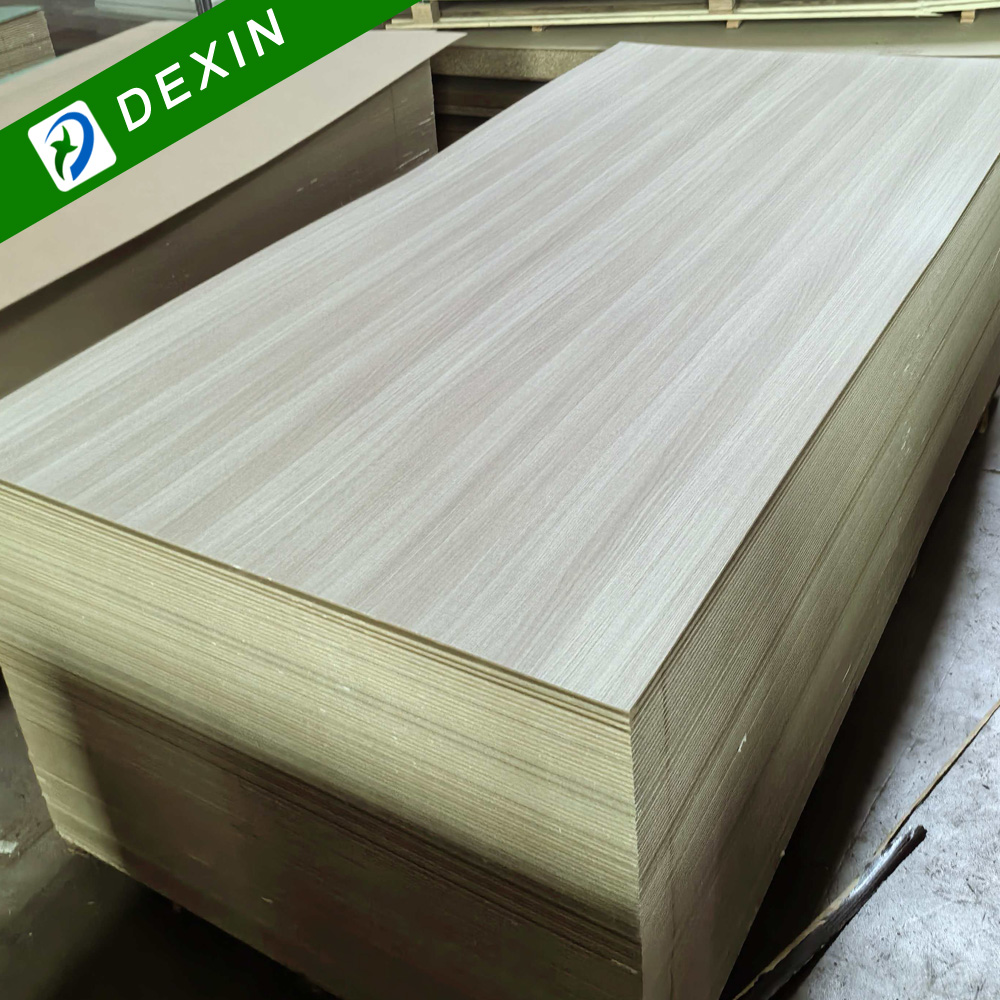
Moisture Resistant 4mm 15mm 17mm 18mm Melamine MDF Wood Panels 1220x2440mm White Textured MDF Melamine
Moisture-resistant MDF with white texture melamine. Suitable for bathroom vanities, kitchen cabinet internals and humid interior zones when edges are properly sealed.
- HMR MDF
- White texture
- 4–18 mm
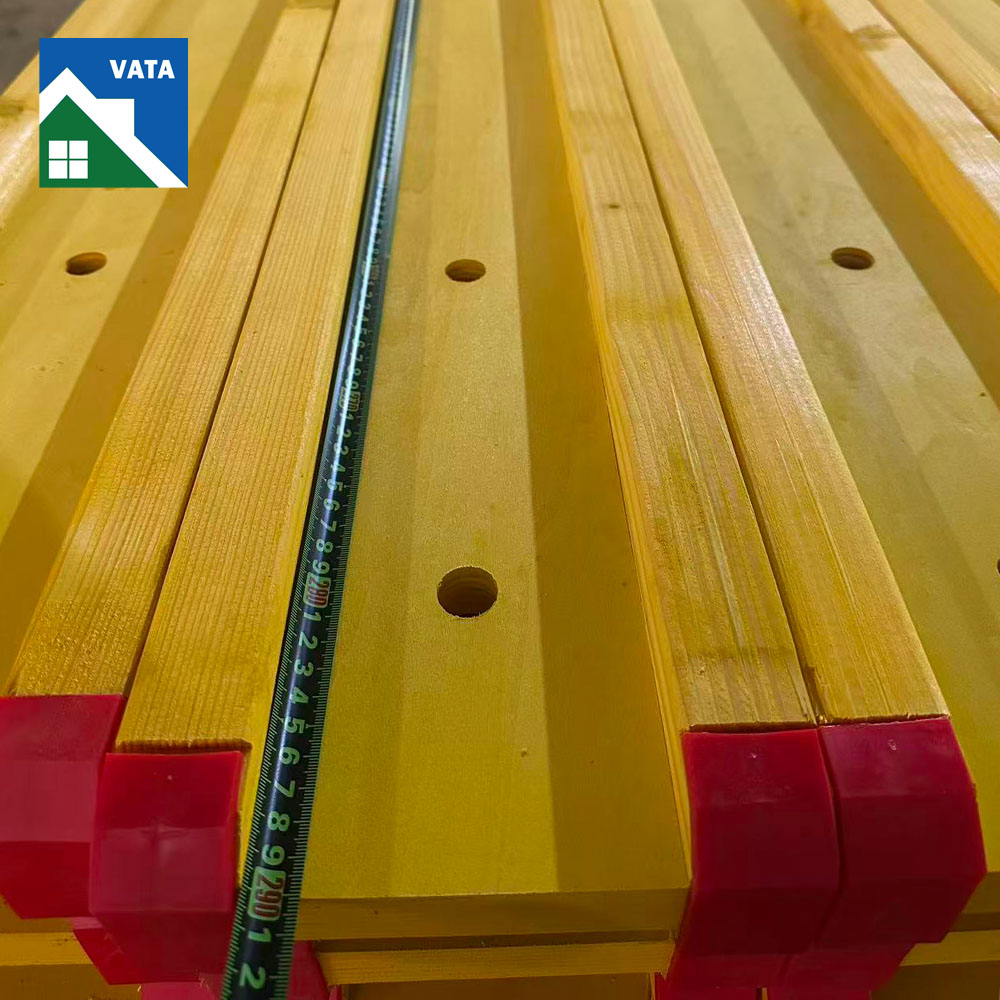
Custom Exterior Use Stable Timber Formwork Beams with WBP Glue Pine or Spruce Flange for Wall Formwork
Formwork beams with pine or spruce flange and WBP glue for wall systems. Combine with film faced plywood for organised concrete finishes and repeatable site workflows.
- WBP glue
- Custom sizes
- Wall formwork
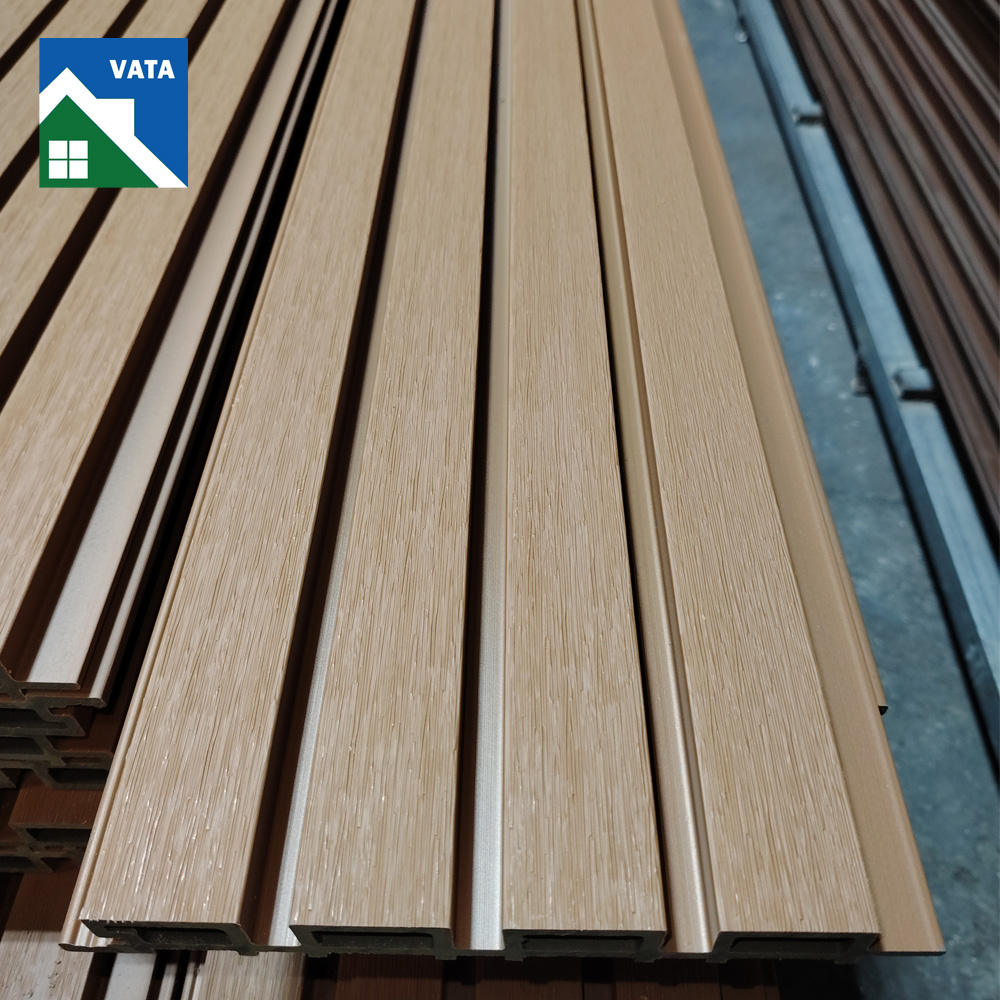
Decorative Outdoor Wood Plastic Composite Partition WPC Fluted Wall Panel Board External Siding Cladding Exterior Wall Cladding
Fluted WPC cladding for facades, partitions and feature walls. A low-maintenance decorative option for hospitality, retail and residential exteriors.
- Waterproof
- Fluted profile
- Exterior use
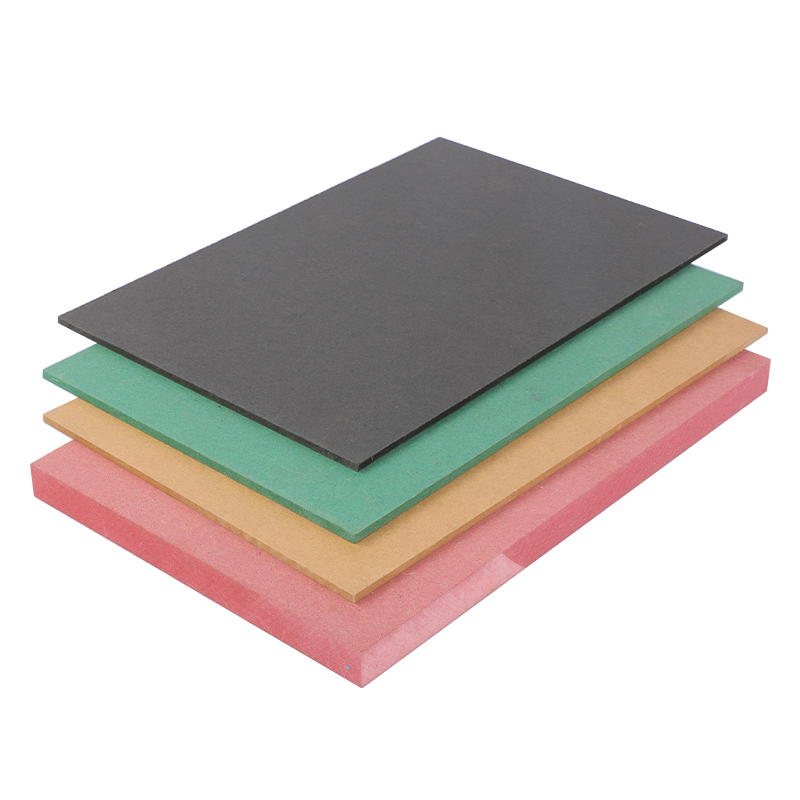
High Quality 3mm~18mm Raw/Plain MDF Sheet with Best Price
Raw MDF for painting, CNC routing and laminating. Specify E0/E1 and HMR where Istanbul humidity may affect internals, then finish with Sapele veneer or melamine.
- 3–18 mm
- Raw MDF
- E0 / E1
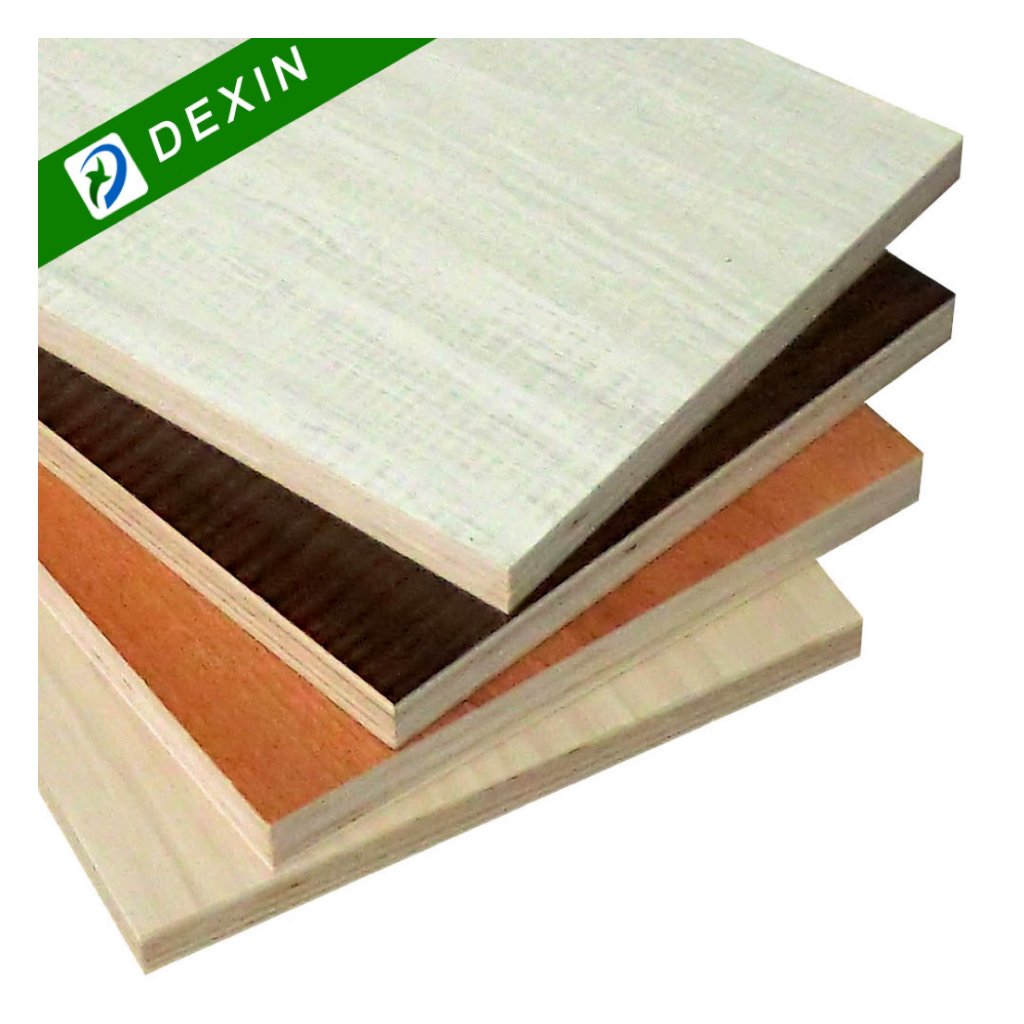
3mm 12mm 18mm E0 First-Class Melamine Contrachapado/Kontrplak 4x8 Paneles Laminas De Melamina Plywood for Furniture Cabinet Use
E0 melamine plywood in 3 mm, 12 mm and 18 mm for cabinets and furniture. Combine with Sapele veneer doors for a high-value, lower-emission interior package.
- E0
- 4×8 ft
- Cabinet use
What Makes Sapele Plywood a Strong Fit for Istanbul Interiors?
Understand the Veneer, the Core and the Glue Line
Sapele is an African hardwood whose reddish-brown heartwood, interlocked grain and ribbon-stripe figure give interiors a warm, premium look without the price volatility of some European hardwoods. In plywood form, Sapele is generally used as a decorative face and back veneer over a plywood core. That distinction matters: the visible veneer sells the design, while the core, glue line, sanding and moisture content determine whether the panel stays flat in an Istanbul kitchen, hotel lobby or wardrobe installation.
For Istanbul, the specification conversation should start with the building. In dry apartment interiors, an MR-glued Sapele plywood with E1 or E0 emission is often sufficient. In bathrooms, laundry rooms, coastal hotels and food-service counters, specify WBP glue, sealed edges and moisture-resistant substrates. For lobby walls and reception counters, book-matched veneer and consistent face grade create the visible value; for hidden cabinet parts, melamine or raw MDF can protect the budget.
A reliable China Sapele plywood manufacturer should provide more than a photo of a veneer stack. Ask for face-grade samples, core photos, glue type, thickness tolerance, formaldehyde grade, packing method and loading plan. KUDE combines 25+ years in wood panels with export experience in 30+ countries, so Istanbul buyers can compare a complete specification rather than a single FOB price.
Note: decorative Sapele plywood is commonly used for interior joinery, furniture and wall panelling. For structural, exterior or marine applications, request an engineered specification and project-specific test evidence; a furniture-grade veneer does not automatically equal structural or exterior performance.
Istanbul Specification Snapshot
- Face: Sapele veneer; A/A, A/B or approved sample; book-matched or random match by project.
- Core: poplar, eucalyptus, combi or birch, with calibrated thickness and flatness.
- Glue: MR for dry interiors; WBP for higher humidity or coastal interior joinery.
- Emission: E0 or E1 available; confirm the grade the specifier and customs broker require.
- Size: 1220×2440 mm standard; cut-to-size subject to MOQ and drawing approval.
- Thickness: 3 mm, 5 mm, 12 mm, 18 mm and 25 mm options depending on core and construction.
Face Veneer & Colour
Sapele heartwood ranges from golden red to deep mahogany. Approve a physical sample under the project lighting, because screen colour is not a quality standard.
Core & Glue Line
Poplar, eucalyptus, combi and birch cores are available. For Istanbul bathrooms or coastal projects, consider WBP glue and edge sealing.
Emission & Compliance
E0 and E1 options are available, with CE, FSC, CARB and ISO-aligned documentation. Confirm exactly which certificate your project requires.
Calibration & Packing
Thickness tolerance, flatness, sanding and seaworthy pallets matter as much as veneer. Request loading photos and a container plan before shipment.
Recommended Sapele Plywood Thicknesses for Istanbul Buyers
Thickness should follow the joinery detail, not only the price list. These recommendations help Istanbul furniture makers, contractors and distributors shortlist the right Sapele plywood before requesting a quotation.
3–5 mm Sapele Plywood
Used for cabinet backs, drawer bottoms, thin decorative skins and curved panel experiments. Specify a stable core and avoid unsupported spans; thin panels need proper framing.
12 mm Sapele Plywood
Practical for shelves, wardrobe internals, drawer boxes and smaller furniture parts. Combine with 18 mm carcasses where load-bearing capacity and rigidity are required.
18 mm Sapele Plywood
The common choice for kitchen carcasses, wardrobe doors, desks, retail counters and reception units. Confirm face grade, edge treatment and matching veneer before production.
25 mm Sapele Plywood
Suitable for feature worktops, heavy shelving and statement reception counters when the construction allows. Discuss substrate, fixings and expected loading with the specifier.
Where Sapele Plywood Fits in Istanbul Projects
Istanbul combines dense apartment renovation, hospitality investment, retail renewal and a strong furniture-making base. Sapele plywood works best when the visible face, moisture exposure and production method are specified together.
Fitted Wardrobes & Hallway Joinery
Older apartment interiors are continually refurbished with new wardrobes, media walls and storage. Use 18 mm Sapele plywood for visible carcasses and doors, 12 mm for shelves, and melamine or raw MDF for hidden internals.
Kitchen Cabinets & Island Panels
Moisture exposure around sinks, dishwashers and hobs calls for controlled glue, sealed edges and moisture-aware detailing. Where required, use WBP Sapele plywood or HMR MDF internals with matching edge banding.
Hotels, Cafés & Retail Fit-Outs
Lobbies, reception desks, restaurant wall panels and display fixtures benefit from book-matched Sapele faces. Approve shop drawings, veneer samples and mock-up photos before bulk production.
Office & Co-Working Furniture
Desks, meeting tables and storage units use Sapele veneer for a calm, premium texture. E0 or E1 boards can support indoor air quality goals in densely occupied working environments.
Interior Doors & Wall Panelling
Sapele plywood can be used as door skins or wall panels where the construction allows. Confirm fire, acoustic and finish requirements with the project specifier; decorative veneer alone does not deliver fire performance.
Yacht & Coastal Interior Joinery
Around Istanbul’s marinas, Sapele faces on WBP-glued plywood can suit interior cabinetry and trim after proper sealing. For exterior or structural marine use, request a dedicated marine specification and test evidence.
What Is Changing in Sapele Plywood Demand in Istanbul?
Buyers are moving from “lowest price per sheet” to “predictable landed cost with documentation, finish consistency and moisture control.” These trends shape how a China Sapele plywood exporter should support the Istanbul market.
Renovation-Led Demand
Istanbul’s older residential buildings are being upgraded with new kitchens, wardrobes, doors and wall panelling. Buyers want consistent board sizes, fast replenishment and mixed container loads rather than single-product shipments.
Hospitality & Branded Interiors
Hotels, cafés, showrooms and branded residences seek warm hardwood looks for social-ready spaces. Sapele’s ribbon grain offers a distinctive alternative to oak and walnut, especially for feature walls and reception counters.
Low-Emission Specification
E0, E1 and low-formaldehyde glue lines are increasingly requested by developers, operators and tenants. Offer a complete emissions file instead of a single certificate, and match the grade to the destination requirement.
Compliance-Led Sourcing
Istanbul importers compare landed cost, not only unit price. CE and FSC paperwork, ISPM 15 packing, container loading, thickness tolerance and after-sales response influence repeat orders and supplier selection.
Why Istanbul Buyers Choose KUDE as a China Sapele Plywood Partner
Linyi KUDE International Trading Co., Ltd. is the export platform of a wood-based panel manufacturing group founded in 1998 in Linyi, Shandong, China’s largest man-made board cluster. More than 30 machine sets, 30,000 m² of workshops, 300+ workers and annual output of 60,000 m³ support consistent supply of plywood, MDF, blockboard and decorative panels.
Own Production Lines
30+ machine sets covering peeling, gluing, hot pressing, sanding and laminating. This supports consistent thickness, surface quality and repeat orders for Istanbul distributors.
Verified Quality
The group holds CE, ISO 9001, ISO 14001, FSC and CARB certifications, and our supplier profile has passed an on-site assessment by SGS. E0, E1 and E2 grades are available by product.
Flexible Customization
Sample-based, design-based or full customization of size, thickness, core species, face veneer, decor, glue type, logo printing and export packaging for Istanbul projects.
Export-Ready Logistics
FOB, CFR, CIF and EXW terms; T/T and L/C payment; seaworthy pallet packing and full export documentation. Shipping is coordinated through northern China ports such as Qingdao.
From Raw Veneer to Loaded Container
Five checkpoints help protect face quality, bonding and delivery condition before a Sapele plywood container leaves Linyi.
Material Selection
Veneer grading, moisture checks and core review before gluing.
Gluing & Pressing
Controlled glue spread and cold or hot pressing cycles.
Sanding & Surfacing
Calibrated sanding, lamination or protective film overlay.
Inspection
Thickness, flatness, bonding and surface checks before packing.
Packing & Loading
Export pallets, steel straps, corner protection and loading photos.
A Practical Sapele Plywood Checklist for Istanbul Importers
Use this checklist to compare two or three China suppliers on the same basis. It reduces surprises when the container reaches Istanbul and helps your team defend the specification internally.
Documents to Request Before Ordering
Ask for documents that match the exact product being quoted, not only general company certificates.
- Face-grade sample photos and a physical veneer sample for Sapele colour and grain approval.
- Product specification sheet with thickness, size, core, face/back, glue and emission grade.
- CE, FSC, CARB and ISO-related documents as applicable to your project and customs broker.
- Formaldehyde or emissions test report where E0 or E1 is specified.
- Packing drawing, pallet protection details and container loading plan.
- Commercial invoice, packing list, certificate of origin and ISPM 15 packing confirmation.
Inspection Points Before Shipment
For visible Sapele veneer, inspect the panels as a finished interior element, not only as a commodity board.
- Face and back veneer colour consistency, grain direction and book-match alignment.
- Sanding quality, flatness, thickness tolerance and edge condition.
- Glue line integrity and moisture protection at pallet edges and corners.
- Labels, item codes, quantities and packing match the approved order list.
- Container loading photos showing steel straps, corner protection and moisture control.
- Pre-shipment inspection record signed off by the supplier before departure.
Common Questions About Sapele Plywood Sourcing from China
These are the questions we receive most often from Istanbul furniture factories, contractors, importers and distributors. Ask for a written answer against your own project specification before placing a deposit.
Can you supply Sapele plywood specifically to Istanbul, not only standard plywood?+
What is the minimum order quantity for Sapele plywood to Istanbul?+
Which glue should I choose for Istanbul’s humidity?+
Which emission grade is suitable for Istanbul apartments and hotels?+
What documents can you provide for an Istanbul import?+
How are Sapele plywood panels packed and shipped to Istanbul?+
Can I mix Sapele plywood with melamine, MDF, film faced or WPC products?+
Can you customize size, thickness, veneer matching, logo and packaging?+
What trade terms and payment methods do you accept?+
How can an Istanbul buyer approve a Sapele veneer sample before production?+
Ready to Specify Sapele Plywood for an Istanbul Project?
Send your face grade, thickness, core, glue, emission requirement and destination port. Our export team will return a catalogue, specification sheet and container plan for your Istanbul project.
info@kudeplywood.com