8 White Melamine MDF & Engineered Panel Products for Toulouse Buyers
Compare the most requested panel formats for furniture, cabinetry, wall formwork and interior fit-out. Product links are preserved exactly so your technical team can review specifications before requesting a mixed-container quotation.
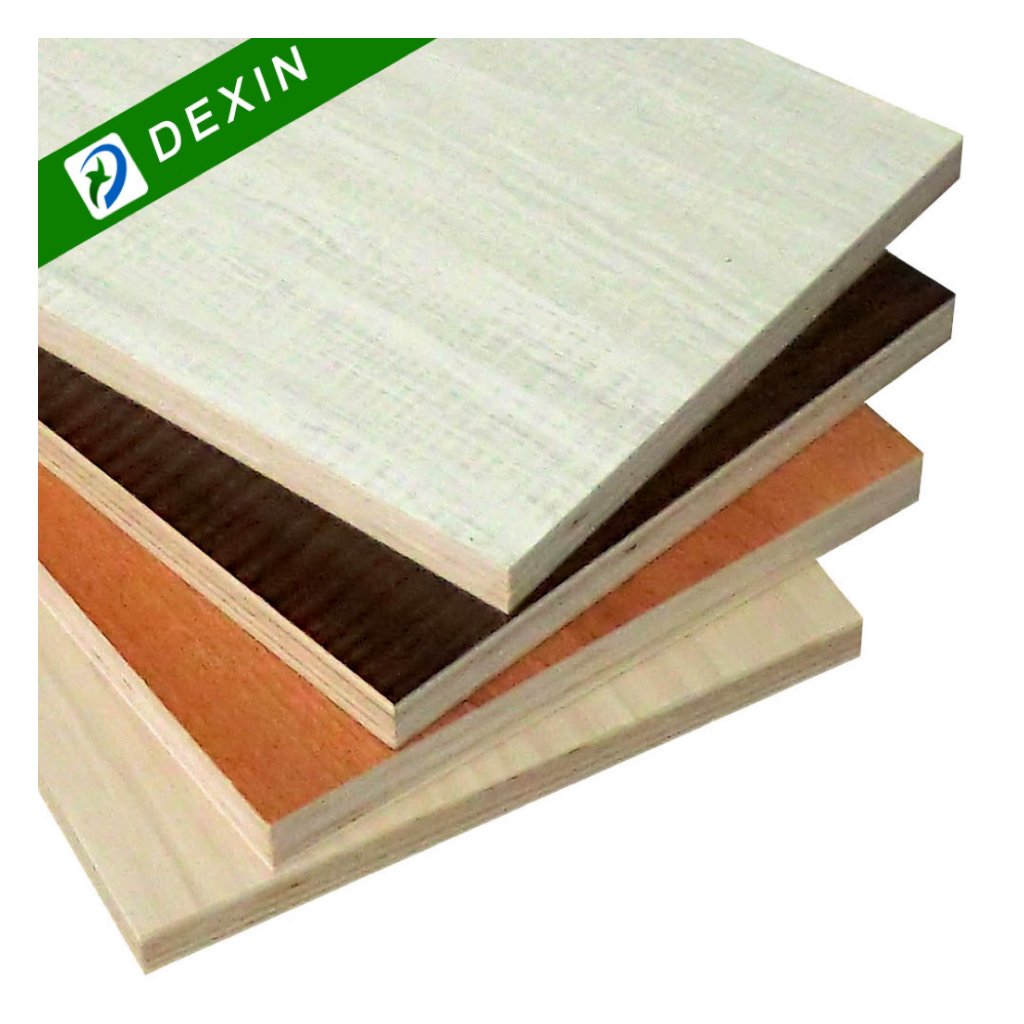
3mm 12mm 18mm E0 First-Class Melamine Contrachapado/Kontrplak 4x8 Paneles Laminas De Melamina Plywood for Furniture Cabinet Use
E0-grade melamine-faced plywood in 4x8 formats for cabinet carcasses, shelving and furniture components requiring a clean decorative surface.
View product details →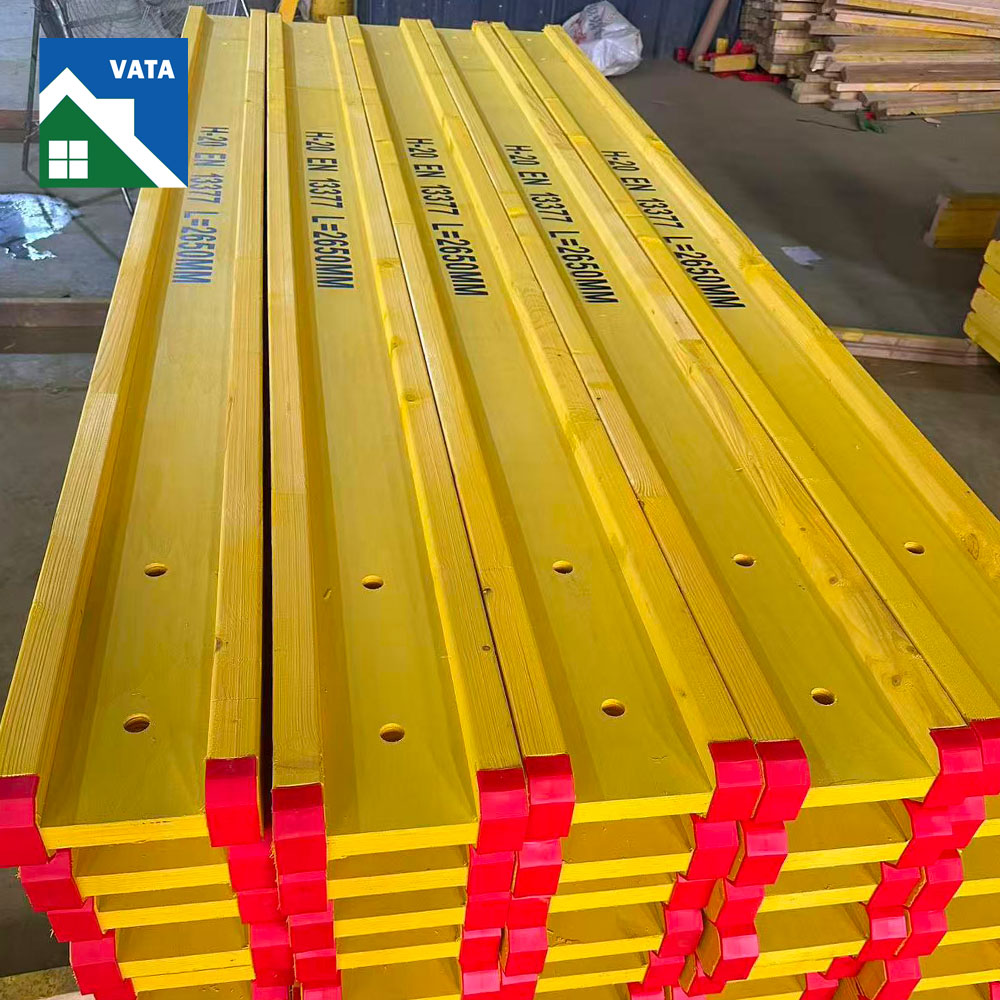
Factory Direct High Strength H20 Timber Beam Waterproof LVL Structural I Beams for Concrete Formwork
Waterproof H20 LVL beams for concrete formwork systems, offering stable strength and repeat-use performance on demanding construction sites.
View product details →
16mm 15mm 12mm 18mm Eco-Friendly Modern MDF Board with Blanco Single/Double Sided Melamine Covering for Cabinet
White single- or double-sided melamine MDF for cabinets, wardrobes and office furniture where colour consistency and low emission matter.
View product details →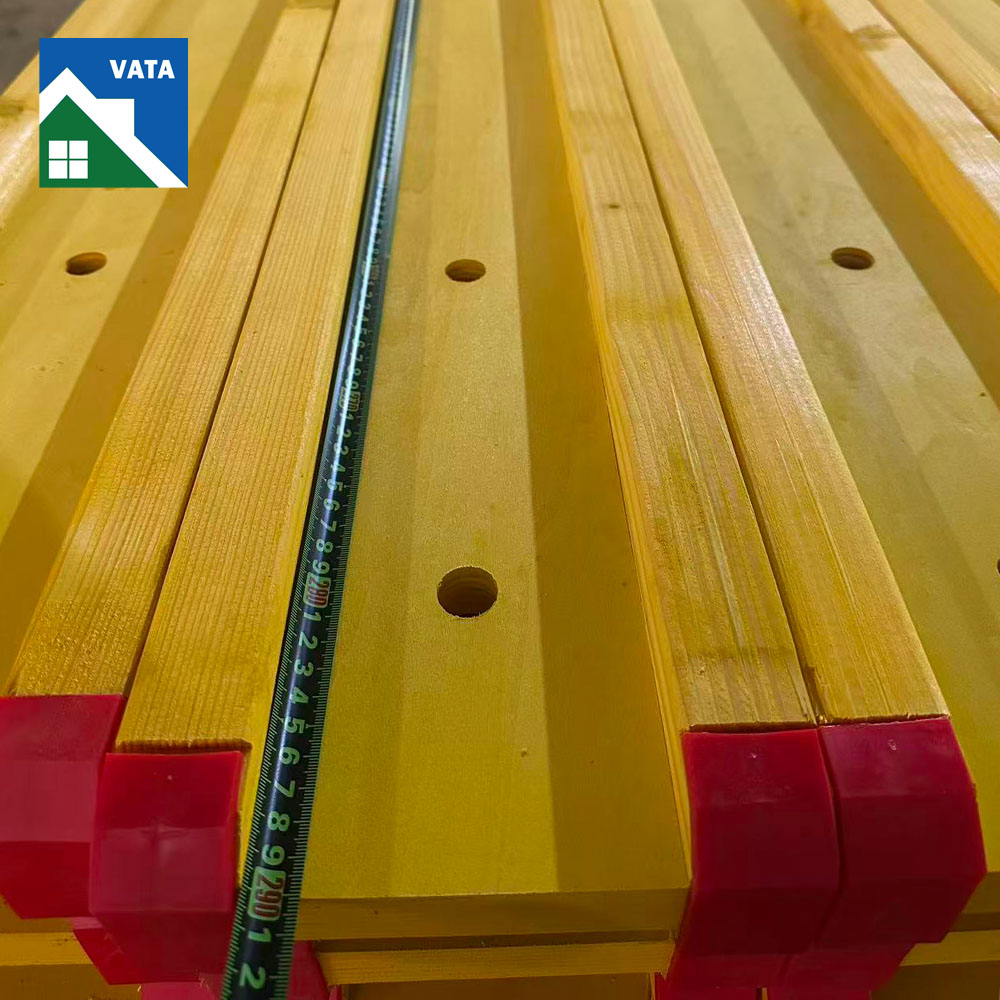
Custom Exterior Use Stable Timber Formwork Beams with WBP Glue Pine or Spruce Flange for Wall Formwork
Customized exterior-use timber formwork beams with WBP glue for wall and slab formwork projects requiring dependable dimensional stability.
View product details →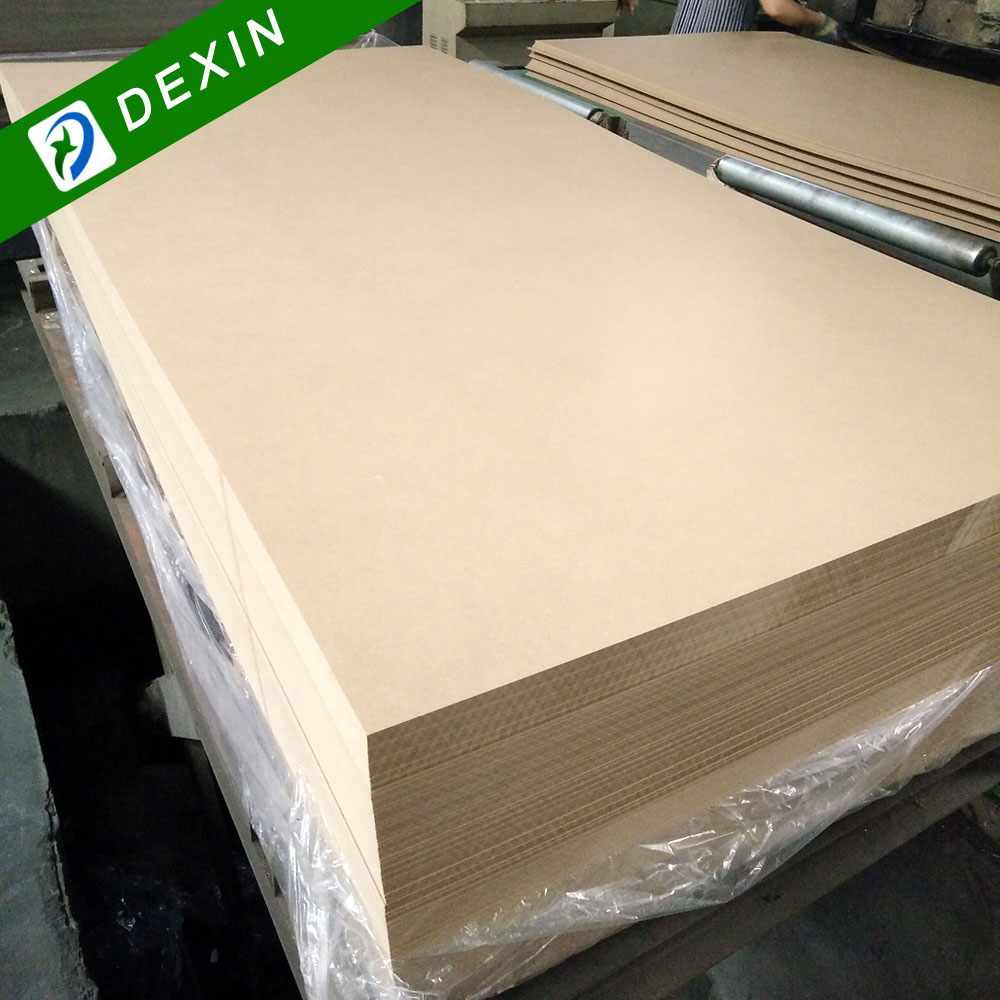
3mm, 12mm, 15mm, 18mm Raw/ Plain MDF Board for Furniture Decoration
Raw plain MDF for painting, laminating, CNC routing and furniture decoration, available in multiple thicknesses for workshop flexibility.
View product details →
Good Price 1200x2400x18mm Melamine Coated Plywood Custom Thickness Marine Board for Furniture
Melamine-coated marine plywood boards in 1200x2400x18mm and custom thicknesses for furniture requiring stronger moisture tolerance.
View product details →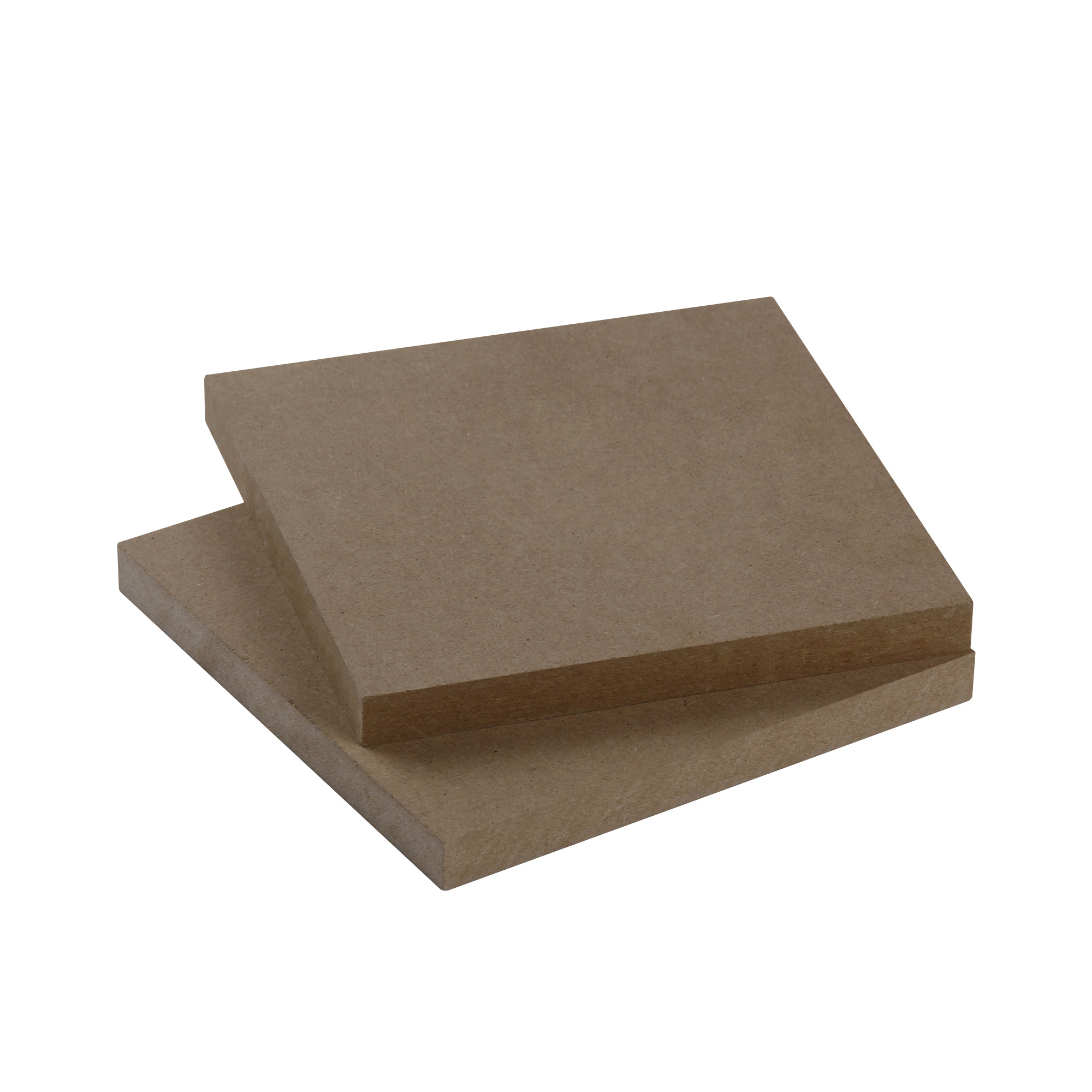
Dexin First-Class Plain Particle Board & MDF Wood Board E2 Emission Moisture-Proof for Bangladesh
Moisture-proof particle board and MDF for budget-sensitive furniture production and interior projects requiring reliable machining.
View product details →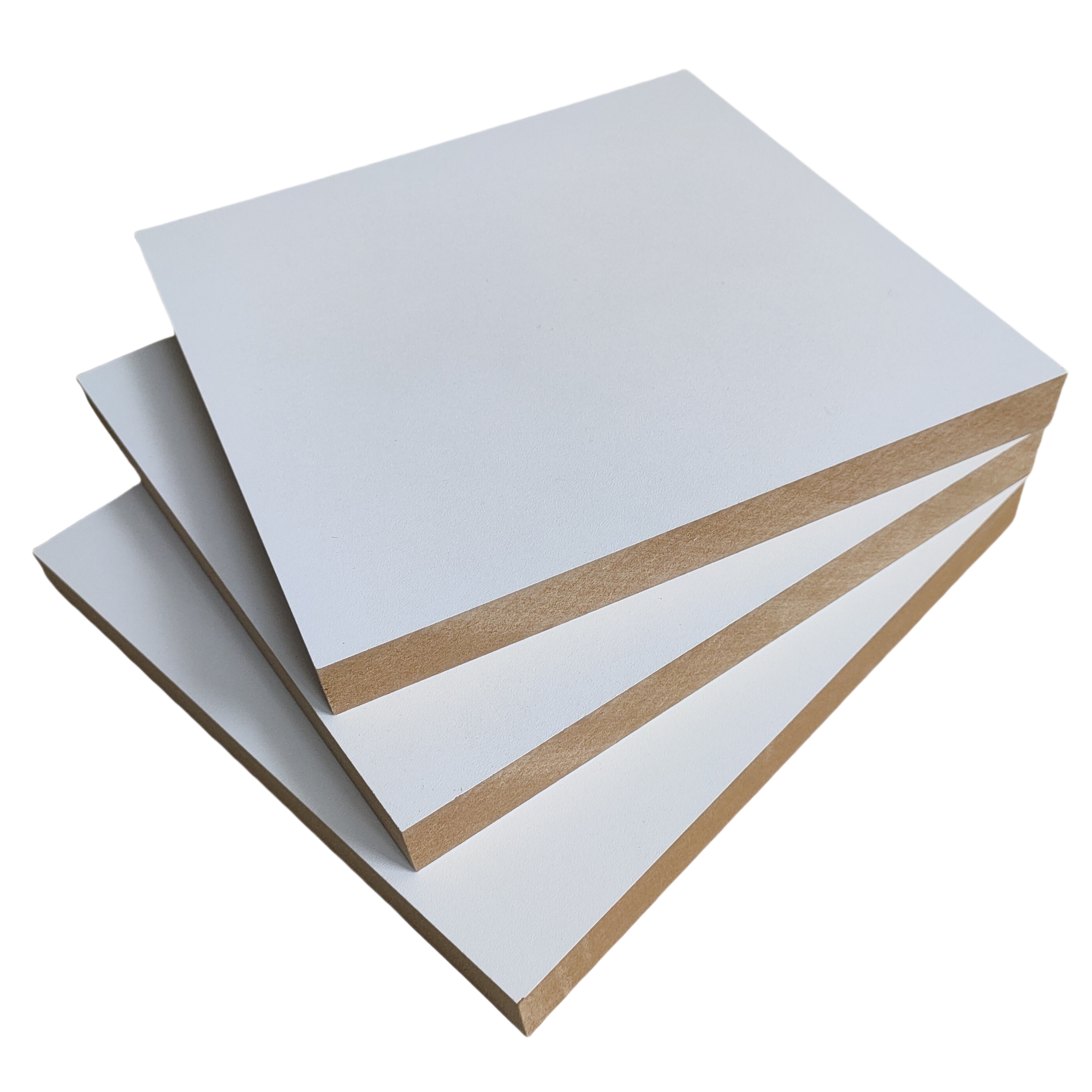
18mm Kitchen Furniture Use White Wood Fiber Board E1 Grade Melamine MDF/HDF Sheet Moisture-Proof
18mm white melamine MDF/HDF with moisture-proof performance and E1 grade, ideal for kitchen cabinets, bathroom furniture and fitted storage.
View product details →White Melamine MDF Procurement in Toulouse: What Separates a Low-Price Board from a Low-Risk Board
For buyers in Toulouse, white melamine MDF is rarely just a “white board.” It is a specification that affects the visual consistency of a kitchen, the durability of an office fit-out, the edgebanding quality of a wardrobe run, the formaldehyde profile of a student residence and the delivery rhythm of a furniture factory. The difference between a competitive quotation and a costly claim usually sits in details that are easy to miss when procurement is reduced to price per sheet: density, thickness tolerance, surface resin quality, colour batch control, moisture resistance, screw holding, edge chipping under CNC, packaging and documentary compliance.
This guide is written for importers, joinery workshops, contract furniture makers, distributors and fit-out contractors in Toulouse and the wider Occitanie region. It explains where white melamine MDF is most suitable, how local market trends are changing purchase decisions, which supplier checks matter, and how the manufacturing advantages of Linyi KUDE International Trading Co., Ltd. translate into practical risk reduction for French buyers. The recommended approach is to treat the factory as a technical partner: confirm the application, select the right board grade, request a sample and test report, then lock the specification into the purchase order.
Toulouse is an inland logistics market. Buyers commonly route containers through Mediterranean or Atlantic gateways such as Marseille-Fos, Le Havre or Barcelona and then move goods by road or rail into Occitanie. That means the lowest ex-works price is not automatically the lowest landed cost. Packaging density, container loading efficiency, moisture protection and documentation quality directly affect total cost. A factory that can combine white melamine MDF, plain MDF, melamine plywood and formwork products in one container can reduce freight waste for distributors that serve multiple customer groups.
Where White Melamine MDF Performs Best in Toulouse Projects
The same white decorative surface can serve very different technical duties. Matching the board to the environment is the first step in avoiding moisture swelling, edge damage and premature replacement.
Residential Kitchens and Wardrobes
White melamine MDF is a practical choice for cabinet doors, carcasses, drawer fronts and fitted wardrobes in Toulouse apartments and houses. For kitchens and bathrooms, specify moisture-resistant MDF or HDF rather than standard interior-grade board. Consistent white tone matters when doors and panels are produced in separate batches.
Office and Co-Working Fit-Outs
In office refurbishment around Toulouse, white melamine-faced boards are used for workstations, storage walls, reception counters and meeting-room joinery. A low-reflectance or soft-matt finish can reduce glare, while a hard-wearing melamine face helps maintain appearance in high-traffic areas.
Hotels, Student Housing and Hospitality
Toulouse’s student population and hospitality sector create demand for durable white furniture in bedrooms, kitchens and communal areas. White melamine MDF offers a clean, easily repeatable finish for bed surrounds, desks, wardrobes and vanity units when the board grade and edge sealing are specified correctly.
Retail, Showroom and Brand Environments
White melamine MDF provides a neutral base for retail displays, exhibition counters and showroom fixtures. Buyers should confirm batch colour consistency, surface texture and CNC cutting quality, especially when panels will be visible alongside painted metal, glass or solid-surface materials.
Schools, Clinics and Public Interiors
Public-sector and healthcare interiors require easy-clean surfaces and controlled formaldehyde emissions. White melamine MDF with E1 or better low-emission performance, documented test reports and sealed edges supports a more responsible specification for desks, storage and reception furniture.
Modular and Prefabricated Interiors
For modular furniture, pop-up stands and prefabricated interior kits, panel consistency and dimensional accuracy matter more than individual sheet appearance. Factory-direct white melamine MDF with stable thickness and clean edges can reduce rework in Toulouse assembly workshops.
Toulouse Market Trends Shaping White Melamine MDF Purchasing
Demand is moving toward lower emissions, better traceability and supplier flexibility rather than simple price competition alone.
Indoor Air Quality and Emission Documentation
French buyers increasingly ask for E1 or lower-emission boards, test reports and clear formaldehyde declarations. E0 is often used as a commercial factory grade, while E1 remains a key reference in European procurement. A supplier should state the tested grade clearly and provide documents that match the ordered batch.
Moisture Resistance in Wet Zones
Kitchen and bathroom furniture in Toulouse requires more than a decorative face. Moisture-resistant MDF/HDF, well-sealed edges and appropriate adhesives reduce swelling risk. Buyers should avoid using standard MDF in areas exposed to steam, leaks or frequent cleaning without protective design details.
Colour Consistency and Design Repetition
White is not a single visual outcome. Lightness, undertone, gloss level and surface texture can vary between batches. For multi-unit housing, hotels and retail roll-outs, buyers should request master samples, retain approved references and require batch control in the purchase order.
CNC Fabrication and Edgebanding Quality
Toulouse joinery workshops increasingly rely on CNC nesting and automated edgebanding. Board density, surface resin adhesion and internal bond strength influence chipping, tool wear and edge adhesion. A sample should be cut, drilled and edgebanded before a container is approved.
Mixed Containers and Supply Resilience
Distributors want fewer suppliers and better container utilisation. A factory that can combine white melamine MDF, plain MDF, melamine plywood, H20 beams and other panel lines helps buyers reduce inventory risk while keeping a broader range available for local projects.
Traceability, Certifications and Audit Readiness
FSC chain-of-custody requests, CE documentation, ISO management systems and SGS assessments are increasingly part of supplier qualification. For Toulouse buyers serving public projects or larger contractors, complete documentation can be as important as the board itself.
How Toulouse Buyers Should Vet China White Melamine MDF Factories
Price comparison is useful only after the factory has been qualified against the application, the destination market and the logistics plan.
Confirm Real Manufacturing Depth
Ask whether the supplier owns or directly manages pressing, sanding, laminating and inspection. A supplier inside a mature panel cluster can control lead time, material availability and specification changes more reliably than a pure trading intermediary.
Match Certificates to the Product
CE, ISO 9001, ISO 14001, FSC and CARB are valuable, but each should be connected to the actual panel line and order. Request test reports for formaldehyde, density, moisture content and bonding relevant to the specified board.
Test the Exact Surface
Request a white melamine MDF sample in the intended gloss level and texture. Check colour under natural and artificial light, inspect edge chipping after cutting, and confirm whether the reverse side is balanced to reduce bowing.
Calculate Landed Cost, Not FOB Alone
Compare packaging, container loading, moisture protection, port charges, inland transport to Toulouse and inspection costs. A slightly higher board price with better loading efficiency can produce a lower landed cost per usable sheet.
Define the Purchase Order Precisely
Include dimensions, thickness tolerance, density range, face and back, emission grade, glue type, edge treatment, packaging, marks and sample approval. Clear PO language reduces disputes and protects both the Toulouse buyer and the factory.
Plan for After-Sales Evidence
Ask for loading photos, container numbers, packing lists and batch identification before shipment. If an issue occurs after arrival, traceable production and loading records make resolution faster and more objective.
KUDE Manufacturing Strengths That Reduce Sourcing Risk for Toulouse Buyers
Linyi KUDE International Trading Co., Ltd. is the export platform of a wood-based panel manufacturing group founded in 1998 in Linyi, Shandong, China’s largest wood-based panel production cluster.
Own Production Capacity
The group operates more than 30 sets of production machines in 30,000 m² of workshops, with over 300 workers and annual output of 60,000 m³ of plywood, blockboard, MDF and particle board. This supports stable supply for distributors and project buyers.
Verified Quality Systems
CE, ISO 9001, ISO 14001, FSC and CARB certifications are supported by an SGS on-site assessment. E0, E1 and E2 formaldehyde grades are available depending on the product, allowing buyers to match Toulouse and EU project requirements.
Flexible Customization
Sample-based, design-based and full customization cover size, thickness, core species, face veneer or decor, glue type, logo printing and export packaging. MOQ typically ranges from 50 to 500 sheets depending on the product line, and several products can be combined in one container.
Export-Ready Service
FOB, CFR, CIF and EXW terms are supported, with T/T and L/C payment in USD, EUR or CNY. Goods are shipped through northern China seaports such as Qingdao, with export packaging and documentation prepared for onward movement into France.
KUDE’s operating principle is “survival by quality, development by prestige.” With more than 20 years of production experience, 15 years of export experience and OEM/ODM support, the factory is structured for buyers who need repeatable panel quality rather than one-off opportunistic loads.
White Melamine MDF and Panel Selection Guide for Toulouse Projects
Use this reference to prepare a clearer inquiry. Final thickness, grade, density, finish and documentation should always be confirmed for each order.
For Toulouse buyers, a practical shortlist usually includes 18mm moisture-proof white melamine MDF for kitchen and bathroom furniture, 18mm white melamine MDF for wardrobes and office joinery, 12mm or 15mm for internal components, and plain MDF for workshop painting or lamination.
FAQ: Buying White Melamine MDF from China for Toulouse
These are the questions most frequently raised by French importers, joinery workshops and furniture manufacturers when evaluating a factory-direct supply route.
Which white melamine MDF grade should a Toulouse kitchen manufacturer choose?
For kitchen cabinets and bathroom furniture, choose a moisture-resistant MDF or HDF core with a white melamine face and sealed edges. Standard interior-grade MDF may be acceptable for dry wardrobes and office furniture, but it is not the best choice for wet zones, sink cabinets or areas exposed to steam and frequent cleaning.
Is E1 enough for the French market, or should I request E0?
E1 is a widely recognized formaldehyde class in European procurement. E0 is often requested as a stricter factory grade, but buyers should not rely on the label alone. Ask for a test report, confirm the tested product and ensure the certificate or report matches the ordered batch. For projects with strict indoor-air-quality requirements, document the specification in the purchase order.
How does a container from China reach Toulouse?
Most shipments move from Qingdao or another northern China port to a European gateway such as Marseille-Fos, Le Havre or Barcelona, then by road or rail to Toulouse. Your forwarder should compare total door-to-door cost, transit time, port congestion, unloading capacity and storage requirements before booking.
What is the typical minimum order quantity?
MOQ depends on the product line, generally from 50 to 500 sheets. Several products can be combined in one container after specifications are confirmed. This is useful for Toulouse distributors that want to test white melamine MDF alongside plain MDF, melamine plywood or formwork products.
Can I customize size, thickness, surface and packaging?
Yes. KUDE supports sample-based, design-based and full customization, including size, thickness, core species, face veneer or decor, glue type, logo printing and export packaging. For white melamine MDF, confirm the exact white tone, gloss level, face and back balance, edge treatment and pallet pattern.
Which payment methods and trade terms are accepted?
T/T and L/C are accepted in USD, EUR or CNY. FOB, CFR, CIF and EXW terms are available. For first orders, Toulouse buyers should align payment terms with pre-shipment inspection, loading photos and document review so that commercial risk is controlled at each stage.
How can I verify colour and surface quality before ordering?
Request a physical white melamine MDF sample and retain it as an approved reference. Test cutting, drilling, edgebanding and cleaning on the sample. Under natural and artificial light, compare the white tone with existing furniture or design-approved panels. For multi-container projects, ask how the factory controls batch colour consistency.
What documentation should accompany a shipment?
Typical documents include the commercial invoice, packing list, bill of lading, certificate of origin and relevant test reports or certification evidence. Depending on the product and destination, your forwarder or compliance advisor may also require EUTR due-diligence information, FSC documentation or CE-related declarations under applicable harmonized standards.
Why choose a factory in Linyi rather than a local intermediary?
Linyi is China’s largest wood-based panel production cluster. Being inside the cluster supports access to veneer, glue, core materials and laminating capacity, while factory-direct communication can shorten specification changes and reduce avoidable mark-ups. The key is to verify real production depth, quality systems and export experience rather than relying on a website claim alone.
How should a Toulouse buyer prepare a useful inquiry?
Send the product type, size, thickness, core, face and back, emission grade, gloss level, estimated quantity, destination port or door address, target delivery window and any required certification. Clear input allows the factory to quote a realistic specification instead of a generic price per sheet.
Plan a White Melamine MDF Container for Toulouse with Factory-Direct Support
Share your panel specifications, white tone reference, thickness, emission grade, required certificates, quantity and destination. The KUDE export team can prepare a technical quotation, sample plan and mixed-container proposal for importers, distributors, furniture factories and fit-out contractors in Toulouse and across Occitanie.
Inquire Now