8 Panel Products Kraków Buyers Can Source from KUDE
Wood-grain MDF is rarely purchased in isolation. Kraków buyers usually consolidate decorative MDF, raw MDF and formwork plywood in one container to reduce freight per cubic metre. The eight product lines below reflect that real purchasing pattern.
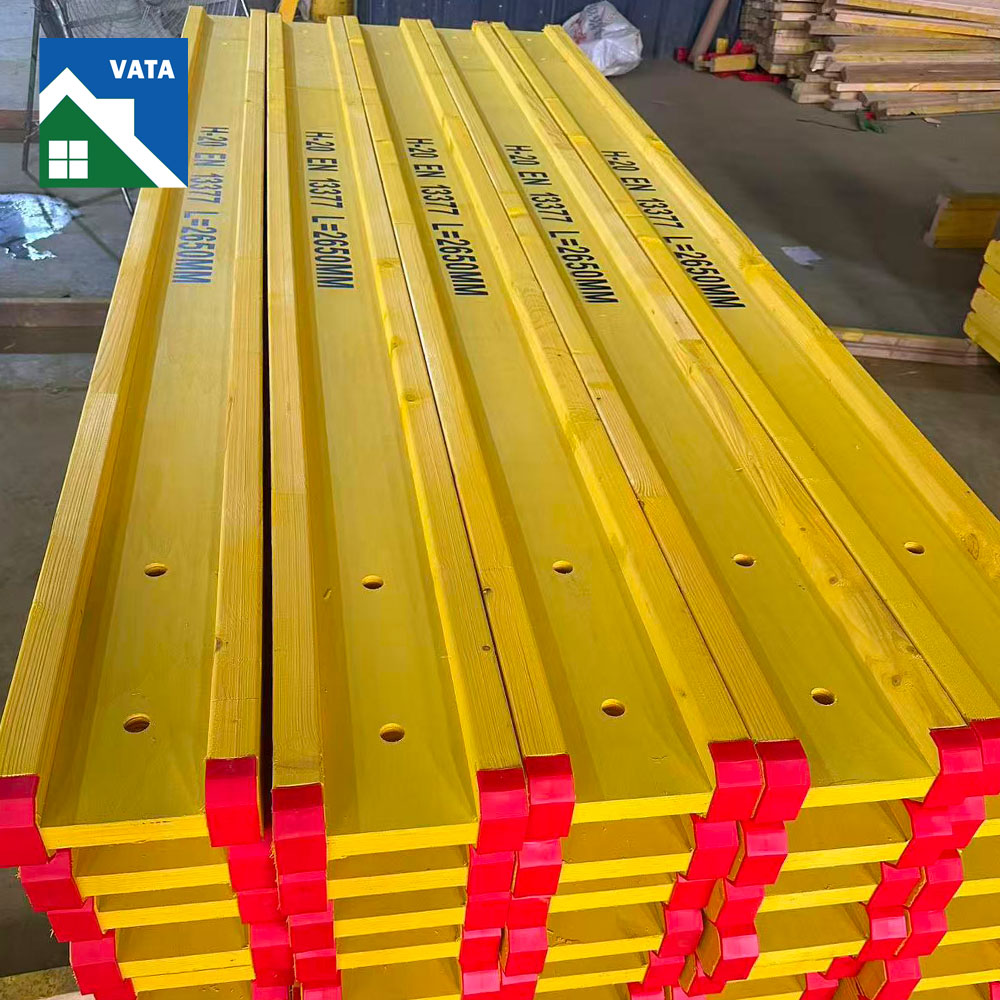
H20 Timber Beam for Concrete Formwork
Waterproof LVL structural I-beam for repeatable slab and wall formwork. A practical companion item when Kraków contractors consolidate site panels and interior boards.
View product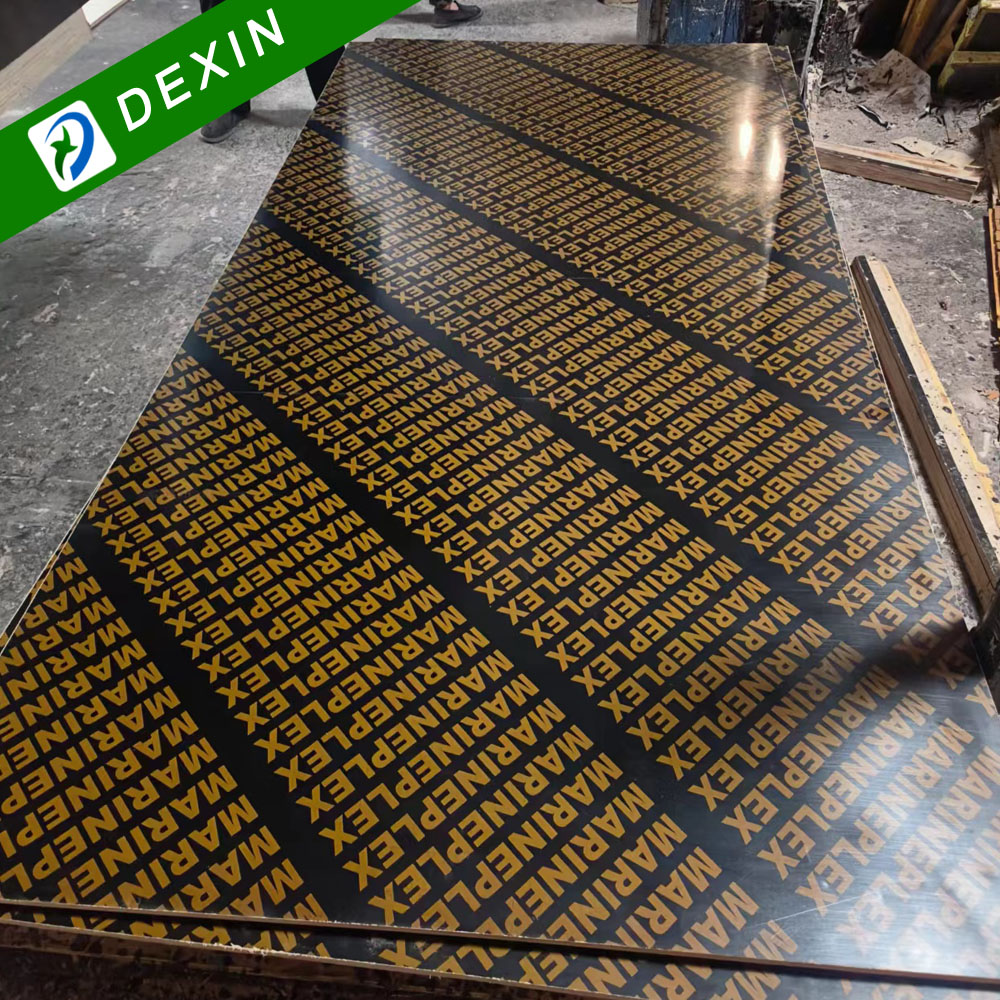
Film Faced Plywood for Concrete Formwork
Phenolic film faced plywood with WBP glue for concrete formwork, site protection and structural sheathing. A high-turnover export line for construction buyers.
View product
Melamine Coated Plywood for Furniture
Custom thickness melamine faced board for furniture, cabinets and shopfitting. Suitable where a plywood core is preferred over MDF for specific joinery details.
View product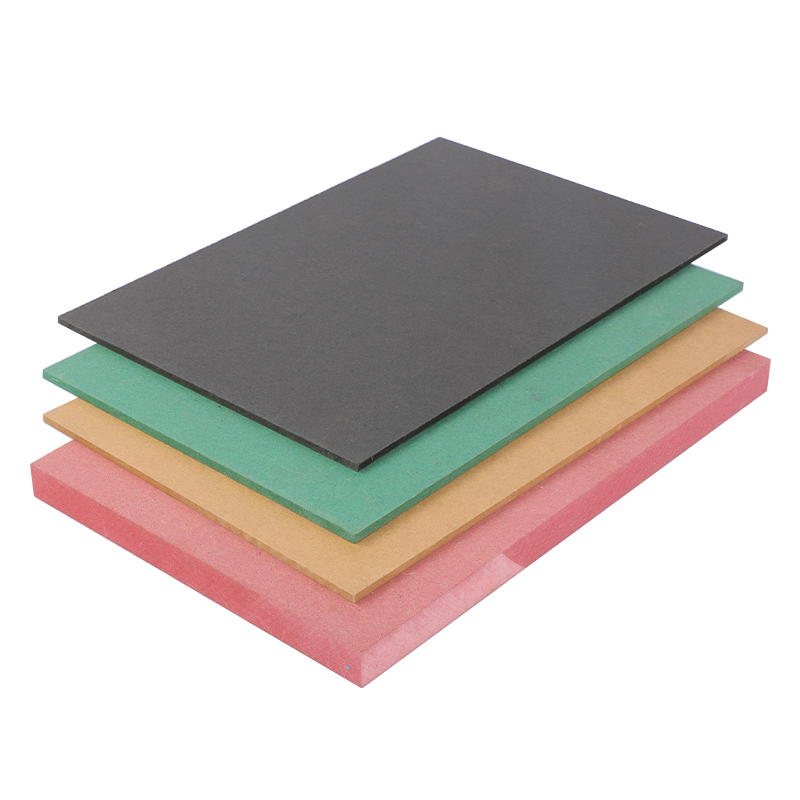
Raw / Plain MDF Sheet, 3 mm–18 mm
The substrate behind most wood-grain MDF programmes: CNC routing, painting, veneering, PET lamination and melamine pressing. Confirm E0/E1 and HMR options per project.
View product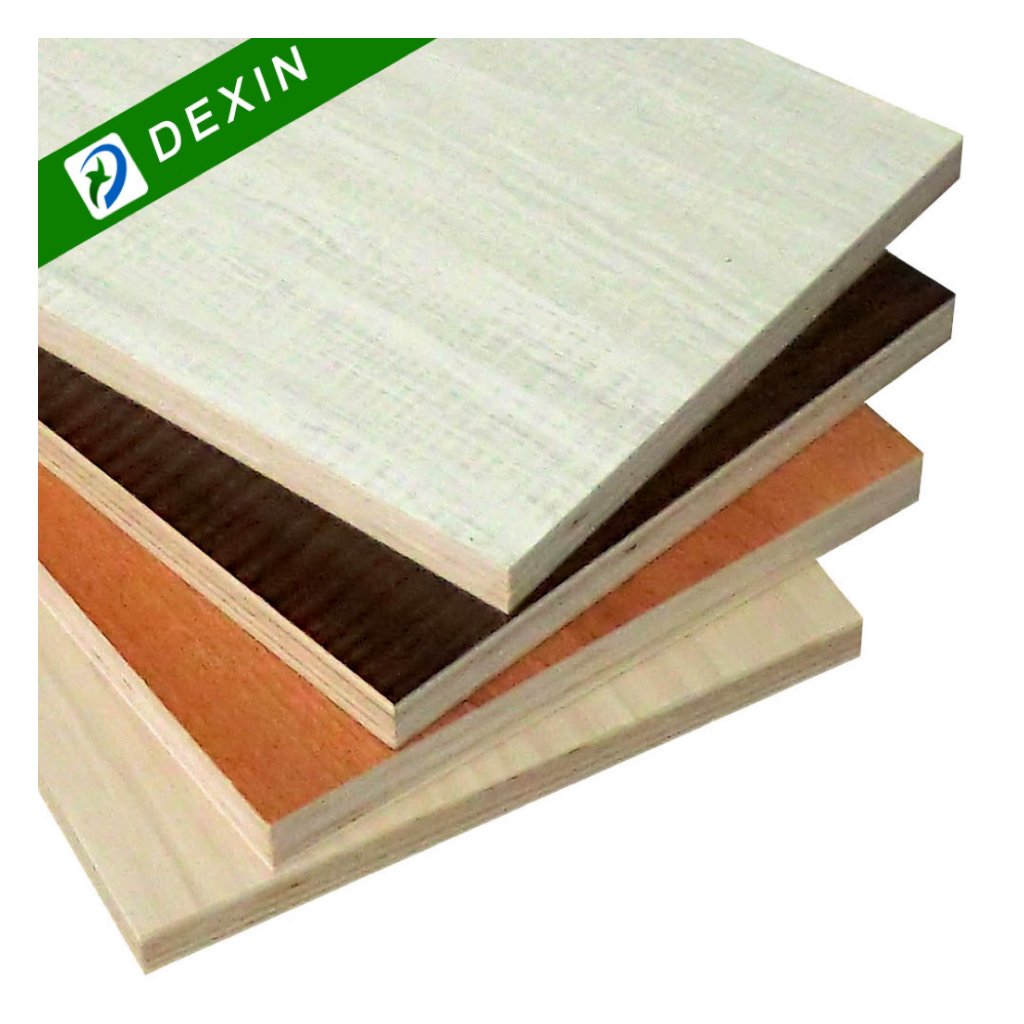
E0 Melamine Board for Furniture Cabinets
Decorative E0 melamine panel for kitchen cabinets, wardrobes and office furniture. A strong fit for buyers who need lower-emission boards and consistent decor batches.
View product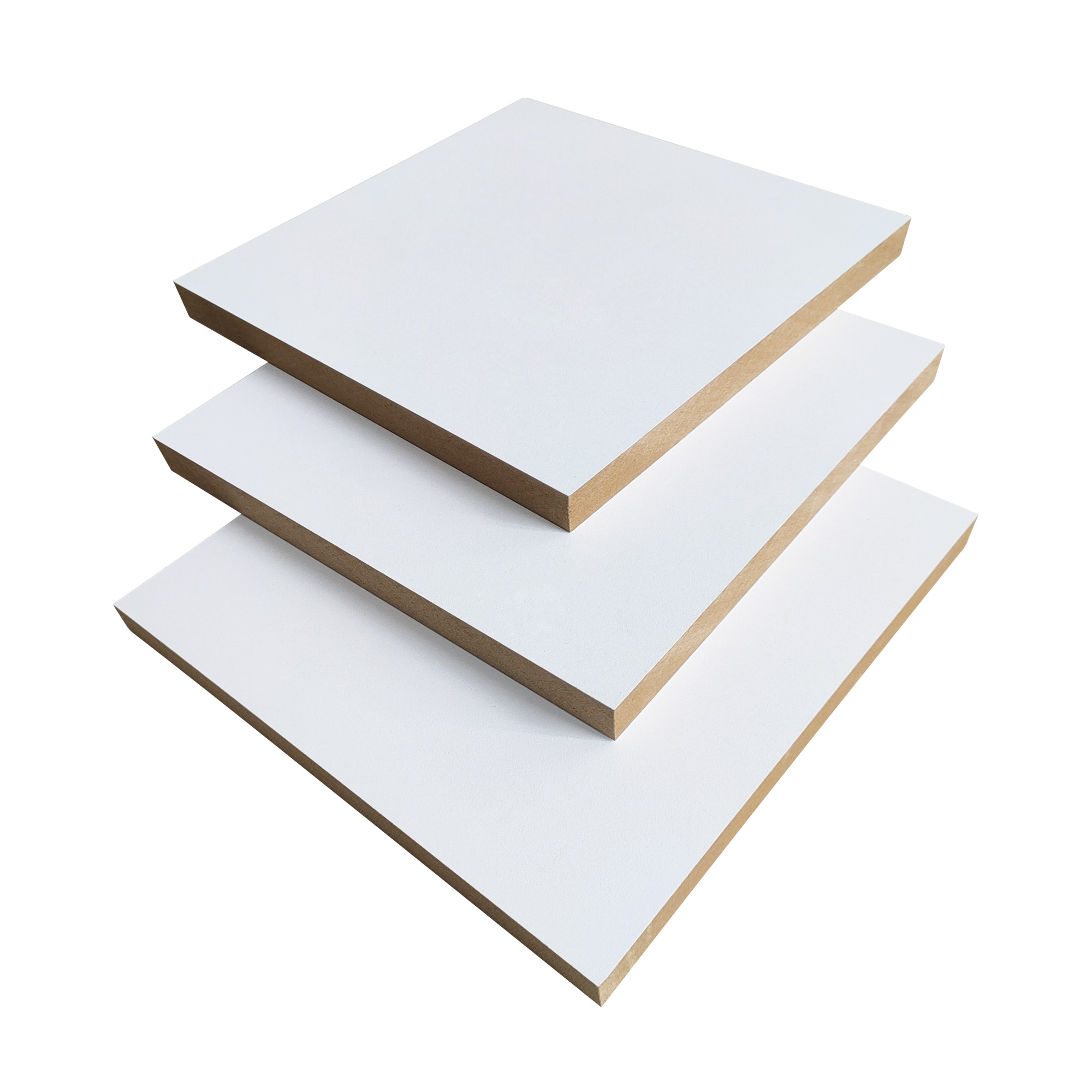
White Melamine MDF Board, 4×8 ft
E1 formaldehyde white melamine MDF for kitchen units, utility joinery and interior fit-out. Available in 3, 6, 9, 12 and 16 mm for drawer boxes, backs and door panels.
View product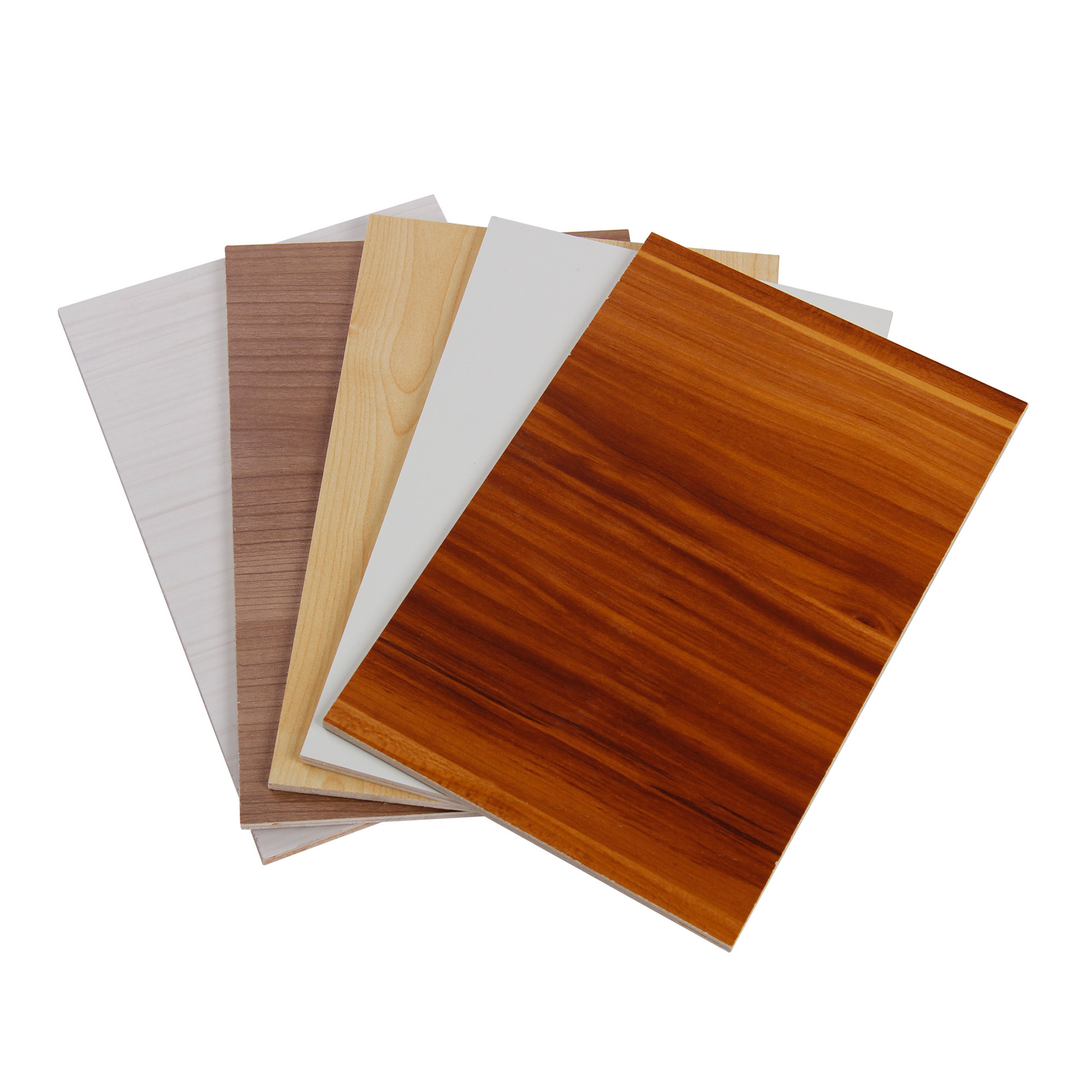
Melamine Wood Board for Furniture Making
12–18 mm decorative board for furniture carcasses, shelving and fitted wardrobes. The wood-grain decor range is the closest match to oak, walnut and ash-effect interiors.
View product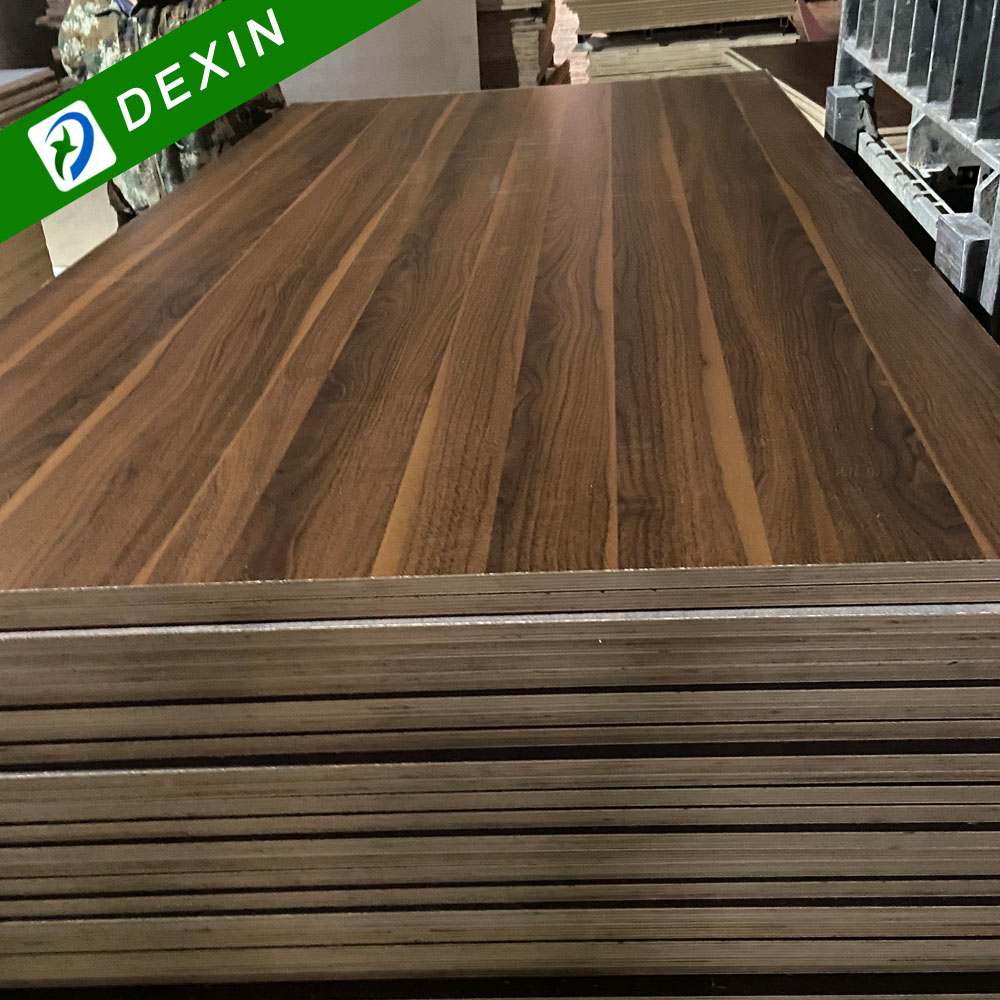
Waterproof Melamine Faced Furniture Panel
18 mm melamine faced panel for furniture in moisture-sensitive areas. A sensible option where standard interior MDF is not appropriate and a more water-resistant core is required.
View productProduct URLs and images are retained from the original KUDE catalogue. Several items are plywood rather than MDF; they are included because Kraków buyers commonly consolidate melamine MDF with formwork and furniture plywood in one shipment.
What “Top China Wood Grain MDF Factories & Exporters in Kraków” Really Means
Buyers typing this phrase are usually not looking for a factory physically located in Kraków. They are looking for a Chinese wood-grain MDF manufacturer or exporter that can serve Kraków reliably: one that understands EU import documents, E1 emission expectations, FSC/EUTR due diligence, container loading and the final truck leg from Gdańsk, Gdynia or Hamburg to Małopolska.
The strongest supplier is therefore not the one with the lowest headline price per sheet. It is the one that can match a wood-grain decor consistently, control thickness tolerance, provide the right formaldehyde test report, protect edges and corners in export packing, and answer technical questions before the container is booked.
This guide combines KUDE’s manufacturing data with practical Kraków procurement scenarios. It is written for furniture producers, joinery workshops, interior fit-out contractors, distributors and project buyers who need a factory-direct but compliance-aware route to wood-grain MDF and complementary wood-based panels.
Quick buyer answer for Kraków projects
For most Kraków furniture and fit-out applications, specify 18 mm melamine faced MDF with a wood-grain decor, E1 or E0 emission, consistent batch colour and moisture-resistant edges where required. For wet zones, do not rely on the melamine face alone — specify an HMR core or a waterproof panel and seal exposed edges.
- Confirm the decor reference before production
- State the formaldehyde grade and test method
- Choose thickness by function, not by habit
- Plan the Gdańsk/Gdynia or Hamburg truck leg early
Where Wood-Grain MDF Fits in Kraków Projects
Kraków’s mix of renovated apartments, hospitality interiors, office fit-outs and furniture workshops creates demand for decorative panels that machine cleanly, hold a consistent colour and meet EU emission expectations.
Kitchen and wardrobe fronts
Wood-grain melamine MDF gives Kraków joiners a stable, paintable or pre-finished surface for door fronts, carcasses and shelving. For sink units and bathroom vanities, specify an HMR core and seal cut edges; the decorative face is not a waterproofing layer.
Hotel and restaurant fit-outs
Kraków hospitality projects need durable decorative boards for reception desks, wall panels, banquettes and guest-room furniture. A consistent wood-grain batch and scratch-resistant melamine surface reduce visible wear in high-traffic areas.
Office and retail interiors
Office and retail fit-out contractors in Kraków often need repeatable panels for reception areas, meeting rooms and display fixtures. Raw MDF for CNC routing plus melamine MDF for finished surfaces is a practical two-line specification.
Residential joinery and renovation
Renovation work in Kraków’s older apartments often needs precise dimensions and lightweight panels for built-in storage. Wood-grain MDF is suitable for internal furniture, wall linings and wardrobe systems when the correct grade and edge protection are used.
Kraków and Małopolska Procurement Trends Shaping MDF Demand
Local demand is moving beyond “cheap board” toward documented panels, stable decor programmes and supply plans that fit the EU import calendar.
Renovation-driven demand
Older apartments and mixed residential stock in Kraków continue to support furniture, wardrobe and built-in storage demand. Buyers increasingly ask for accurate thickness tolerance and lightweight panels that reduce handling time on site.
Hospitality and rental interiors
Kraków’s hotel, restaurant and short-term rental market values warm wood-grain surfaces that photograph well and clean easily. Durable melamine and PET finishes are replacing lower-grade decorative papers in visible areas.
Container consolidation
Kraków importers often combine wood-grain MDF, raw MDF, melamine board and formwork plywood in one container. Consolidating with one factory reduces per-cubic-metre freight, documentation complexity and the risk of mixed delivery dates.
Documentation-led buying
EU buyers now ask earlier for E1 test reports, FSC chain-of-custody status and EUTR due-diligence information. Suppliers that can answer these questions before quotation move faster through the procurement process.
How to Match the Product to the Kraków Application
Use this table as a first filter. Final tolerances, emission grade, decor and packing are confirmed against the exact order specification.
| Panel type | Typical thickness | Surface / decor | Best Kraków use | Procurement note |
|---|---|---|---|---|
| Wood-grain melamine MDF / board | 9–18 mm | Wood-grain paper, matt or textured | Wardrobes, kitchen fronts, reception furniture | Confirm decor reference; request HMR core for moisture-prone units |
| Raw / plain MDF | 3–18 mm | Unfinished, sanded | CNC routing, painting, veneering, lamination | State E0/E1 and whether HMR is required |
| White melamine MDF | 3–16 mm | White melamine | Kitchen cabinets, drawer boxes, utility joinery | Check batch colour and edge sealing requirements |
| Melamine coated plywood | 12–18 mm | Melamine face, custom options | Furniture, shopfitting, structural joinery details | Choose plywood core where MDF is not suitable |
| Film faced plywood | 9–21 mm | Brown or black phenolic film | Concrete formwork and site protection | Specify WBP glue and reuse target |
| Waterproof melamine faced panel | 18 mm | Melamine faced, moisture-resistant core | Furniture in damp or wet-adjacent areas | Do not treat standard MDF as waterproof |
Information gain for buyers: in the EU, E1 is the common regulatory reference for formaldehyde emission, while E0 is a lower-emission option often requested voluntarily. Always match the declared grade to the test method and the final application.
Why KUDE Can Be a Credible China MDF Exporter for Kraków
Linyi KUDE International Trading Co., Ltd. is the export platform of a wood-based panel manufacturing group founded in 1998 in Linyi, Shandong — China’s largest man-made board production cluster. The group operates more than 30 machine sets across 30,000 m² of workshops, with over 300 workers and annual output of around 60,000 m³ of plywood, blockboard, MDF and particle board.
KUDE brings more than 15 years of export experience across 30+ countries and has passed an on-site assessment by SGS. The company principle is straightforward: survival by quality, development by prestige. For Kraków buyers, that translates into practical support on decor matching, thickness tolerance, emission documentation, custom packing and container loading.
- 20+ years production experience
- 15 years of export experience
- SGS on-site assessed
- OEM / ODM and custom specs
- CE, ISO 9001, ISO 14001, FSC
- CARB and E0/E1/E2 options

Own production lines
Peeling, gluing, hot pressing, sanding and laminating are controlled inside the group. That reduces middle-man markup on core panel products and supports faster corrective action if a batch needs review.
Quality and compliance
CE, ISO 9001, ISO 14001, FSC and CARB certifications sit alongside E0, E1 and E2 emission options. Product-specific reports are matched to the destination market and the buyer’s specification.
Custom wood-grain matching
Sample-based, design-based and full customisation are available: size, thickness, core, face veneer or decor, glue type, logo printing and export packaging. Send a decor photo or physical reference for comparison.
Export-ready logistics
Standard trade terms include FOB, CFR, CIF and EXW; payment by T/T or L/C in USD, EUR or CNY. Seaworthy pallets, steel straps and loading photos help protect panels on the route to Poland.
From Specification to Kraków Delivery
A clear four-stage process reduces surprises for first-time and repeat importers. Final lead times are confirmed after specification, quantity and shipping schedule are agreed.
Share the specification
Send thickness, sheet size, core type, decor reference, emission grade, quantity, destination and target application. For wood-grain MDF, include a photo or sample of the required oak, walnut or ash effect.
Approve the sample
Confirm decor, surface texture, colour direction and substrate. Samples can be discussed before production so that Kraków buyers reduce the risk of batch mismatch in visible furniture and fit-out areas.
Produce and inspect
Production covers substrate preparation, gluing, pressing, sanding and lamination. Checks include thickness, flatness, bonding, surface appearance and packaging; loading photos are provided before shipment.
Ship to the Polish gateway
Orders normally load at Qingdao and move by sea to Gdańsk, Gdynia or Hamburg, then by truck to Kraków. The buyer’s customs agent handles EU import clearance and final delivery arrangements.
Questions Kraków Buyers Ask Before Ordering Wood-Grain MDF
These are the practical questions that decide whether a quotation becomes a repeat supply programme.
Is there a Chinese wood-grain MDF factory located in Kraków?
No. The search phrase usually refers to Chinese MDF factories and exporters that serve Kraków buyers. KUDE manufactures and exports from Linyi, Shandong, and ships through Chinese ports to European gateways such as Gdańsk, Gdynia or Hamburg, followed by truck to Kraków.
Which MDF grade is best for kitchens and bathrooms in Kraków?
For kitchen and bathroom furniture, specify an HMR moisture-resistant core where humidity or occasional water contact is expected, and seal all cut edges. Melamine or PET facing improves cleaning, but it does not make the MDF core waterproof. Standard MDF should not be used for constant wet areas.
Which documents should an EU importer prepare for MDF from China?
Typical documents include commercial invoice, packing list, bill of lading, certificate of origin, and product compliance evidence such as formaldehyde test reports and CE documentation where applicable. FSC chain-of-custody records and EUTR due-diligence information may also be requested. Final import requirements should always be confirmed with the Polish customs broker.
What is the typical lead time from China to Kraków?
Production is commonly planned at 15–30 days after sample and specification approval, followed by sea freight and inland trucking. Schedules vary by route, shipping line, season and customs clearance, so the exact loading and arrival dates should be confirmed in the sales contract.
What are the MOQ, payment terms and trade terms?
MOQ depends on the product line and is typically 50–500 sheets. Several products can be combined in one container after specification approval. KUDE accepts T/T and L/C in USD, EUR or CNY, and works on FOB, CFR, CIF and EXW terms.
Can you match Polish wood-grain decors and send samples to Kraków?
Yes. Wood-grain matching is a sample-based process: provide a decor photo, code or physical reference, then confirm substrate, thickness, surface texture and emission grade. Custom size, thickness, core, face, glue, logo printing and export packaging can be discussed before production.
Planning a wood-grain MDF order for Kraków?
Send the required thickness, sheet size, decor reference, emission grade, quantity and destination. The KUDE export team can prepare a factory-direct quotation with packing and shipping options for your Kraków project.