Top Trusted Cabinet Back Panels Factories & Suppliers in the Gdańsk Market
A factory-direct sourcing guide for Polish kitchen studios, wardrobe makers, contract fit-out teams and distributors who need stable 3–18 mm MDF/HDF, melamine-faced boards and moisture-resistant panels with EU-ready documentation.
8 Panel Routes for Cabinet Backs, Interiors and Gdańsk Fit-Out Projects
The list below connects the products most relevant to cabinet back panels and interior fabrication with the wider board range needed by importers, distributors and contractors serving Gdańsk, Gdynia, Sopot and the Pomeranian construction market.
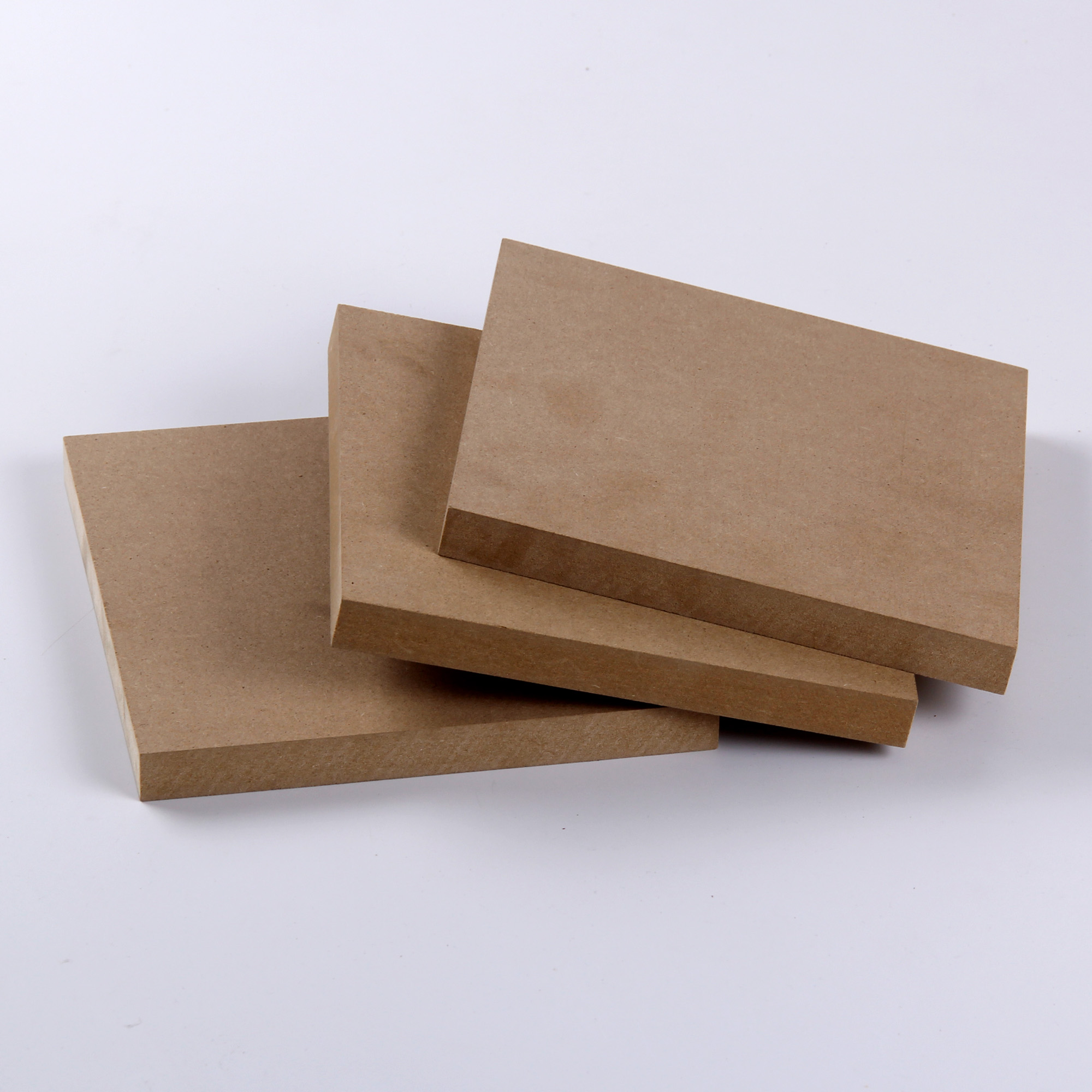
Factory Standard Size with Thickness of 5mm, 6mm, 8mm, 9mm, 18mm Raw MDF/HDF Board
A practical base specification for cabinet back panels: 5–9 mm boards for light backs and 18 mm board for structural cabinet components. Uniform sanding supports CNC grooving, laminating and painting.
- 5–18 mm
- MDF / HDF
- CNC ready
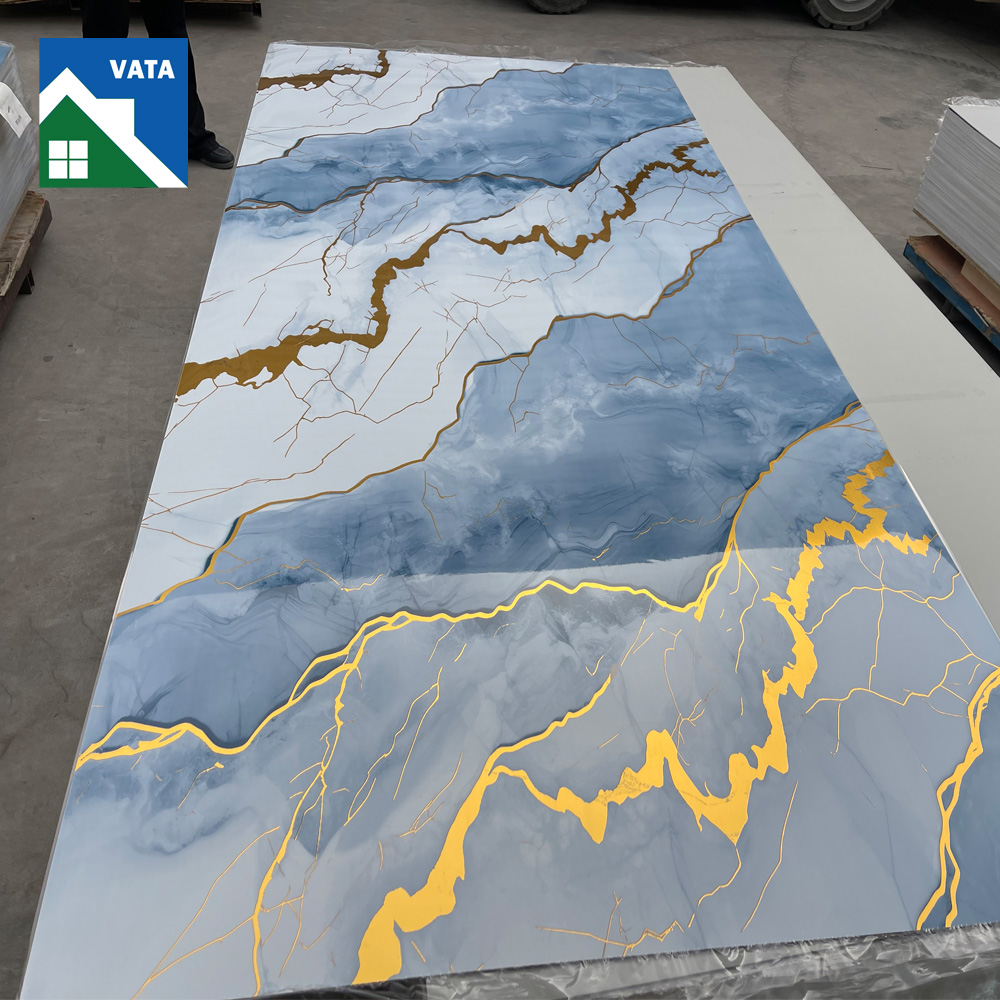
Customized Easy Installation High Glossy PVC Wall Panel Bendable DIY Indoor TV Wall Background Board Glossy UV Marble Sheets
A decorative surface for kitchen showrooms, retail displays and feature walls. Useful when Gdańsk designers need a fast-install marble or glossy finish around cabinet mock-ups without adding structural weight.
- Bendable
- High gloss
- Fast install
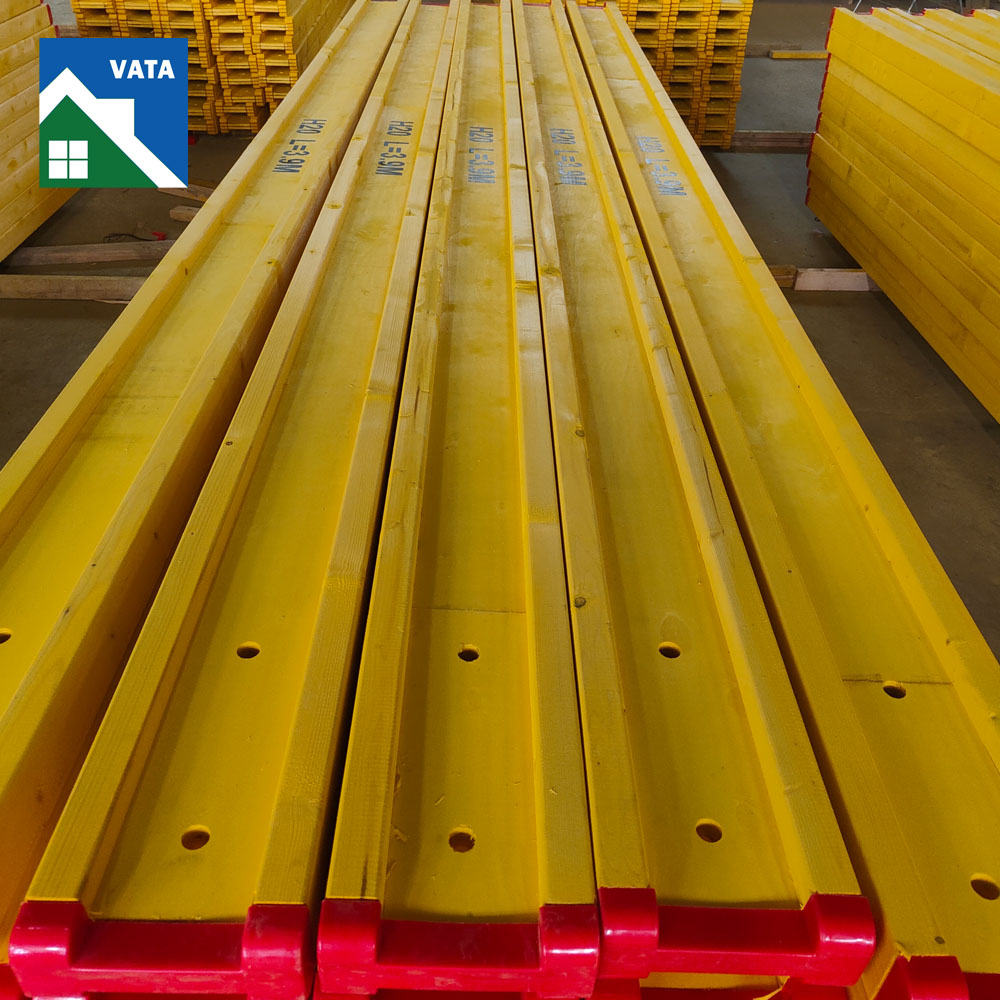
Manufacturer Reusable Yellow Painted H20 Wooden Formwork Beam with Plastic End Caps for Construction Building Projects
For contractors coordinating renovation and new-build activity around cabinet installation. Reusable H20 beams support formwork and site works where reliable timber strength and protected end caps matter.
- H20 profile
- Reusable
- Plastic caps
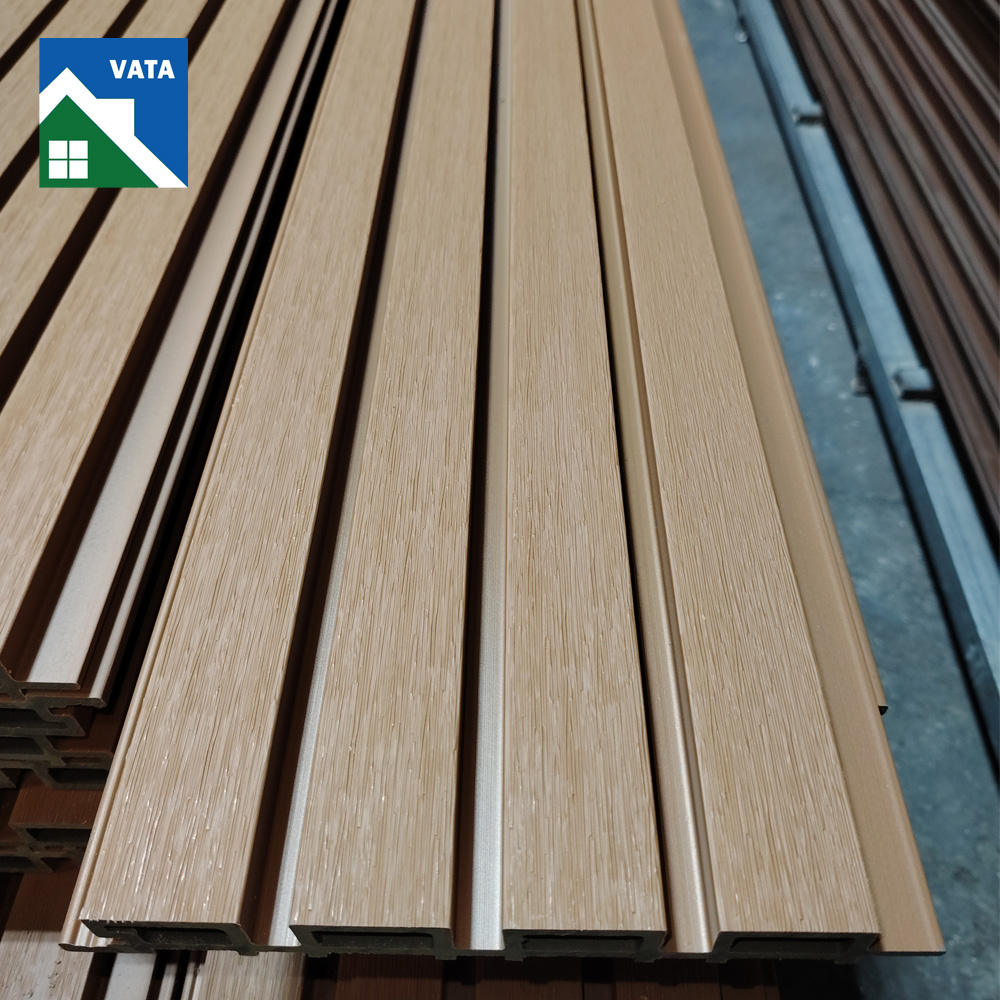
Decorative Outdoor Wood Plastic Composite Partition WPC Fluted Wall Panel Board External Siding Cladding Exterior Wall Cladding
A wood-plastic composite route for hospitality terraces, retail facades and balcony features. The fluted profile gives visual warmth while offering a more moisture-tolerant option than untreated timber.
- WPC
- Fluted
- Exterior use
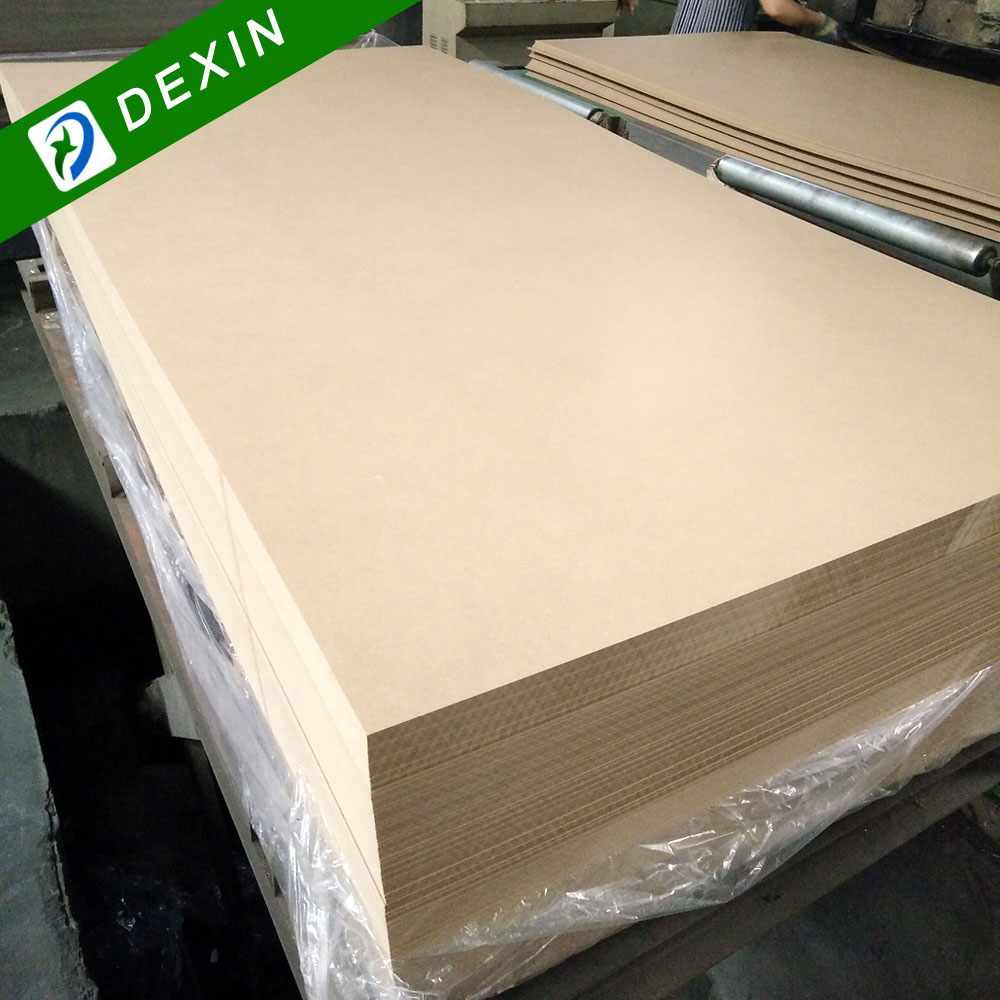
3mm, 12mm, 15mm, 18mm Raw/Plain MDF Board for Furniture Decoration
Volume raw MDF for furniture decoration, painted components, wardrobe interiors and back-panel substrates. A useful route for fabricators that laminate, paint or edge-band in their own Polish workshop.
- 3–18 mm
- Plain MDF
- Furniture grade
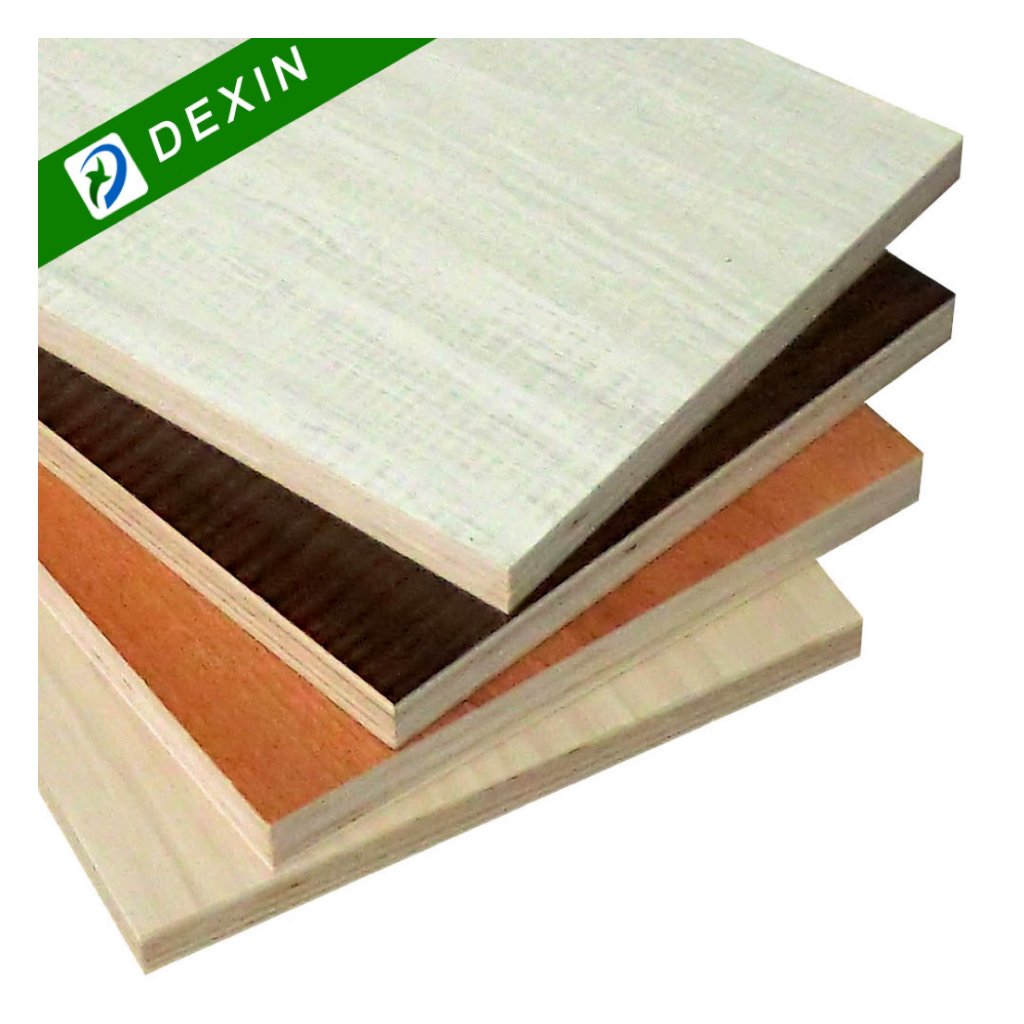
3mm 12mm 18mm E0 First-Class Melamine Contrachapado/Kontrplak 4x8 Paneles Laminas De Melamina Plywood for Furniture Cabinet Use
Melamine-faced plywood for cabinet interiors, drawer bases and visible back panels where a decorative finish and lower-formaldehyde focus are part of the buyer brief.
- E0 option
- 4x8 sheets
- Cabinet use
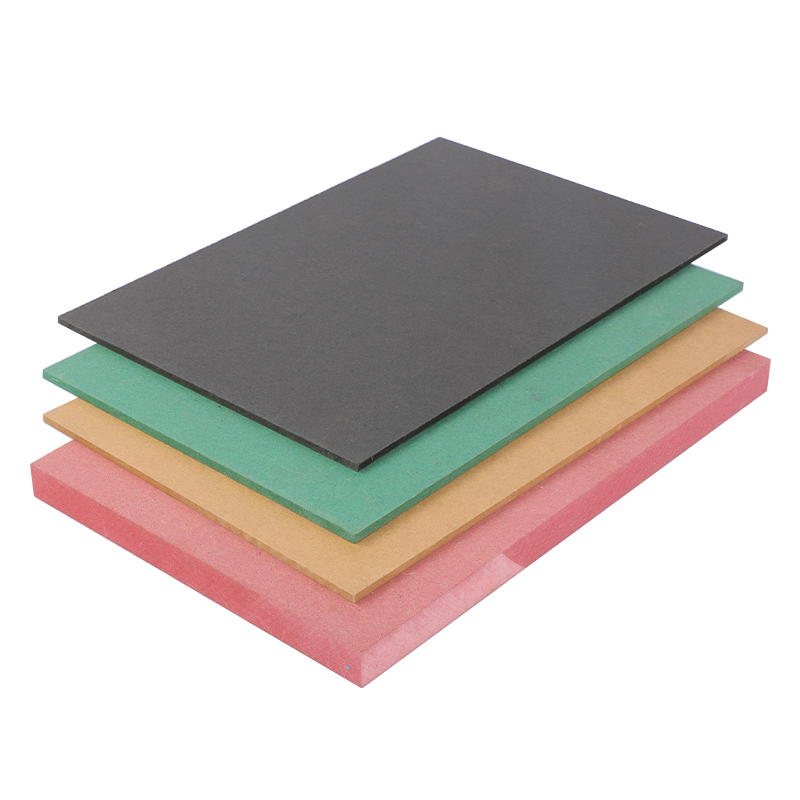
High Quality 3mm~18mm Raw/Plain MDF Sheet with Best Price
An economical raw MDF option for routine cabinet backs, jig work, sample making and painted furniture. Suitable for importers consolidating a mixed container with decorative and moisture-resistant lines.
- 3–18 mm
- Best price
- Mixed loads
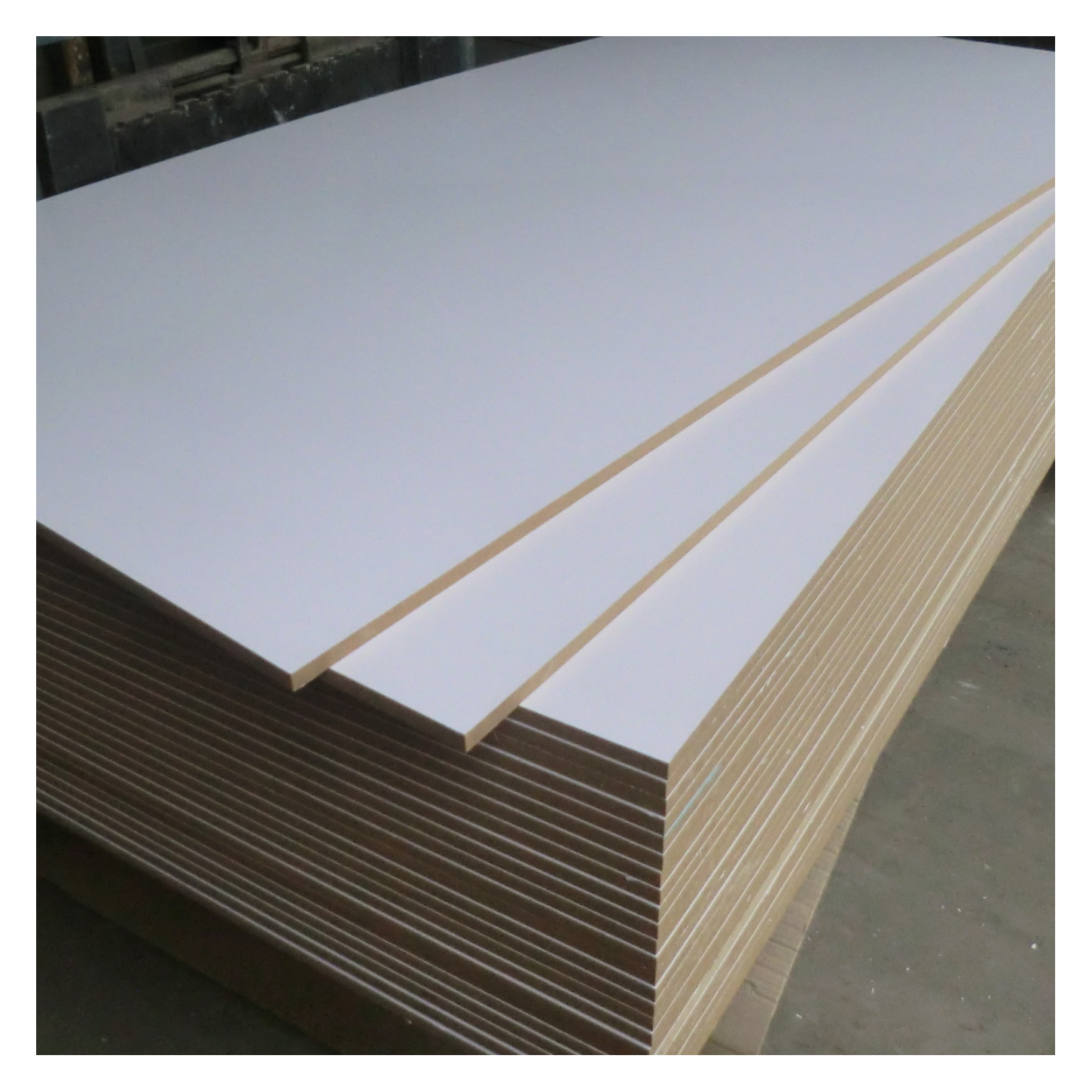
Wholesale E1 Grade Melamine Faced Moisture-Proof MDF Board for Kitchen Furniture Use 18mm Thickness CE Certified
A companion board for kitchen and bathroom cabinets in Gdańsk’s humid Baltic climate. The 18 mm route supports carcass, shelves and wet-zone furniture rather than thin back panels alone.
- 18 mm
- E1 grade
- Moisture-proof
What Polish Cabinet Makers and Importers Actually Evaluate
Search intent around “cabinet back panels suppliers Gdańsk” is rarely limited to price per sheet. Buyers are comparing landed cost, moisture behaviour, formaldehyde documentation, machining consistency and the credibility of the factory behind the quotation.
Port-Led Landed Cost
Gdańsk is the logistics gateway for northern Poland and the Tricity market. Importers compare FOB, CFR and CIF offers against port handling, pallet condition and mixed-container flexibility, not just the board price.
Baltic Moisture Profile
Kitchen and bathroom cabinets in Gdańsk, Sopot and Gdynia face high humidity, condensation and seasonal swings. Moisture-resistant MDF, sealed edges and correct ventilation are practical specification points.
EU Documentation
Polish buyers ask for E1 or lower emission options, CE-related declarations where applicable, FSC chain-of-custody evidence and clear product data. Documentation quality is part of supplier reliability.
Machining Consistency
Cabinet back panels are often grooved, pinned, stapled or CNC-cut. Thickness tolerance, flatness and edge quality directly affect assembly speed, so buyers want repeatable sheets across containers.
For Gdańsk projects, the best supplier is the one that can connect product specification, export packing and documentation into one controlled flow.
Cabinet Back Panel Selection Matrix for the Pomeranian Market
Use this matrix to shortlist the panel route before requesting samples. The final thickness, surface and emission grade should always be confirmed against the cabinet design, hinge system, moisture exposure and importer documentation requirements.
| Panel Route | Best Use in Gdańsk Cabinetry | Typical Thickness | Buyer Note |
|---|---|---|---|
| Raw MDF/HDF standard sizes | Wardrobe backs, kitchen cabinet backs, grooved panels, painted backs | 5, 6, 8, 9, 18 mm | Choose thinner HDF for light backs and 18 mm for structural parts; confirm density and screw-holding. |
| Raw plain MDF | Paint-grade furniture, jigs, samples, laminated back panels | 3, 12, 15, 18 mm | Good for Polish workshops that laminate or paint locally and need economical sheet volume. |
| High-quality raw MDF sheet | Volume cabinet backs, drawer bases, display fixtures | 3–18 mm | Use when price stability and mixed-container flexibility matter more than a decor surface. |
| E0 melamine plywood | Visible cabinet interiors, furniture backs, drawer structures | 3, 12, 18 mm | Decorative face reduces finishing work; discuss E0/E1 options and edge sealing for humid zones. |
| E1 moisture-proof melamine MDF | Kitchen carcass, bathroom vanity, utility cabinetry | 18 mm | A companion to thin back panels; use moisture-resistant board where splashes and cleaning are routine. |
| High-gloss PVC/UV wall panel | Kitchen showroom displays, retail feature walls, TV backdrops | Panel profile dependent | Decorative and lightweight; specify as a surface product rather than a load-bearing cabinet panel. |
| WPC fluted exterior cladding | Restaurant terraces, retail facades, balcony feature walls | Profile dependent | Useful for hospitality and mixed-use projects around Gdańsk where weather exposure is higher. |
| H20 formwork beam | Site works, renovation supports, new-build construction | H20 standard profile | A project-support product for contractors working across construction and interior fit-out. |
Typical ranges shown for sourcing guidance. Final grading, tolerance, certificates and packaging are confirmed per order with the factory.
Thickness fit: a practical decision aid
Cabinet Back Panels in Real Gdańsk and Tricity Projects
The same board can behave very differently in a dry wardrobe, a bathroom vanity, a restaurant fit-out or a seaside apartment. The local application should drive the specification, not the other way around.
Kitchen & Bathroom Cabinets
In Gdańsk’s coastal climate, kitchen and bathroom cabinetry is the most sensitive application for moisture. Back panels should be selected with sealed edges, adequate ventilation and a moisture-resistant companion board where splashes are expected.
- Use 5–6 mm HDF/MDF for general backs; consider 8–9 mm for larger spans.
- Specify 18 mm E1 moisture-proof melamine MDF for wet-zone carcasses.
- Seal cut edges and avoid trapping condensation behind appliances.
Wardrobes & Storage
For wardrobes in apartments around Gdańsk, Gdynia and Sopot, 3–5 mm back panels are often sufficient when the cabinet has a rigid frame. Larger wardrobe backs benefit from thicker 5–6 mm board to resist drumming and handling damage during installation.
- Match back-panel decor to melamine interiors and edge tape.
- Choose raw MDF when local painting or laminating is planned.
- Keep sheet grain direction and CNC nesting in mind for cut-to-size orders.
Contract & Hospitality Fit-Out
Hotels, restaurants and retail spaces in the Tricity area combine cabinetry with decorative walls, terraces and fast site programmes. This is where WPC cladding, high-gloss PVC/UV panels and H20 formwork sit alongside cabinet board supply.
- Combine decorative surfaces with raw and melamine boards in one load.
- Plan packaging for multiple site phases and limited warehouse space.
- Use factory loading photos and batch checks for project traceability.
Gdańsk Market Development Trends Shaping Panel Sourcing
Poland’s northern market is becoming more specification-driven. Buyers still care about price, but they increasingly ask for evidence: emission grades, chain-of-custody documentation, moisture performance and reliable packaging for port-based distribution.
Low-Emission and Traceable Interiors
Developers, kitchen studios and contract buyers are asking suppliers to explain formaldehyde grades and fibre sourcing. E1 is a baseline expectation in many EU projects, while E0, CARB and FSC-related documentation can support premium or export-facing offers. KUDE’s group certifications include CE, ISO 9001, ISO 14001, FSC and CARB, with product-specific paperwork confirmed per order.
Moisture-Aware Baltic Design
Gdańsk’s climate encourages cabinet makers to treat moisture resistance as a design variable, not an afterthought. HMR MDF, sealed back panels, ventilation gaps and moisture-proof melamine MDF for kitchen and bathroom carcasses are becoming easier to justify when the end user understands lifecycle cost.
Port Consolidation and Cut-to-Size
Distributors serving Pomeranian workshops prefer fewer, better-planned containers. Mixed loads of raw MDF, melamine-faced boards, decorative wall panels and project-support products can reduce stockouts and improve cash flow, provided the factory controls labelling, pallet strength and loading sequence.
Why KUDE Is a Practical Factory Partner for Gdańsk Buyers
Linyi KUDE International Trading Co., Ltd. is the export platform of a wood-based panel manufacturing group founded in 1998 in Linyi, Shandong, one of China’s largest wood-panel production clusters. The group combines production depth, export experience and document support for importers, distributors and contractors.
Manufacturing Depth
More than 30 machine sets, 30,000 m² of workshops, over 300 workers and annual output of 60,000 m³ support stable supply across plywood, MDF, blockboard and related panel lines.
Verified Quality Systems
CE, ISO 9001, ISO 14001, FSC and CARB credentials support buyer qualification. The supplier profile has passed an on-site assessment by SGS, and export documentation is matched to the order.
Customization Fit for Poland
Sample-based, design-based and full customization are available for size, thickness, core, face decor, glue type, logo printing and export packaging. This helps Polish buyers align boards with existing CNC programmes and cabinet systems.
Export-Ready Logistics
T/T and L/C payments, FOB/CFR/CIF/EXW terms, seaworthy pallet packing, container loading photos and export documents are standard parts of the commercial workflow. Shipments move through northern Chinese seaports such as Qingdao.

Production base in the Linyi wood-panel cluster

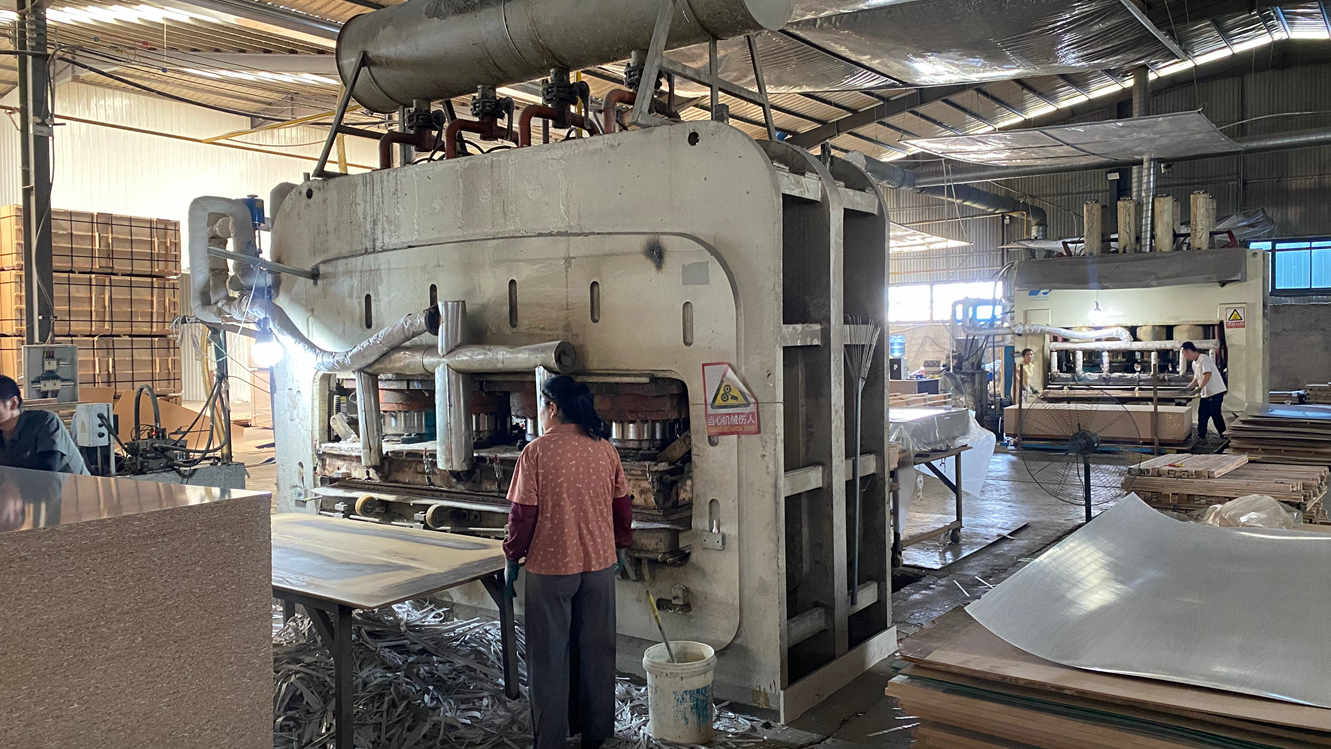
Panel line and machinery

Export packing for container loading
Container loading and shipment preparation
From Raw Material to Gdańsk-Ready Packing
Cabinet back panels fail at the small details: inconsistent thickness, weak bonding, rough edges, warped sheets or packaging that cannot survive a Baltic port transfer. The factory workflow should control each checkpoint before the container is sealed.
Material Selection
Veneer, fibre and core materials are checked for grading, moisture and visual defects before pressing or sanding.
Gluing & Pressing
Controlled glue spread and hot-press cycles support board bonding, density stability and surface consistency.
Calibration Sanding
Thickness calibration and sanding prepare the board for laminating, painting or direct cabinet use.
Surfacing & Decor
Melamine, veneer, UV, PET or decorative surfaces are checked for colour, texture and adhesion.
Inspection
Thickness, flatness, bonding, surface condition and batch traceability are reviewed before packing.
Packing & Loading
Export pallets, edge protection, strapping, moisture control and loading photos are prepared for shipment.
For buyers serving Gdańsk, Sopot, Gdynia and wider Pomeranian projects, the aim is not simply to ship sheets. It is to deliver a repeatable cabinet panel specification that arrives usable, documented and ready for fabrication.
Questions Gdańsk Buyers Ask Before Ordering Cabinet Back Panels
These are the practical questions that often decide whether a quotation becomes a repeat order. Clear answers on thickness, moisture, documents, MOQ and shipping reduce risk for both importers and cabinet makers.
Which cabinet back panel thickness is best for Gdańsk’s coastal climate?
Can you supply E1 or E0 boards with CE, FSC, CARB and ISO documentation for Poland?
What is the minimum order quantity for a mixed Gdańsk container?
How are goods shipped to Gdańsk, and what should be planned in the lead time?
Can cabinet back panels be customised for Polish cabinet systems?
How do we verify quality and moisture resistance before the container leaves China?
A Better Brief for Gdańsk Means Fewer Surprises at Installation
The most useful supplier conversation starts with the cabinet application, not only the sheet size. Tell the factory whether the panel is a light wardrobe back, a kitchen cabinet back subject to steam, a visible melamine interior or a decorative showroom surface. Then confirm the required thickness, moisture grade, emission class, decor, edge treatment and packing method.
For Gdańsk importers, this information gain is commercially valuable. It reduces sample rounds, avoids claims after container arrival and helps distributors choose a board range that can serve multiple customer segments — from Polish kitchen studios and furniture workshops to contract fit-out teams and port-based wholesalers.
KUDE’s role is to translate that brief into a practical production and export programme: panel specification, certification evidence, packing plan, loading photos and shipment documents. The goal is a reliable supply relationship, not a one-off quotation.
Buyer checklist before requesting a catalogue: target thickness, back-panel span, moisture exposure, decor or raw finish, E1/E0 preference, required certificates, annual volume, mixed-container plan, destination port and packaging expectations.
Factory-direct panel sourcing for Gdańsk and the Pomeranian marketRequest a Gdańsk-Ready Cabinet Back Panel Quotation
Send your panel list, thickness range, surface preference, emission grade, target quantity and delivery schedule. The export team can match your requirement with raw MDF, HDF, melamine-faced boards, moisture-resistant MDF or decorative panel lines.
Get CatalogFactory-direct supply from Linyi KUDE International Trading Co., Ltd. · Export support for Poland, the Baltic region and 30+ countries